
In modern cities, playgrounds are not just play areas; they are centers of social life, learning, and exploration. However, a successful playground project must go beyond aesthetics — it must be designed with safety, accessibility, age appropriateness, and sustainability in mind.
Choosing the Right Playground Location
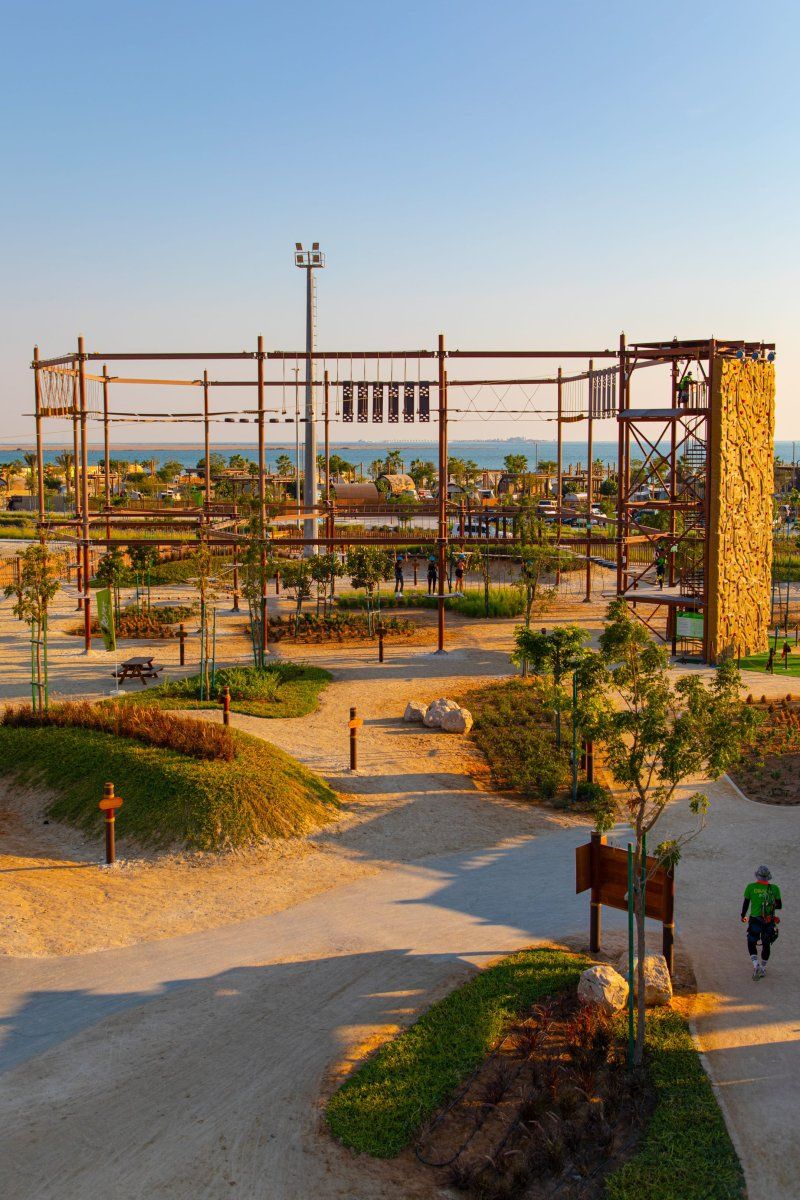
The success of a playground begins with its location. Parks should be planned in easily accessible yet quiet areas, away from traffic and noise. A well-located playground offers key advantages: families can bring their children safely, pedestrian access is easier, and social interaction areas develop naturally around the park. Cemer designs children’s playgrounds in the most suitable areas according to the demographic structure of each city.
Play Area Distribution by Age Group
Each age group plays differently. A well-designed playground should offer distinct zones for children aged 1–12.
-
Ages 1–3: Mini slides and low-level climbing structures
-
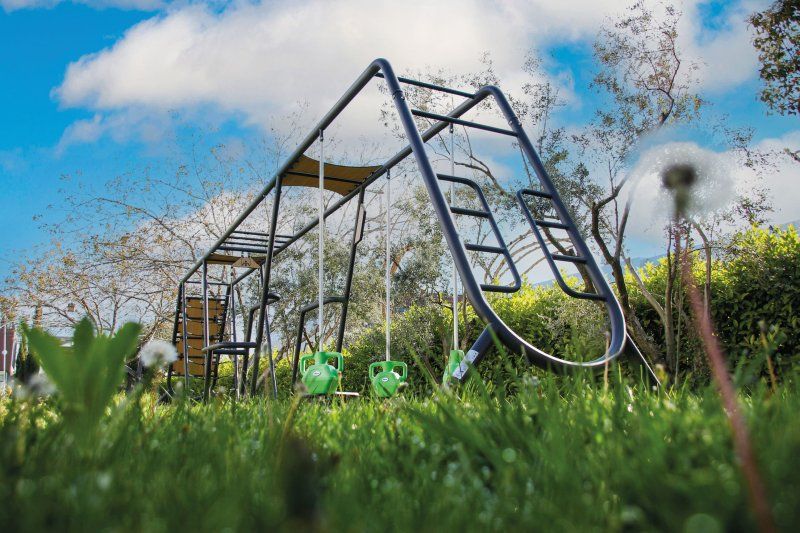
Ages 4–7: Balance games that develop motor skills
-
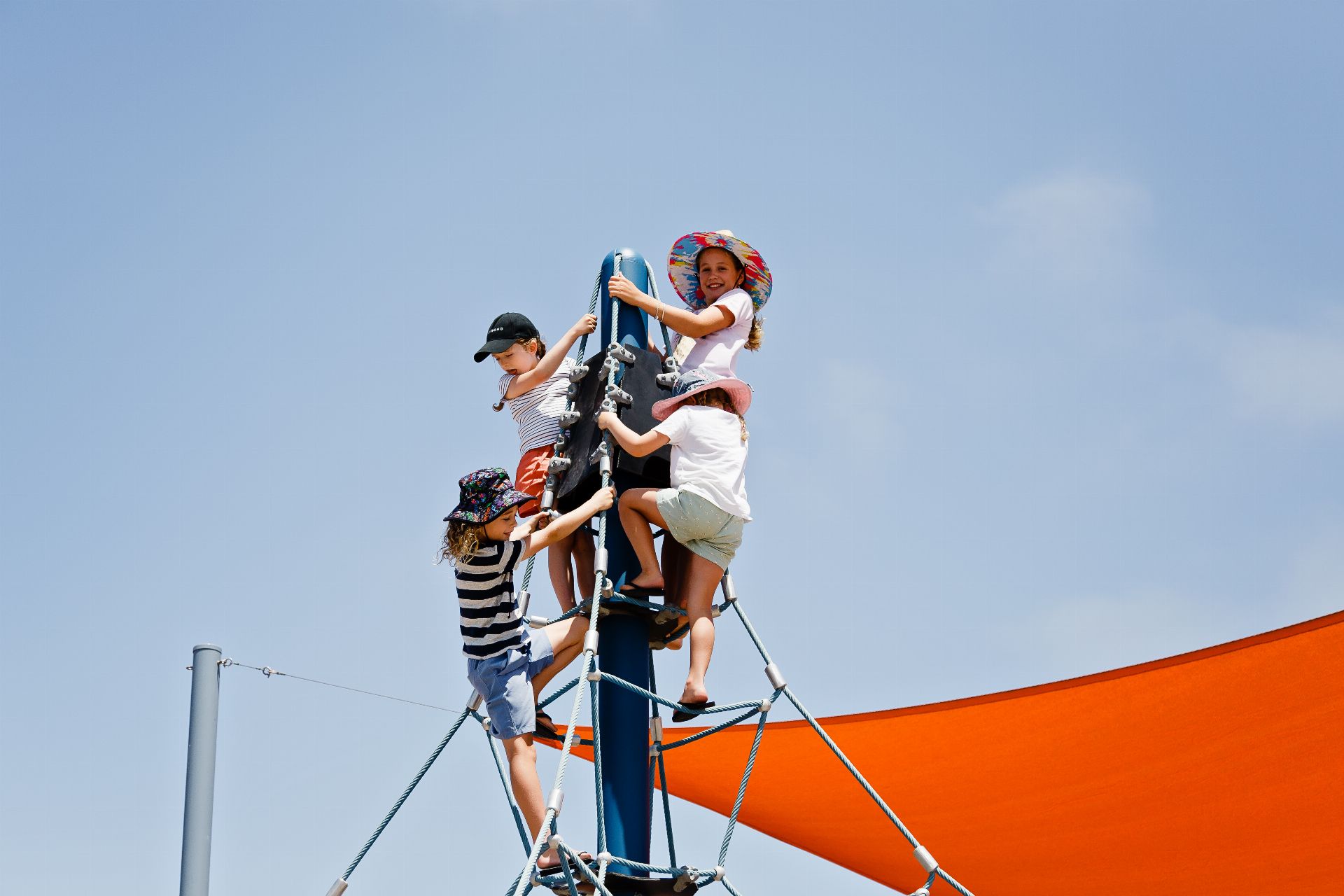
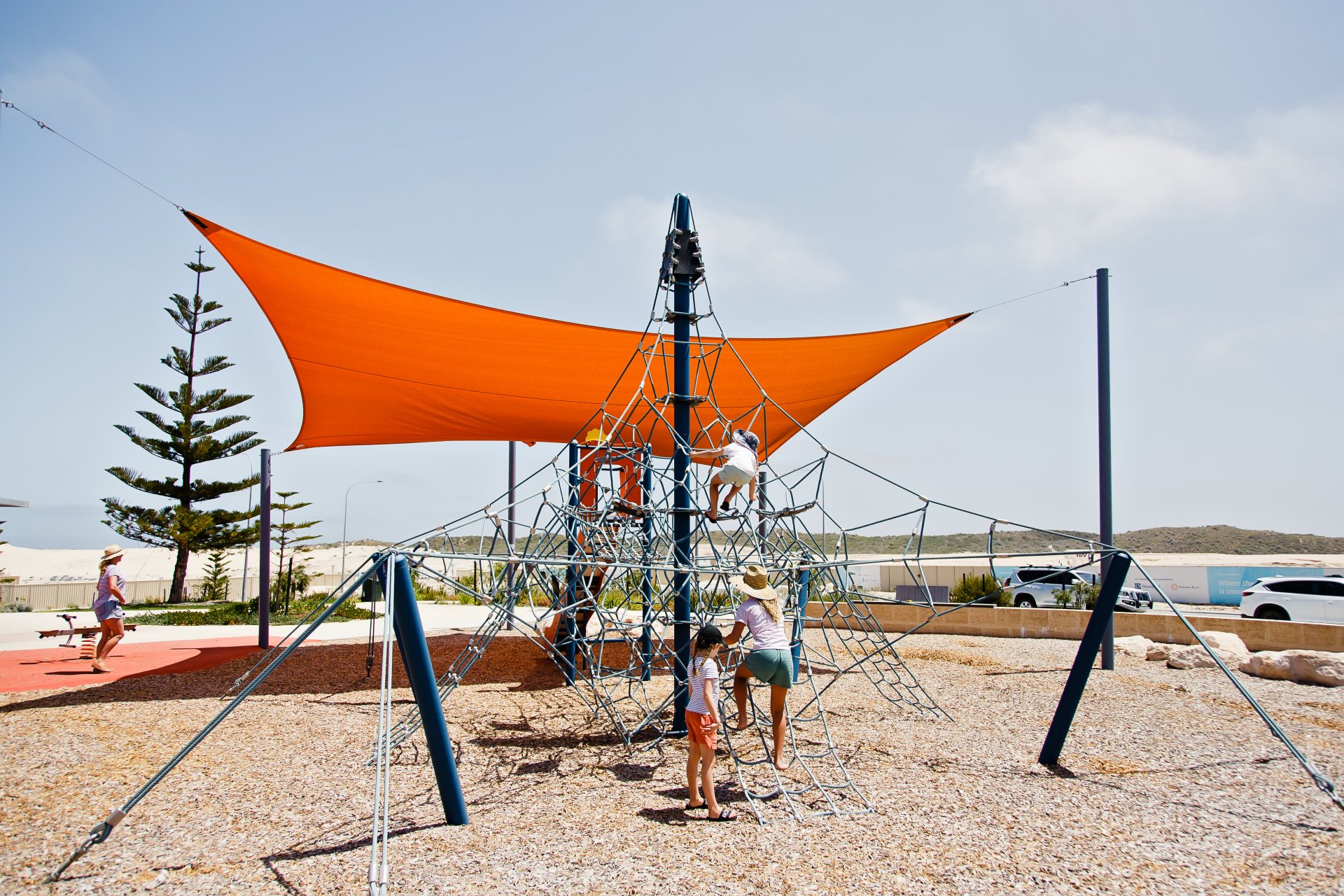
Ages 8–12: Climbing systems and rope courses that support physical strength
This age-based zoning ensures that the playground is both safe and educational.
For more technical details, visit our article Playground Standards: Safety, Materials, and Regulations.
Compliance with Playground Safety Standards
Safety should be at the heart of every park project. From the ground surface to every connecting element, all materials must comply with international standards.
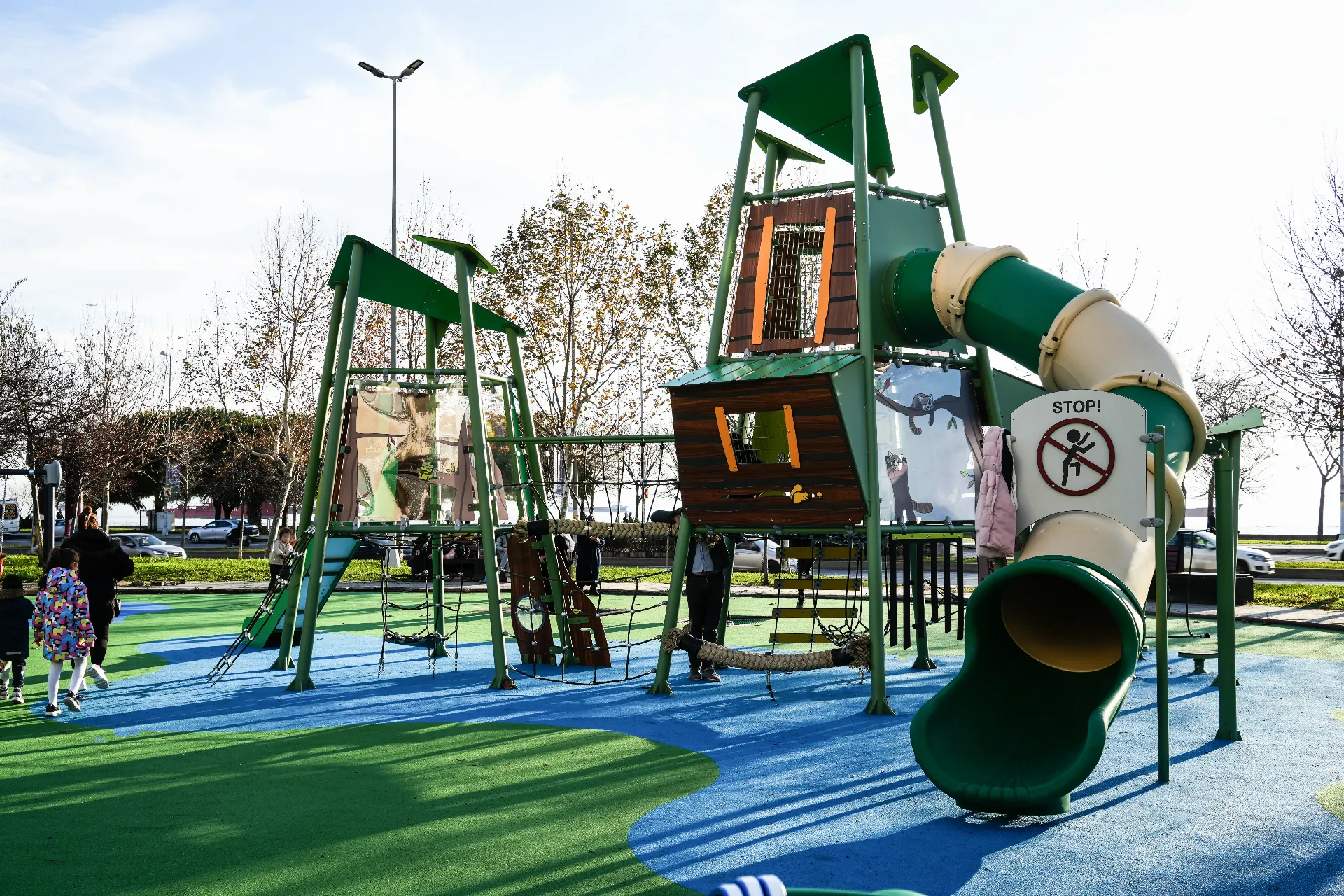
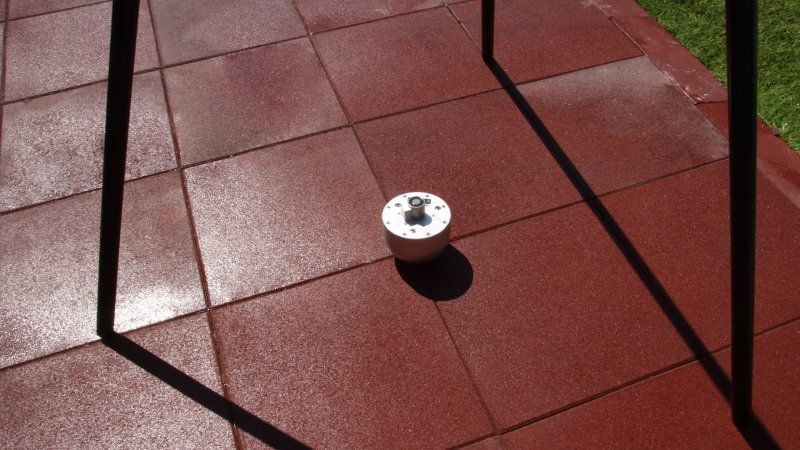
Cemer ensures maximum safety with playground equipment tested according to EN 1176 standards. Shock-absorbing ground coverings, rounded edges, and ergonomic design details protect children at every stage of play.
Themed Playgrounds that Inspire Imagination
Modern city playgrounds are not limited to physical play — they also stimulate imagination. Themed playground equipment supports creativity and storytelling skills.
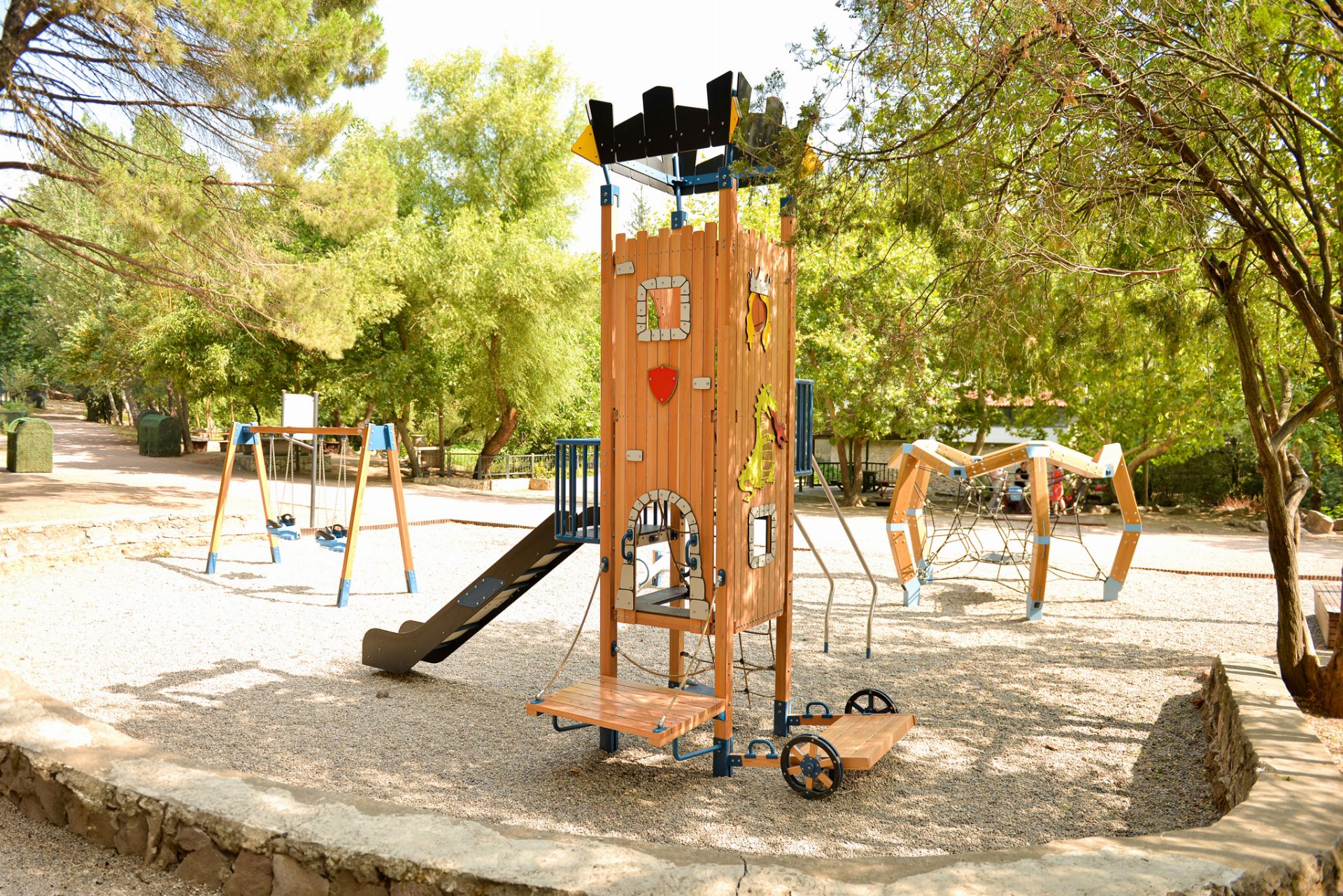
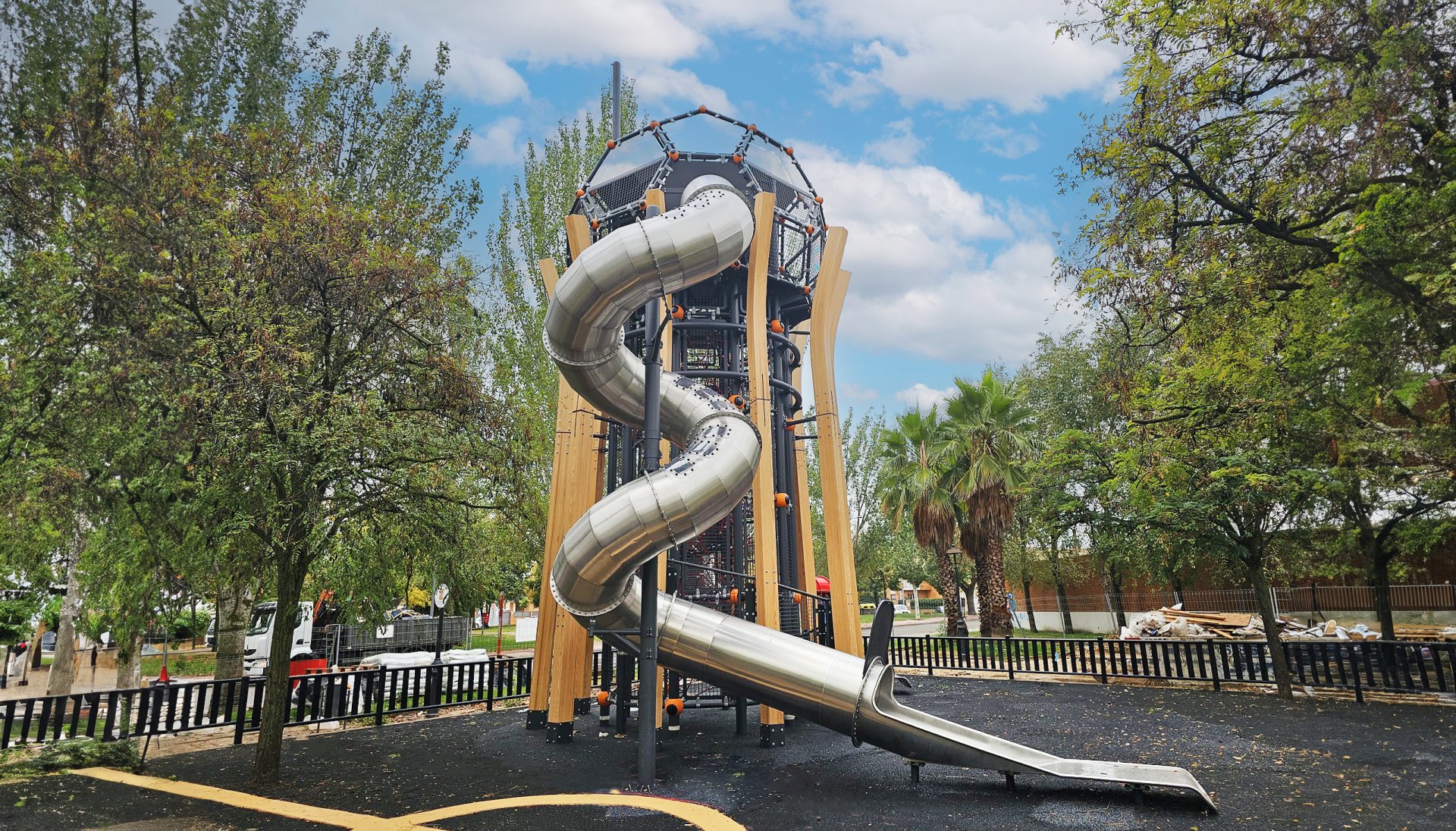
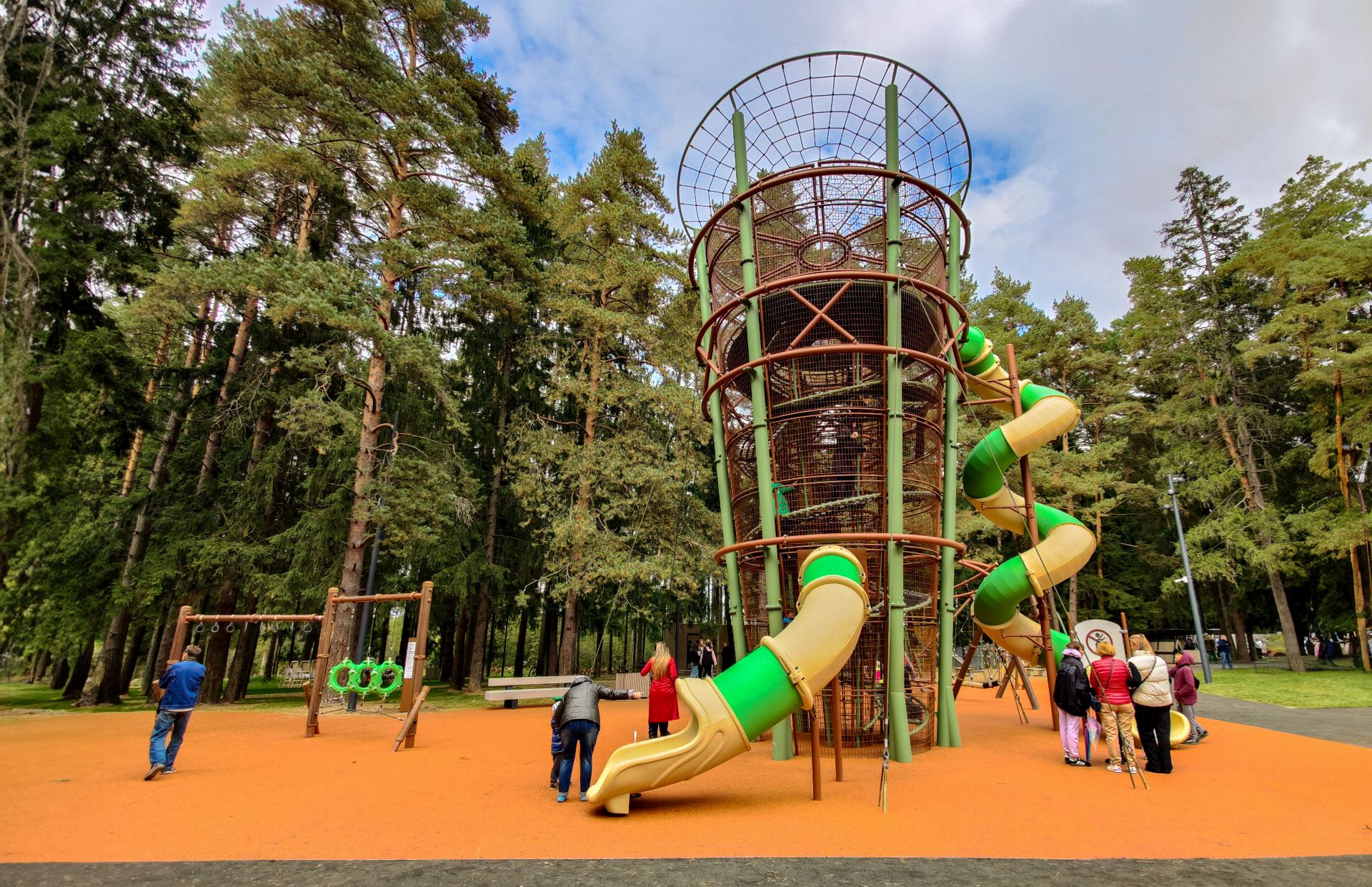
Cemer’s Themed Playgrounds exemplify this approach. Pirate ships, space-themed towers, or nature-inspired play modules turn every park into a new adventure world within a child’s imagination.
Sustainability and Aesthetic Balance in Playgrounds
In contemporary urban planning, environmentally friendly parks are just as important as safe ones.
Recyclable materials, solar-powered lighting, and water-saving landscaping systems reduce the park’s carbon footprint. With sustainable production policies, Cemer protects nature while enhancing the city’s visual appeal.
To explore Cemer’s eco-friendly park projects, visit our official website.
Designing playgrounds in cities is not merely about arranging a space for play. It is a process that deeply influences children’s physical development, social interaction, and creativity. Cemer continues to design themed, safe, and sustainable playgrounds to make cities more livable, secure, and inspiring for children.
Frequently Asked Questions
1. What is the most important step in playground planning within cities?
Location selection, safety, and accessibility are the first key factors. These directly affect how often the playground is used.
2. Why are themed playgrounds important?
Themed playgrounds enhance children’s imagination and social skills, turning the park into both a play and learning environment.
3. What type of ground surface should be used in playgrounds?
Shock-absorbing rubber or EPDM surfaces are recommended to ensure safety in case of falls.
4. How should playgrounds be designed for children with disabilities?
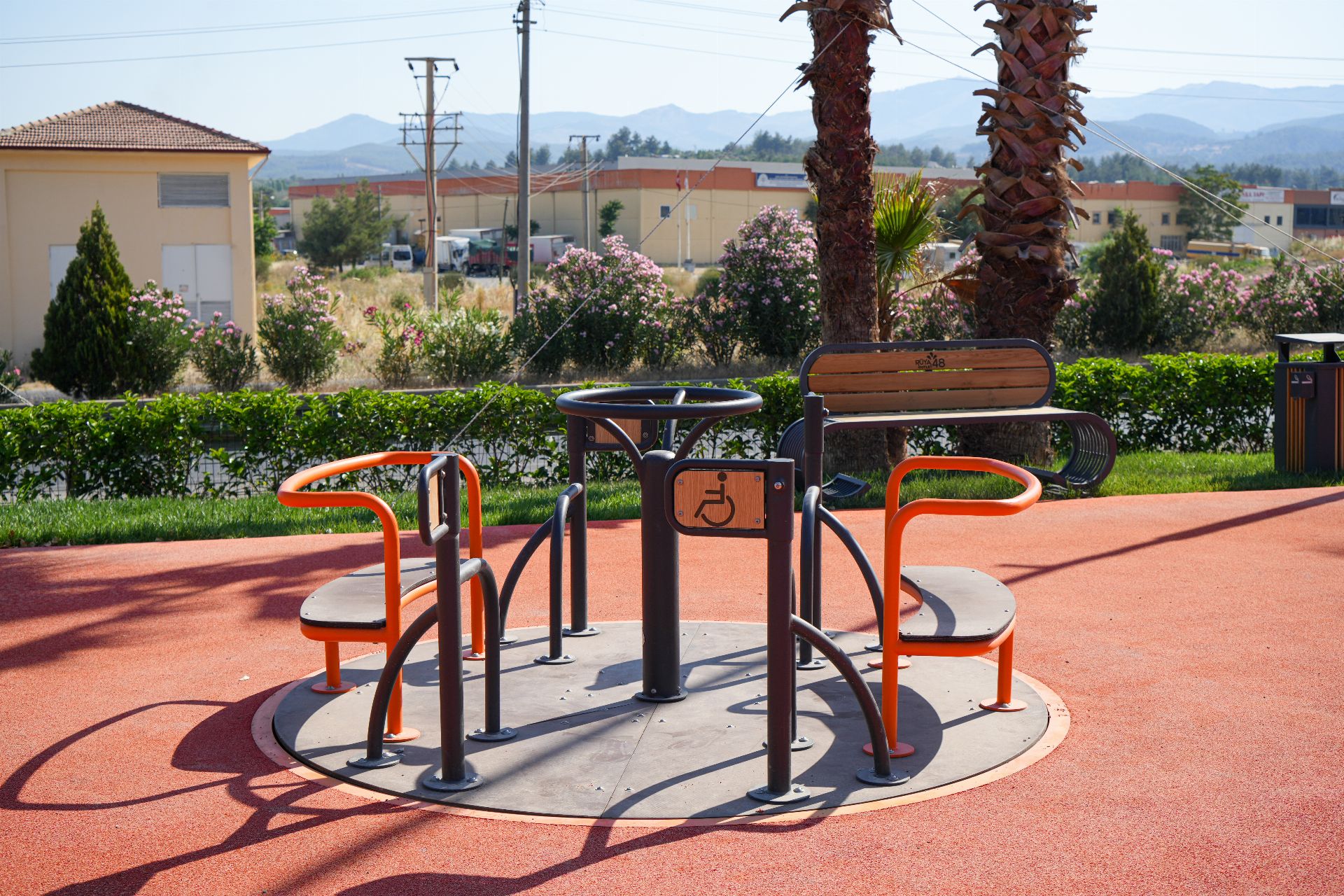
Ramped access, sensory play elements, and wide passageways create an inclusive and accessible play experience.
5. What does sustainable park design mean?
It involves using energy-efficient lighting, recyclable materials, and water-saving landscaping systems to minimize environmental impact.