
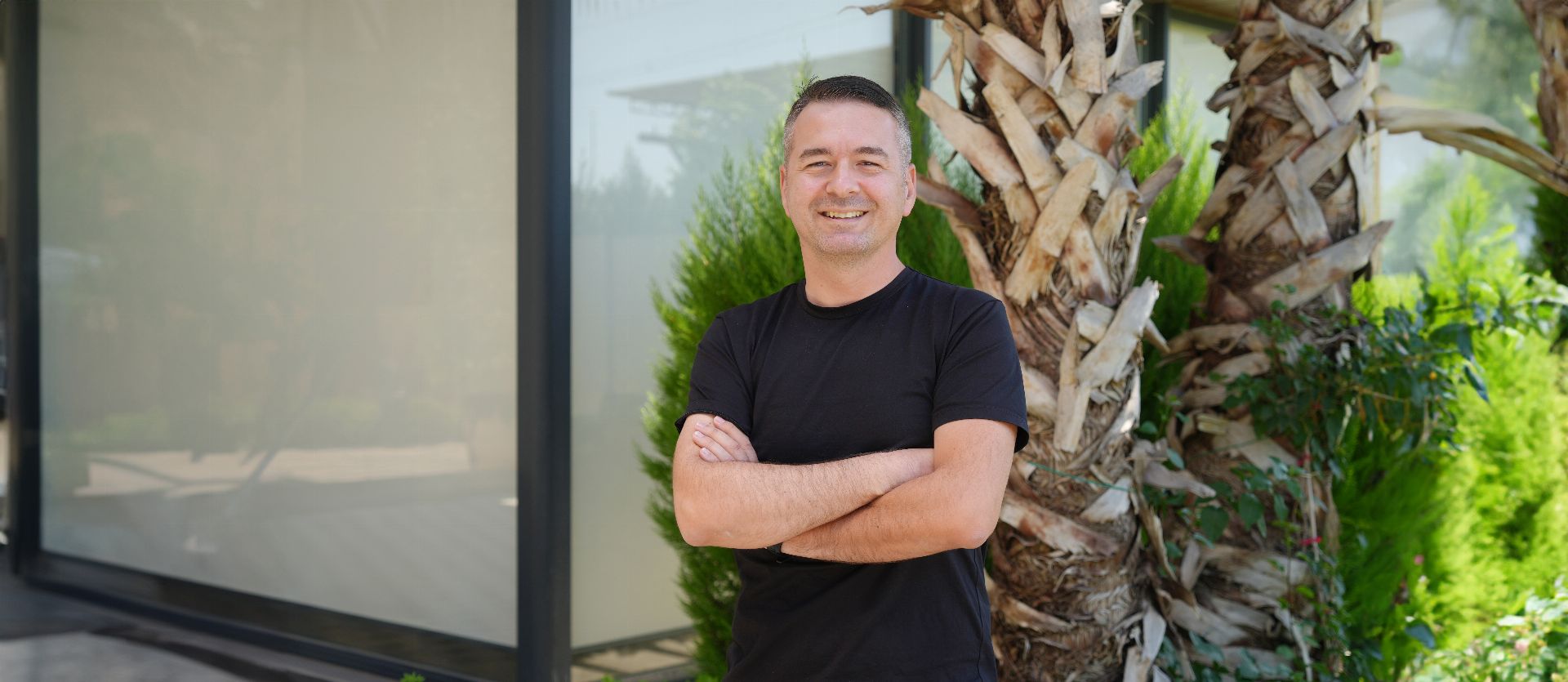
From İzmir to the World: Cemer’s Global Journey
When I first entered this industry nine years ago, if someone had asked whether I could imagine the point we’ve reached today, I must admit my answer would have been no.
We began our journey exporting to just 15 countries — and today, Cemer Urban Equipment proudly reaches more than 75 countries across the globe.
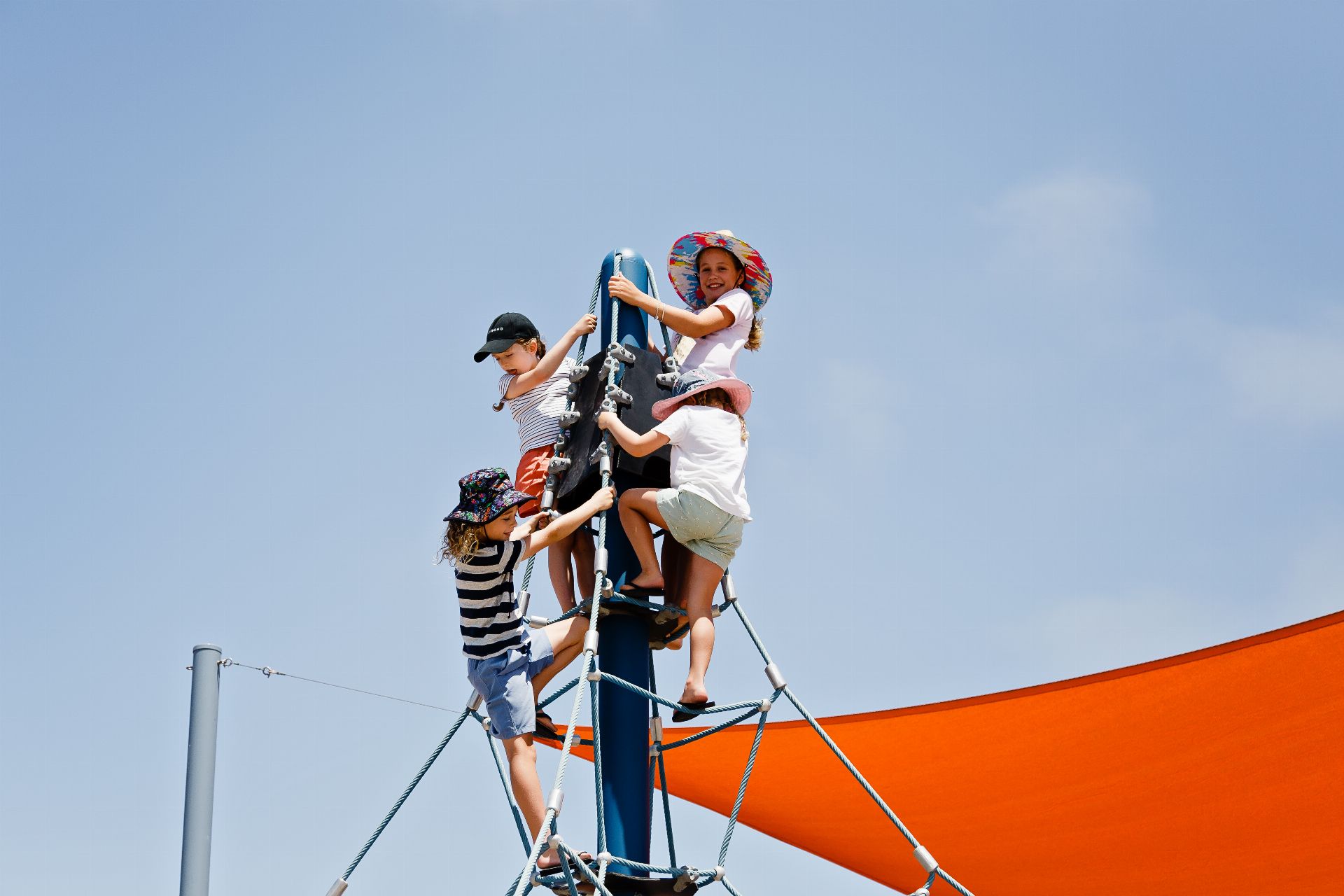
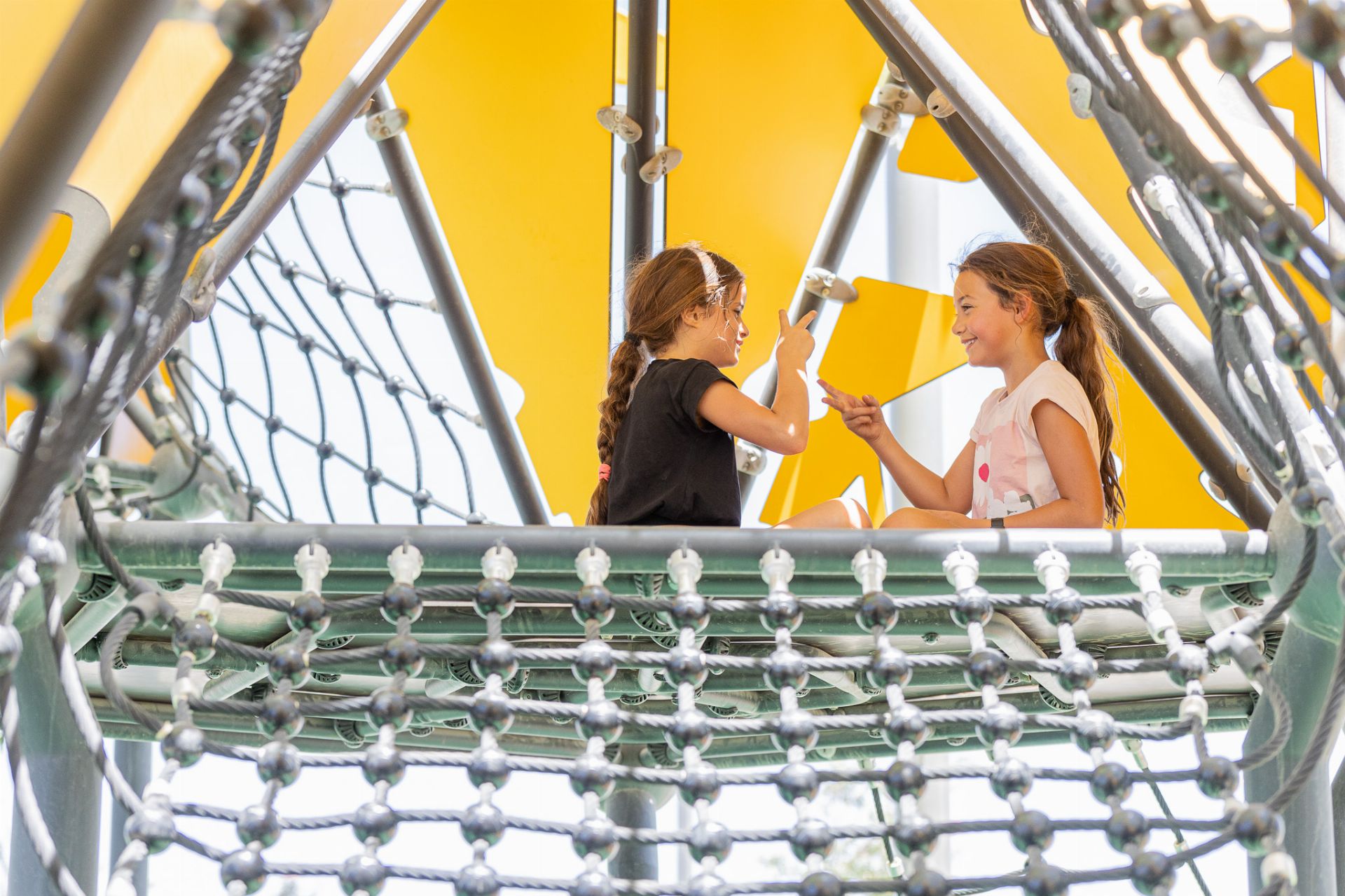
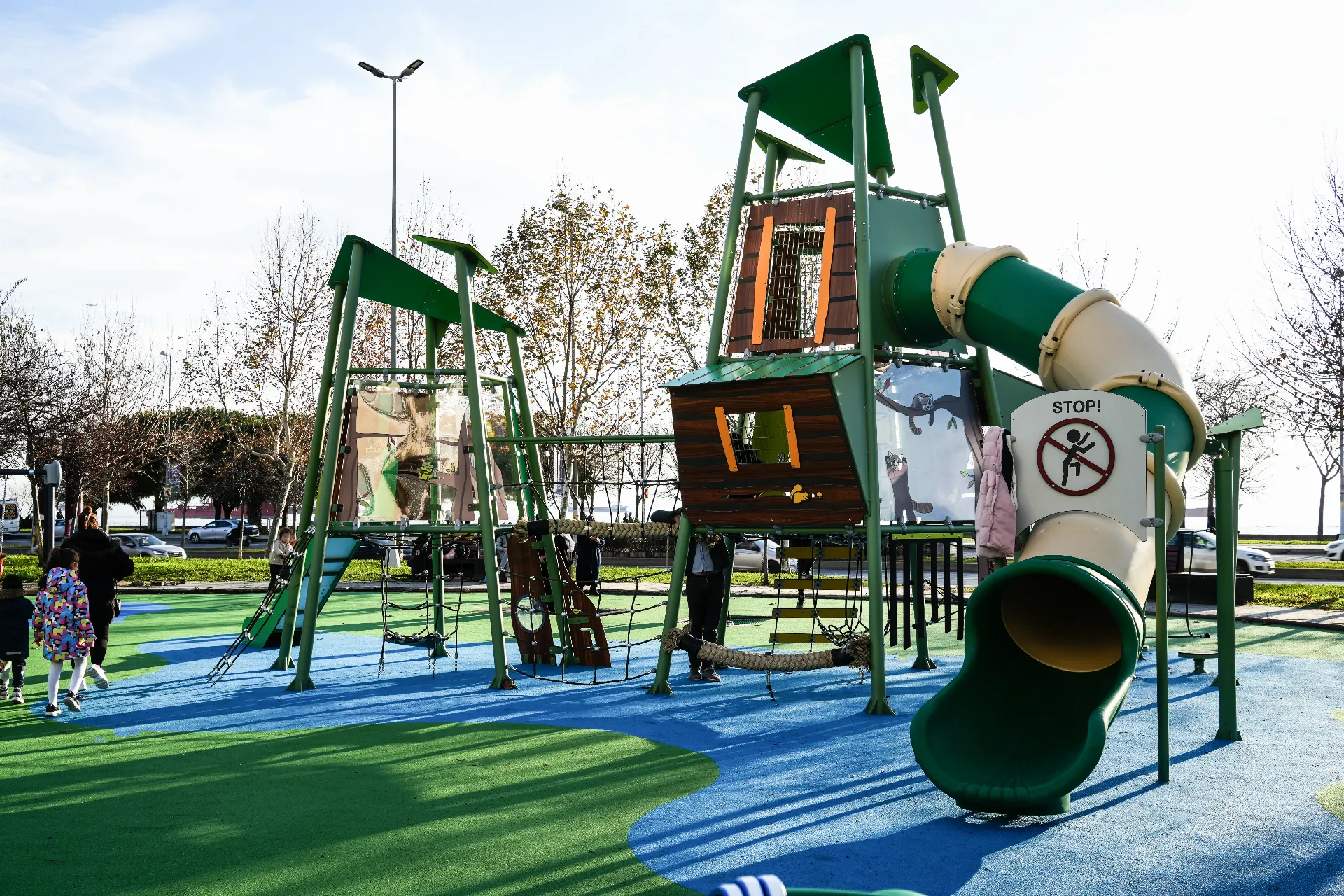
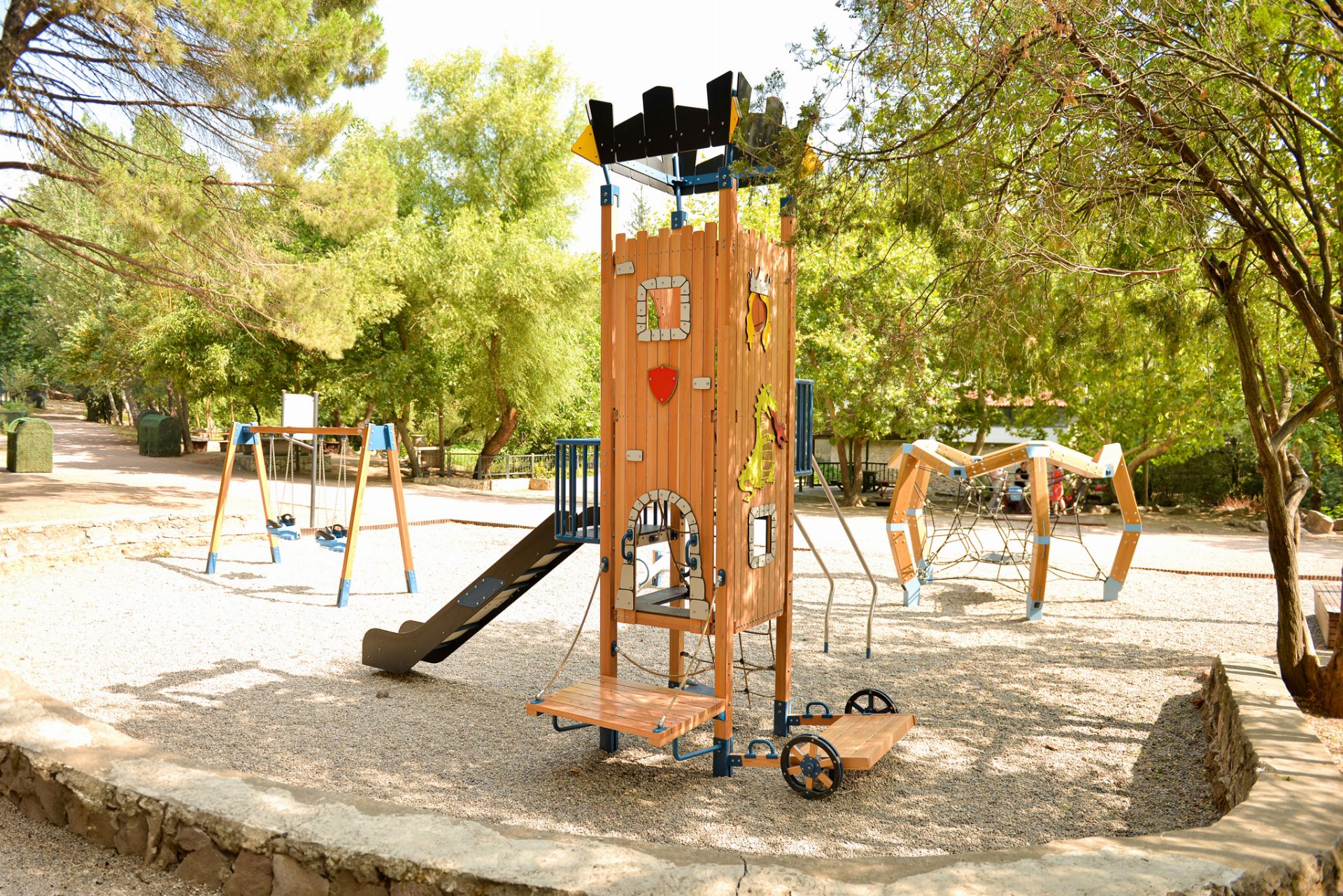
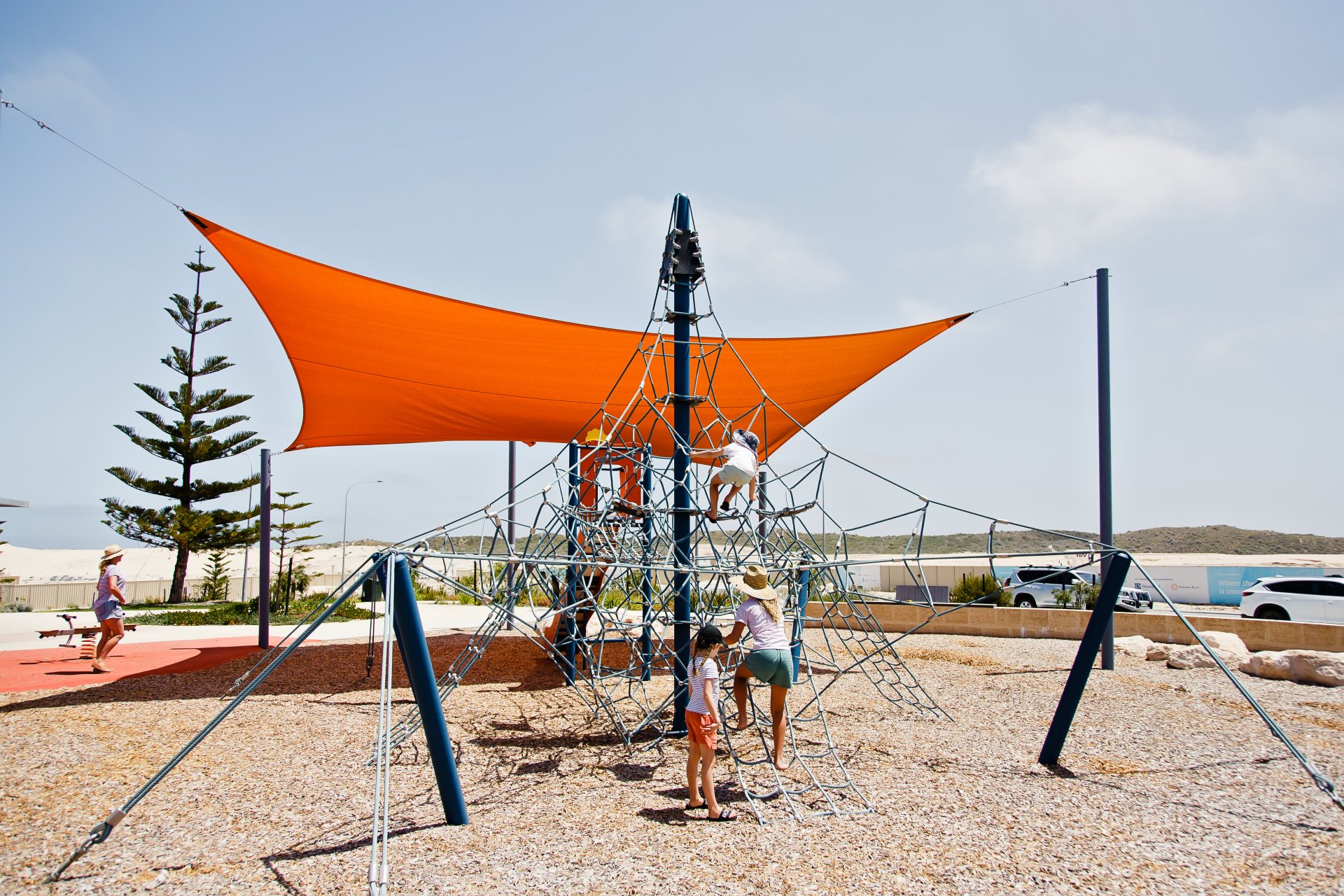
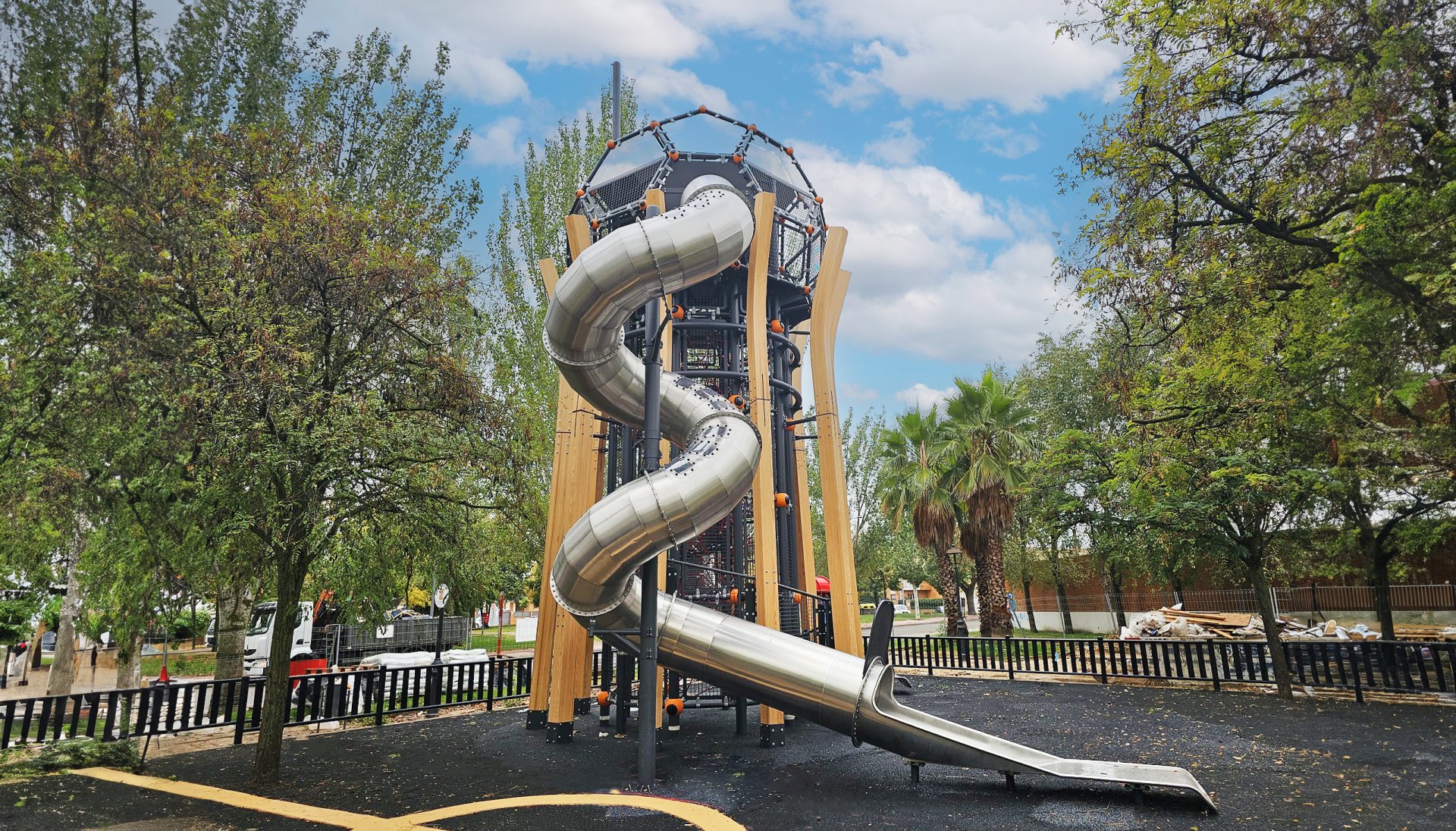
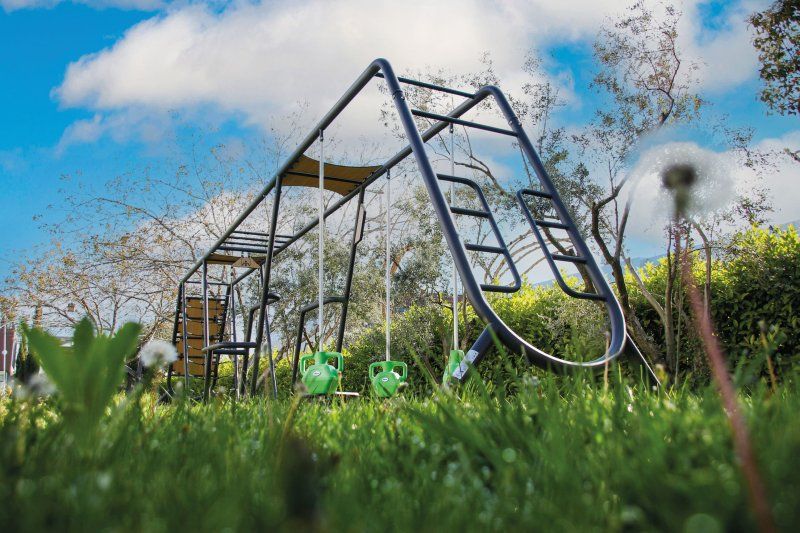
As the clear leader in our domestic market, we take great pride in bringing high-quality playgrounds and social spaces to communities all around the world — from Australia to Chile.
(In fact, as I write these lines, we’ve just received our very first order from New Zealand, the farthest corner of the world. Mark the date: 24.06.2024 😊)
Over the past nine years, I’ve personally travelled to more than 60 countries and visited over 600 companies, proving to the world that İzmir can also be home to truly global brands.
People from İzmir and the Aegean region are often described as easy-going, Mediterranean souls — fond of comfort and a good life. Unfortunately, this reputation has been reflected in the region’s relatively low export rates compared to Marmara or Istanbul.
However, today, things are different.
It has become increasingly common to come across a Cemer playground while walking through the streets of Singapore, or in the garden of a school in London.
On a business trip to Sydney, hearing that Cemer is among the leading names in the market is no longer a surprise — it’s a source of pride.
At this point, we’ve built a global business network stretching from New Zealand to Chile — a footprint that truly covers the world.
What We’ve Learned from the World
Travelling so widely gives us the chance to observe not only markets but also cultures and attitudes — especially regarding children’s play and urban life. Allow me to share a few fascinating insights I’ve gathered along the way.
One clear pattern I’ve noticed is that a country’s level of development often correlates directly with children’s freedom to take risks.
In countries like Norway or Denmark, parents tend to give teachers and schools greater freedom — allowing children to take manageable risks and develop confidence through play.
When choosing playground equipment, they prioritize innovative, skill-developing, and safety-certified designs.
Conscious parents understand that small falls and minor injuries are part of healthy development — not something to be feared. They know that our products are built to meet international safety standards.
In contrast, in developing countries, we often encounter the opposite mindset.
In one example from Indonesia, a school principal sent a formal warning, concerned that one of our play units might be “too risky.”
Ironically, the exact same design is safely installed in Canada and Germany — countries where parents appreciate age-appropriate challenges and trust the safety certifications behind our products.
The Colour of Culture
Another interesting global difference lies in colour preferences.
In Scandinavia, for instance, the most popular playground colours are black and white — minimalism at its finest. If your design includes bold primary colours like red, blue, or green, and especially if it’s made of plastic, convincing clients can be a challenge!
Moving south, things change.
In Central Europe, pastel tones and two-colour combinations dominate.
In Romania, Bulgaria, and across the Balkans, multi-coloured designs and bright reds are still highly popular.
Meanwhile, in Australia and Singapore, attention to colour harmony across the entire project is essential. For them, black or white alone simply isn’t enough — balance and coordination matter most.
Looking Ahead
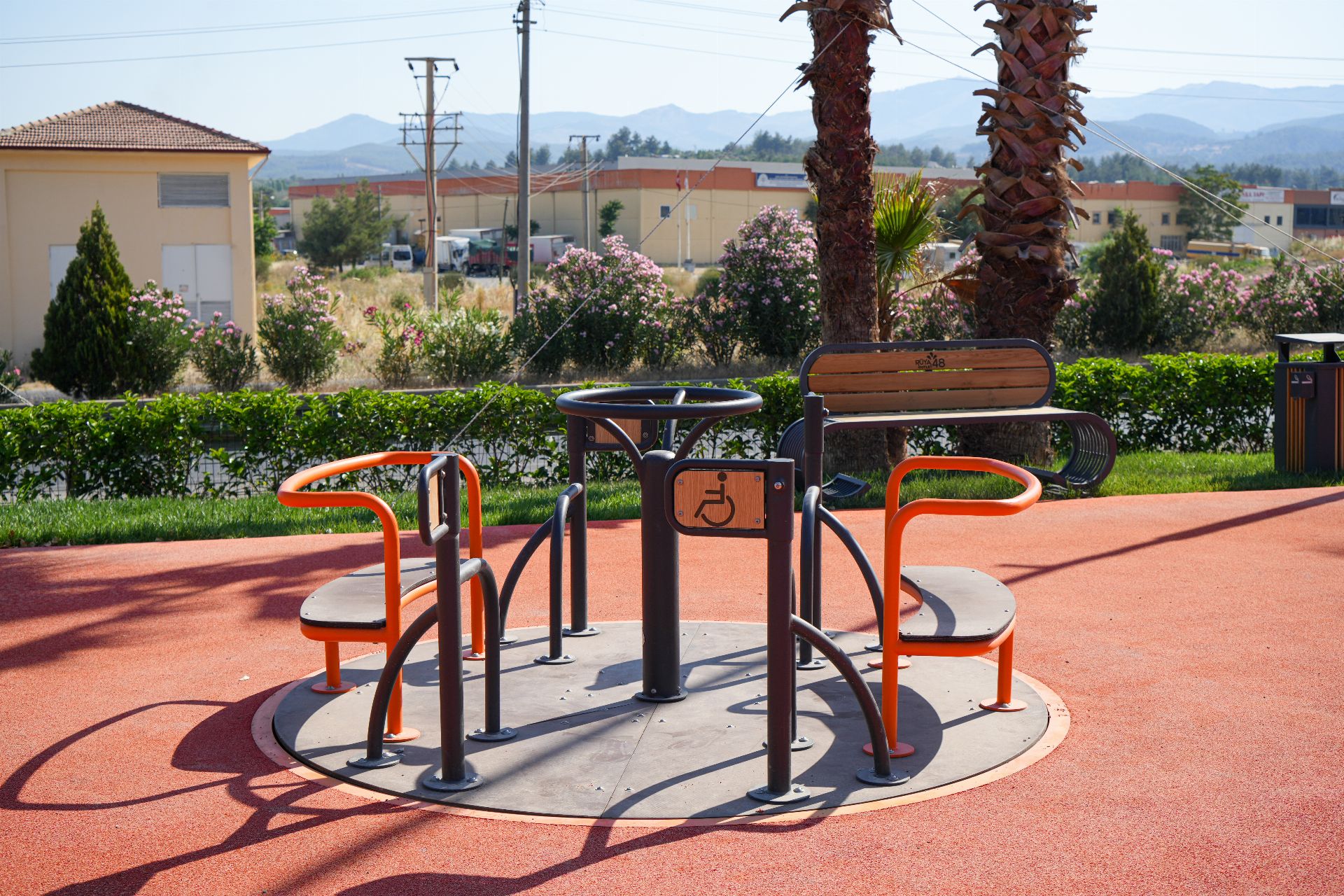
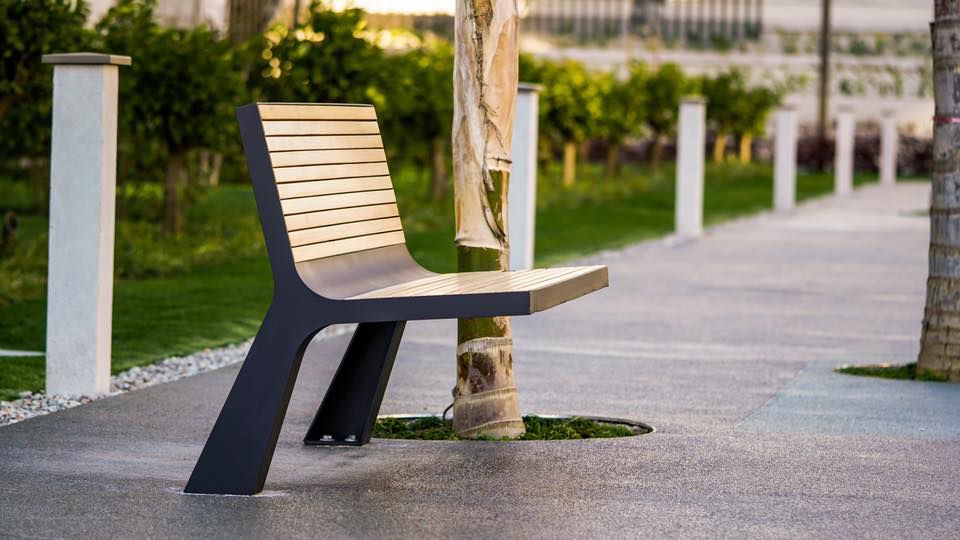
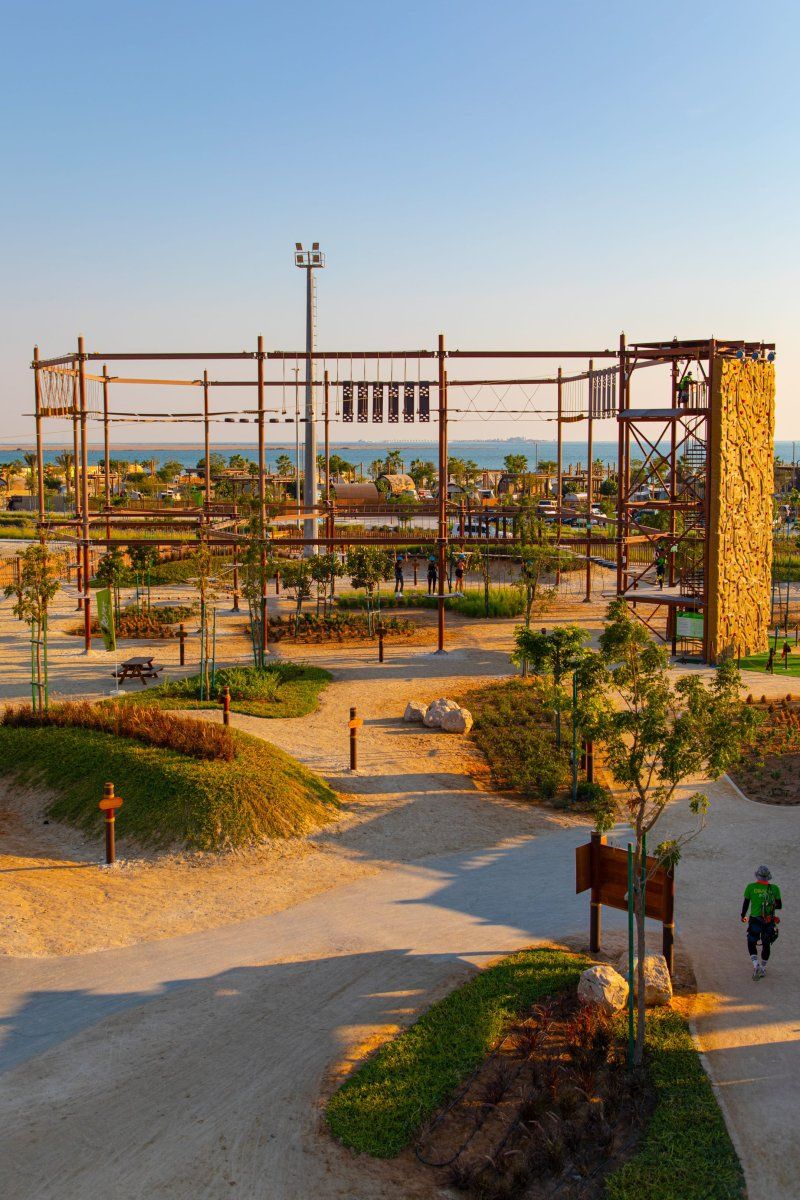
Today, I am proud to say that Cemer Urban Equipment stands among the world’s leading manufacturers of children’s playgrounds, outdoor fitness equipment, adventure parks, and urban furniture.
Our journey — from a regional player in İzmir to a global leader — is a testament to hard work, vision, and the belief that quality has no borders.
Our mission now is to strengthen our global presence even further — expanding into new markets every year, while continuing to create spaces where children play, communities gather, and life happens.
Thank you for reading.
Best regards,