

As modern cities continue to expand and transform, the importance of maintaining a strong connection with nature becomes increasingly essential. Parks, walking trails, open recreation areas, and natural habitat corridors play a vital role in supporting the physical and mental well-being of urban residents. In densely populated areas, even a small touch of nature can significantly improve overall quality of life and reduce the stress associated with fast-paced city environments.
Green spaces are powerful environmental tools. They improve air quality by absorbing carbon and producing oxygen, offering cleaner and healthier breathing conditions. They also help reduce the “urban heat island effect,” providing a cooling buffer during hot summer months. In addition, green areas regulate noise pollution, contributing to a calmer and more balanced urban atmosphere.
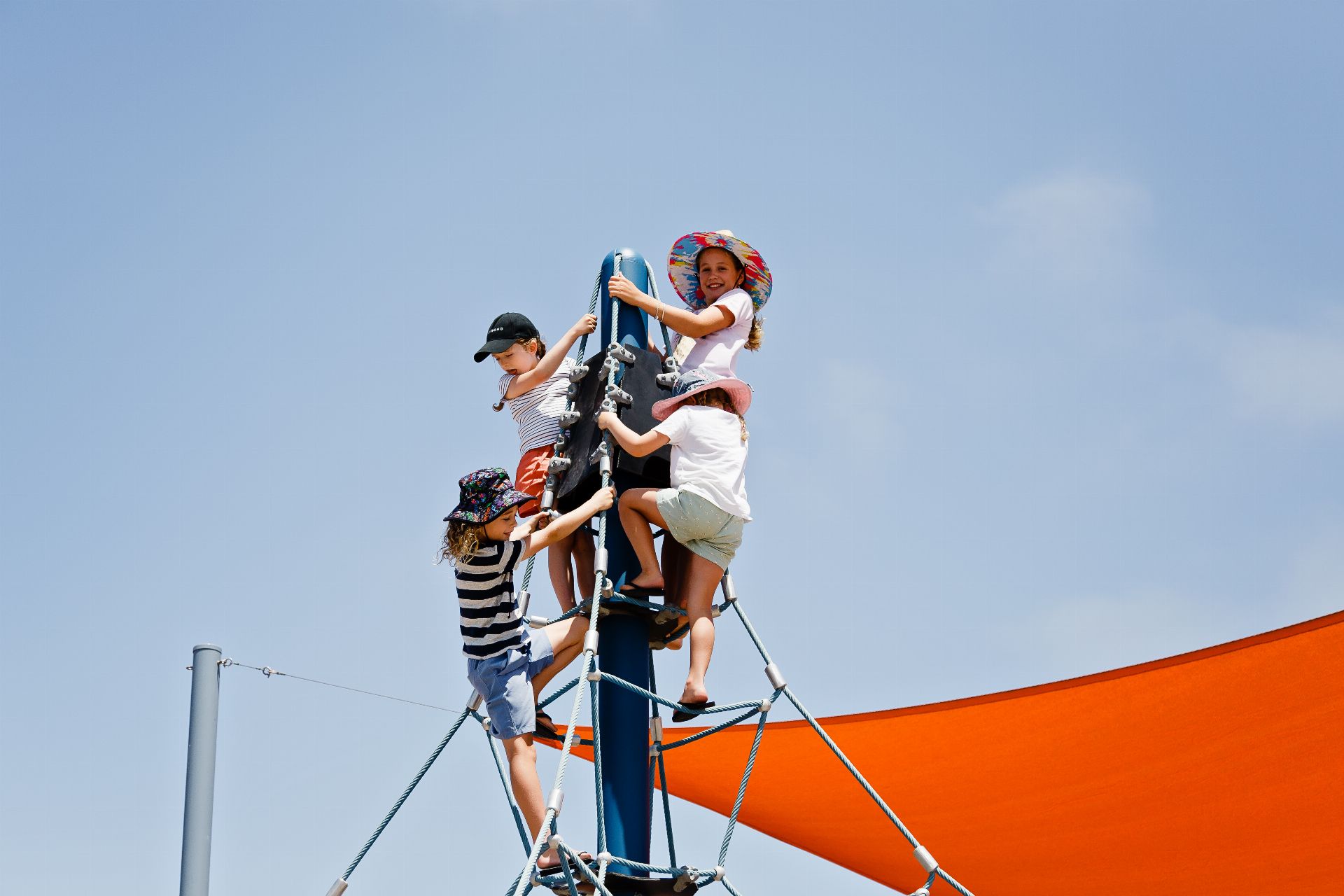
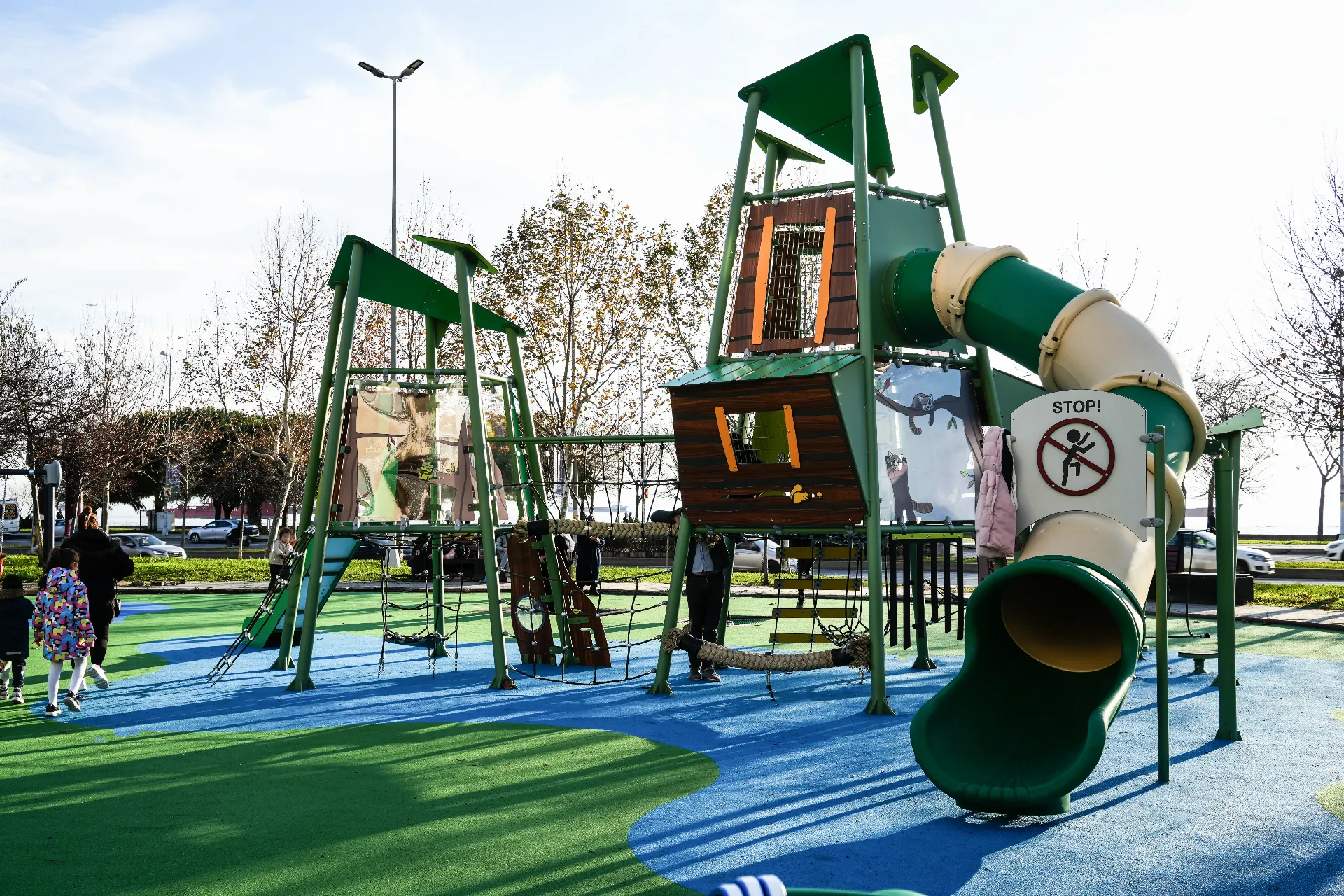
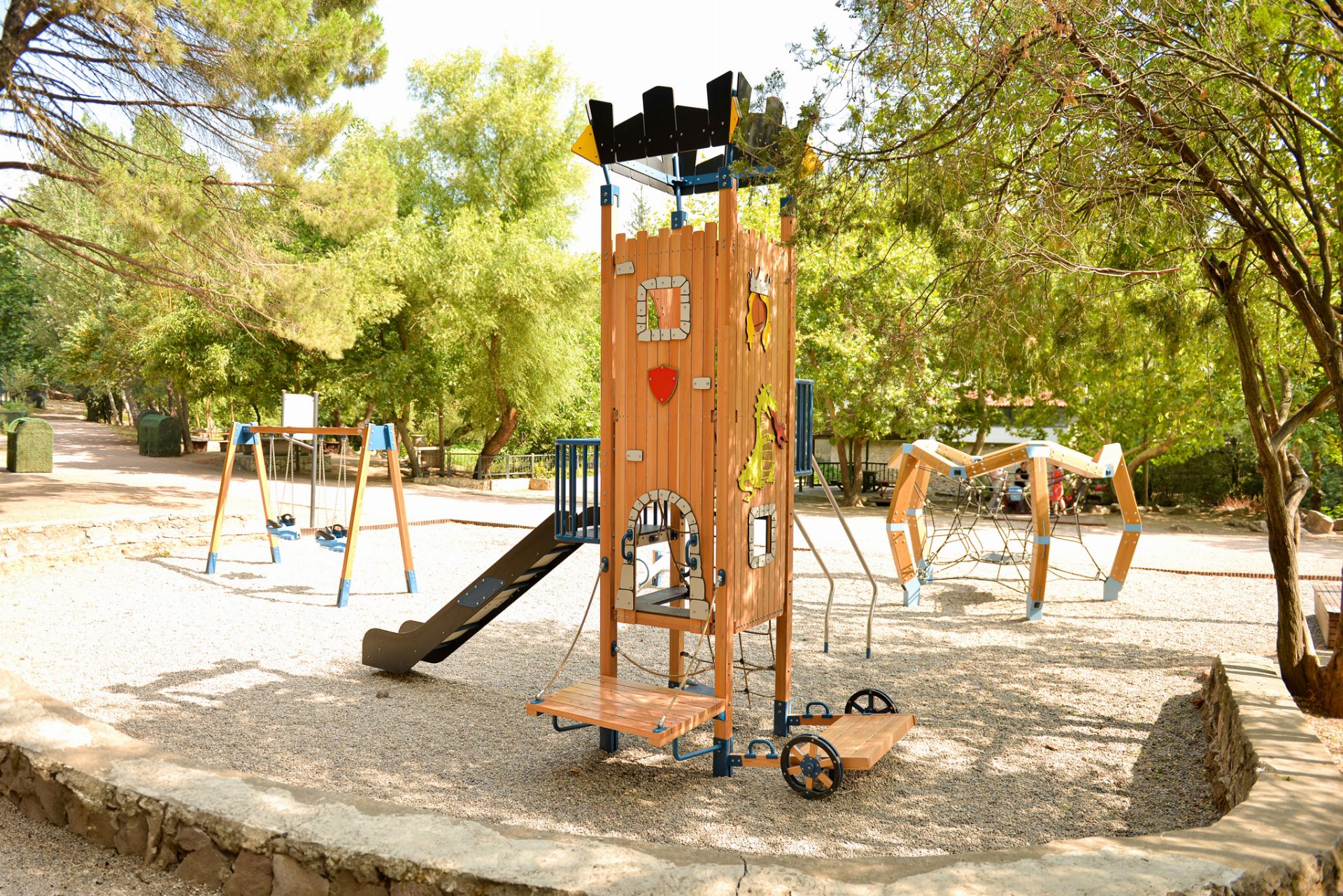
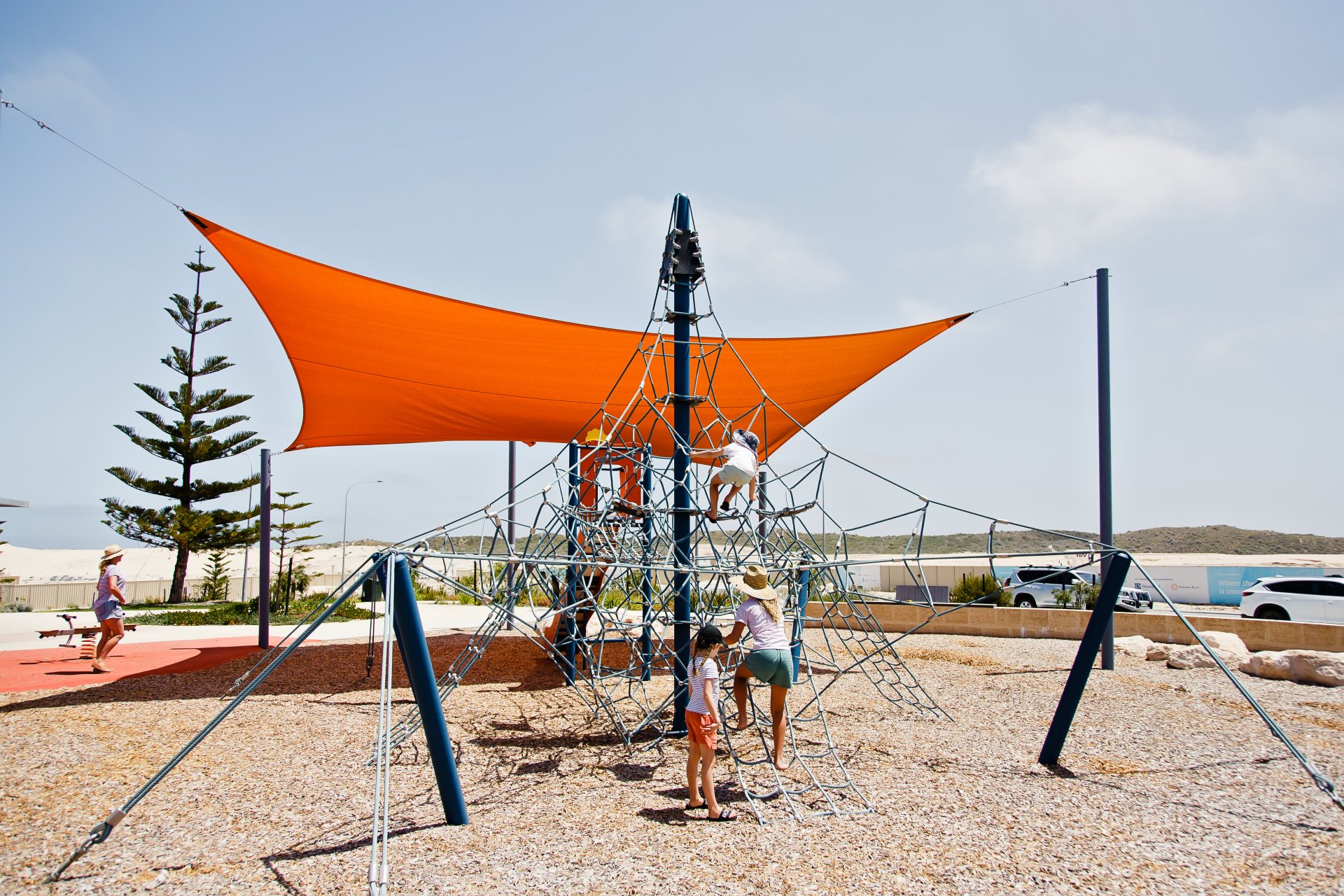
For families, parks have evolved into more than simple leisure areas—they provide safe spaces where children can play, socialize, and engage in physical activity. For adults, these areas offer opportunities for exercise, relaxation, and community interaction. By bringing people together, green spaces strengthen social cohesion and create a sense of belonging within the city.
In sustainable urban planning, increasing green spaces is no longer considered merely an aesthetic choice but an ecological necessity. Green corridors and protected natural zones support biodiversity, improve rainwater management, and enhance environmental resilience. Nature-centered design is now recognized as a crucial element for creating healthier, cooler, and more livable cities.
The cities of the future must rely on parks, linear greenways, vertical gardens, and sustainable landscape strategies to improve everyday life. This forward-looking approach will not only enhance environmental durability but also ensure healthier and more vibrant urban spaces for generations to come.