
With the rapid growth of cities, parks and gardens have become essential breathing spaces in urban life. Yet to ensure that these areas remain functional, aesthetic, and environmentally friendly in the long term, the adoption of sustainable landscape design is crucial.
Sustainability is not just about protecting nature—it also means using resources efficiently, reducing maintenance costs, and providing city residents with higher-quality living environments.
Eco-Friendly Material Selection
The first step in sustainable landscape design is choosing materials that do not harm the environment.
By opting for recyclable, durable, and non-toxic materials, designers contribute to both environmental health and budget efficiency.
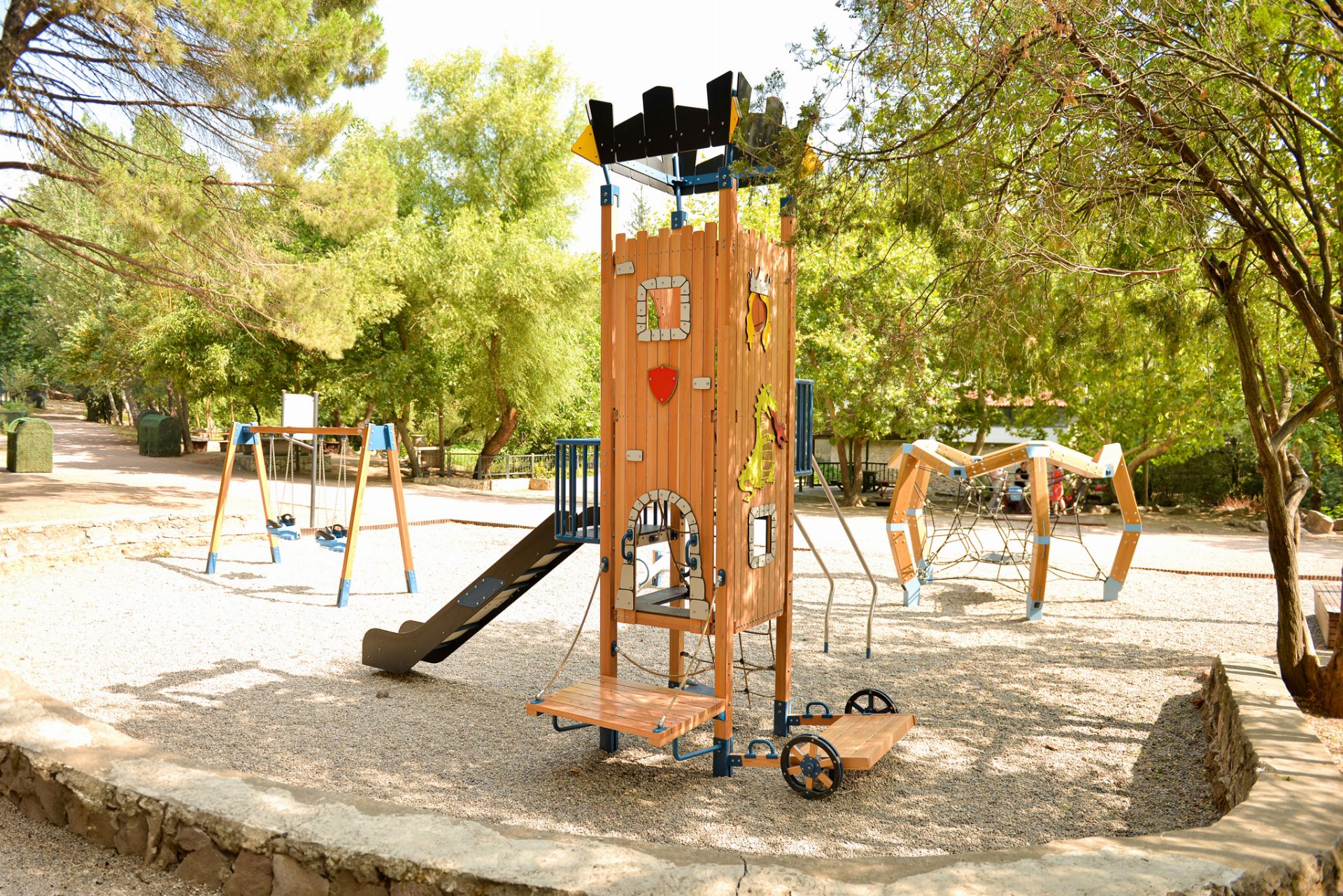
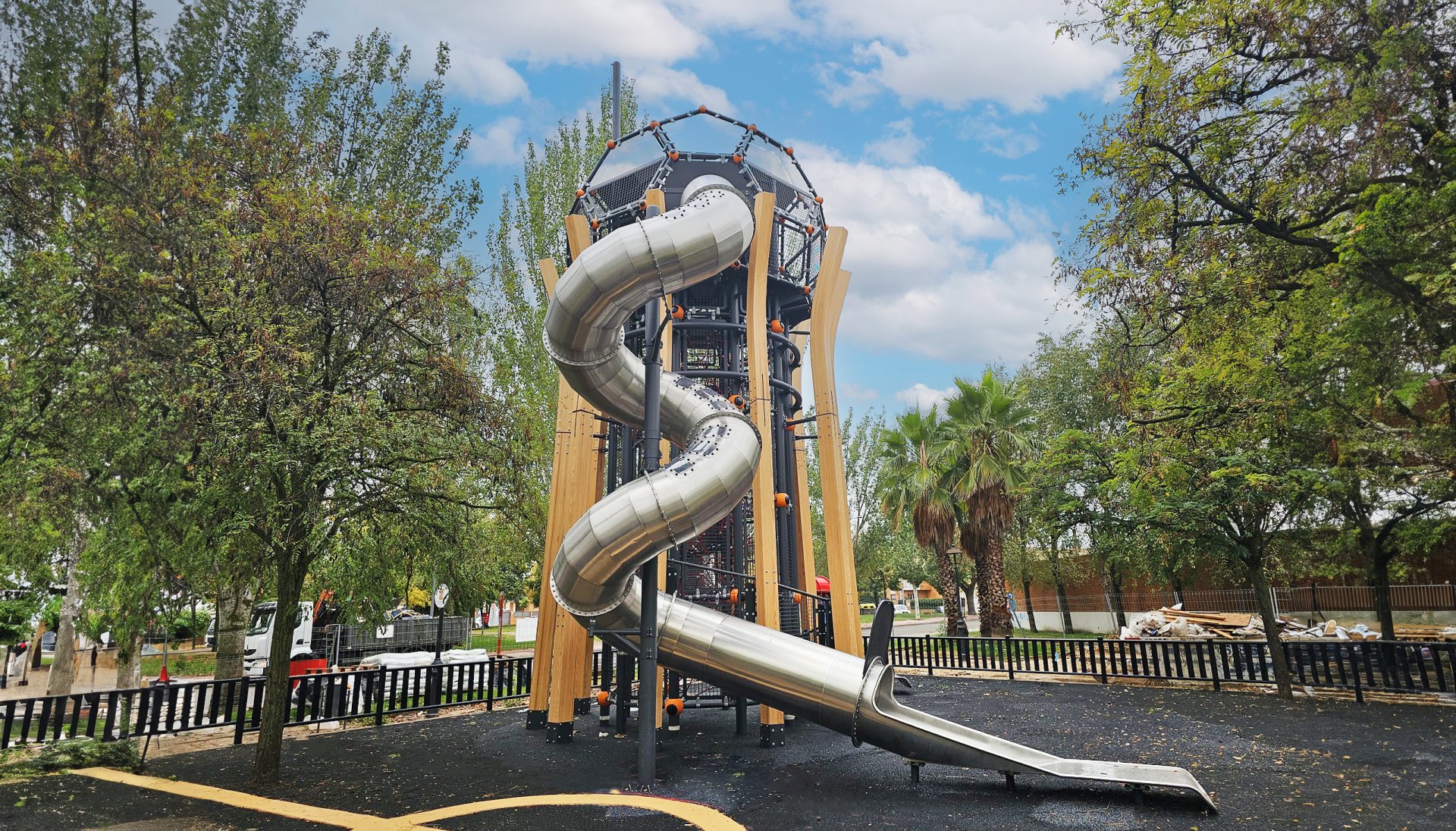
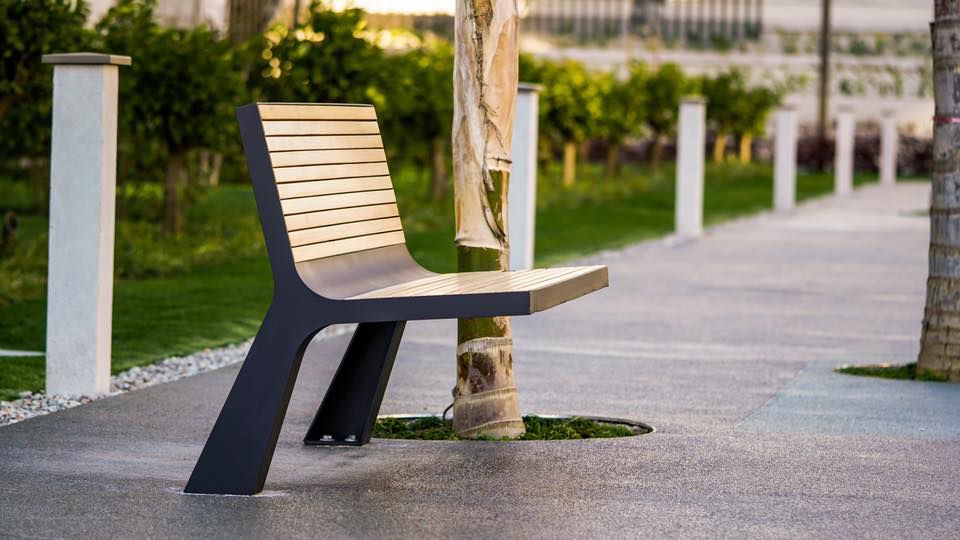
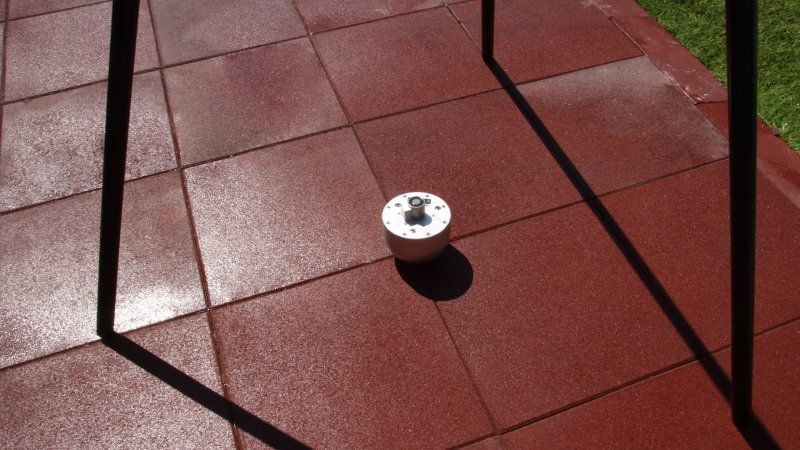
Certified wooden structures and rubber-based shock-absorbing surfaces stand out as environmentally responsible and safe solutions.
Water-Saving Planting Strategies
Planting is one of the most defining elements of landscape design. However, poor plant choices can lead to excessive water consumption.
Selecting climate-adapted, drought-resistant, and native plant species ensures easy maintenance while supporting the natural ecosystem.
Integrating drip irrigation systems or smart watering technologies further strengthens sustainability and minimizes waste.
Energy-Efficient Design Features
Lighting systems in parks and gardens are often major sources of energy use.
Switching to solar-powered LED lighting dramatically reduces consumption.
In addition, smart sensor-controlled lighting activates only when needed—offering significant cost and environmental advantages while improving safety.
Waste Management and Recycling Practices
Sustainable landscaping extends beyond design—it includes daily operation and maintenance.
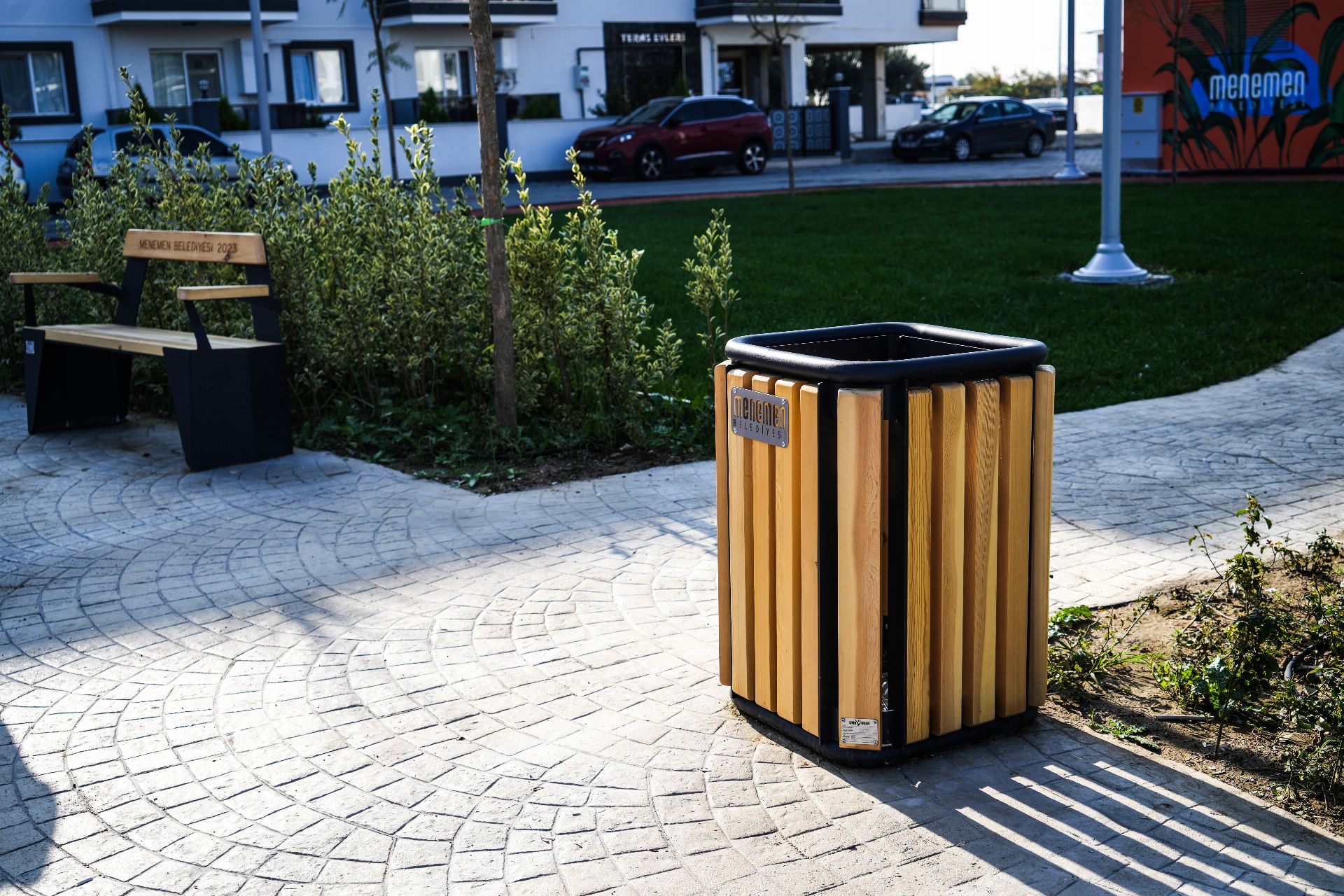
Incorporating recycling bins, using organic waste as compost, and preferring eco-friendly maintenance products all help build environmentally responsible public spaces.
Enhancing Social and Ecological Value Together
One of the hallmarks of sustainable landscape design is maintaining the balance between people and nature.
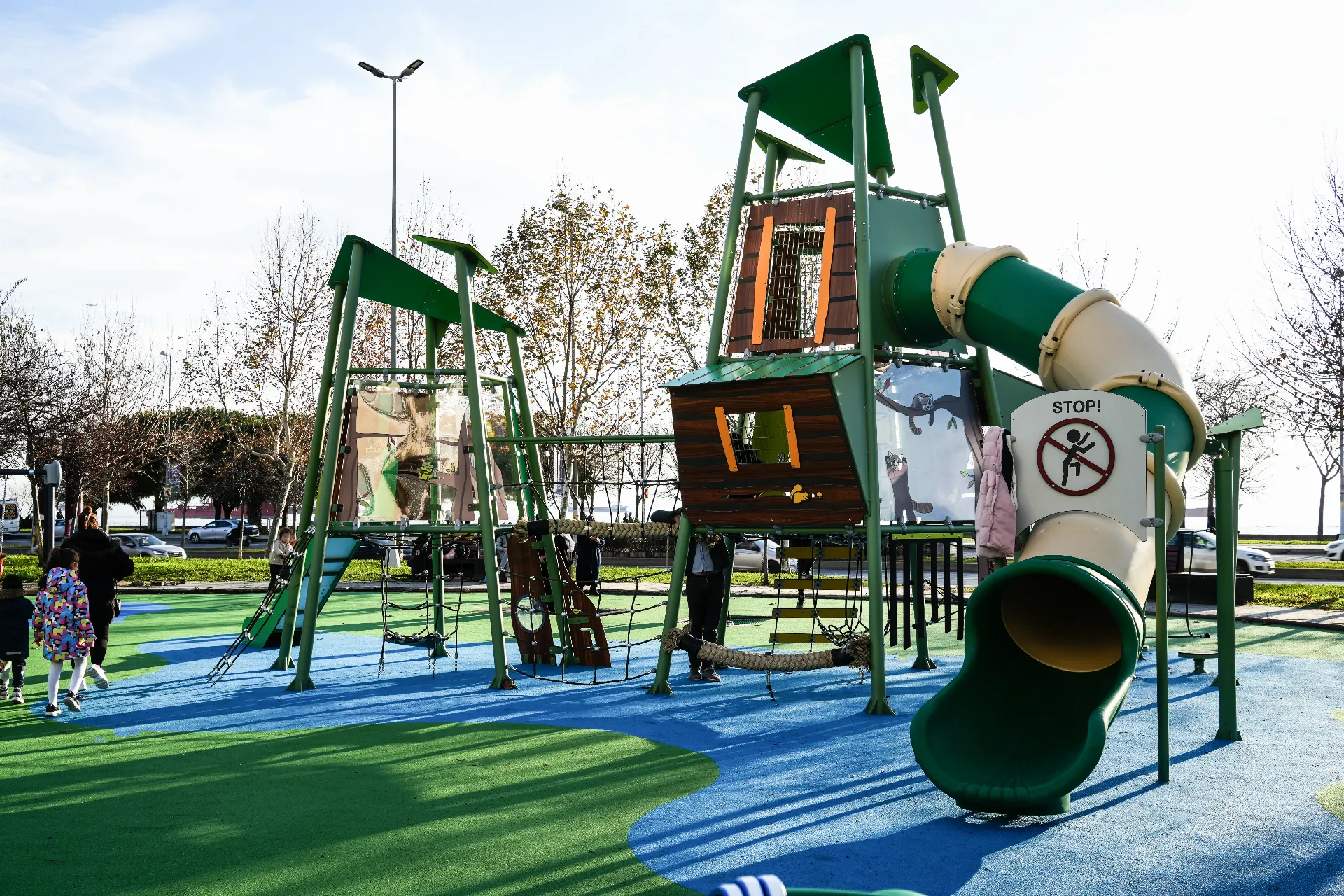
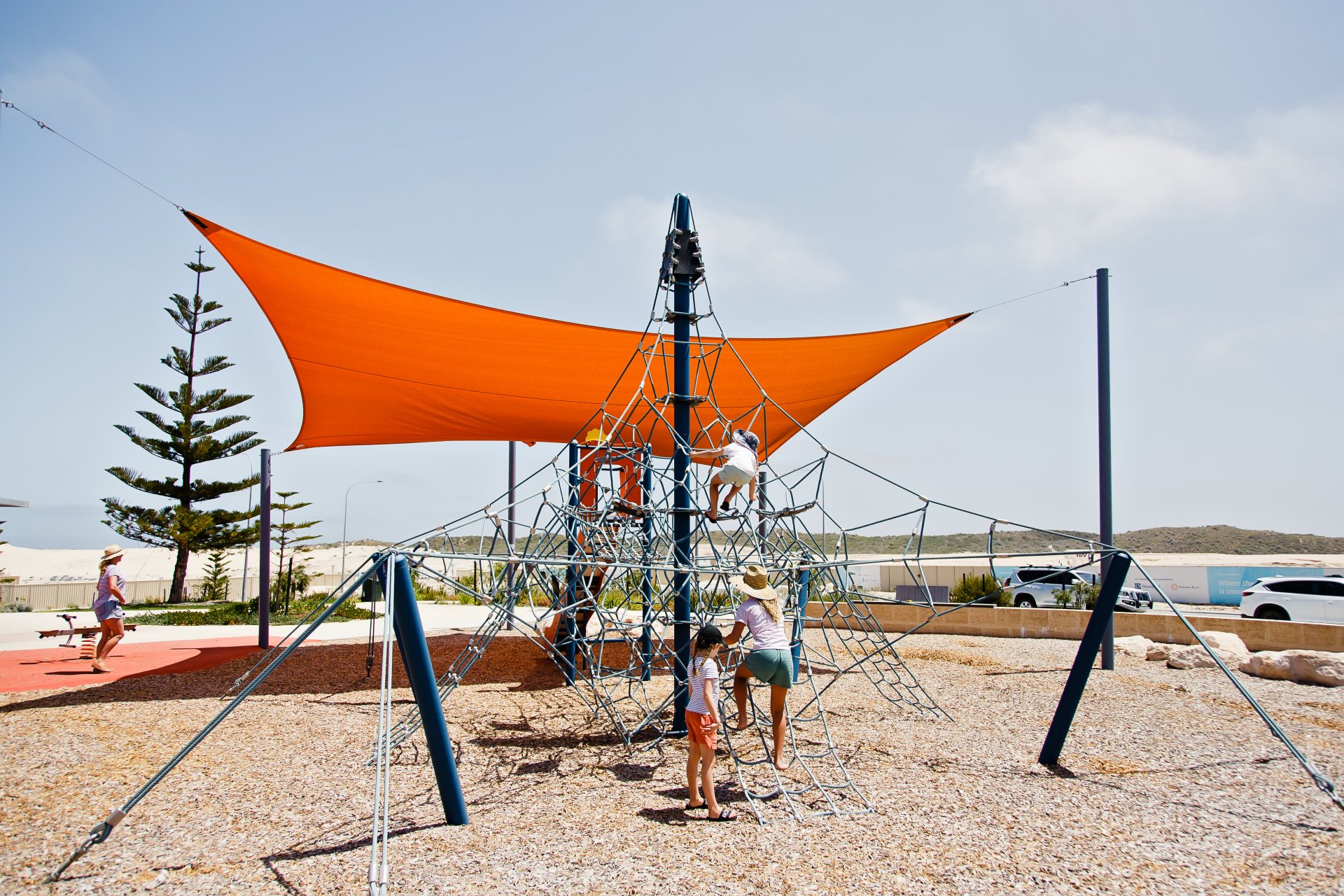
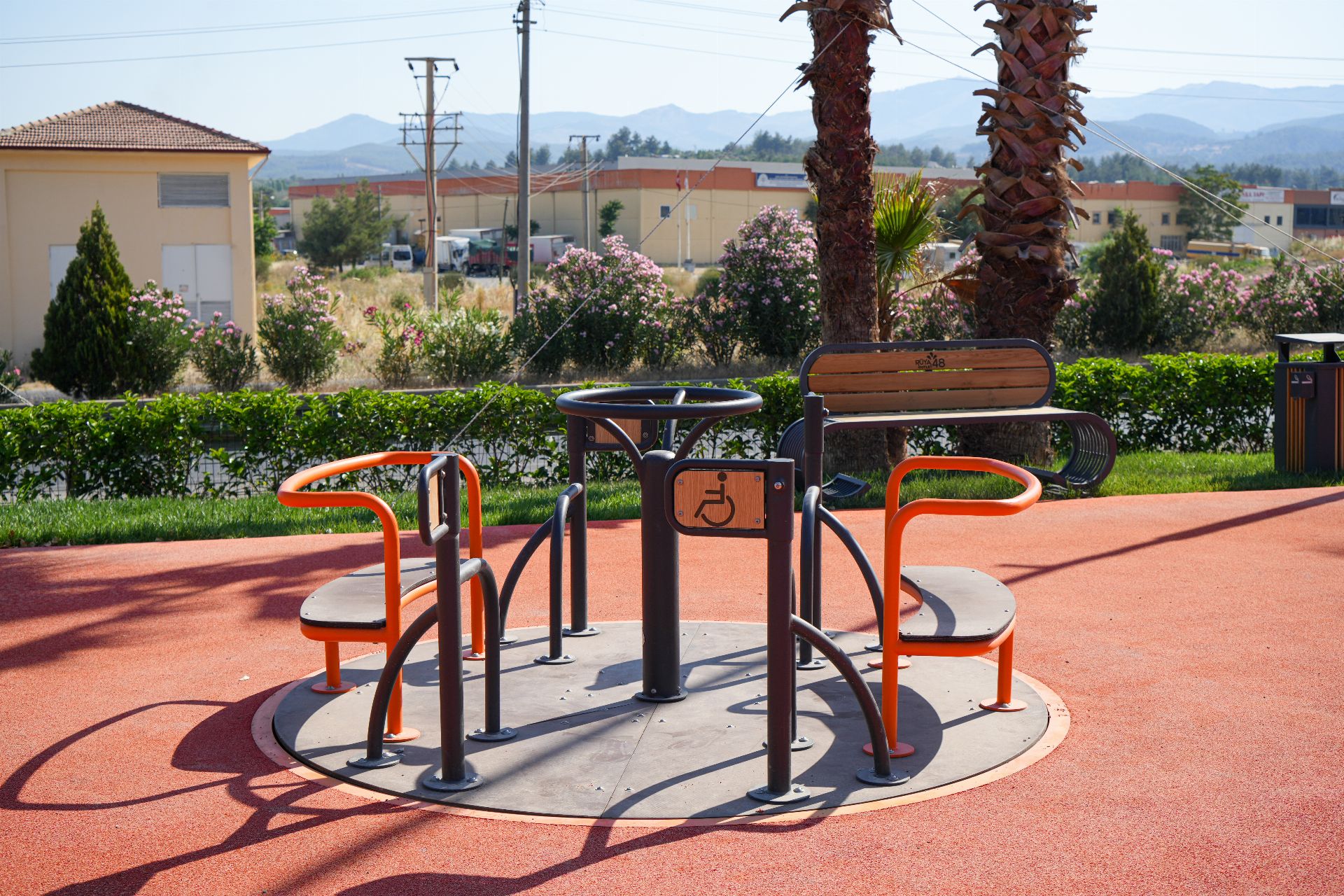
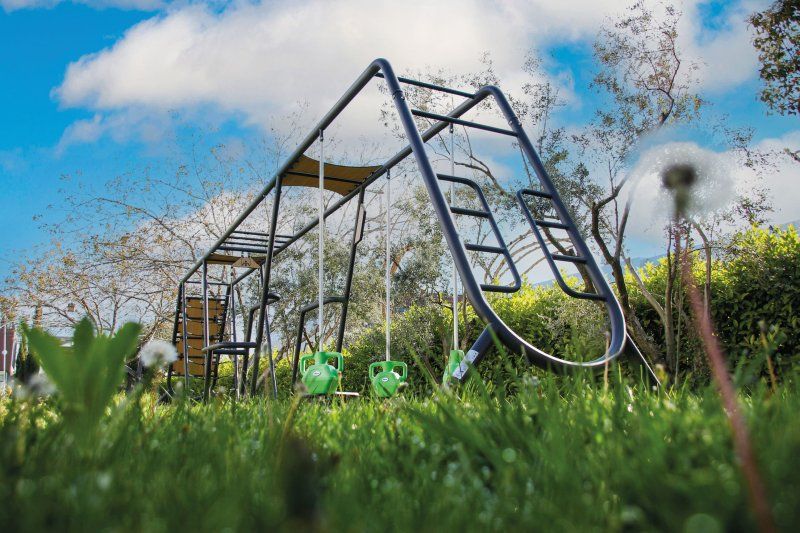
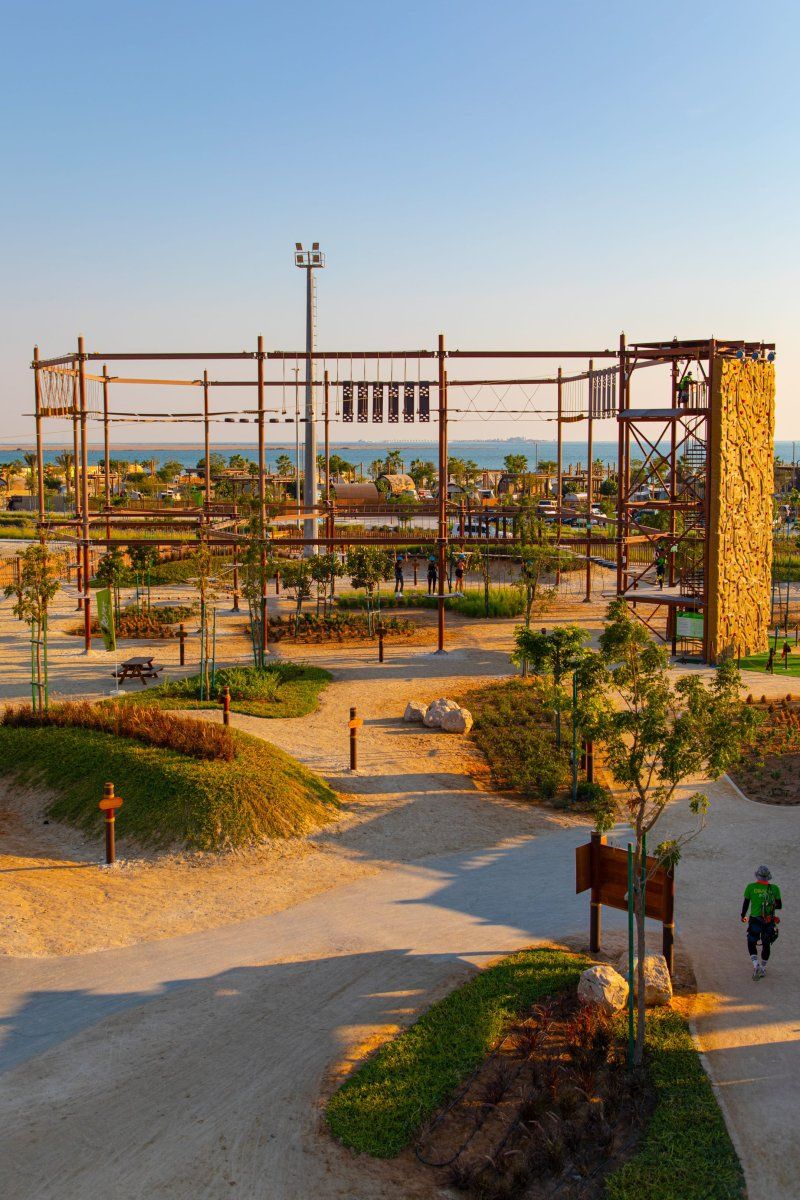
A single project can include safe playgrounds for children, walking and sports areas for adults, and natural habitats for birds and insects.
This integrated approach not only preserves ecological balance but also promotes social well-being and inclusivity.
Long-Term Maintenance and Economic Benefits
Sustainability also offers long-term economic advantages for municipalities and investors.
Low-maintenance plant species, durable materials, and energy-saving systems reduce future costs.
Thus, sustainable design becomes a dual investment—protecting the environment while generating financial savings over time.
Building the Future of Urban Landscapes
Sustainable landscape design plays a critical role in the future of modern cities.
Through eco-friendly materials, water and energy conservation, recycling initiatives, and inclusive spatial design, parks and gardens evolve into healthier, more livable, and resilient urban environments.