
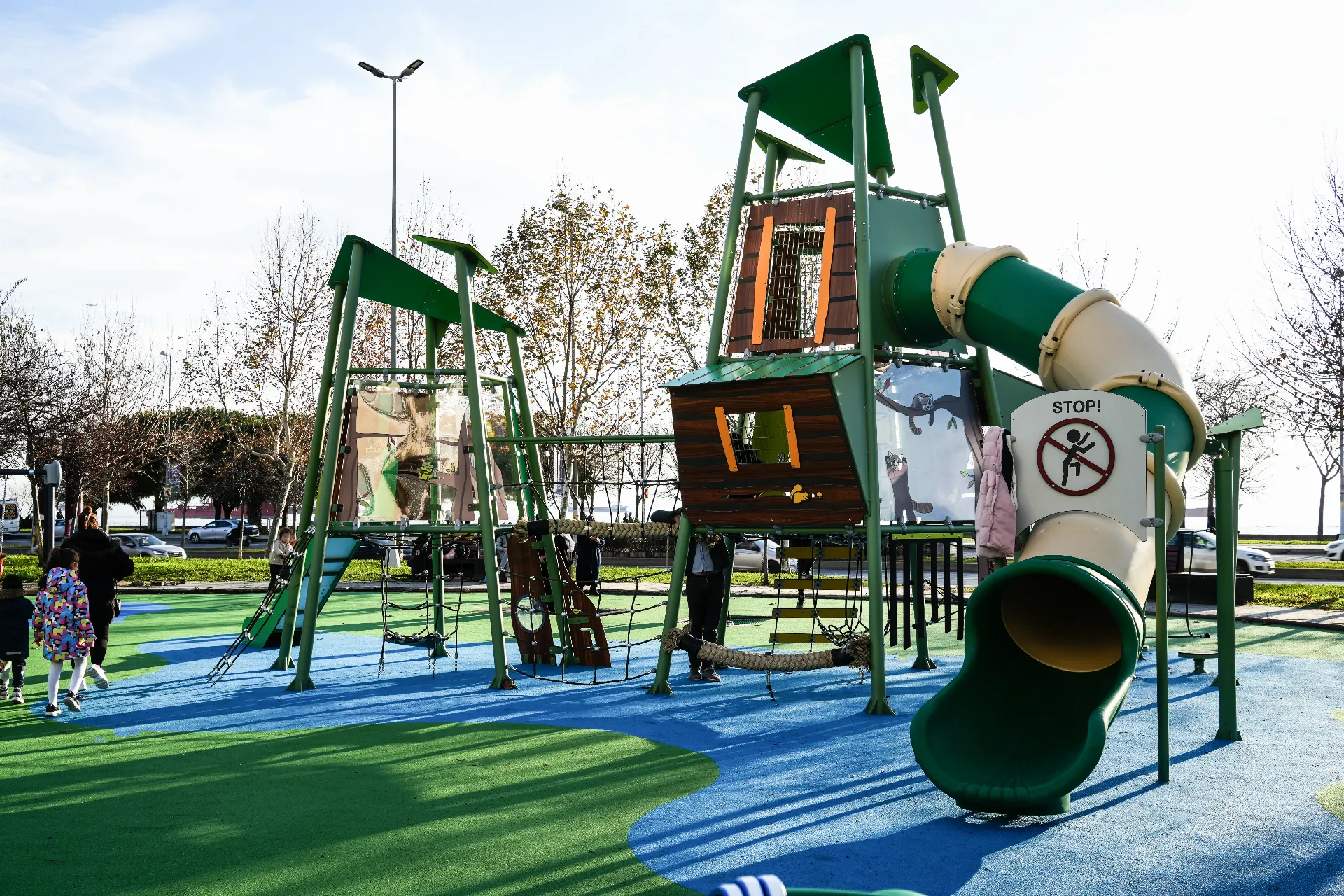
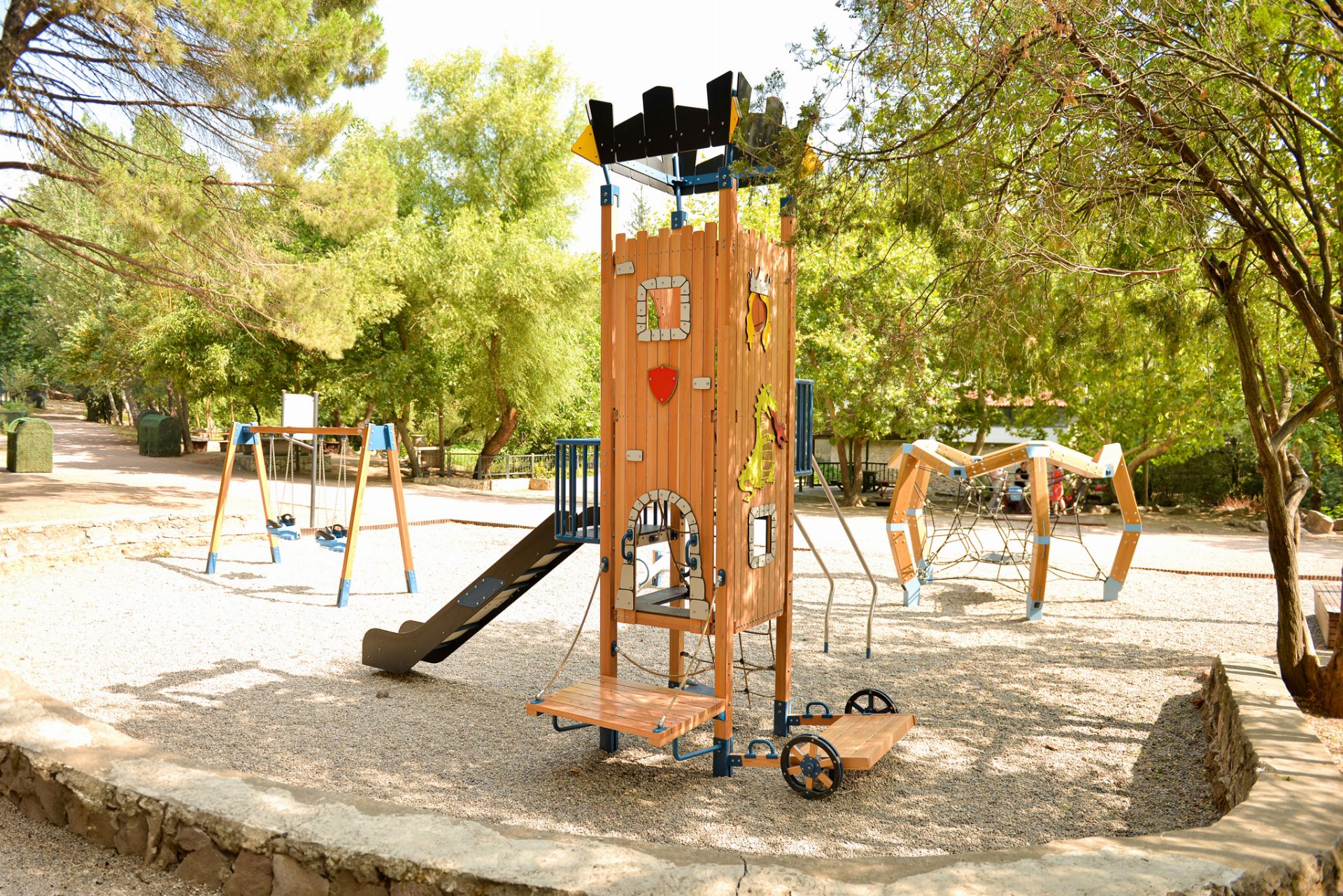
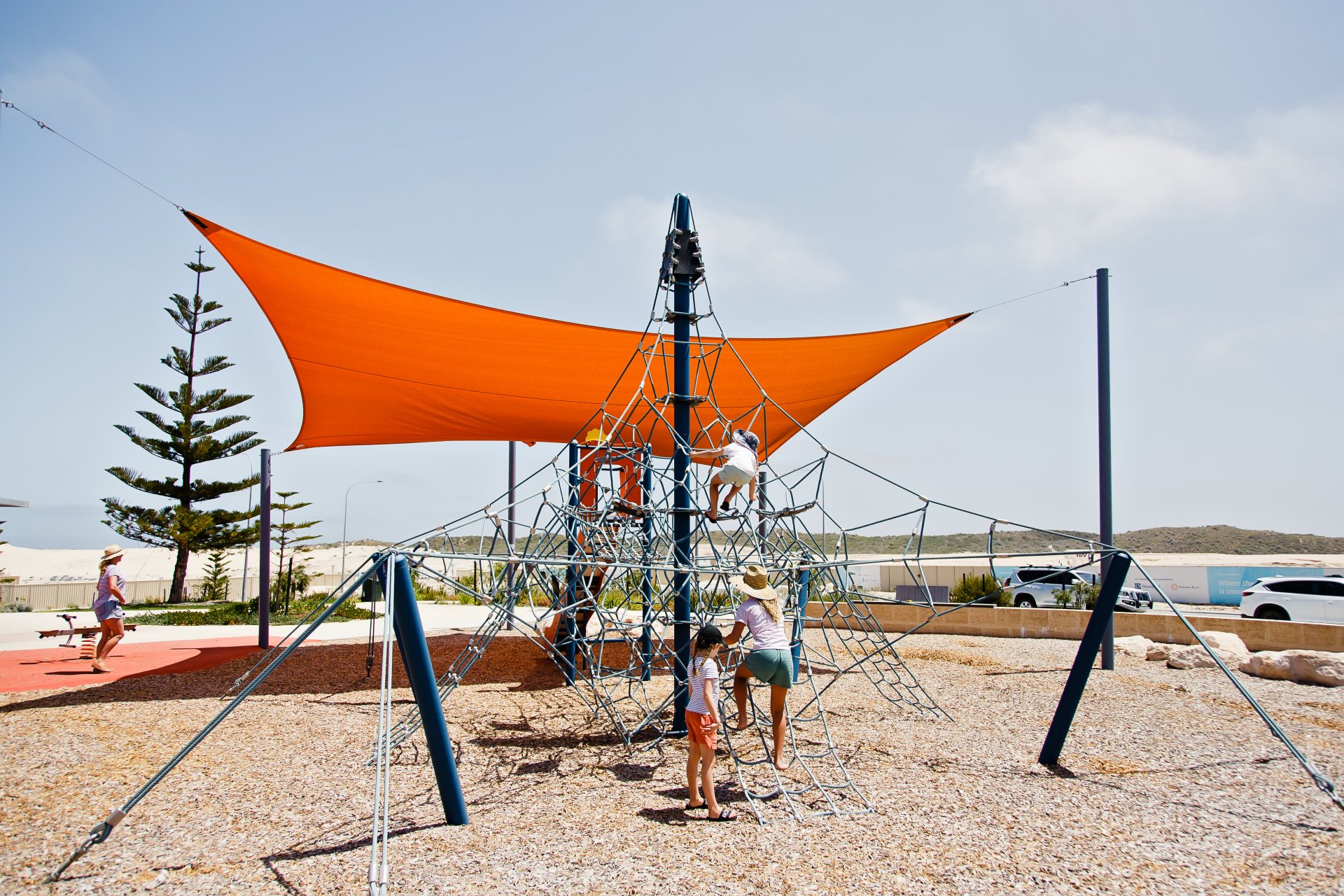
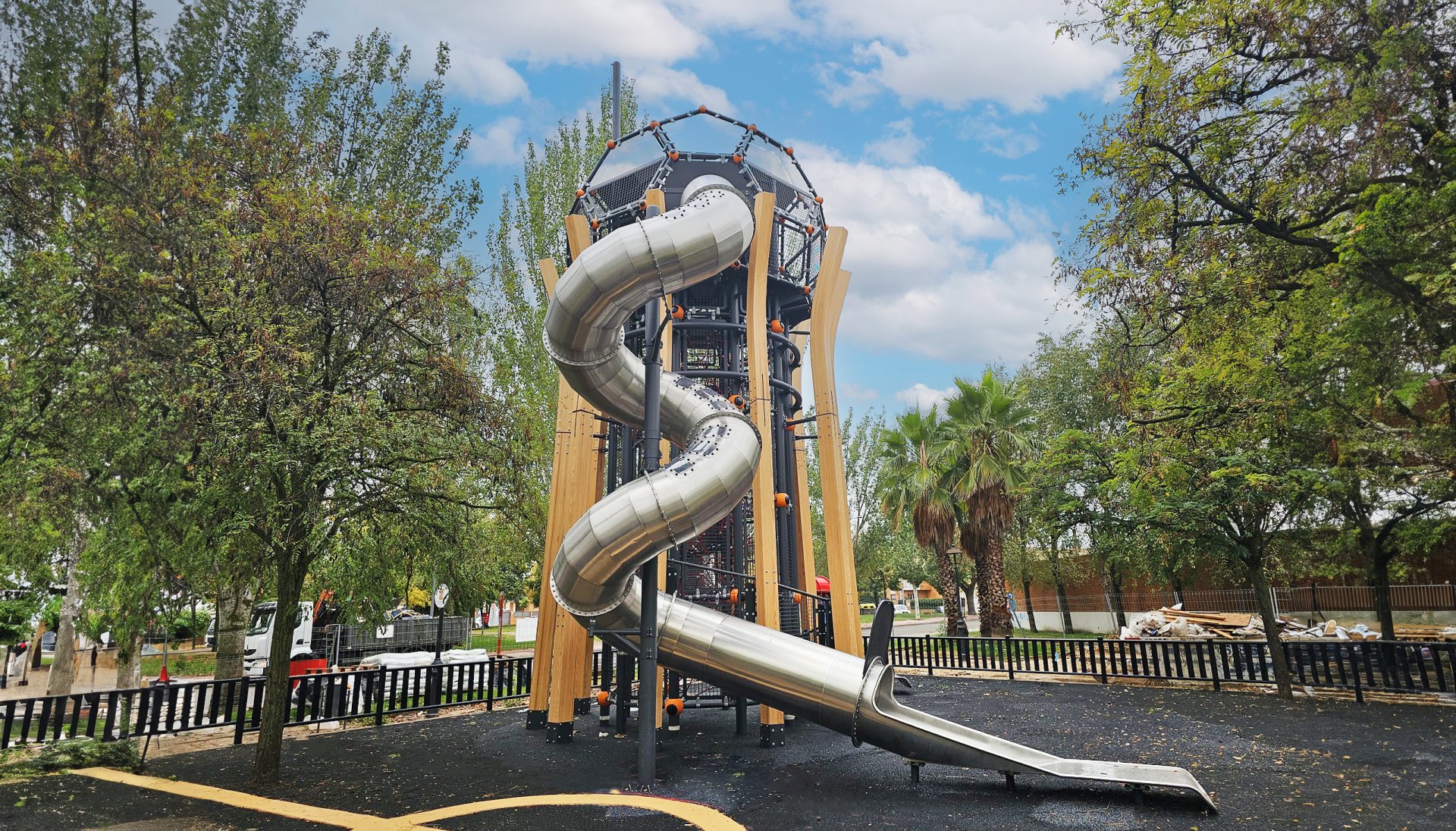

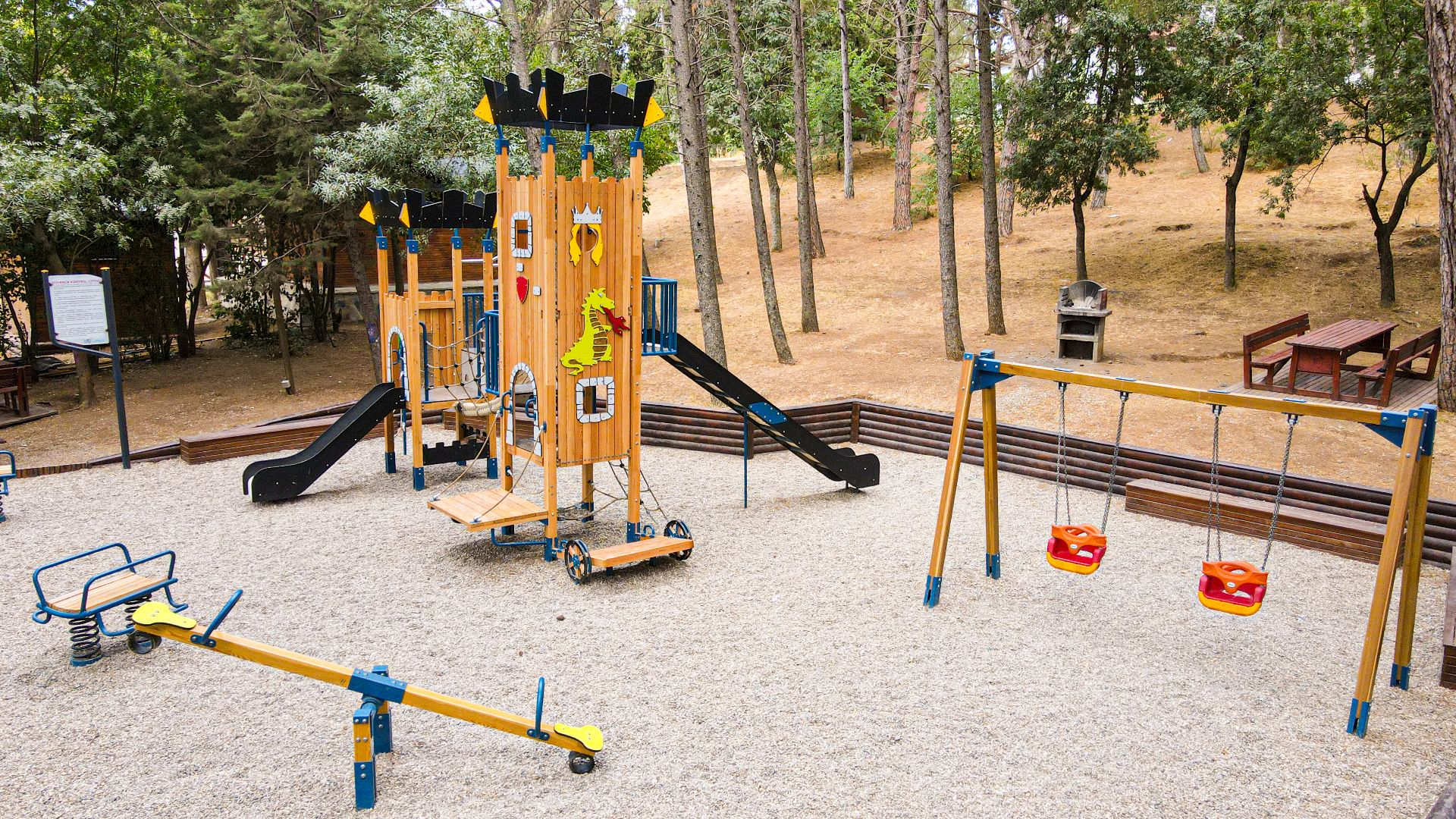
Playgrounds are spaces that not only support children’s physical development but also strengthen their social skills. However, a poorly designed playground can pose safety risks or fail to serve its intended purpose.
That’s why playground design is not just about aesthetics—it must consider safety, ergonomics, material selection, accessibility, and compliance with international standards.
1. Compliance with Safety Standards
Safety is the most critical aspect of any playground.
The TS EN 1176 and TS EN 1177 standards are internationally recognized norms for playground equipment and surfacing.
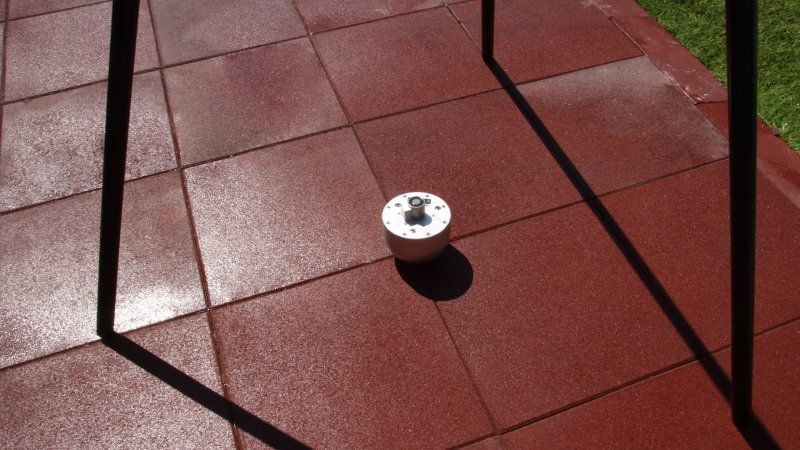
Shock-absorbing flooring, safe fall heights, and the absence of sharp edges are key design elements that protect children from injury.
2. Age-Appropriate Layout Planning
A well-designed playground must include equipment suitable for different age groups.
-
0–3 years: Simple, low-height play elements suitable for parental supervision
-
4–7 years: Dynamic equipment that enhances motor skills and coordination
-
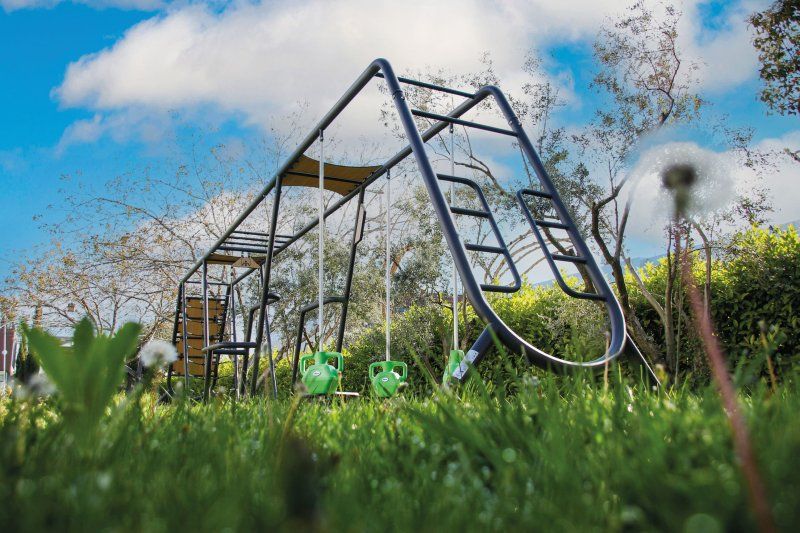
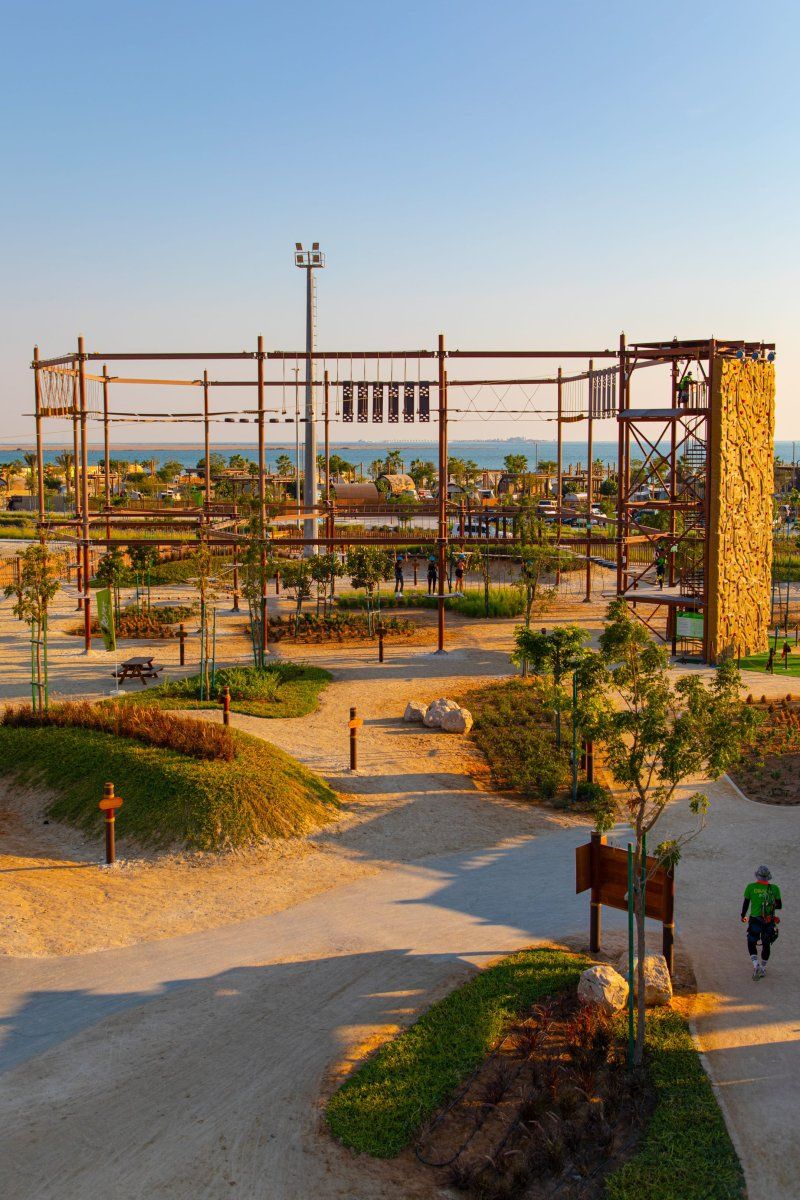
7+ years: Challenging elements such as climbing structures, balance games, and group play zones
Whenever possible, age groups should be separated to minimize accidents and improve safety.
3. Flooring and Area Safety
Around 70% of playground accidents occur due to falls on improper surfaces.
To prevent injuries, the ground must be covered with shock-absorbing materials such as rubber, synthetic, or natural surfaces.
The flooring should also be non-slip, hygienic, and easy to clean, and the surrounding landscape should exclude hazardous elements like thorny plants or hard fences.
4. Material Selection
Different materials such as wood, metal, and plastic may be used—but each has pros and cons:
-
Wood: Natural and aesthetic but requires regular maintenance
-
Metal: Highly durable but needs anti-corrosion protection
-
Plastic: Colorful and safe but must be UV-resistant
All materials should be certified, non-toxic, and child-safe, in compliance with international health and safety standards.
5. Accessibility and Inclusivity
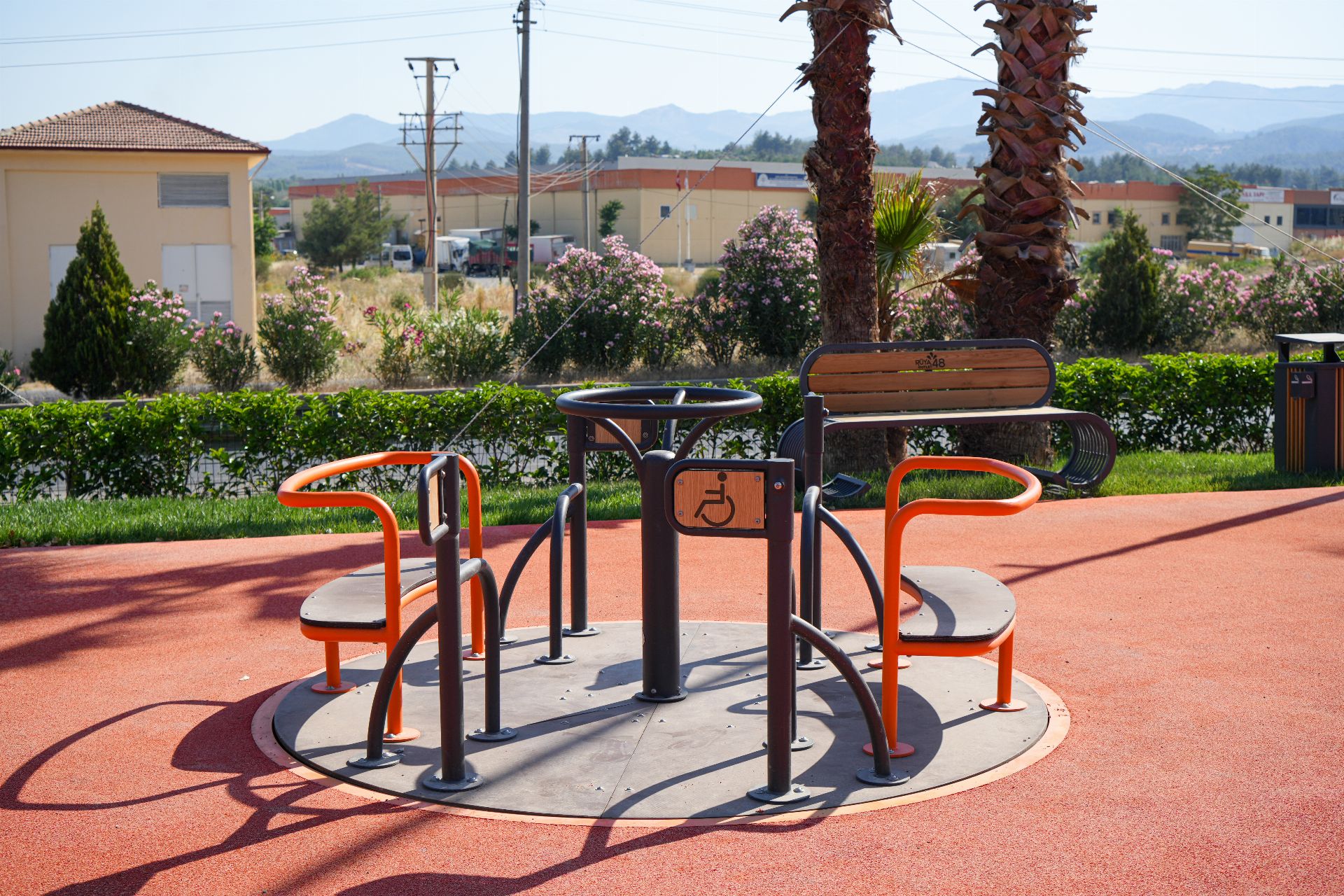
Playgrounds should be accessible to all children, including those with disabilities.
Features like ramps, wheelchair-accessible equipment, and inclusive play areas ensure equal participation and promote social integration.
Inclusive design transforms playgrounds into spaces that truly belong to everyone.
6. Location and Environmental Planning
The park’s location directly affects safety and usability.
It should be situated away from heavy traffic areas and designed so that parents can easily supervise their children.
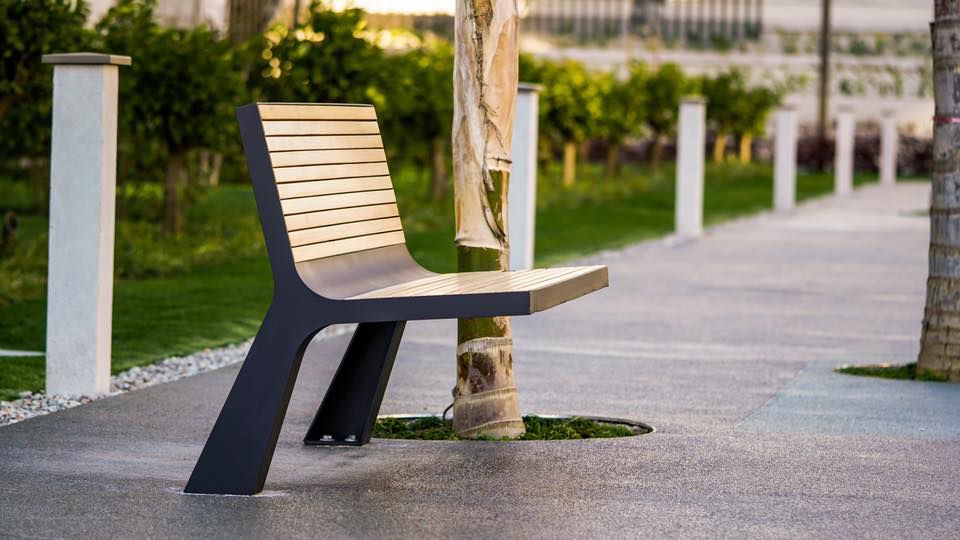
The area should include adequate lighting, seating, shade structures, trash bins, and water fountains to enhance user comfort and convenience.
7. Regular Maintenance and Inspection
To remain safe, playgrounds must undergo regular inspections and maintenance.
Municipalities or private operators should conduct periodic safety checks several times a year.
Broken equipment, loose bolts, or surface deformations should be repaired immediately to maintain safety and functionality.
Playgrounds play a vital role in promoting children’s healthy and safe development.
To achieve this goal, careful attention must be paid to safety standards, material quality, age-appropriate design, and regular maintenance.
If you’re looking for safe, modern, and internationally certified playground solutions, explore Cemer’s Playground Products — designed to bring innovation, safety, and joy together for every child.