Play & Outdoor Space Design for Kindergartens

For ages 3–6, play is at the heart of cognitive, motor, and socio-emotional development. Proper planning in the school yard ensures safety, accessibility, hygiene, and play diversity at the same time.

Safe and development-oriented play areas

Open-air play for children

Wide sight lines, age-based zoning and pedagogical play themes make supervision easier for teachers while supporting children’s safe exploration.

  • Zoning by age & energy: sensory-calm, balance-motor and active play corners; clear boundaries between transitions.
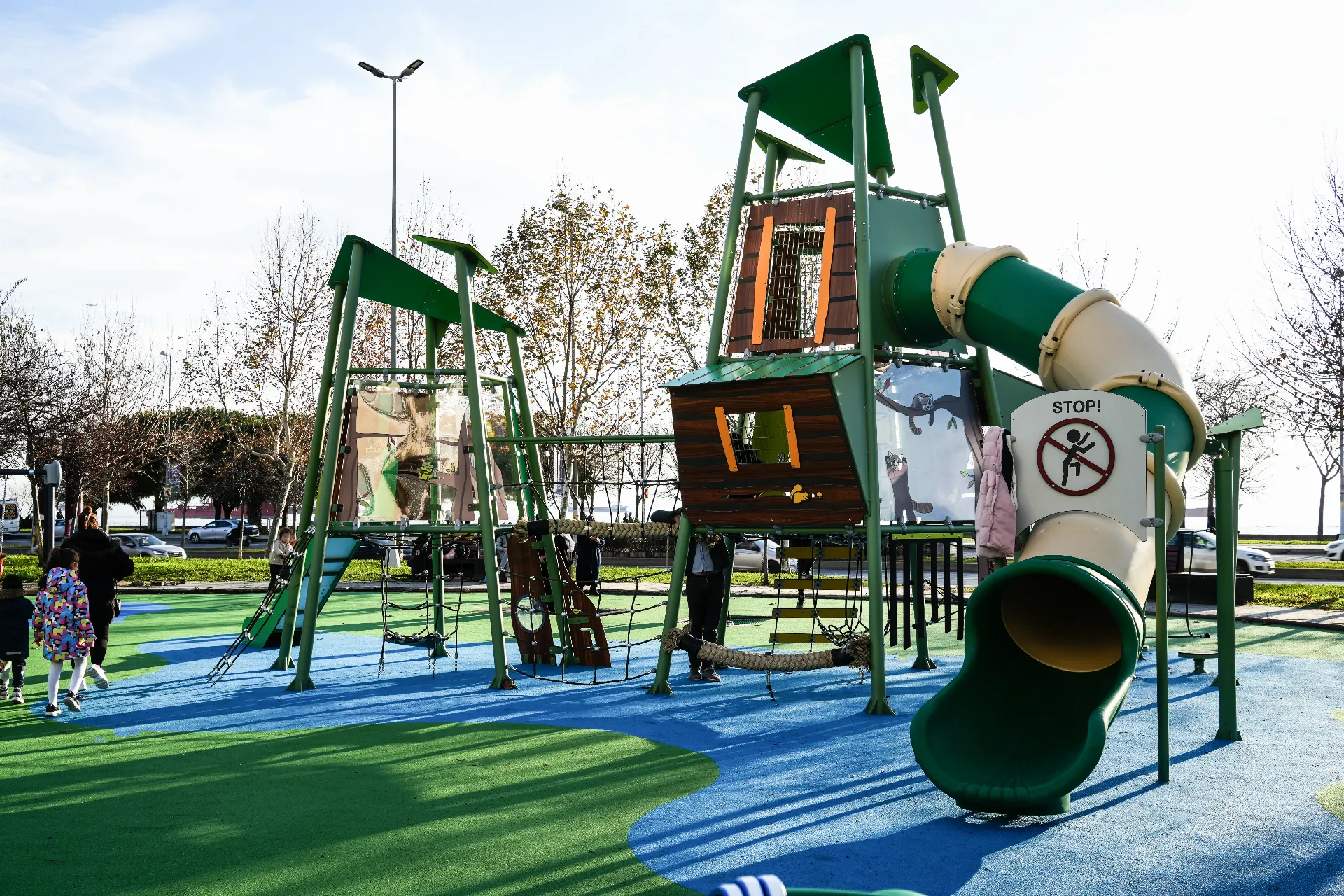
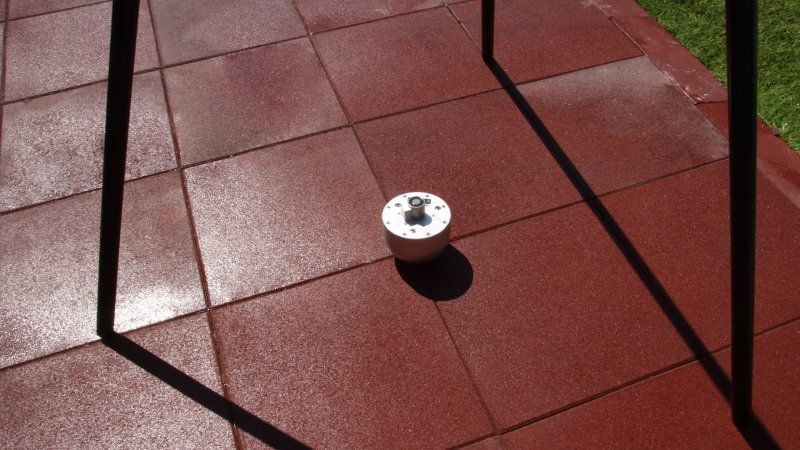
  • Surface safety: impact-absorbing surfacing suited to fall heights (EN 1176/1177 principles).
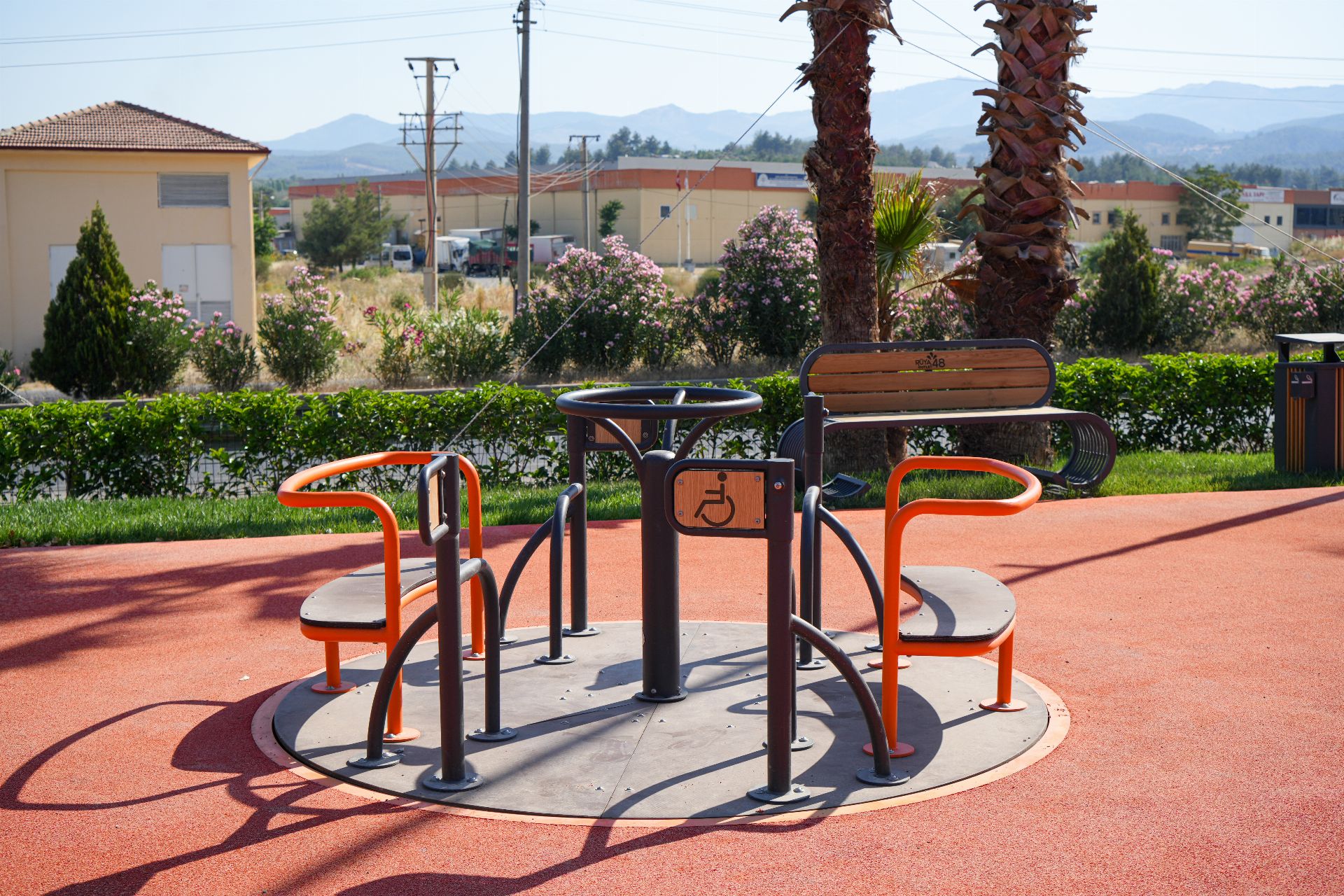
  • Inclusivity: ramps, low-height panels, modules appealing to different senses.
  • Play diversity: role play, water-sand-sensory stations, rhythm/panel games, balance-coordination.


Get a Quote Now!

Discover the most suitable play-area solution for your project today.

Kindergarten yards: Low Maintenance with Long-Lasting Materials

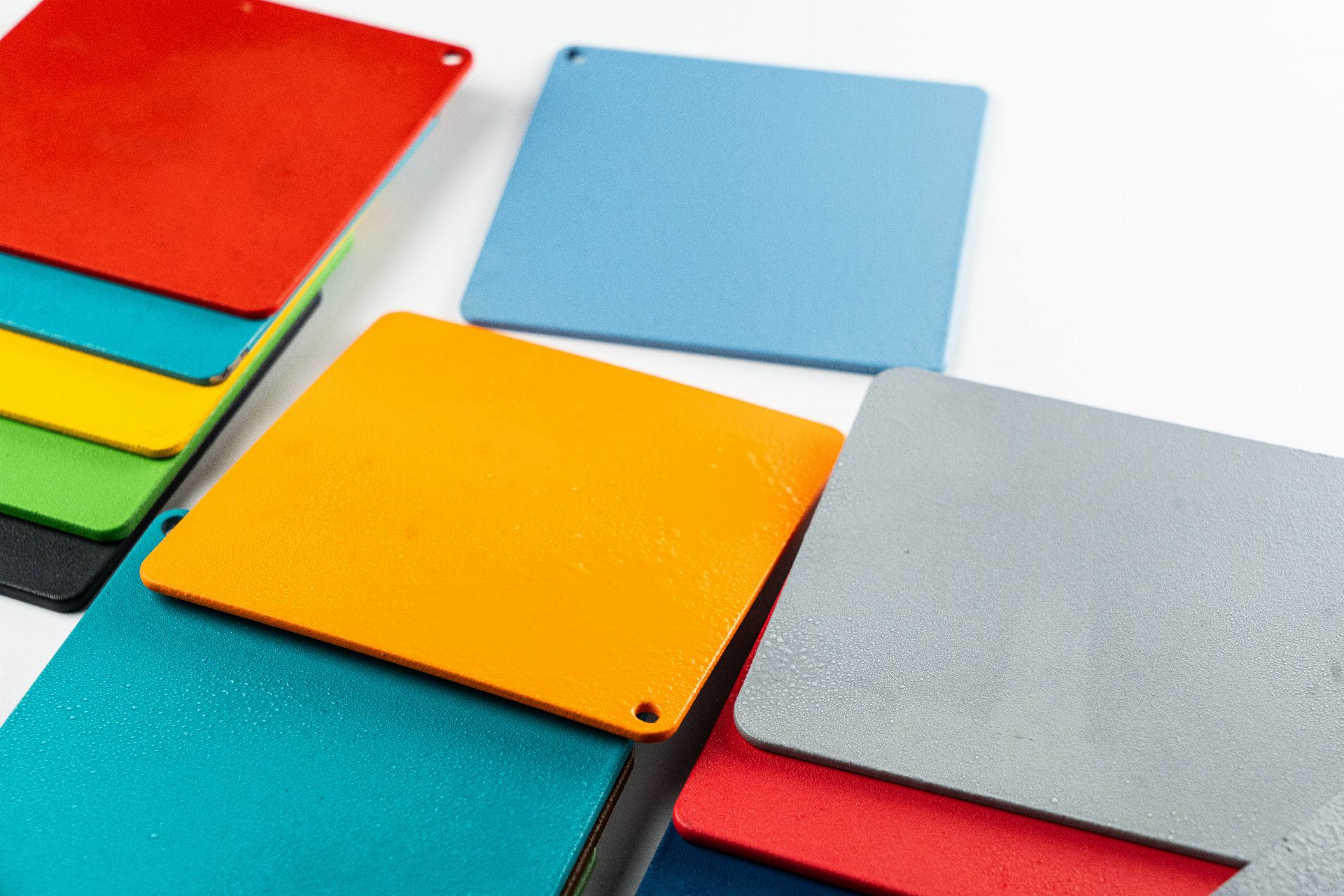
HPL panels, reinforced braided ropes, composite claddings and aluminum die-cast connectors offer high performance against heavy school use, climate and vandalism risk.

  • UV resistance and splinter-free surfaces — safe and long-lasting for little hands.
  • Hygiene-focused design: water-repellent surfaces that are easy to wipe with detergents.
  • Modular structure: faster part replacement and service times lower total cost of ownership.

Features

Approaches that Add Value in Kindergartens

Planning, material selection and user experience form the foundation of a safe, inclusive and enjoyable school yard.

Water-repellent, easy-to-clean surfaces; shorter maintenance times.

Modular system: quick access to spare parts and service.

Community Well-Being

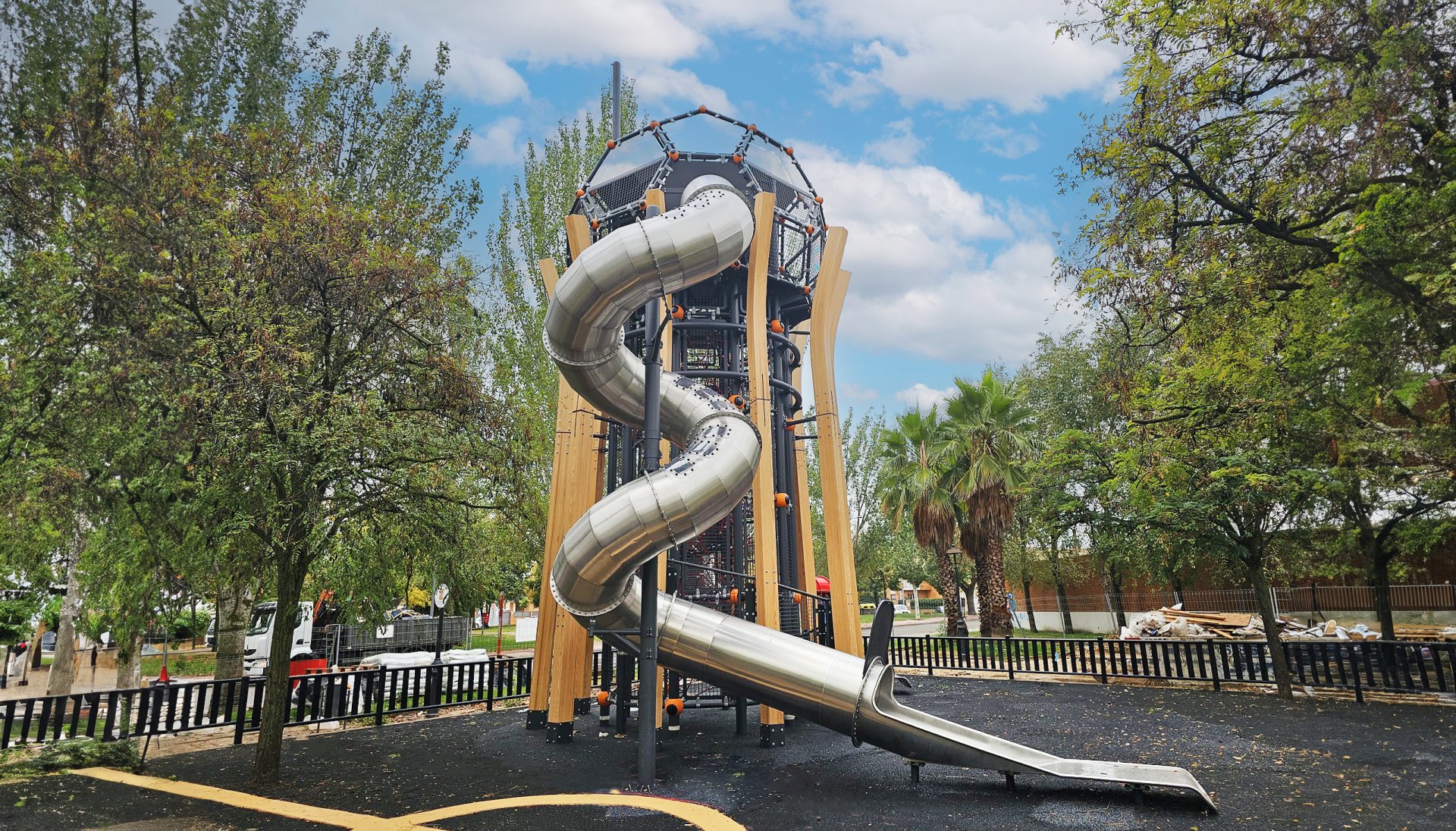
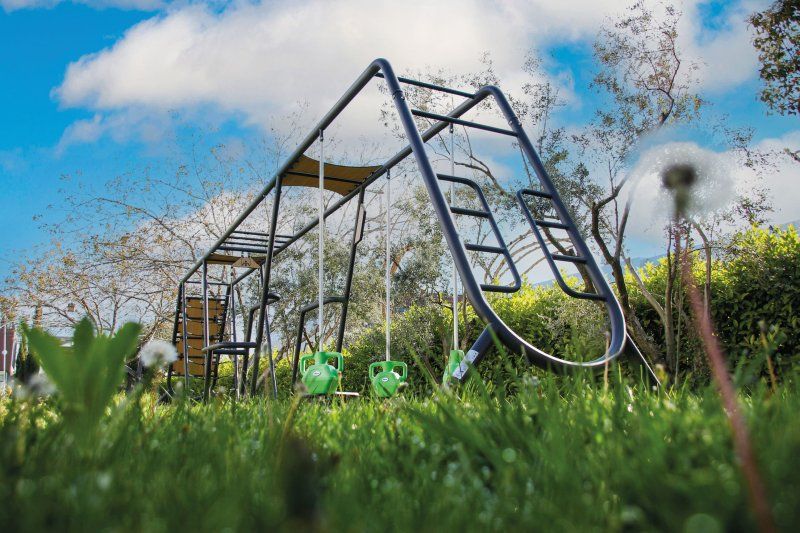
In kindergarten yards it is important to offer a rich variety of equipment. Climbing units, swings, slides and balance bridges provide different experiences, letting children expend energy while improving motor skills.

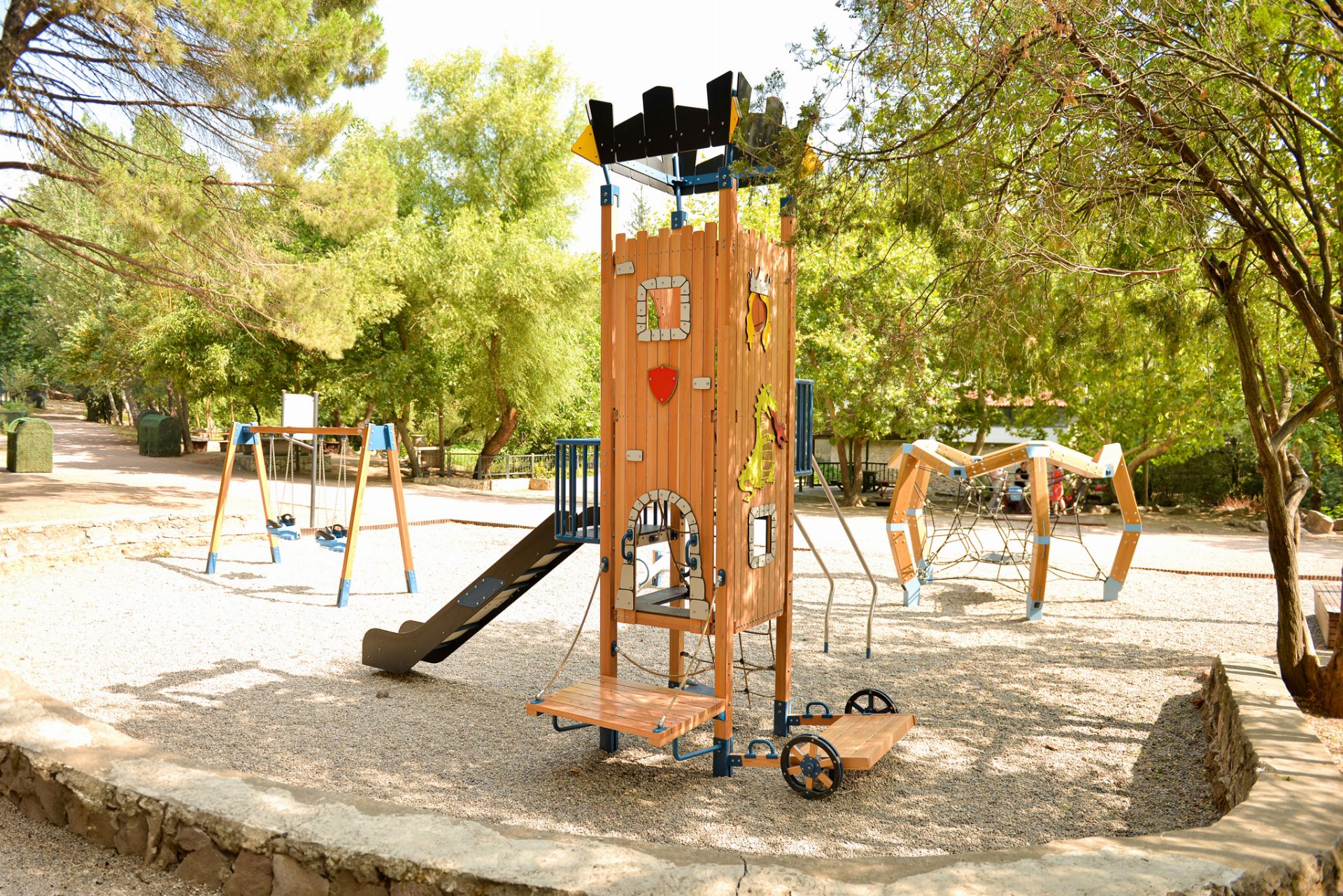
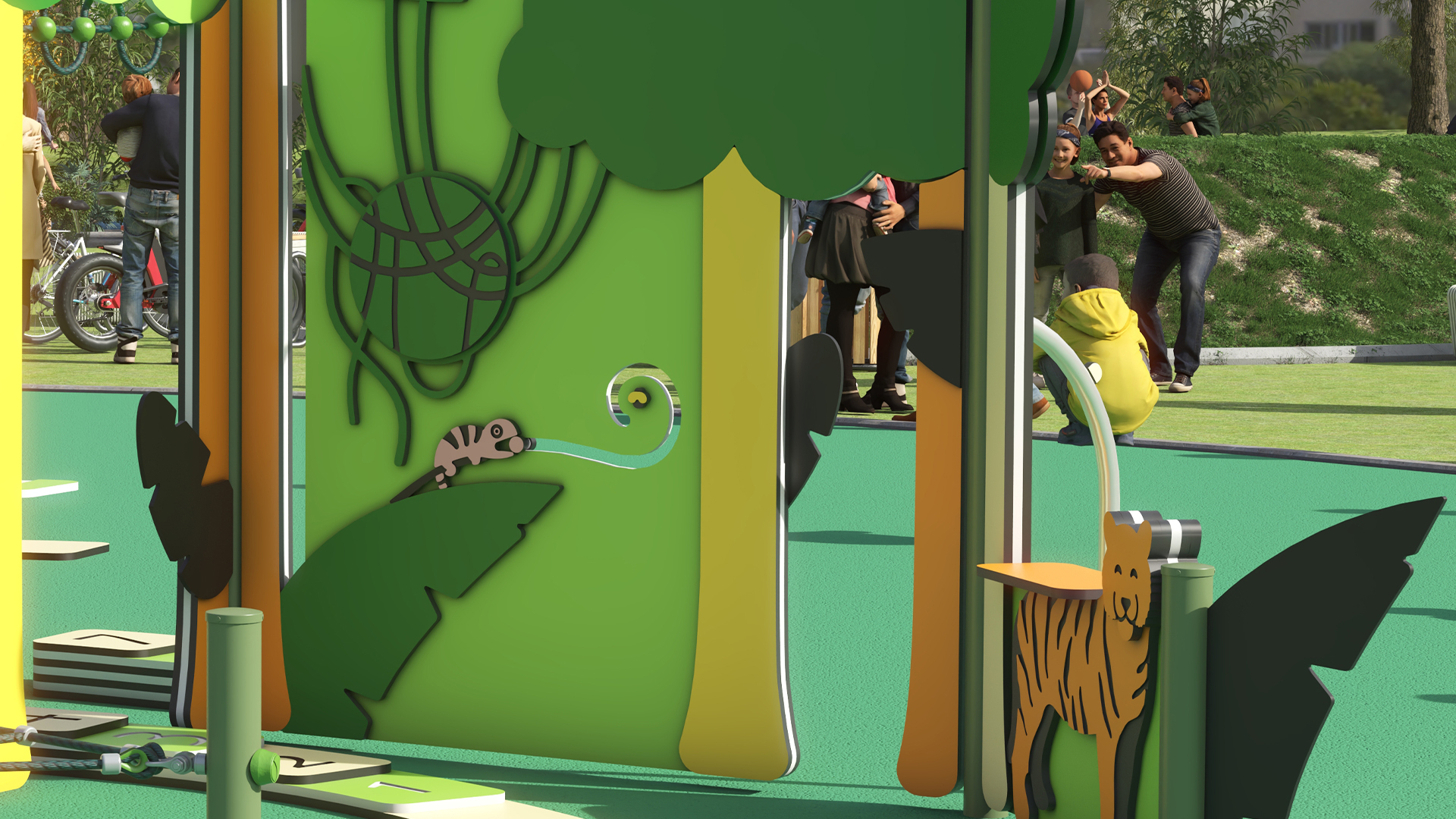
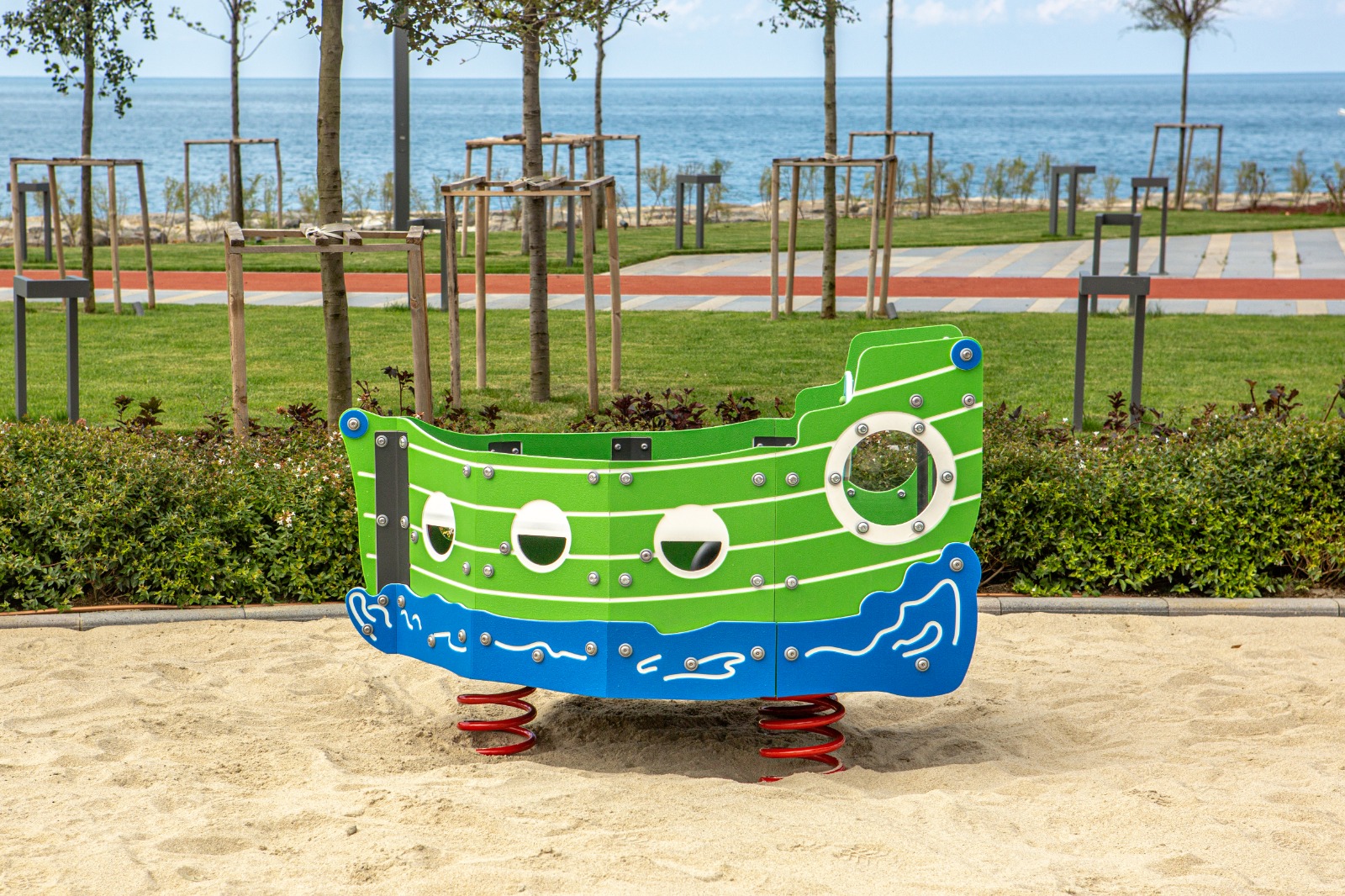
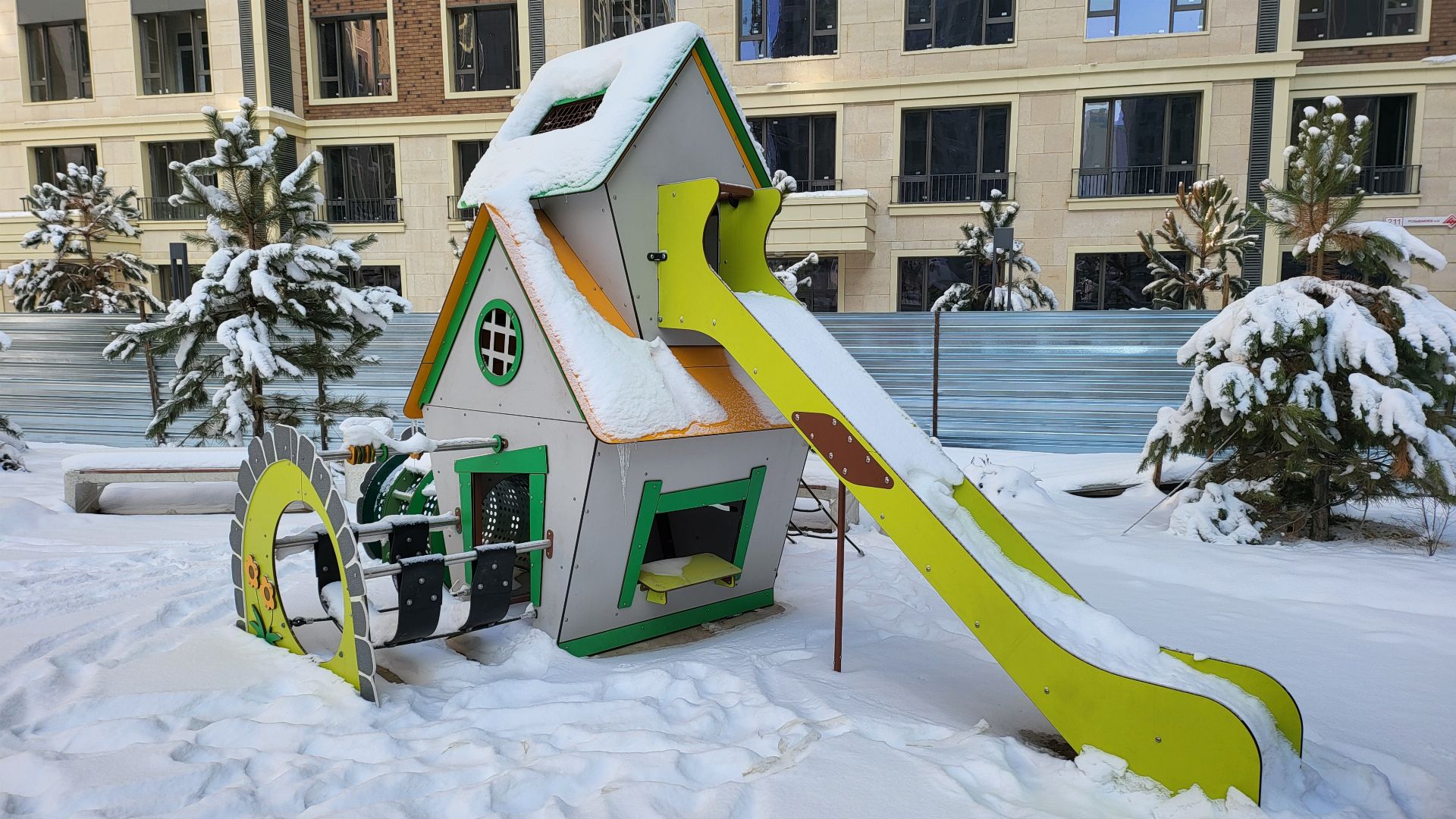
Themed modules such as fairy-tale houses, trains or animal figures spark imagination. Play supports not only physical activity but also role-play and storytelling.

Heights of equipment in kindergarten parks are lower.

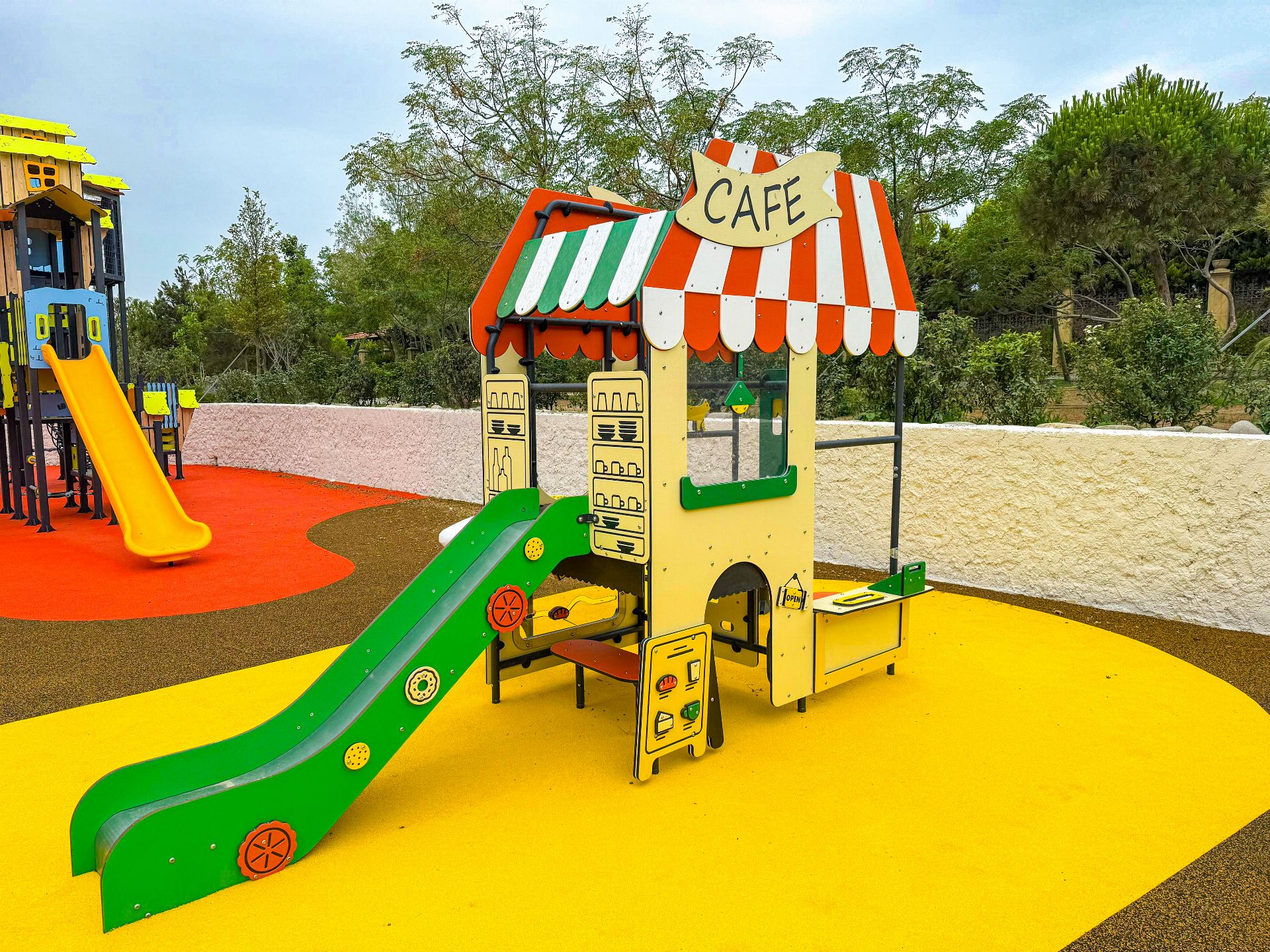
Fairy-tale houses, mini markets/workshops, trains or forest themes—together with accessories like phones, steering wheels and counters—trigger storytelling and sharing.

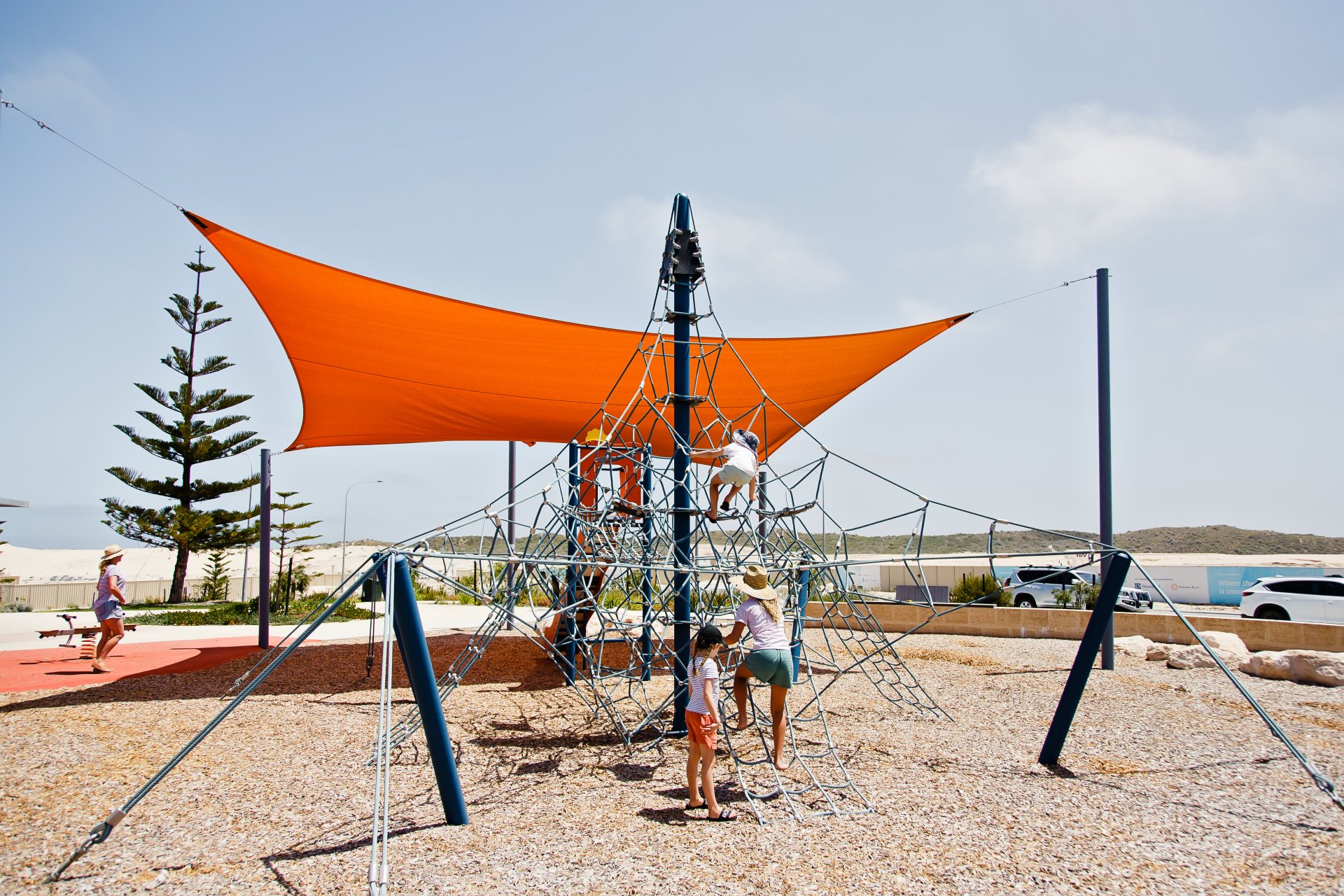
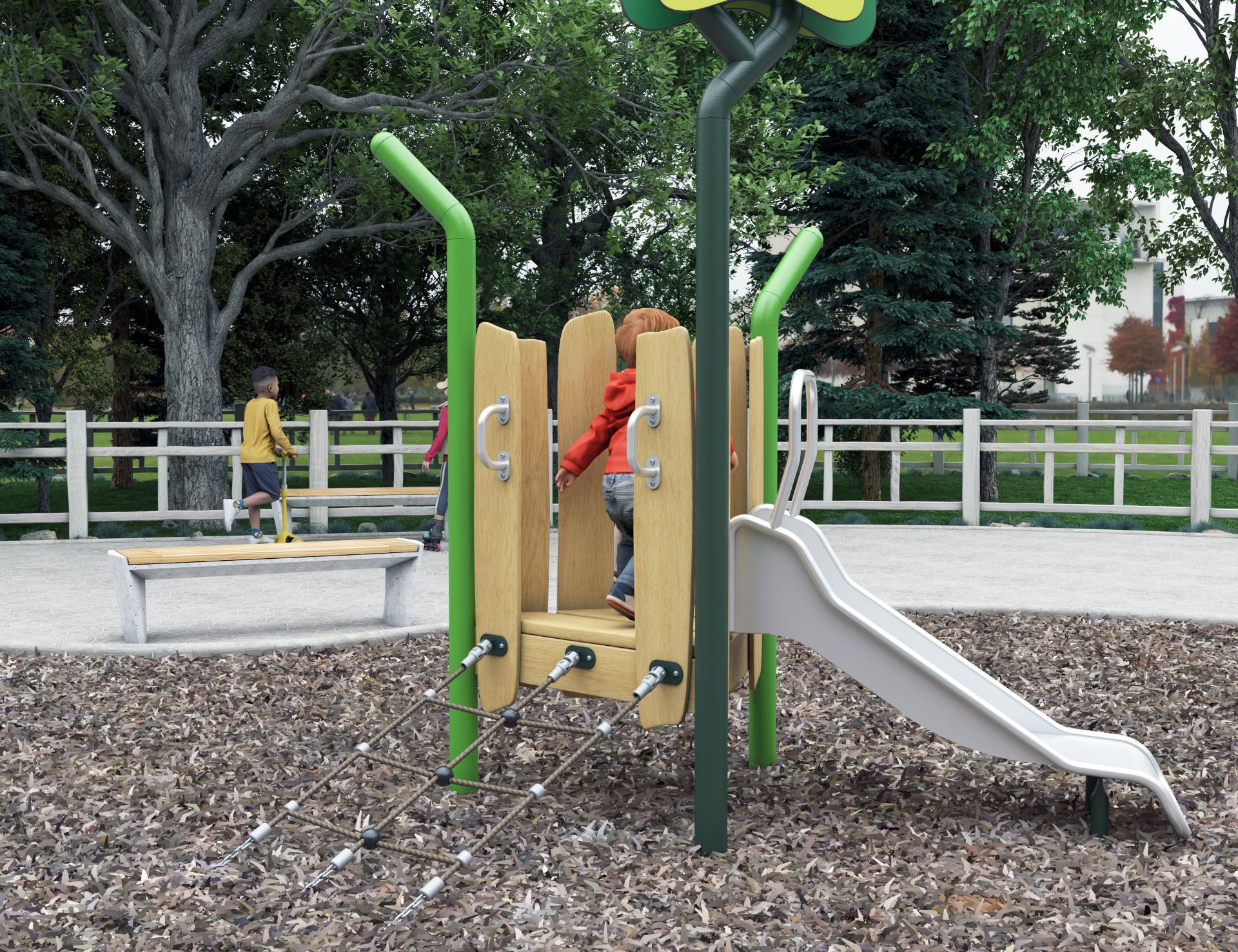
Net climbs, rope bridges, log steps and balance lines—with graded difficulty—reinforce the feeling of “I did it.”

Hopscotch, color rings, tracking arrows and number-shape paths turn empty surfaces into play; a scooter/bike line, mini tunnel and cones create a dynamic route.

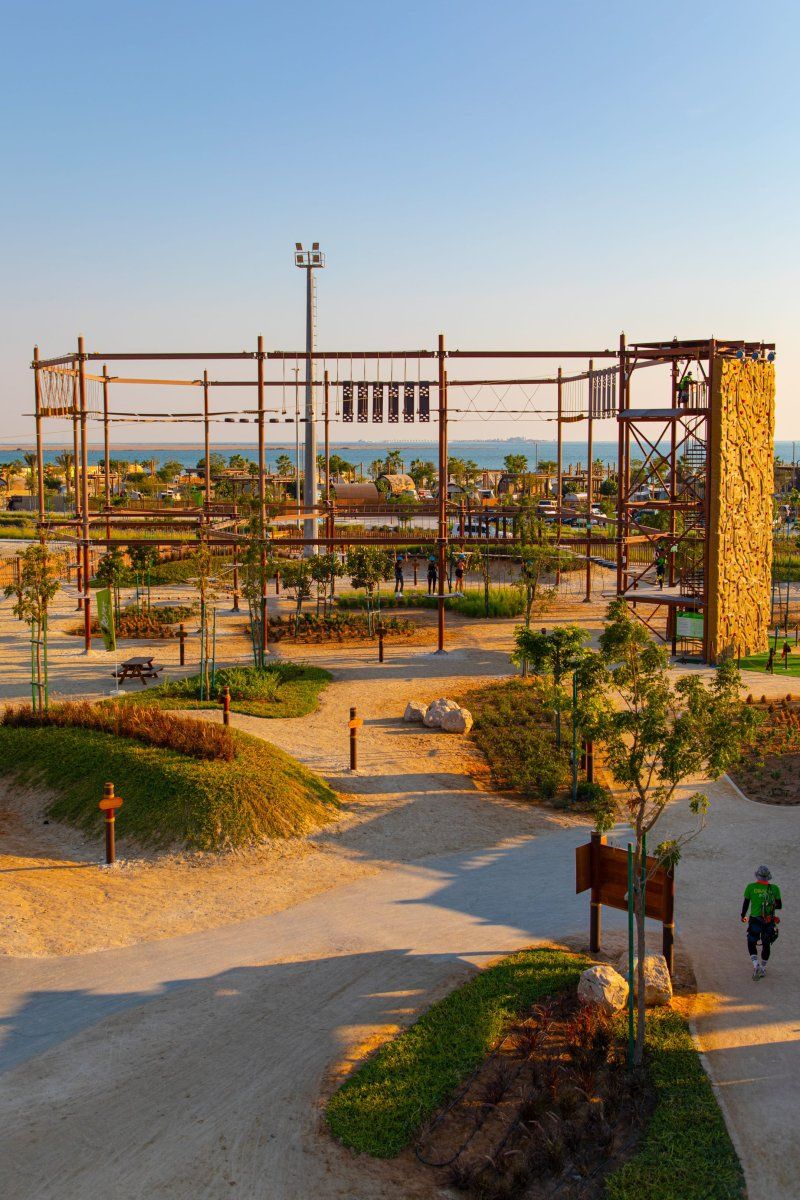
Mini bridges, tunnels, observation windows and small turrets build little adventure routes that keep curiosity alive.

Sense of Achievement

Net climbs, rope bridges, log steps and balance lines deliver big feelings of success through small steps. Different heights and difficulty levels let every child experience “I managed it.” Hopscotch, colored jump rings, tracking arrows and number-shape paths turn empty areas into play. Lines and pictograms instantly kickstart spontaneous play ideas.