





What Are Motor Skills? A Complete Guide to Child Development
What Are Motor Skills? A Complete Guide to Physical Development in Children
Motor skills are the fundamental movement abilities that enable children to perform physical activities. These skills—divided into gross and fine motor skills—are critical for independence, academic success, and healthy social interaction.
What Are Motor Skills?
Motor skills refer to the coordination of body movements and the conscious use of muscles. They are categorized into two main groups:
Gross Motor Skills
Involve large muscle groups to improve balance, coordination, and overall mobility.
- Running
- Jumping
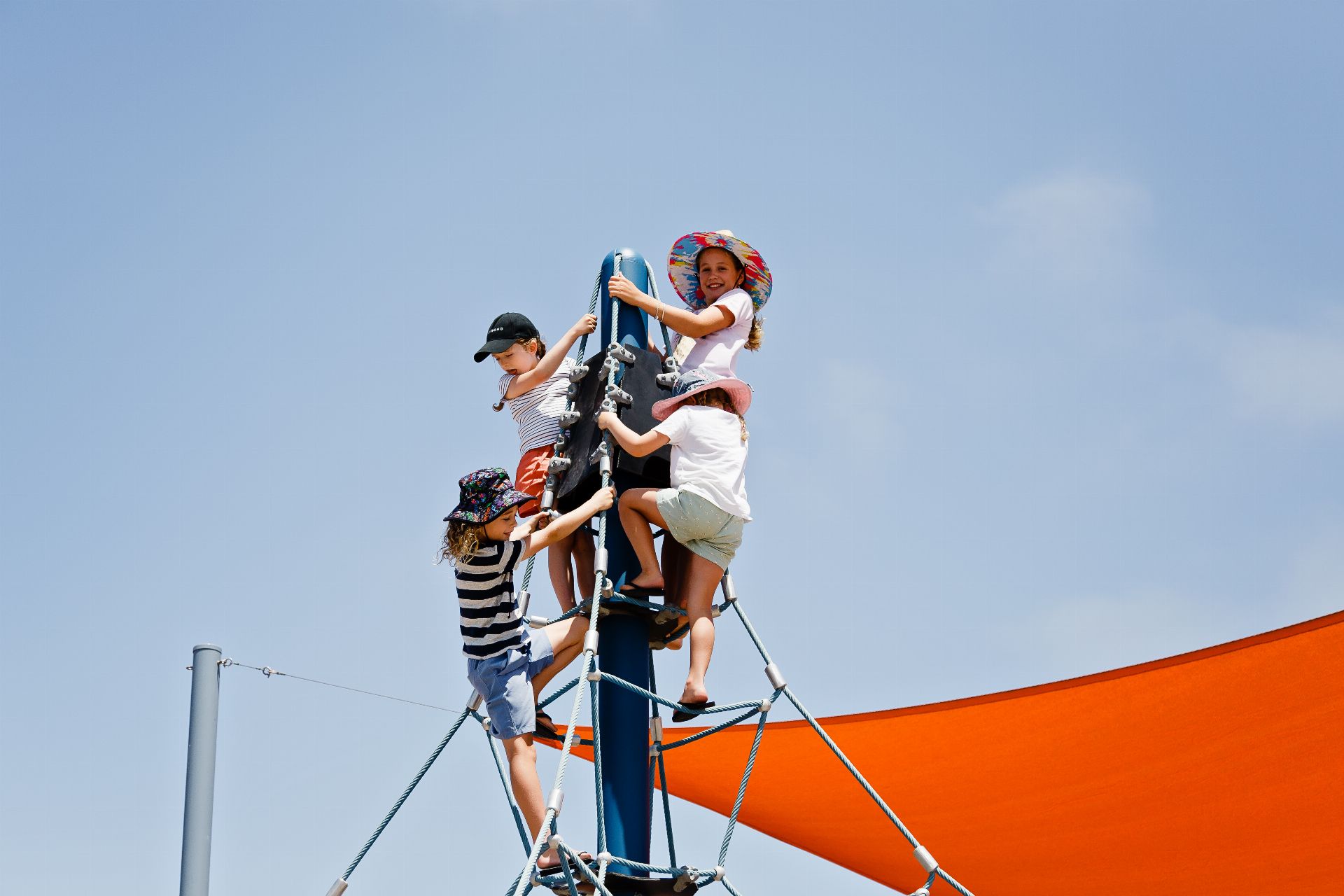
- Climbing
- Riding a bike
- Swimming
Fine Motor Skills
Require precise movements using small muscles in the hands and fingers.
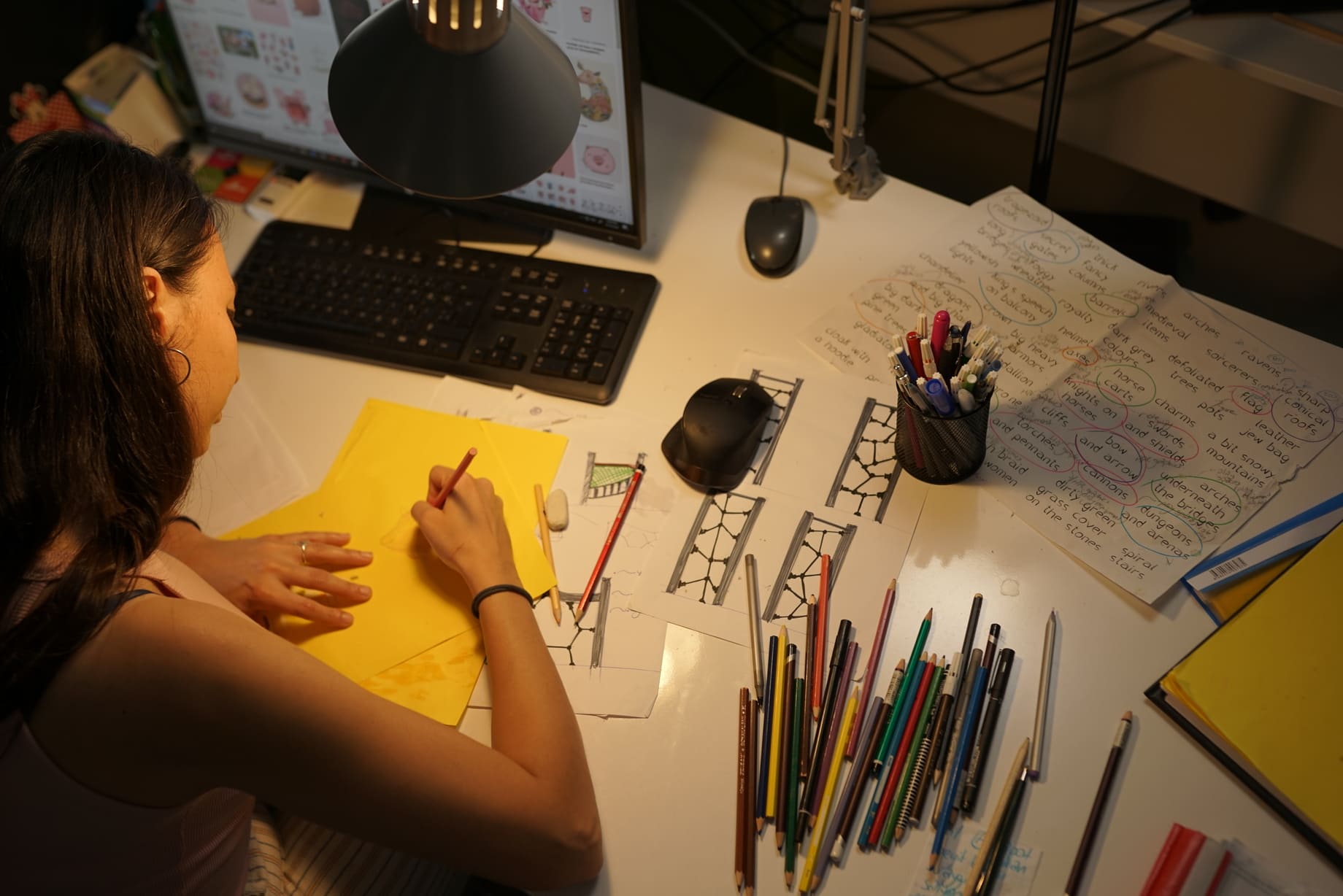
- Holding and writing with a pencil
- Buttoning clothes
- Using scissors
- Playing with blocks or LEGO
- Threading beads
Development of Motor Skills by Age
Infants (0–2 Years)
- Learning to control head movements
- Sitting, crawling, and beginning to walk
- Grasping and shaking objects
- Riding a tricycle
- Climbing stairs without help
- Scribbling, coloring, and drawing simple shapes
- Jumping, skipping, and playing ball
- Using scissors
- Writing letters
- Performing complex movements (swimming, football, dancing)
- Developing sports-specific skills (e.g., basketball, tennis)
- Improving writing speed and handwriting
- Enhancing hand–eye coordination
How to Support Motor Skill Development
Parents and educators can actively support children’s motor development with engaging, hands-on activities:
Active Play
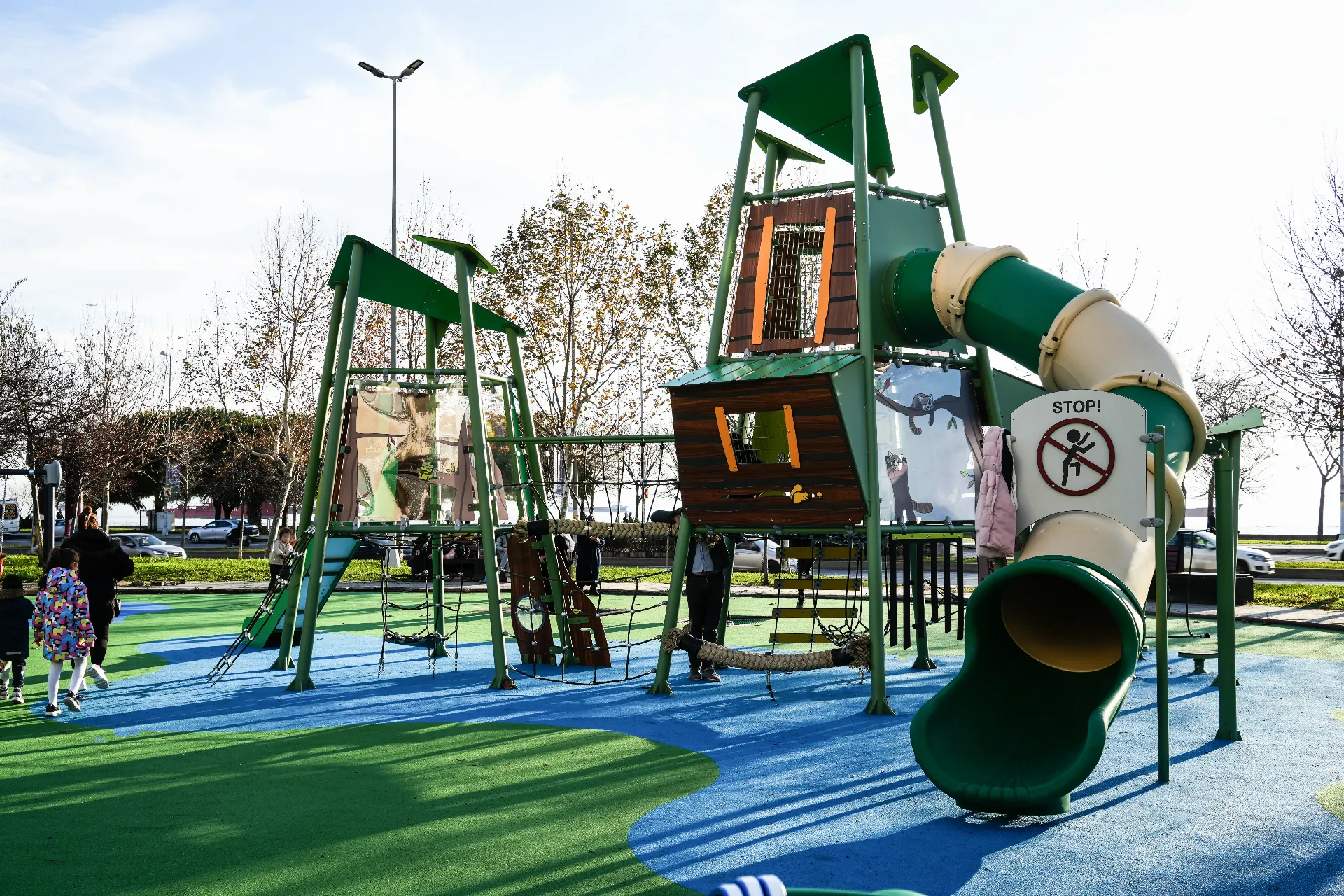
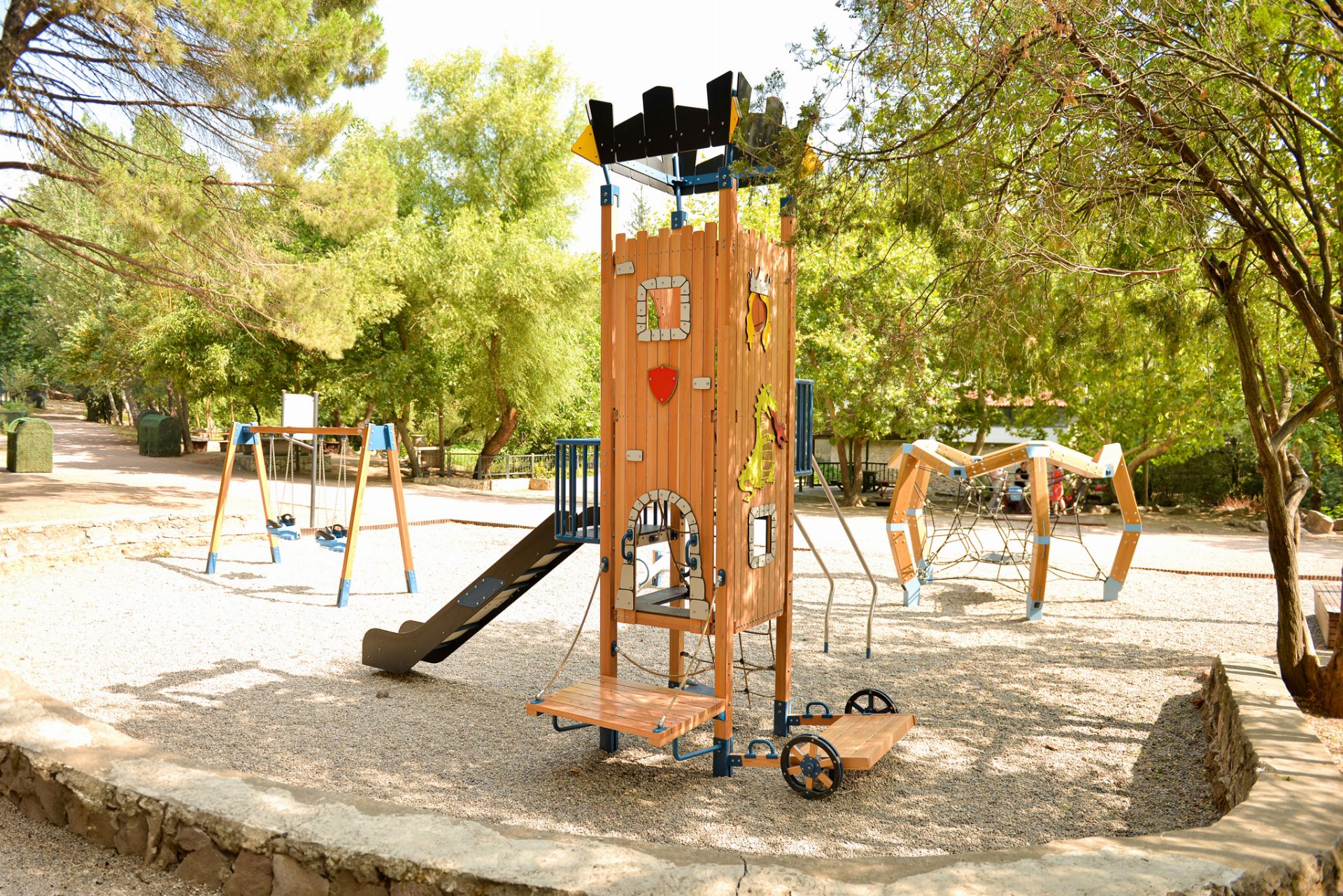
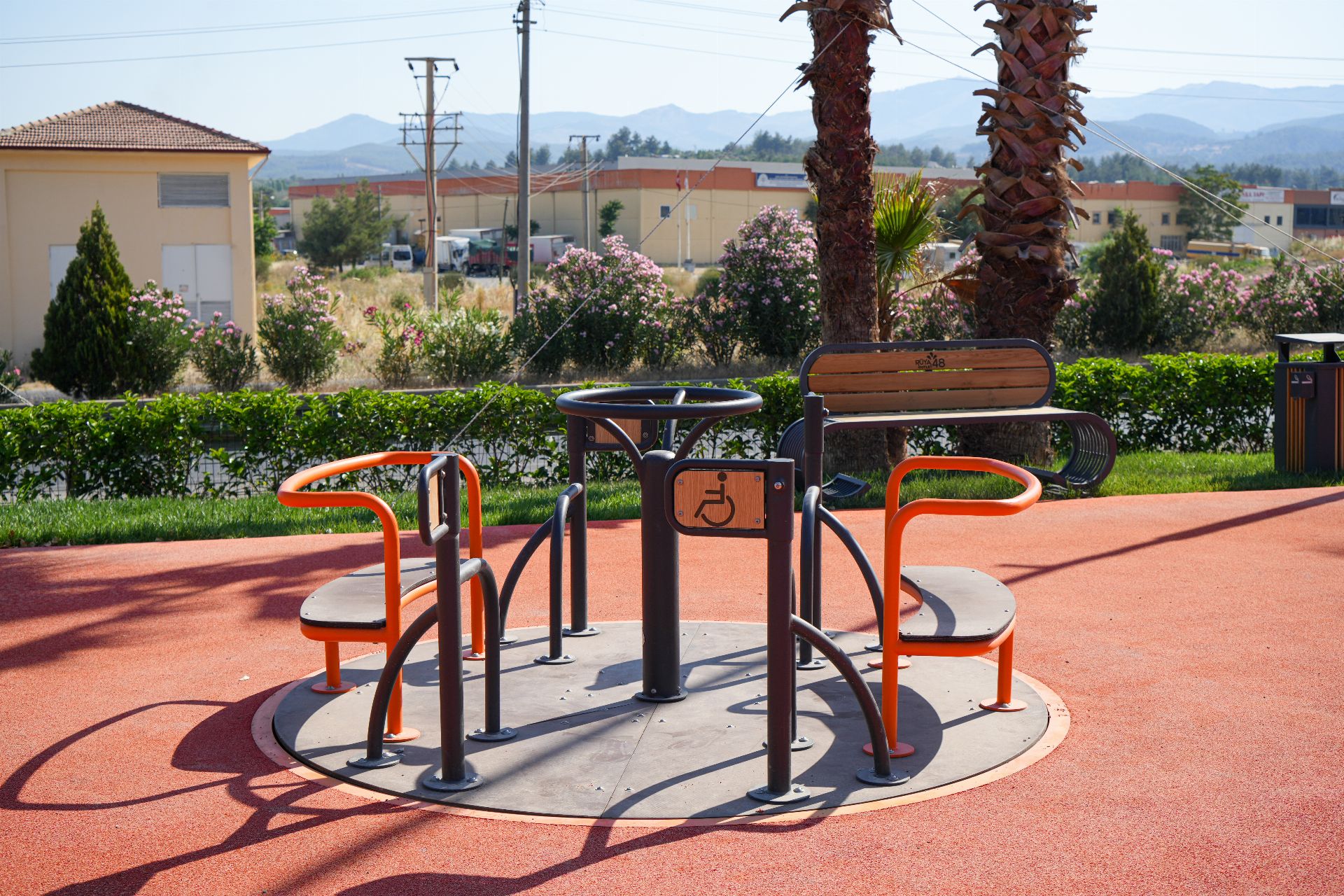
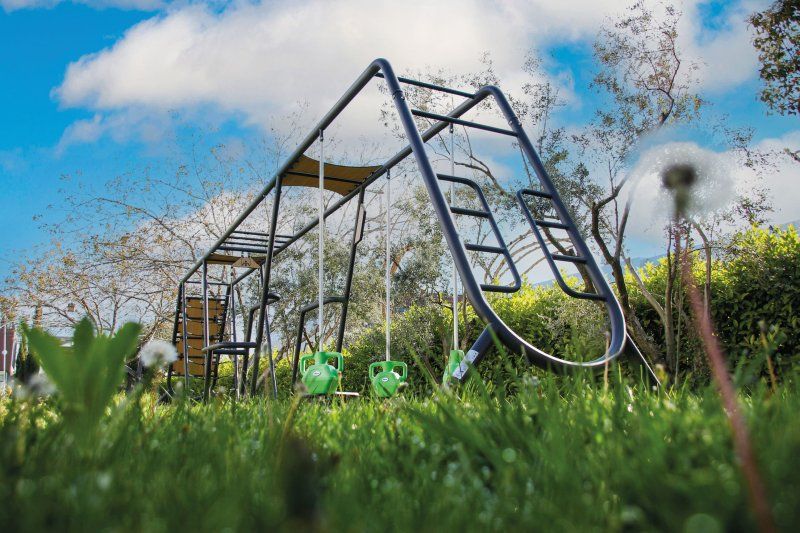
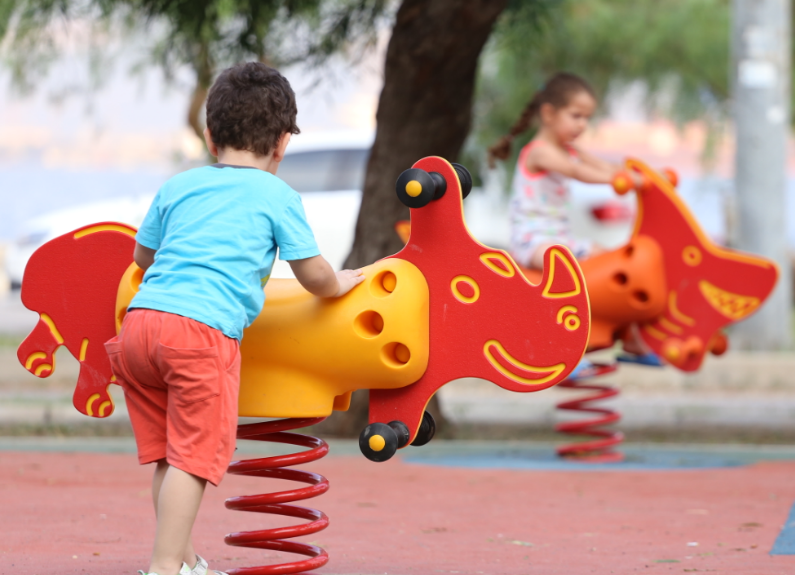
- Park time: swinging, sliding, climbing
- Dancing, jumping rope, running
- Encouraging sports like swimming or gymnastics
Fine Motor Builders
- Puzzles, LEGO, beads
- Painting, safe scissors, playdough
- Arts & crafts to boost hand–eye coordination
Daily Independence
- Tying shoes and buttoning clothes
- Eating on their own
- Limiting screen time; promoting hands-on play
Motor skills are vital for children’s physical, mental, and social development. Supporting these skills early builds a strong foundation for success in both academic and athletic fields.