

The Role of Playgrounds in Supporting Social Skills
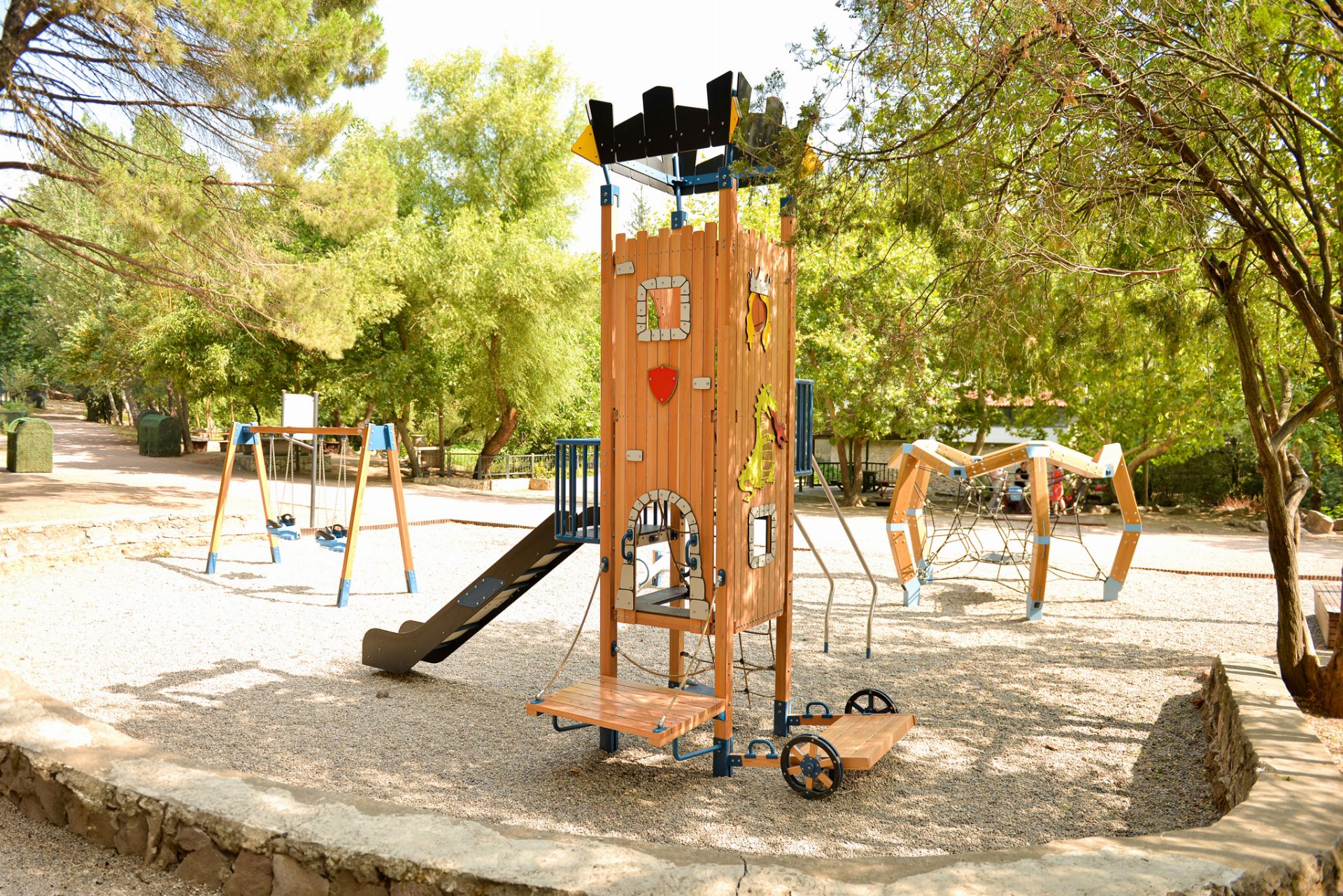
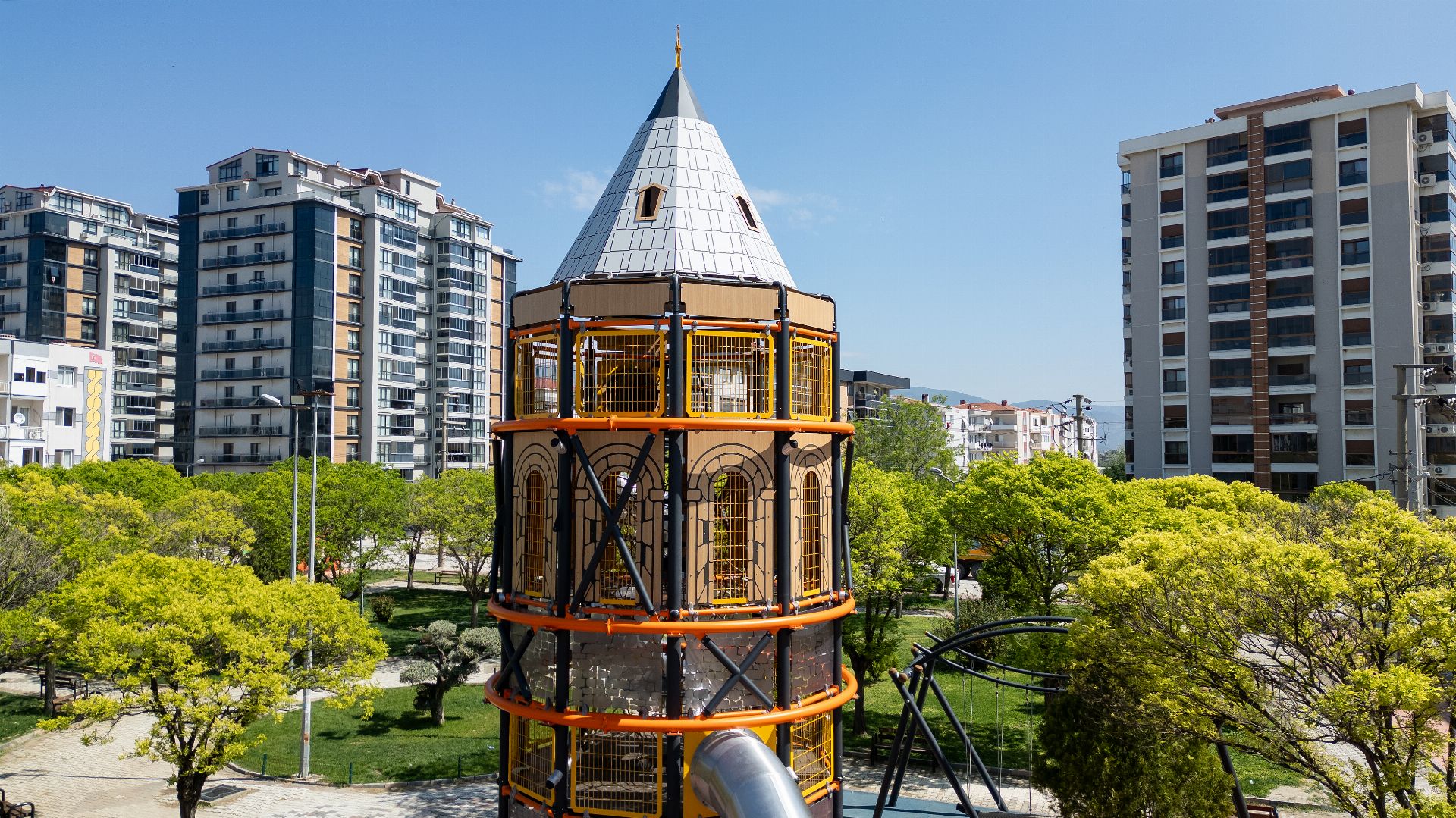
Playgrounds are not just physical spaces for activity—they are environments where children learn how to communicate, cooperate, and solve conflicts. The social skills developed in playgrounds become the foundation for future friendships, teamwork, and emotional intelligence. Whether in schools, parks, or neighborhoods, playgrounds act as miniature communities where children test boundaries and discover how to interact with others. Among these designs, wooden castle playgrounds stand out for combining imaginative themes with developmental value.
Cooperation Through Shared Play
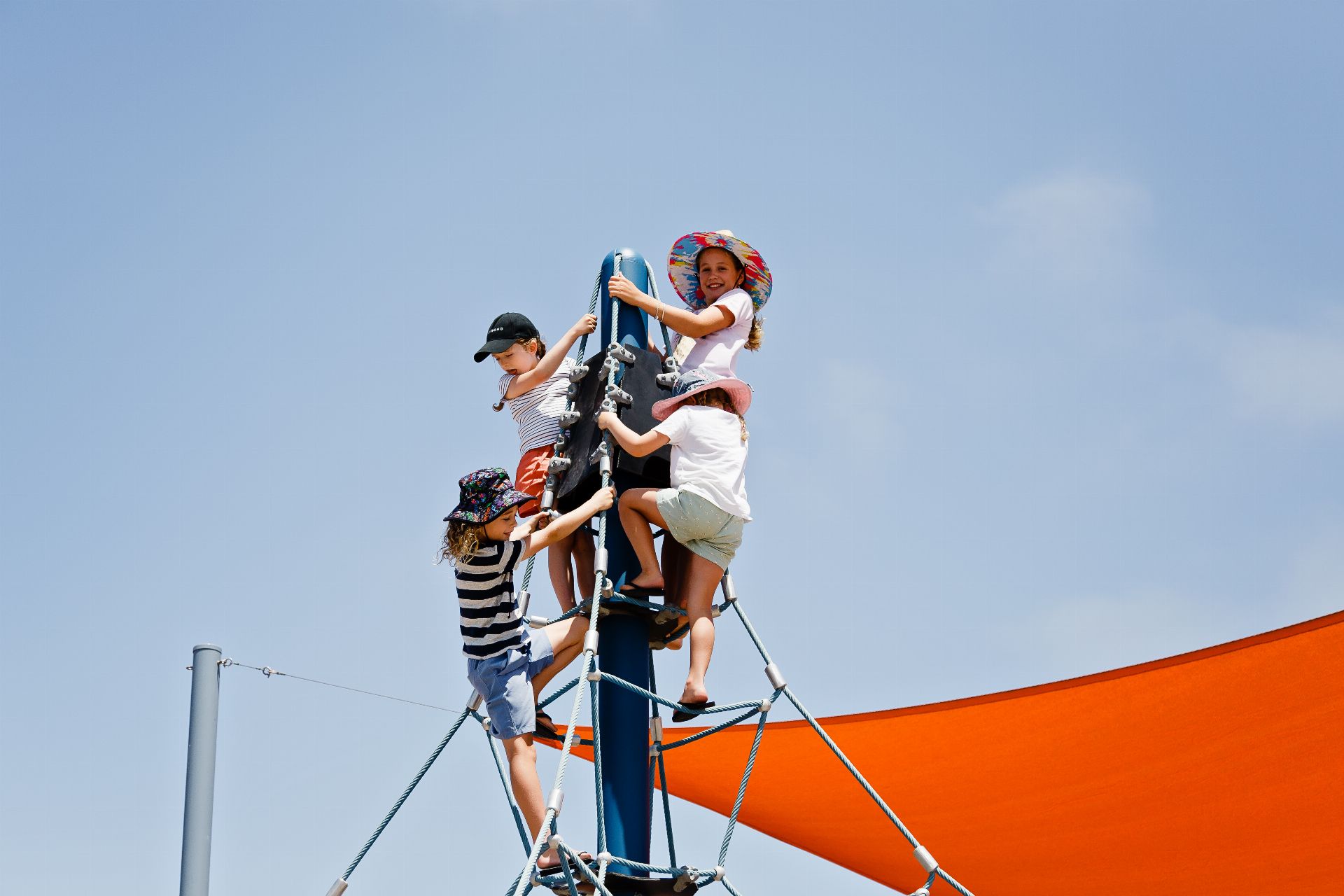
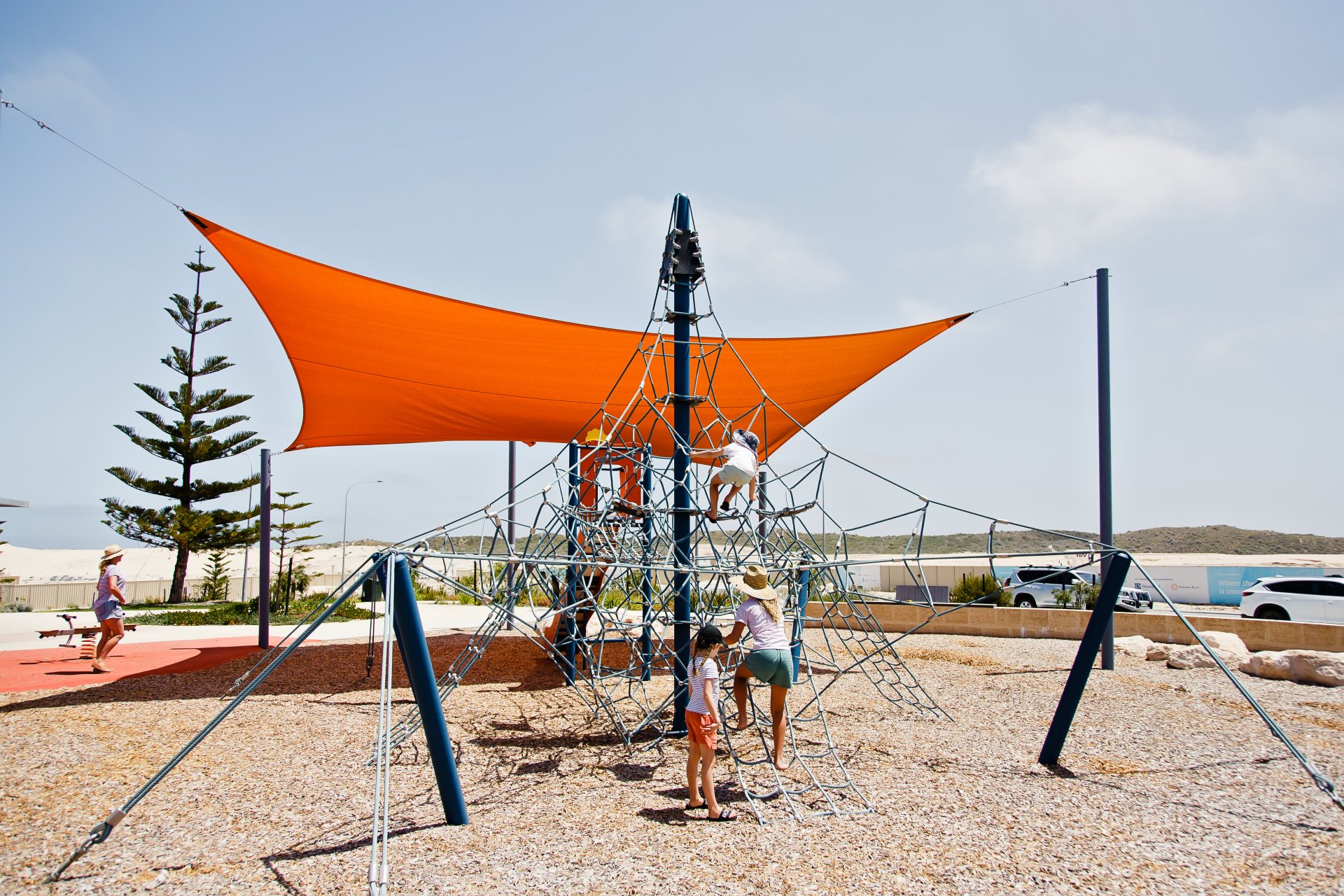
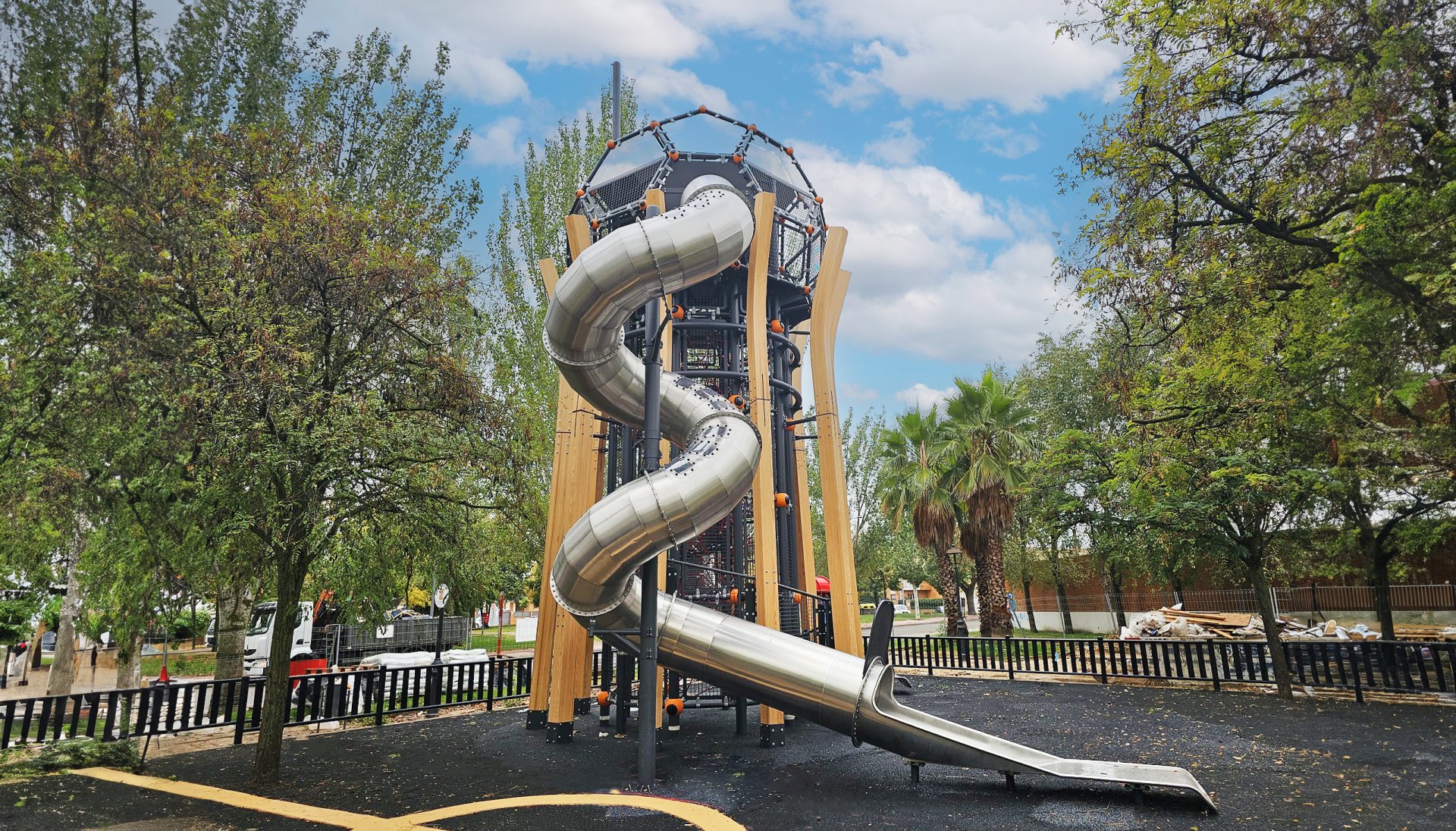
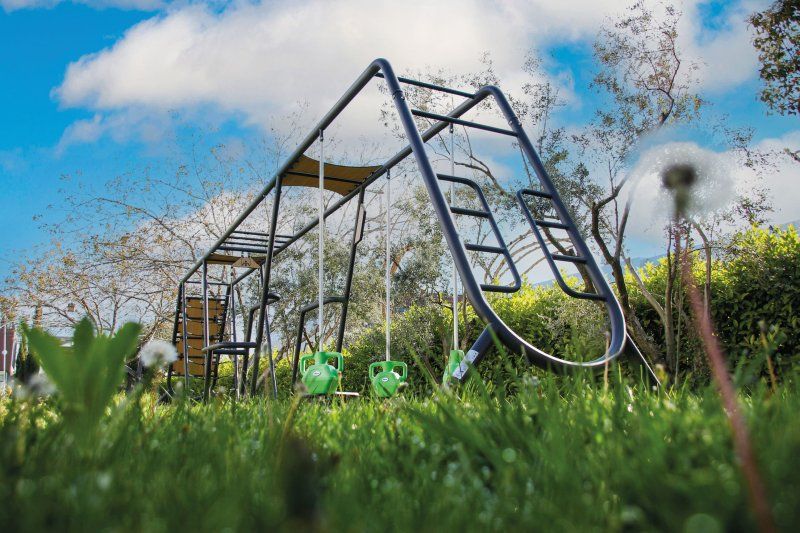
Shared play equipment such as climbing nets, seesaws, and group swings naturally teach cooperation. Children learn patience while waiting for their turn and empathy as they help friends climb or balance. In wooden castle playgrounds, teamwork is even more visible: children join forces to “defend the castle,” create storylines, or take turns crossing rope bridges. This type of play makes cooperation both fun and meaningful.
Conflict Resolution in a Safe Space
Disagreements are part of childhood. Playgrounds provide a safe environment where children can experience conflict without serious consequences. Whether it’s deciding who goes down the slide first or negotiating the rules of a pretend castle, children learn problem-solving and compromise. In themed environments like wooden castle playgrounds, children resolve disputes within the story itself, which strengthens creativity while improving social resilience.
Inclusivity and Teamwork
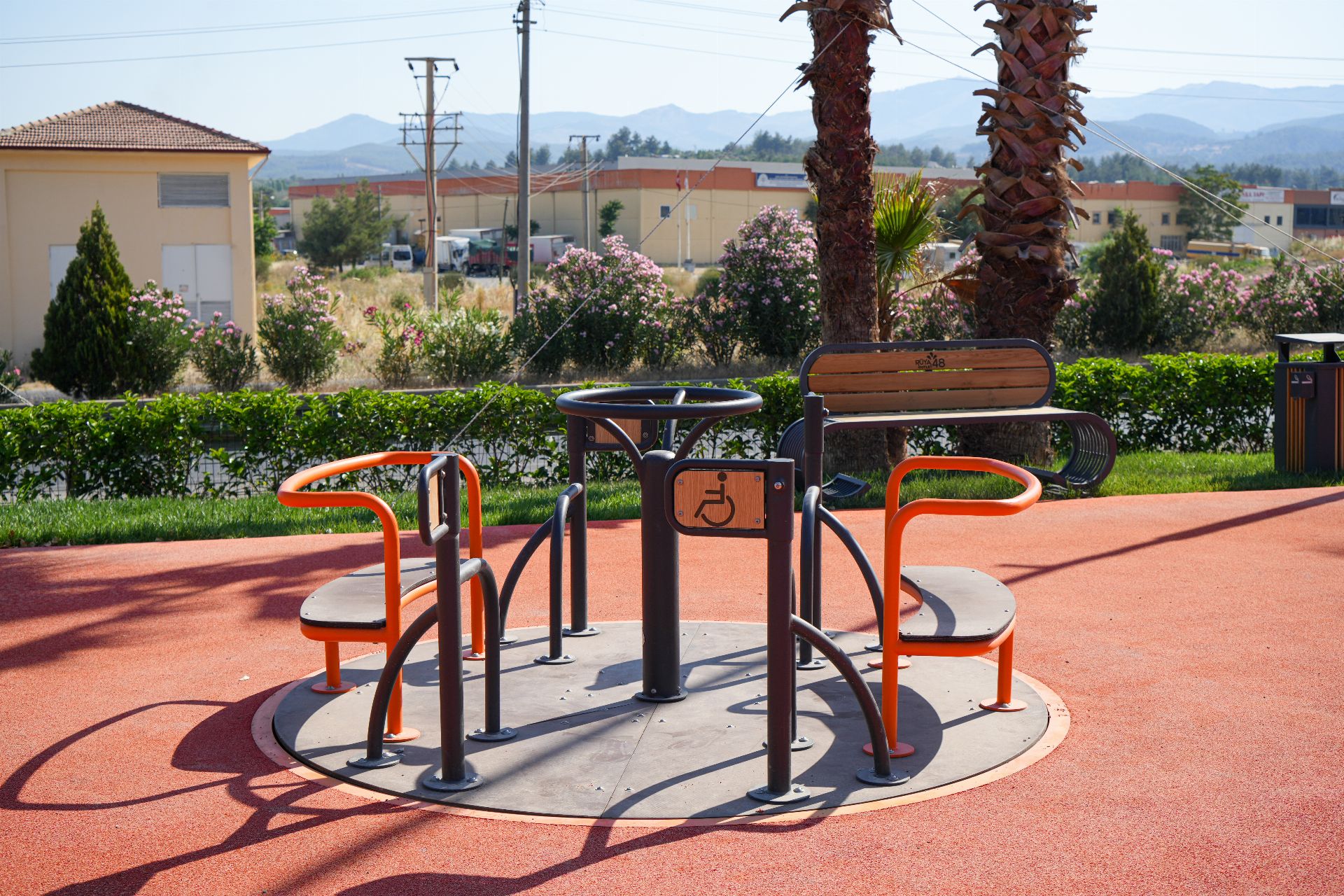
Modern playgrounds are designed with inclusivity in mind. Accessible ramps, sensory play panels, and varied equipment allow children of all abilities to join the fun. This inclusivity promotes compassion, understanding, and teamwork across different age groups and skill levels. Wooden castle playgrounds enhance this effect by encouraging group storytelling and role play, allowing every child to find a place in the narrative.
Long-Term Impact of Social Play
The lessons learned on playgrounds extend far beyond childhood. Sharing, cooperation, and conflict resolution are the same skills adults use in workplaces, communities, and families. By engaging in structured and unstructured play, children are essentially practicing life skills that prepare them for future challenges. When supported with creative environments like wooden castle playgrounds, these lessons become even more memorable.
Conclusion
Investing in safe and imaginative play structures is investing in children’s social growth. Playgrounds that encourage cooperation, inclusivity, and healthy conflict resolution shape confident, empathetic individuals. Explore our wooden castle playground collections for designs that combine fun with long-term developmental benefits.