


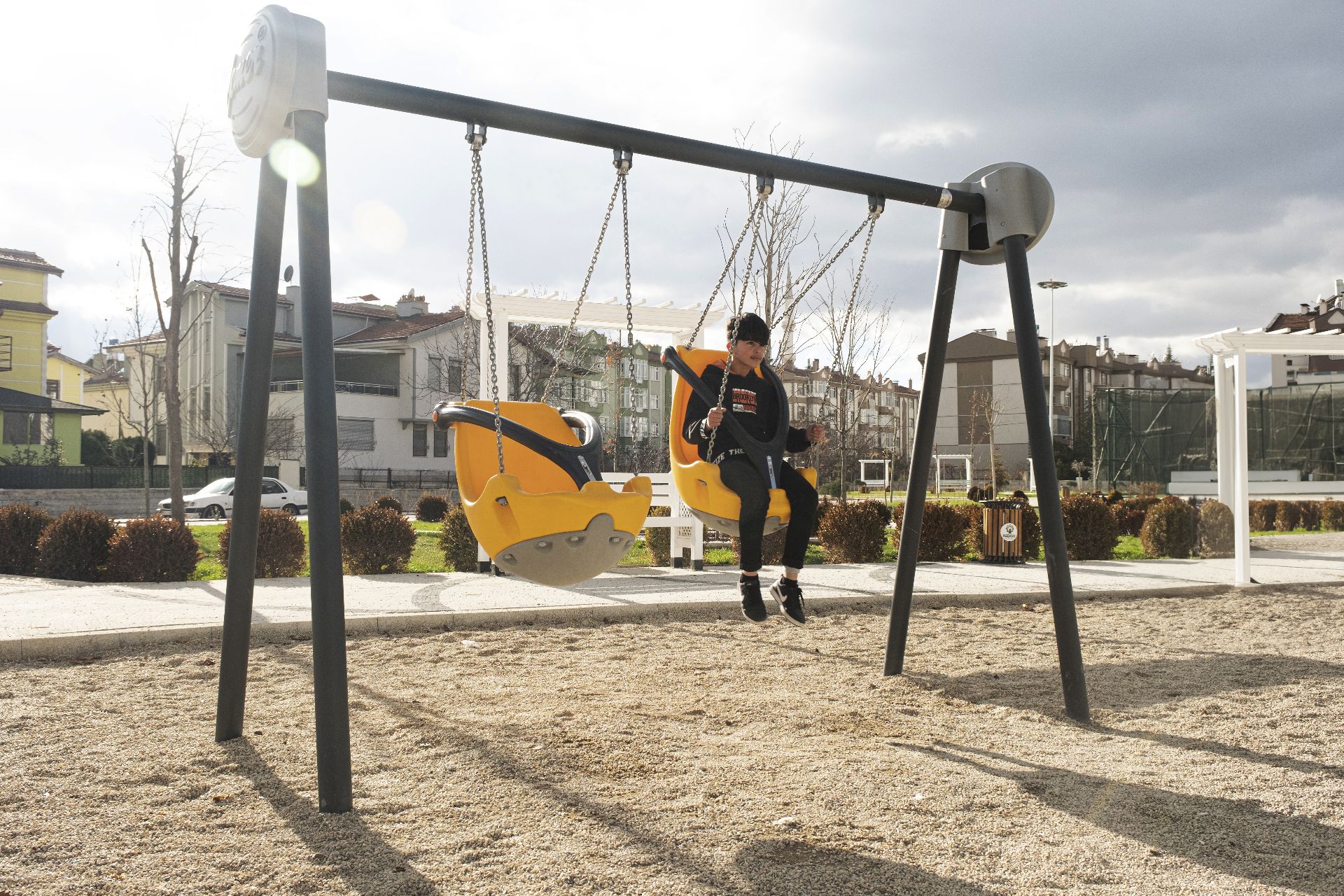
Swings: More Than Just Play – A Key to Children’s Development
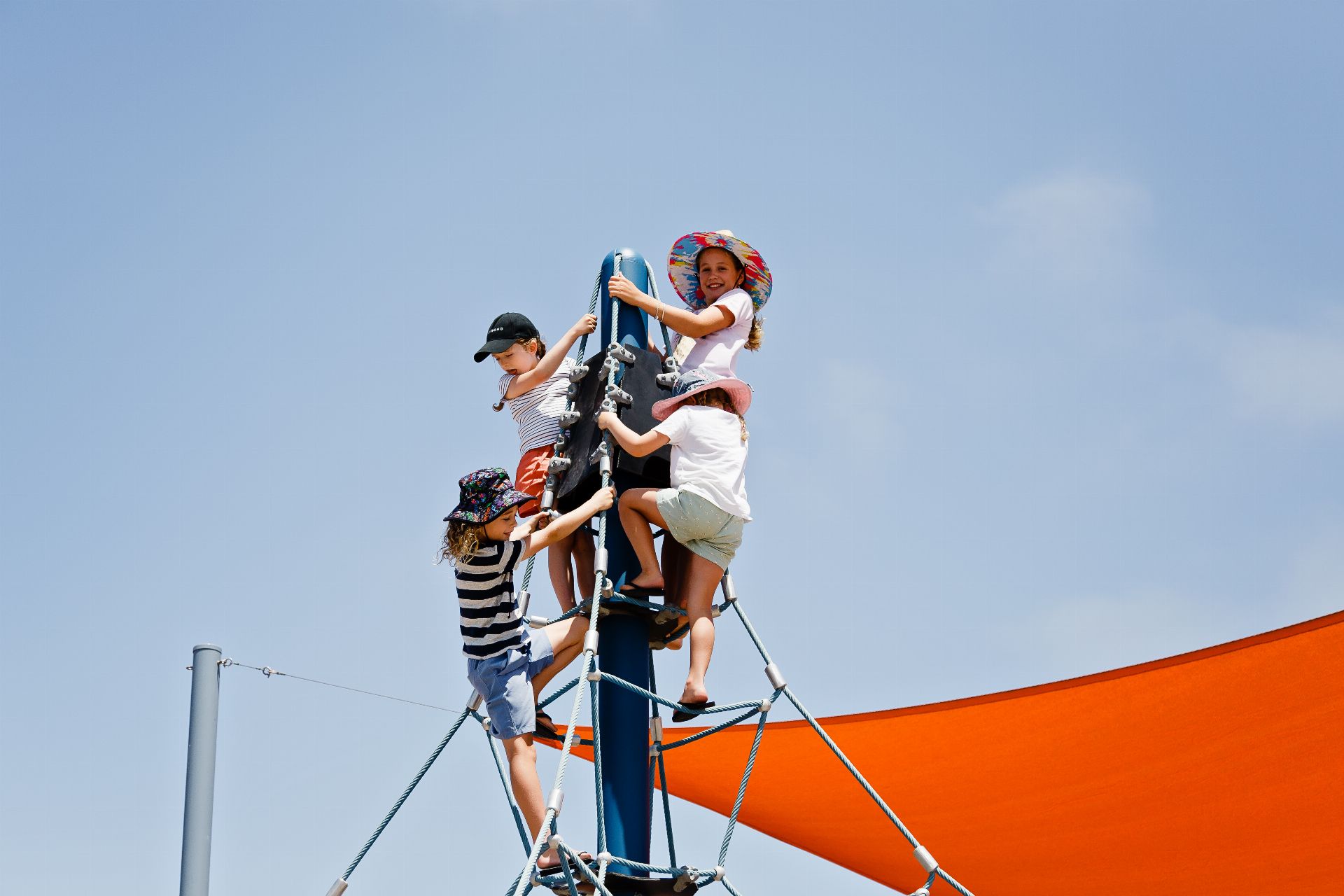
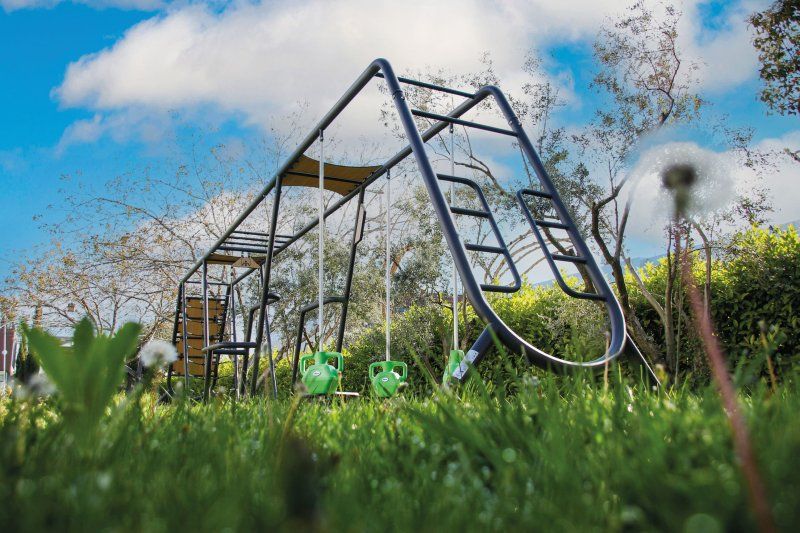
For children, play is far more than simple entertainment—it is a vital part of their physical, mental, and emotional growth. Playgrounds play a central role in this process. Among the most timeless and essential elements of any playground, swings stand out as a classic feature. They help children improve motor skills, balance, coordination, and even enhance their social interactions. Combined with trampolines, basketball hoops, and ziplines, swings make playgrounds more exciting and engaging.
Using a swing strengthens a child’s leg, core, and back muscles. The back-and-forth motion teaches them how to push and pull, while supporting muscle development. This movement also sharpens their balance and boosts motor coordination. As they swing, children learn to control their body rhythmically, which supports sensory integration and overall physical skills. When combined with activities such as trampolines or ziplines, these benefits multiply, offering a full-body developmental experience.
Swinging also promotes independence. The effort to swing higher encourages children to challenge themselves, building self-confidence and resilience. On a neurological level, the rhythmic motion regulates brain waves, helping children relax, reduce stress, and experience a calming effect that supports brain development.
Socially, swings encourage sharing, patience, and turn-taking. When children play together, they learn cooperation and empathy. Parents can also join the fun, pushing their children or swinging side by side, which strengthens parent-child bonding while ensuring safe play. When swings are paired with other equipment like ziplines or trampolines, they create meaningful opportunities for family interaction and quality time outdoors.
Modern swings are designed with maximum safety in mind. Made from durable materials and equipped with protective features, they minimize injury risks and allow parents to feel confident while their children play. With models designed for different age groups—from baby swings to larger versions for older children—swings cater to a wide range of developmental needs.
Swings are more than playground classics; they are powerful tools for child development. By combining swings with other fun playground equipment such as trampolines, basketball hoops, and ziplines, communities and families can create environments that support healthy, happy, and confident children. Encouraging kids to engage in these activities is an investment in their growth, well-being, and lifelong joy.