

Age-Appropriate Playground Design: Catering to Multi-Generational Needs
From toddler sensory exploration to teenage fitness hubs: A blueprint for inclusive, diverse, and engaging community spaces.
Modern public parks act as active cross-generational hubs where individuals from vastly different age groups gather to play, exercise, and socialize. Because every demographic possesses entirely distinct cognitive interests, social patterns, and physical capabilities, universal playground design must be meticulously tailored to celebrate this diversity rather than forcing a one-size-fits-all layout.
Designing for Evolving Developmental Milestones
Ages 0–3: Sensory Exploration and Early Motor Coordination
Infants and toddlers interact with the world primarily through tactile, auditory, and visual sensory input. Play frames in these zones should focus on soft, low-to-the-ground exploration:
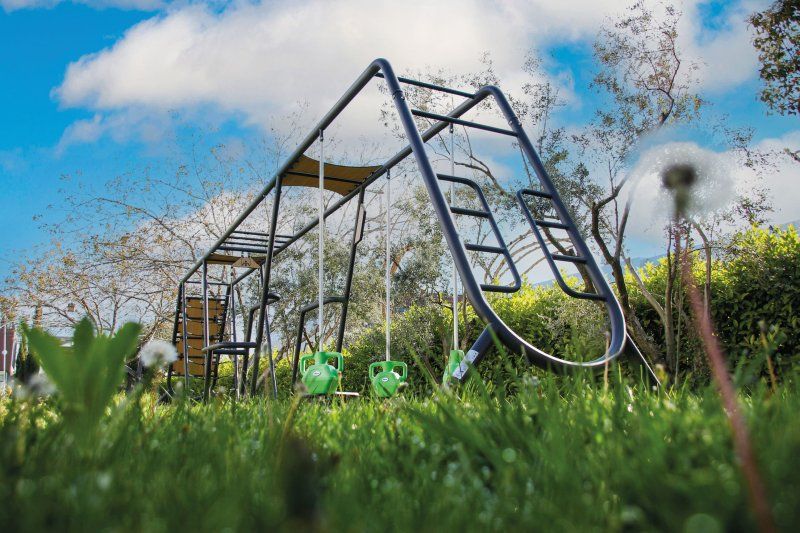
- Miniature low-profile slides and supportive cradle swings safely train early vestibular balance and physical confidence.
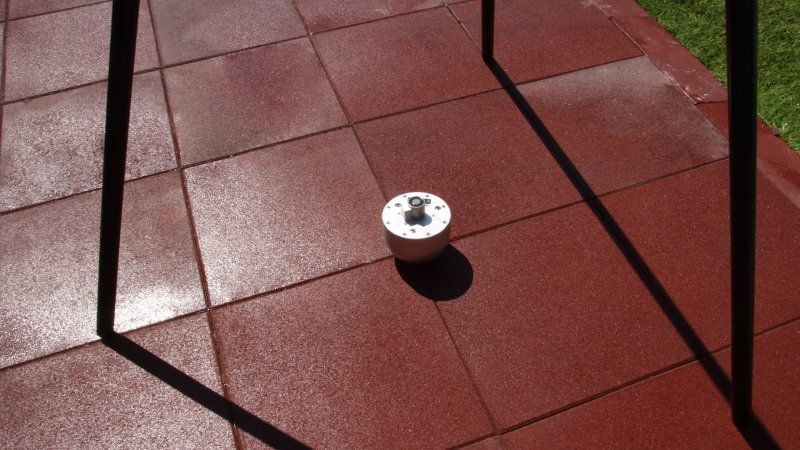
- Continuous soft safety surfacing allows toddlers to crawl, sit, and take their first steps without the risk of impact injuries.
- Highly textured, vibrant interactive activity panels stimulate cognitive cause-and-effect understanding.
Ages 4–7: Fluid Movement and Immersive Imaginative Play
As children enter early childhood, their balance systems sharpen, and narrative-driven roleplay takes center stage:
- Ergonomic see-saws build timing coordination while naturally initiating peer-to-peer communication.
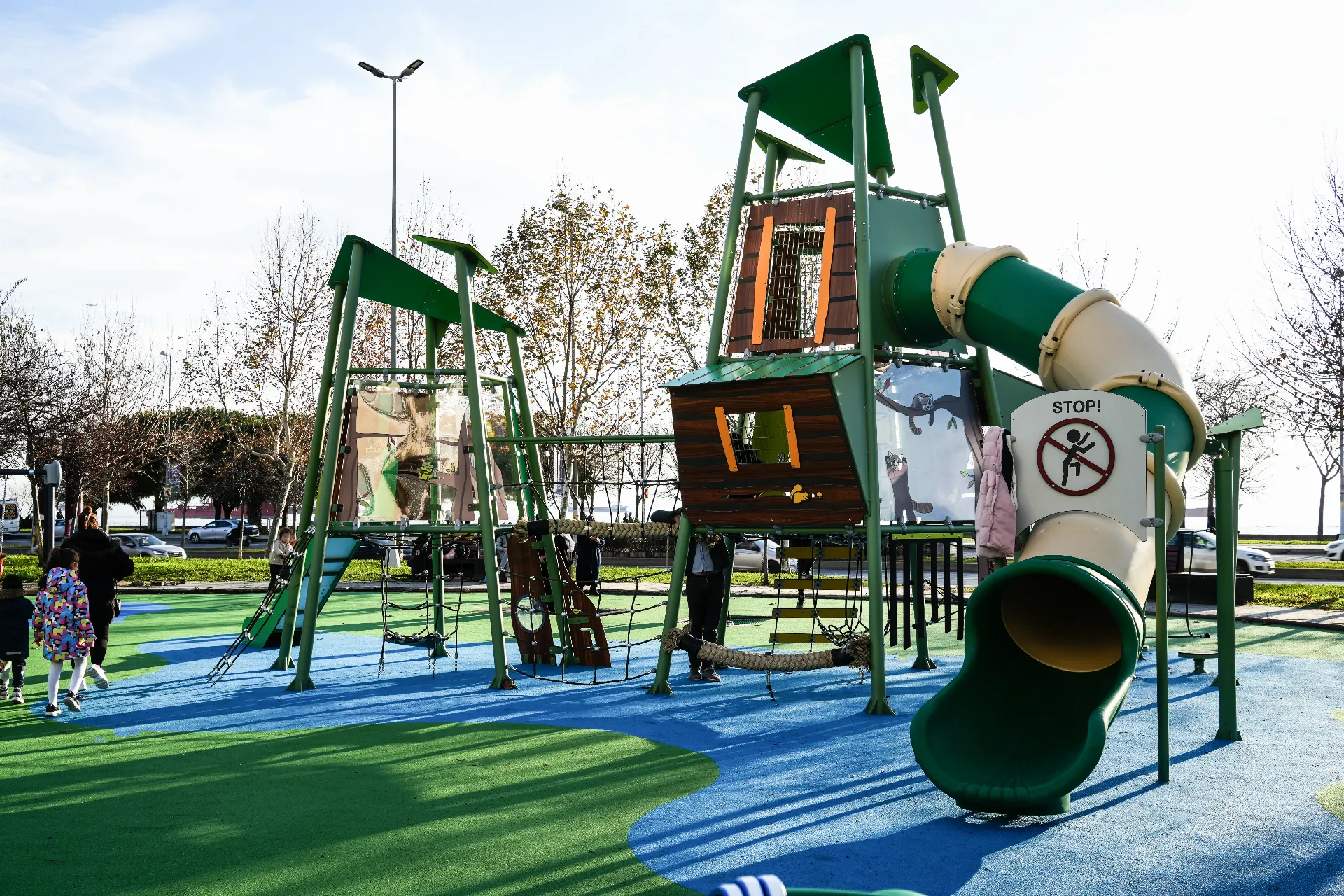
- Integrated play combinations featuring low rope bridges, small climbing nets, and medium slides test motor control.
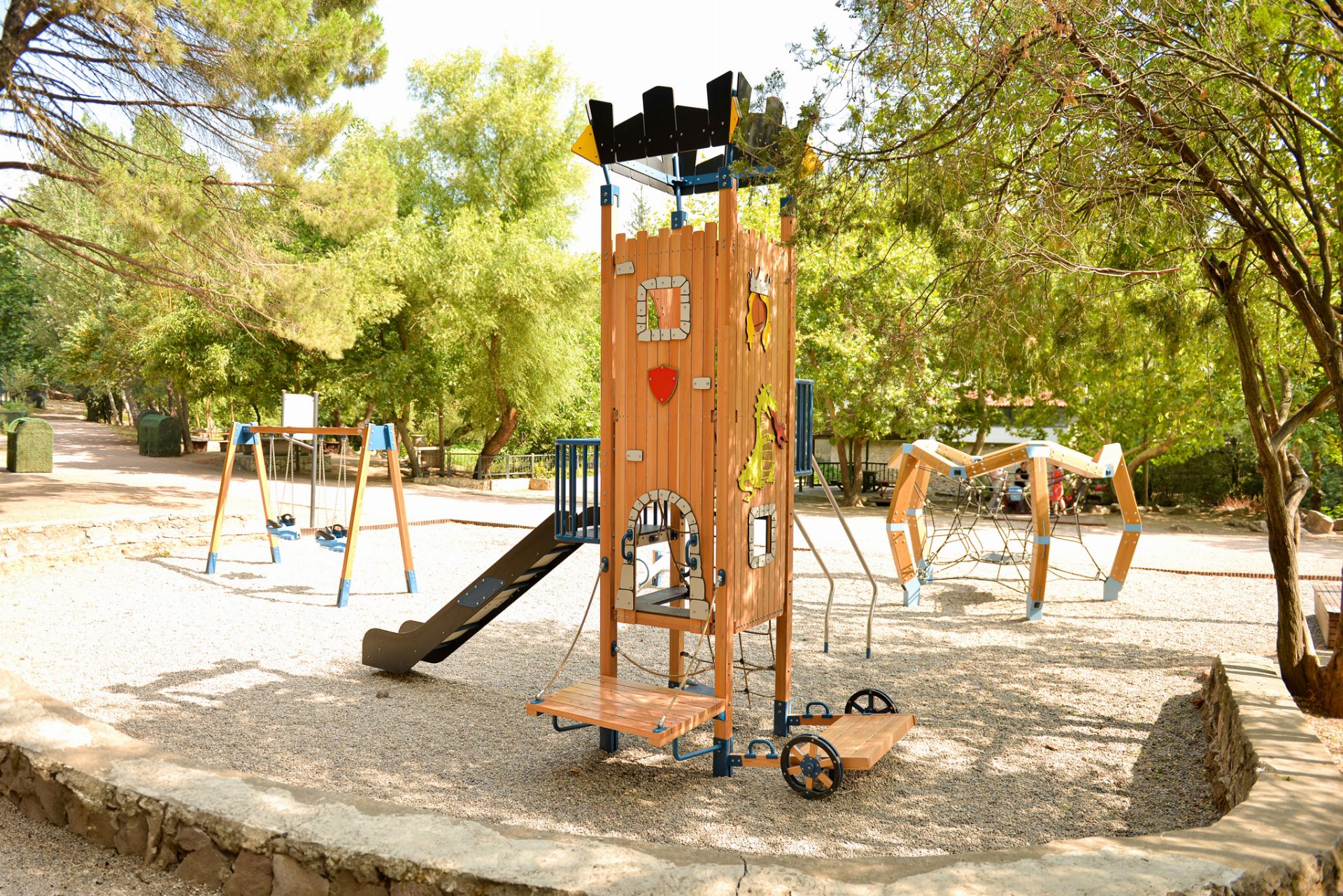
- Immersive pirate ships, space expeditions, or castle-themed play structures spark collaborative roleplay scenarios.
Ages 8–12: High-Adventure, Endurance, and Strength Challenges
Pre-teens seek out structures that test their physical limits, help them overcome fears, and serve as peer socializing landmarks:
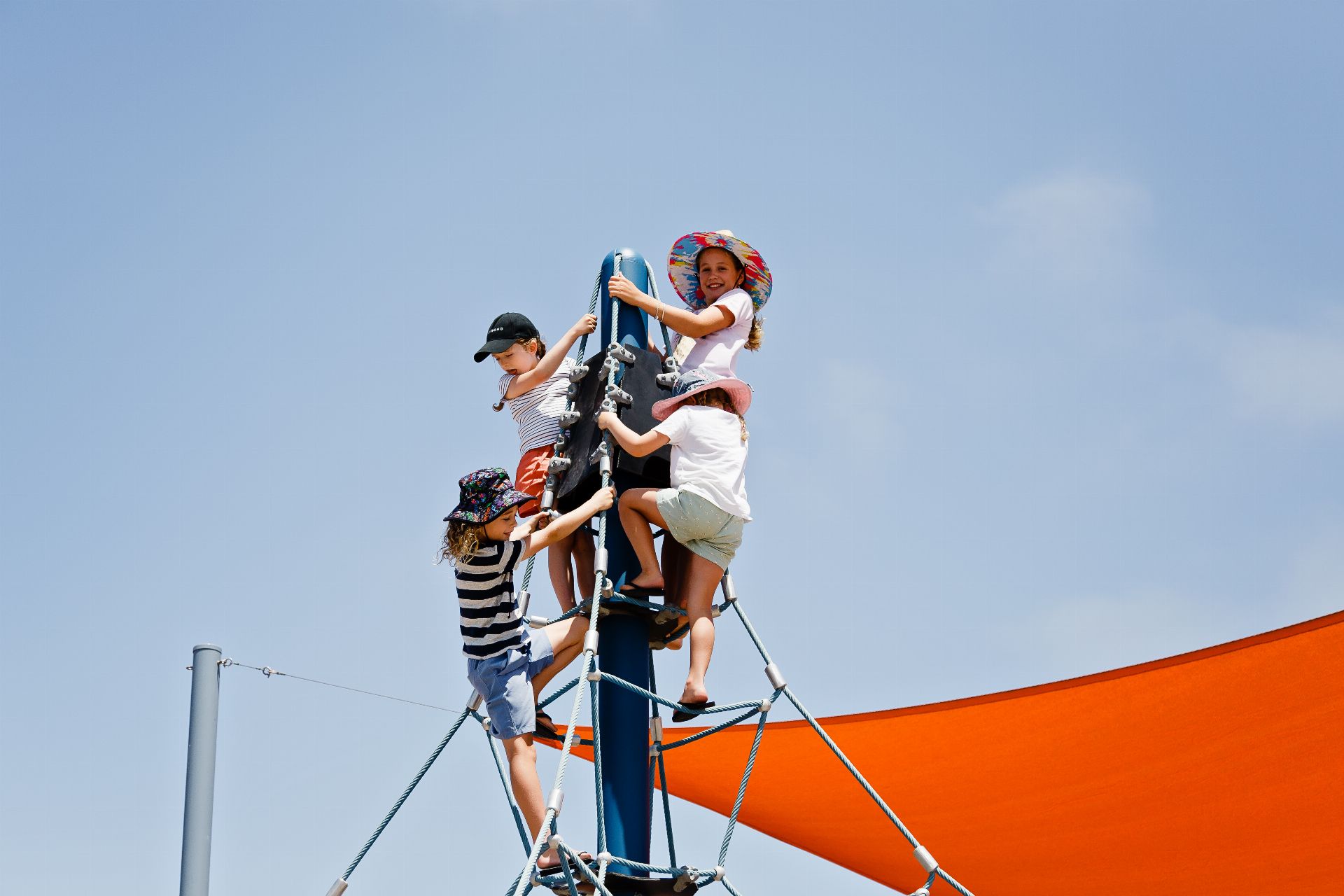
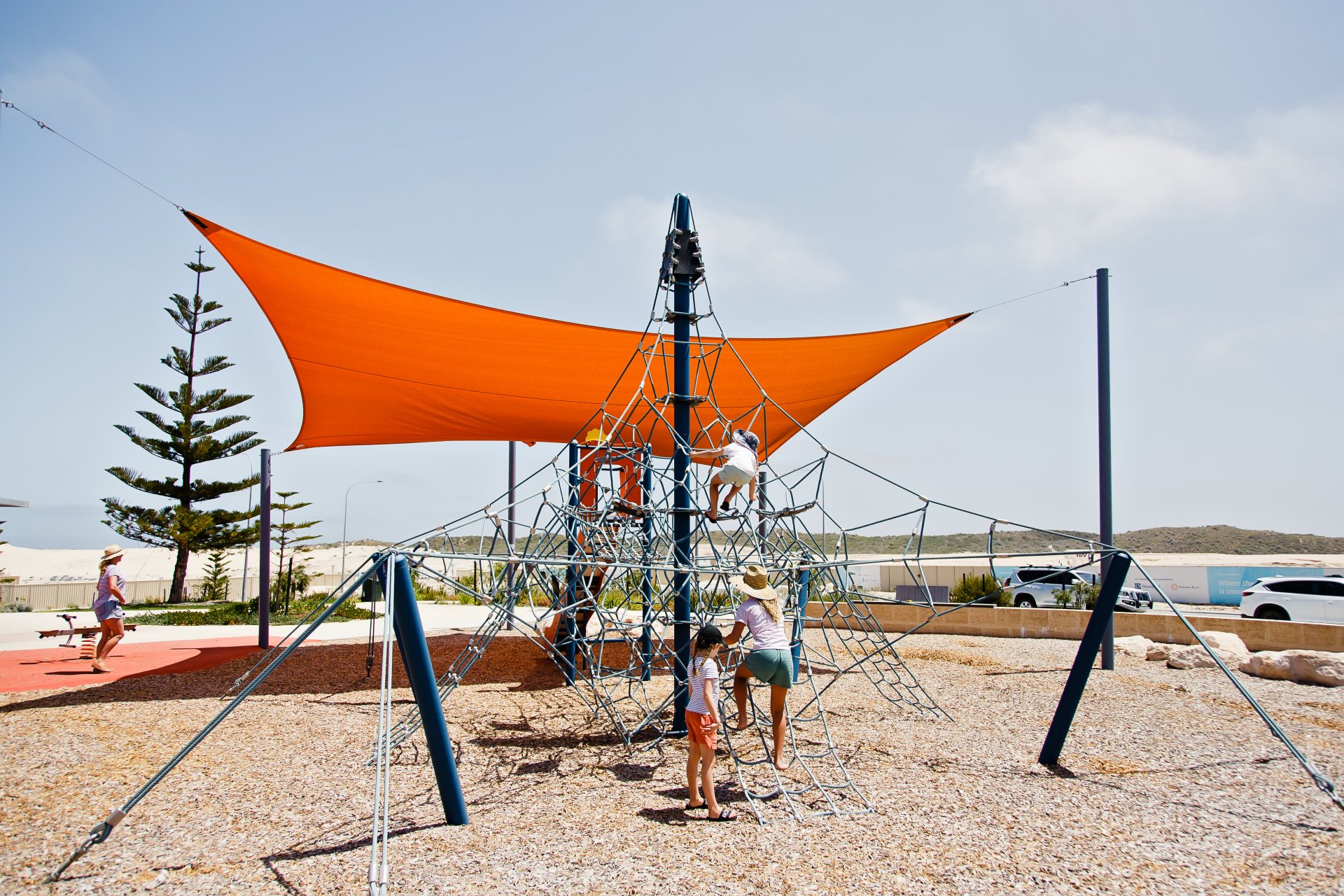
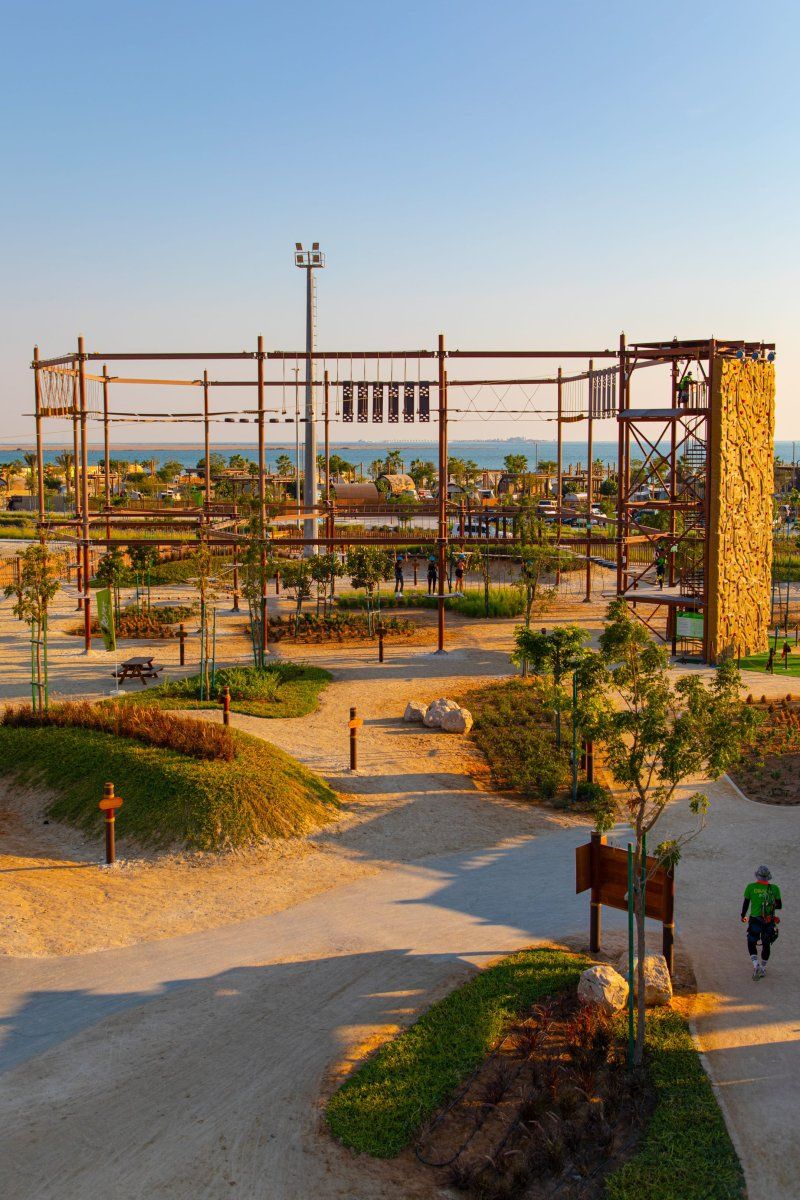
- Vertical climbing walls and challenging matrix ropes develop upper-body strength and complex spatial planning.
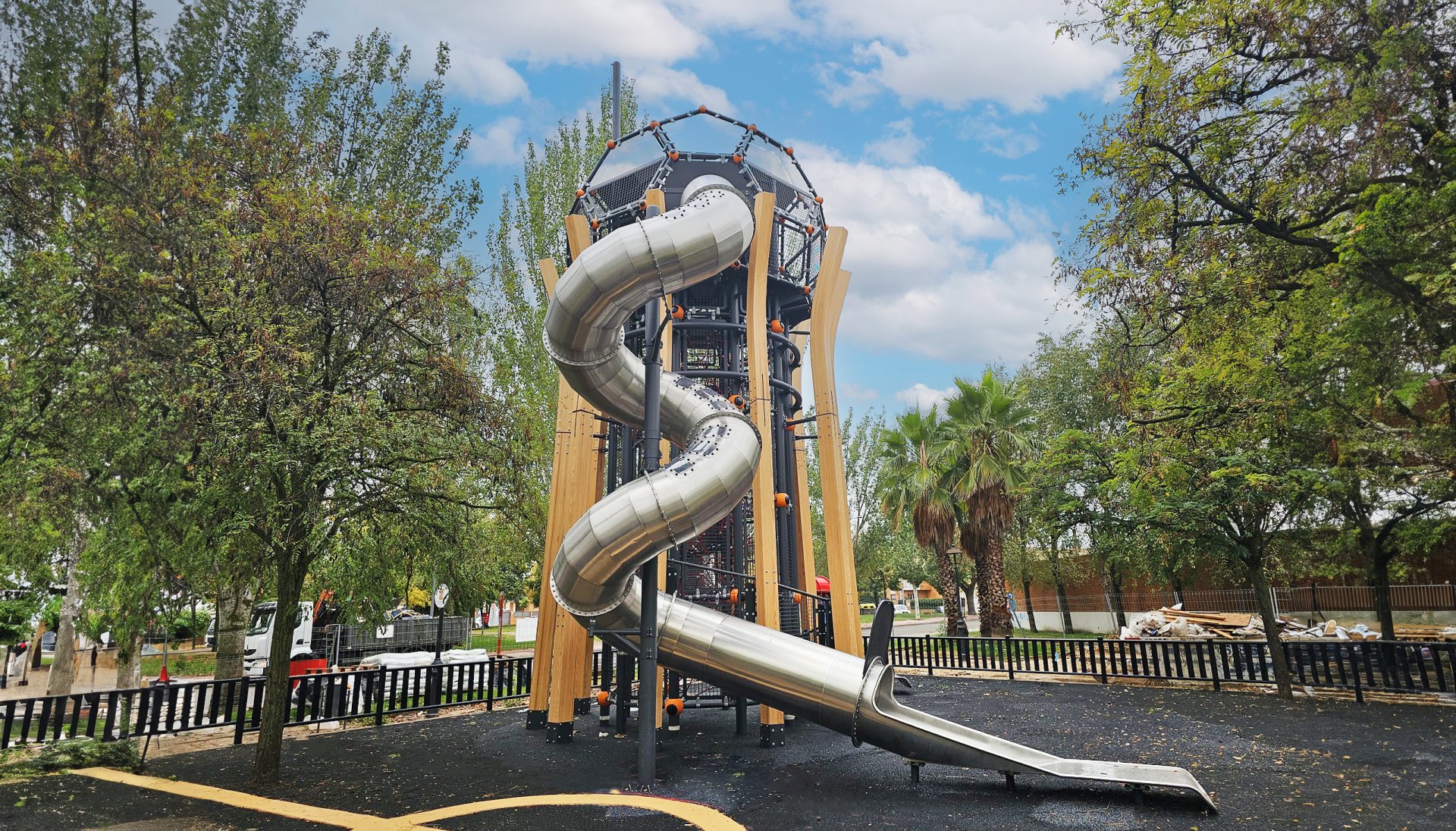
- High-velocity ziplines and elevated agility courses satisfy an innate craving for adventure while building self-reliance.
- Commercial-grade trampolines merge high-energy athletic movement with unstructured fun.
Ages 13+: Organized Sports, Calisthenics, and Social Lounges
For teenagers, parks should provide structured physical outlets alongside welcoming, non-restrictive social spaces:
- Multi-purpose court layouts for basketball, volleyball, and football promote group competition and teamwork.
- Outdoor calisthenics zones, pull-up systems, and stretching stations promote a proactive, healthy lifestyle.
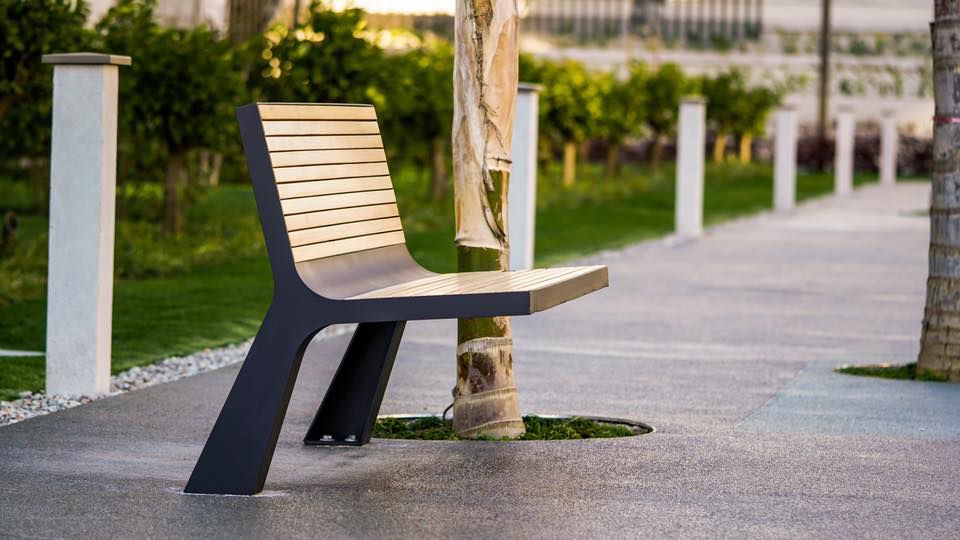
- Multi-functional shelters, architectural geometric seating units, and hammocks give teens a safe, designated space to gather.
Spaces for the Complete Family Structure
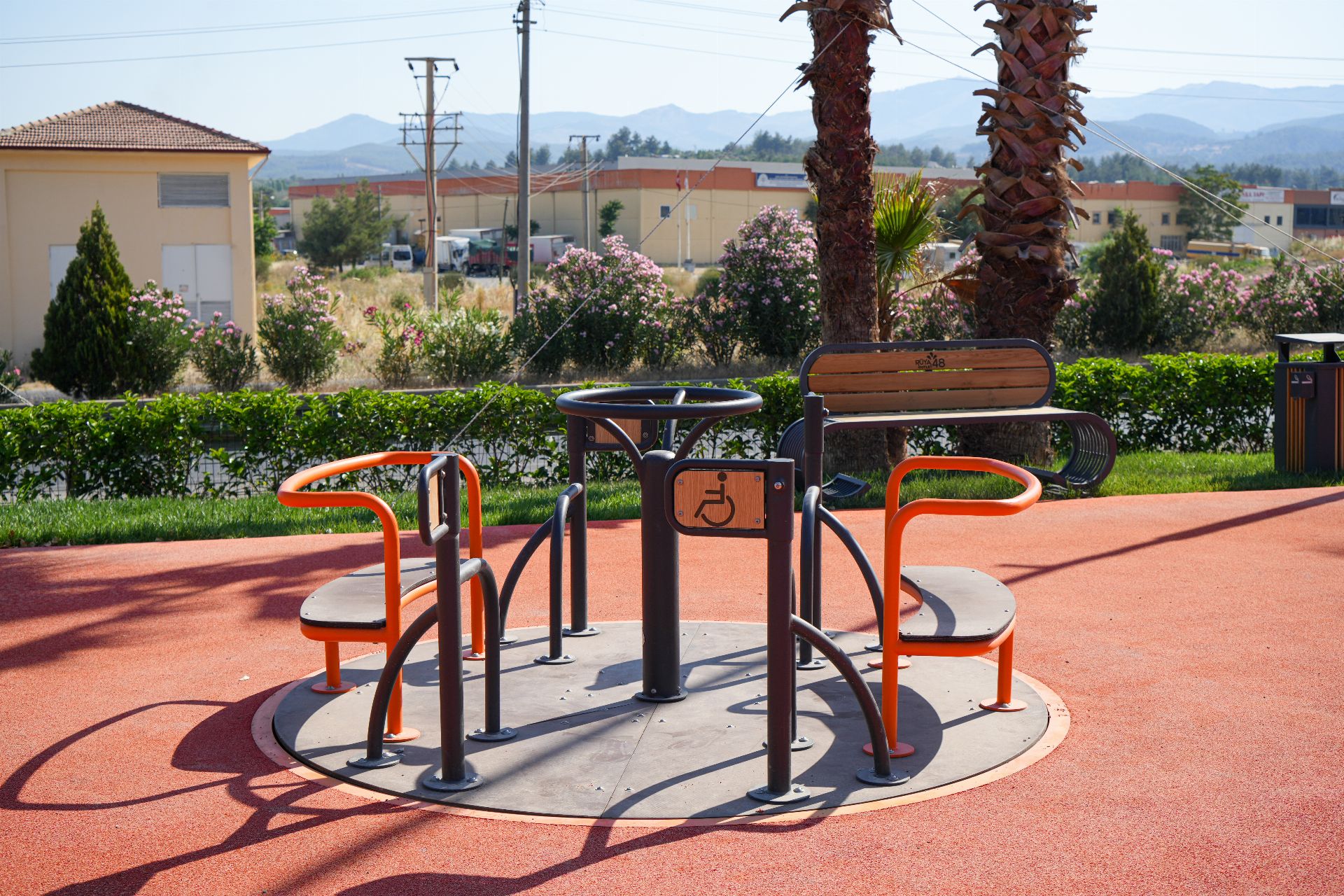
True master planning integrates inclusive, multi-generational elements that welcome the entire family circle simultaneously. Organizing dedicated shaded picnic configurations alongside high-energy items like inclusive see-saws and ground-level trampolines enables parents, children, and elderly relatives to enjoy the landscape together. These shared spaces organically fortify deep neighborhood bonds and bridge generational gaps.
Engineering Inclusive Tomorrows with Cemer
In conclusion, intelligent age-zoned playground layout designs support far more than mere physical health; they are a direct investment in the community's social and psychological evolution.
At Cemer, our expansive product lines—spanning specialized toddler arrays, adventure climbing setups, robust sports courts, and premium urban seating—are designed to give every single individual an inspiring space to grow. Partnering with Cemer means bringing safe, vibrant, and multi-generational recreation ecosystems to life.