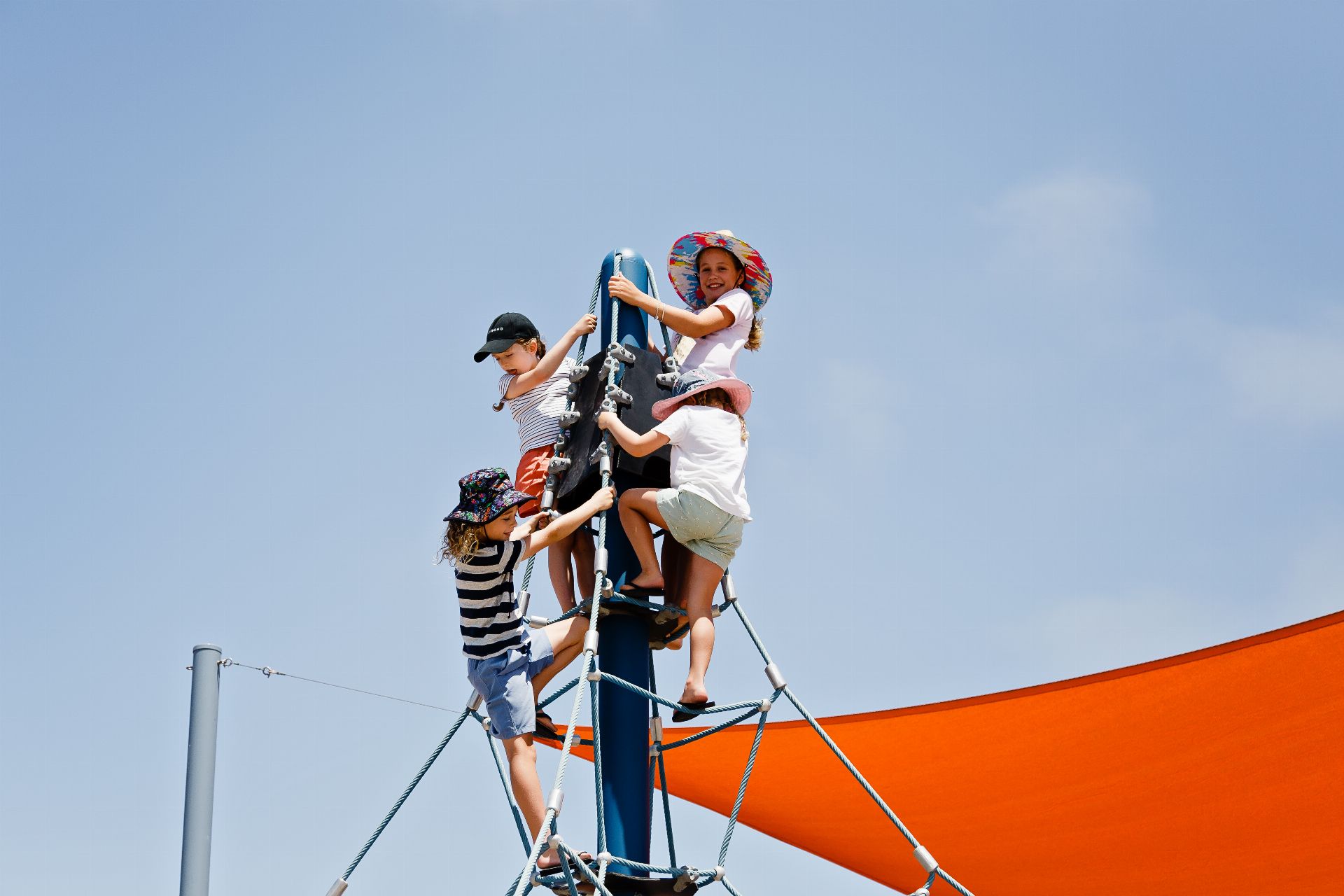
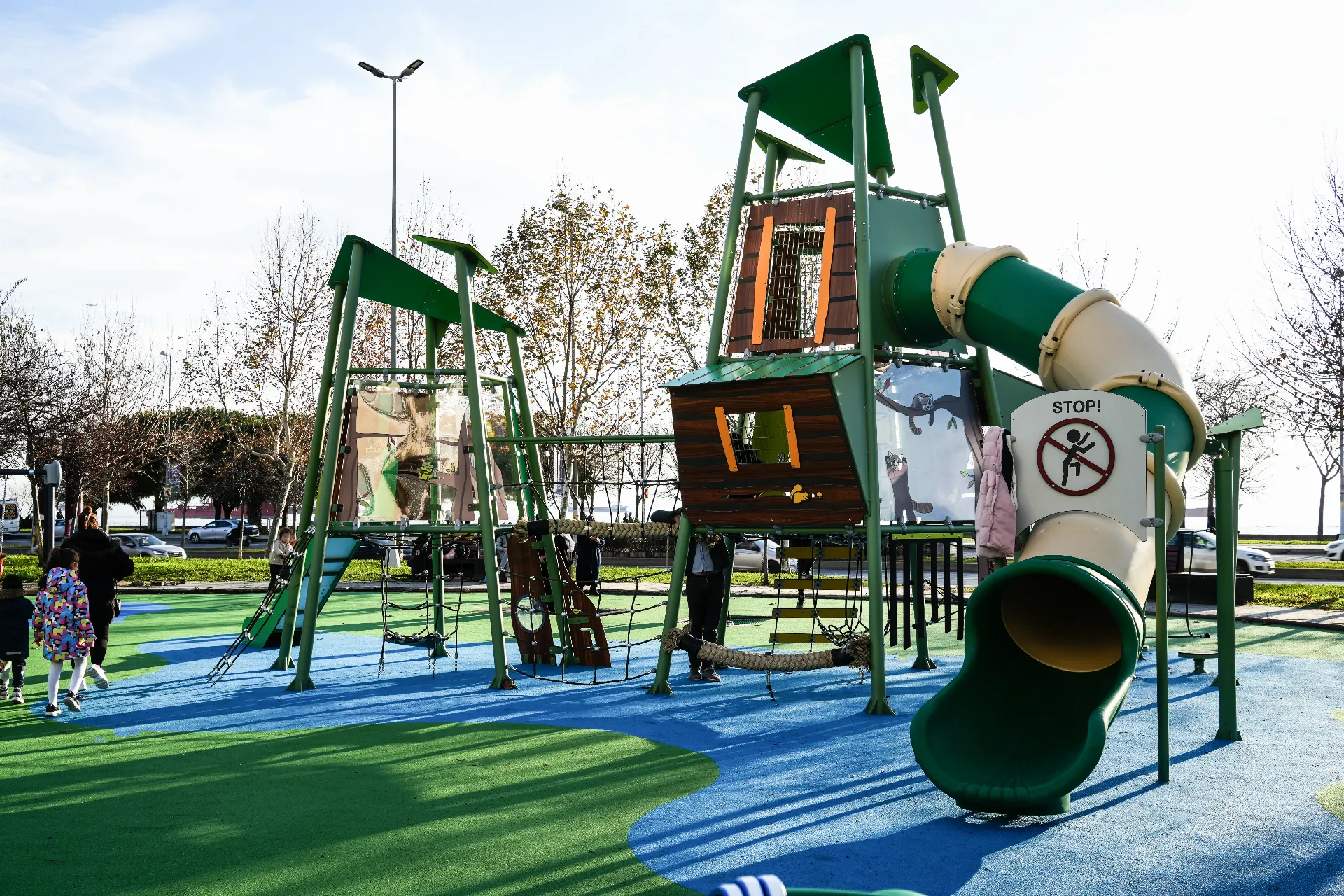
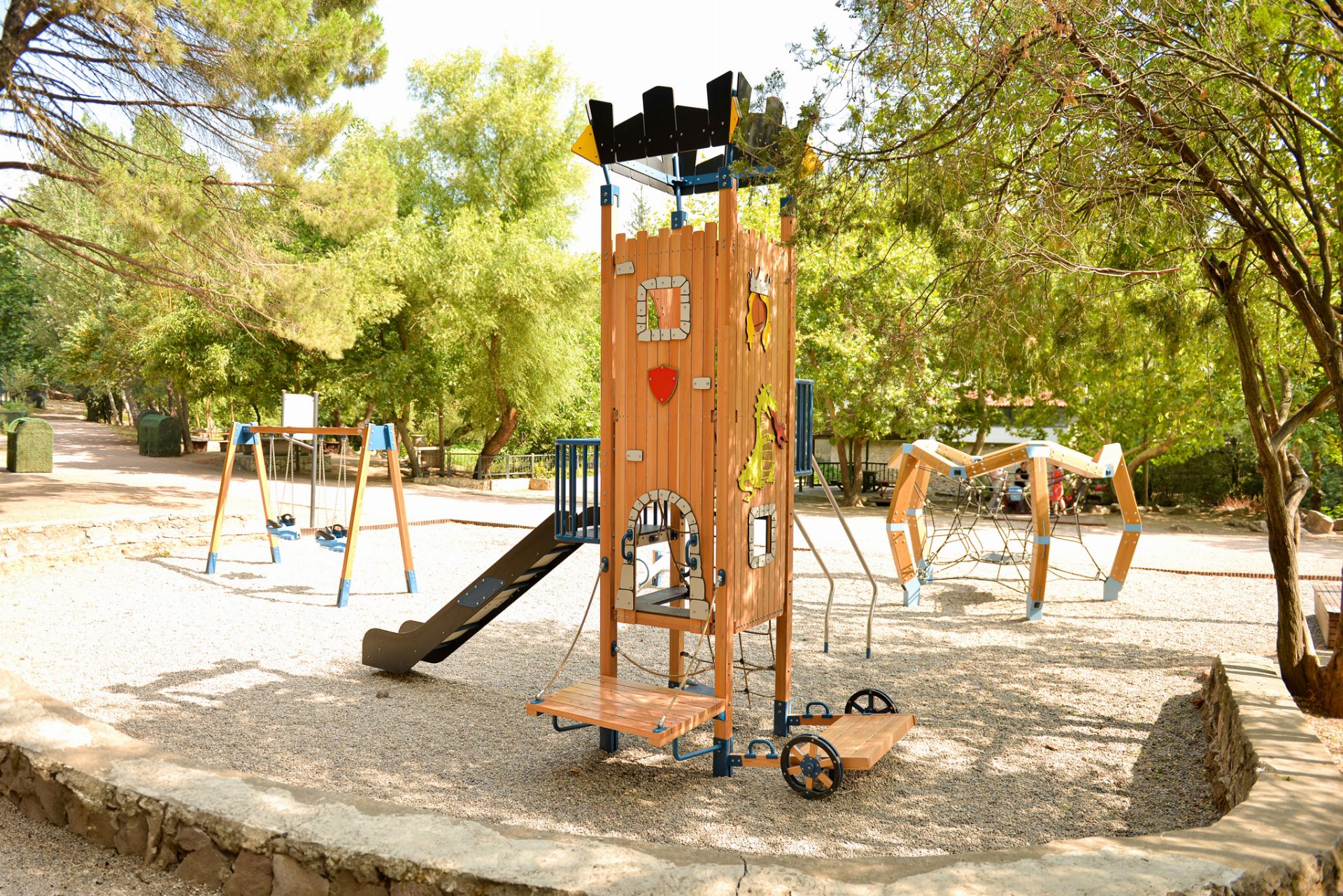
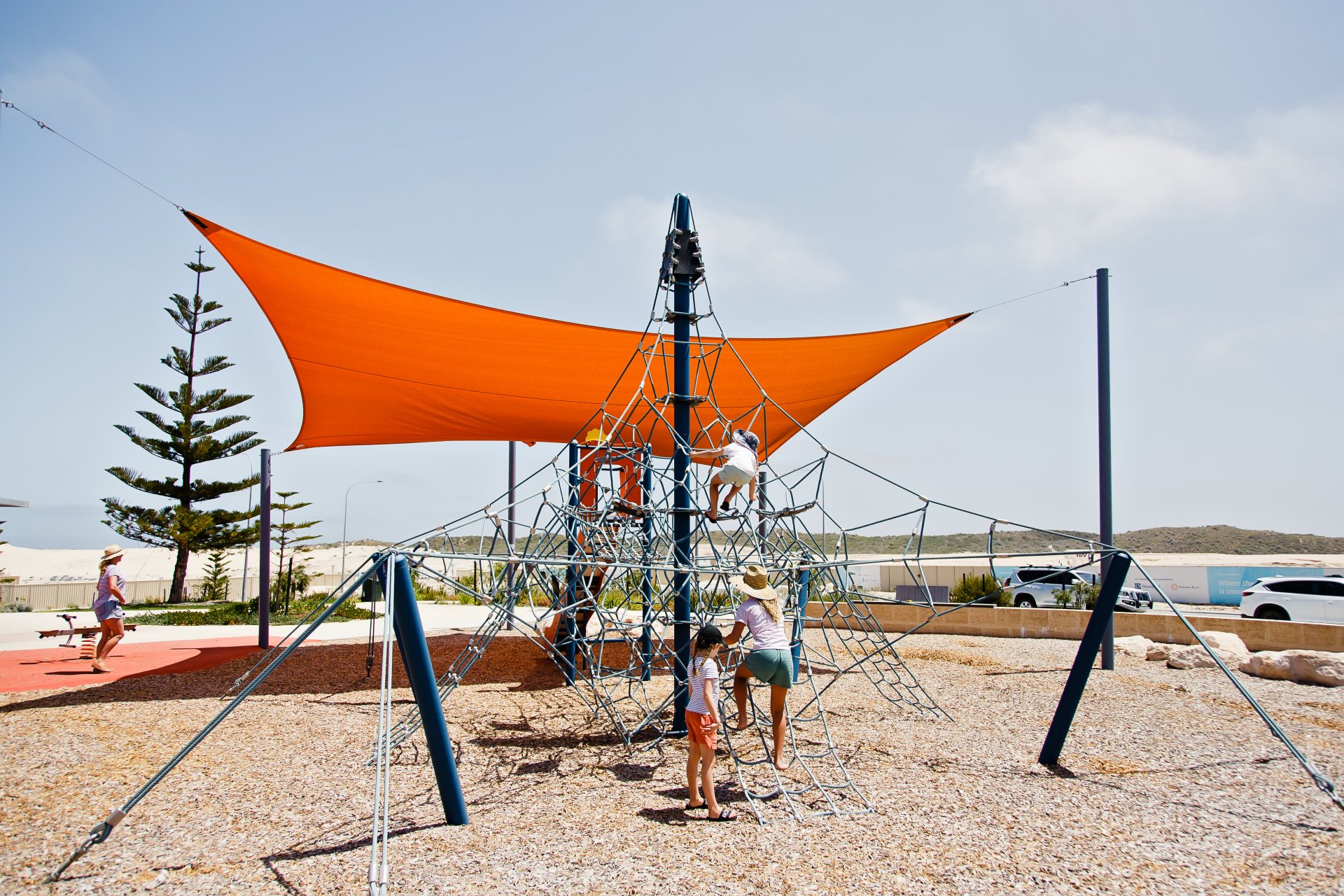
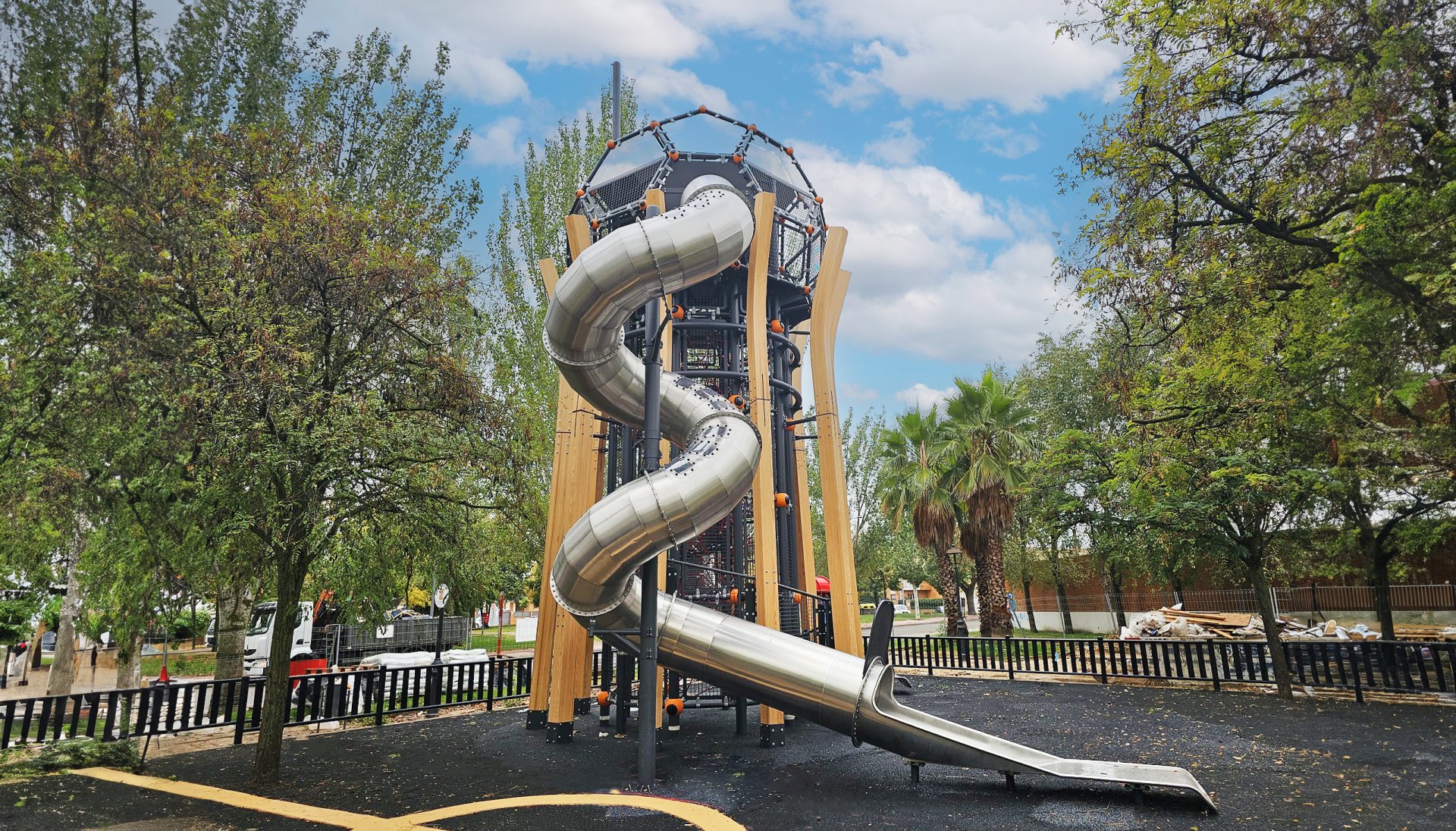

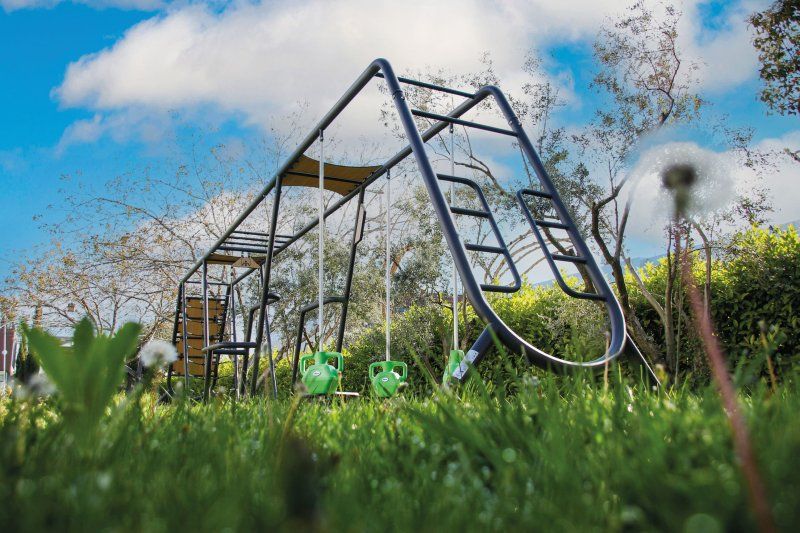
Children’s playgrounds are among the most valuable social spaces in urban life. Municipal investments in this area not only create safe places for children to play but also strengthen the social fabric of communities, help families socialize, and add aesthetic value to cities. However, a playground project is not merely about installing swings and slides. For municipalities, these projects require careful planning, cost management, and professional implementation.
Planning, Cost, and Safety Guide for Playground Projects
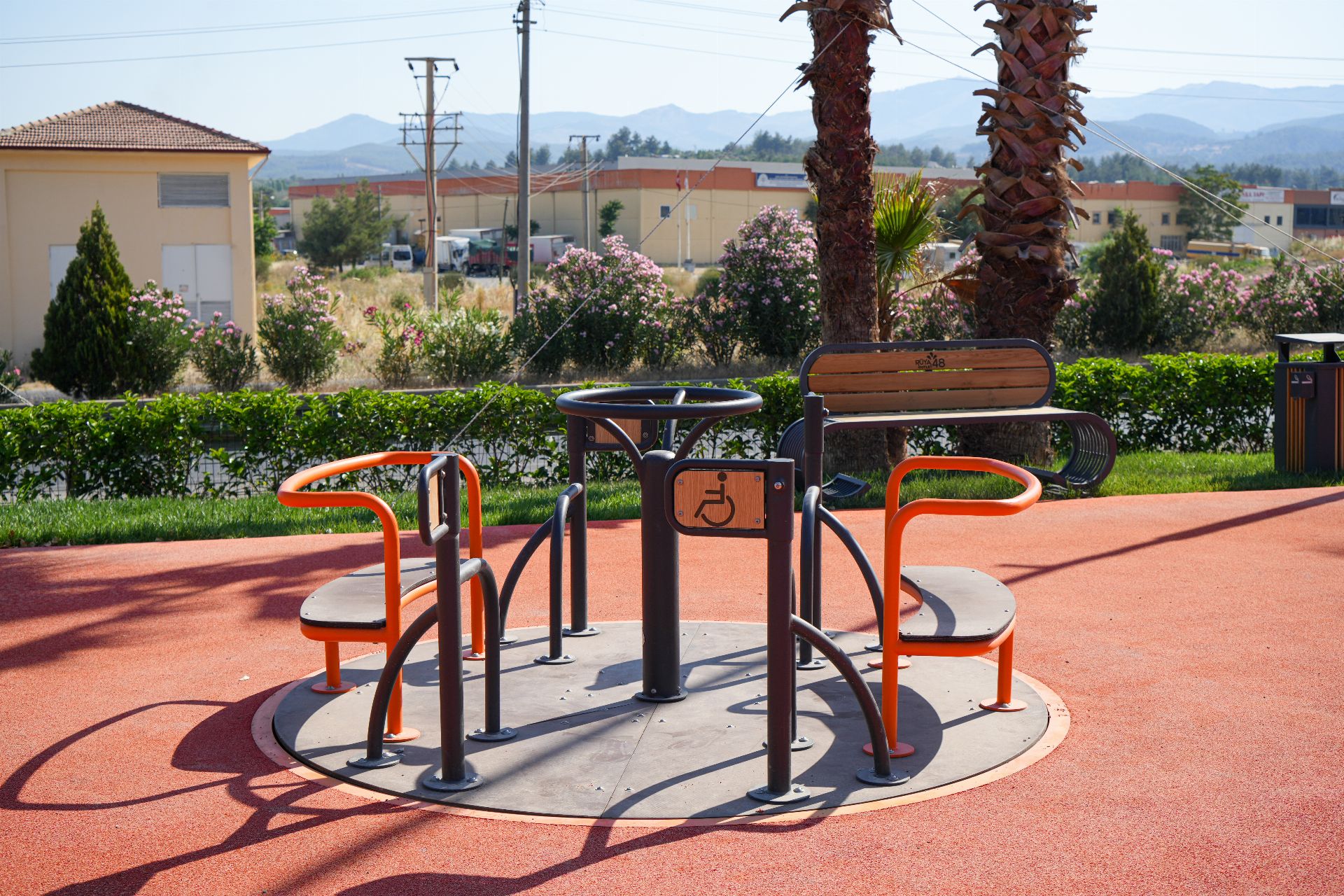
Before starting a playground project, it is essential to define the target audience. Understanding which age groups the park will serve determines the entire design process. For younger children, lower-height play structures ensure safety, while for older children, equipment that promotes climbing, balance, and group play is essential. Additionally, inclusivity should be a core principle — every modern playground must allow children with disabilities to participate equally. Accessible ramps, adaptive swings, and wheelchair-friendly layouts are no longer optional; they are the standard of contemporary design.
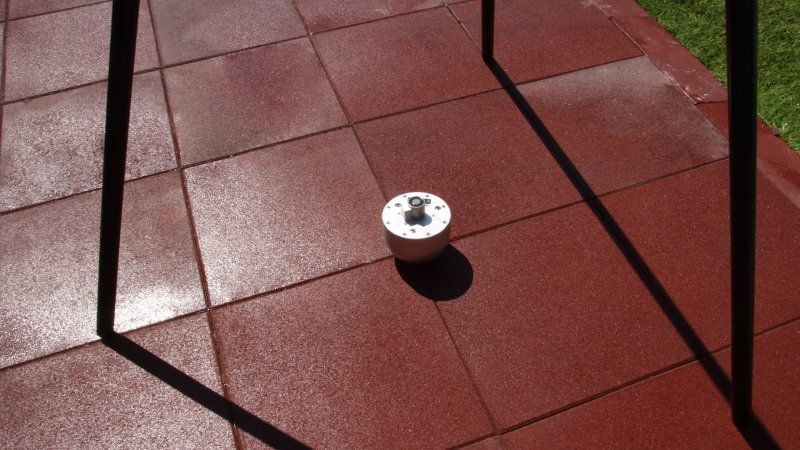
One of the most critical aspects for municipalities in playground projects is budget planning. The cost of a park is not limited to play equipment. Shock-absorbing flooring, landscaping, lighting, seating areas, waste bins, shading structures, and greenery all contribute significantly to the total investment. A common mistake is opting for low-cost, non-standard equipment to reduce expenses. What seems like a short-term saving often turns into a long-term burden due to higher maintenance and replacement costs.
The Essentials of Modern Cities: Safe and Inclusive Playgrounds
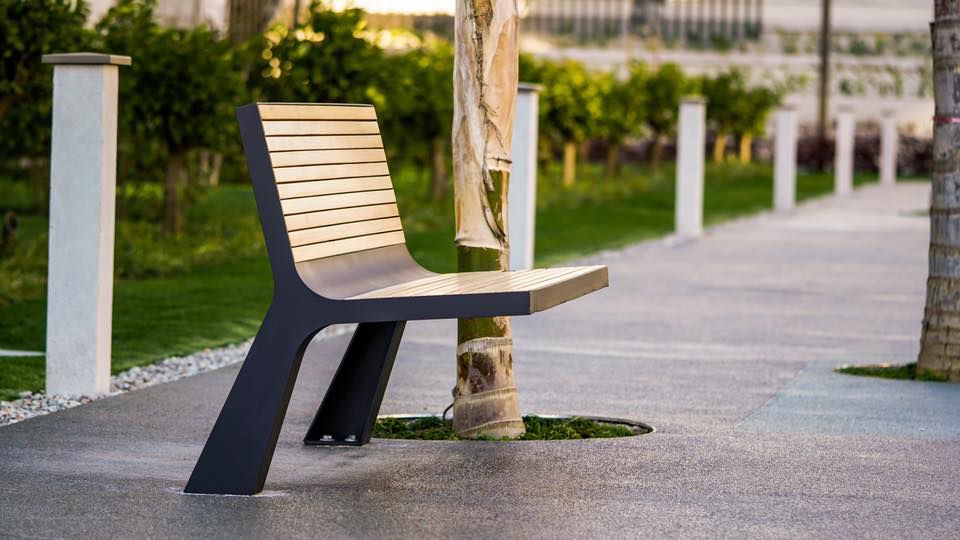
When it comes to implementation, needs assessment and site selection play a key role. Playgrounds should be located in safe, accessible areas away from traffic. The project design should involve both landscape architects and industrial designers to ensure the park serves not just children but also parents. Benches, shade structures, water fountains, and lighting enhance the overall experience. Dividing play zones by age groups also improves both safety and functionality.
At the core of every playground project lies safety standards. In Turkey, the TS EN 1176 and TS EN 1177 regulations define how playground equipment must be designed, manufactured, and installed. Municipalities are responsible for choosing equipment that complies with these standards. Non-compliant products not only pose safety risks but also create legal liabilities. Regular maintenance — tightening loose bolts, repairing damaged parts, and restoring worn flooring — is both a legal obligation and a civic duty.
For municipalities, a playground project doesn’t end once it’s built. Long-term maintenance, sustainable material use, and community engagement extend a park’s lifespan. Using eco-friendly and recyclable materials helps reduce costs while reflecting the municipality’s environmental awareness. Regular inspections build trust among families and encourage greater public use of the space.
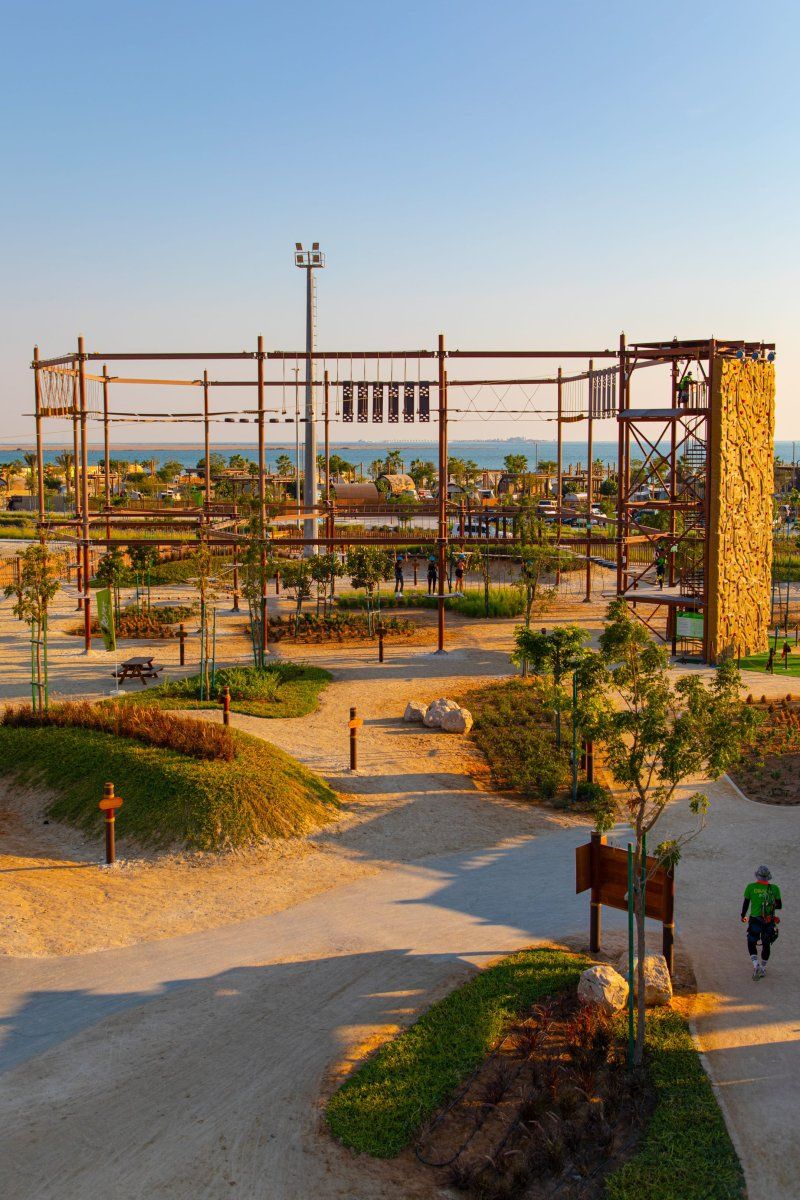
Across the world, cities are reimagining playgrounds beyond traditional designs. From zipline tracks to interactive play systems, inclusive designs to themed environments — innovation is reshaping urban play. Municipalities can take inspiration from these global trends to make their projects more modern, attractive, and sustainable.
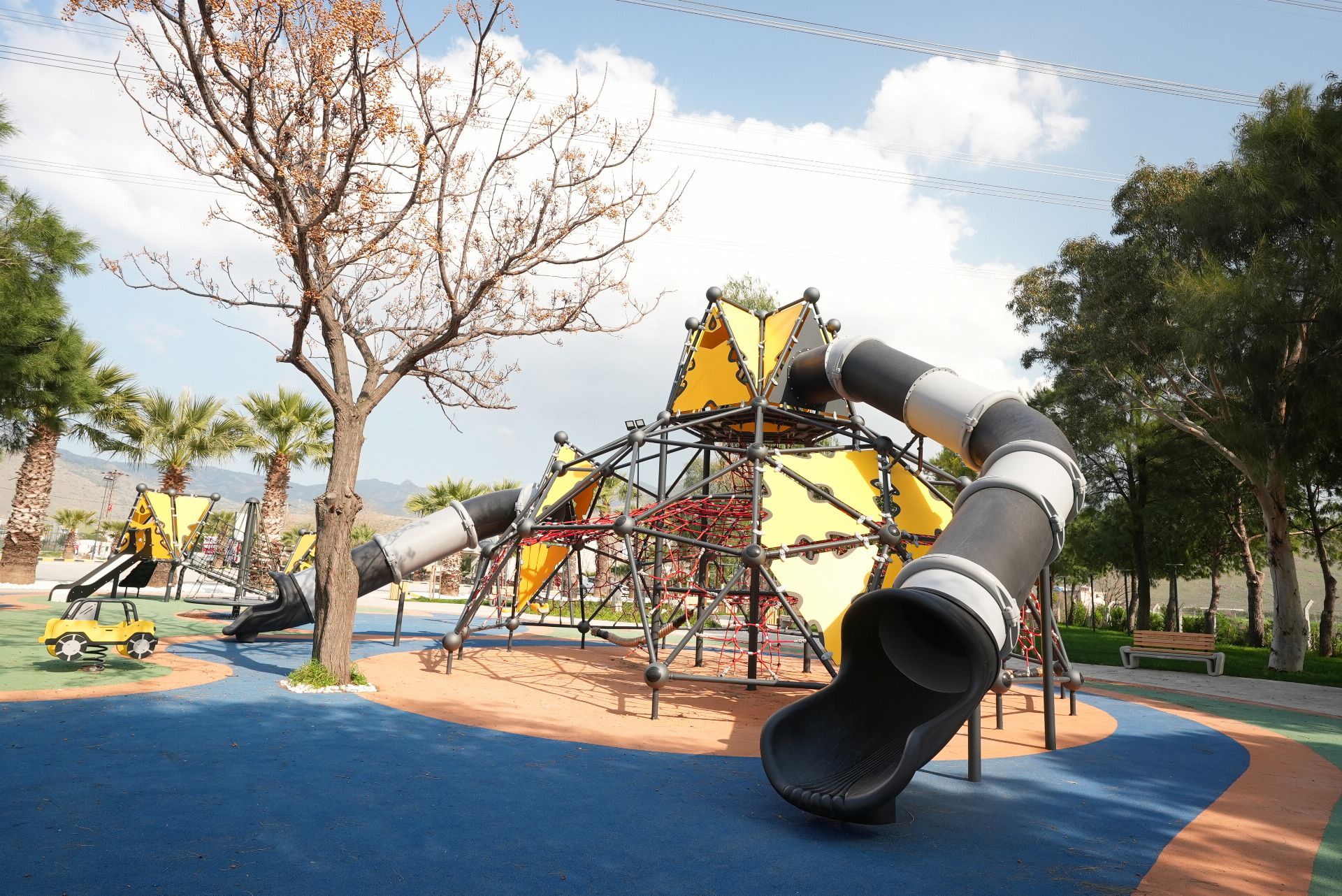
In conclusion, playground projects are not just another line in a municipal budget — they are strategic investments in the future. When cost, planning, safety, and sustainability are properly managed, the result is long-lasting, safe, and joyful spaces for children and families alike. If you are looking for durable, modern, and internationally certified playground solutions, you can explore Cemer’s Playground Products.