
How Children Develop Social Skills in Outdoor Play Areas | Cemer Play Groups
For a child, play is not just about having fun. Play is one of the most effective ways of learning, communication, and personal development. Particularly outdoor play areas are critical spaces where children develop not only their physical skills but also their social skills. How do children learn to socialize in play areas? How do they experience sharing, queuing, empathy, and communication?
How Social Skills Develop Through Play
For children aged 3-10, social skills are acquired through direct experience. The most effective form of learning for children in this age group is unstructured free play. That is, games that are not ruled by adults but managed by children among themselves.
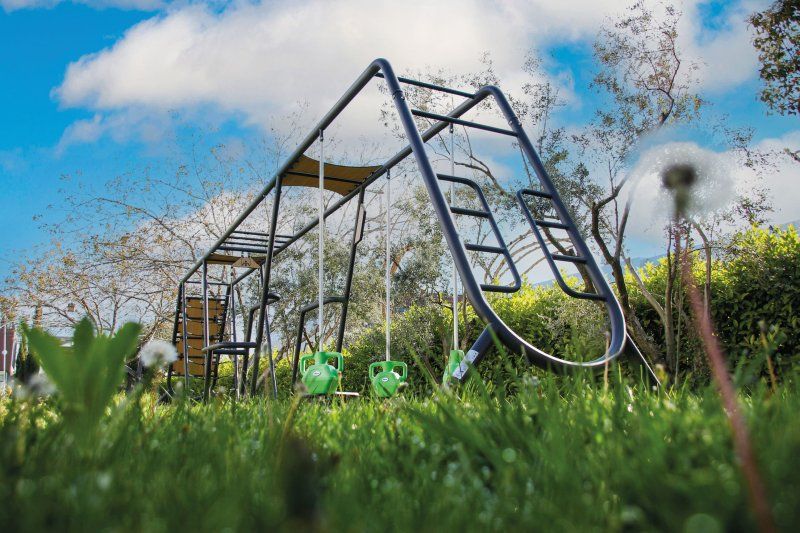
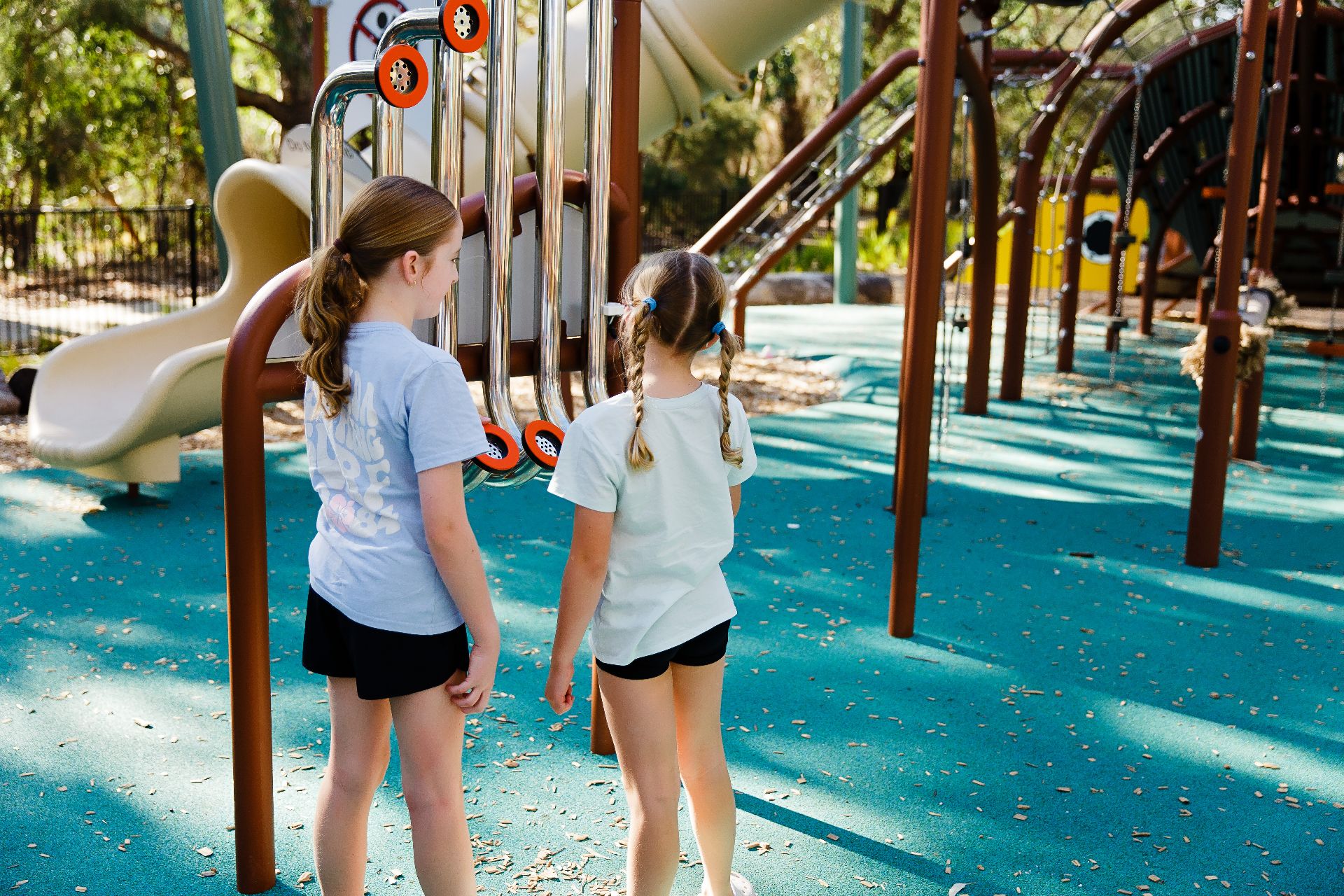
Play areas provide exactly this interaction space. A child learns to queue when getting on a swing. While waiting for a friend sliding down the slide, they experience patience; when helping a friend who falls, they experience empathy. Sometimes they have disagreements, sometimes they produce solutions. All these processes are the fundamental building blocks of social skill development.
The Social Interaction Power of Outdoor Play Areas
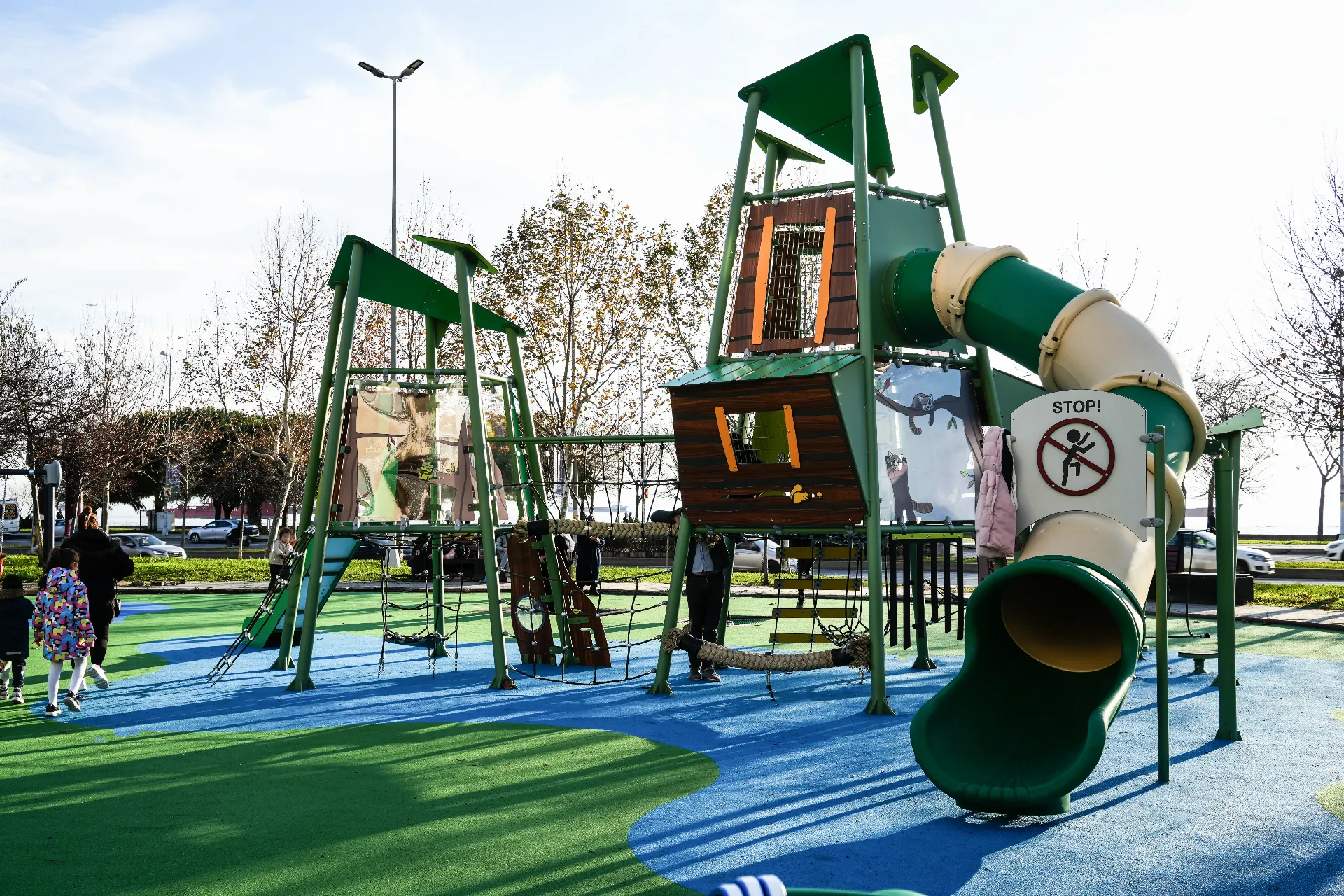
Play areas that are integrated with nature, safe, and offer diversity lay the groundwork for children to communicate with others and take part in groups. Particularly Cemer's multifunctional play groups encourage social interaction by bringing together children from different age groups.
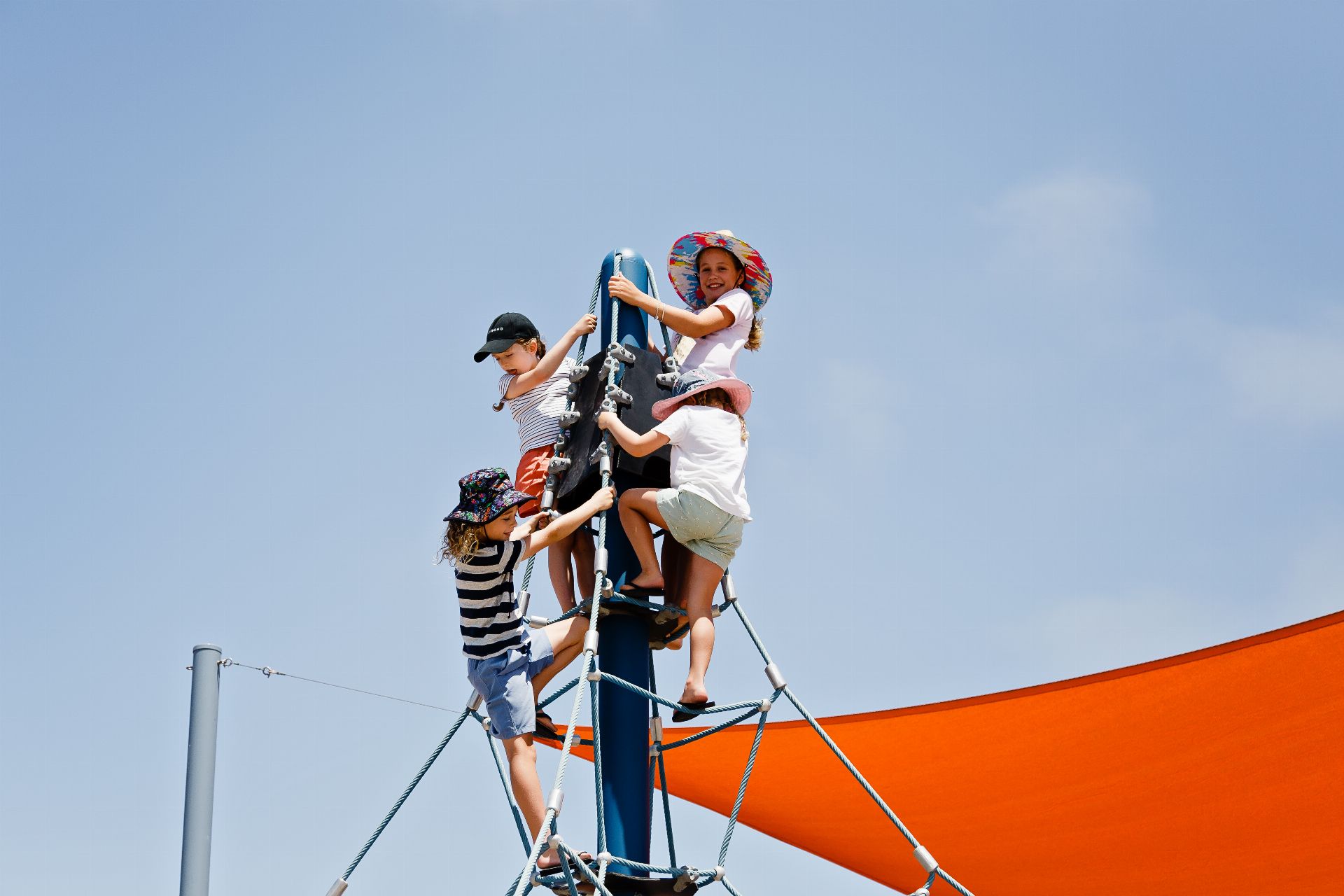
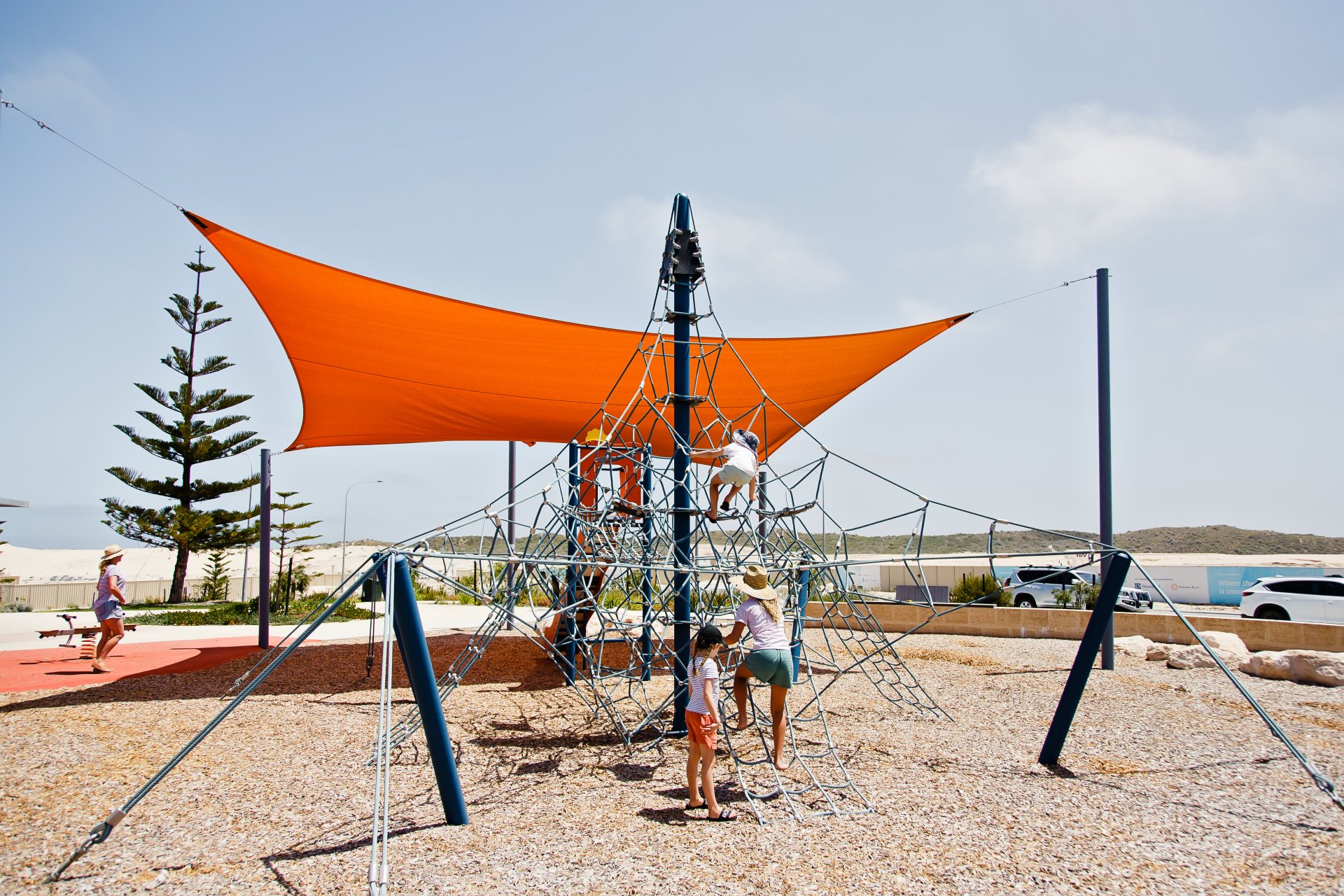
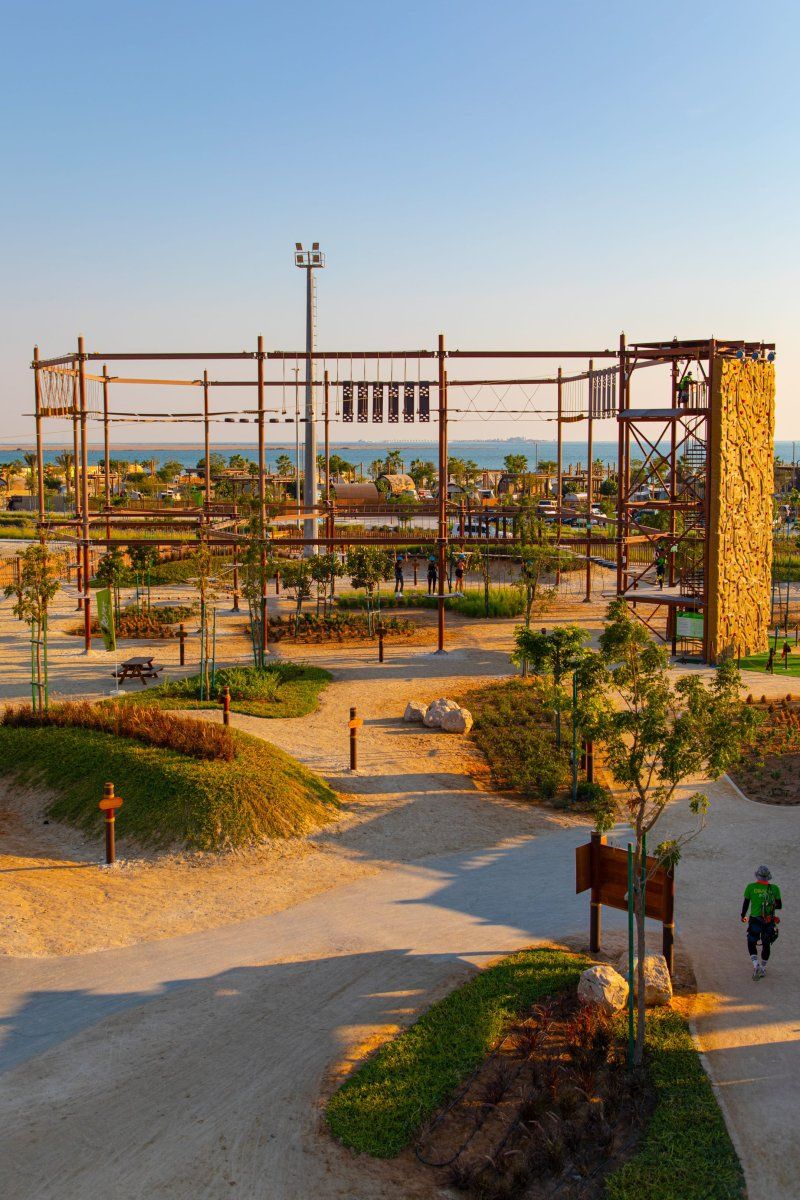
For example, the climbing modules, balance elements, or rope crossing areas located within the same park are areas that require children to help each other. Children who support each other establish not only physical but also emotional bonds.
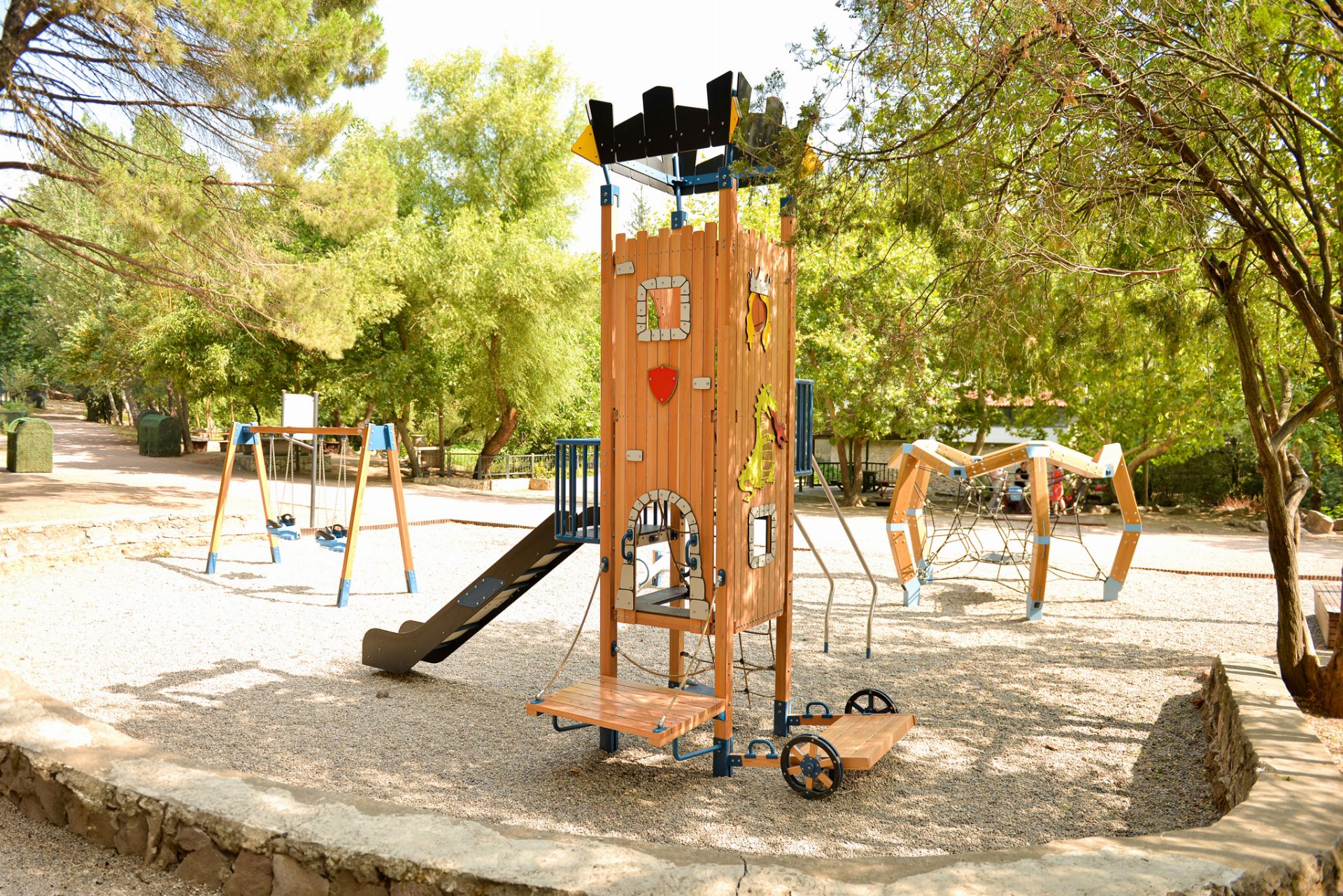
Additionally, themed play groups (such as pirate ships, castles, or animal-themed parks) direct children towards role-playing games. One child becomes the captain, another the crew... These imaginative games develop children's creativity while laying the foundations of social skills such as communication, leadership, cooperation, and problem-solving.
Supporting Social Learning in Cemer Play Areas
Play areas developed by Cemer are designed not only for physical activity but also with dynamics that support social learning. Thanks to play groups where different modules are located together, children learn basic social behaviors such as making decisions together, sharing tasks, and taking turns through play.
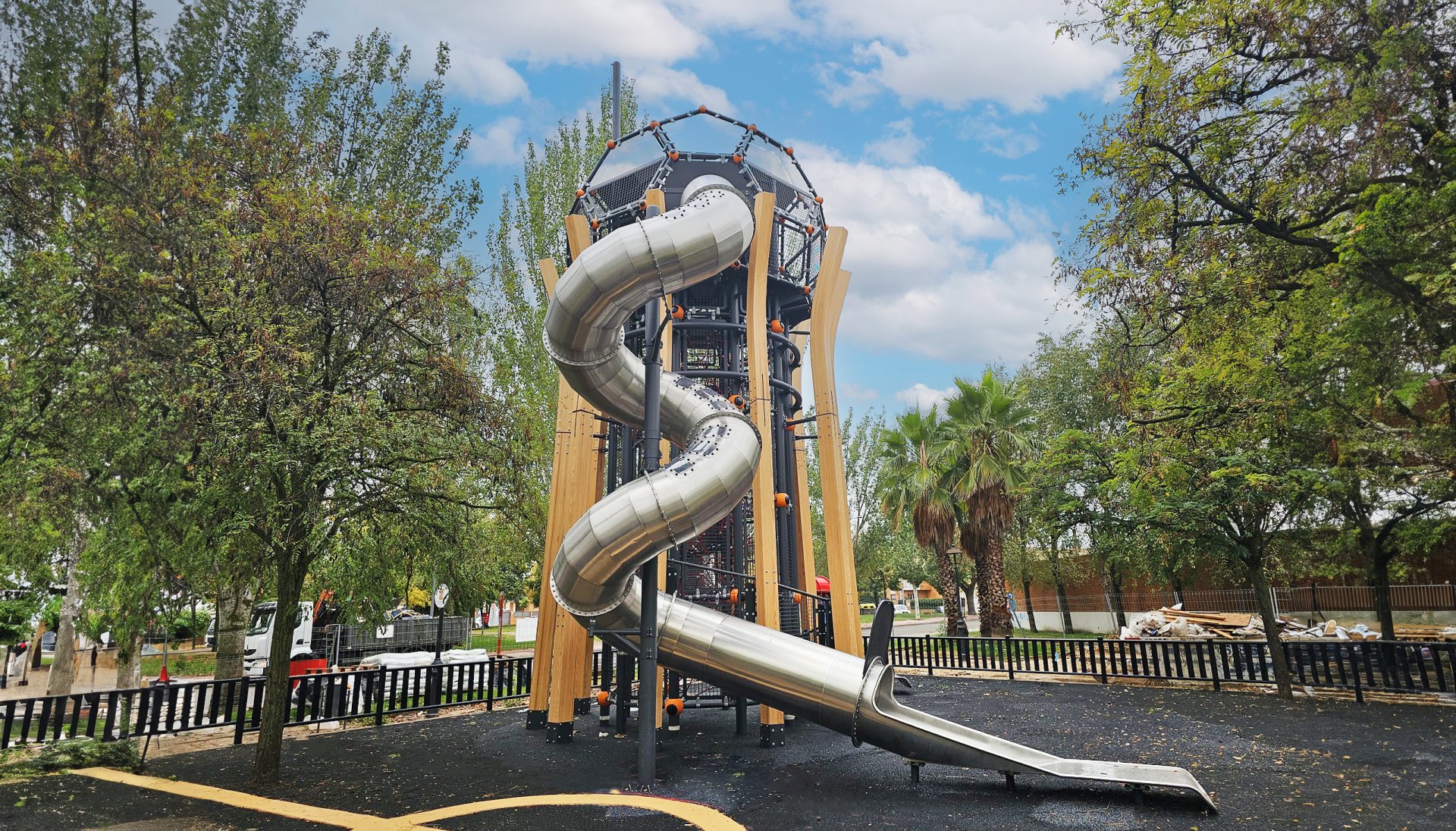
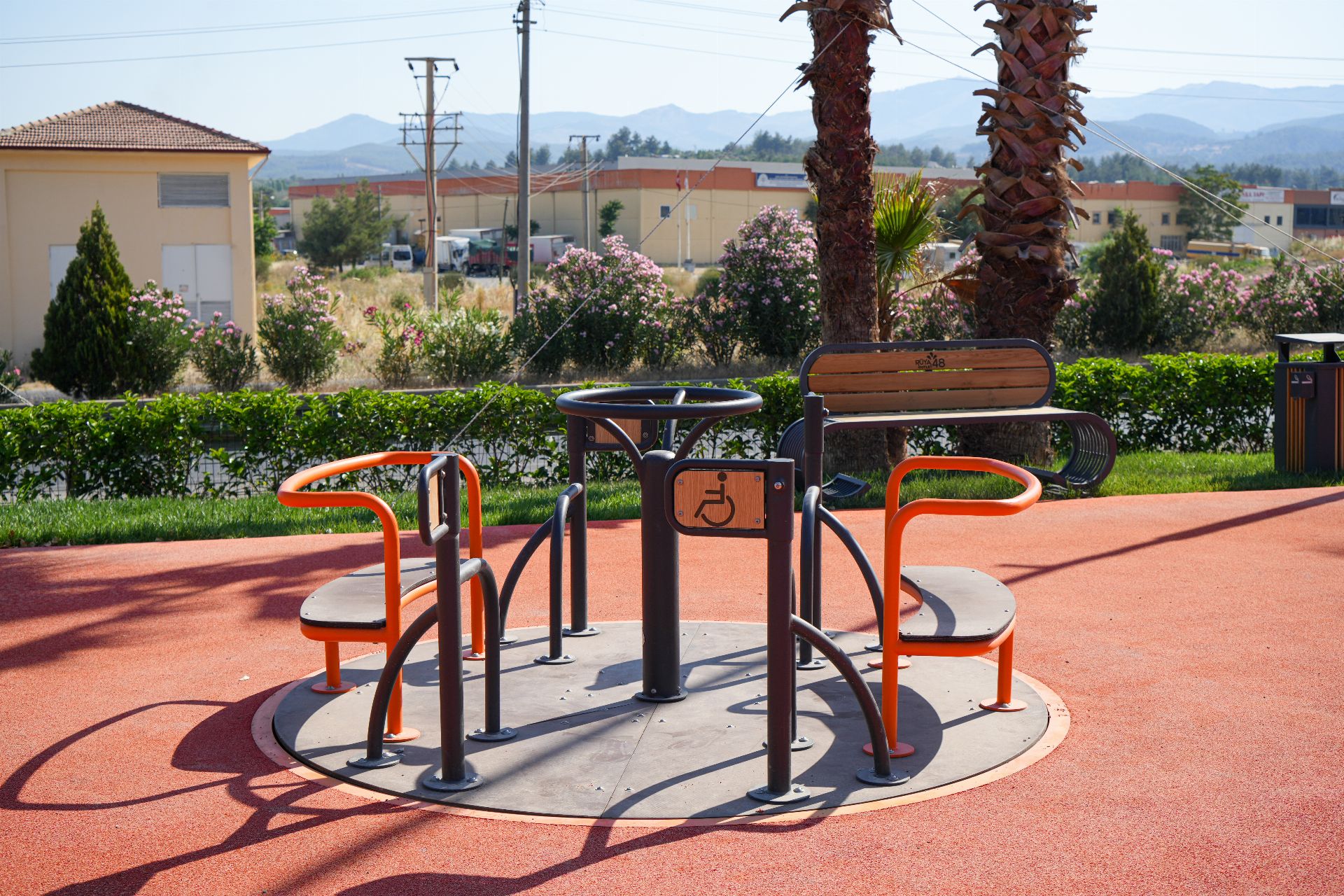
Particularly multi-use areas (such as wide slides that several children can use simultaneously, rotating platforms, balance paths) increase collective rather than individual play habits. In these areas, children both discover their own limits and learn to respect the needs of others.
The Role of Parents: Being an Observer and Guide
When children play in the park, parents observing without intervening strengthens their social learning. Instead of immediately intervening when a disagreement occurs, watching the child produce a solution is more supportive in terms of development. Of course, guidance when necessary is important, but children directly experiencing social relationships produces much more lasting results.
Thanks to the safe environment provided by Cemer play areas, parents can watch their children with peace of mind, while children can freely enjoy socializing.
Conclusion
Social skills are as important as academic success. Children who can communicate, express their emotions, and show presence in groups establish healthier relationships in later ages and become confident individuals. The foundations of these skills are laid through play, especially in outdoor play areas.
As Cemer, we design versatile play areas for children to grow in safe, educational, and socially supportive environments.