
For a Child, Play Is More Than Just Fun
Play is not merely a way for children to pass time—it is one of the most powerful tools for learning, communication, and personal development. Especially in outdoor playgrounds, children not only improve their physical skills but also develop vital social abilities. But how do children learn to socialize in playgrounds? How do they experience sharing, taking turns, empathy, and communication?
How Does Play Develop Social Skills?
For children aged 3 to 10, social skills are acquired primarily through direct experience. For this age group, the most effective learning takes place through unstructured free play—that is, play that is not dictated by adults, but managed by children themselves.
Playgrounds offer the perfect environment for these interactions. A child learns to wait in line to use a swing. While waiting for a friend to come down the slide, they practice patience. Helping a friend who has fallen teaches empathy. Sometimes they face conflict; other times, they find solutions. These real-life interactions form the foundation of social development.
The Power of Social Interaction in Outdoor Play Spaces
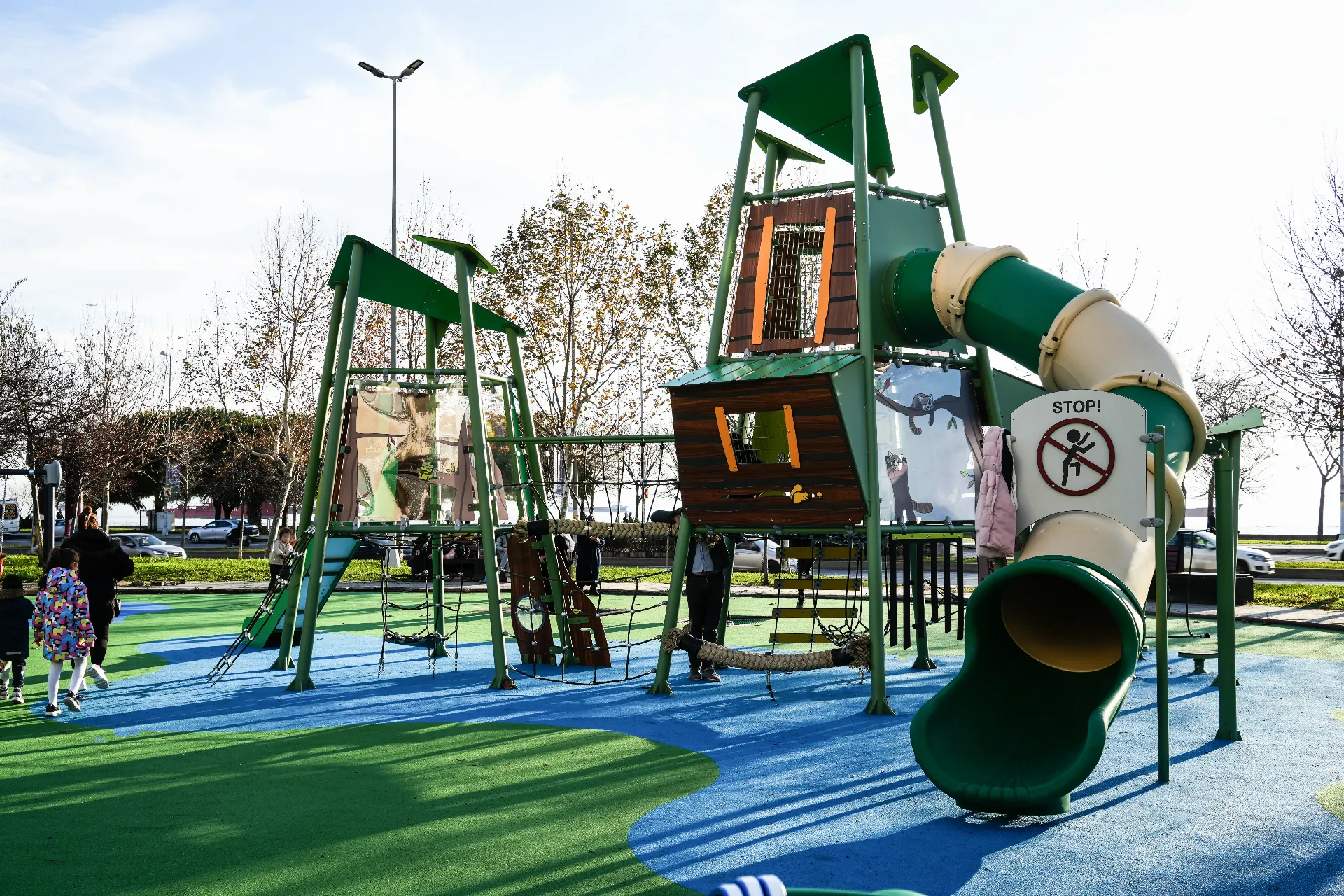
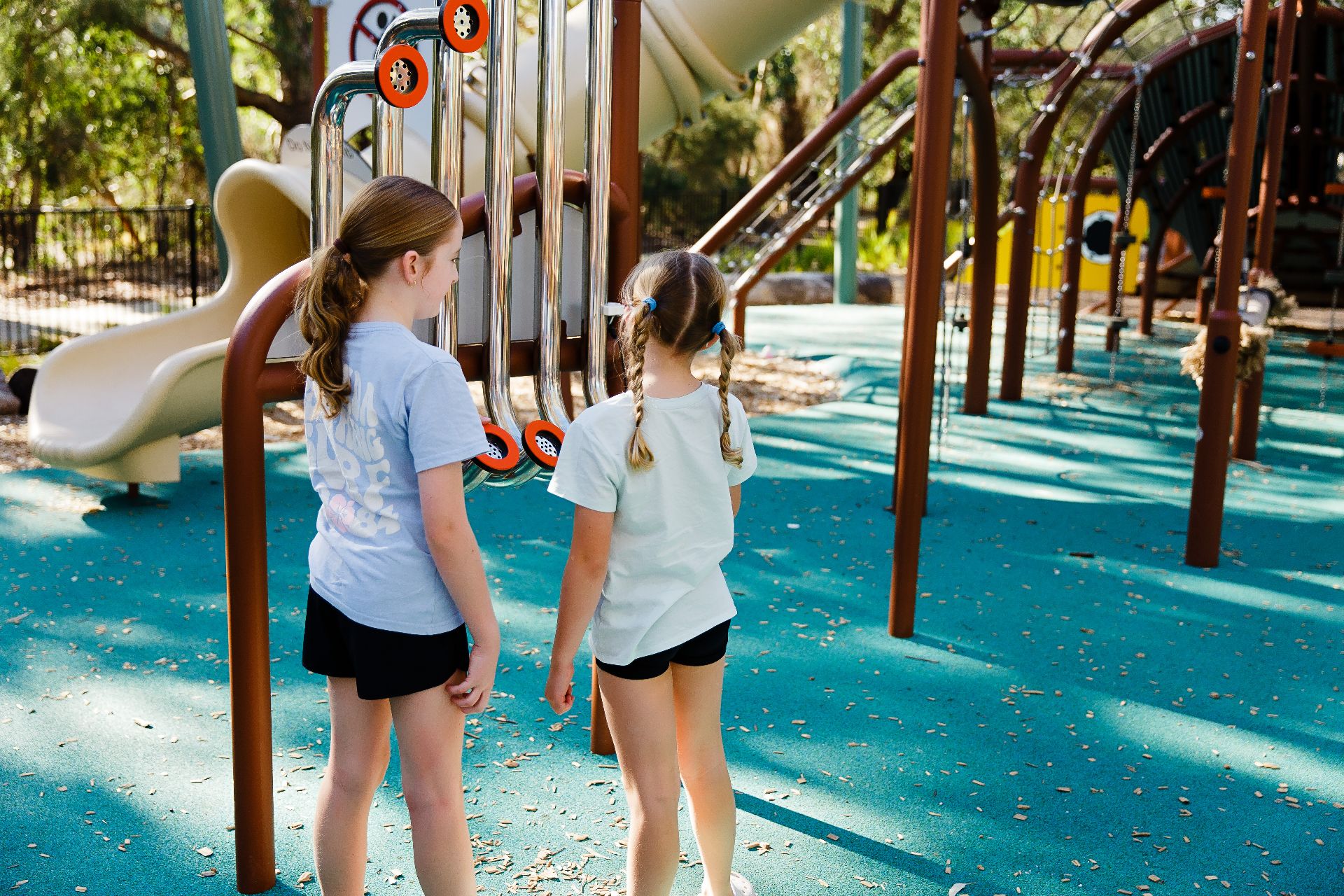
Play areas that are safe, diverse, and integrated with nature allow children to communicate with others and find their place within a group. Cemer’s multifunctional play structures are specially designed to bring together children of different age groups, encouraging social interaction.
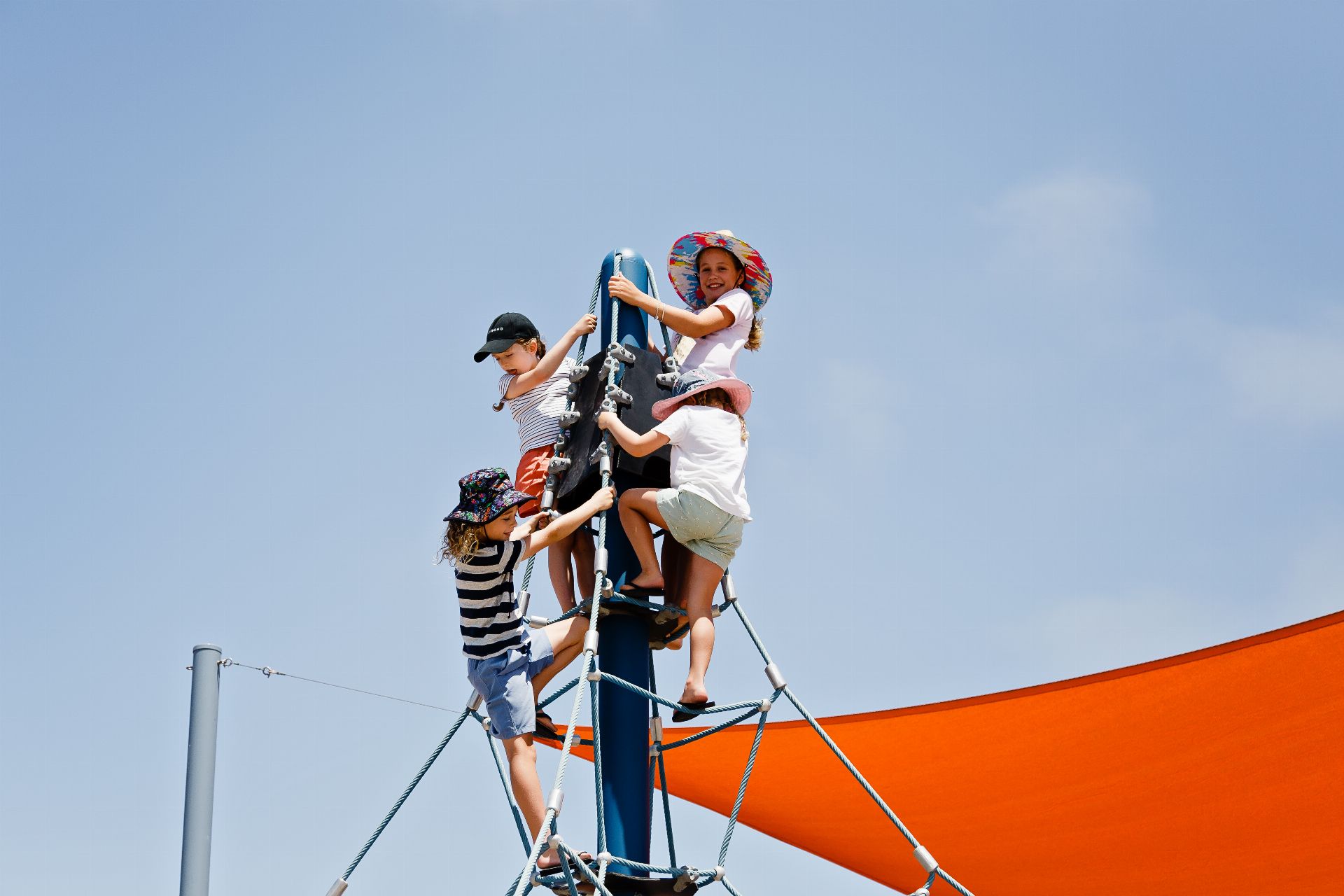
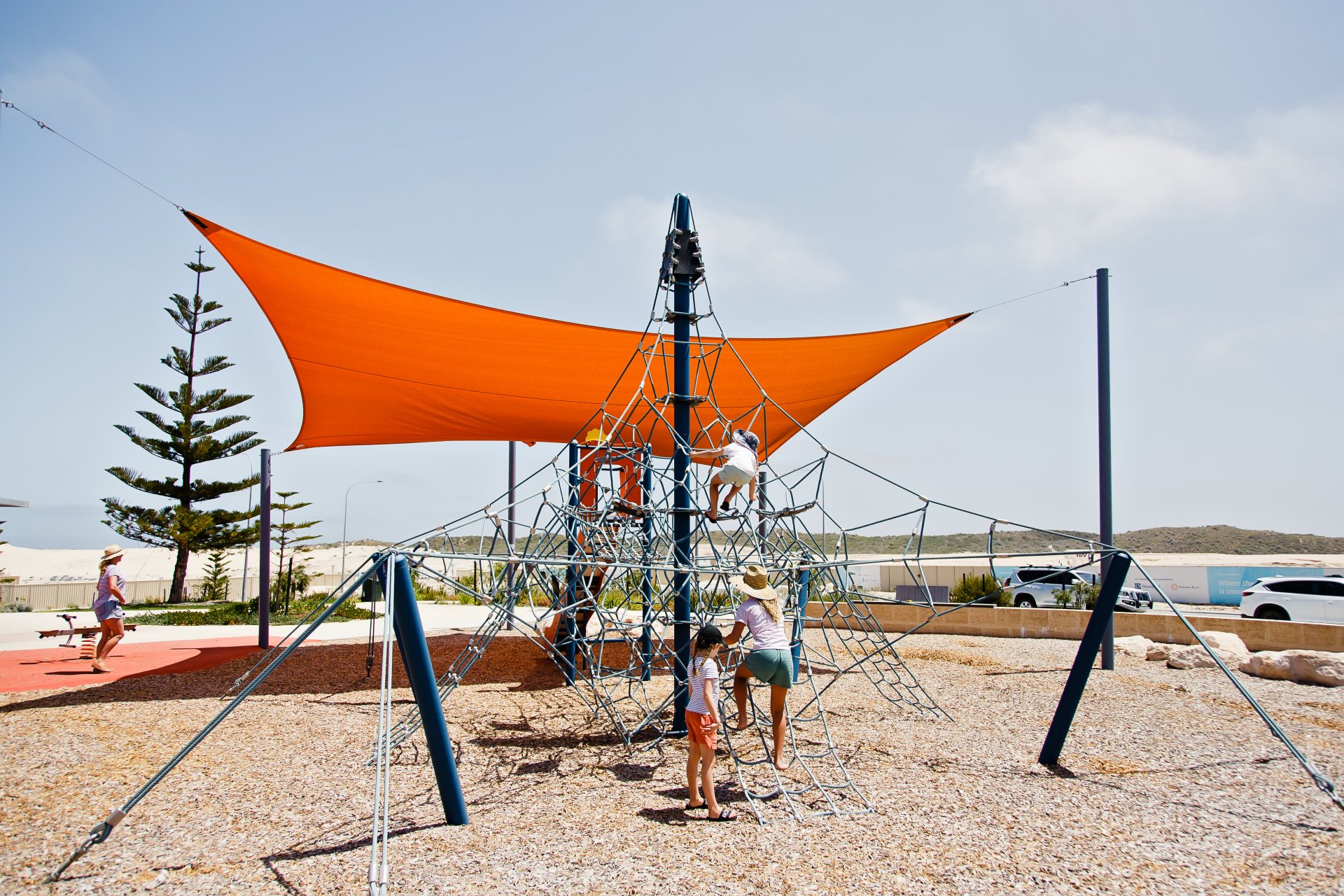
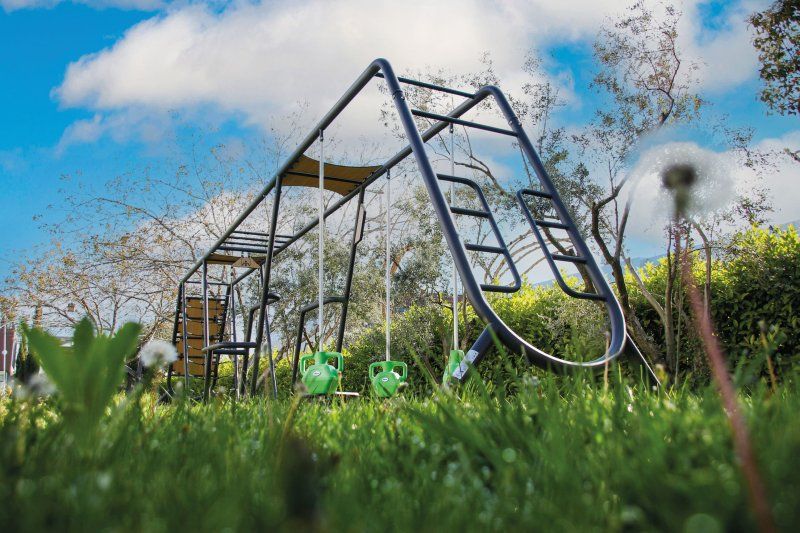
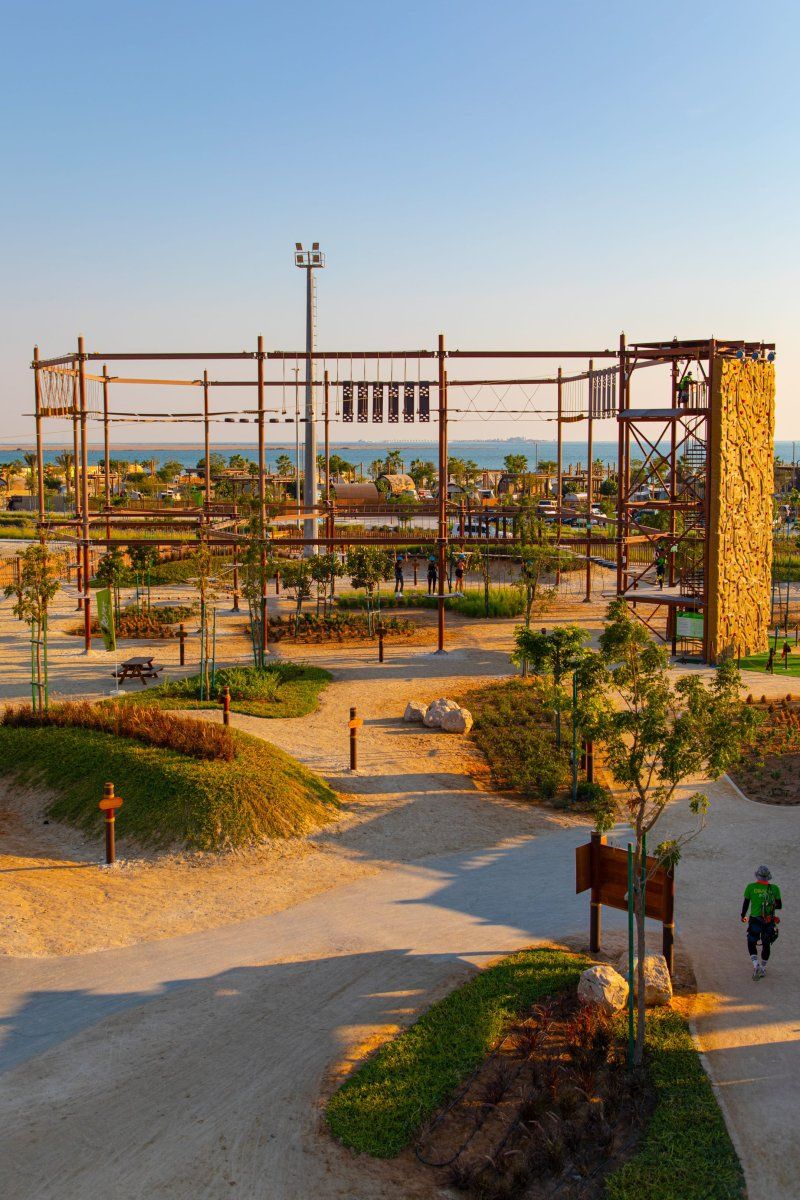
For example, climbing modules, balance elements, or rope bridges within the same park require children to cooperate. In supporting each other, they form not only physical but also emotional bonds.
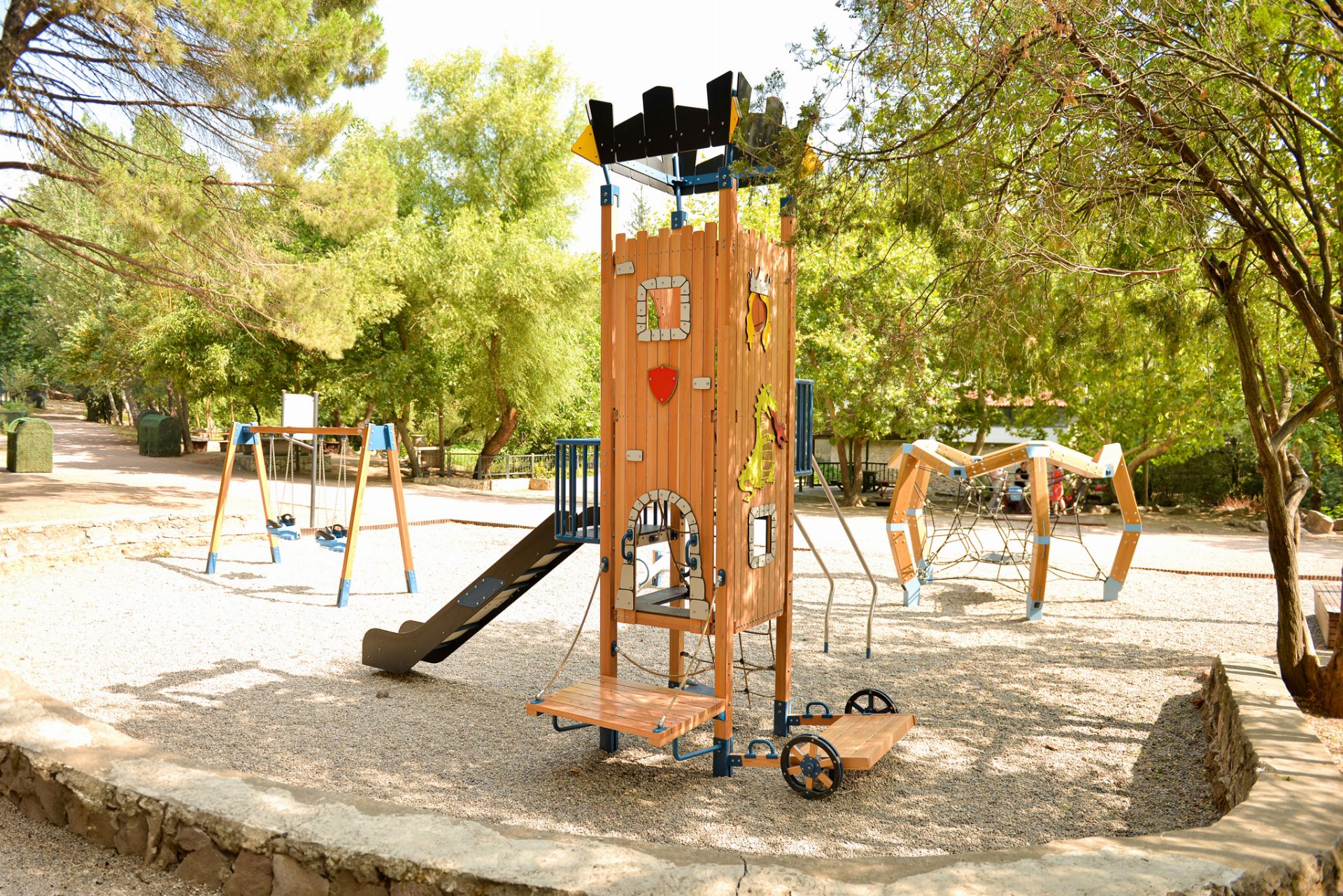
Moreover, themed playgrounds (like pirate ships, castles, or animal-themed parks) spark imaginative role-play. One child becomes the captain, another the crew member… These pretend play scenarios nurture creativity while also laying the groundwork for communication, leadership, collaboration, and problem-solving skills.
Supporting Social Learning in Cemer Playgrounds
Cemer’s playgrounds are designed not just for physical activity but also to support social learning. With multiple modules integrated into a single structure, children learn essential social behaviors such as decision-making, sharing responsibilities, and taking turns—all through play.
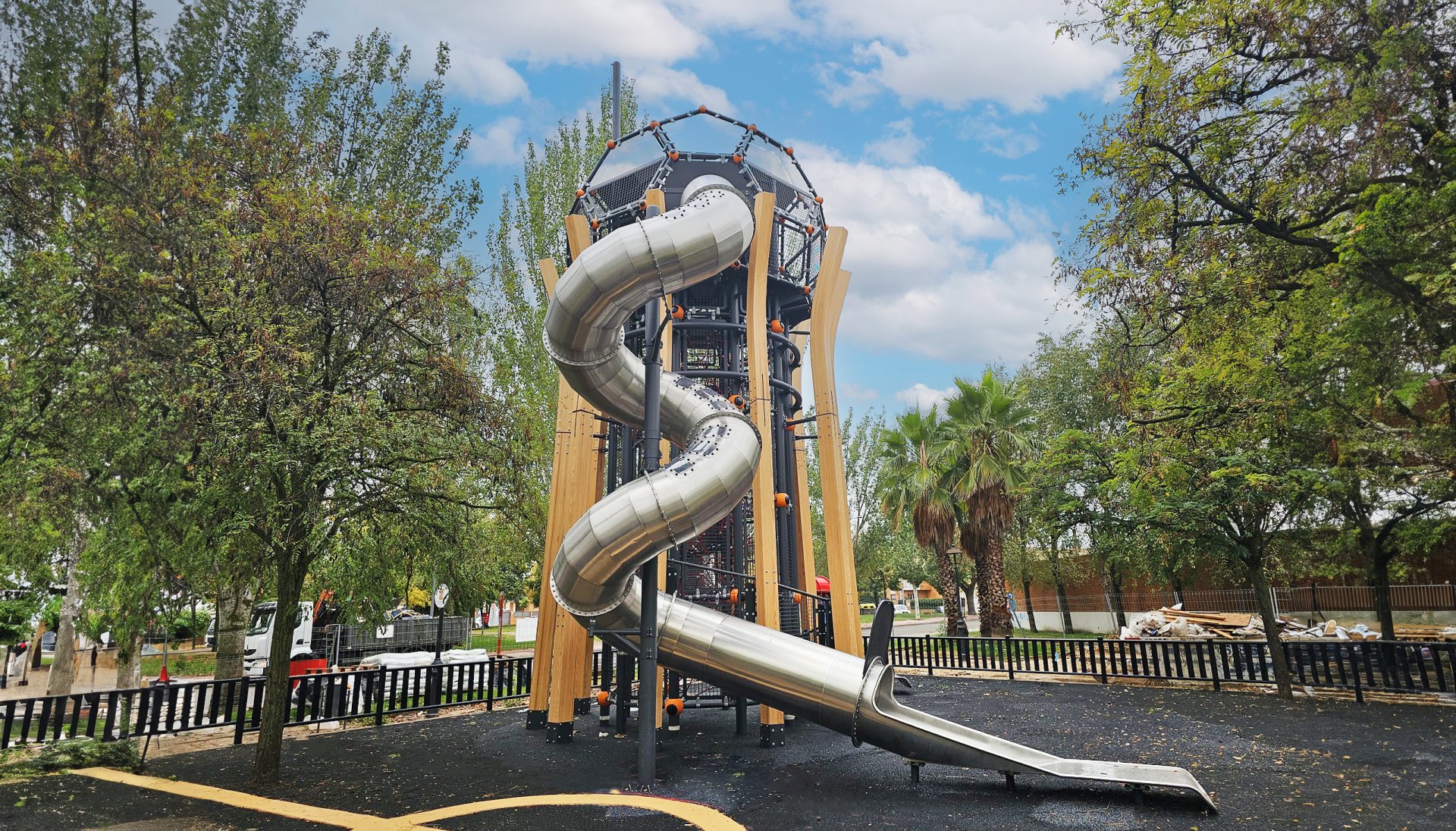
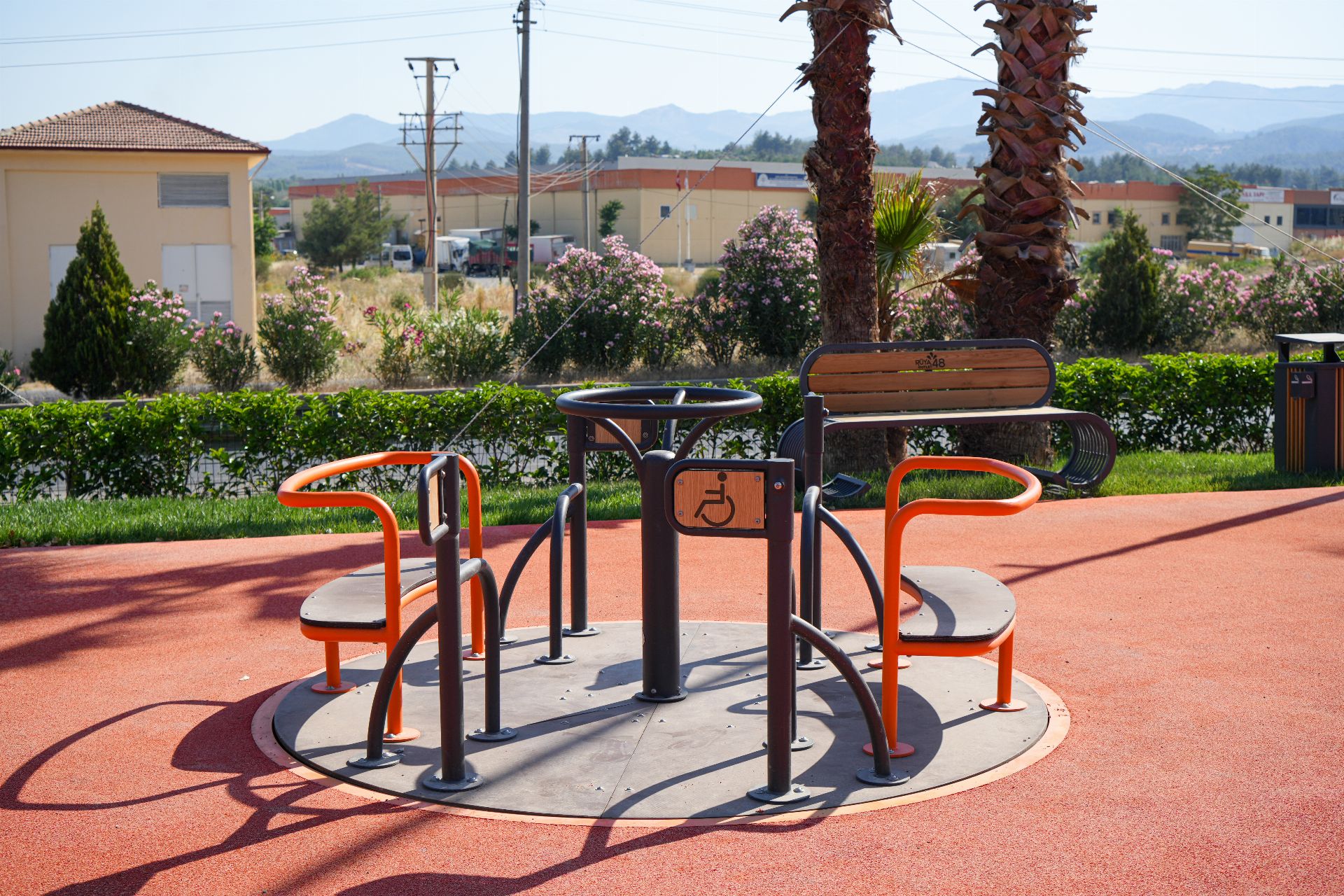
Multi-user components—such as wide slides that can be used by several children at once, spinning platforms, or balance tracks—promote collaborative play over individual play. In these areas, children learn to respect both their own boundaries and the needs of others.
The Role of Parents: Observers and Guides
When children play in the park, parents should ideally observe without interfering. Watching a child navigate conflict and try to resolve it on their own can be far more beneficial for their development than stepping in too quickly. Of course, guidance is important when needed—but social learning is most effective when children experience it firsthand.
Thanks to the safe environment provided by Cemer playgrounds, parents can feel at ease while their children enjoy the freedom of socializing and exploring.
Social Skills Are Just as Important as Academic Success
Children who can communicate effectively, express their emotions, and engage in group settings grow into confident individuals who build healthy relationships in later life. These essential social skills are best developed through play—particularly in outdoor playgrounds.
At Cemer, we design multifaceted play environments that support children’s safety, education, and social growth—helping them thrive in every sense.