
Commercial Zipline Engineering: Absolute Benchmarks for Safety and Structural Integrity
From high-tensile metallurgy to automated braking physics: A technical guide to developing risk-free outdoor adventure lines.
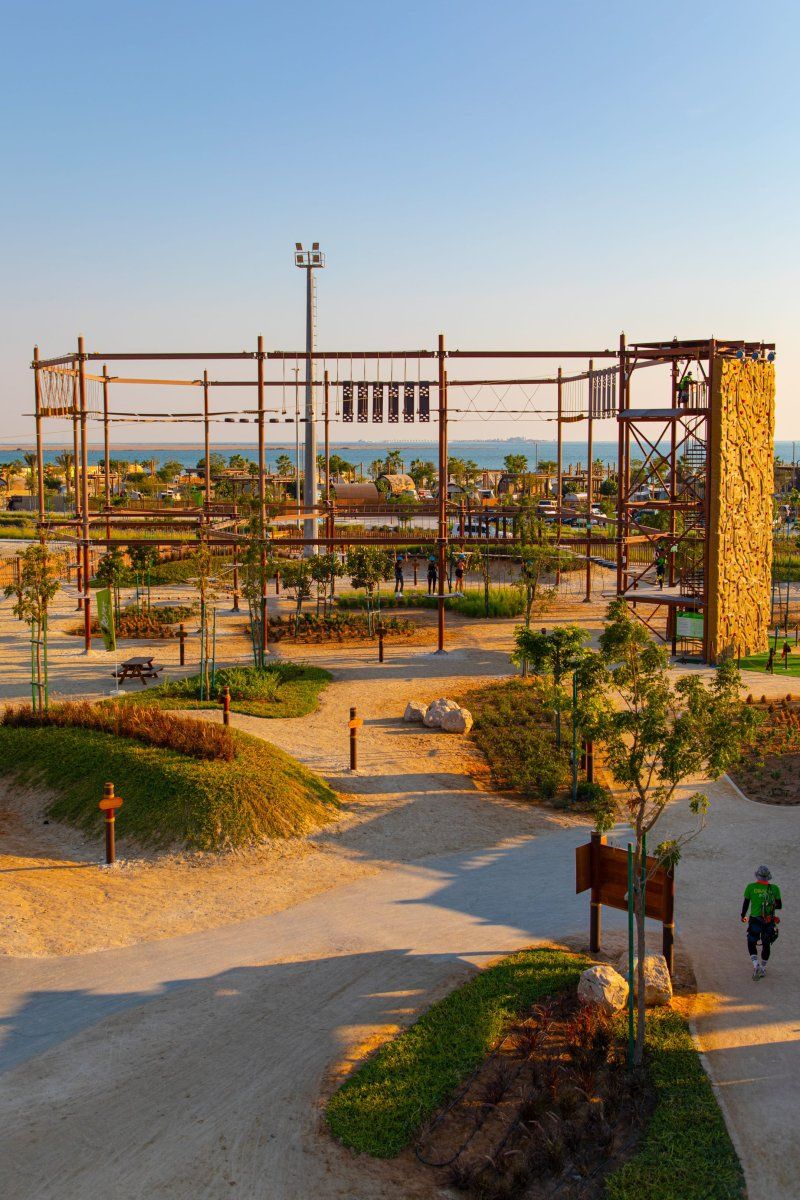
As a premier attraction for modern adventure enthusiasts, ziplining delivers high-velocity excitement directly within natural landscapes. However, because this high-speed, elevated activity operates under intense gravitational pull, guaranteeing absolute operational safety is paramount. Ensuring strict risk management protects rider wellness and fulfills municipal and commercial structural liability.
1. High-Performance Materials and Professional Assembly
Every structural component integrated into a commercial zipline setup must exhibit exceptional tensile strength and mechanical durability. Critical elements—including steel cables, heavy-duty trolleys, structural harnesses, and load-bearing connectors—must strictly satisfy rigid international engineering codes.
Utilizing marine-grade stainless steel, aerospace-grade aluminum alloys, and UV-stabilized industrial polymers provides total defense against environmental wear. Furthermore, anchoring these configurations to living trees, concrete bases, or steel pylons requires meticulous engineering calculations, paired with rigorous preventative maintenance schedules to calibrate cable tension and replace worn hardware.
2. International Compliance and Comprehensive Briefing
The design layout of an outdoor adventure course must maintain complete alignment with globally recognized safety standards. Before launch, operators must guide users through a structured briefing session covering harness adjustment, pulley tracking, and specific braking actions. Providing explicit safety instructions for emergency situations ensures that guests remain fully aware and protected throughout their ride.
3. Weight Calibration, Cable Tensile Resilience, and Braking Physics
Every professional wire system operates under predefined maximum weight thresholds that must never be bypassed. Industrial steel cables possess incredible tensile boundaries capable of handling thousands of kilograms, but enforcing strict weight compliance preserves a vital factor of safety. Concurrently, integrating reliable, redundant braking mechanisms at the terminal landing pad is critical to control deceleration forces safely and ensure a smooth stop.
4. Certified Personal Protective Equipment (PPE) and Rescue Plans
Deploying certified Personal Protective Equipment is a non-negotiable prerequisite for every active run:
- Full-Body Harnesses: Securely distribute a user's weight across primary skeletal points, keeping them perfectly aligned beneath the cable.
- Impact-Resistant Helmets: Defend the cranial region against unexpected drops, cable friction, or terminal alignment impacts.
- Heavy-Duty Gloves: Upgrade hand traction on safety tethers while eliminating friction burns from fast metal contact.
Every commercial facility must implement a highly detailed emergency rescue protocol. If an operator encounters structural issues, weather delays, or rider health concerns, certified first-aid staff must be equipped with specialized tools to execute swift mid-line extractions.
5. Precise Slope Topography and Atmospheric Monitoring
Developing premium zipline courses requires precise slope modeling and calculation of descent angles. Overly steep vectors can generate uncontrollable momentum that taxes the braking hardware, whereas flat lines fail to sustain enough momentum to clear the track.
Additionally, site managers must constantly track atmospheric conditions. High winds, heavy downpours, and lightning threats require immediate operational suspension to protect riders and prevent corrosion from moisture and temperature swings.
Engineering Secure Adventures with Cemer
In conclusion, building a world-class zipline park requires addressing countless structural details—from metallurgical certifications to smart layout planning and emergency design. Providing a pristine, code-compliant ride allows businesses to deliver smooth, high-retention entertainment that keeps guests coming back.
At Cemer, our outdoor adventure lines are designed to blend thrill with absolute international safety compliance. By selecting premium raw steel components, non-toxic finishes, and highly reliable braking systems, we build inviting public recreation spaces. Partner with Cemer to elevate your community landscapes into safe, inspiring, and dynamic landmark destinations.