

When designing a playground, one of the most crucial decisions is the choice of material. This decision directly affects the park’s lifespan, safety, and aesthetics — ultimately determining the project’s success.
So, which is better for a children’s playground: wood or metal?
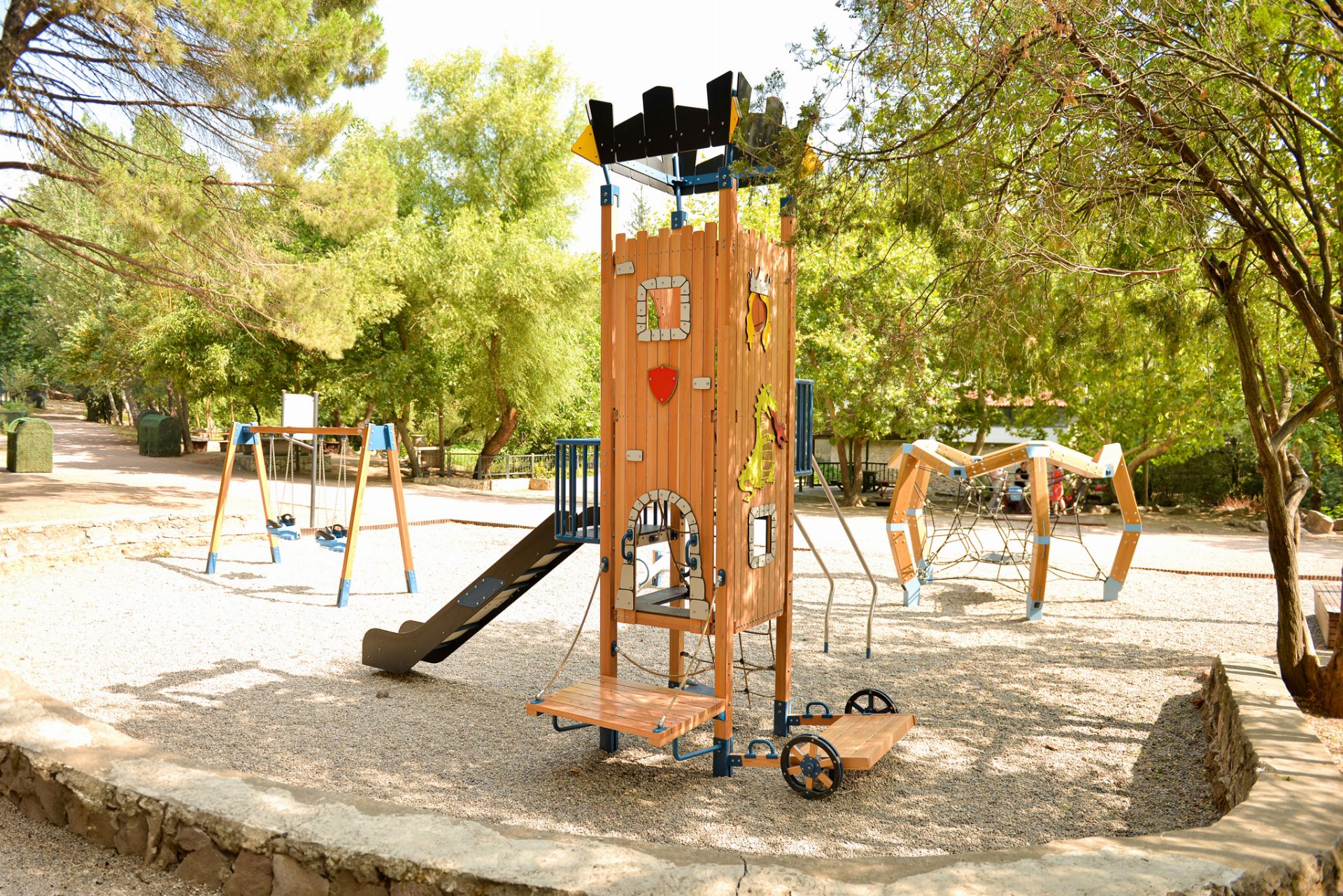
Wooden Playgrounds — A Natural and Warm Touch
Wood has always held a special place in playground design for its natural and inviting character.
Especially in green or landscape-integrated projects, wooden playgrounds stand out for their aesthetic harmony with nature.
Advantages:
-
Natural appearance that blends seamlessly with the environment
-
Creates a warm, welcoming atmosphere — ideal for schools and residential projects
-
Enhances children’s tactile experience through natural textures
Points to Consider:
-
Requires regular maintenance; contact areas with the ground should be protected against decay
-
Must be coated with UV-resistant varnishes for outdoor durability
Cemer protects its wooden play structures with eco-friendly coatings and long-lasting varnish systems, ensuring both safety and longevity.
Metal Playgrounds — Strength and Durability
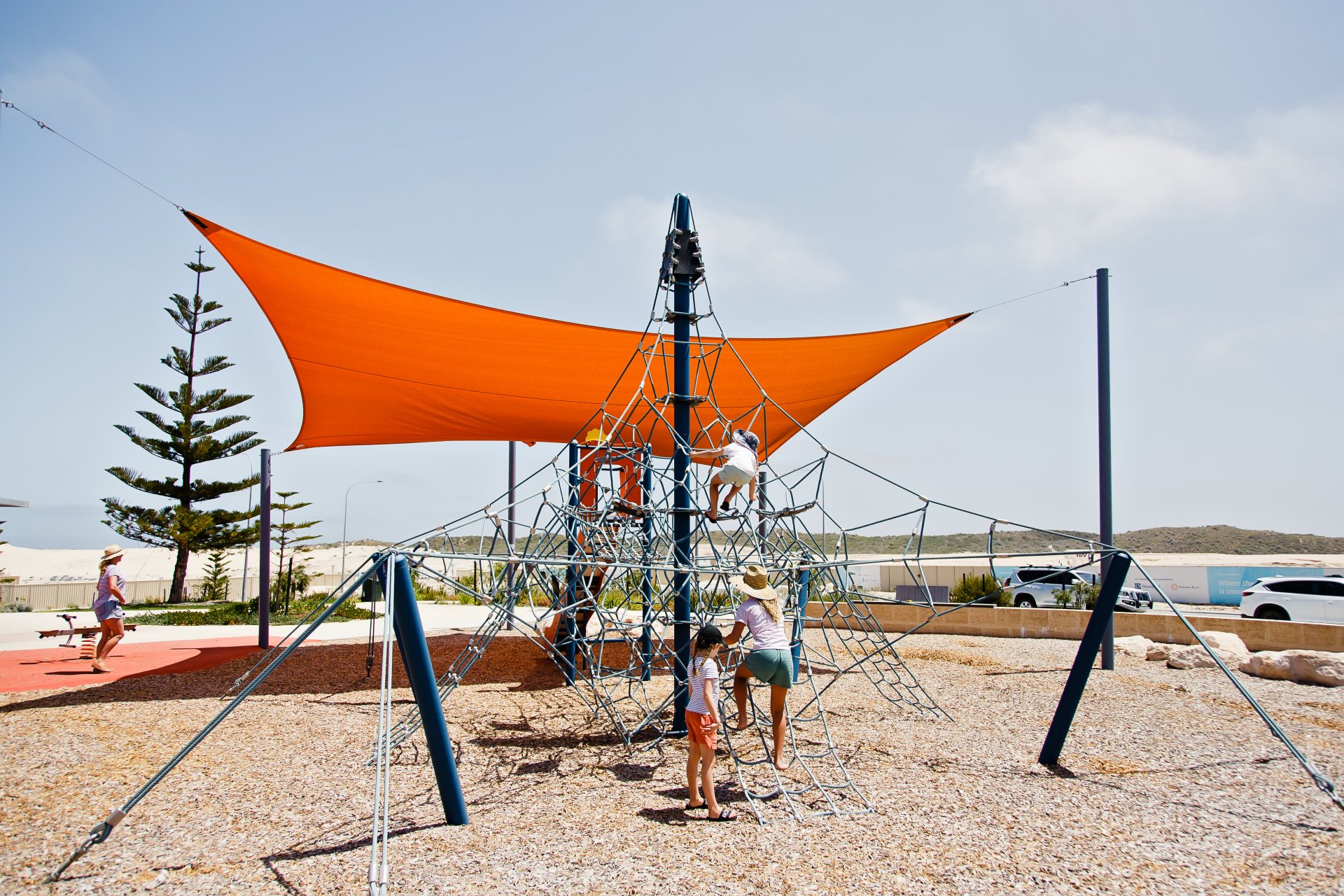
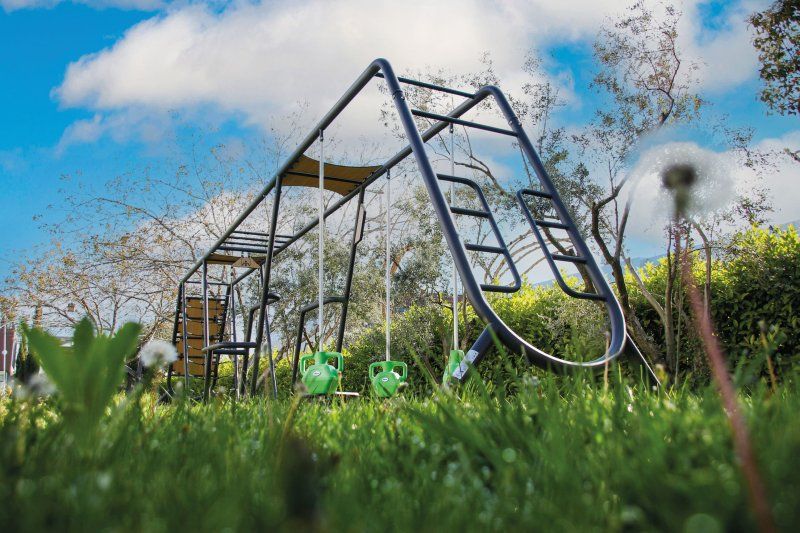
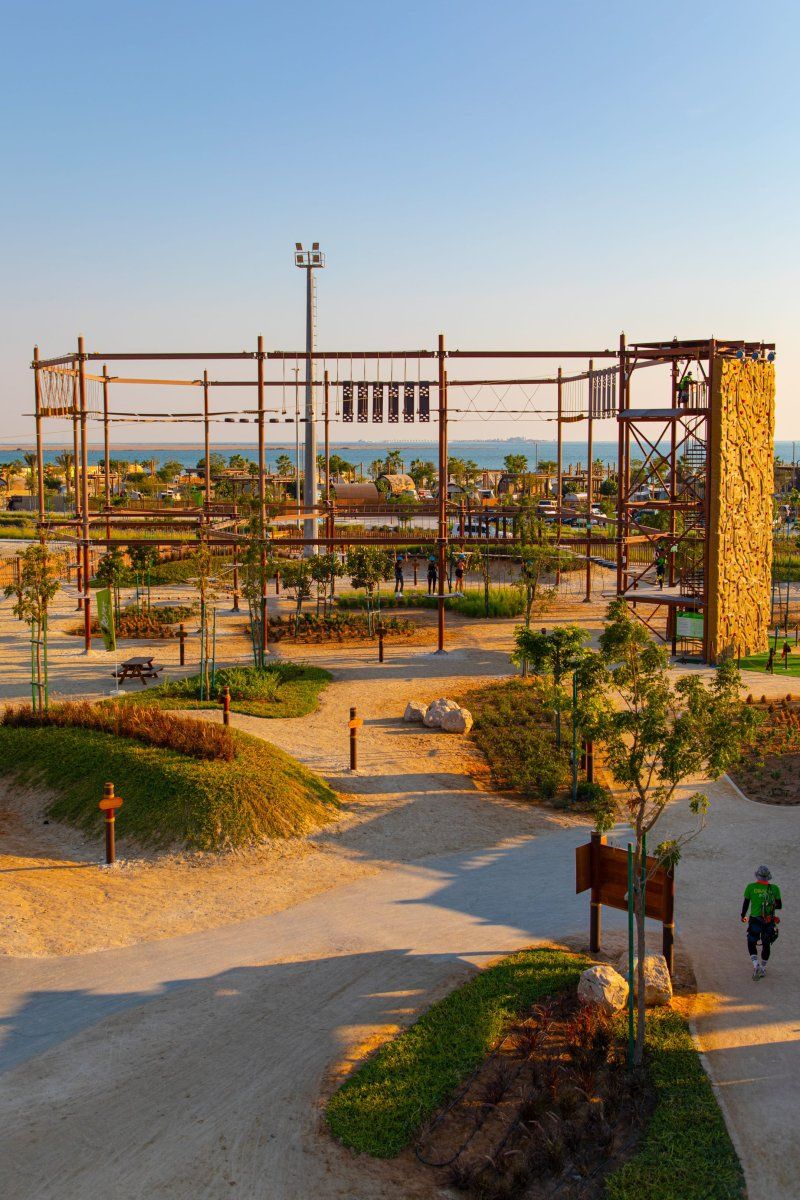
Metal playgrounds are ideal for high-traffic public spaces such as municipal parks and recreation areas.
Their corrosion resistance and structural strength make them a long-lasting and cost-effective solution.
Advantages:
-
Long service life and low maintenance cost
-
Supports modern, modular, and architectural designs
-
Perfect for public parks, schools, and municipal projects
Points to Consider:
-
In hot climates, shading design is important to prevent surface heating
-
Coating systems must be high-quality, with galvanized protection to prevent corrosion
Cemer’s advanced production technologies ensure metal play structures remain safe and reliable for years, even under intensive use.
Hybrid Systems — The Best of Both Worlds
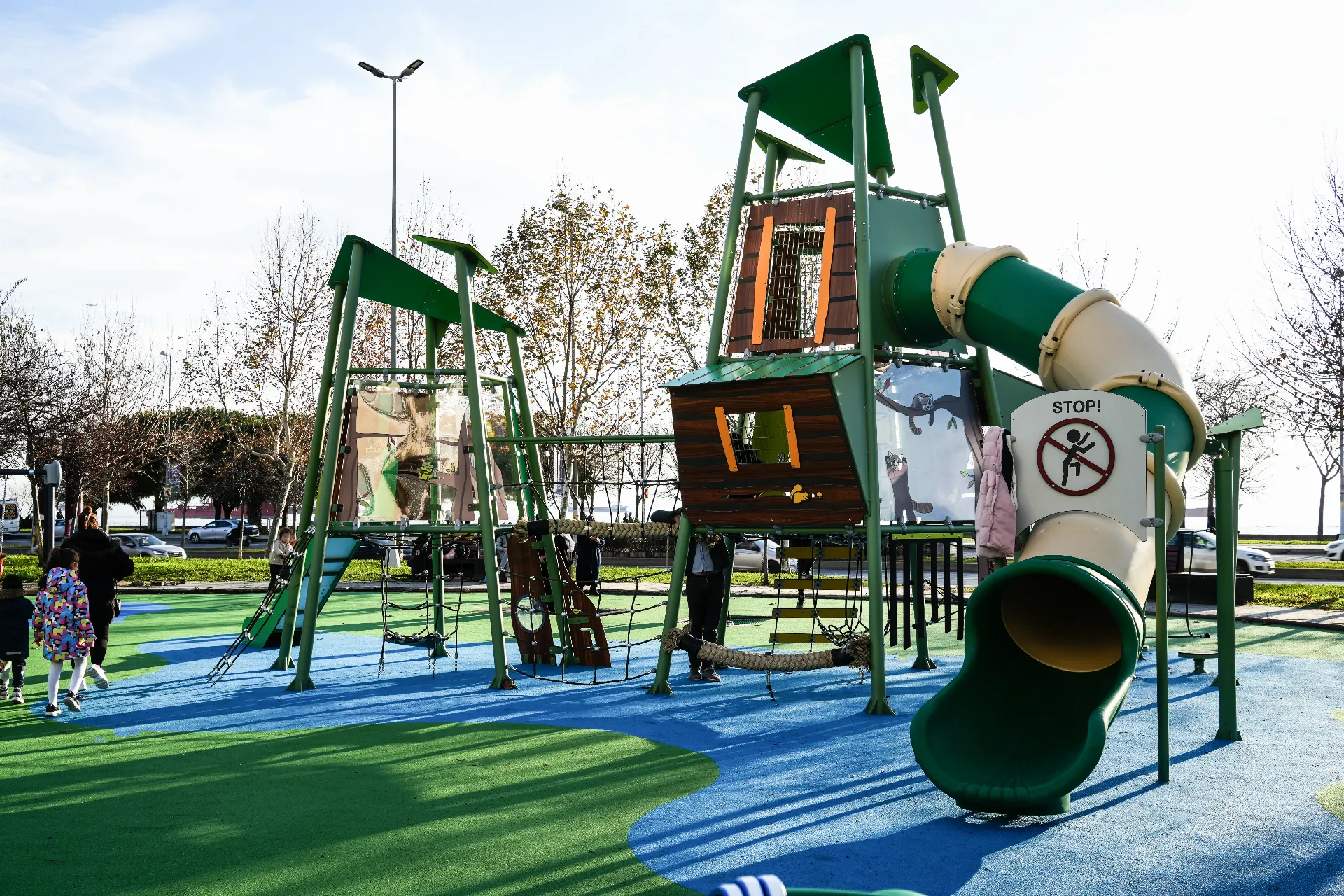
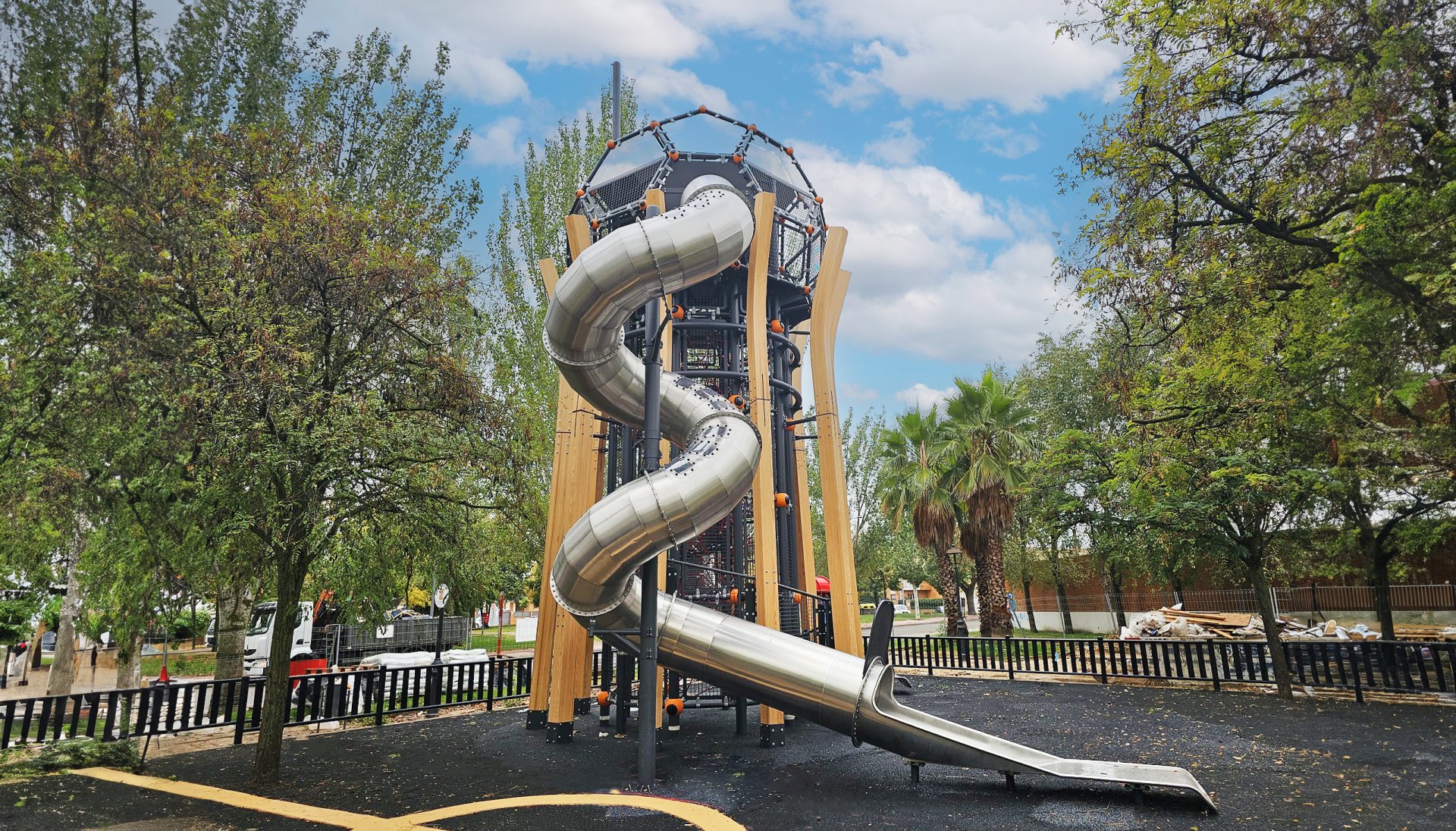
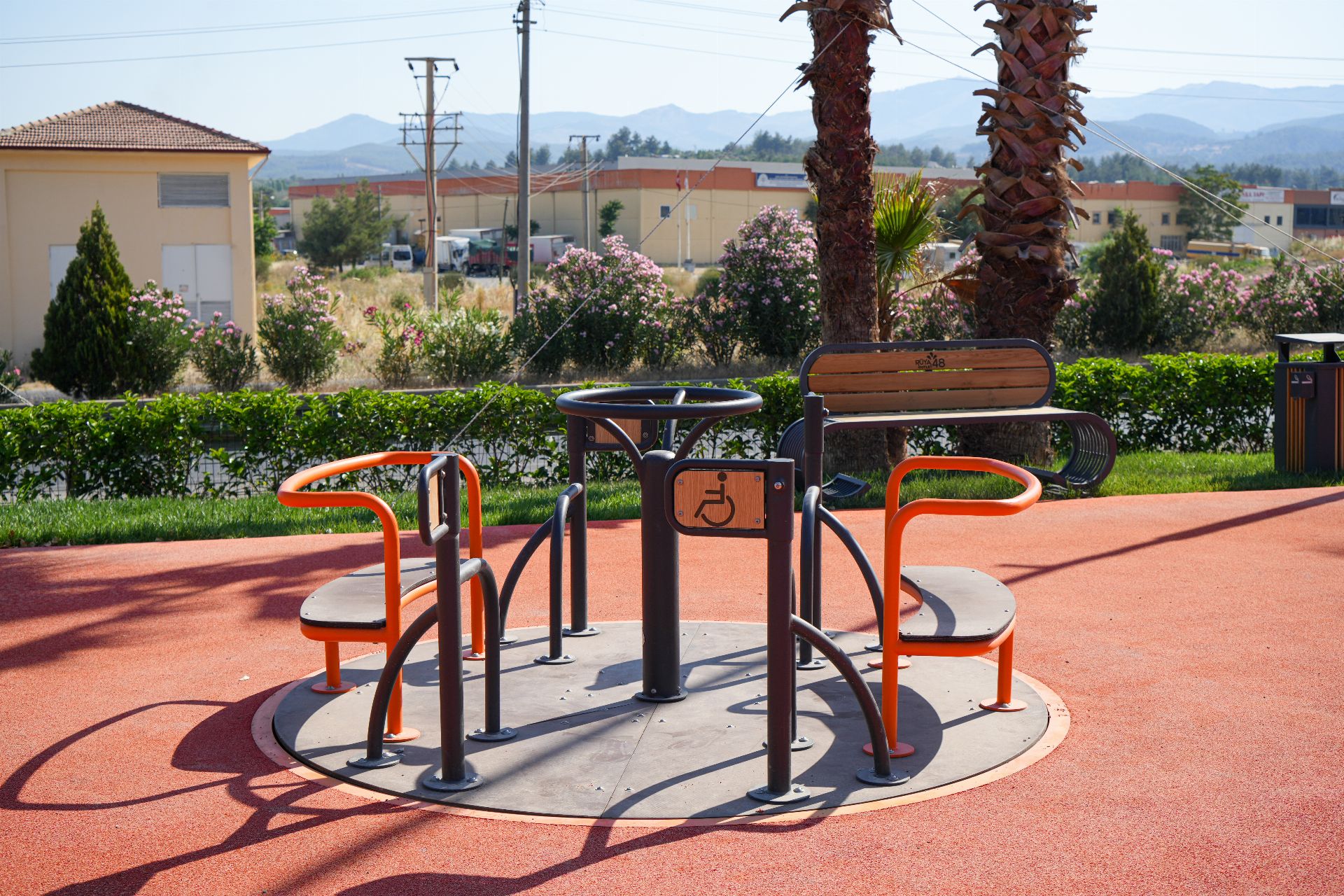
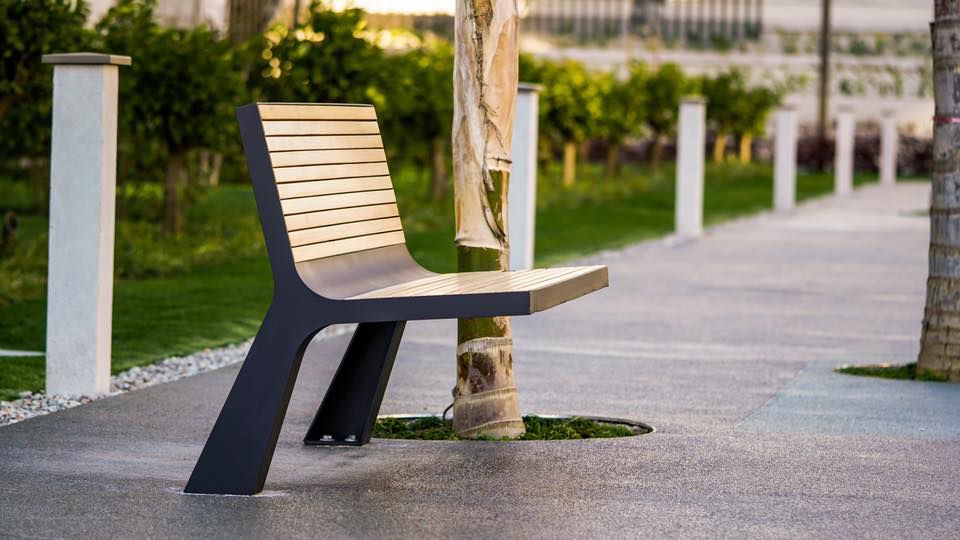
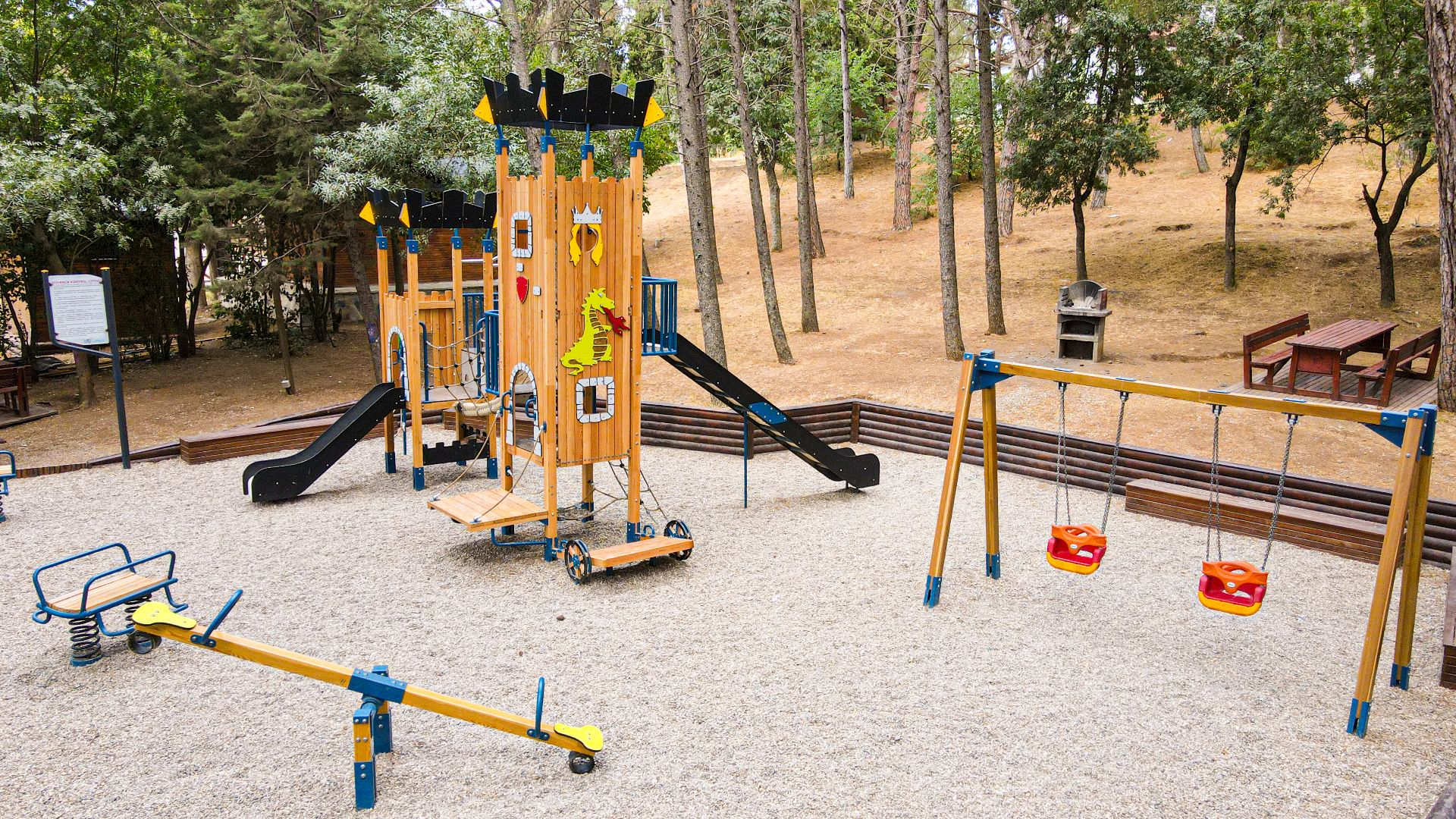
Many modern playgrounds today combine wood and metal to achieve both durability and natural beauty.
For example, galvanized metal may be used for the main frame, while wooden platforms and details provide warmth and character.
This combination not only enhances safety and resilience but also adds architectural sophistication — making it a popular choice in contemporary urban park designs.
Material Standards and Compliance
Every material used in a playground must comply with international safety and quality standards.
Factors such as location, climate, and user age group must be carefully evaluated before selection.
For detailed guidance on compliance, see our article:
“Playground Standards: Safety, Materials, and Regulations.”
Cemer’s Approach to Materials
Cemer selects the ideal material combination for each project based on three core principles:
-
Safety: Internationally certified manufacturing processes
-
Durability: Tested materials suitable for all climate conditions
-
Sustainability: Environmentally responsible, recyclable resources
With each new project, Cemer sets the standard for long-lasting and eco-friendly playground materials that enhance both safety and design.
Whether wood or metal, both materials can deliver safe, aesthetic, and durable results when applied correctly.
The key lies in choosing materials that match the site’s needs, user profiles, and environmental conditions.
At Cemer, we achieve this balance in every project — creating the safest and most inspiring play spaces for children.