
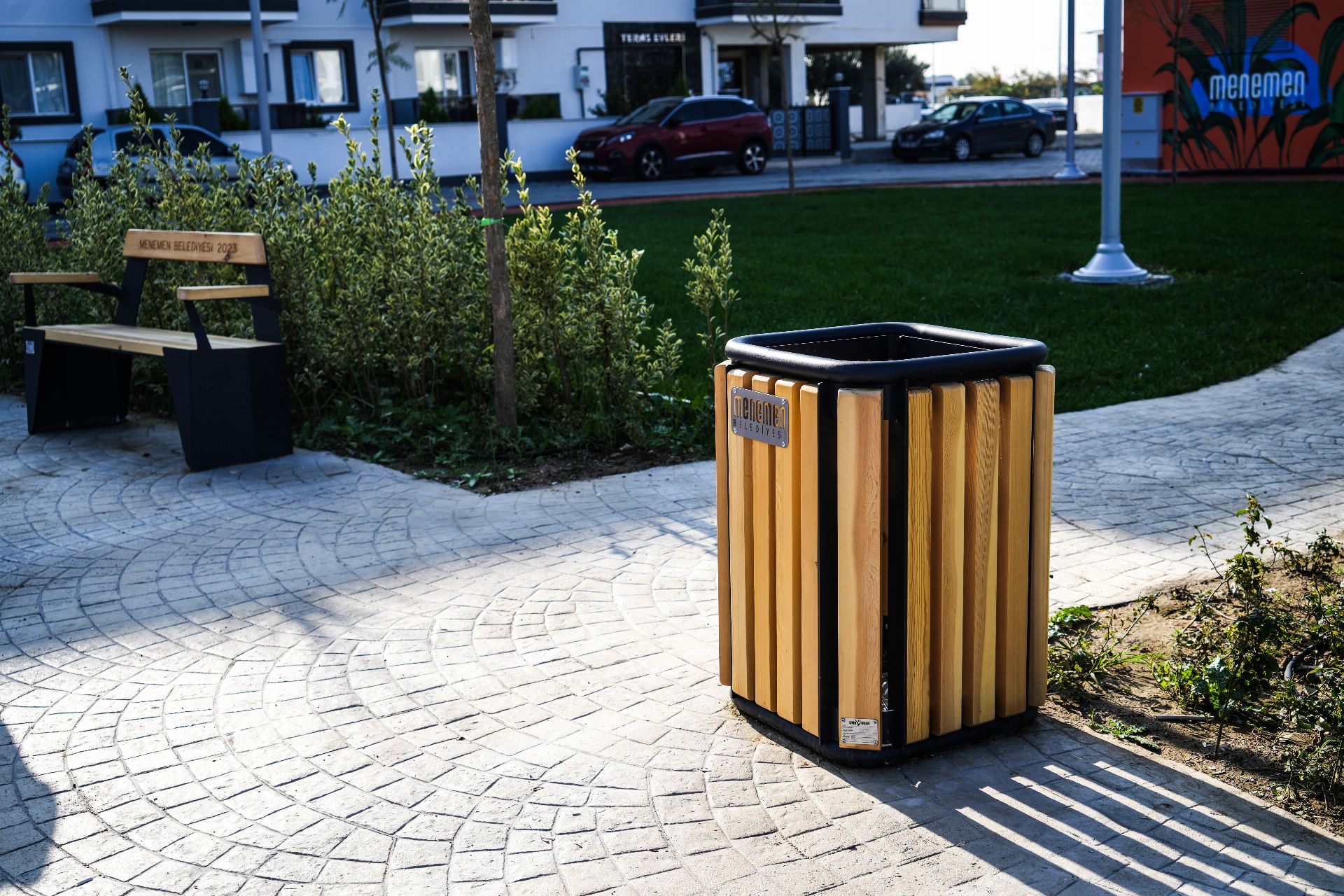
Public spaces — such as parks, squares, pedestrian walkways, playgrounds, and social interaction areas — are shared environments open to everyone. The way these spaces are designed directly shapes how people experience daily life. A well-thought-out design doesn’t just look good; it also creates an accessible, safe, and user-friendly environment. That’s why user experience–focused design has become increasingly important in modern urban planning.
What Is User Experience–Focused Design?
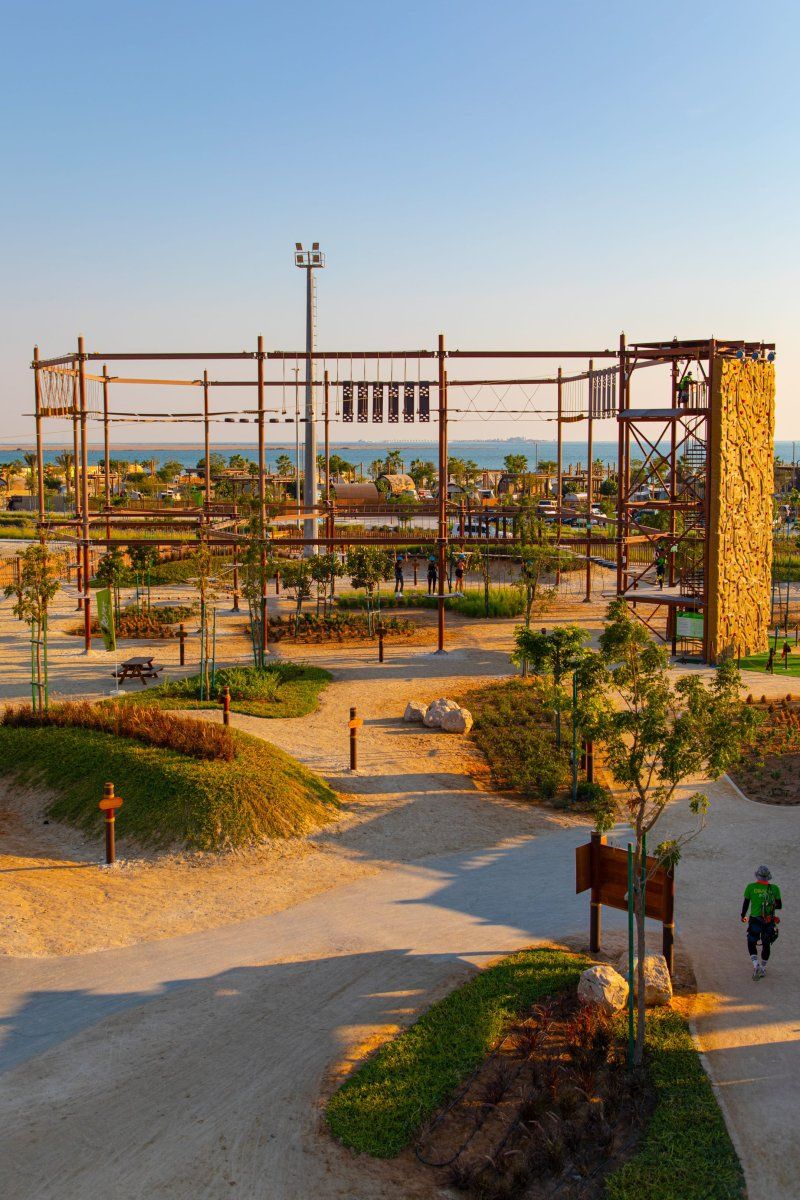
User experience–focused design is an approach that places people’s needs, behaviors, and habits at the center of spatial planning. In other words, public spaces shouldn’t only be visually appealing — they must also be comfortable, accessible, safe, and multifunctional.
For example:
-
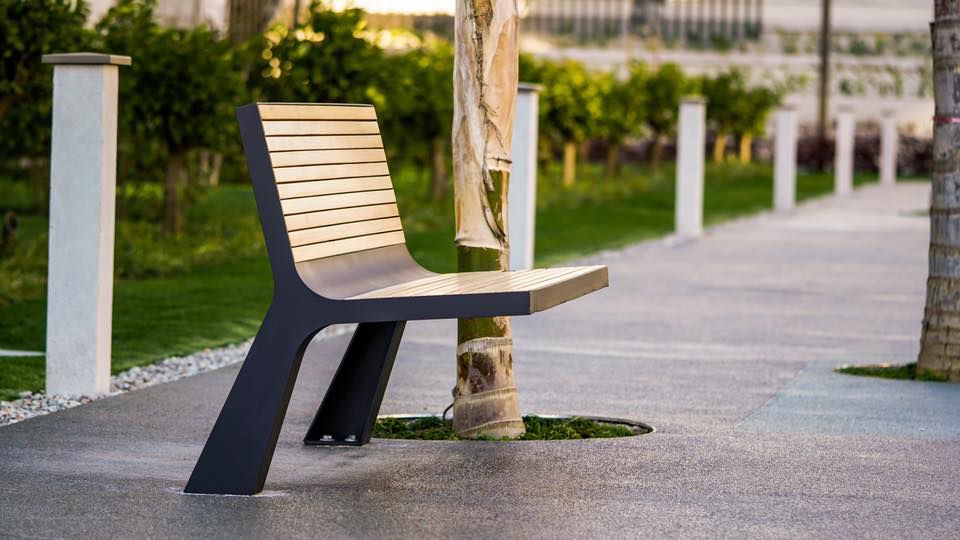
Positioning benches in shaded areas of a park,
-
Installing trash bins at accessible heights,
-
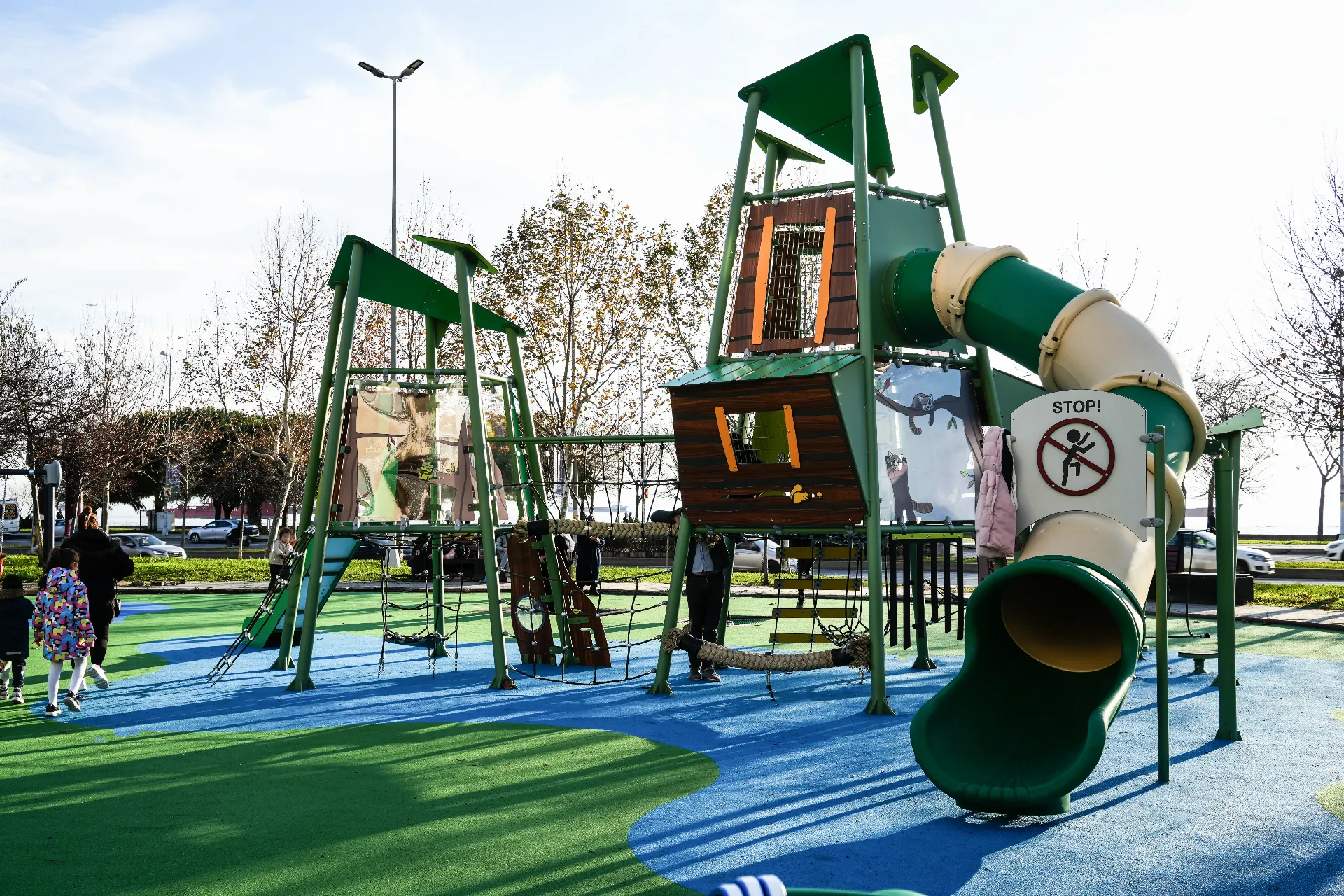
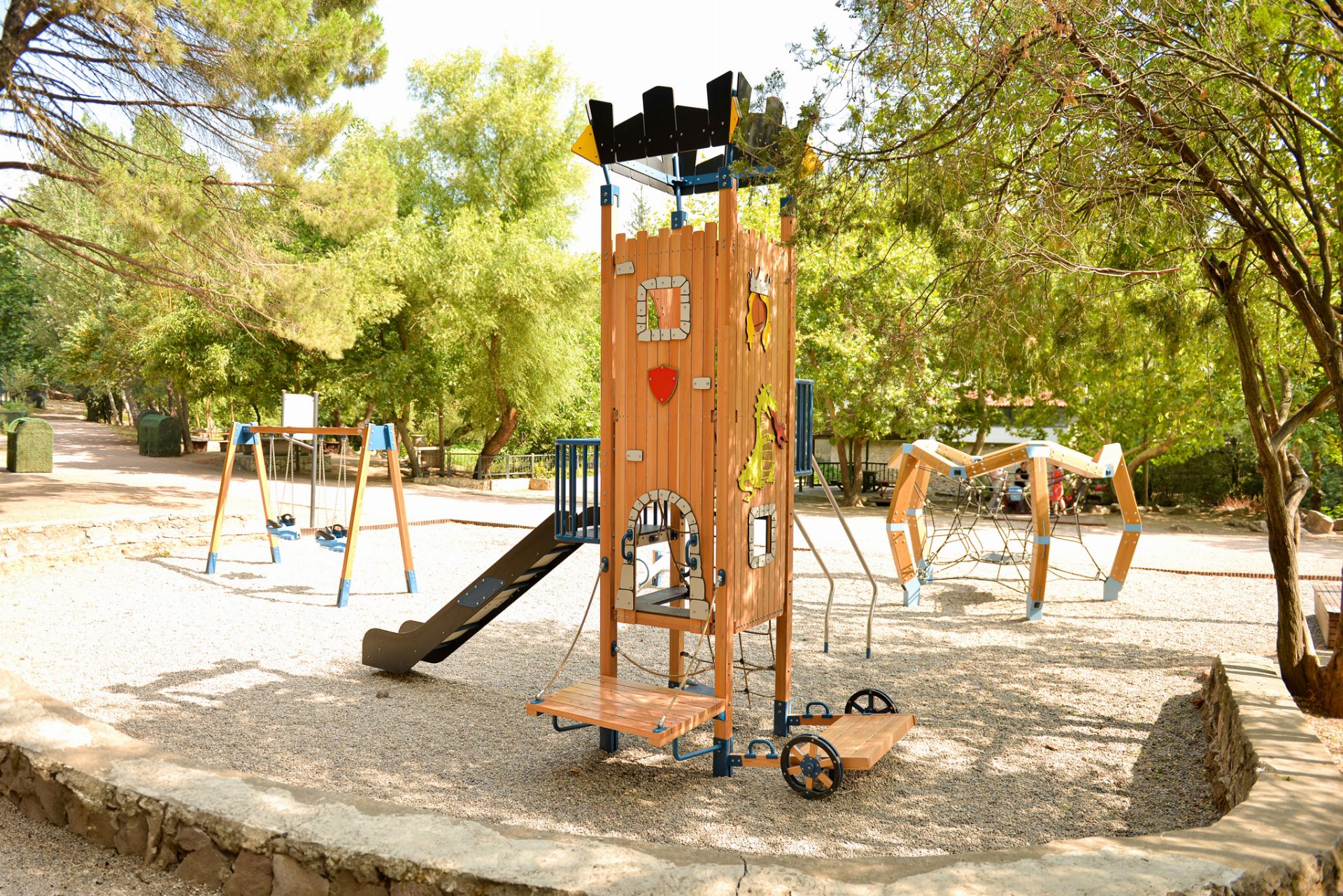
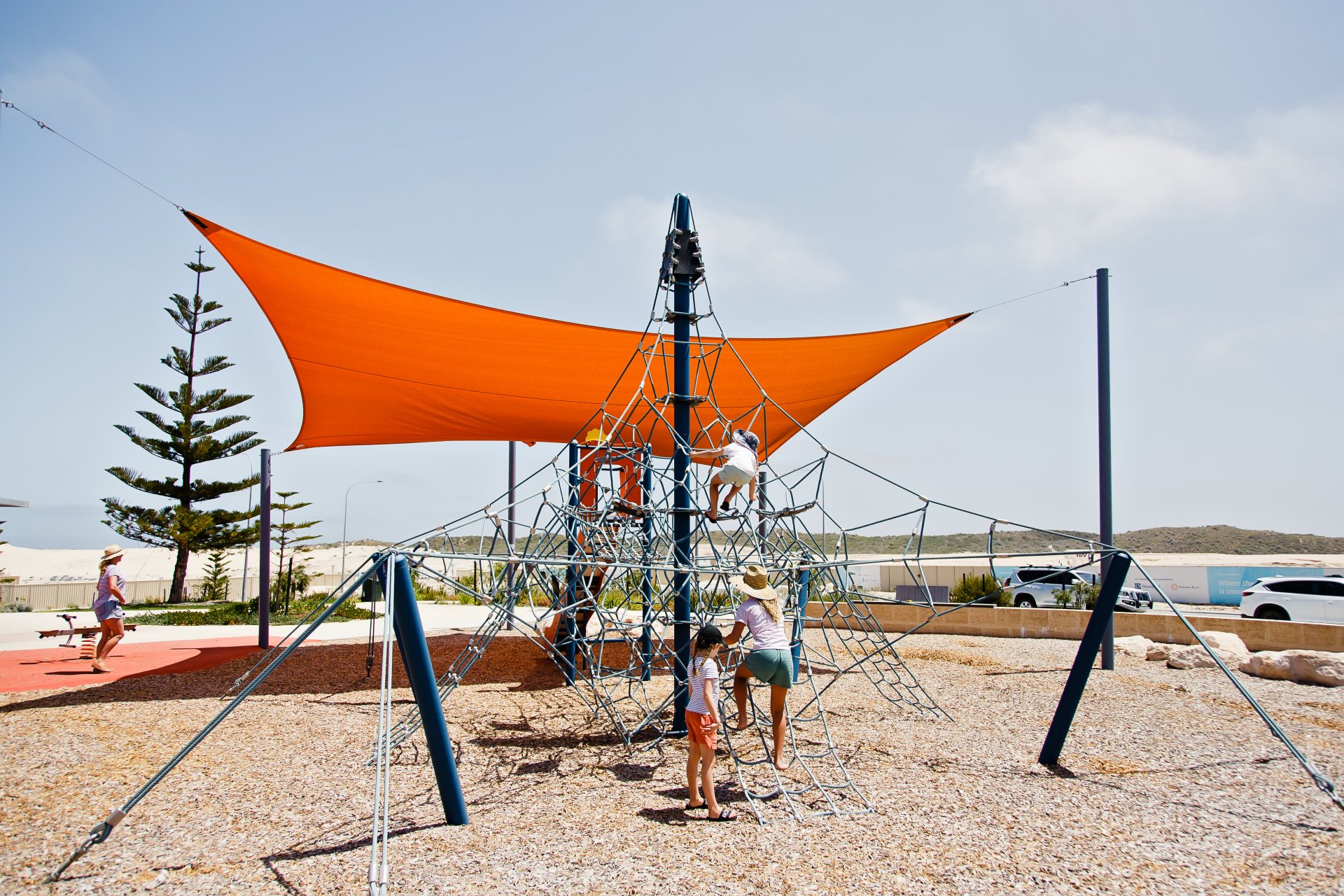
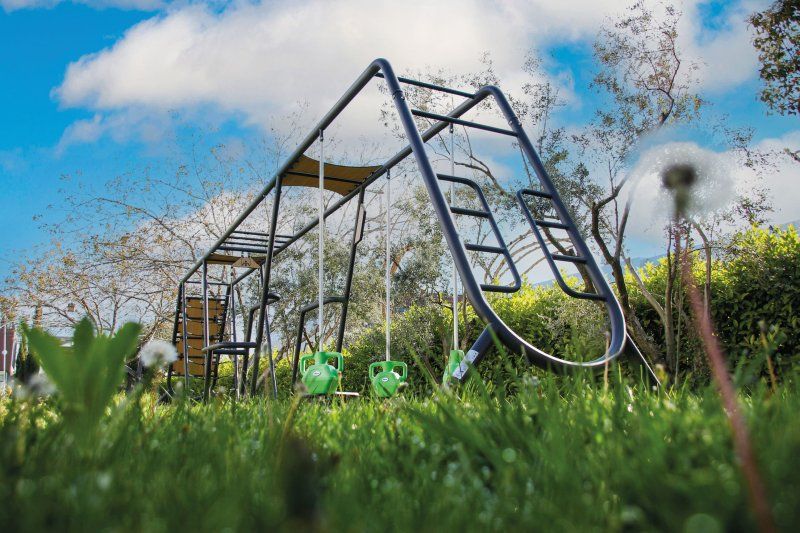
Equipping playgrounds with age-appropriate equipment,
-
Designing lighting systems that improve safety without causing glare —
all are key aspects of user experience–driven design.
Ergonomics and Accessibility
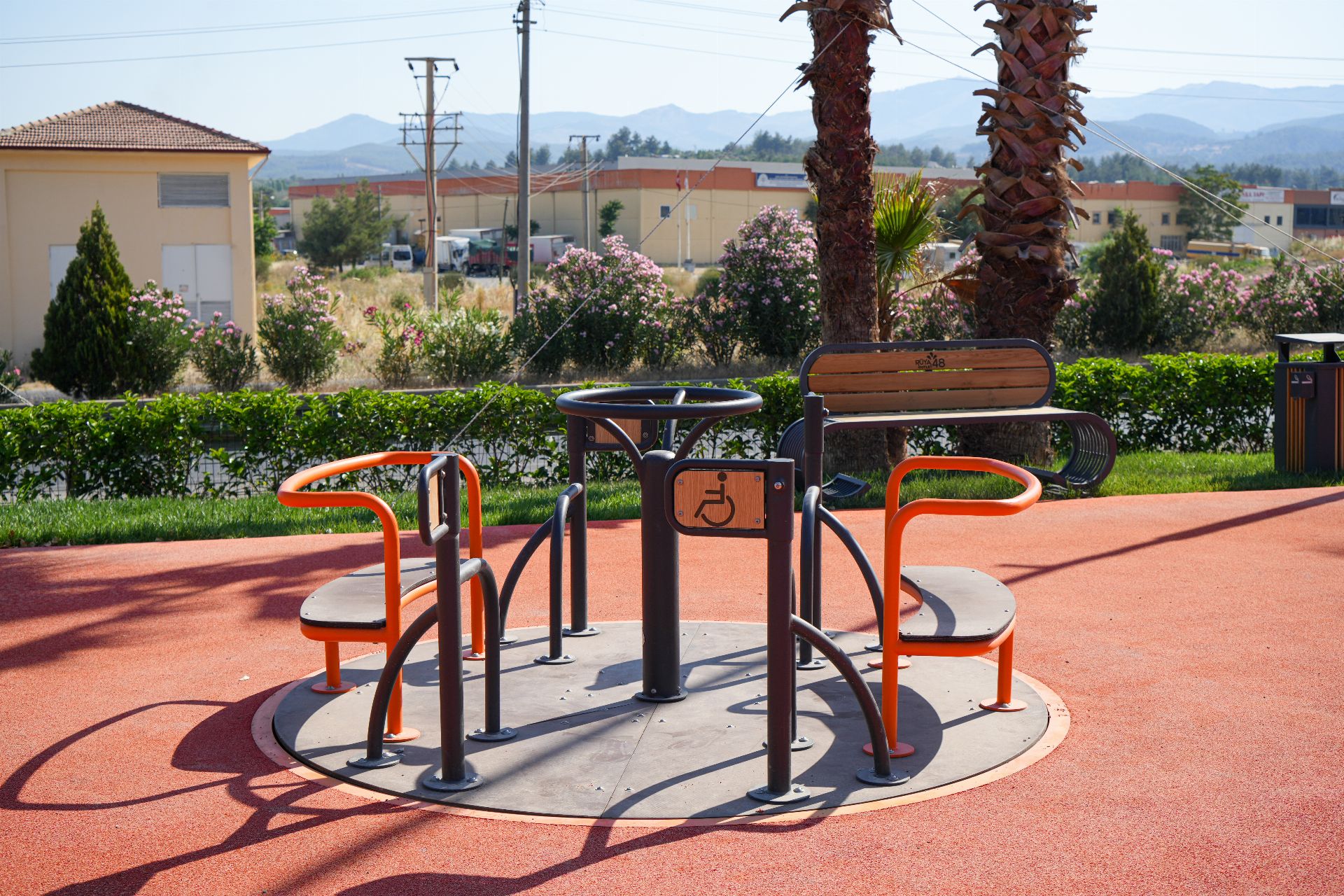
Ergonomics is one of the foundations of good user experience. From the seating angle of benches to the developmental suitability of playground equipment, every detail connects to ergonomics. Accessibility is equally crucial. Designs should follow universal access standards, ensuring that people with disabilities, seniors, and families with children can all benefit equally from public spaces.
Aesthetics and Urban Identity
A strong aesthetic identity enhances user experience. Urban furniture, lighting systems, and landscape elements should harmonize with the city’s architectural character. Aesthetic coherence creates a sense of belonging and fosters social interaction.
In many cities around the world, public space design has become a part of urban branding. Examples such as Barcelona’s mosaic-tiled benches, Copenhagen’s bike-friendly squares, and Paris’s historically integrated street furniture showcase how design can strengthen a city’s identity.
The Sustainability Dimension
User experience–focused design must also consider the future. Sustainable materials, low-maintenance solutions, energy-efficient lighting, and recyclable products are the cornerstones of eco-friendly and long-lasting public spaces.
Cemer’s Approach
As one of Turkey’s leading brands in urban furniture and playground design, Cemer places user experience at the heart of every project. By combining ergonomics, aesthetics, and sustainability, Cemer creates solutions that are both functional and visually harmonious — ideal for municipalities and urban planners.
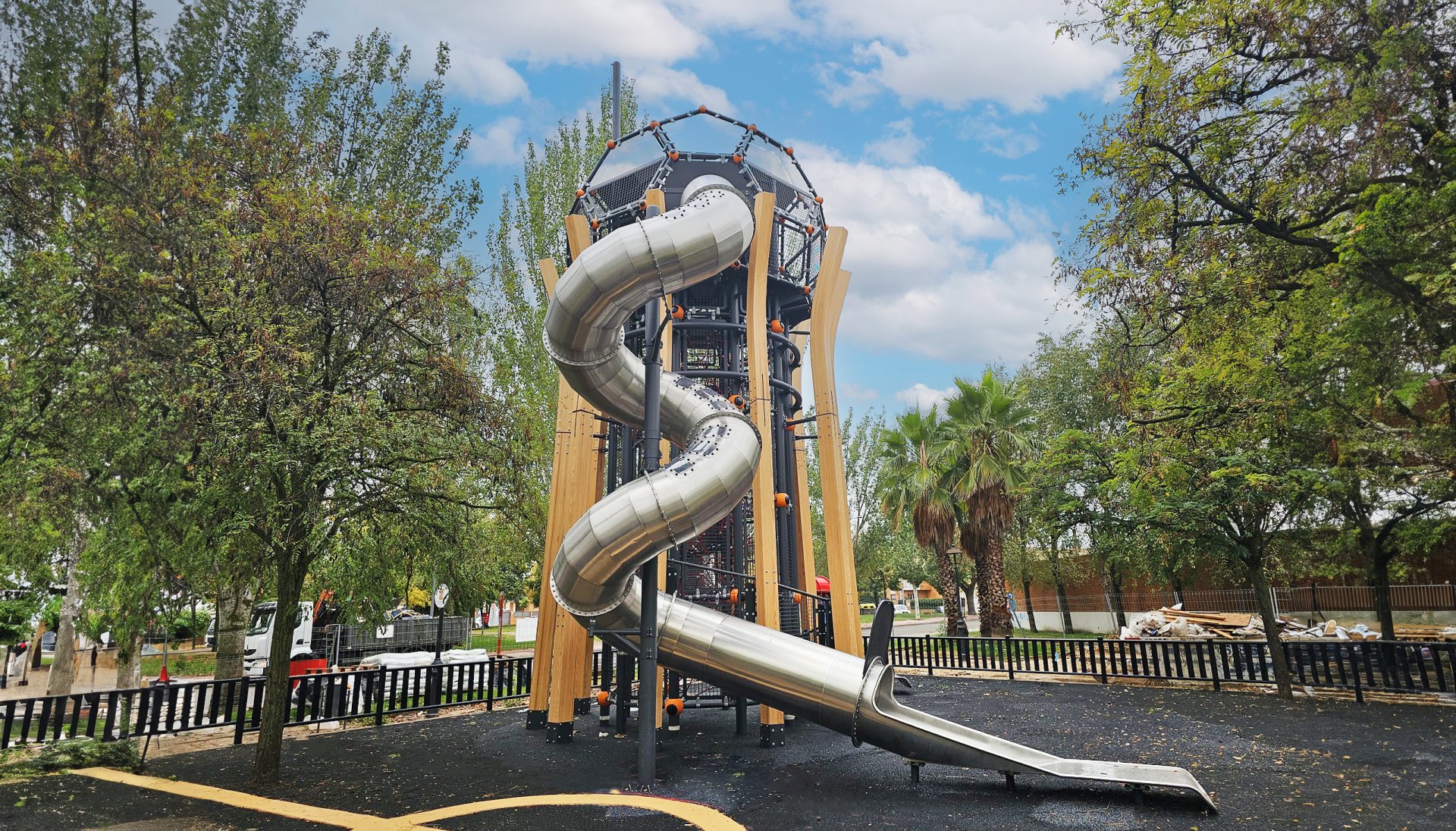
Cemer’s playground equipment, urban furniture, and landscape elements:
-
Enhance user comfort,
-
Cater to different age groups,
-
Are produced from durable and sustainable materials,
-
Blend seamlessly with city aesthetics.
Through this approach, public spaces become not only visually appealing but also environments that enrich people’s daily lives.
User experience–focused design is essential for modern cities. Projects that combine ergonomics, accessibility, aesthetics, and sustainability make urban spaces more livable. For municipalities and urban planners, this approach is one of the most effective ways to strengthen social well-being and urban identity.
Collaborating with user-oriented companies like Cemer transforms public spaces into places that are not only beautiful but also functional, inclusive, and truly human-centered.