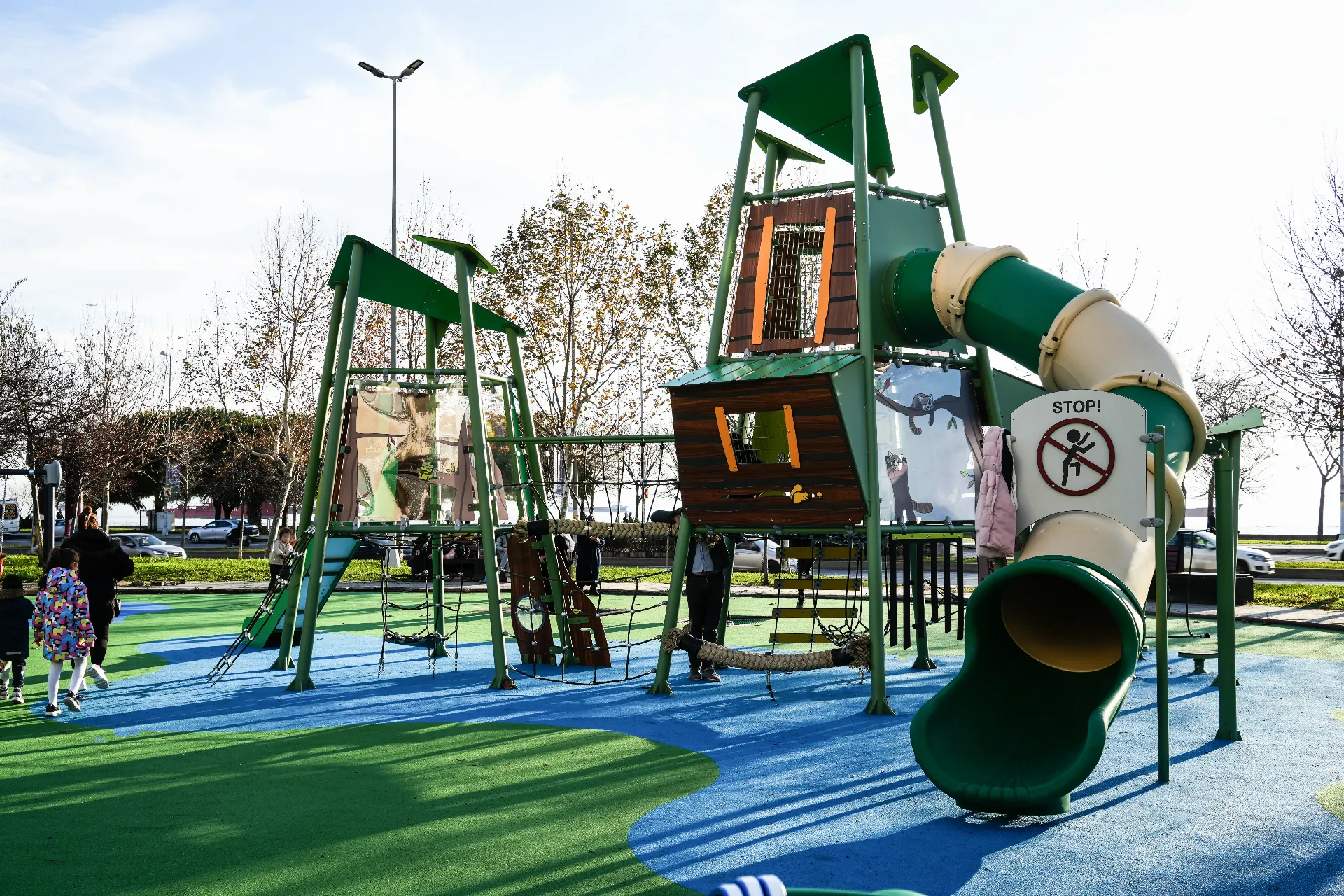
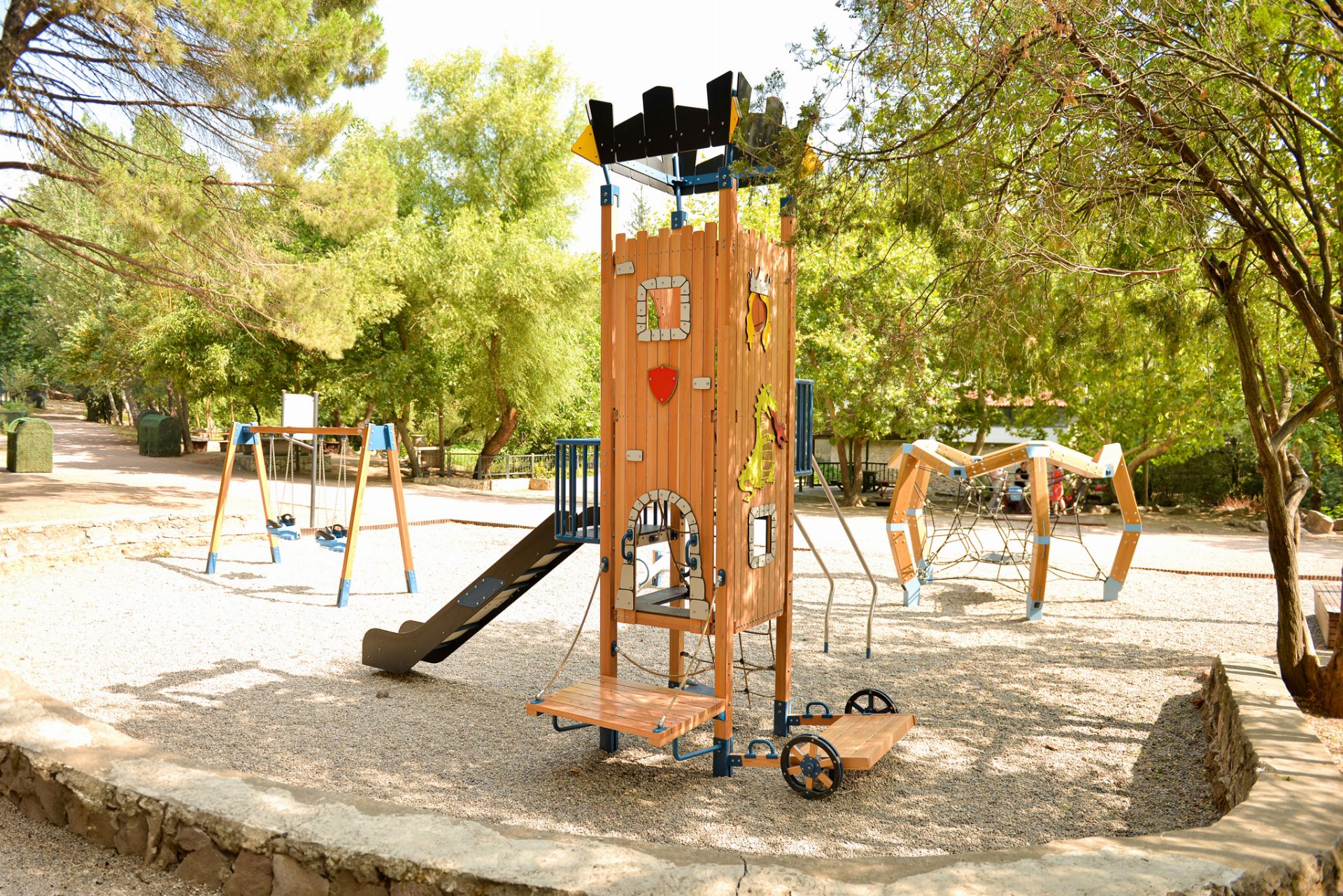
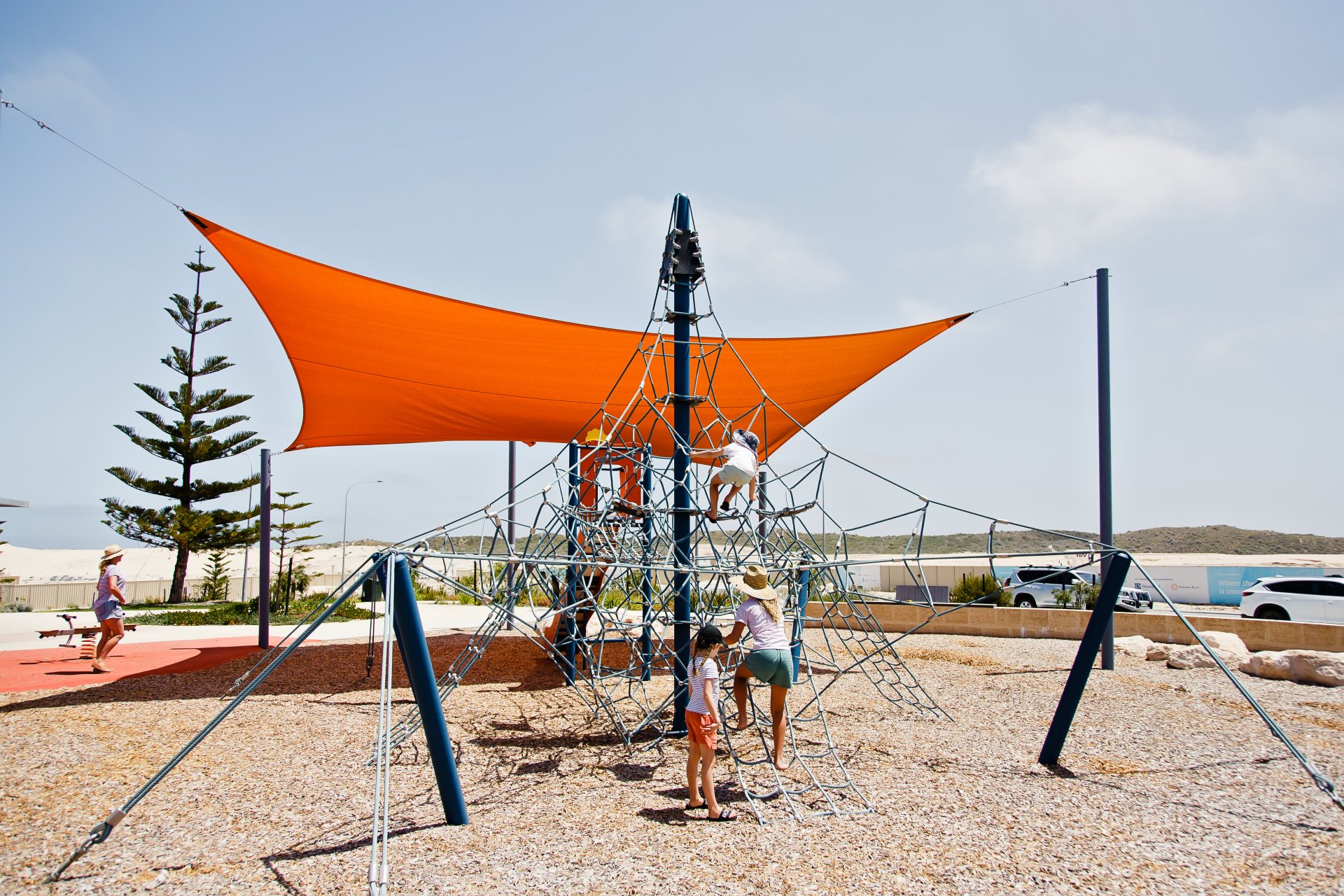
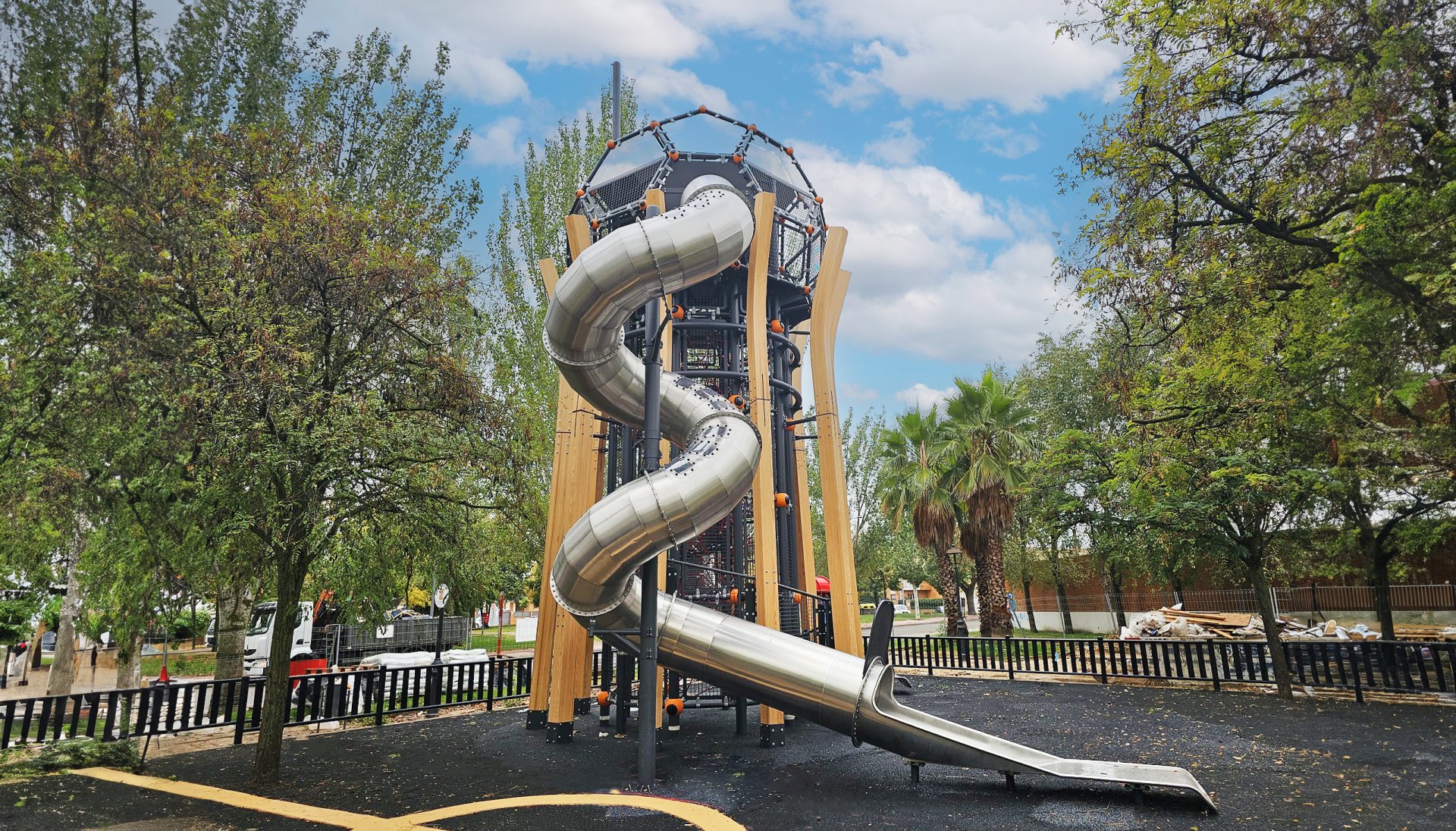

Urban aesthetics define a city’s identity, residents’ quality of life, and the appeal of its public spaces. Among the strongest components of this aesthetic is landscape design. Tree-lined streets, well-planned squares, sustainable green corridors, and thematic parks do more than create visual appeal—they also promote social interaction, improve public health, and strengthen environmental resilience. Properly designed landscapes create “breathing spaces” within cities—places where people want to spend time, walk, socialize, and feel a sense of belonging.
Why Is Landscape Design Central to Urban Aesthetics?
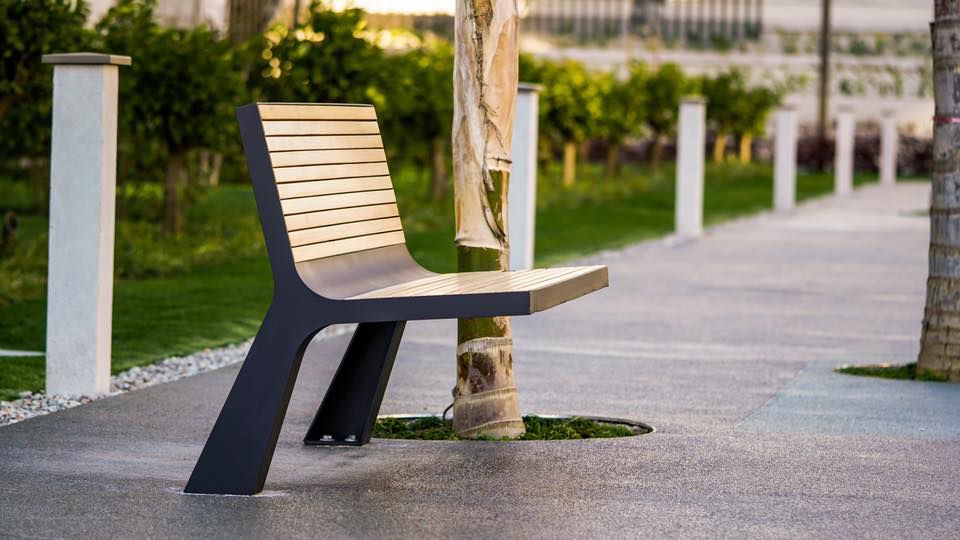
Landscape strengthens a city’s identity. The right plant choices, square layouts, walking path structures, and placement of urban furniture—even down to trash bins—together shape the city’s visual rhythm. Green areas also regulate microclimates, improve air quality, manage rainwater, and support urban biodiversity. Aesthetic design is not just about appearance; a well-conceived landscape enhances the functional quality of urban life.
Key Design Principles in Urban Aesthetics
-
Contextual harmony: Select plants and materials suited to the local climate, culture, and urban texture.
-
Multifunctionality: Green areas should serve not only aesthetic but also ecological and social functions, such as water management and heat balance.
-
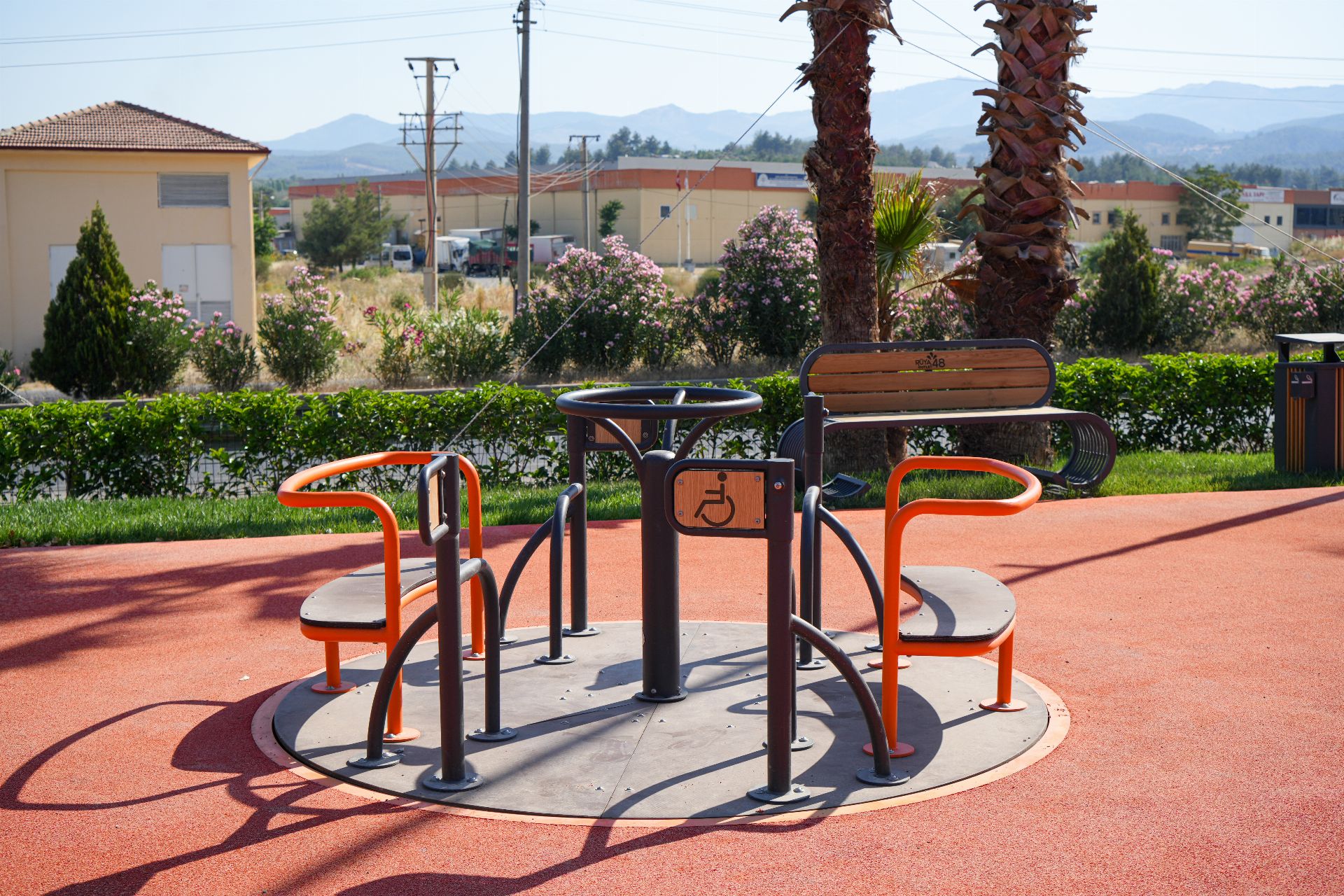
Accessibility: Public spaces must be designed for everyone, reinforcing the social dimension of beauty.
-
Sustainability: Use local species, water-saving systems, and recyclable materials for lasting aesthetic value.
-
Maintenance planning: Long-term beauty depends on effective maintenance and management strategies.
What Can Municipalities Learn from Global Examples?
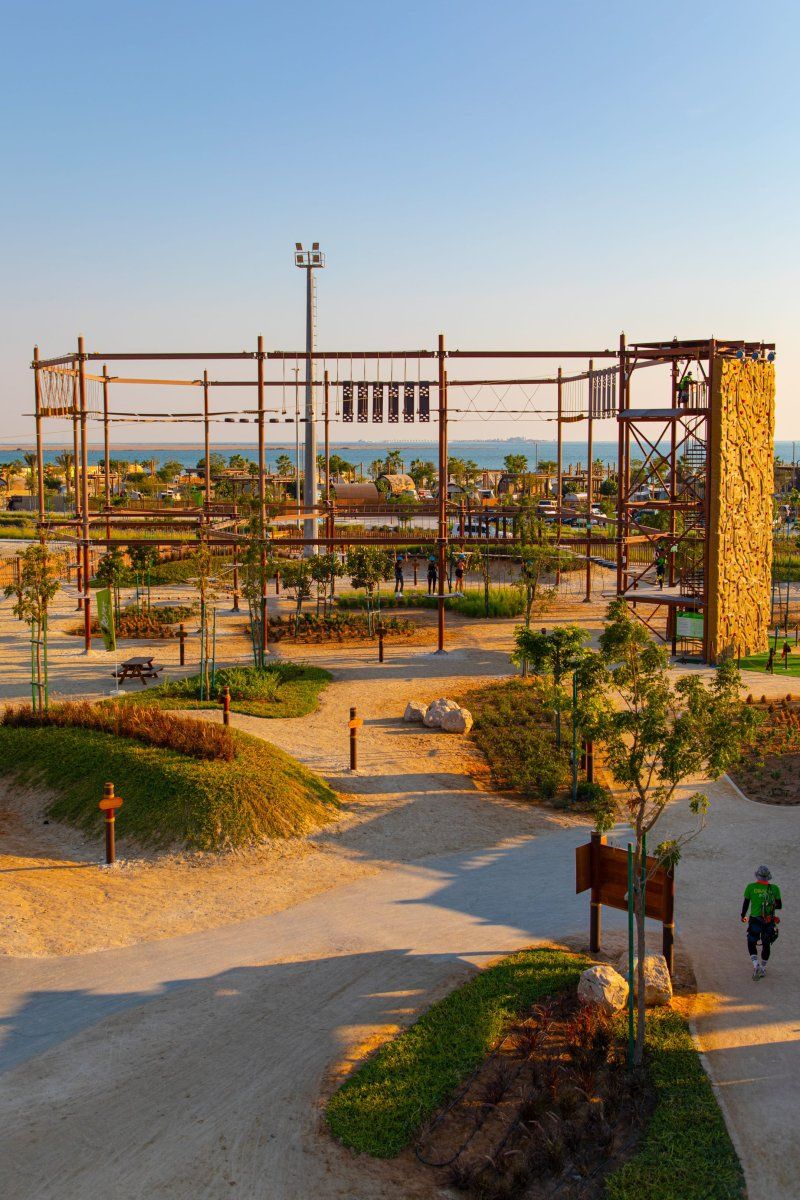
Successful examples worldwide share one approach: treating landscape not as mere decoration but as a strategic tool that serves ecological, social, and economic goals. Municipalities can apply this philosophy by:
-
conducting thorough needs analyses,
-
considering local ecology and community habits,
-
choosing modular, low-maintenance solutions, and
-
involving citizens in the planning process.
Cemer’s Contribution to Urban Aesthetics: Local Design Partnership
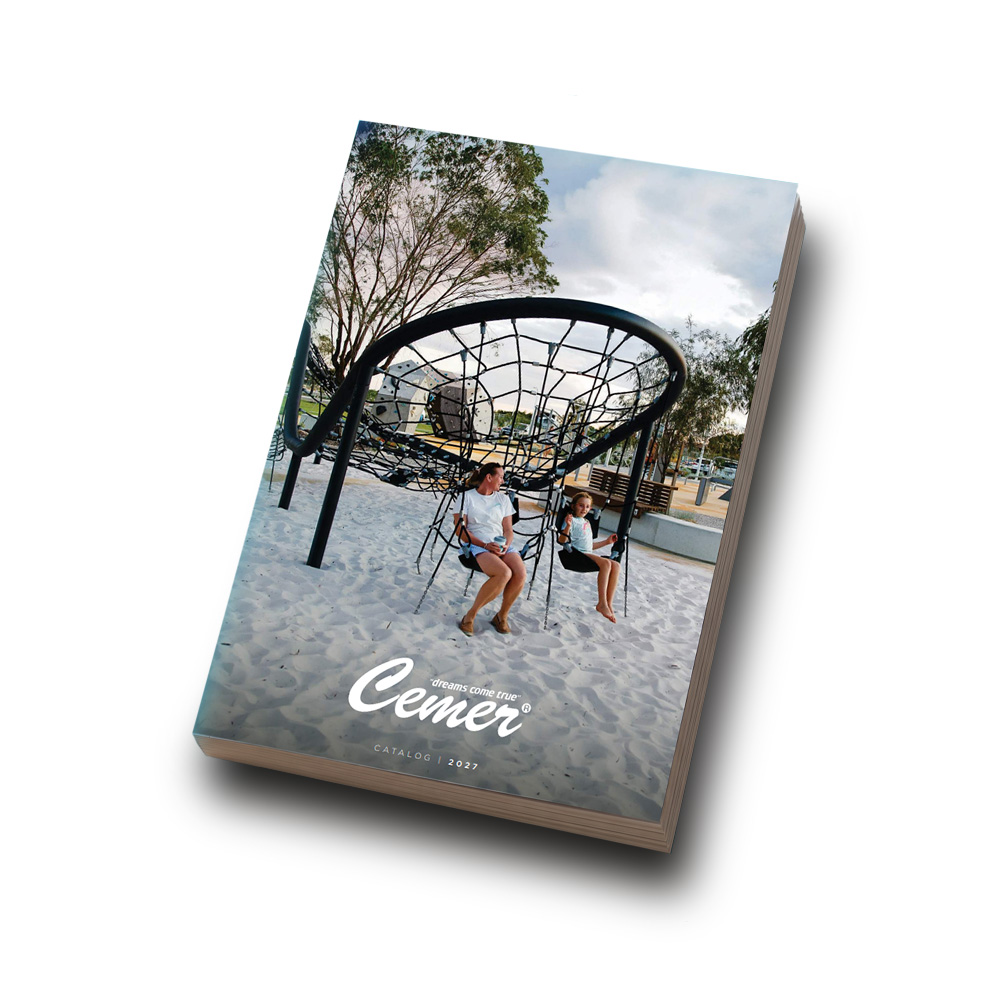
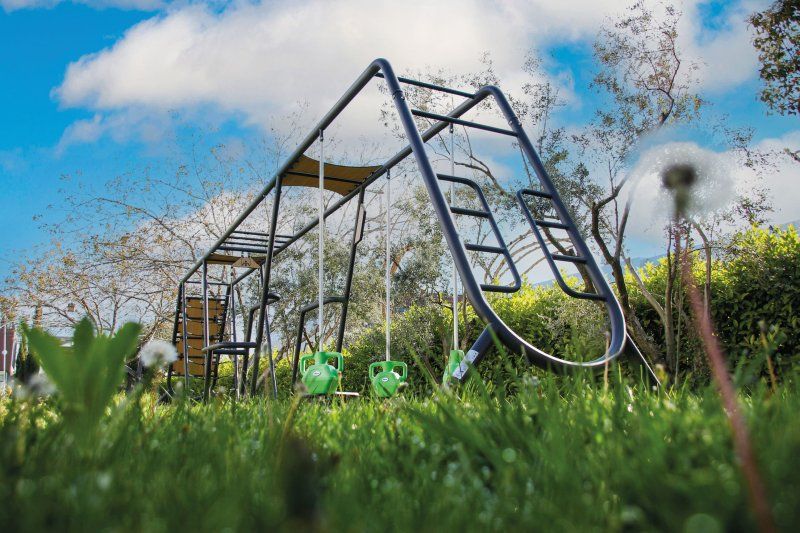
Partnering with local manufacturers is key to creating landscapes that truly reflect a city’s character. Cemer provides municipalities and urban planners with playground equipment, urban furniture, and landscape solutions that prioritize both aesthetics and durability.
Through modular product designs, sustainable material selection, and standard-compliant applications, municipalities can enhance visual appeal while optimizing operational costs. The success seen in global examples can be achieved locally with the right product choices and implementation management.
Practical Guidelines for Implementation
-
Prioritize local species: Reduces maintenance costs and supports biodiversity.
-
Create layered landscapes: Combine trees, shrubs, and ground covers for depth and ecosystem value.
-
Integrate water management: Use rain gardens, permeable surfaces, and smart irrigation for sustainability.
-
Incorporate public art and social features: Encourage engagement and interaction in squares and parks.
-
Establish a maintenance plan: Design alone isn’t enough—maintenance ensures long-term success.
Landscape design in urban aesthetics is a powerful instrument that merges visual harmony, ecology, and social interaction. Successful global examples offer inspiring strategies adaptable to different contexts and scales. By adhering to these principles, municipalities and designers can create public spaces that are visually appealing, functional, and sustainable.