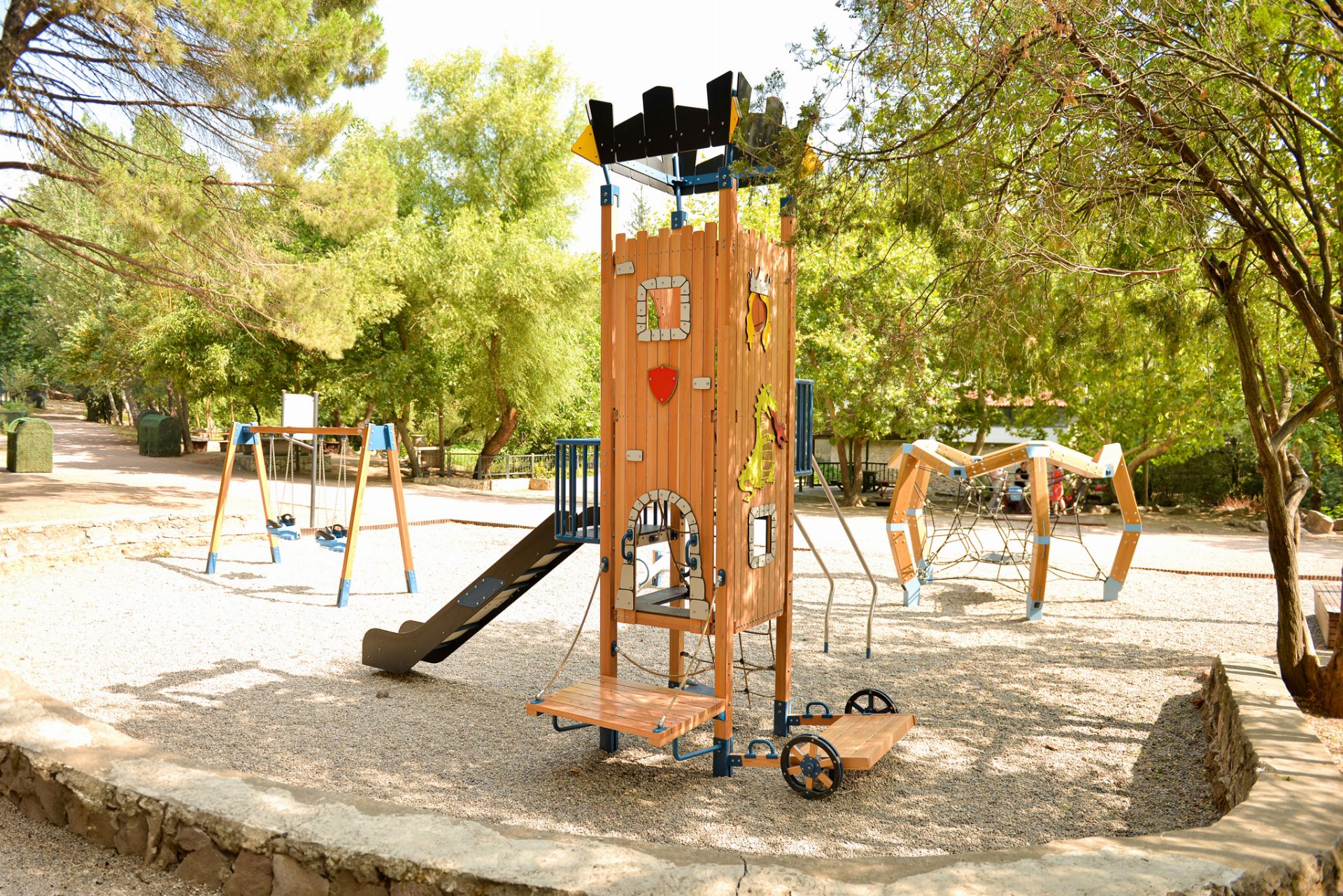
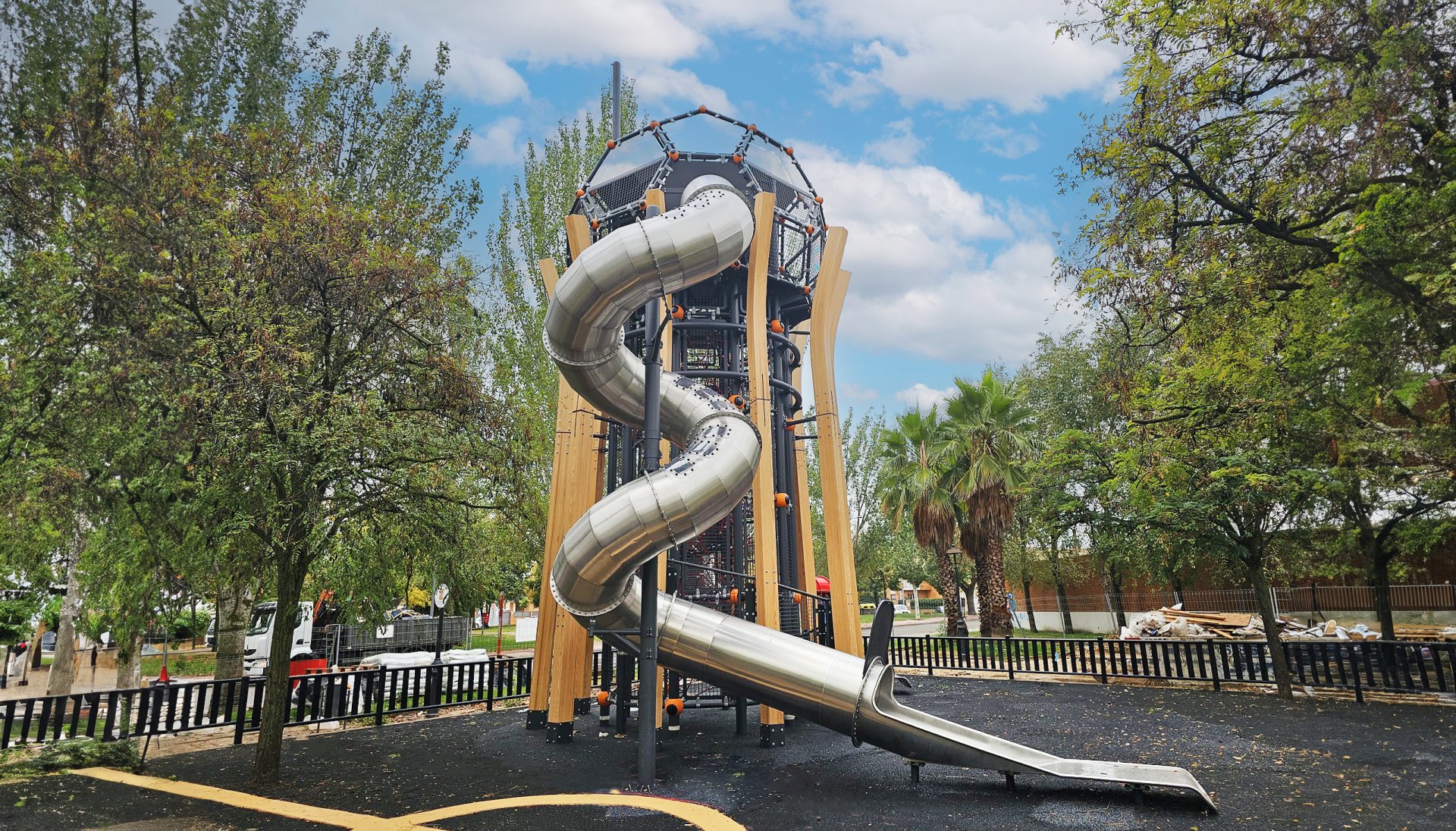
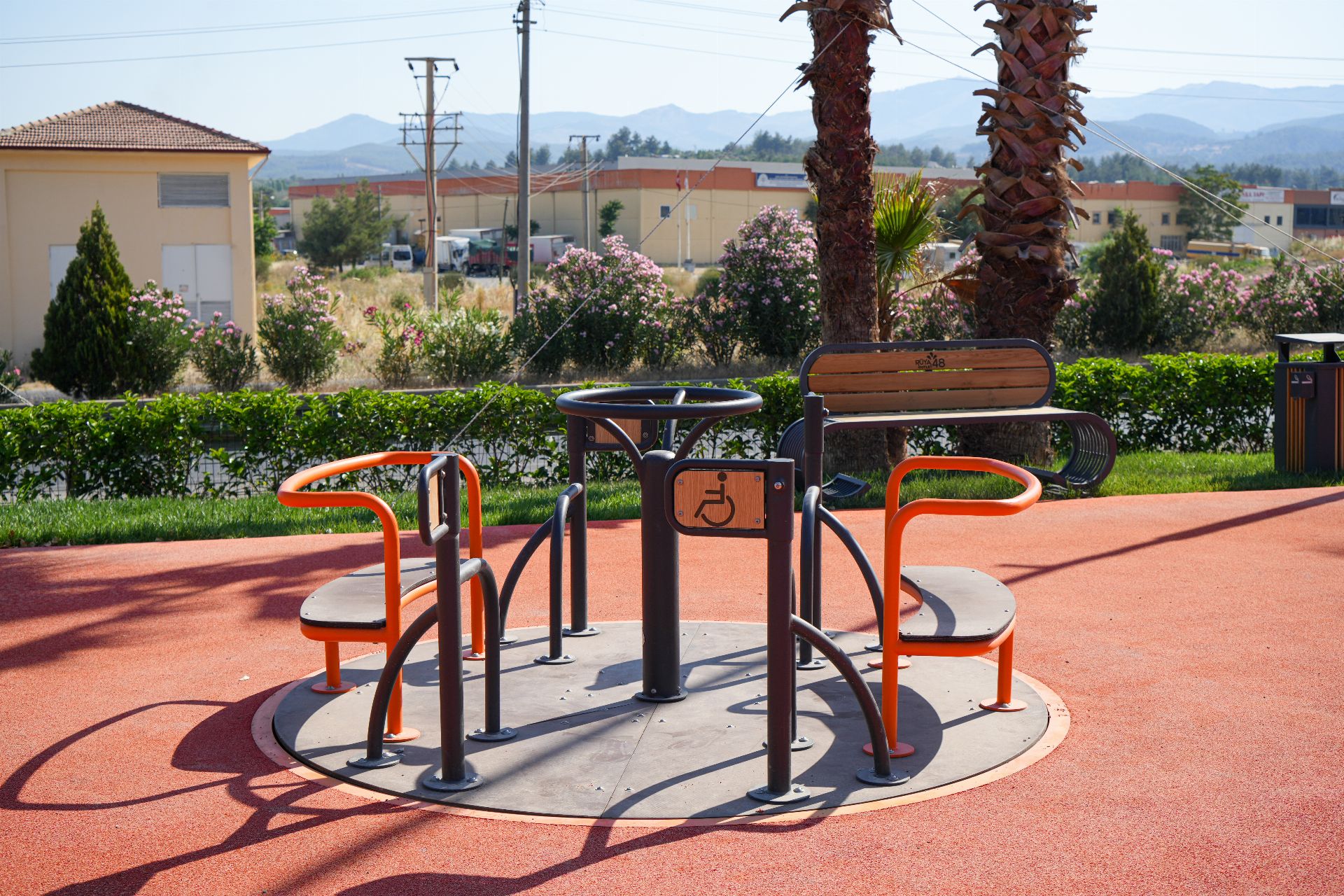

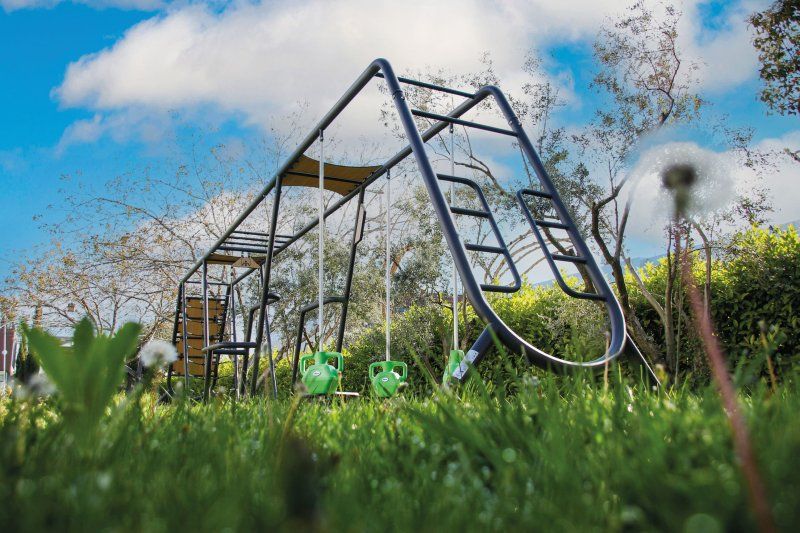


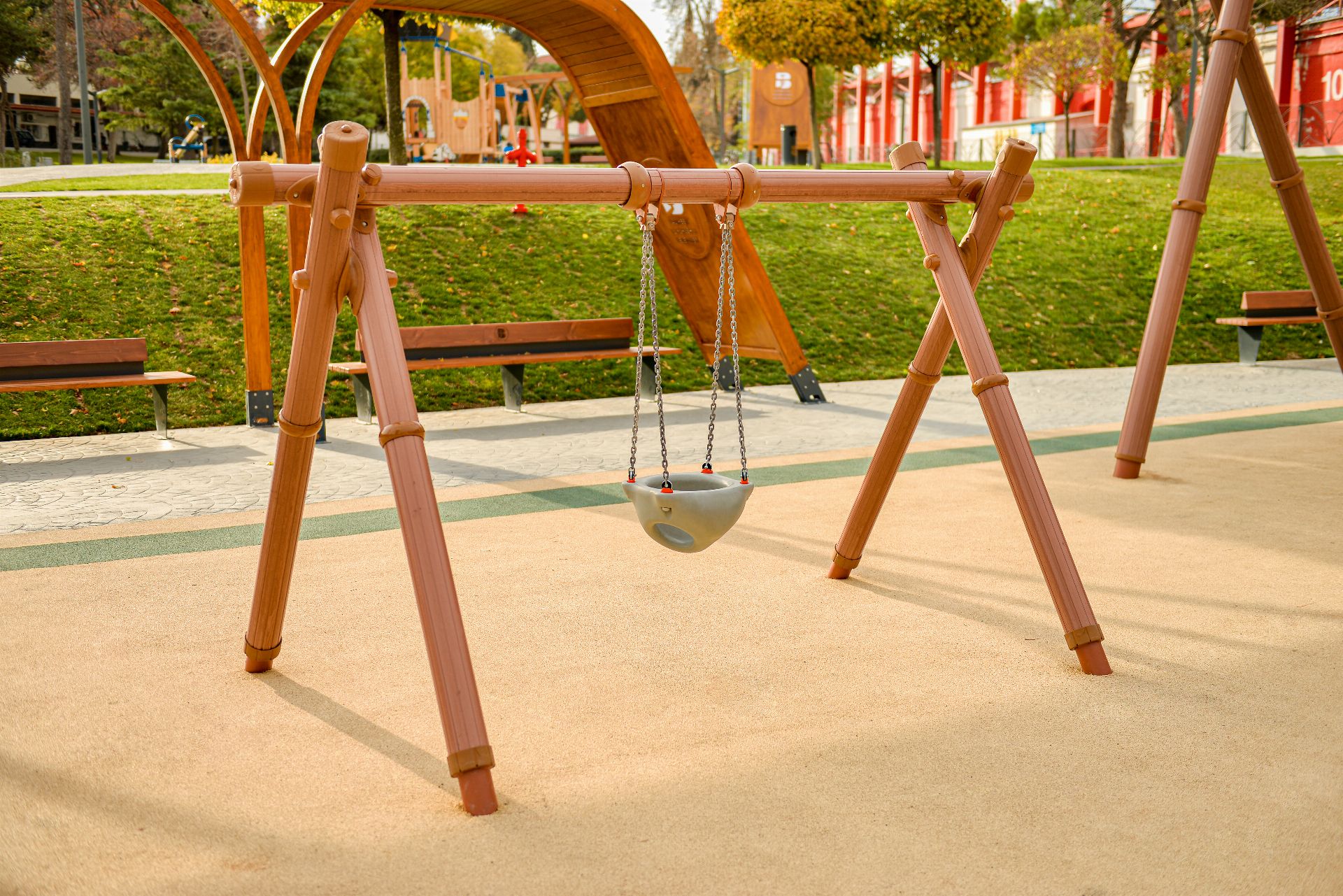
Beyond being a simple piece of play equipment, swings provide physical and mental benefits for both children and adults. In children’s playgrounds, swings—alongside seesaws and trampolines—combine movement and fun.
Balance and Coordination
Swinging helps improve body balance and coordination. Moving the swing back and forth requires synchronized effort from arms, legs, and core muscles. Adapting to the motion enhances the sense of balance.
Cardio and Energy Use
Swinging in playgrounds can be considered a light cardio exercise. As the body moves, heart rate increases, circulation improves, and moderate energy expenditure supports overall fitness.
Stress Relief and Relaxation
Swinging also helps reduce stress and tension. The repetitive forward and backward motion creates a meditative relaxation effect. Physical activity triggers the release of endorphins, known as the “happiness hormone.”
A Play Activity for All Ages
Swings appeal to all age groups, from children to adults. For kids, they develop motor skills, while combined with other equipment like seesaws and trampolines, swings improve physical endurance and strengthen social bonds.
Social Interaction in Playgrounds
Swings also create opportunities for socializing in playgrounds. They provide a space where families can spend quality time together. Alongside seesaws and trampolines, swings are ideal for group play and shared experiences.
Conclusion
Swinging is more than just fun—it contributes to both physical and mental development. Together with seesaws, trampolines, and other playground equipment, swings remain an indispensable part of playgrounds, promoting a healthy and active lifestyle for all ages.