
Outdoor Trash Bins: Merging Urban Aesthetics with Environmental Sustainability
How modern urban equipment designs transform waste management into cohesive, eco-friendly city architecture.
Urban equipment is intrinsically linked to the structural organization and daily quality of life within a modern city. Beyond their sheer utility, these elements play an extremely critical role in shaping the aesthetic appearance of public spaces. Among these necessities, outdoor trash bins must carefully align with the overall visual harmony and architectural texture of the cityscape.
It is vital to recognize that the function of public waste receptacles is not limited strictly to cleanliness. When properly engineered, they support global environmental sustainability goals while matching and elevating general city aesthetics. Why are outdoor trash bins so fundamental to sustainable urbanism, and how do they actively contribute to visual harmony?
The Multi-Functional Impact of Modern Commercial Receptacles
Hygiene and Centralized Waste Management
The primary purpose of outdoor trash bins is to maintain strict public hygiene and ensure that waste is collected efficiently in centralized, controlled areas. Strategic placement of these units acts as a frontline defense in preventing environmental pollution, making them an indispensable requirement for sustaining a cleaner, more livable habitat for both residents and visitors.
Architectural Cohesion and Design Variety
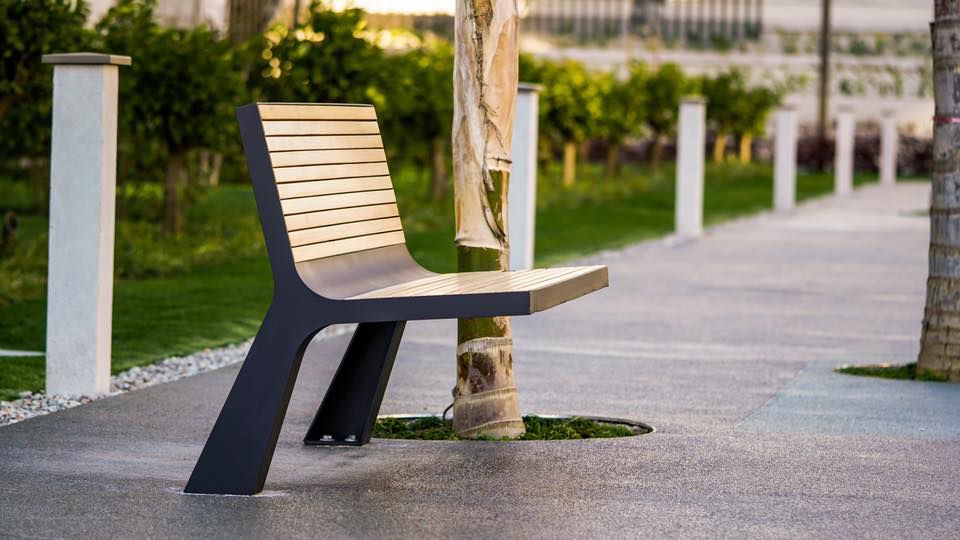
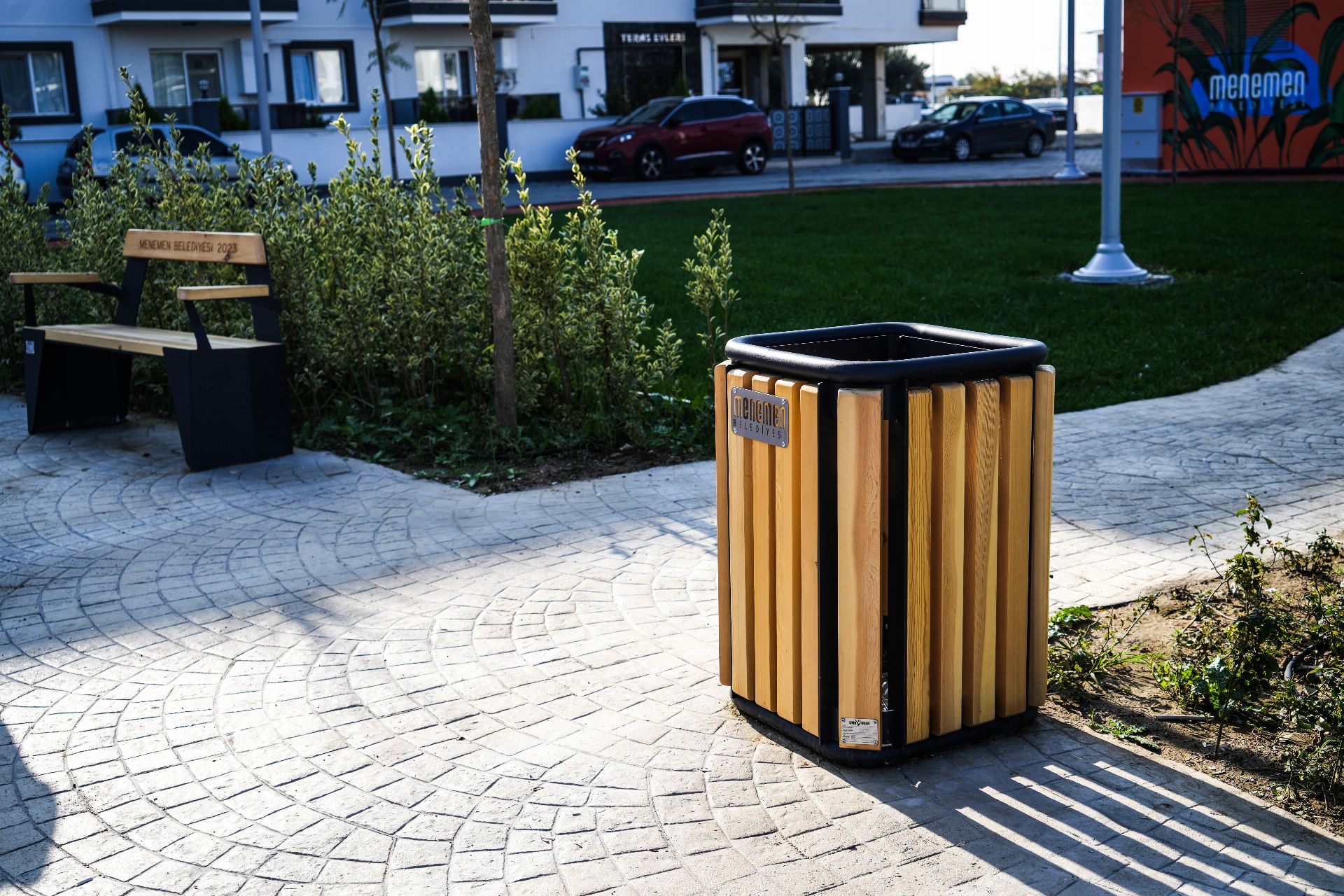
Modern outdoor bins stand out for their innovative engineering and design characteristics. Manufactured to complement local architectural textures, they create a beautifully cohesive ecosystem when combined with surrounding urban furniture. Whether utilizing minimalist, contemporary, or classic styles, these configurations serve their practical function without detracting from the neighborhood's unique identity.
Nurturing an Eco-Friendly Recycling Culture
Well-designed urban equipment serves as a primary pillar of sustainable smart cities. By introducing dedicated, separated sorting stations for organic waste, plastic, paper, and glass, public containers directly encourage a proactive recycling culture. This visual infrastructure reminds and inspires citizens to adopt eco-friendly lifestyles every single day.
Durability Against Extreme Weather Conditions
Because public equipment is constantly exposed to changing weather elements, high-traffic usage, and potential vandalism, structural durability is non-negotiable. To eliminate premature deterioration, rust, or short product lifespans, cities must source bins built from heavy-duty, premium materials. Establishing a routine maintenance schedule further guarantees long-term operational success.
A Strategic Blueprint for Urban Well-Being
In conclusion, commercial outdoor trash bins are far more than mere waste disposal tools; they are essential design elements that visually complete a city's landscape while raising vital environmental awareness. Moving forward, city planners, developers, and landscape architects must treat waste systems with high priority, strategically positioning them to safeguard public health while creating stunning, unified urban spaces.