


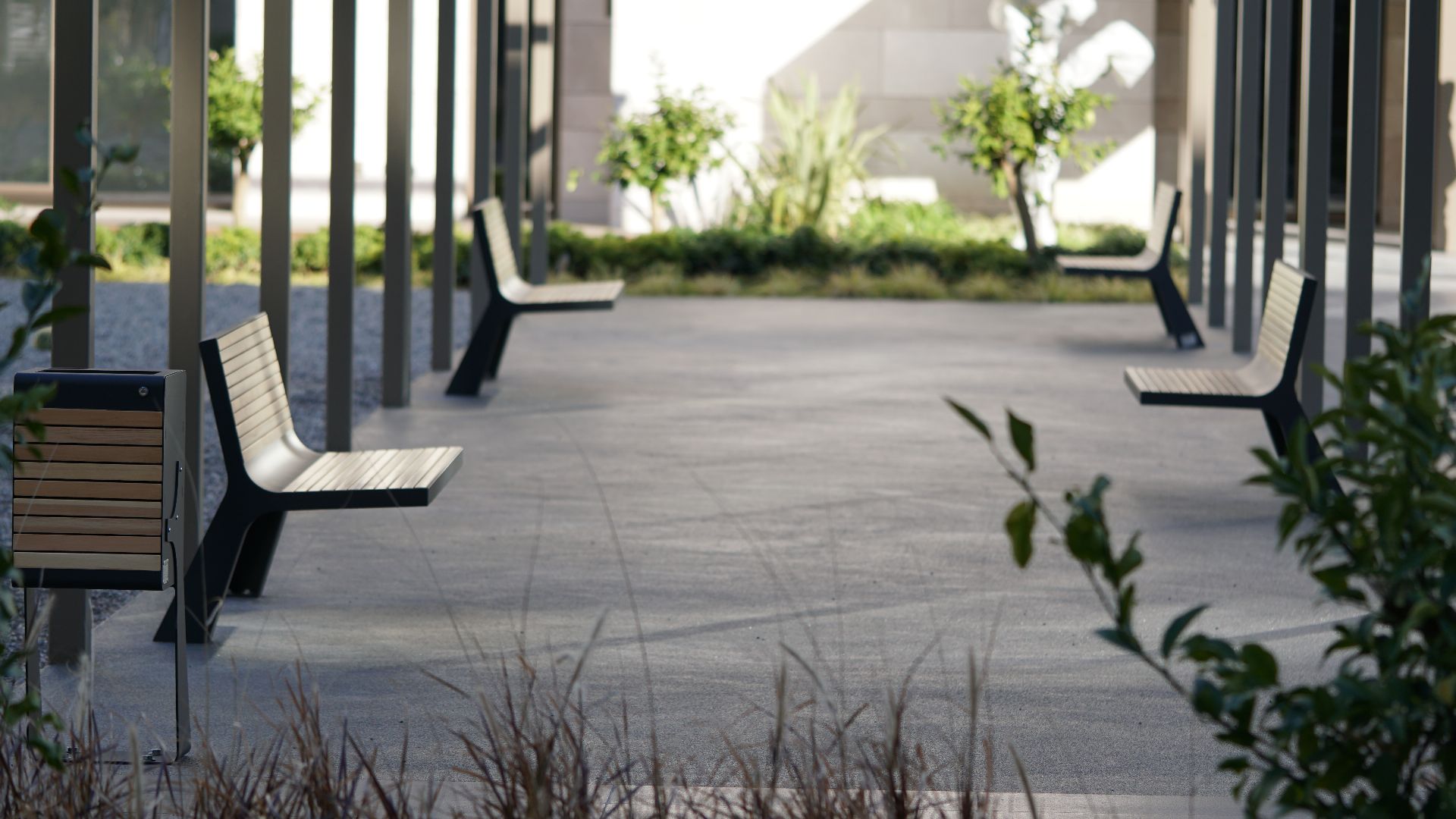
Landscape design is far more than creating visual beauty. When planned correctly, it produces sustainable environments that support ecological balance while reducing long-term maintenance costs. One of the most critical stages of this process is choosing the right plants and materials. Poor choices can harm both nature and budget, while the right ones create a healthy and visually appealing environment.
Key Considerations in Plant Selection
Plants form the soul of landscape design. However, the species selected must be suitable for the climate, soil structure, and intended use of the area.
Native and climate-adapted plants should be prioritized. These species are more resilient, require less maintenance and watering, and help preserve the local ecosystem. Using plants that bloom in different seasons ensures year-round visual interest.
In shaded areas, durable shrubs and tree species are ideal, while sun-exposed zones benefit from drought-tolerant plants such as lavender or rosemary.
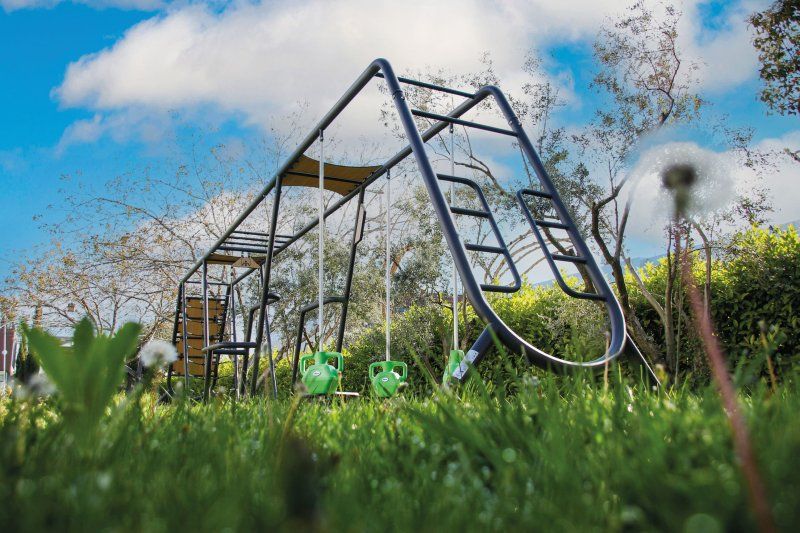
In children’s play areas, thorny or toxic plants should be strictly avoided — instead, safe and non-irritant species should be selected.
The Importance of Material Selection
Materials are just as important as plants in landscape design. The flooring, seating areas, walkways, and playground surfaces all play a critical role in safety, comfort, and durability.
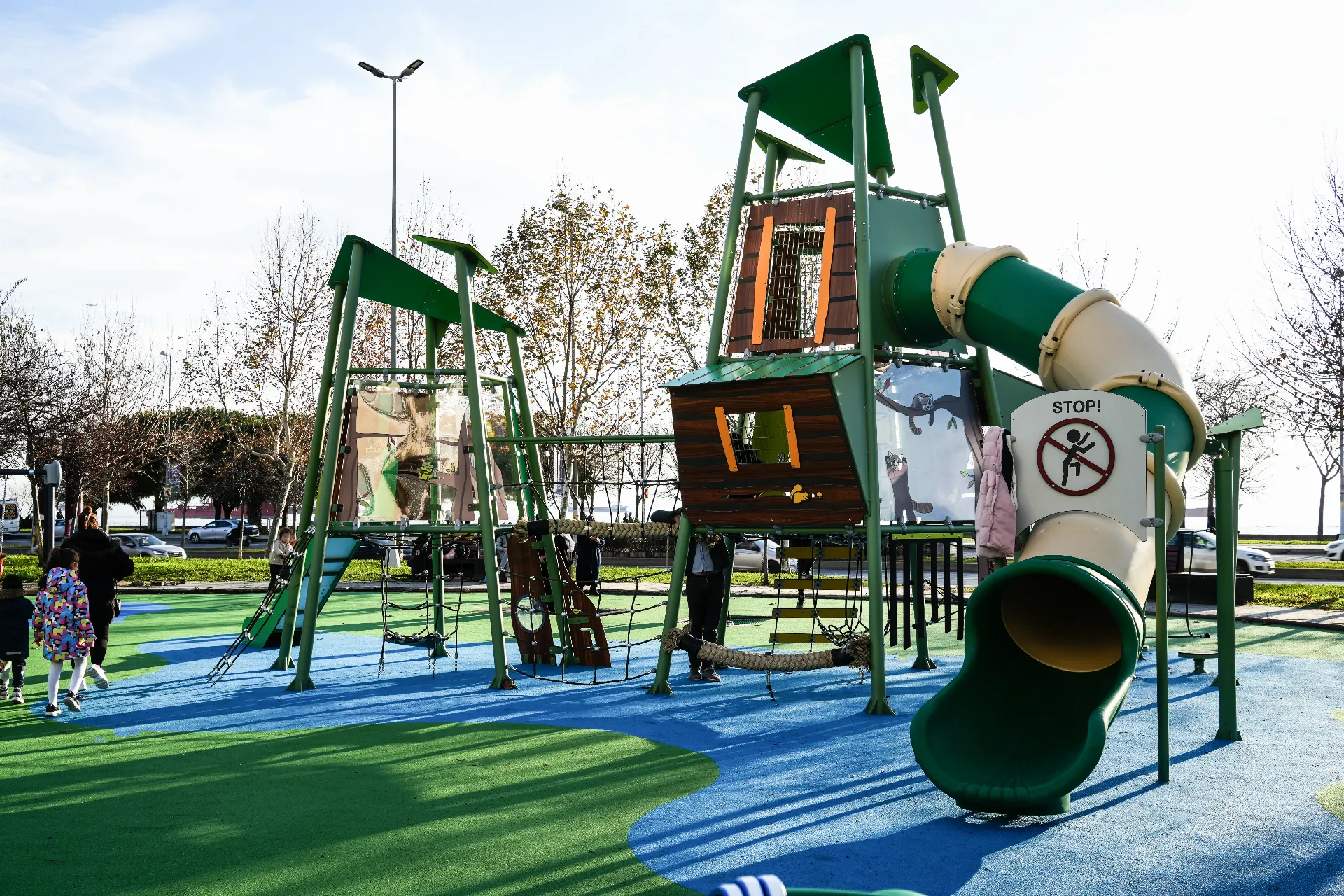
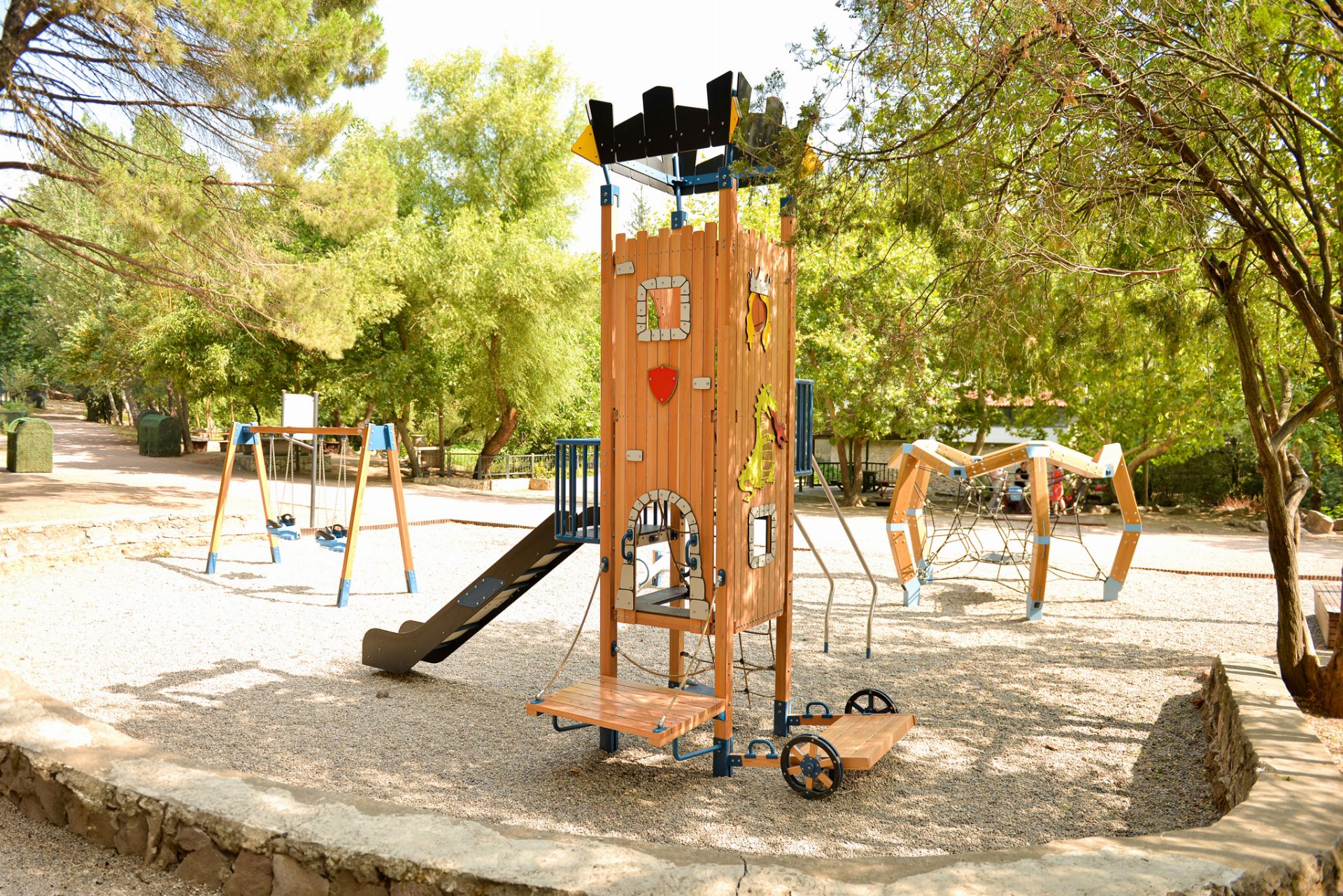
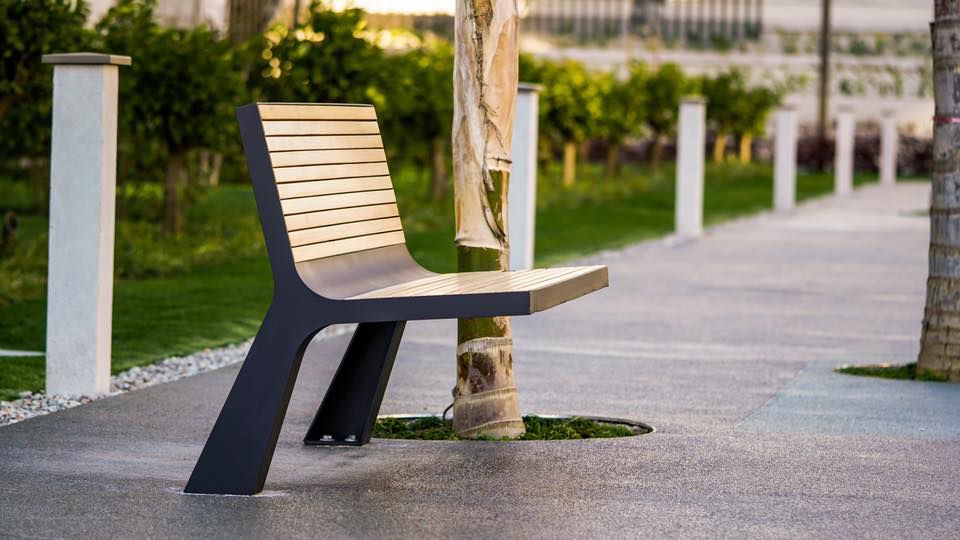
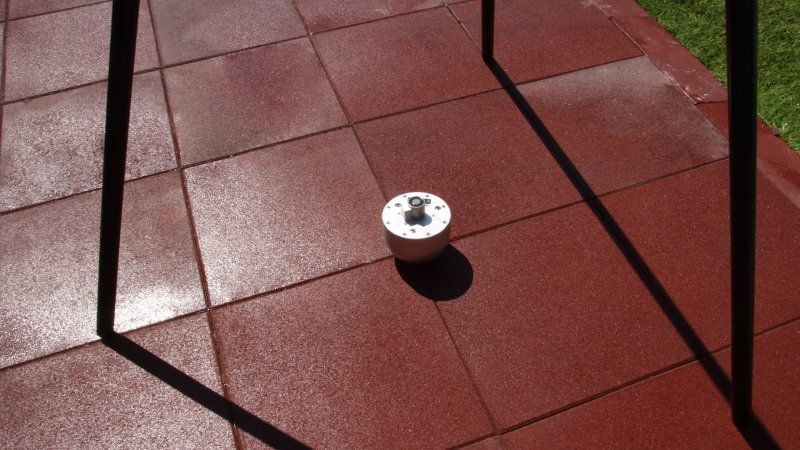
Natural stone, wood, rubber, and recycled materials provide both aesthetic and eco-friendly solutions. For example, using certified wooden materials promotes an environmentally responsible approach, while rubber flooring enhances safety in playgrounds with its shock-absorbing qualities.
Durability should also be a key factor. Although long-lasting materials might seem costly at first, they reduce repair and maintenance expenses over time, making them more economical in the long run.
Integrating Plants and Materials Harmoniously
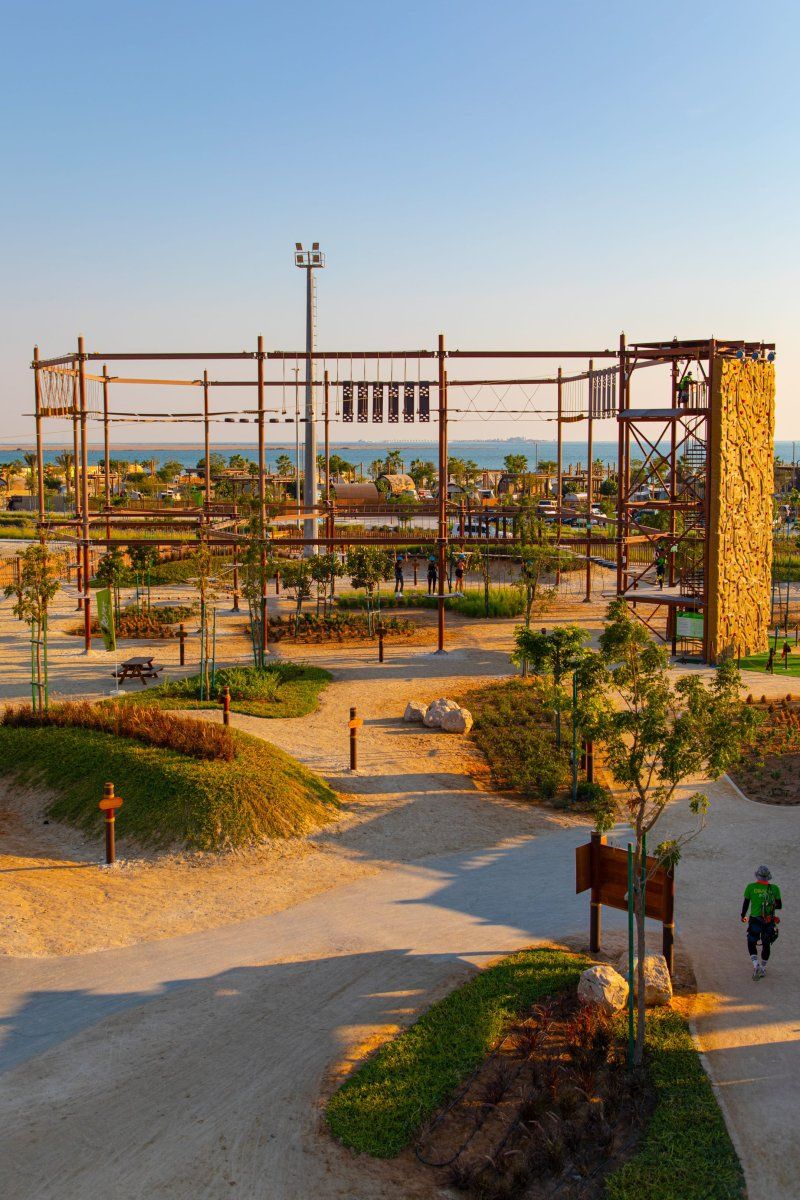
In a well-designed landscape, plants and materials must complement each other. For instance, lining natural stone pathways with drought-resistant lavender or rosemary creates both beauty and low-maintenance appeal. Surrounding wooden seating areas with shade trees enhances user comfort and spatial quality.
This integrated approach elevates the value of outdoor spaces — not only visually but also functionally.
Creating Lasting, Sustainable Spaces
Selecting the right plants and materials brings aesthetic and sustainability together. When climate-appropriate plants are combined with eco-friendly, durable materials, the result is a healthy, enjoyable environment that can be appreciated for many years.
If you want professional support in choosing the right plants and materials, explore Cemer’s innovative landscape solutions designed for sustainable and long-lasting outdoor living spaces.