






Screen Addiction vs. Outdoor Play: Benefits of Playgrounds
Screen Addiction vs. Outdoor Play: The Therapeutic Value of Playgrounds
In today's digital age, technology has fundamentally transformed children's play habits. While smartphones, tablets, and video games occupy a massive portion of a child's daily schedule, gaming addiction is turning into an increasingly severe issue. Consequently, highlighting the critical value of outdoor recreation and exploring the multifaceted benefits offered by children's playgrounds has become an absolute necessity.
Understanding Digital & Gaming Addiction
Gaming addiction manifests when a child dedicates excessive time to computers, tablets, or console games, resulting in a detrimental impact on their daily routines and real-world social relationships. This persistent behavior can stall physical and cognitive development in several ways:
- Sedentary Lifestyle: Continuous screen time traps children in an inactive lifestyle, depriving them of necessary daily exercise.
- Social Isolation: While immersed in virtual environments, children frequently neglect real-life friendships and miss out on crucial peer interactions.
- Disrupted Sleep Cycles: Staying up late to finish gaming sessions directly triggers severe sleep deprivation and irregular sleep patterns.
- Cognitive Hindrances: Overexposure to high-dopamine digital stimuli can shorten attention spans, diminish focus, and lead to early learning difficulties.
The Physical and Psychological Benefits of Outdoor Play
The most effective strategy to reduce digital screen dependency is to cultivate a consistent habit of open-air recreation. Engaging in outdoor games (outdoor games) acts as a natural countermeasure, delivering extensive advantages for a child's holistic development:
1. Physical Development & Immune Support
Running, climbing, and sliding dynamically stimulate muscle groups, enhance cardiovascular stamina, boost the immune system, and minimize childhood obesity risks. These natural physical challenges actively refine gross motor skills and spatial awareness.
2. Socialization & Empathy Building
When children share equipment in public parks, they naturally learn communication, teamwork, conflict resolution, and empathy. Interacting in these physical spaces lays a sturdy foundation for building healthy, confident relationships in later years.
3. Cognitive Rest & Academic Success
Immersing themselves in nature allows children's minds to enter a restorative state, relieving academic stress and mental fatigue. Studies indicate that children who regularly connect with outdoor environments display significantly higher concentration levels and improved academic performance.
4. Autonomy & Problem Solving
Stepping away from structured digital worlds into unpredictable outdoor environments teaches children independence and creative thinking. Navigating real-world playgrounds enhances tactical risk assessment and fluid problem-solving abilities.
Playgrounds: The Safe Gateway to the Real World
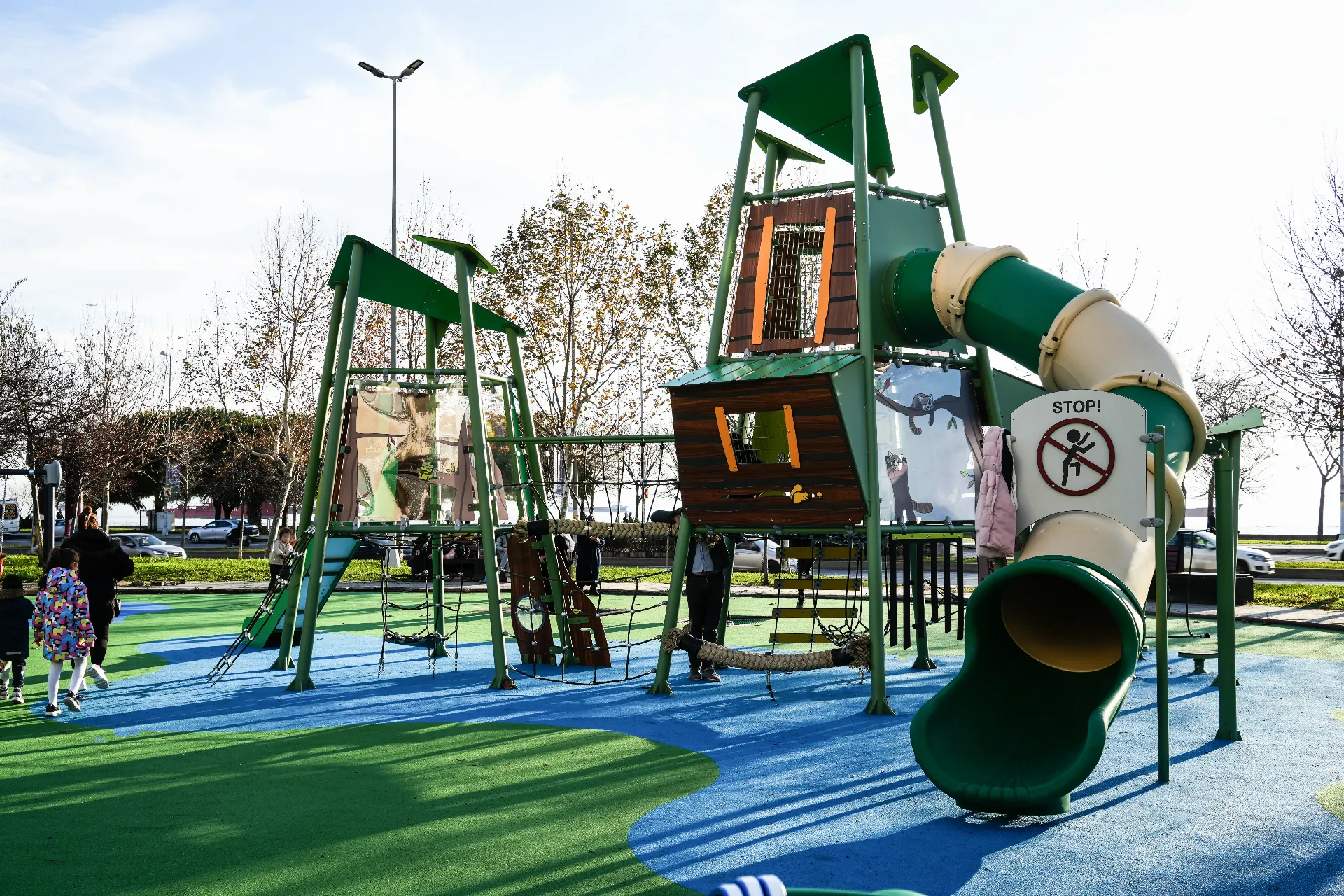
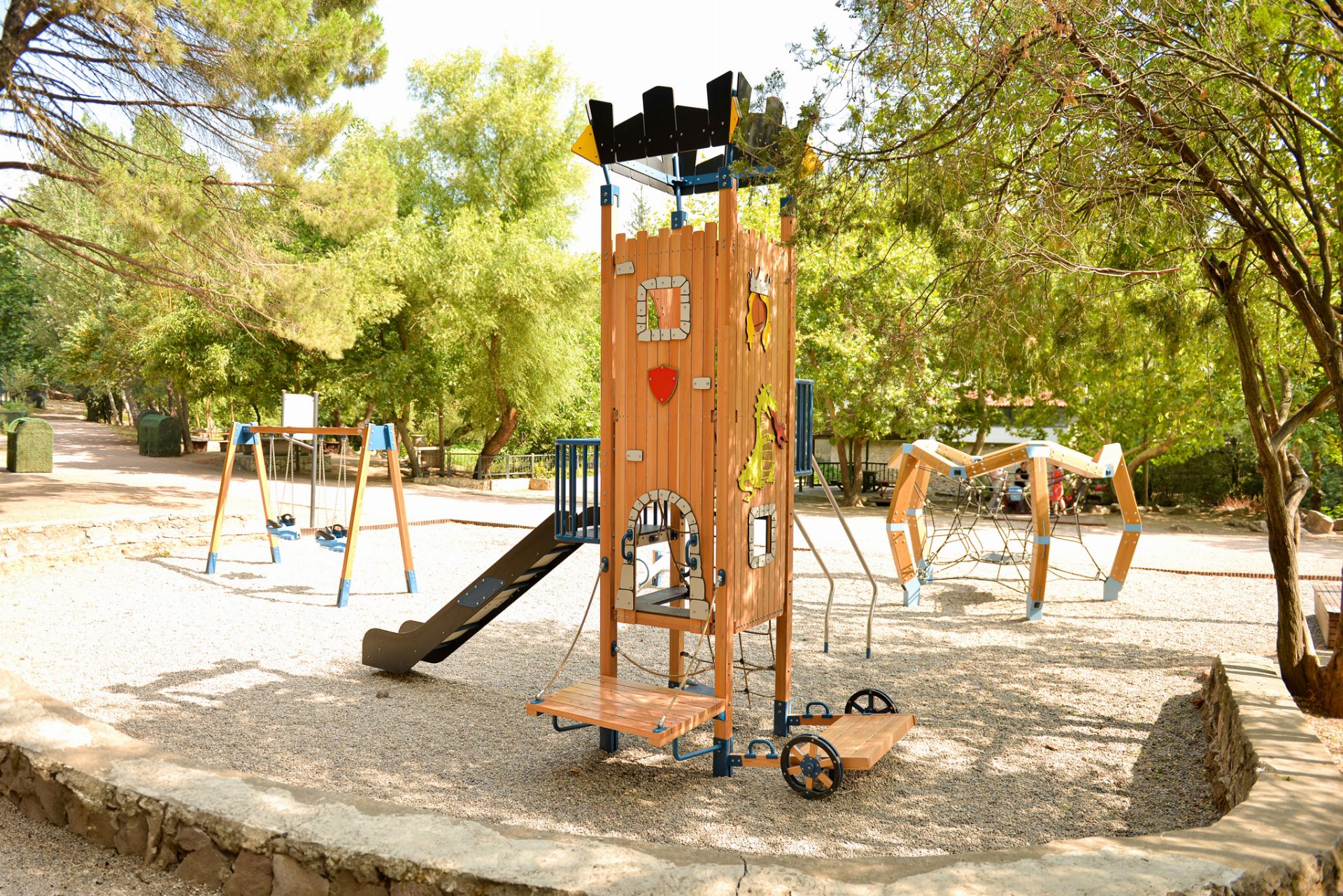
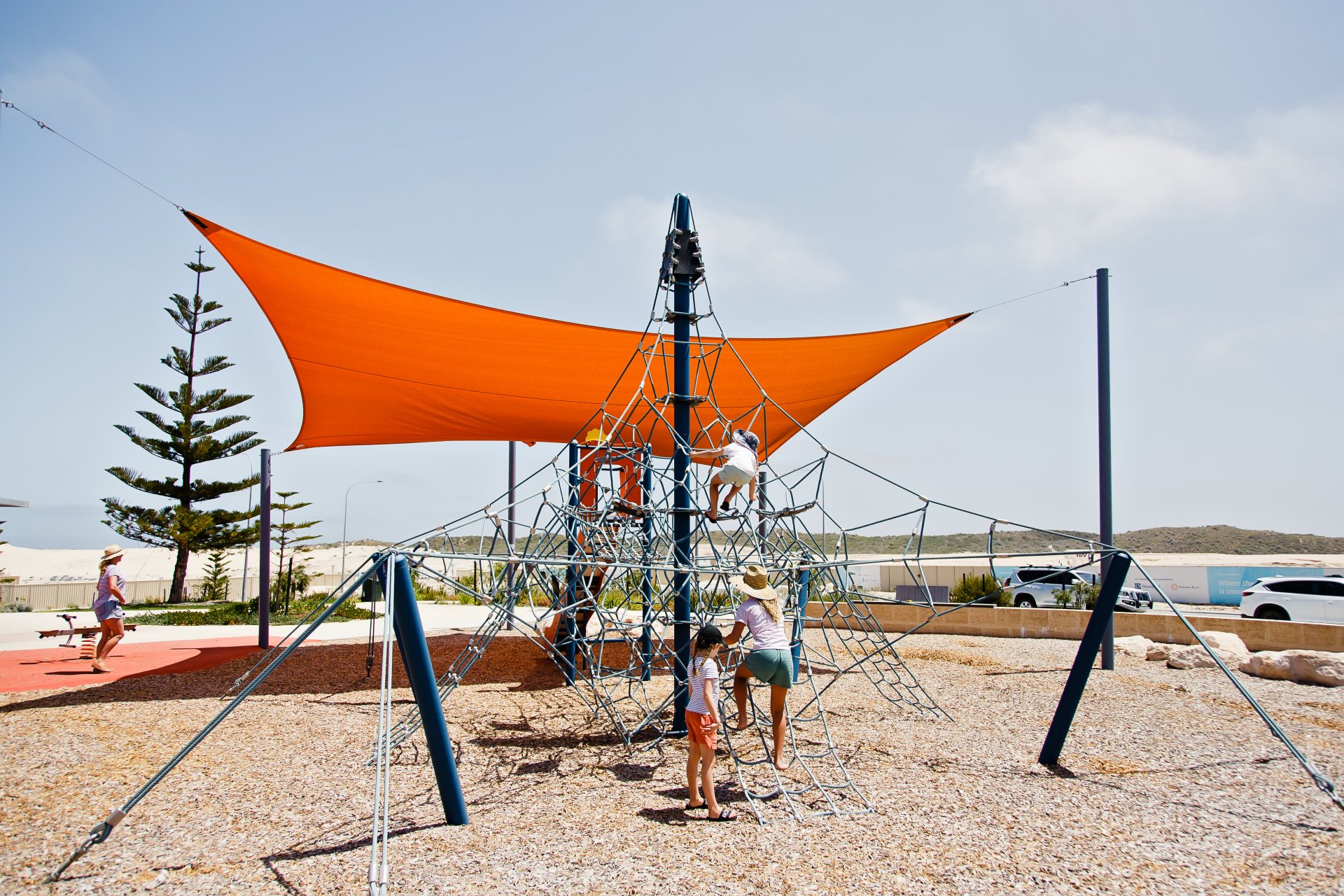
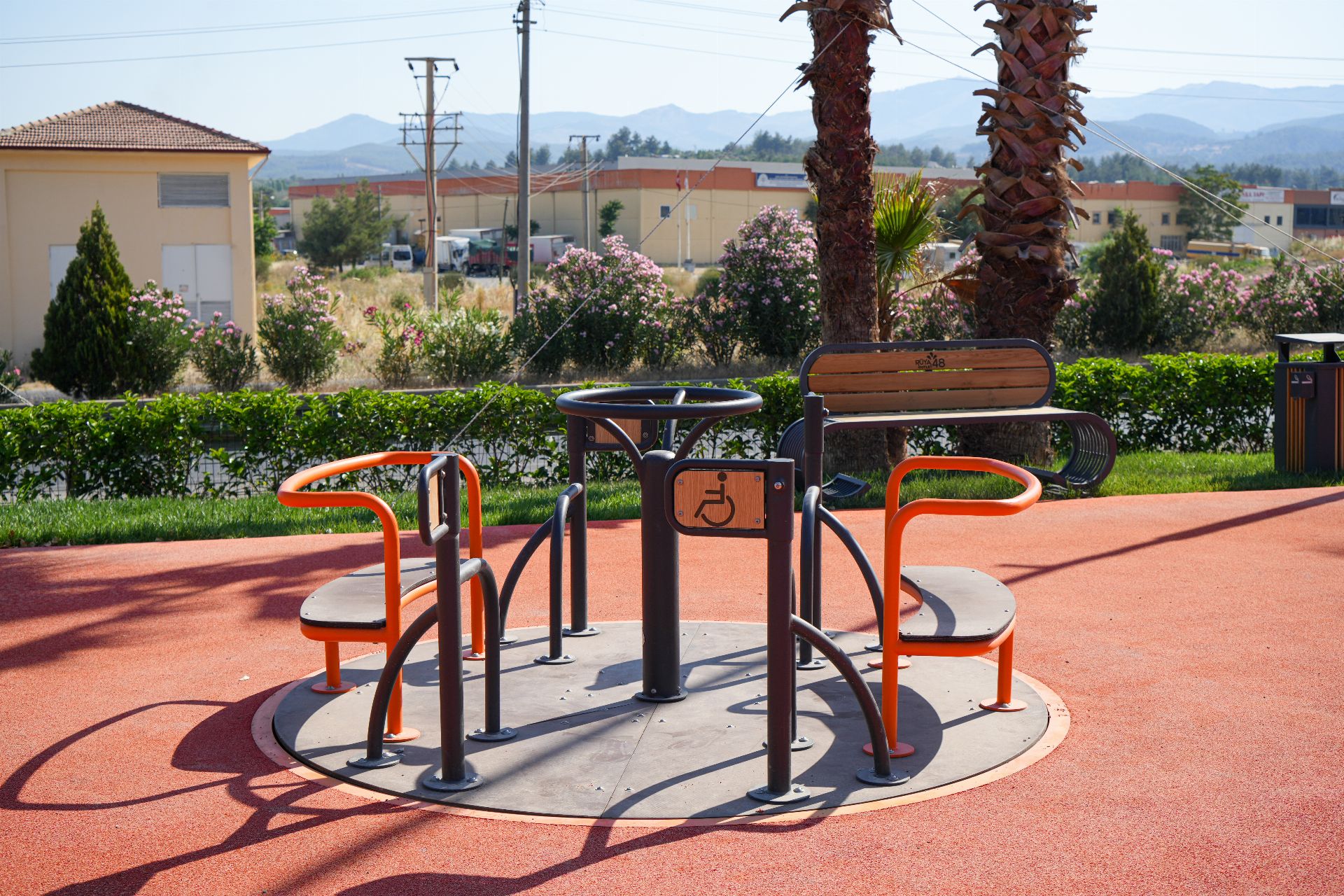
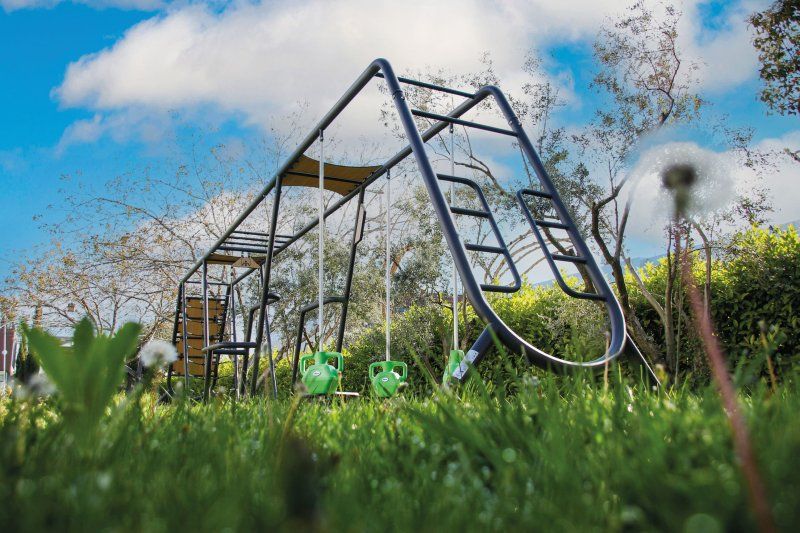
Modern children's playgrounds function as highly secure, engineered environments where youngsters can channel their energy productively. Swings, slides, and structural climbing units serve a distinct purpose in accelerating physical milestones while sparking wild imaginative play scenarios.
Ultimately, digital dependency poses a significant threat to the well-being of the younger generation. However, utilizing commercial children's playgrounds and designing unstructured outdoor activities remains one of the most effective, time-tested methods to break the cycle of screen addiction. Encouraging children to step outside is vital for raising healthy, emotionally balanced, and truly happy individuals.