
Playground Construction: Key Elements for Safe and Innovative Play Areas
Essential tips and standards for designing modern playgrounds that support children's development.
Playground construction involves building safe and fun environments explicitly designed to support children's healthy growth. When creating a children's playground, complying with strict safety standards is paramount to establish spaces that foster physical, mental, and social development. In this article, we will examine the critical factors to consider during the construction of children's play areas and provide key tips for designing an engaging park.
6 Key Factors in Playground Design and Construction
1. Safe Material Selection
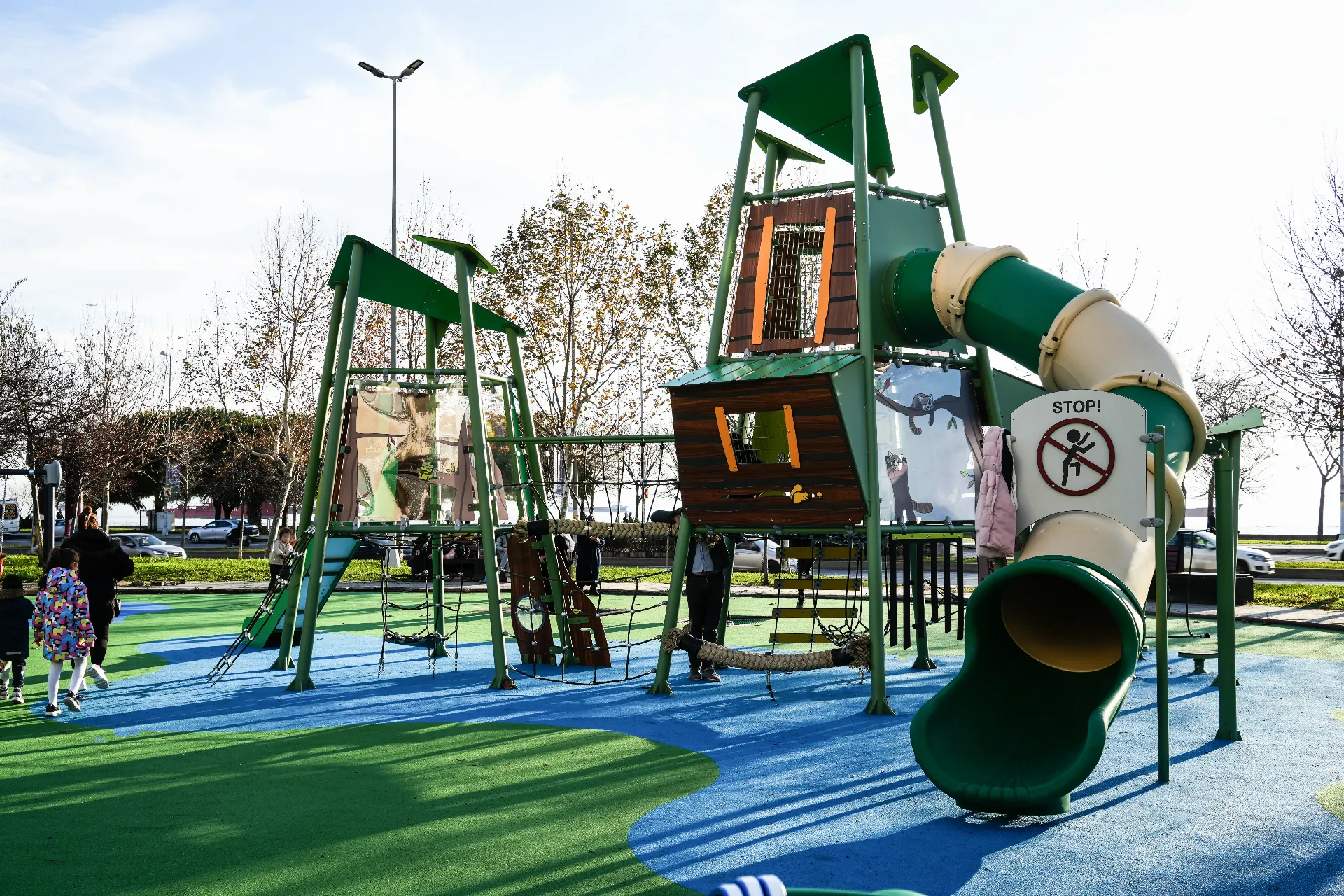
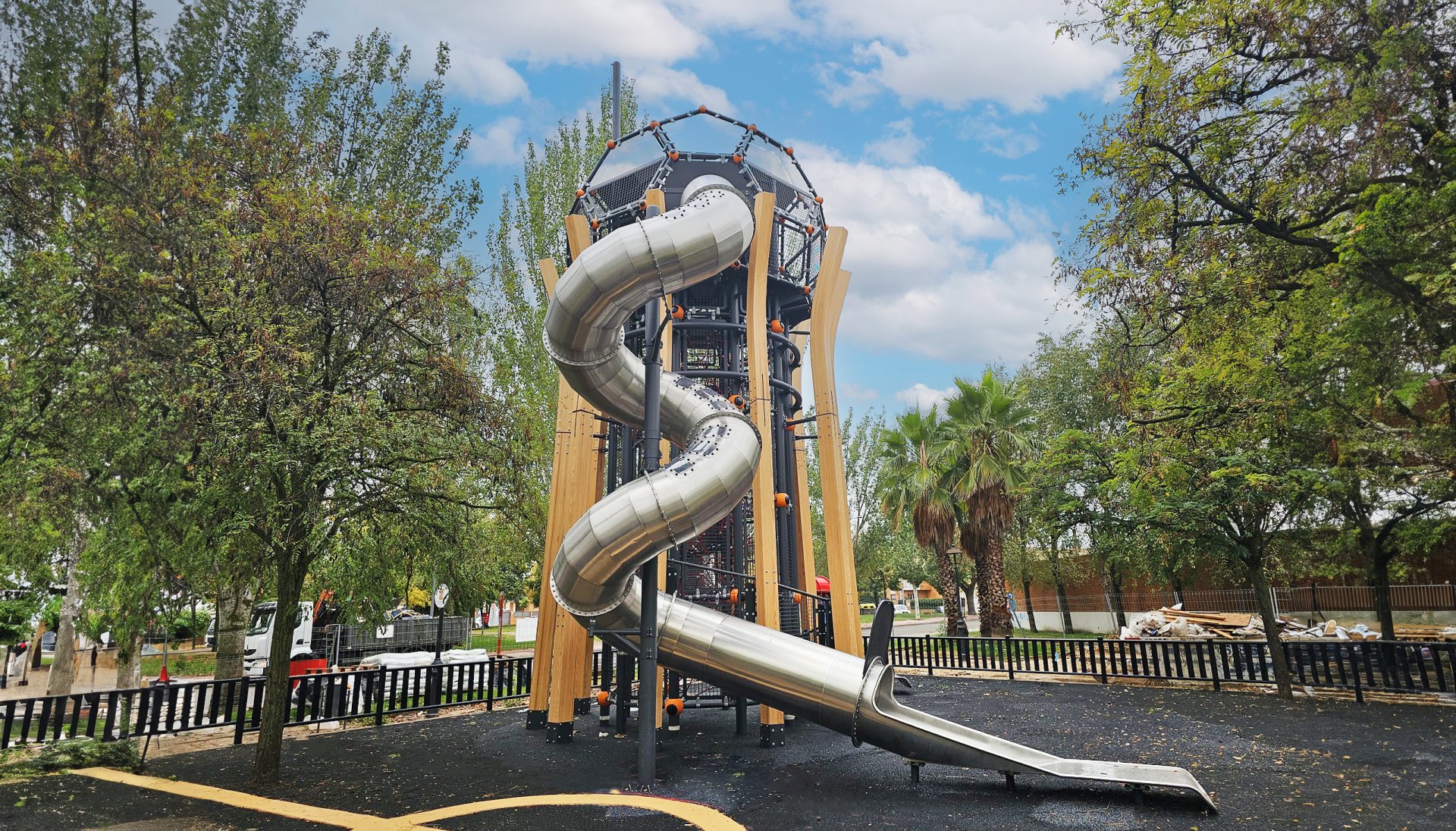
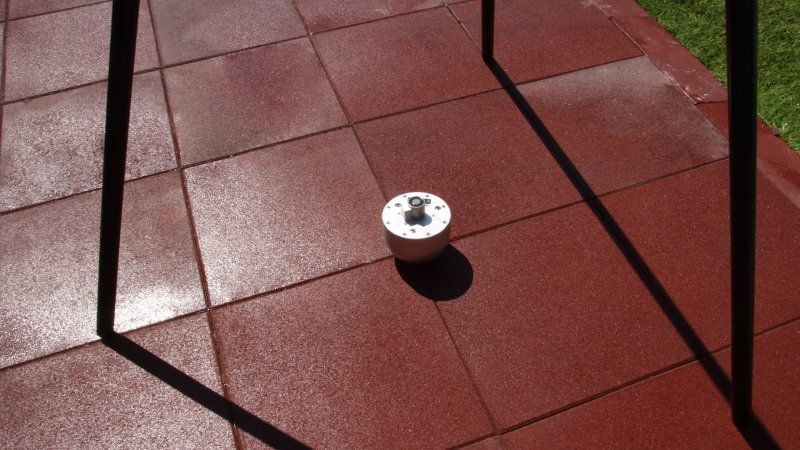
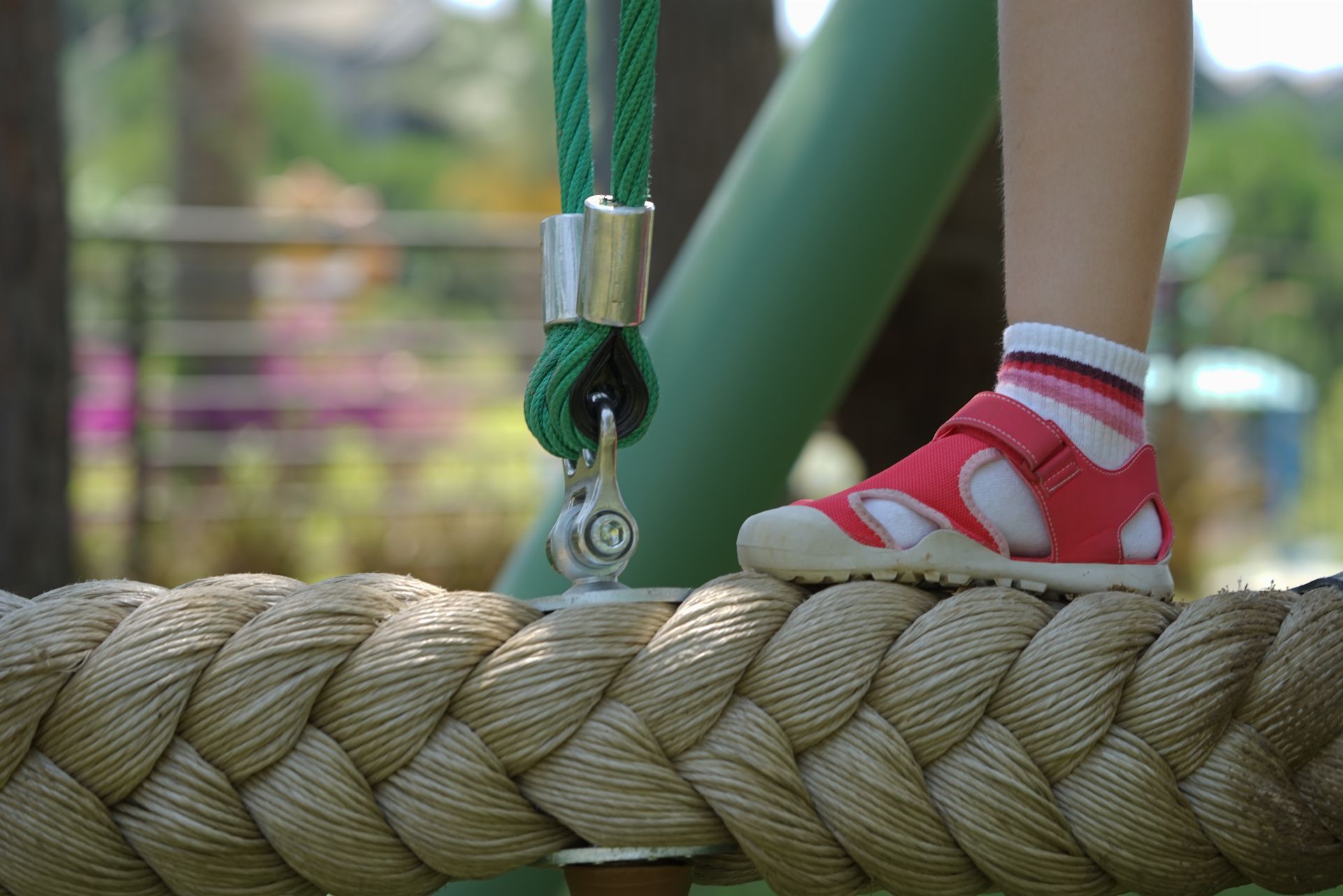
Children's playgrounds must be constructed from durable and safe materials. Selecting impact-absorbing surfacing plays a vital role in preventing potential falls and injuries. Flexible, soft surfaces such as rubber flooring, sand, or specialized park safety tiles should be utilized. Additionally, play equipment must be crafted from high-durability materials like stainless steel, ensuring it features no sharp edges or rough protrusions. This is a foundational step in establishing a long-lasting, safe park environment.
2. Age-Appropriate Play Equipment
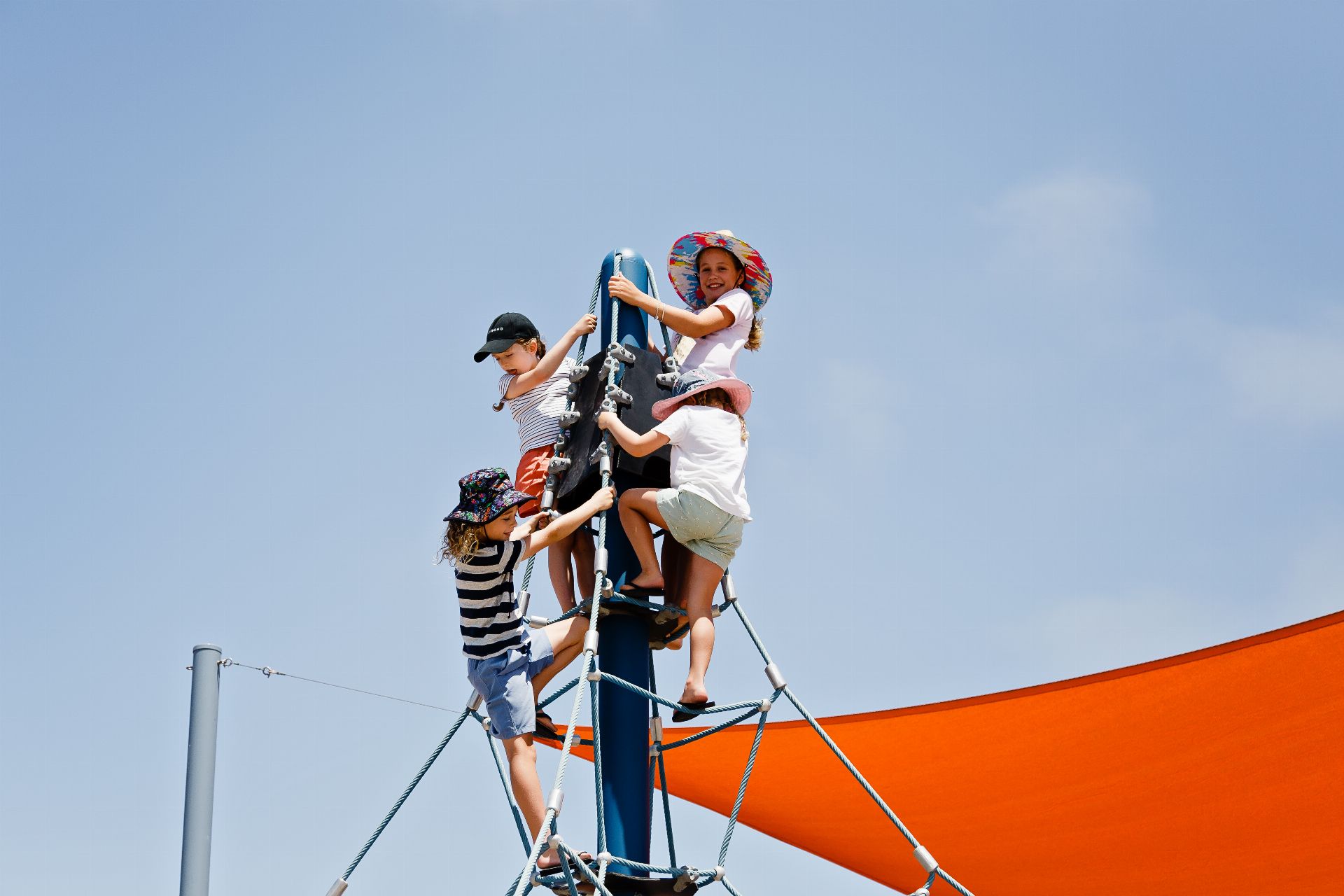
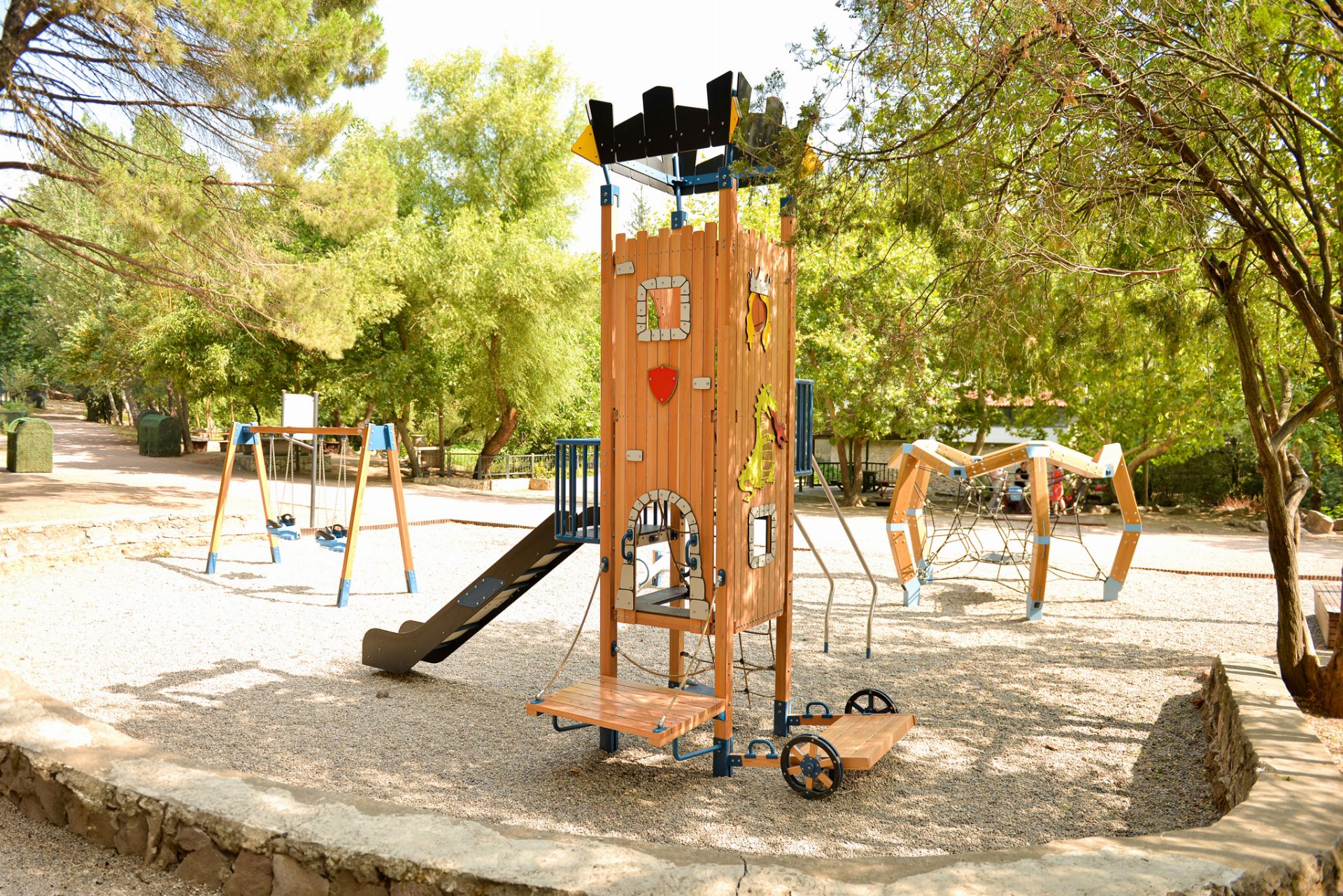
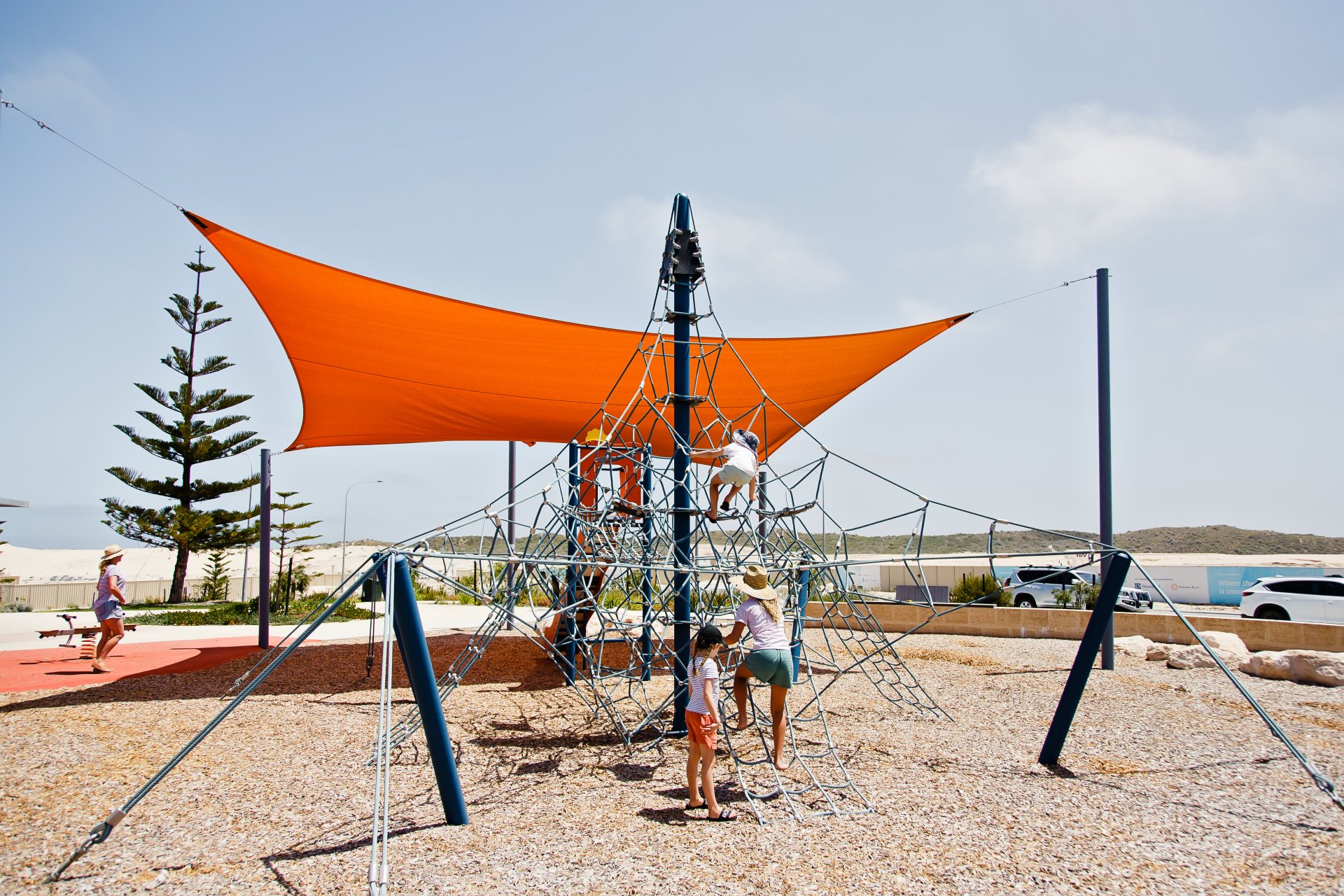
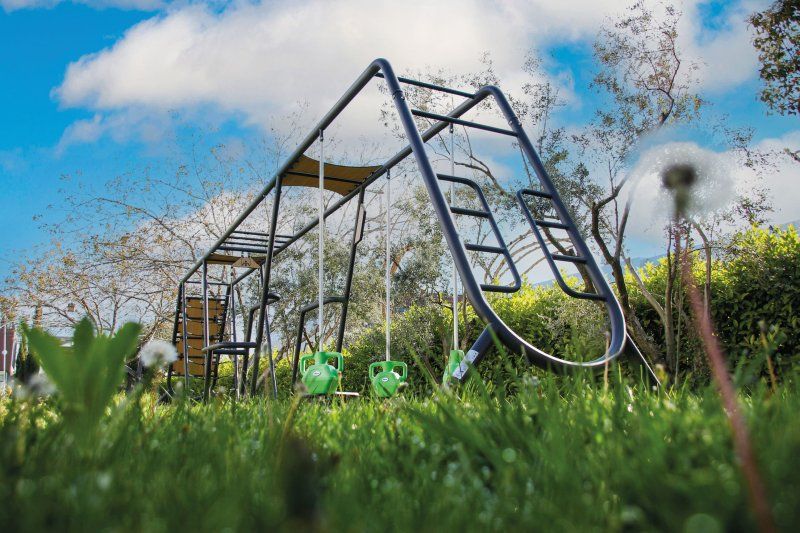
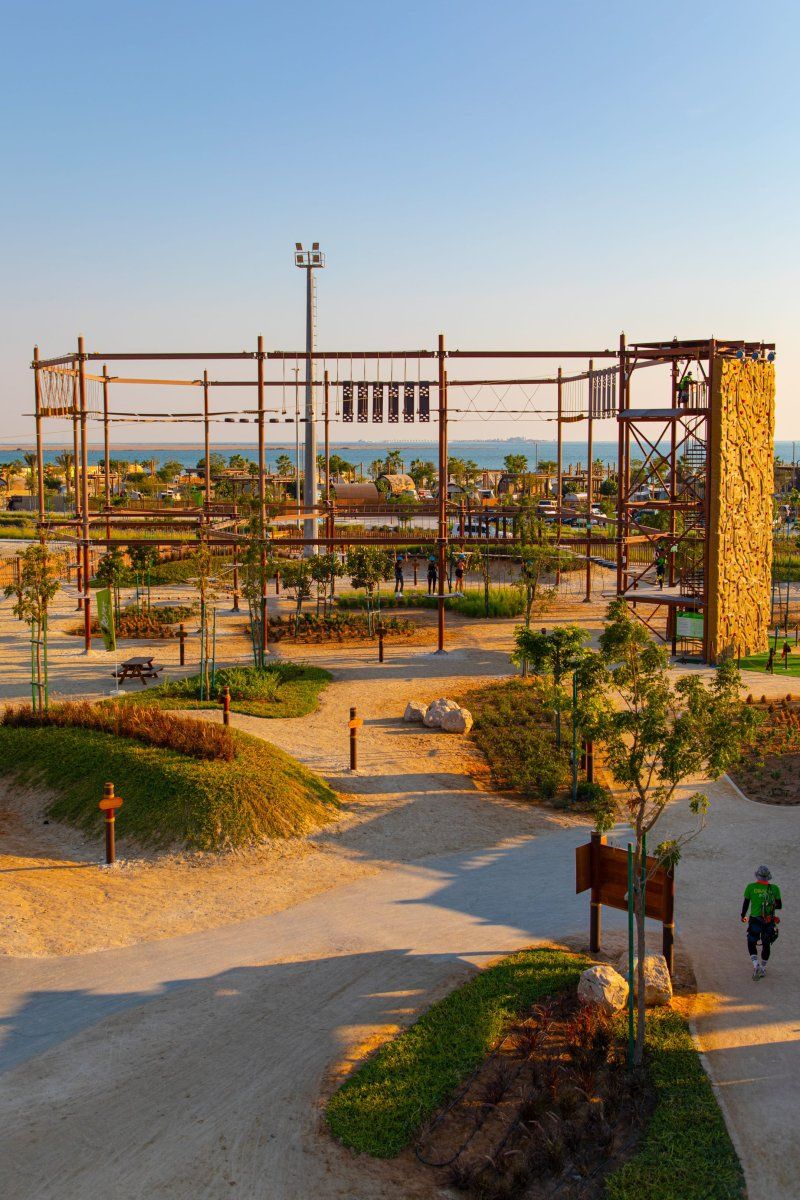
When designing children's play areas, it is essential to provide equipment tailored to different age demographics. For younger toddlers, simpler and safer options such as basic climbing walls, swings, and low slides should be integrated. Conversely, older children require more challenging structures, including complex climbing networks, ziplines, or high-rope adventure courses. This gives the park a balanced architecture that satisfies every age bracket.
By incorporating age-appropriate play equipment, children can engage in activities perfectly matched to their evolving abilities, maximizing both physical safety and motor skill growth.
3. Designs That Spark Creativity
Play spaces should extend beyond physical exercise; they must actively stimulate cognitive creativity. Parks should feature imaginative spaces where children can engineer their own open-ended play scenarios. Interactive sand pits, unique climbing paths, and custom high-wire configurations inspire independent thought and self-directed exploration.
Furthermore, integrating components like sensory play board panels helps refine tactical problem-solving skills. Amusement environments enriched with these elements directly contribute to a child's early intellectual advancement.
4. Social Interaction and Shared Spaces
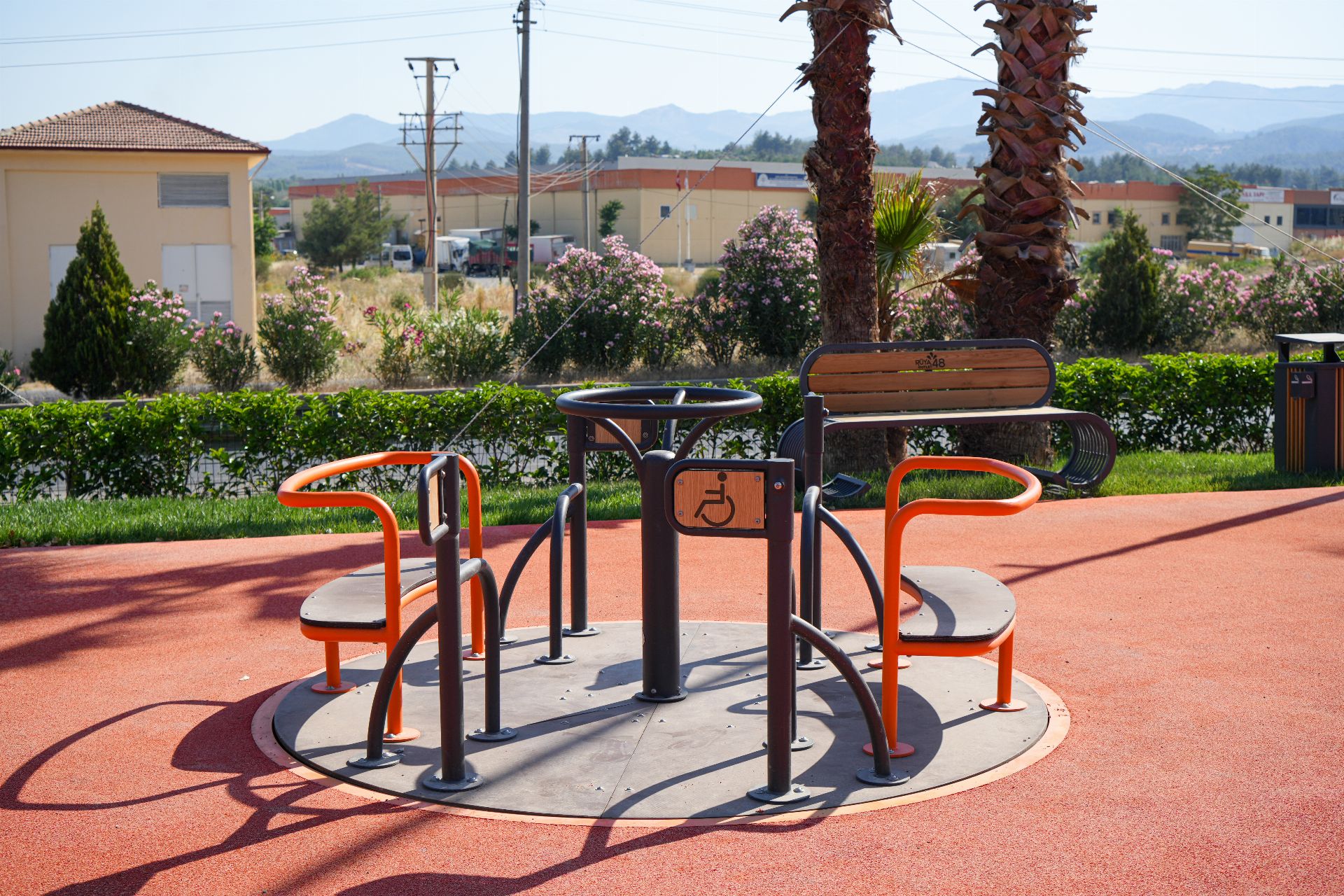
Throughout the playground construction process, Cemer incorporates specialized products that foster peer-to-peer social communication. Multi-user swings, large carousels, and collaborative gaming stations encourage teamwork, conversation, and collective play. Designing expansive social zones within the park gives children dedicated environments to gather, share, and connect, reinforcing a vital sense of community and early friendship building.
5. Harmony with Nature and Sustainability
Eco-friendly playground execution aims to protect local ecosystems while enriching a child's relationship with the natural world. Seamlessly blending mature trees, plants, and natural shade elements allows kids to connect organically with nature during outdoor play. Building sustainable play spaces relies heavily on using recyclable raw materials and implementing energy-efficient park lighting solutions, ensuring children grow up with strong environmental mindfulness.
6. Accessibility and Inclusive Universal Design
For Cemer, playground engineering is not limited to assembling equipment; it is about establishing dynamic zones that champion equal physical, psychological, and social development. Built from certified eco-friendly and sustainable components, Cemer children's playgrounds protect natural resources while enabling children with special needs to play safely, comfortably, and without restrictions alongside their peers.
A Sustainable Investment in the Community
Innovative children's play systems provide an irreplaceable contribution to the long-term well-being of future generations. Engineering a safe, reliable, and accessible entertainment environment delivers immense economic, social, and developmental value not only to the children but to society as a whole.