

In urban life, playgrounds are far more than spaces where children burn off energy. They have become key social and communal hubs — places that support physical development, encourage creativity, and bring families together.
In recent years, playground design has undergone a major transformation. Moving beyond traditional swings and slides, modern playground models now combine aesthetics, technology, and inclusivity. As we enter 2025, these trends are reshaping how cities design play experiences for the next generation.
Nature-Integrated Playgrounds
One of the most remarkable trends is the rise of nature-inspired designs.
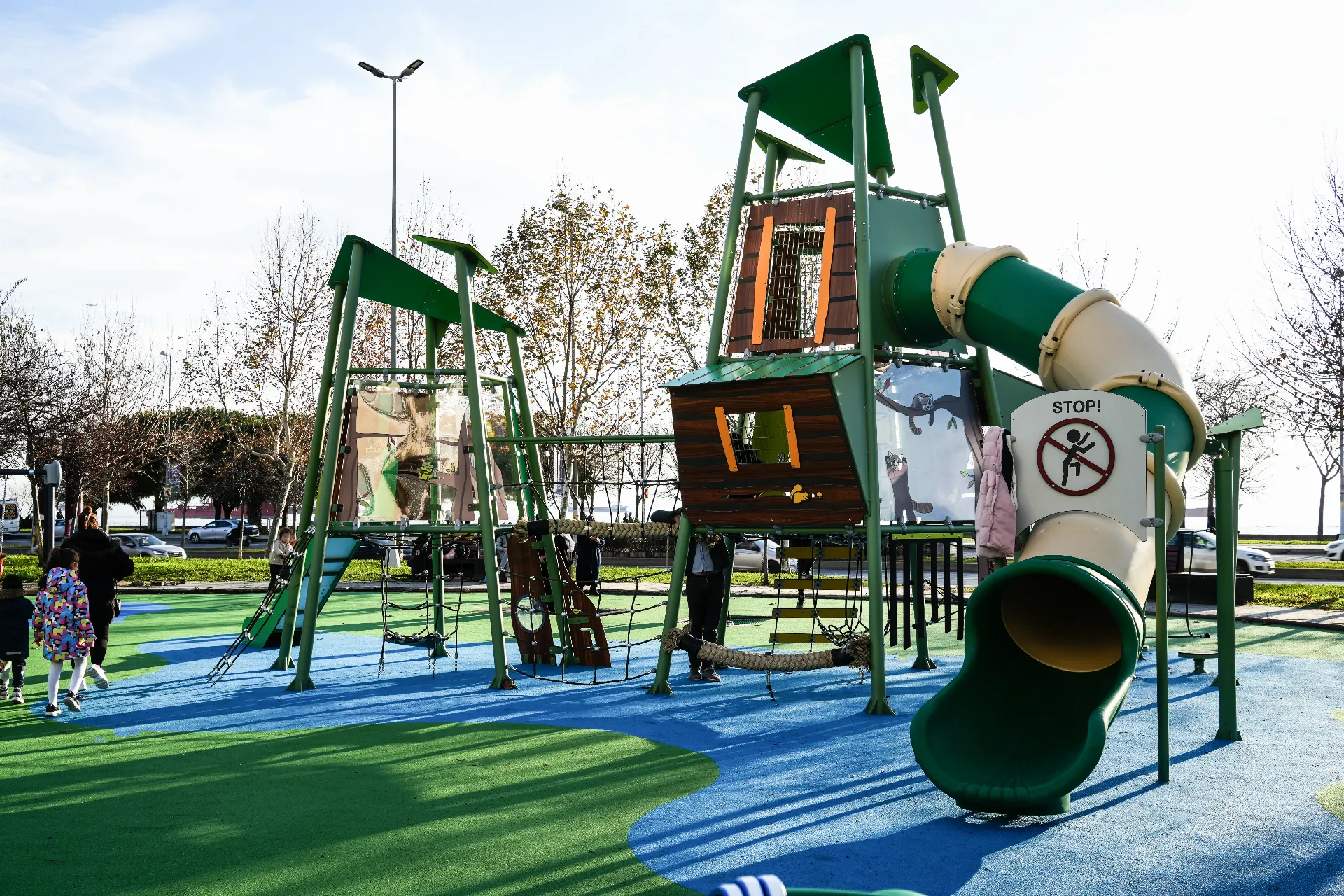
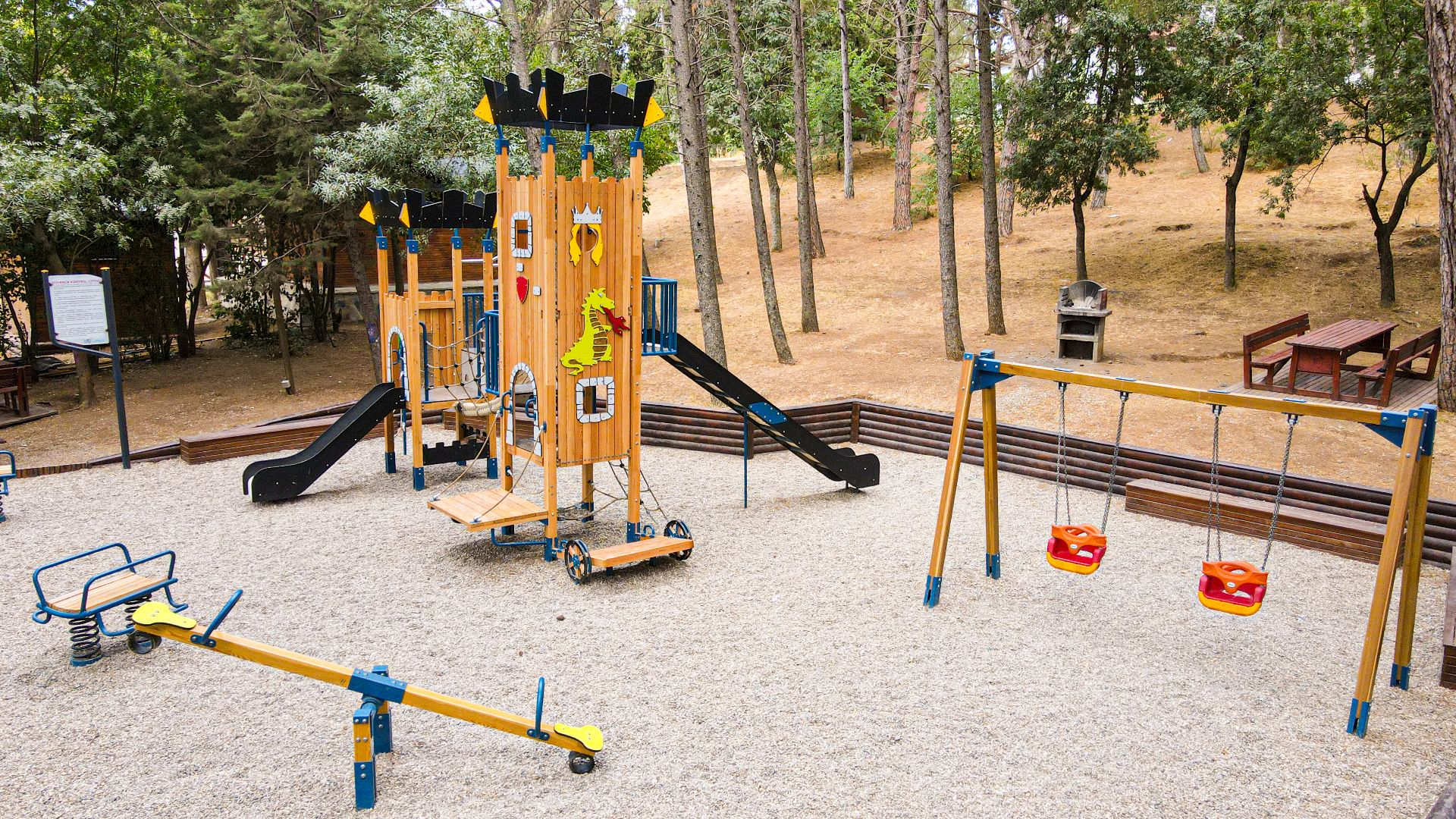
Wood textures, organic forms, and color palettes that harmonize with green spaces are increasingly popular.
In 2025, both municipalities and private developers are expected to invest heavily in biophilic playground concepts, allowing children to play while exploring nature — reconnecting urban life with the environment.
Smart and Interactive Playgrounds
As technology continues to shape modern life, it’s also redefining outdoor play.
Smart playgrounds equipped with sensors, interactive panels, and augmented reality features engage children’s cognitive and physical skills simultaneously.
Games supported by QR codes, motion tracking, and digital storytelling panels are becoming key design elements in large city projects.
In 2025, these tech-driven innovations will become essential components of forward-thinking playgrounds.
Inclusive and Accessible Play Areas
Accessibility is no longer optional — it’s a fundamental requirement.
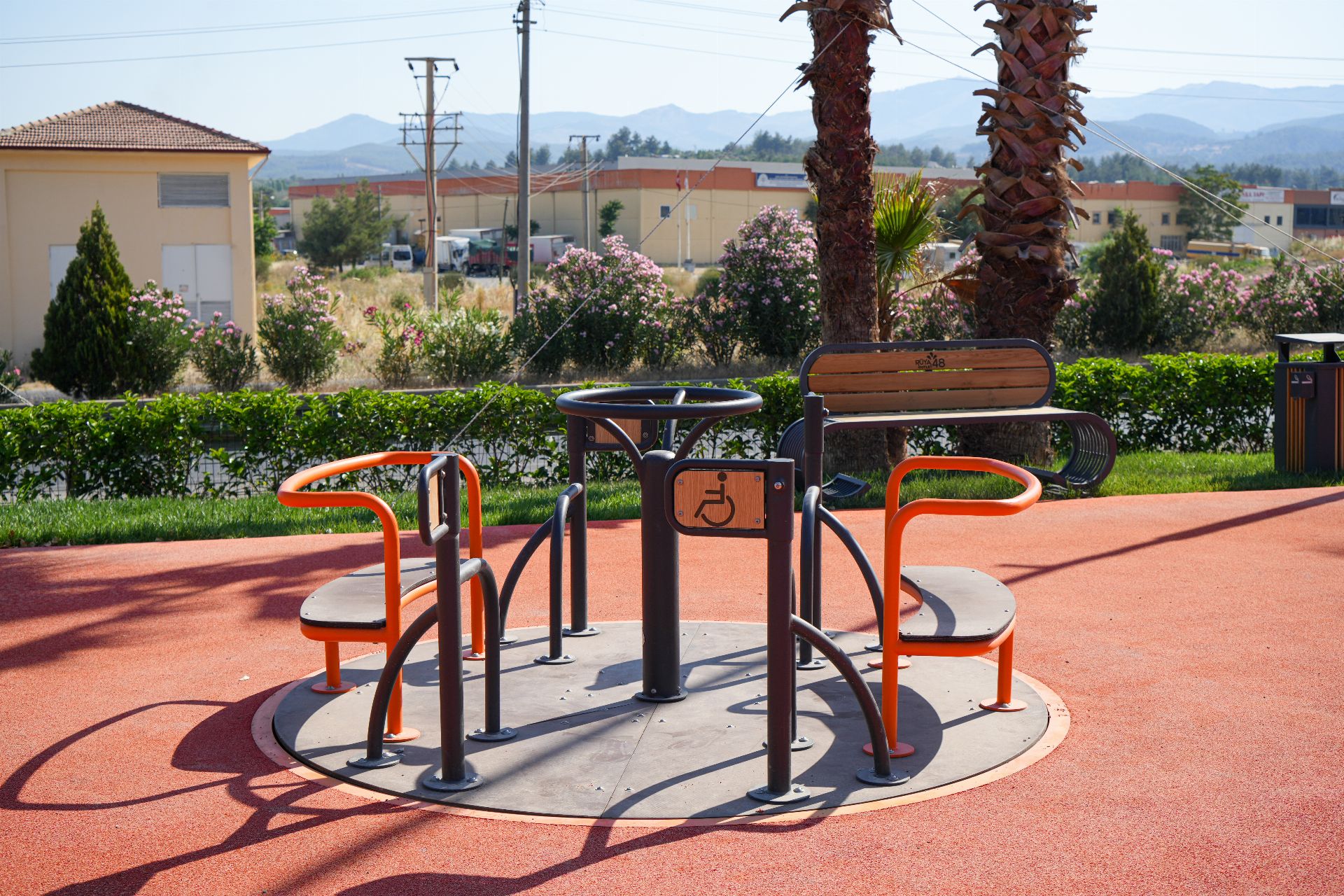
Inclusive playgrounds now feature wheelchair-accessible swings, sensory play panels, ramps, and barrier-free circulation.
This approach ensures that all children, regardless of ability, can play together in a shared and supportive environment.
In 2025, inclusivity will stand as one of the central pillars of playground design, promoting equality and social connection.
Adventure and Exploration-Themed Parks
Cities and investors looking to go beyond conventional designs are focusing on adventure and discovery-based experiences.
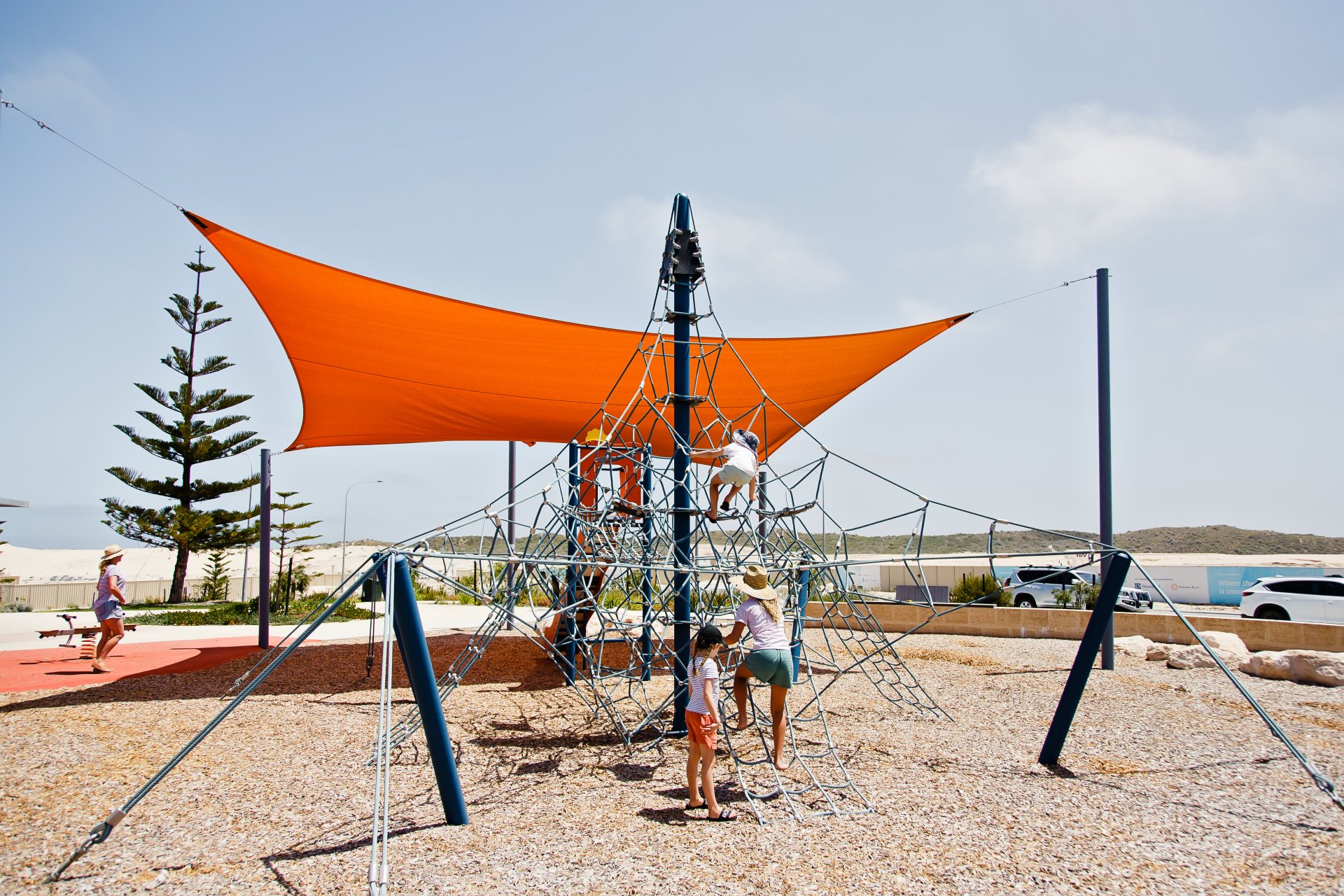
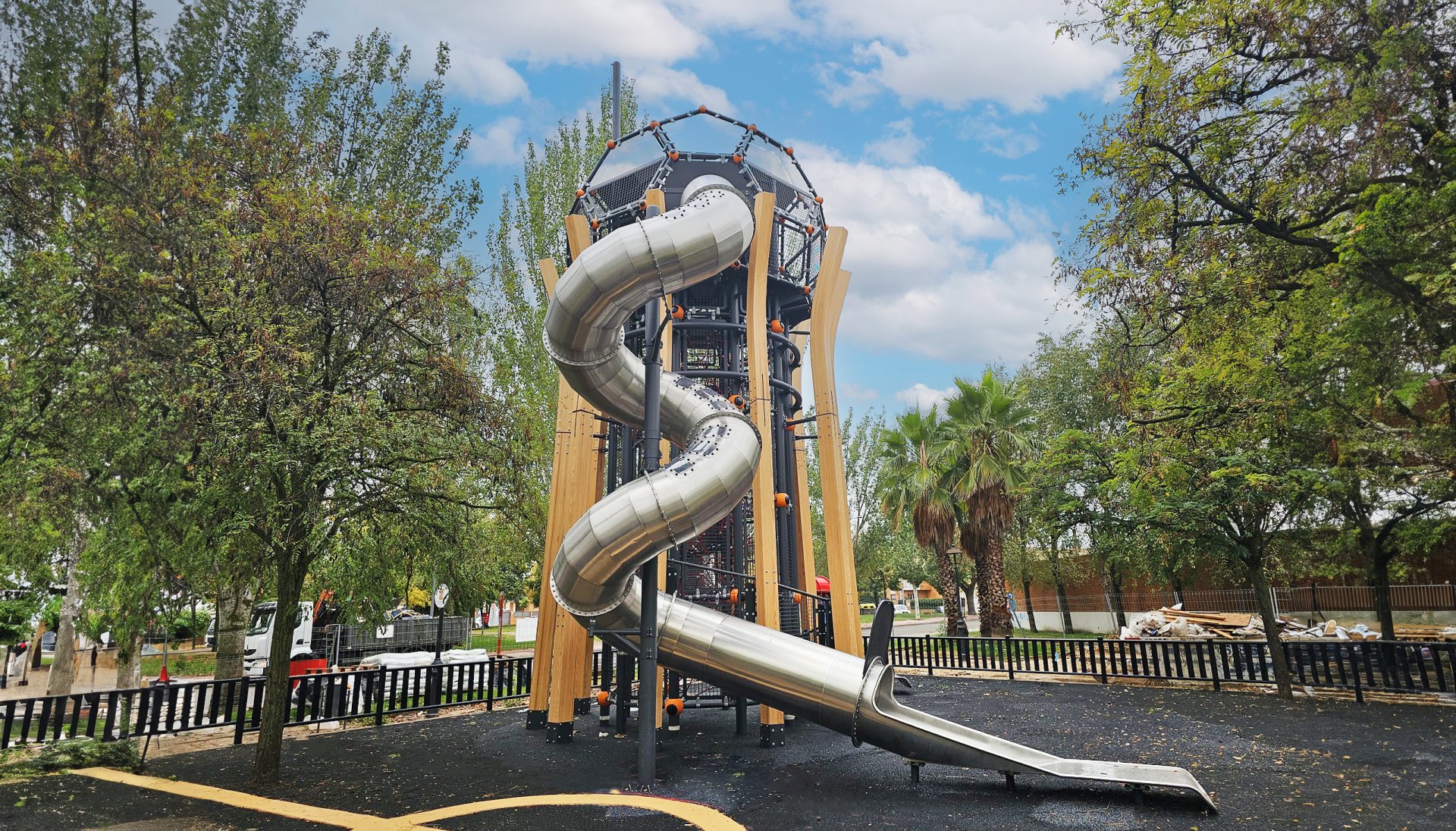
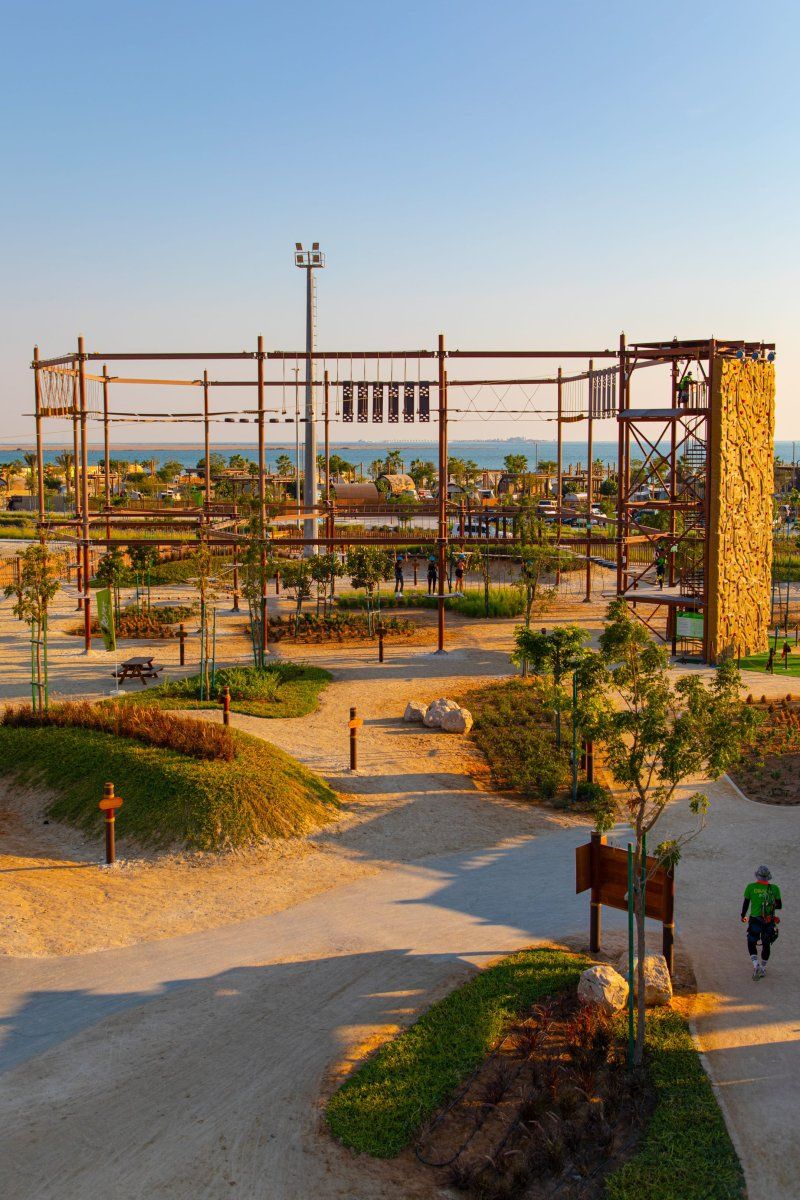
Climbing towers, rope courses, zipline tracks, and themed adventure zones are quickly becoming standard features in modern parks.
These designs encourage problem-solving, physical engagement, and imaginative exploration, turning playgrounds into exciting learning environments.
Sustainable and Eco-Friendly Materials
Sustainability is at the heart of modern urban planning, and playground design is no exception.
The use of recyclable, non-toxic, and durable materials—such as rubber safety flooring, UV-resistant plastics, and certified wood—has become essential.
In 2025, eco-friendly design will not just be a trend, but a mandatory standard for responsible park development.
Aesthetics and Urban Identity
Modern playgrounds contribute not only to child development but also to urban aesthetics.
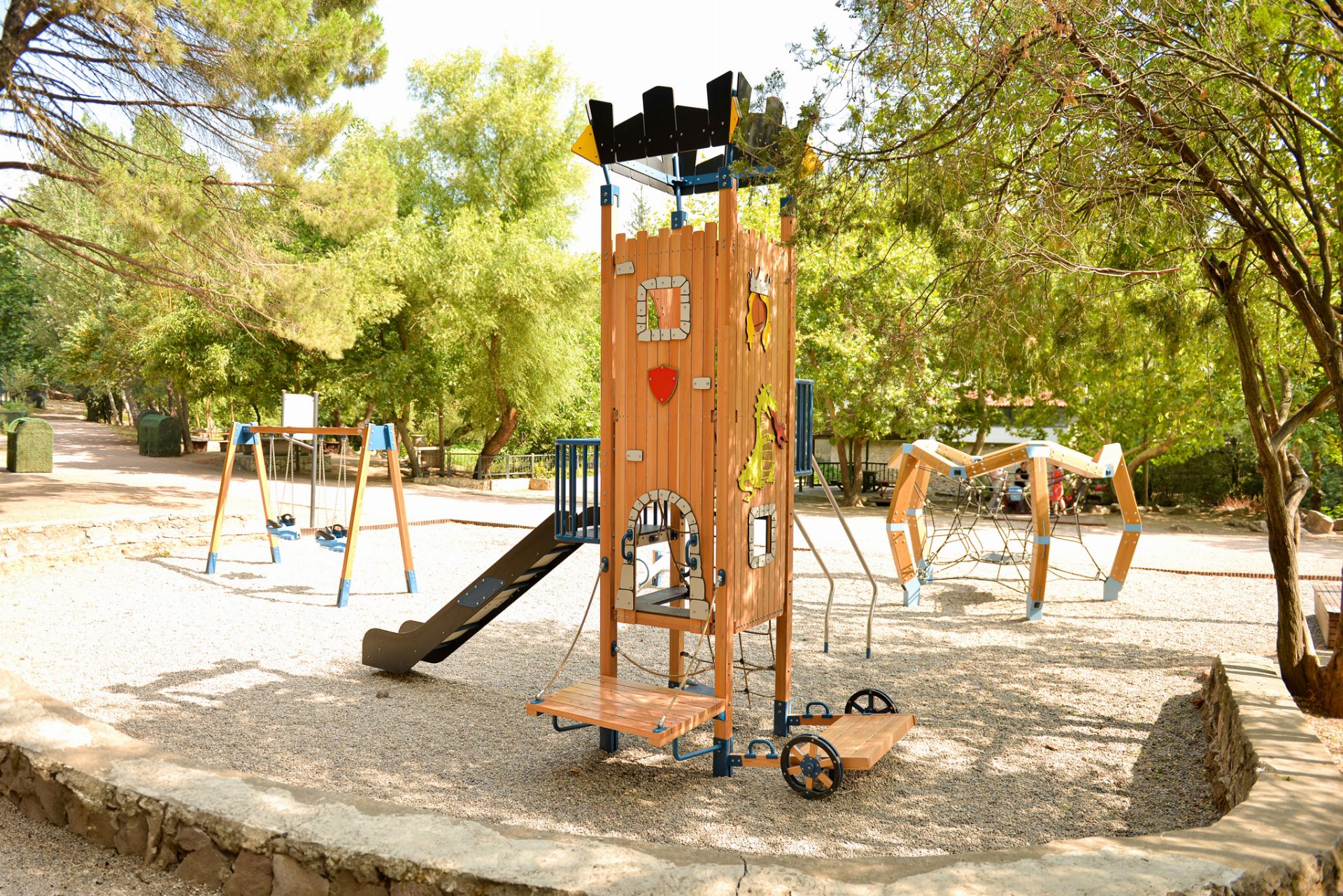
Art-inspired play structures, themed environments, and color schemes that align with city architecture transform playgrounds into visual landmarks.
By 2025, the idea of a “playground” will evolve into a broader concept — a shared living space that reflects a city’s identity and creativity.
Shaping the Future of Urban Play
The year 2025 marks a new era in playground evolution.
Nature-integrated, tech-driven, inclusive, and sustainable designs will redefine how children experience play and how cities integrate recreation into daily life.
For municipalities, architects, and developers, following these trends means more than building modern parks — it means investing in the well-being and imagination of future generations.
To explore modern playground models and discover Cemer’s innovative play concepts for 2025, visit Cemer’s official website and experience how design and play come together to shape the cities of tomorrow.