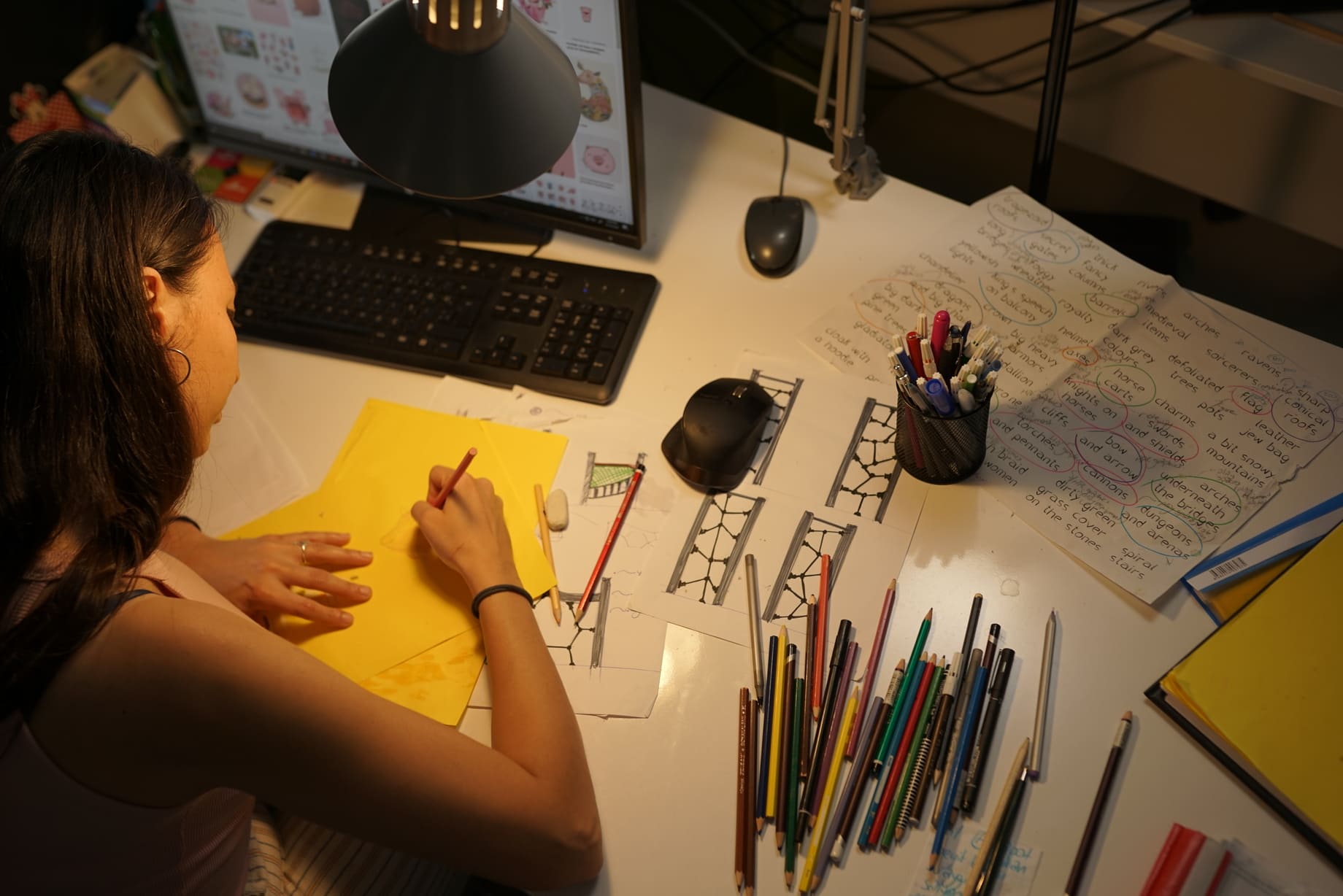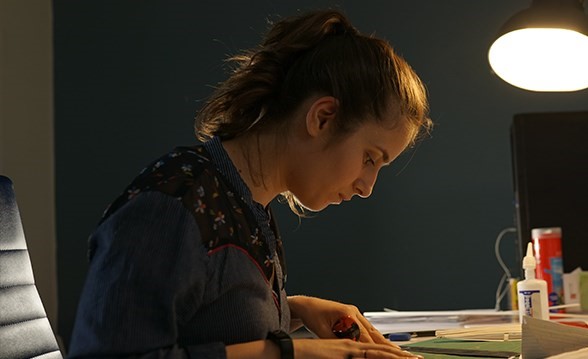


Urban furniture is the invisible hero of city life. Benches, lighting poles, trash bins, bicycle racks, playgrounds — together, they shape the identity of a city and directly influence how people experience public spaces. At this point, industrial design steps in, not just as an artistic perspective but as a multidisciplinary process focused on functionality, ergonomics, and sustainability.
The Role of Industrial Design in the Evolution of Urban Furniture
Functionality and Ergonomics in Urban Furniture
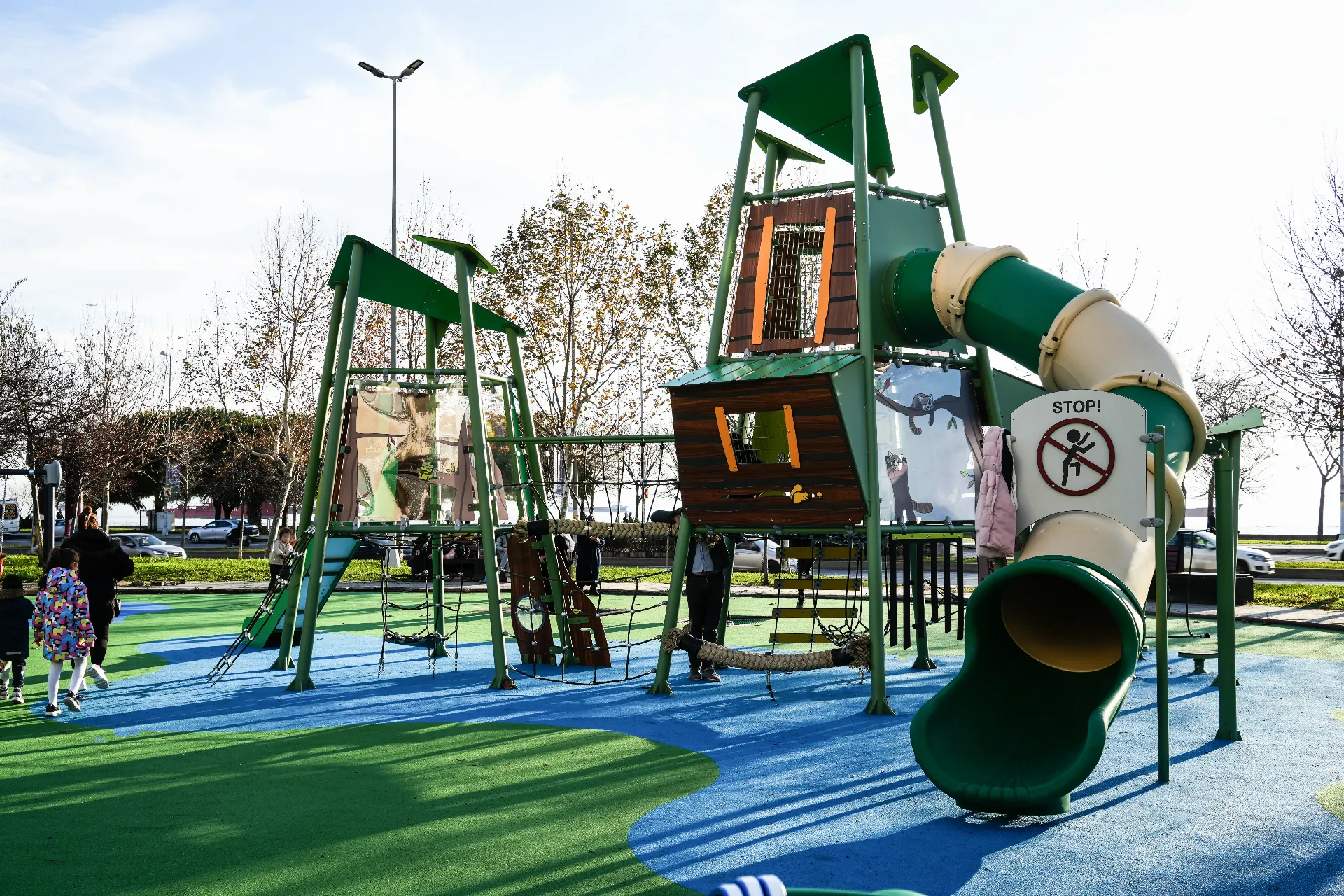
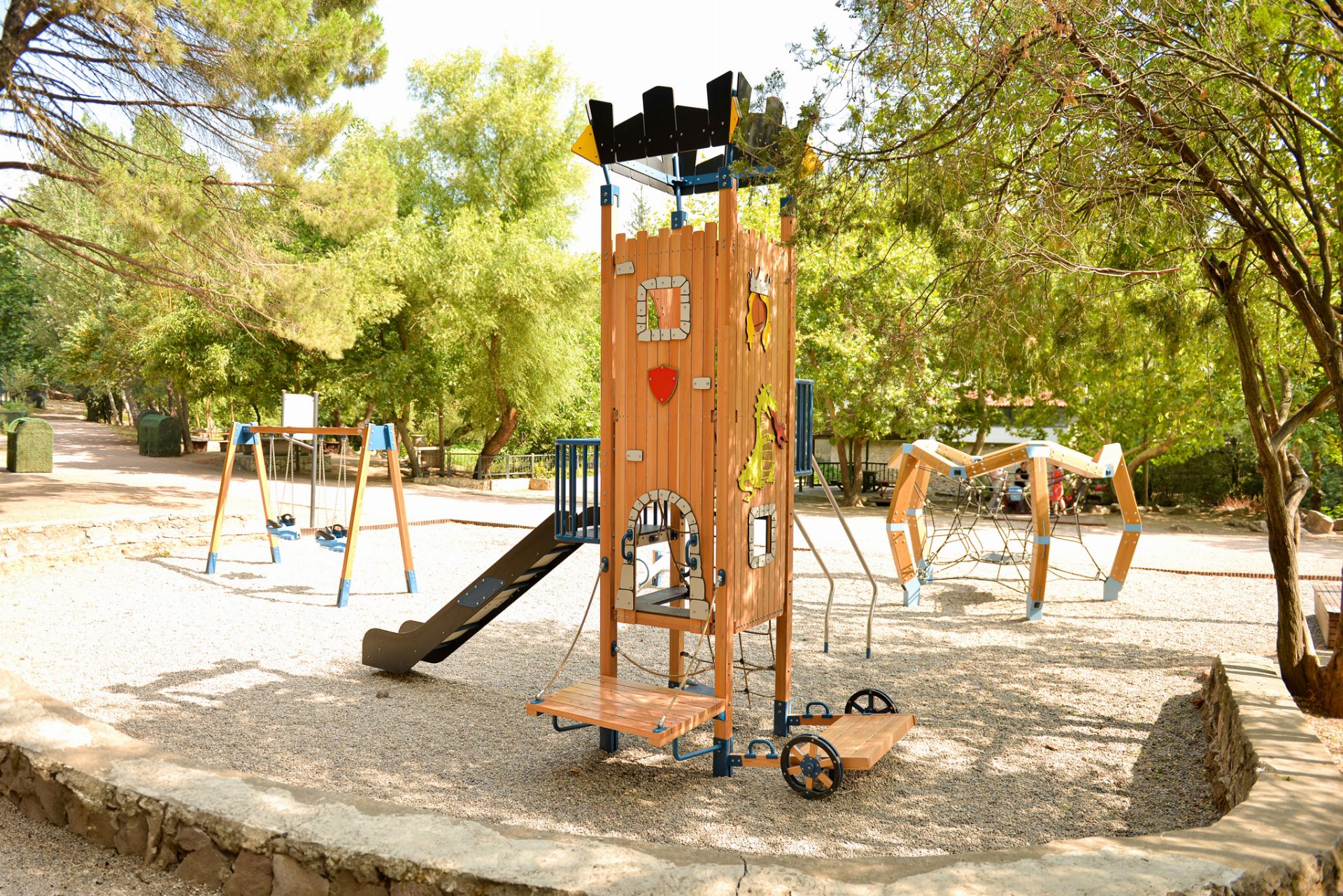
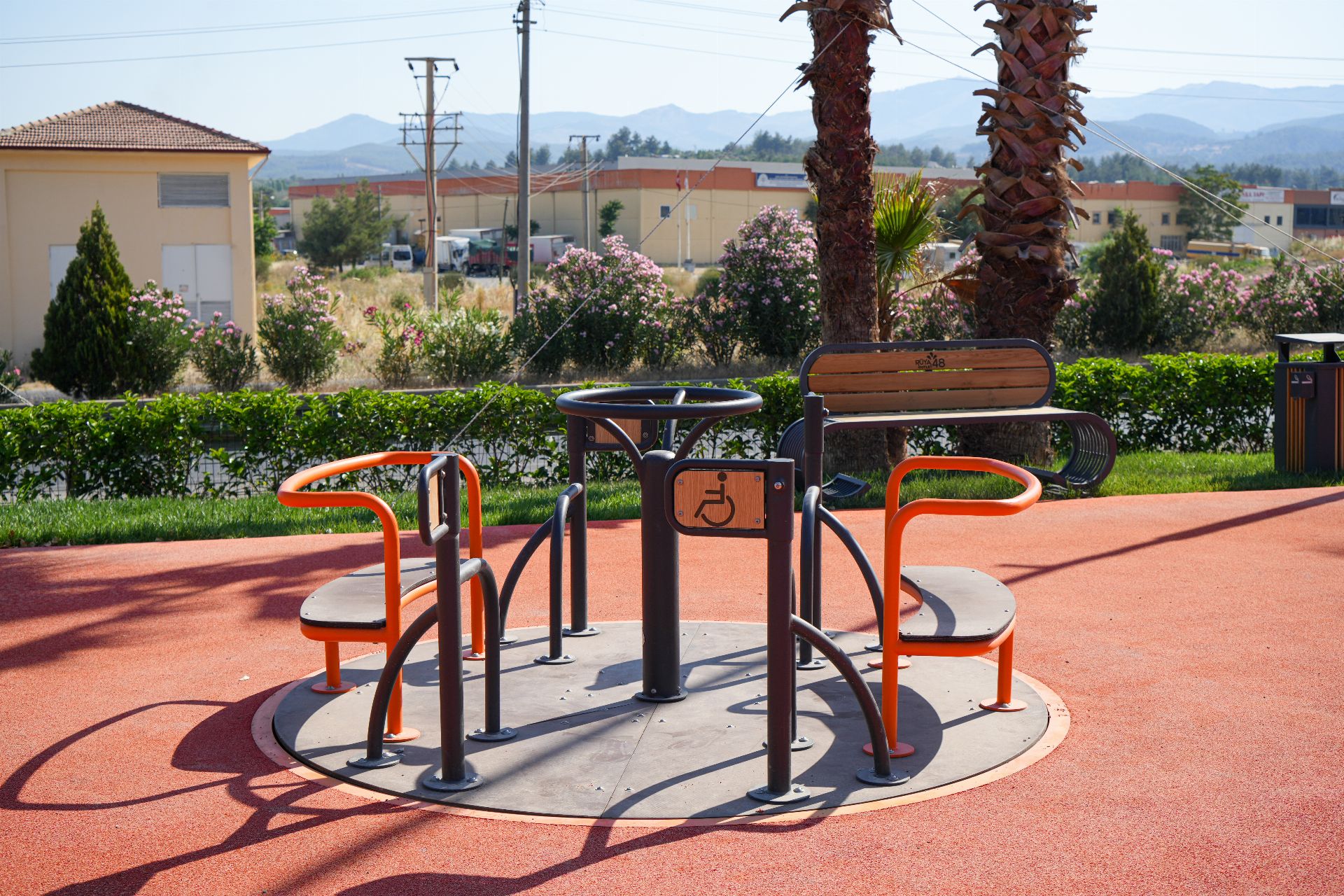
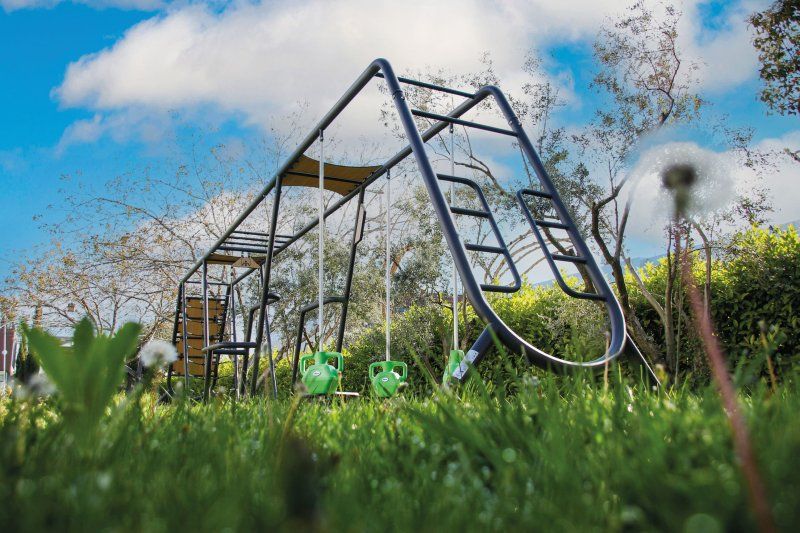
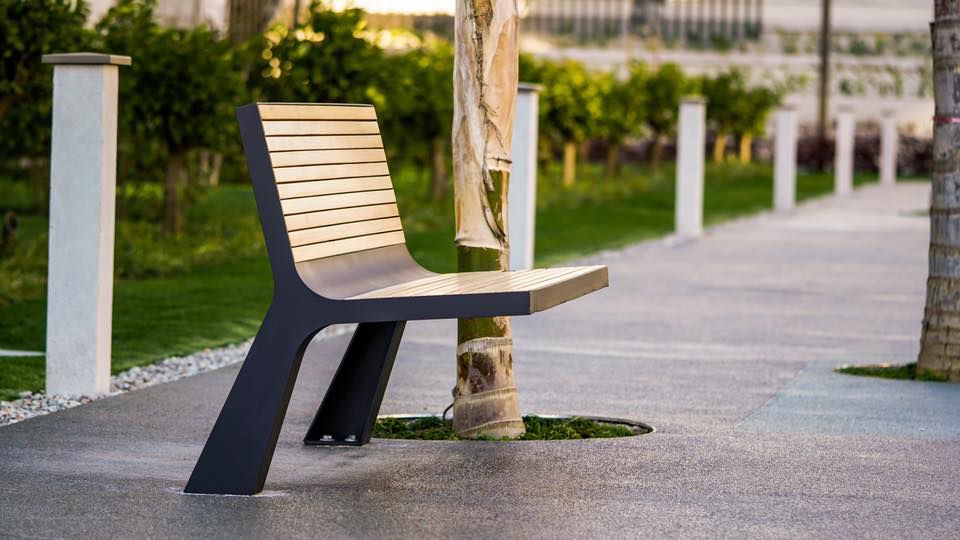
One of the key contributions of industrial design is the creation of ergonomic and user-centered solutions. The angle of a bench, the suitability of a playground structure for children’s motor skills, or the ease of use of a trash bin — all these details reveal a meticulous design process. Ergonomic urban furniture enhances comfort while contributing to the city’s aesthetic value.
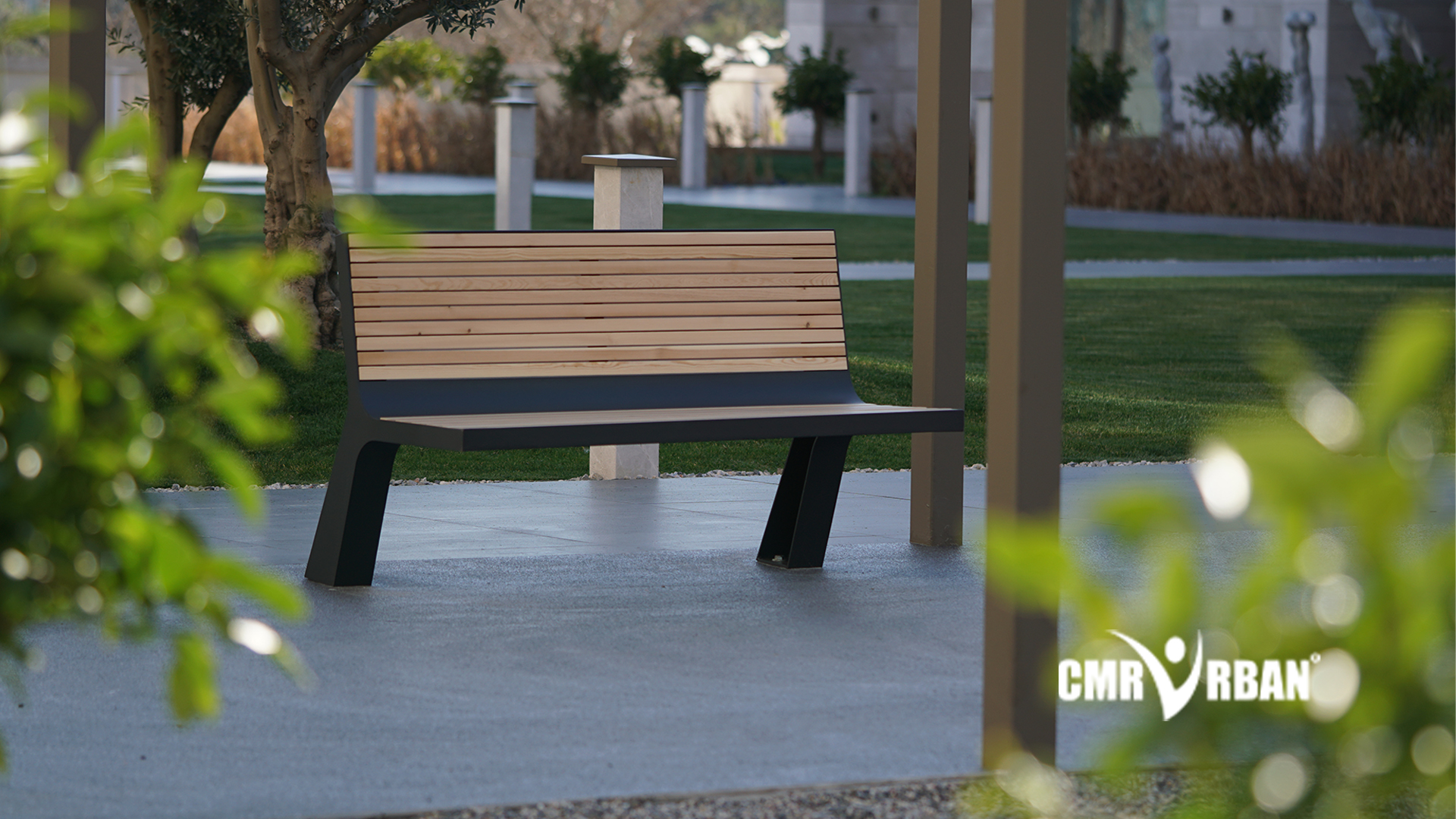
For example, modular bench designs that have become popular across Europe adapt to different seating preferences and encourage social interaction. Similarly, industrial design innovations in lighting poles emphasize both energy efficiency and visual harmony.
Aesthetics and Identity: When Cities Speak Through Design
Every city has a distinct identity, and this identity can be read through its street furniture. Industrial design helps express that character clearly and consistently. Color palettes, material choices, shapes, and textures all work together with architectural surroundings to create a cohesive urban aesthetic.
Cities like Barcelona, Copenhagen, and Paris are known not only for their architecture but also for their thoughtfully designed urban furniture — a reflection of their culture and identity. Industrial design, therefore, plays a key role in forming the “memory” of cities.
Sustainability: Designing in Harmony with Nature
Today, durability alone is not enough — sustainability has become an essential criterion in urban design. Industrial design promotes recyclable materials, low-maintenance systems, and environmentally friendly production methods.
Materials such as wood, metal, and composite are engineered to withstand various weather conditions, offering long-lasting solutions. This approach provides cost advantages for municipalities while demonstrating environmental responsibility.
Social Interaction and Safety
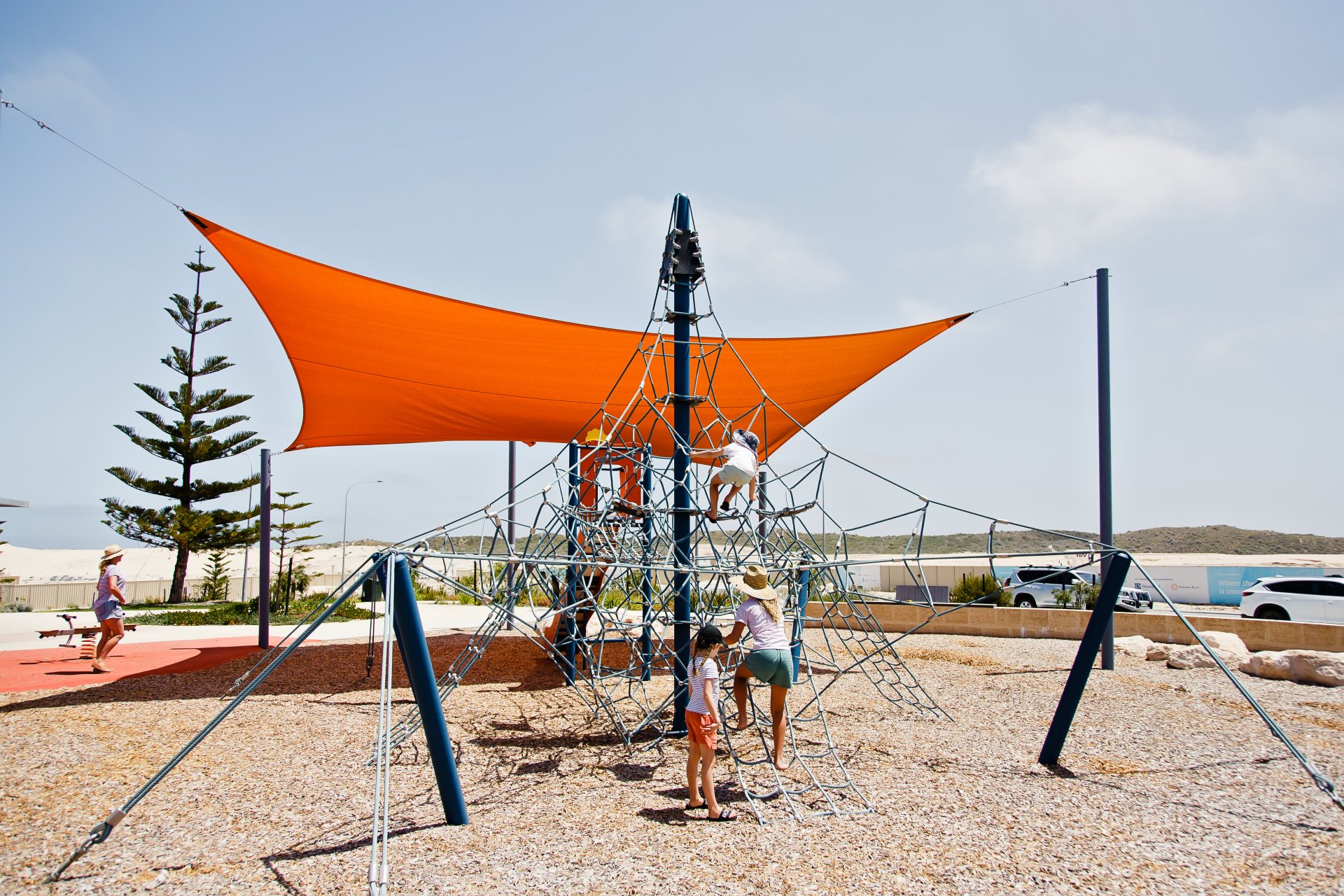
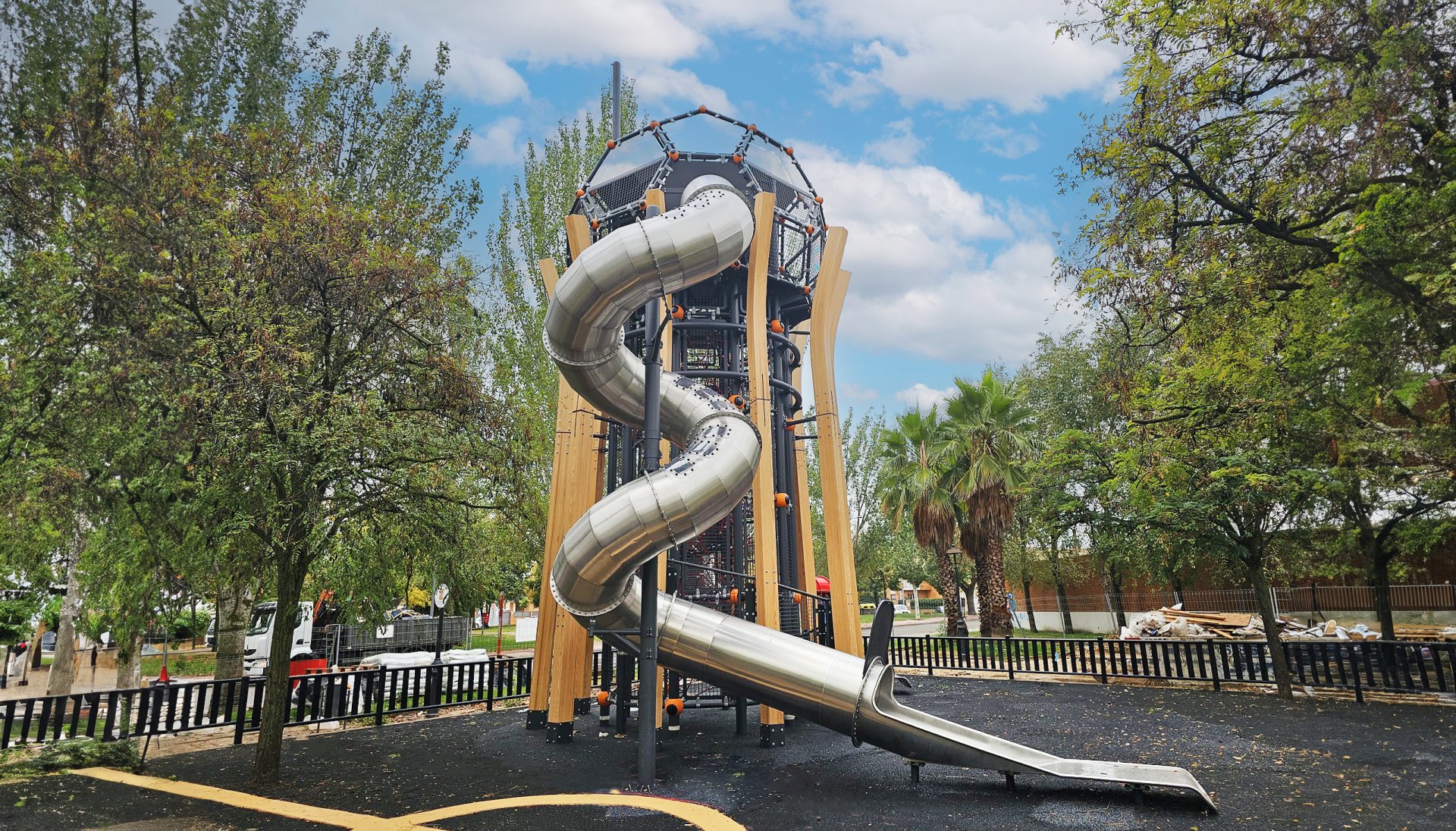
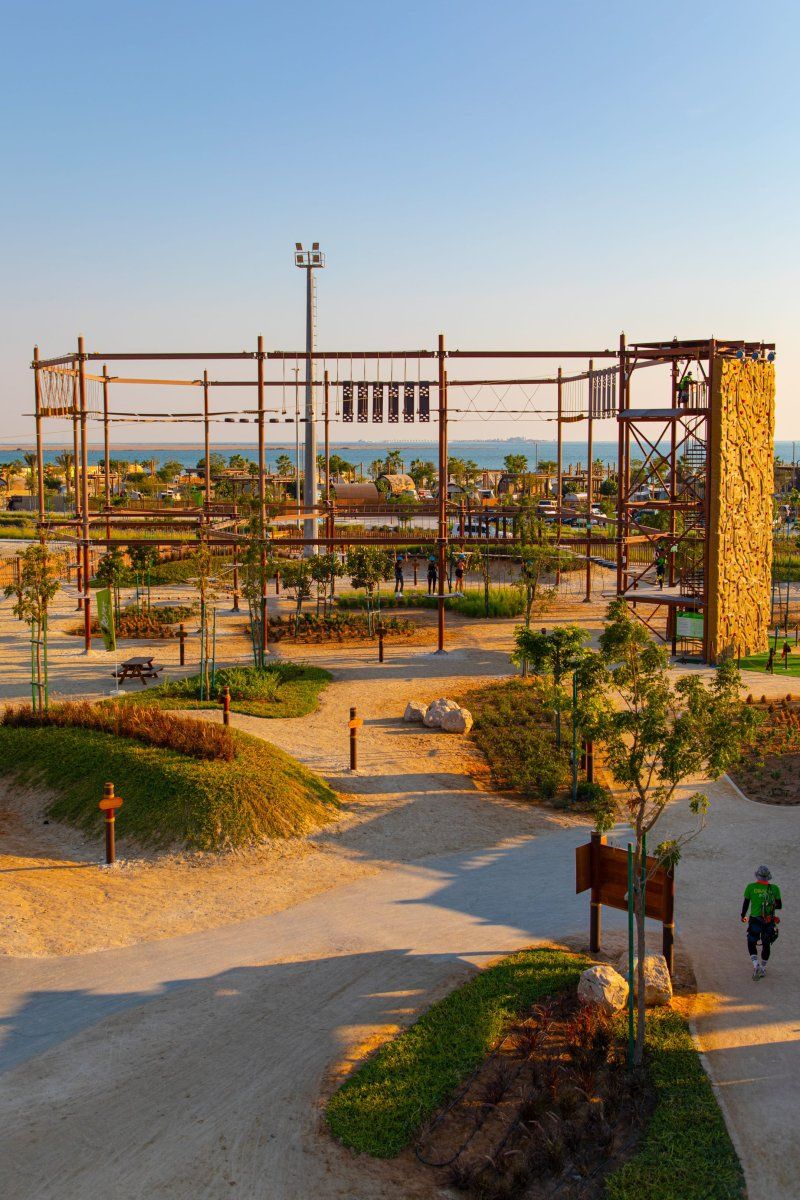
Industrial design does more than make urban furniture usable — it structures spaces to encourage social connection. For instance, benches arranged in small clusters in parks foster conversation and community. Ergonomic and safe playground designs promote child development while giving parents peace of mind.
Safety is an inseparable part of industrial design. Avoiding sharp edges, using fire-resistant materials, and providing adequate lighting all define urban furniture safety standards.
Cemer’s Approach to Industrial Design in Urban Furniture
One of the leading names in Turkey’s urban furniture sector, Cemer, integrates industrial design principles into a wide range of products — from children’s playgrounds and pergolas to benches and complementary urban elements.
For municipalities and urban design projects, Cemer offers modular, adaptable solutions that fit various environments. With durable materials, low maintenance requirements, and a contemporary design language, Cemer enhances both the functionality and visual identity of modern cities.
Industrial design ensures that urban furniture is not just decorative but functional, ergonomic, safe, and sustainable. For municipalities, urban planners, and designers, this approach delivers both long-term cost efficiency and enhanced urban aesthetics.
Collaborations with experienced manufacturers like Cemer turn these design principles into real-life urban solutions that improve the quality of everyday city life.