

Industrial Design and Fun Spaces
Industrial design not only improves the aesthetic and functional aspects of products but can also make people’s living spaces more enjoyable, efficient, and inspiring. Creating fun spaces is one of the key applications of industrial design, enhancing user experience both visually and functionally.
What is Industrial Design?
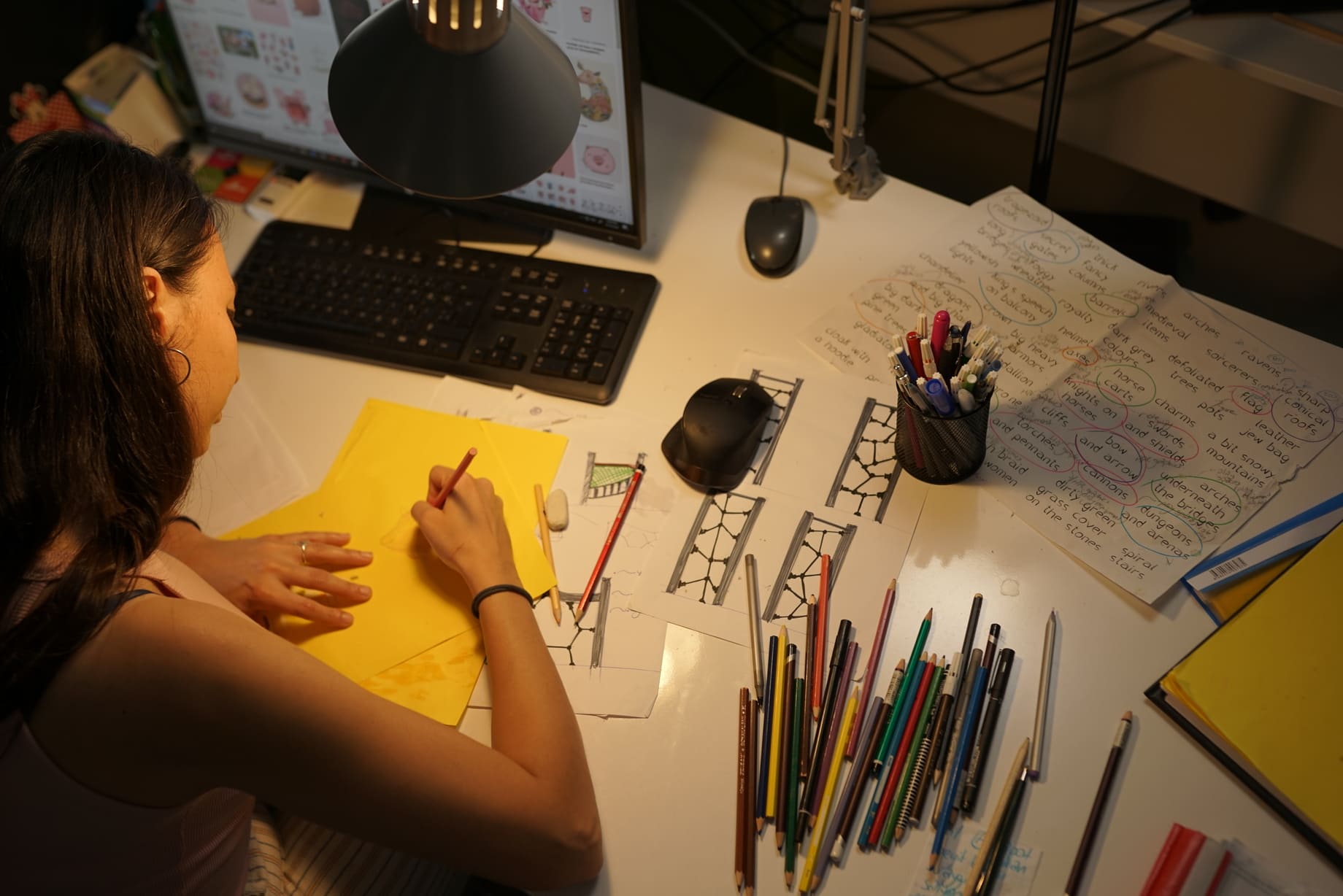
Industrial design is the process of creating functional, safe, and aesthetic products by combining both aesthetic and functional qualities according to user needs and expectations. This discipline is not only concerned with the shape and colors of products but also with how they are used and how people interact with them. Industrial design adopts a human-centered approach, aiming to improve user experience and interaction.
What are Fun Spaces?
Fun spaces are environments that positively affect people physically, emotionally, and mentally, often encouraging interactive and enjoyable activities. These areas may include relaxation, entertainment, and opportunities for social interaction. Fun spaces can take the form of playgrounds, amusement parks, entertainment centers, office spaces, or even relaxation corners at home. While each serves a different purpose and design, their main goal is to ensure people enjoy their time spent there.
The Importance of Creating Fun Spaces with Industrial Design
Using industrial design to create fun spaces ensures the perfect balance of aesthetics and function. It not only makes these areas visually appealing but also makes them more efficient and accessible. A well-designed fun space engages users and encourages them to spend more time within it.
Applications of Industrial Design in Fun Spaces
-
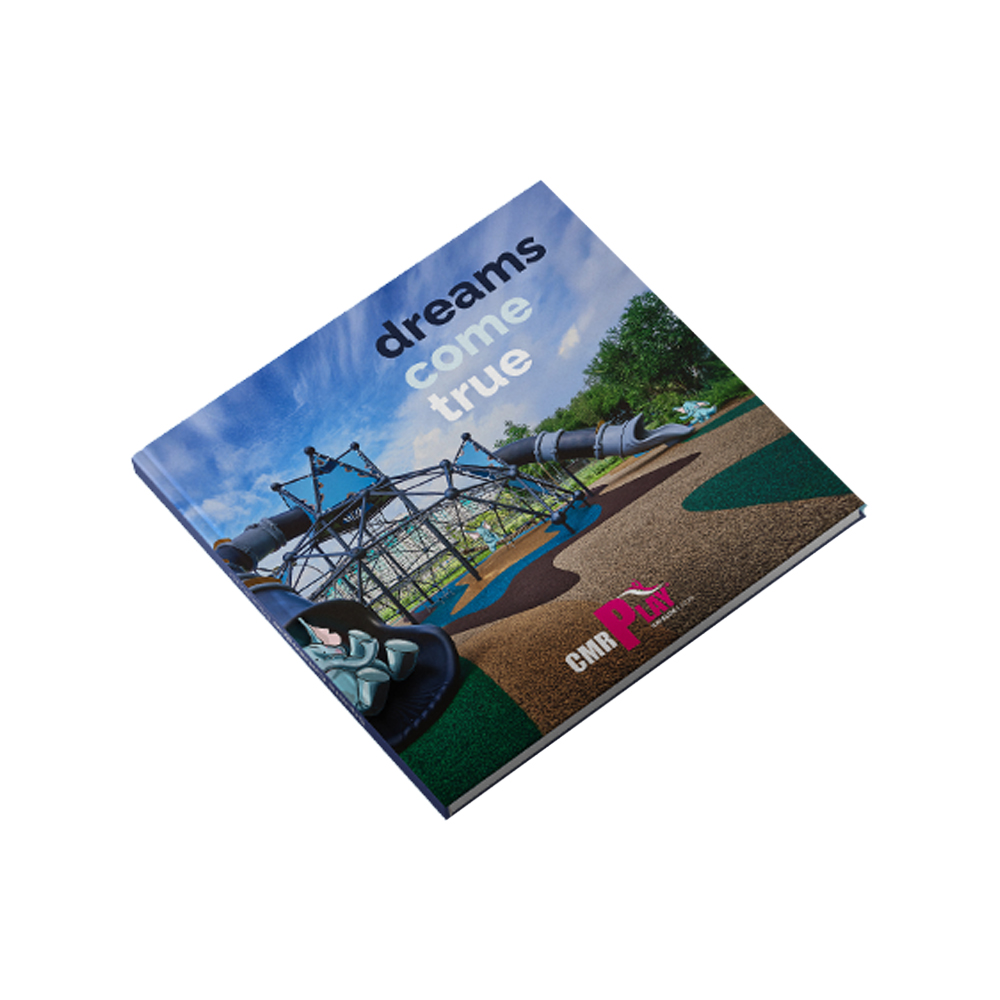
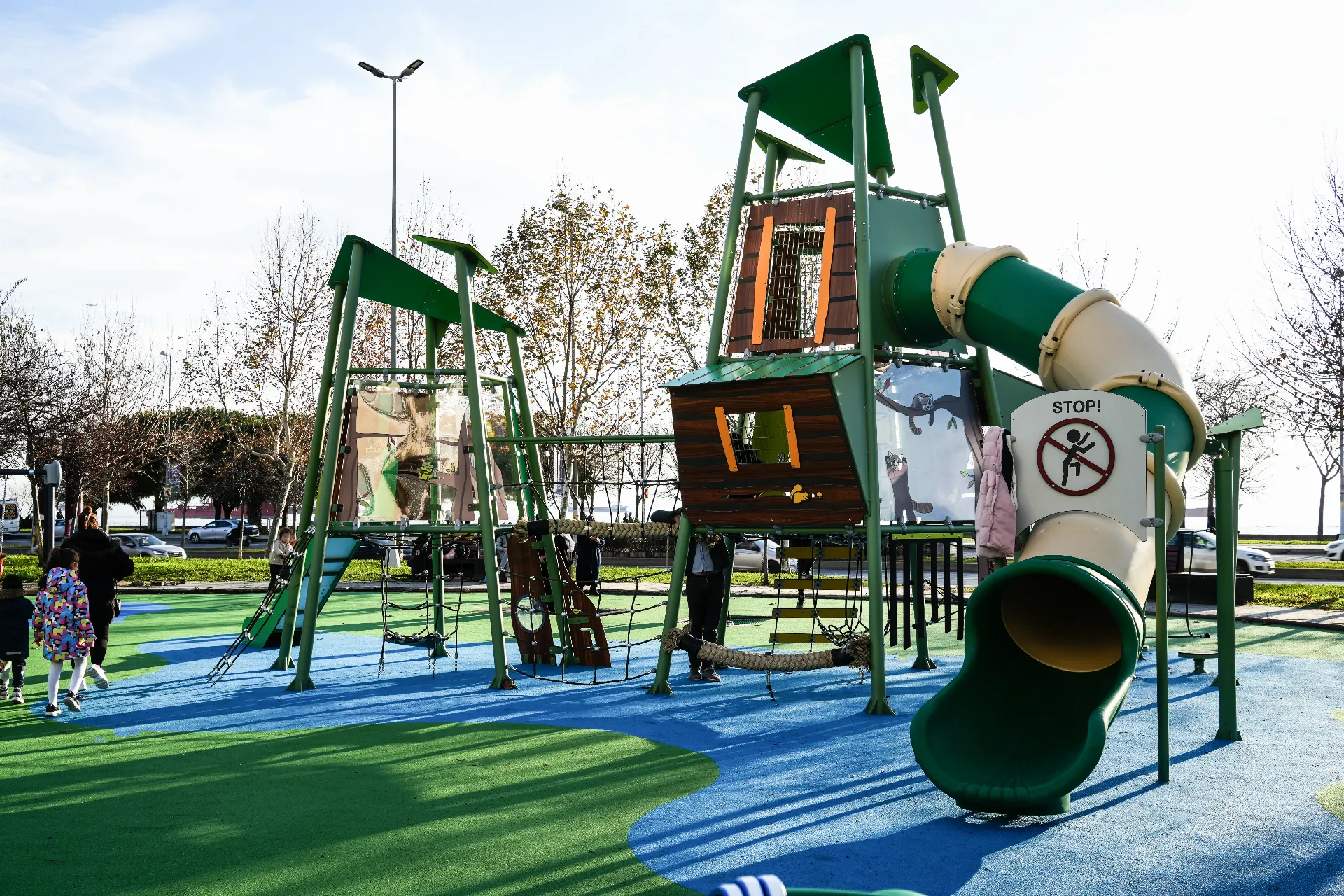
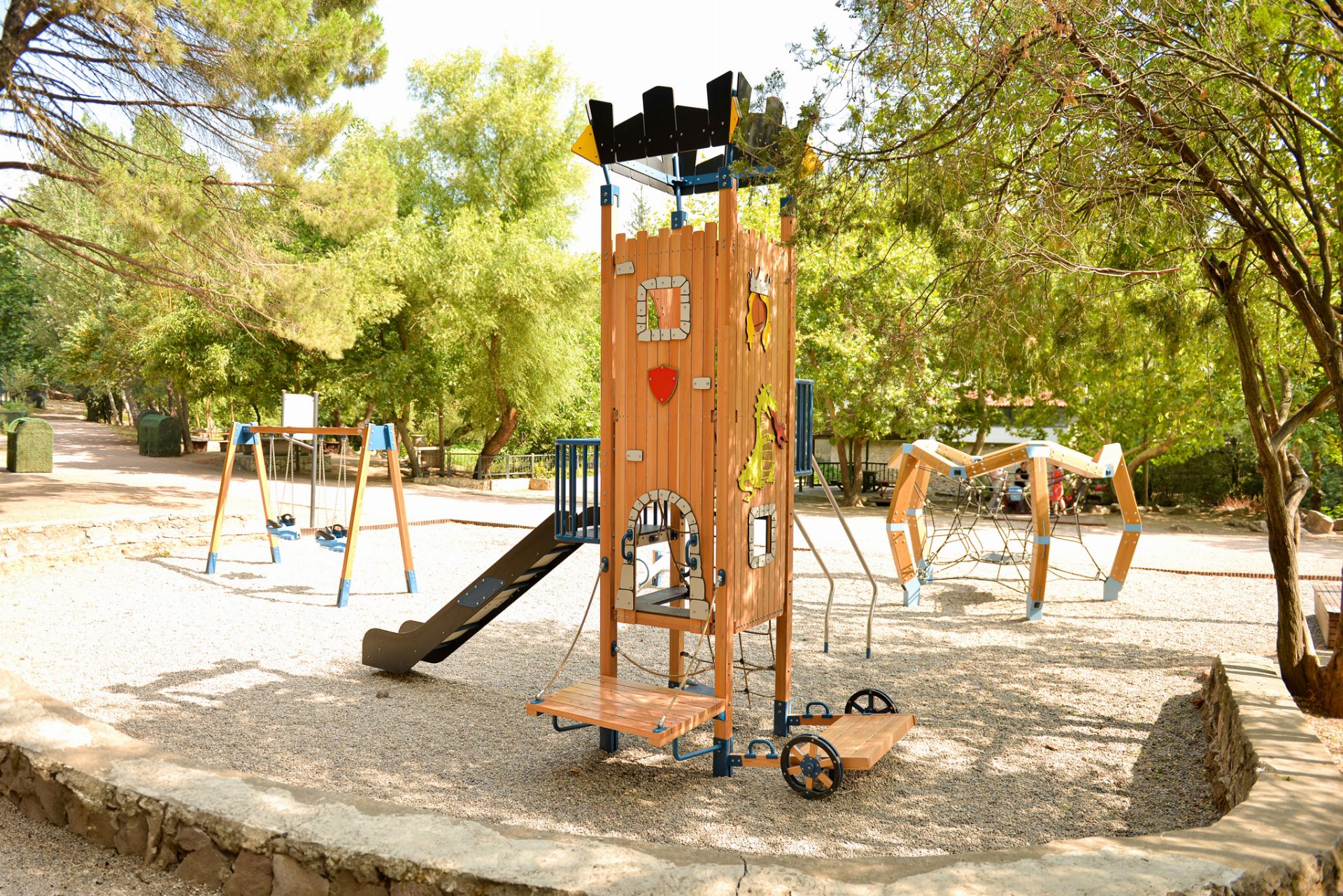
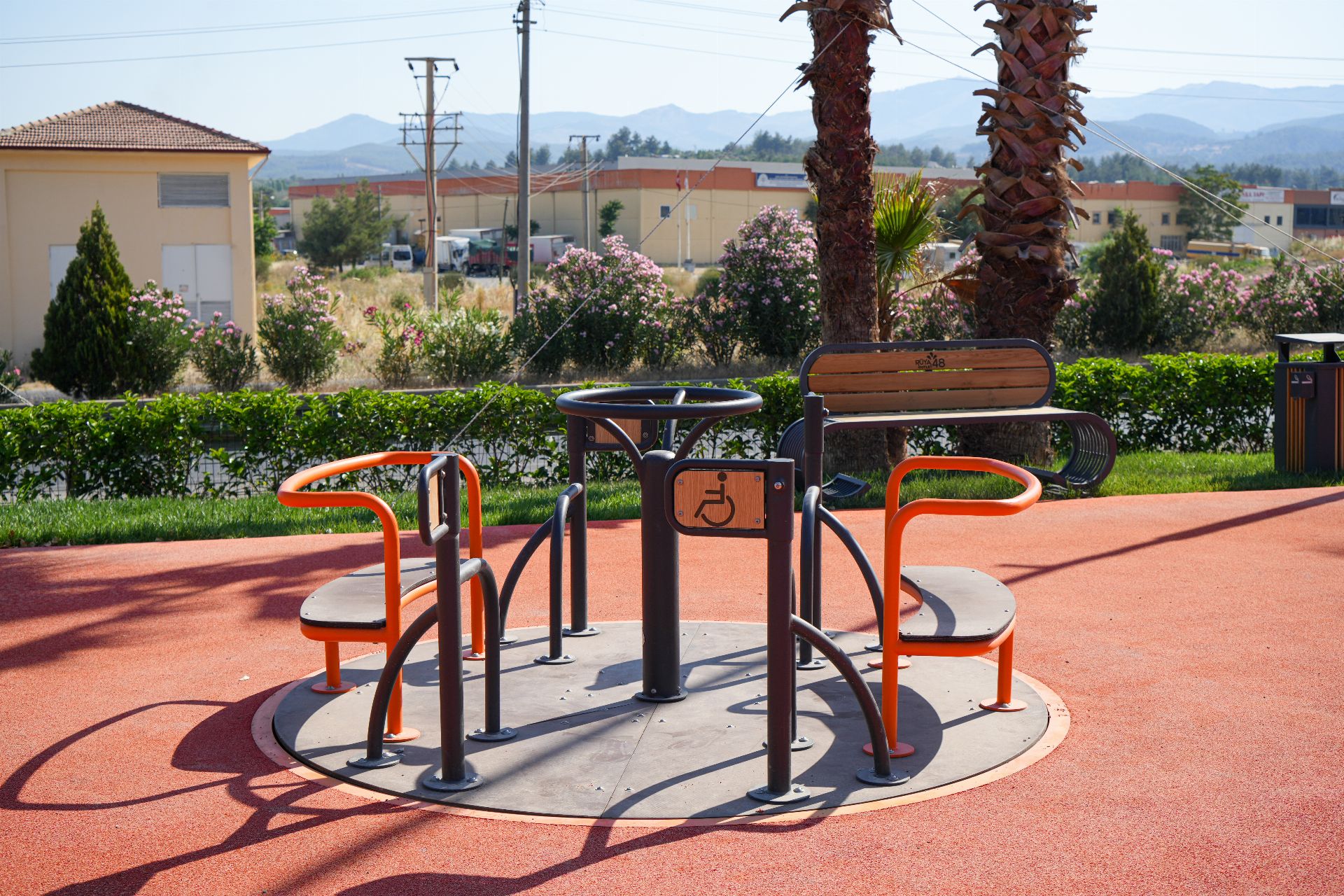
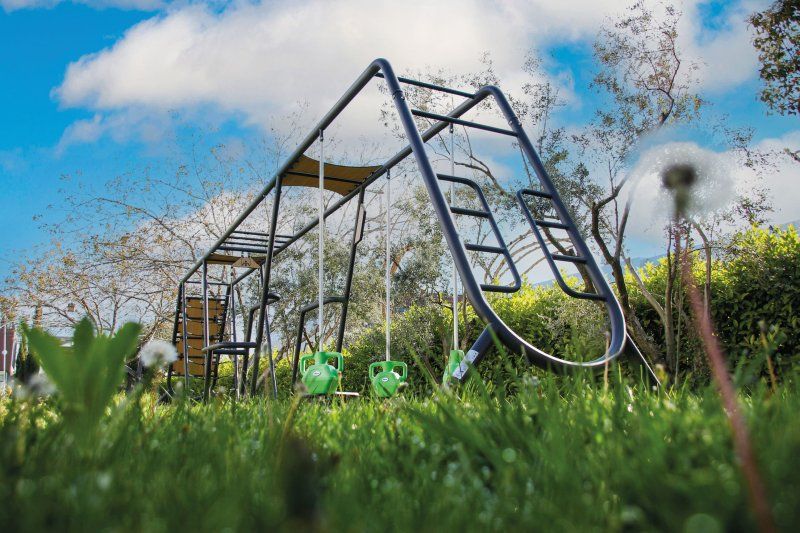
Children’s Playgrounds: One of the most common areas where industrial design is applied. Play parks enriched with figures, colors, and textures stimulate children’s imagination while supporting motor skill development. Designers consider durability, safety, and developmental needs to create playful yet secure structures.
-
Entertainment Centers and Theme Parks: Industrial design introduces creative solutions for large-scale fun environments such as amusement parks or interactive museums. Designers use technology, light, sound, and movement to create dynamic and engaging spaces. Examples include virtual reality (VR) experiences, interactive screens, and mechanical structures.
-
Offices and Workspaces: Beyond fun areas, industrial design is also used to create inspiring, creative work environments. Modern offices incorporate comfortable work zones, relaxation corners, and social interaction spaces. Companies use colorful designs, flexible seating, and playful common areas to reduce stress and boost creativity.
-
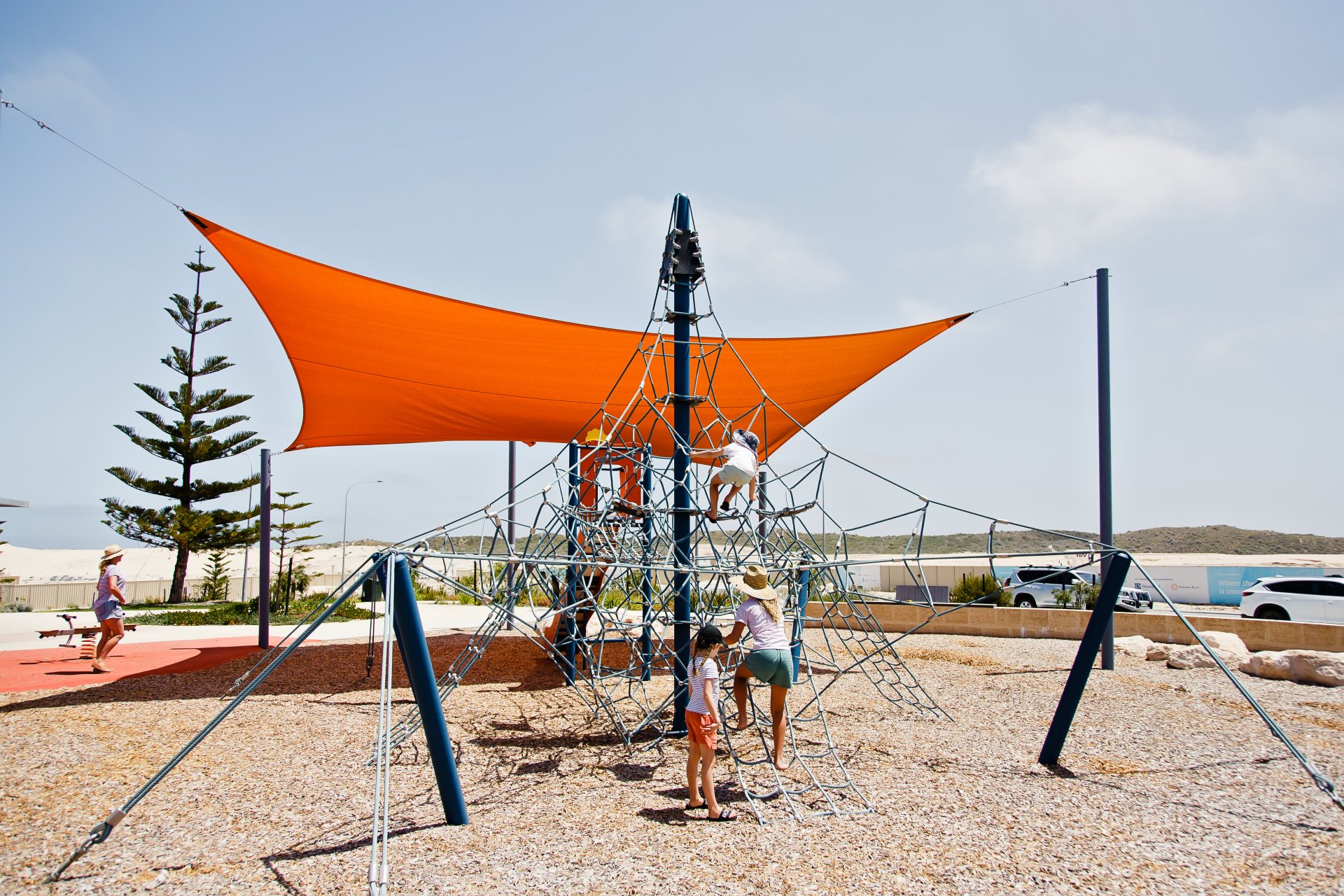
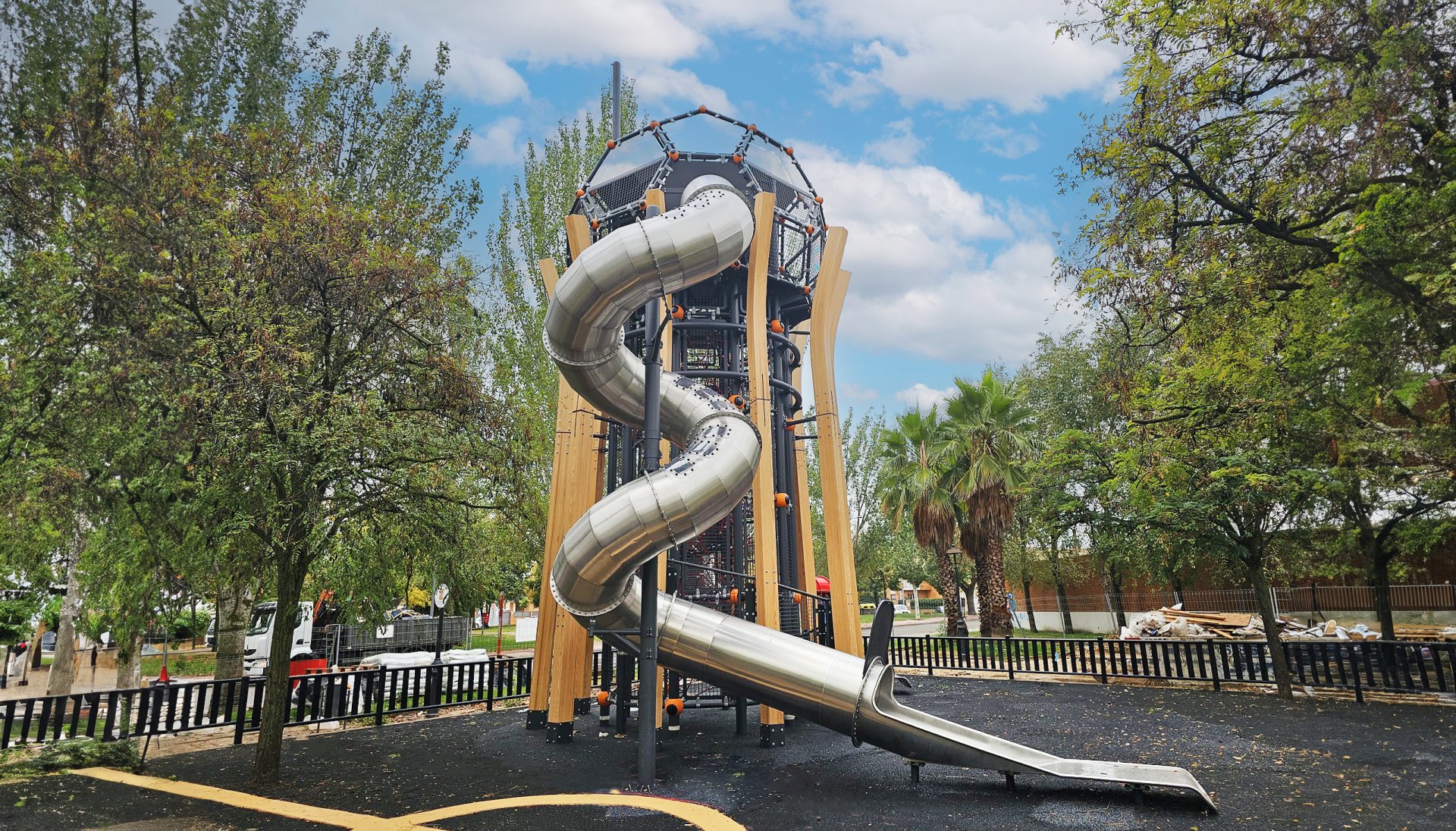
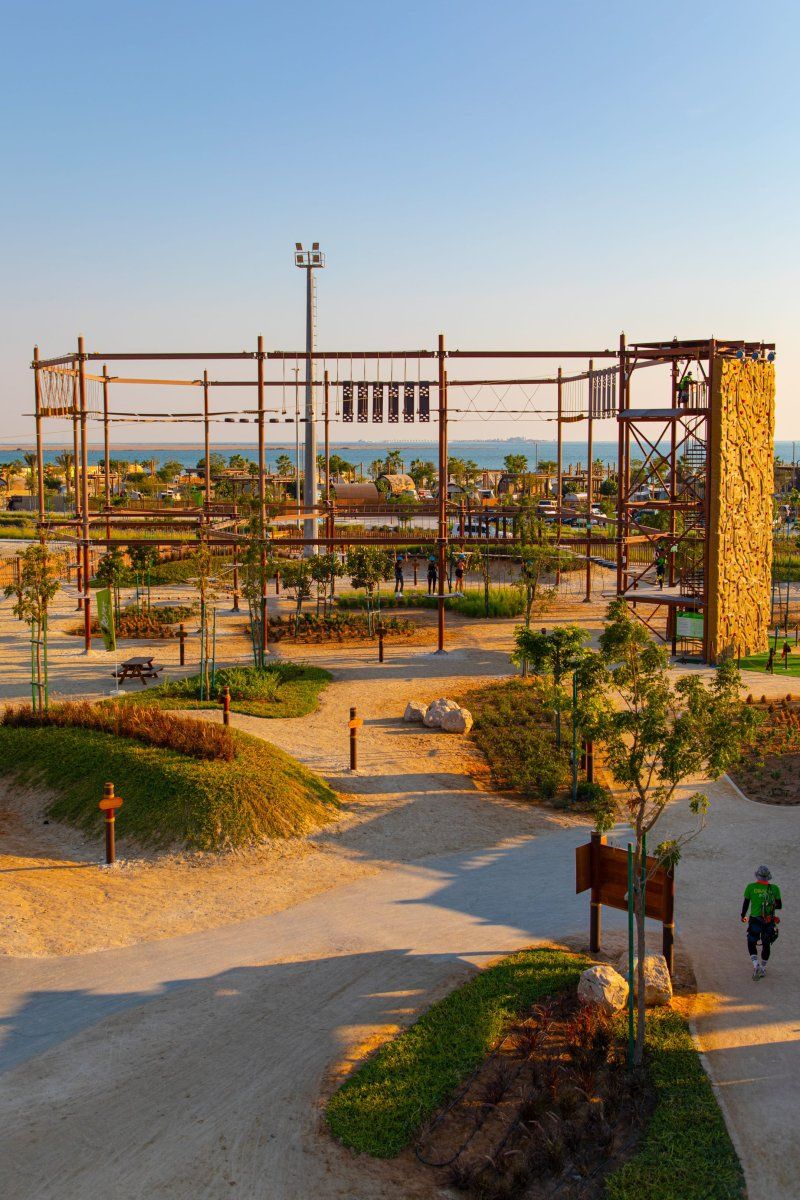
Outdoor Spaces: Public parks show the full potential of industrial design in fun environments. Modern parks provide both aesthetic appeal and functional use. Designers integrate elements like trampolines, climbing walls, walking trails, and interactive games to create engaging outdoor experiences.
-
Homes: Fun spaces can also be created at home. Industrial designers transform living rooms, game rooms, home theaters, and children’s rooms into functional and entertaining environments. With the integration of technology—such as interactive gaming systems, smart home solutions, and playful furniture—home fun spaces become even more appealing.
Creative Design Elements for Fun Spaces in Industrial Design
-
Colors: Bright and vivid colors create energetic atmospheres, while softer tones promote relaxation.
-
Lighting: Natural light makes spaces feel more open and fresh, while colorful lighting designs add playful energy.
-
Flexibility: Modular furniture, portable play areas, and multi-functional spaces allow adaptation to user needs.
-
Interactivity: Touchscreens, motion sensors, and sound-based interactions invite people to engage with the space.
-
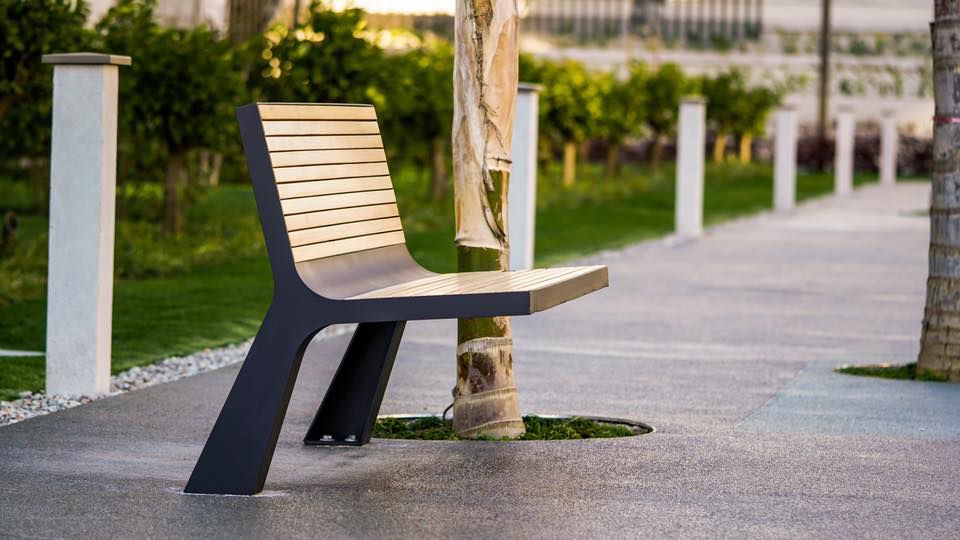
Natural Elements: Wood, stone, and water features bring both visual appeal and a calming atmosphere.
Conclusion
Industrial design holds vast potential in creating fun spaces. These areas not only encourage social interaction, relaxation, and enjoyment but also deliver high-quality solutions in terms of functionality and aesthetics. Creative industrial design practices ensure that fun spaces become more efficient, accessible, and inspiring. Every design element—color, lighting, materials, and interactivity—should be carefully considered to enhance user experience.