

Frame Net Climbing Playgrounds

SGM Series: Robust Structure, Dynamic Adventure

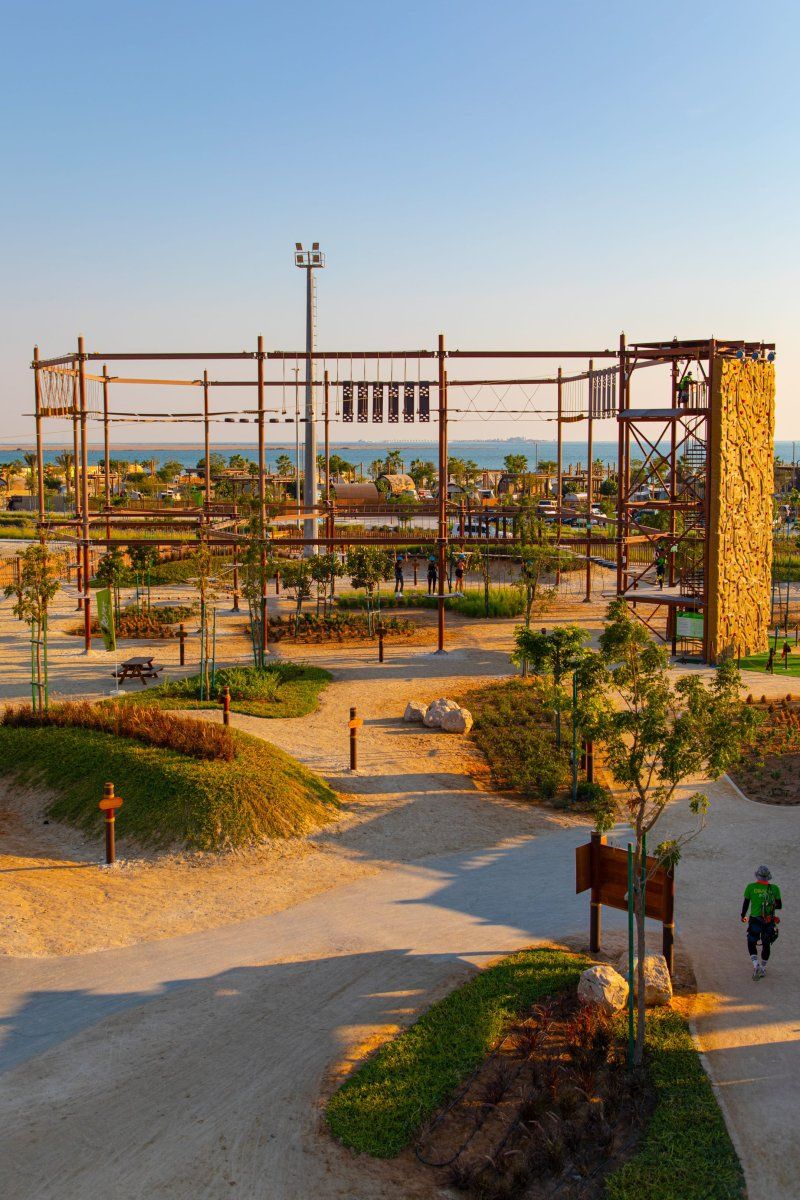
Metal Construction Climbing Equipment offers climbing units with robust metal structures designed to support children's physical development. It is an excellent solution for those seeking durable climbing courses, outdoor climbing systems, and metal children's playgroups. Catering to different age groups, this series supports the development of motor skills such as balance, coordination, and muscle growth. With its modular structure, it is ideal for schoolyards, park areas, sports-themed playgrounds, and public outdoor projects. The SGM Series is suitable for heavy-duty use thanks to its modern design, high load-bearing capacity, and compliance with safety standards.

SGM Series: Robust Structure, Dynamic Adventure

Frame NetClimbing Playgrounds

Capacity
1 Person - Min
392 Person - Max
Area
0.00
470.00
Fall Height
0.00 m
3.00 m
Age Range

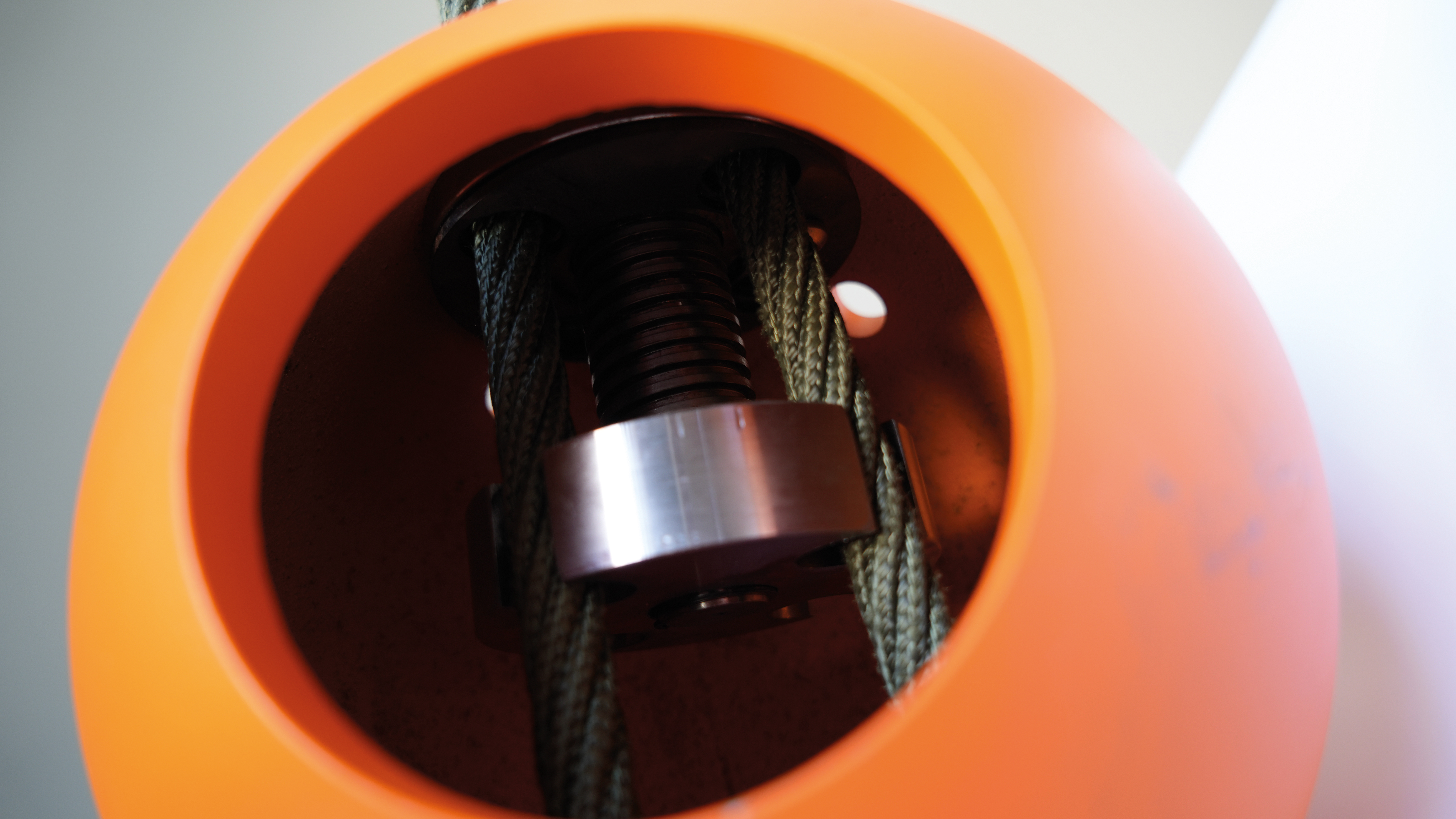
Sphere Tensioning System

Sphere Tensioning System includes an aluminum sphere allows rope that require climbing and holding on tightly to the desired tension in net climbing, rope climbing play equipment and rope courses in children's playgrounds and entertainment centers.

Discover !
<span> Sphere</span> Tensioning System

Mental and Physical Development

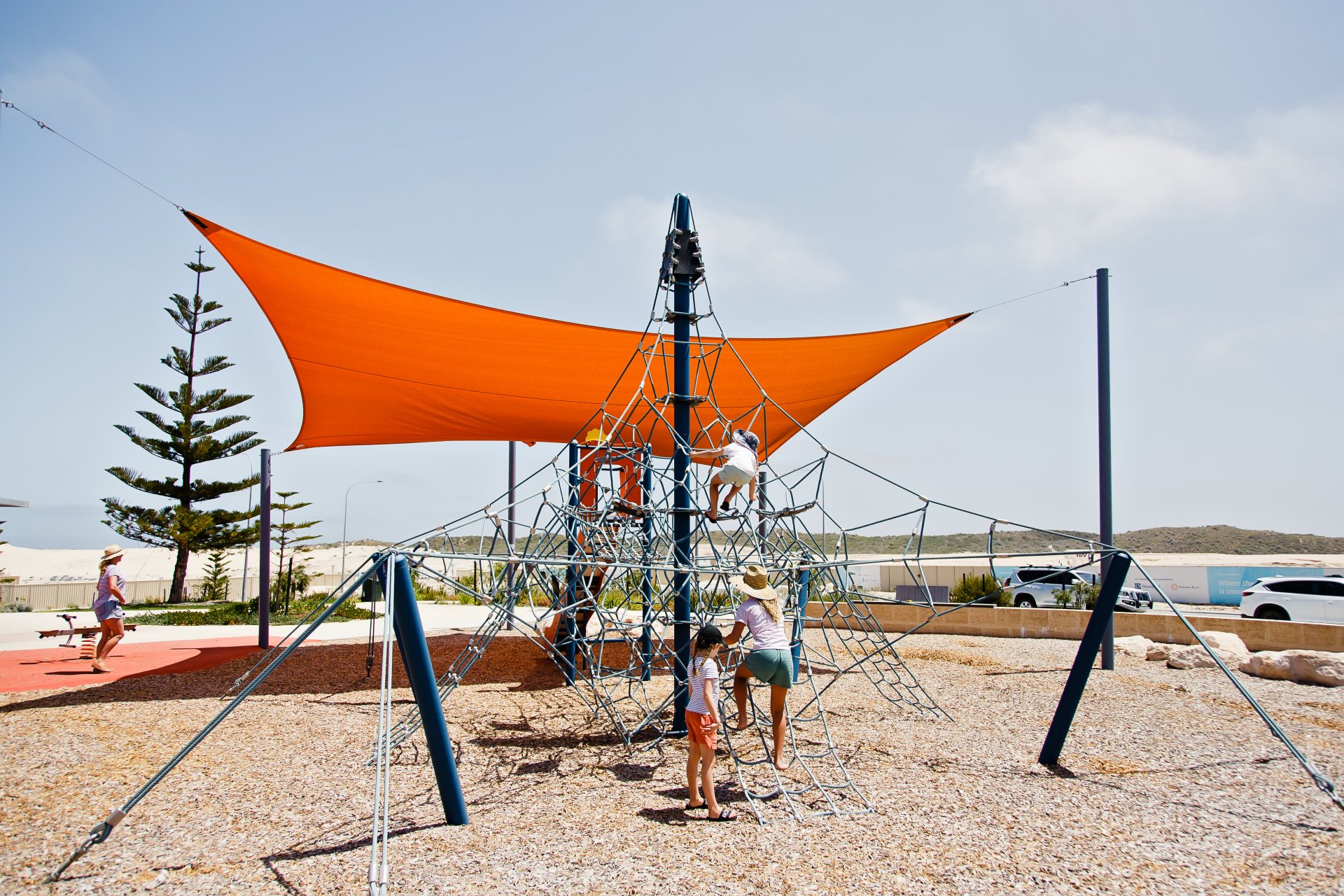
This innovative spider climbing structure creates clear objectives that help children overcome their fear of heights and contributes to mental development by encouraging strategic thinking and decision-making as they navigate different climbing paths. With its web-like design and multiple climbing options, the Spider Group builds confidence, strength, and problem-solving abilities in young climbers of all skill levels.

Rope Climbing Systems

The greatest strength of these playgrounds lies in their flexible and modular structure. They adapt to every level, from the wide grip points needed by the 3-5 age group to the complex routes sought after by the 9-12 age group. These systems, which can be reconfigured according to needs, add long-lasting, easy-to-maintain, and constantly renewed excitement to parks and play areas.
 

The robust metal structure offers children a safe challenging area. When the flexibility of the ropes is combined with the resistance of the metal, upper body strength and lower body balance work simultaneously. This combination perfects motor skills while enabling children to manage their own body weight and strengthen their coordination systems.


Although climbing courses may seem like an individual challenge, they are actually a strong social network. Children give each other tactics on a challenging route and learn to wait their turn and empathize. Applauding a successful climb or encouraging a friend reinforces the sense of cooperation, turning the playground into a stage for collective achievement.

Frequently Asked Questions

Frequently Asked Questions

How Do Climbing Activities Influence Children’s Cognitive Development?

Climbing activities develop children’s problem-solving and strategic thinking skills. Each climbing route presents a unique challenge, encouraging mental flexibility. As children decide which path to take, they strengthen their decision-making abilities. The process also improves focus and concentration, while successful climbing experiences boost self-confidence and prepare children to handle future challenges.

How Are Climbing Difficulty Levels Determined for Different Age Groups?

Climbing difficulty levels are designed according to the motor skill development stages of different age groups: Ages 3–5: low heights with wide grip points for safety and accessibility. Ages 6–8: medium-level challenges that encourage skill progression. Ages 9–12: complex routes with narrower grip points to increase challenge. Each stage is carefully designed to push children’s abilities while maintaining safe boundaries.

How Do Climbing Courses Support Social Development?

Climbing courses foster cooperation and empathy by encouraging children to support and motivate each other. Group climbing activities strengthen teamwork, patience, and sharing skills. Waiting turns and observing peers naturally enhance social learning and empathy. Children learn from each other’s climbing techniques, making it a shared social experience.

What Are the Advantages of Modular Climbing Systems?

Modular climbing systems provide flexibility, as they can be expanded or reconfigured based on needs. Different climbing elements can be combined to create diverse routes. This adaptability allows customization according to user capacity and available space. Modular structures also simplify maintenance and repair, as damaged parts can be easily replaced.

What Benefits Do Rope and Balance Element Combinations Provide?

The combination of rope climbing and balance elements supports children’s comprehensive skill development. Rope climbing builds upper body strength and grip power, while balance units enhance lower body control. Together, they improve full-body coordination and activate multiple muscle groups simultaneously. These varied movement patterns expand children’s motor skill repertoire, promoting agility and movement diversity.