


Developmental Outdoor Games for 3-6 Year Old Children | Cemer Play Groups
The 3-6 age period represents the most intensive years of children's physical, cognitive, and emotional development. During this period, children explore their environment through play, develop their physical abilities, and learn to establish social relationships. Outdoor games, in particular, offer a great opportunity for children to channel their energy in a healthy way. Inspired by Cemer's safe and educational play groups, in this content we examine the most developmental outdoor games for 3-6 year old children in three main groups:
Games Supporting Motor Skills Games Supporting Sensory and Cognitive Development Games Supporting Social and Creative Development
Games Supporting Motor Skills Development
The development of gross motor skills (running, jumping, climbing) carries great importance in this age group. Children gaining balance, coordination, strength, and flexibility enables them to perform more complex physical activities in later ages. With Cemer's modules supporting physical development, the development of these skills can be achieved both safely and enjoyably.
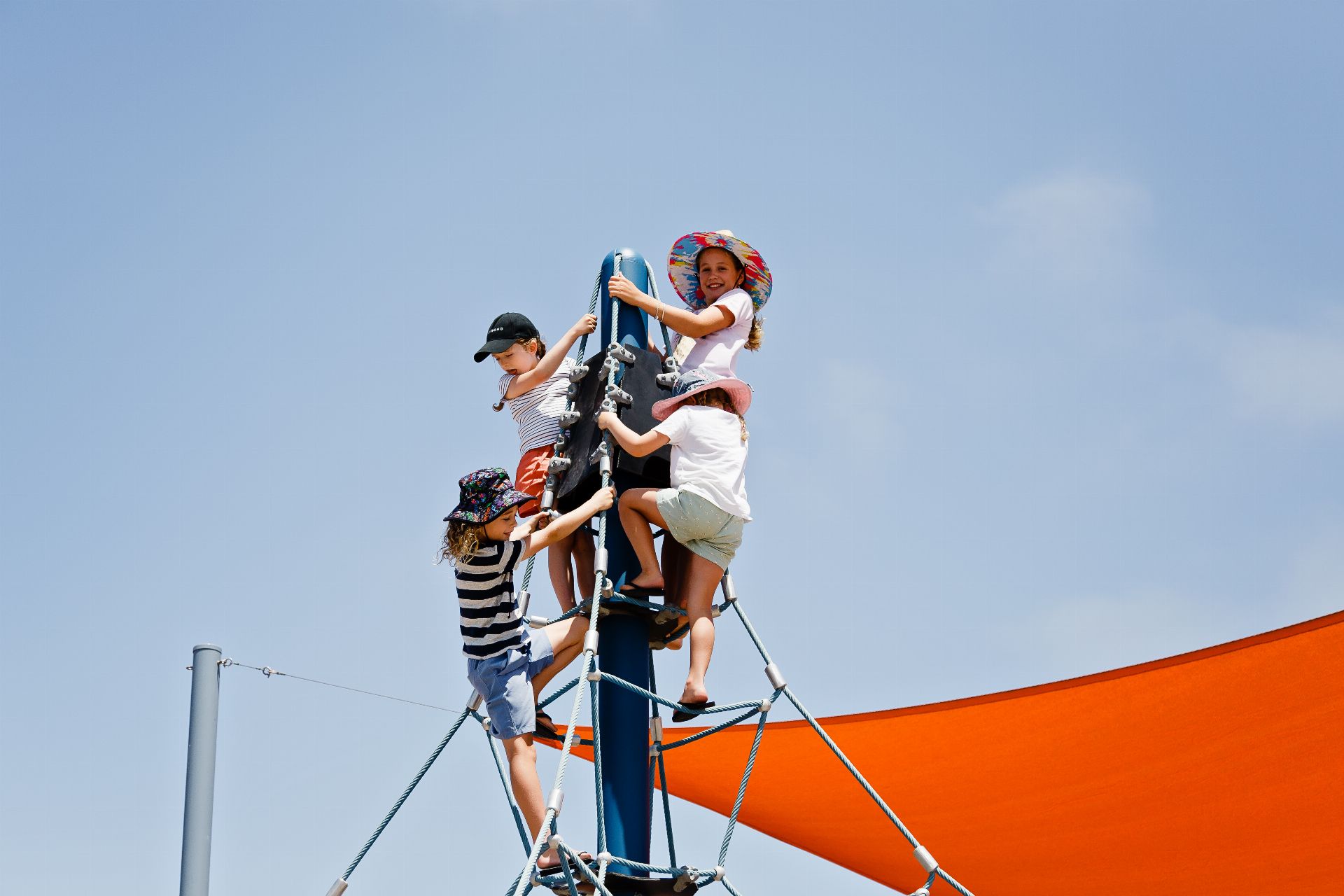
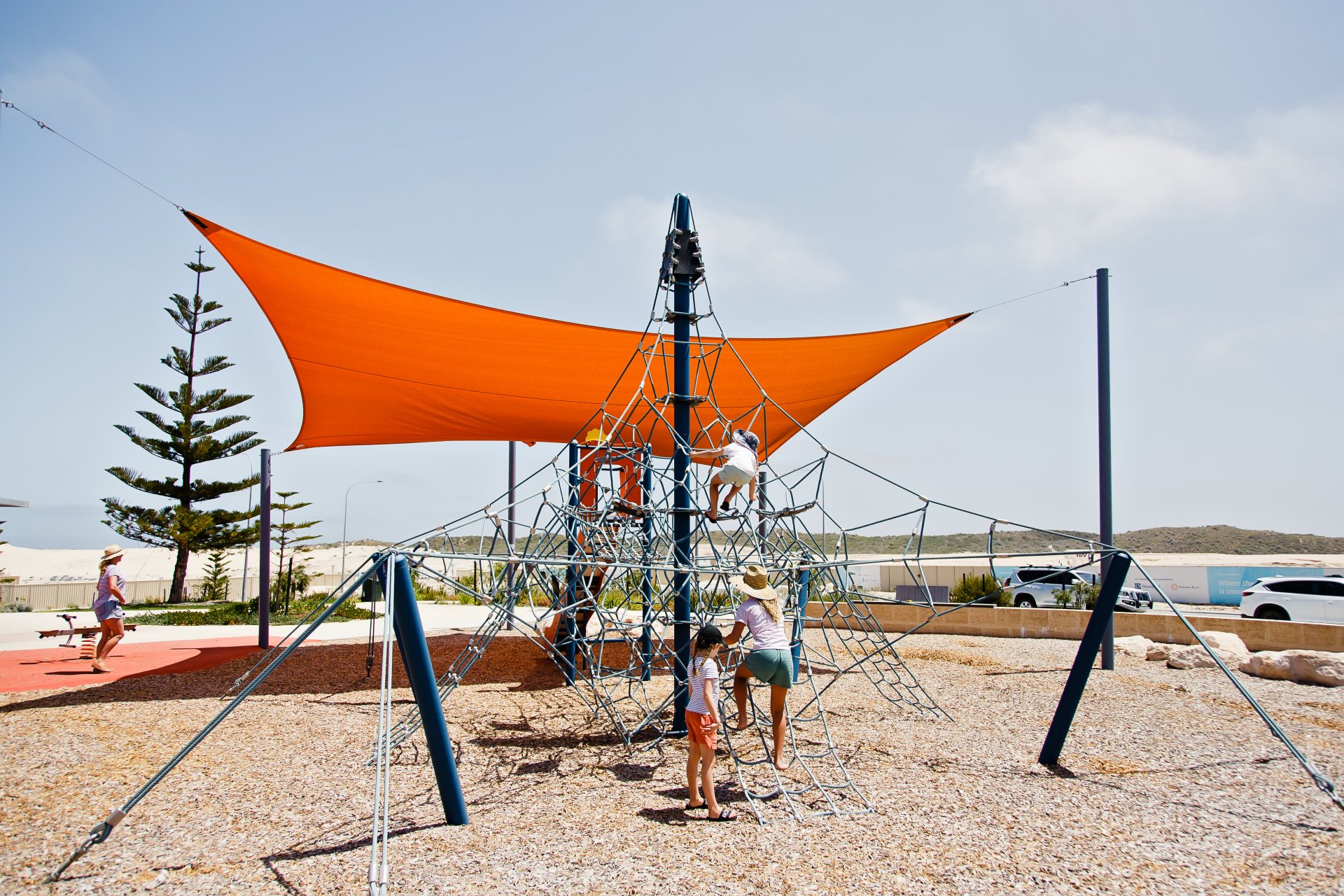
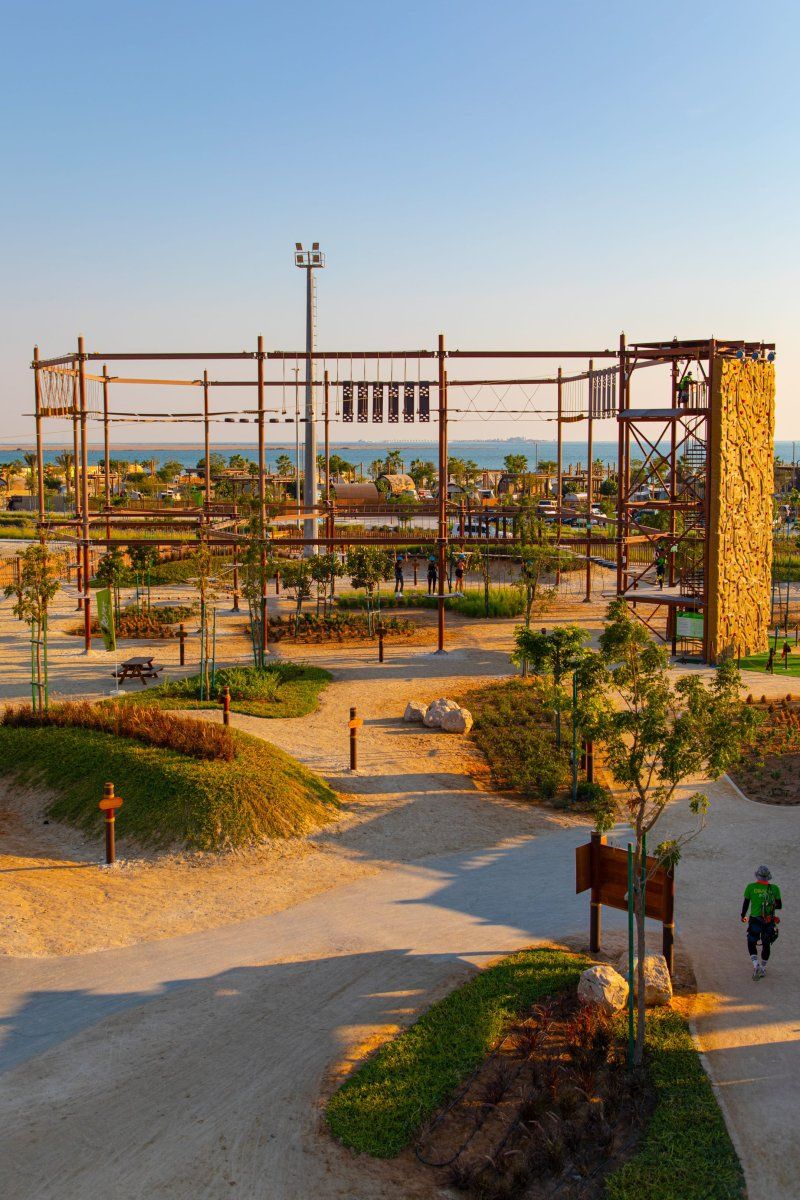
For example, low-level climbing units ensure that children actively use their arm, leg, and core muscles. While climbing, children develop not only their muscles but also their balance and spatial perception. Similarly, swinging bridge crossings and obstacle course areas both physically challenge children and help them gain self-confidence.
Activities played with jumping and balance boards also help children achieve body control. Through spring floors, jump rope areas, and bouncing platforms, children learn to use their bodies rhythmically. Such active and physical games also provide a healthy outlet for energy release.
Bicycle courses or games played with pedal toys support muscle development while also developing children's coordination skills. Particularly, gaining reflexes such as maintaining balance and changing direction makes it easier for children to move independently.
Games Supporting Sensory and Cognitive Development
The way children in this age group recognize their environment occurs through senses such as touch, smell, sight, and hearing. Therefore, structuring outdoor games to increase sensory awareness is quite valuable in terms of development. Cemer's play areas with different textures, colors, and materials directly support children's cognitive development.
Games played in sandboxes develop both children's fine motor skills and imagination. Activities like carrying sand with a shovel and shaping with molds provide a sensory experience while exercising children's small muscles. Similarly, water carrying games also require patience, attention, and hand-eye coordination; this way children increase their attention spans and control skills.
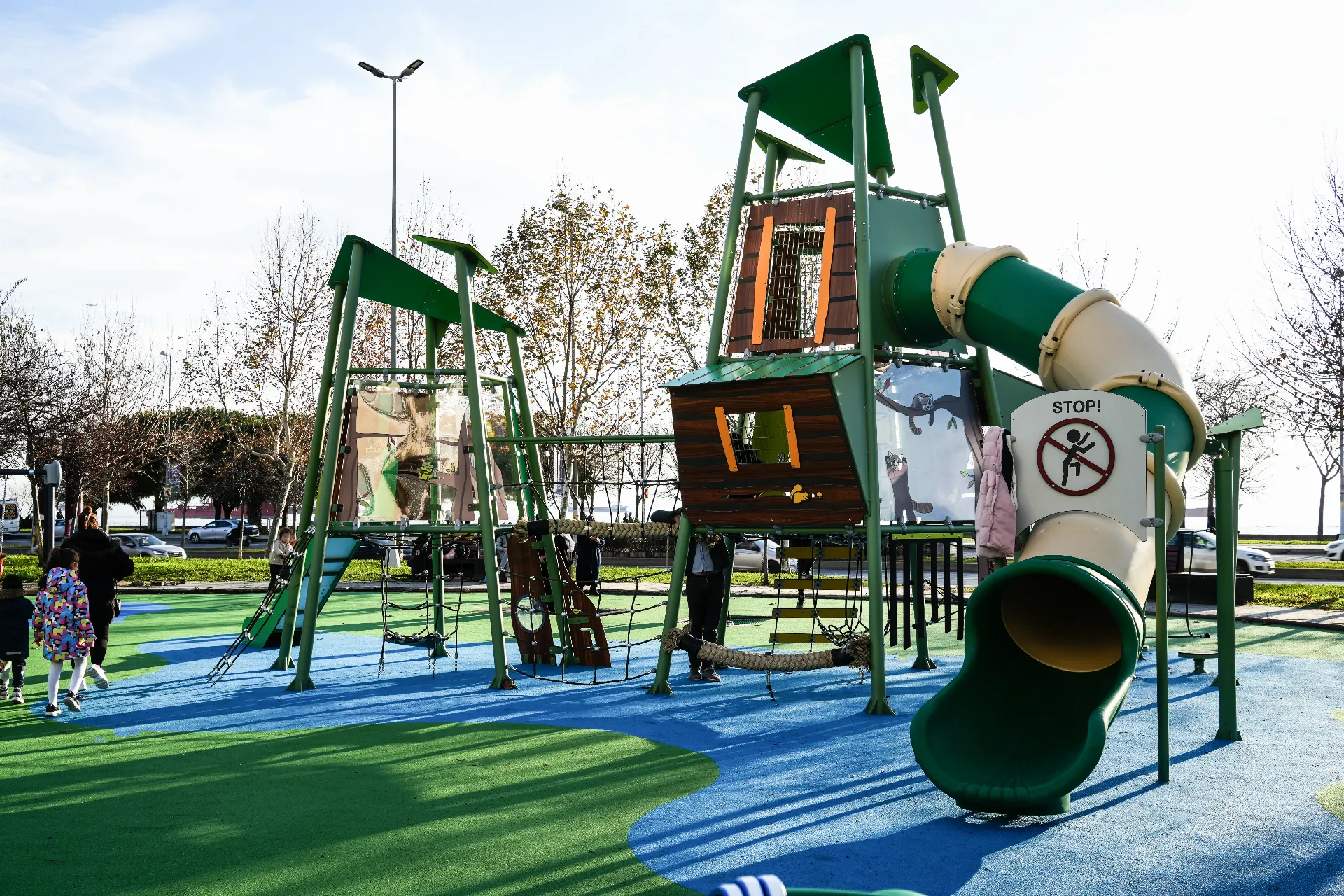
Touch and find games increase children's tactile awareness by enabling the exploration of different surfaces. Tunnel passages are very valuable not only physically but also in terms of spatial perception development. Children learn to find direction in narrow spaces and gain flexibility by using their bodies in different ways.
Games like run to target and touch strengthen children's attention skills while also developing their quick decision-making abilities. Focusing on specific colors or symbols and trying to catch them increases both visual attention and motor planning abilities in children.
Games Supporting Social and Creative Development
During the 3-6 age period, children begin to play with others, take turns, and cooperate. In this process, outdoor games provide children with a safe environment where they can establish social interaction. At the same time, imagination-based games support children's creative thinking skills.
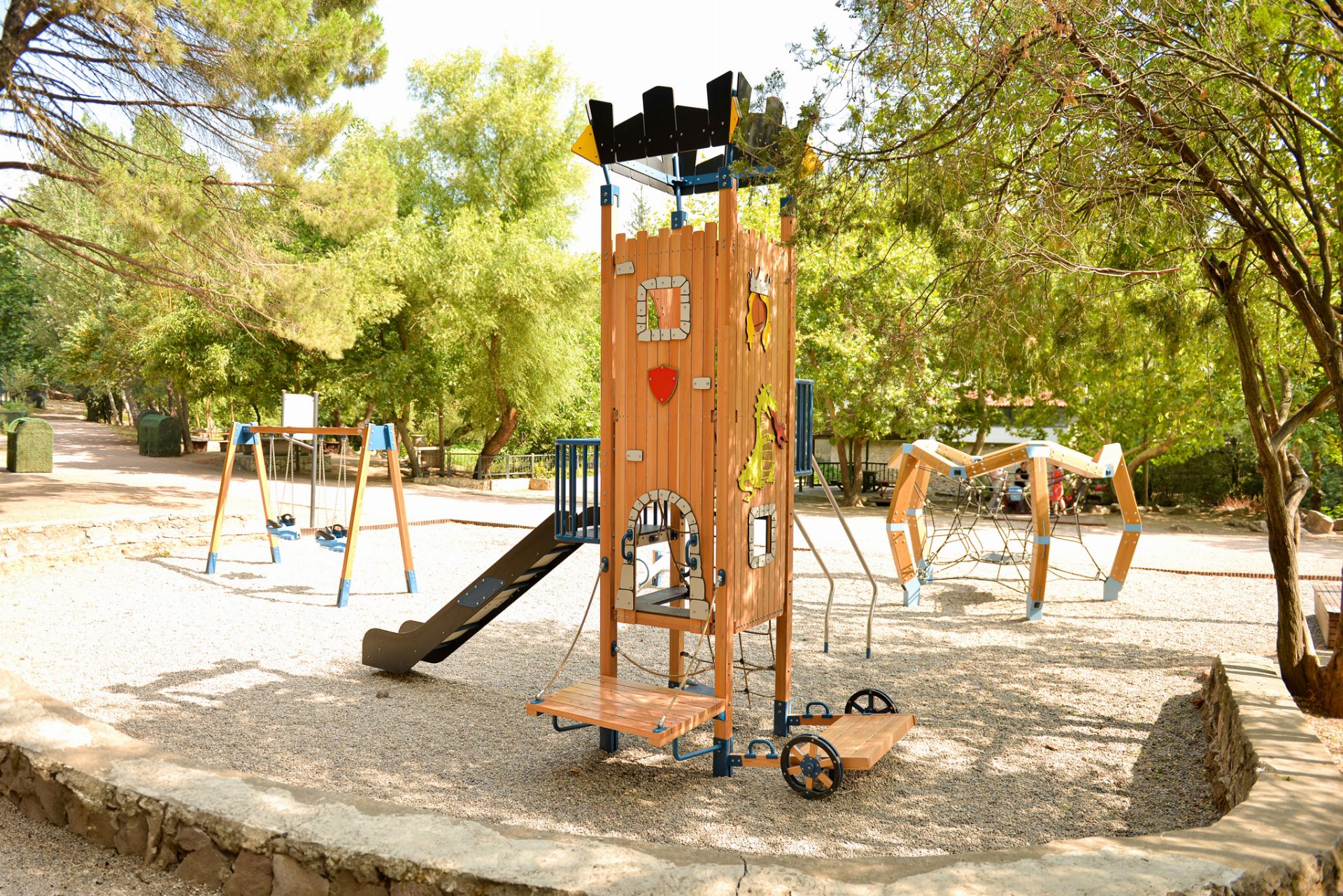
Role-playing games are a very important developmental tool for this age group. Cemer's themed play groups –for example, animal-themed or fairy tale-themed parks– encourage children to create stories, assume characters, and produce scenarios. Activities like animal imitation games, which have physical content but also strong symbolic aspects, nourish both motor skills and imagination together.
Group games like treasure hunts enable children to move together, follow instructions, and solve problems. These games are also very instructive in terms of learning cooperation and getting used to task sharing.
Simple but versatile activities like bubble chasing help children develop reflexes and gain agility while also developing their ability to move together. Additionally, free play times are indispensable for children to discover their individual interests and express themselves. Cemer's multi-purpose play groups offer children this freedom area within a safe framework.
Conclusion
Outdoor games are an indispensable tool for children's healthy growth. These games, which provide countless benefits in terms of physical, cognitive, and social development, also enable children to connect with nature and stay away from screens. As Cemer, we support children's development through play with our safe, aesthetic, and functional play groups specially developed for the 3-6 age group.