
3 Key Safety Measures to Consider in Climbing
Climbing is an exciting activity that develops both physical and mental endurance. However, without the right precautions, it can become risky. Ensuring safety during climbing requires proper equipment, regular checks, and solid training. Here are the 3 key safety measures to consider in climbing.
1. Proper Equipment Use
The gear you choose forms the foundation of a safe climbing experience. Shoes should have non-slip soles suitable for climbing surfaces. Helmets designed to protect against falls and falling objects are a must. Harnesses that fit snugly around the body minimize fall risks. All equipment should be high quality and meet safety standards.
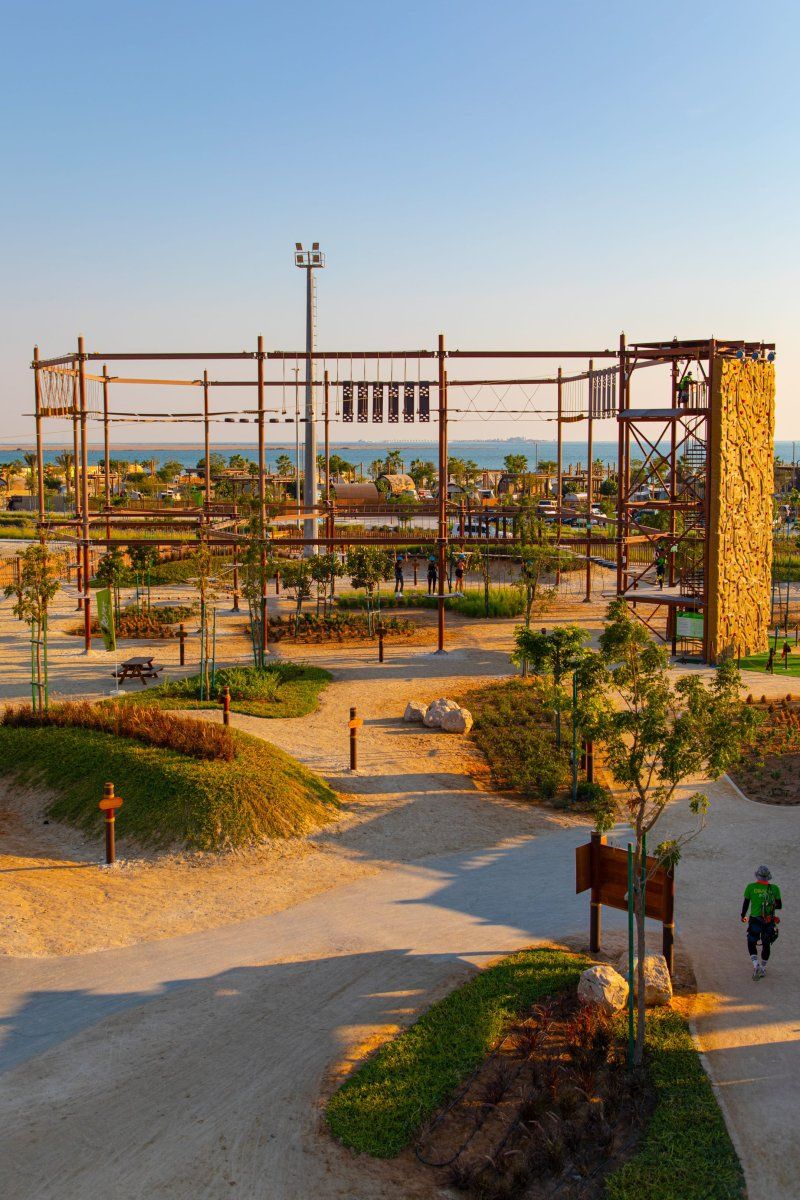
Discover Safe and High-Adrenaline Active Spaces!
Safety is the cornerstone of premium adventure tracks. Explore our world-class engineering solutions and certified structures designed to deliver maximum thrill with uncompromising safety.
Discover Extreme Sports Equipment →2. Importance of Regular Checks
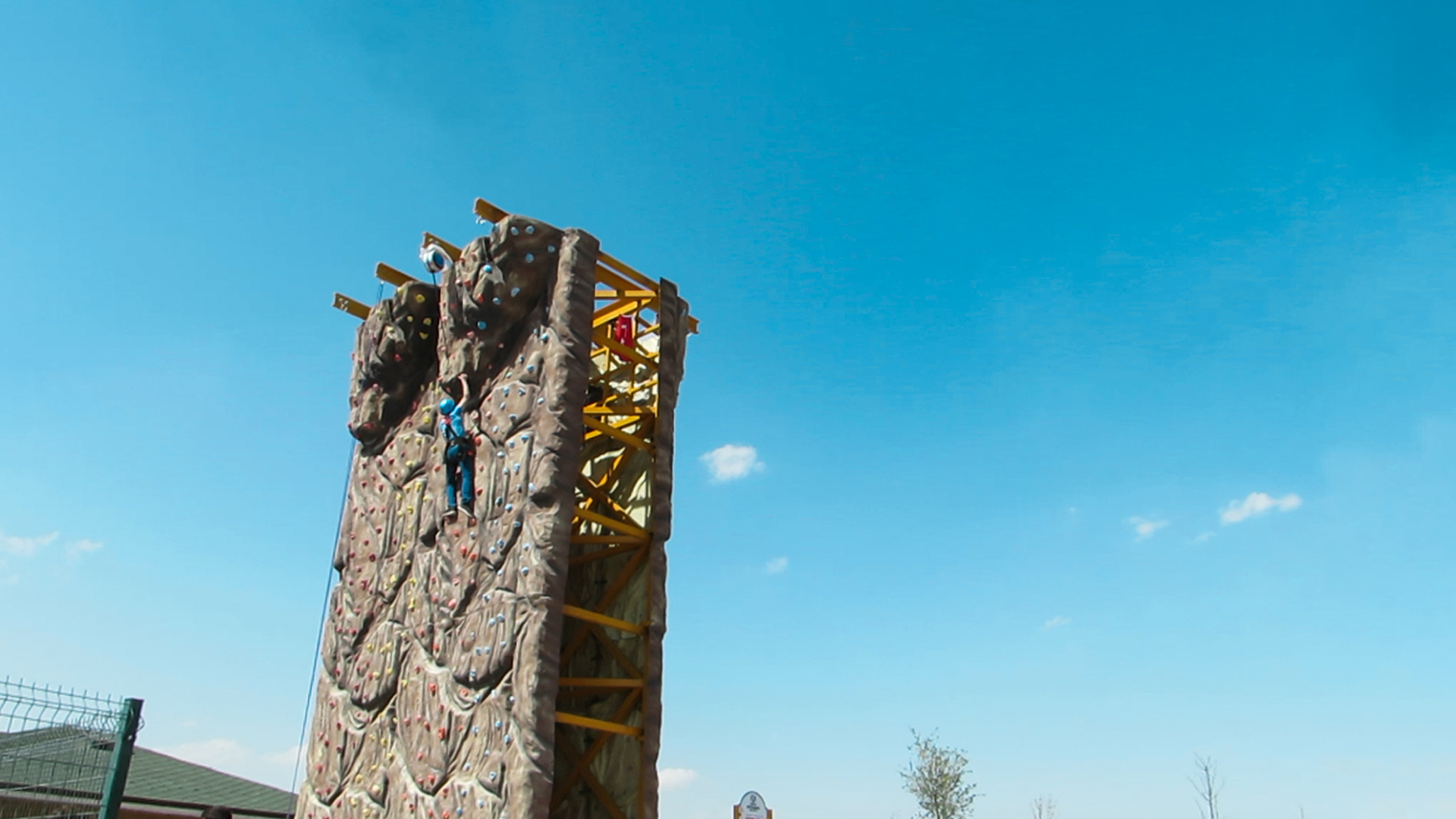
Checking both your equipment and the environment before and during climbing is one of the most effective ways to prevent accidents. Ensure ropes and carabiners show no signs of wear or damage. Inspect the climbing surface for loose rocks or slippery areas. Automatic belay systems should be tested to confirm proper operation.
3. Proper Training
Climbing requires both knowledge and practice. Receiving proper training is vital. Learn climbing techniques and safe descent procedures. Practice with the guidance of an experienced instructor. Understand how to assess the difficulty level of the chosen route.
Conclusion
When practiced safely, climbing is both enjoyable and rewarding. Proper equipment use, thorough checks, and solid training make the experience safer and more fun. Cemer’s high-quality climbing equipment is designed to make this sport both secure and exciting. If you are aiming to implement certified and risk-minimizing solutions in your urban or commercial recreation projects, check out Cemer's professional extreme sports equipment and structures. Remember: in extreme sports activities like climbing, safety always comes first.