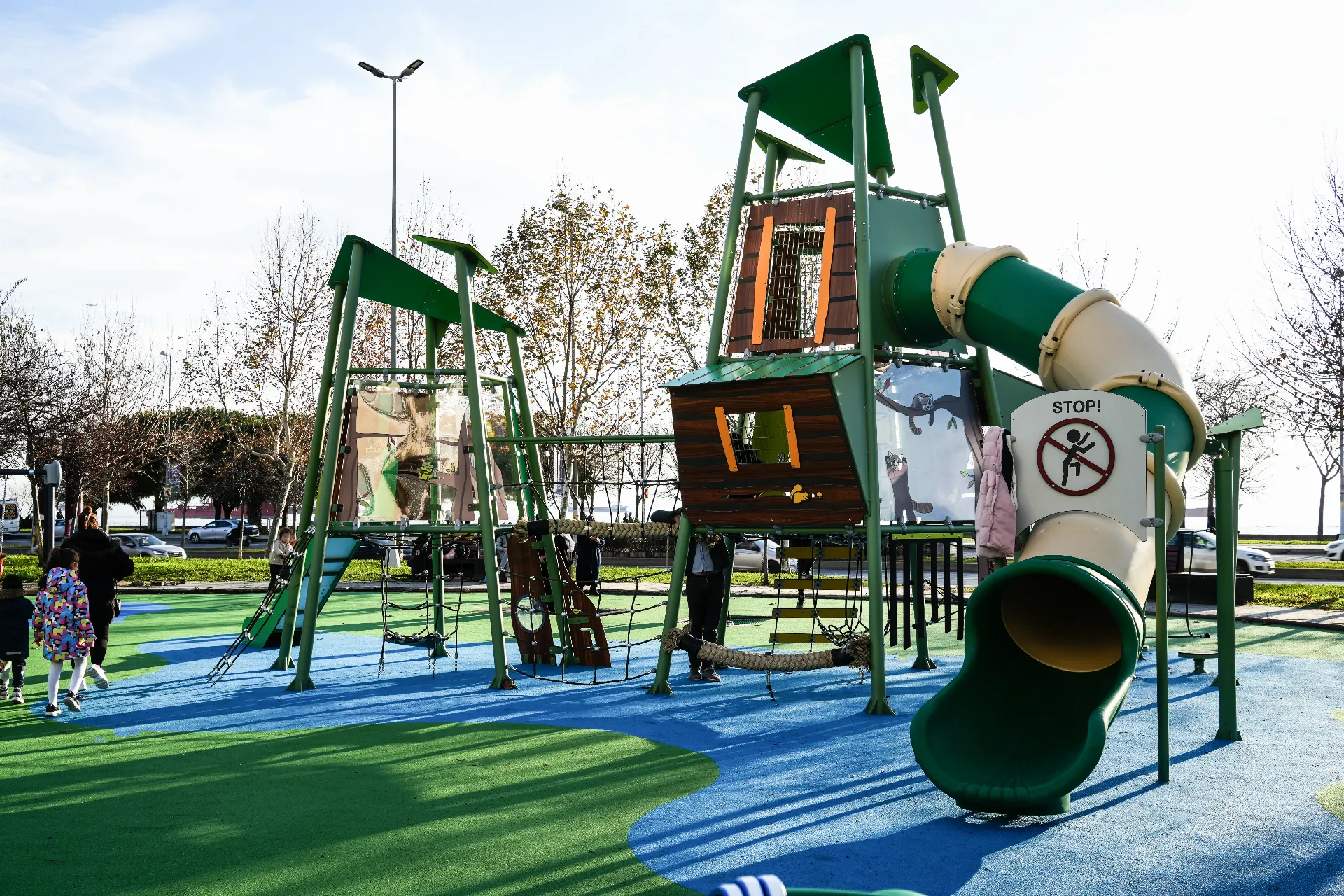
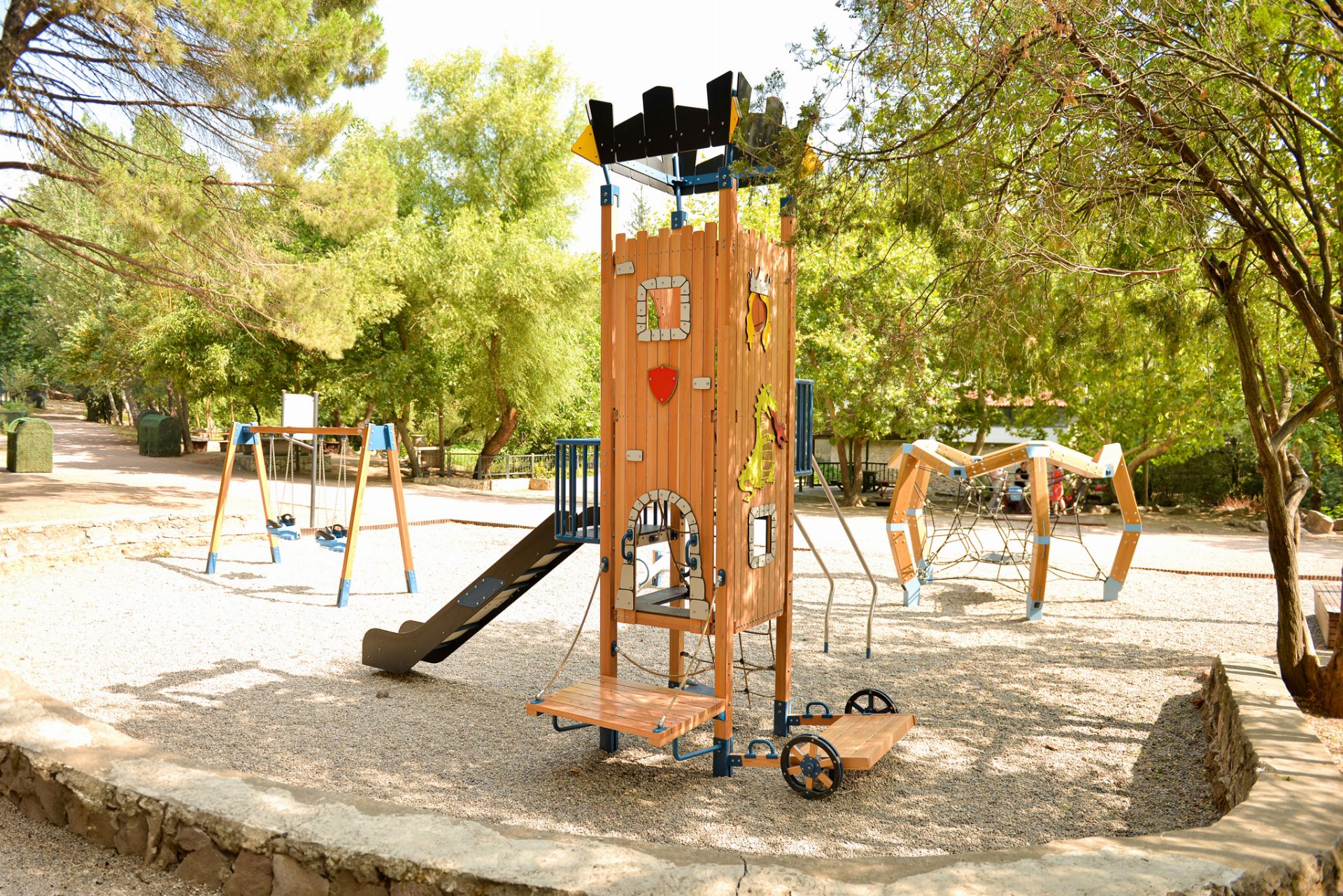
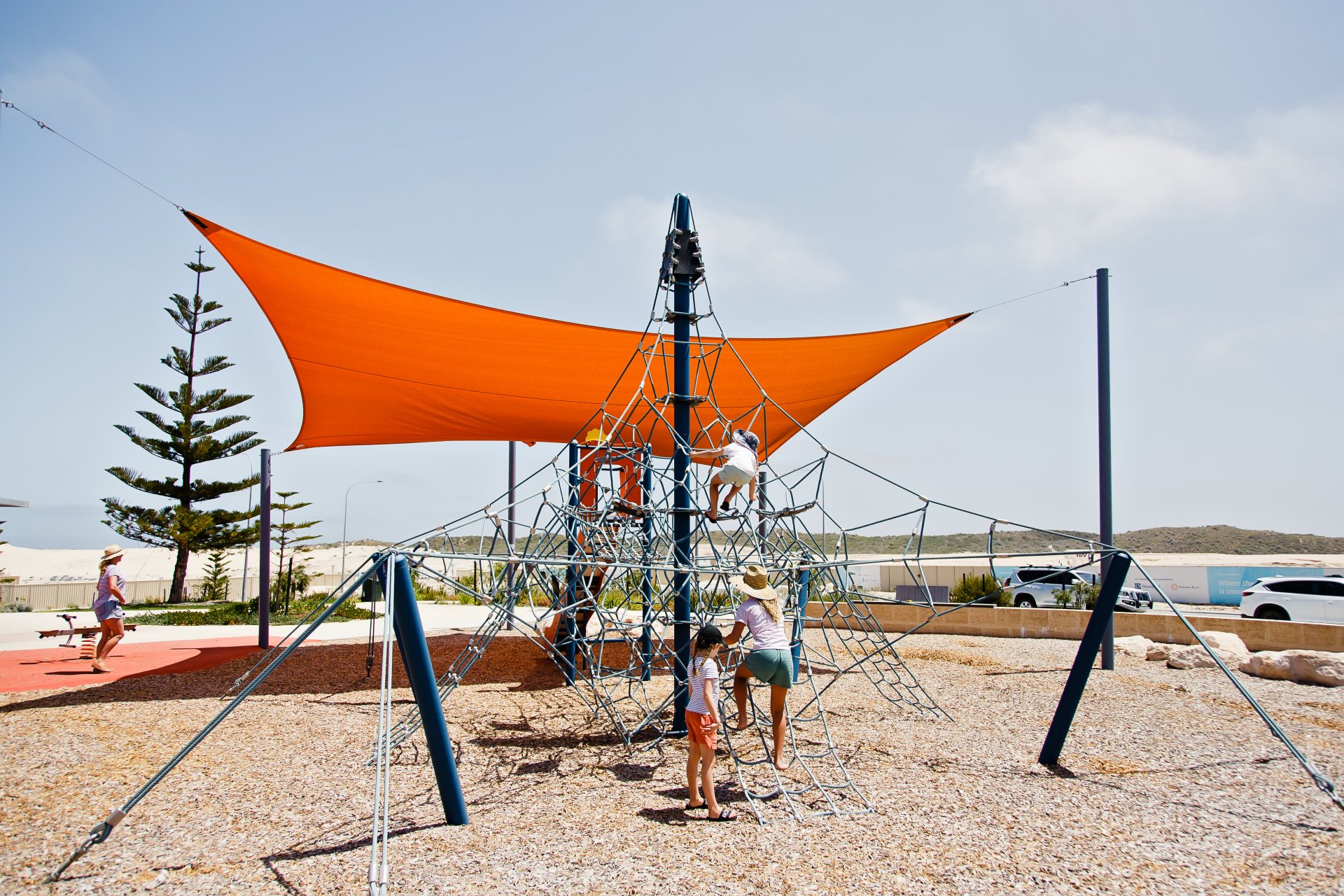
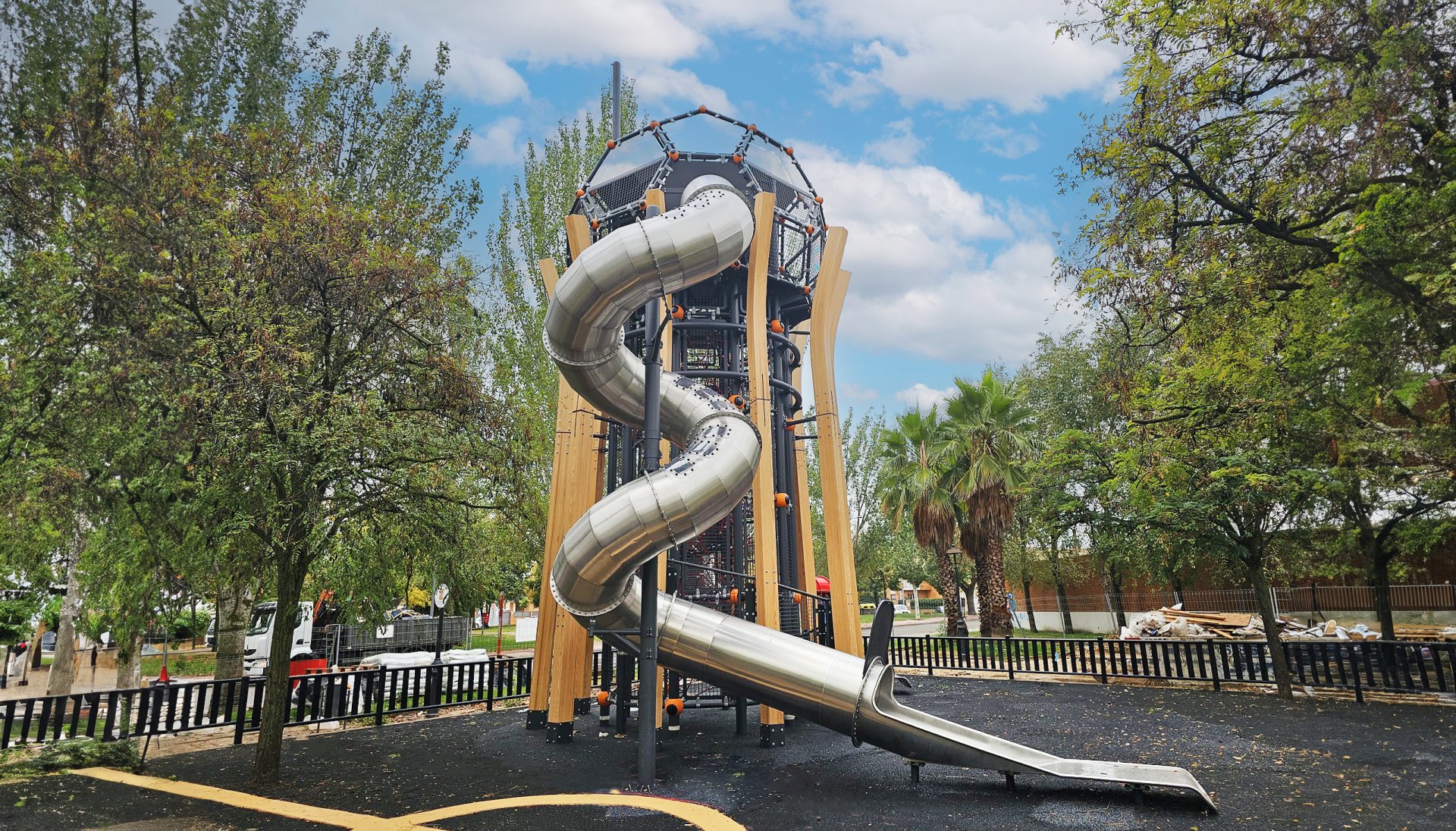

For children, sports mean much more than just physical activity — it’s about learning, socializing, and growing. Today, children’s sports parks have become some of the most valuable spaces in cities, combining safety and fun to enrich young lives. The key challenge in designing such areas lies in striking the perfect balance between these two essential elements.
Children’s Sports Parks: Where Fun Meets Safety
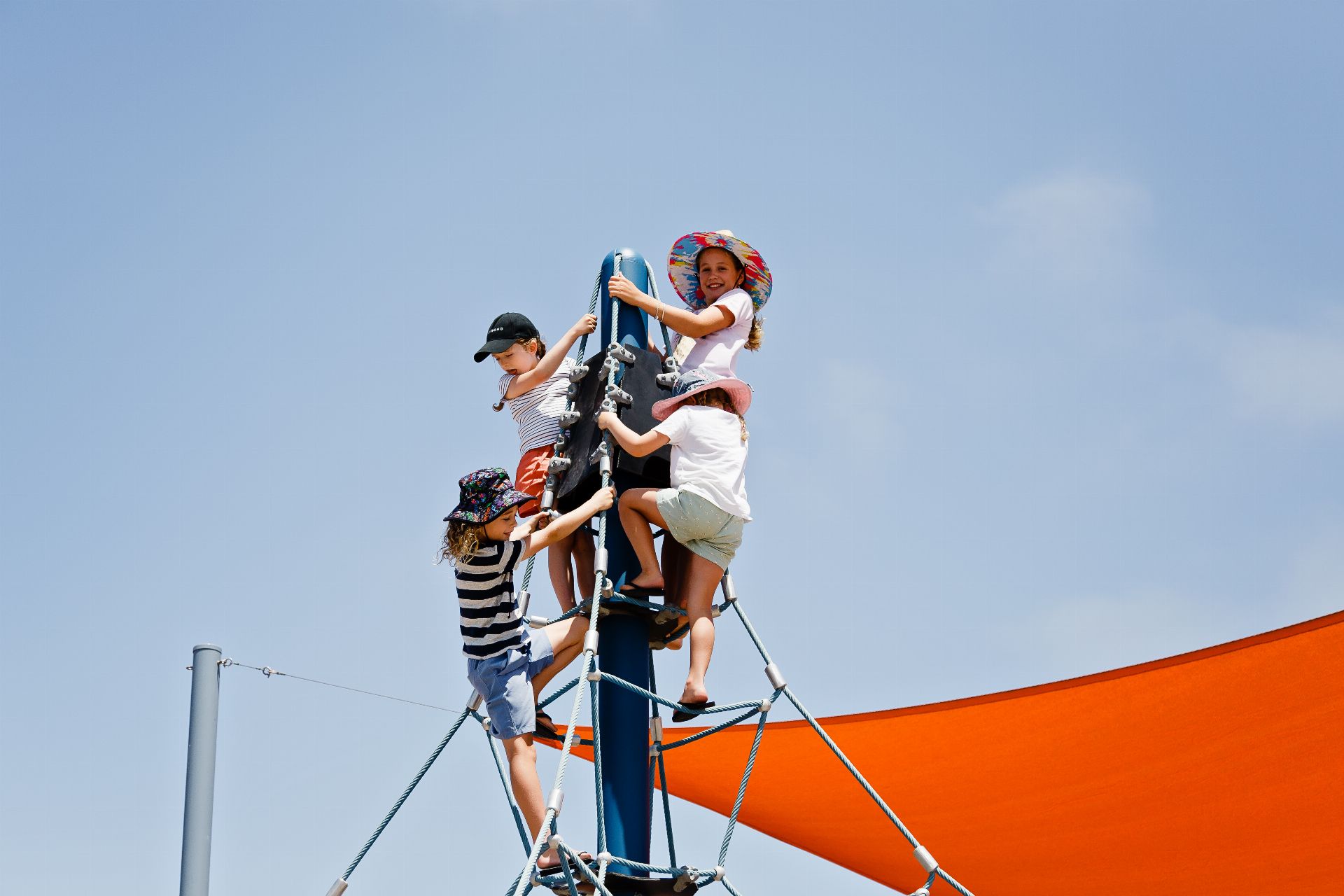
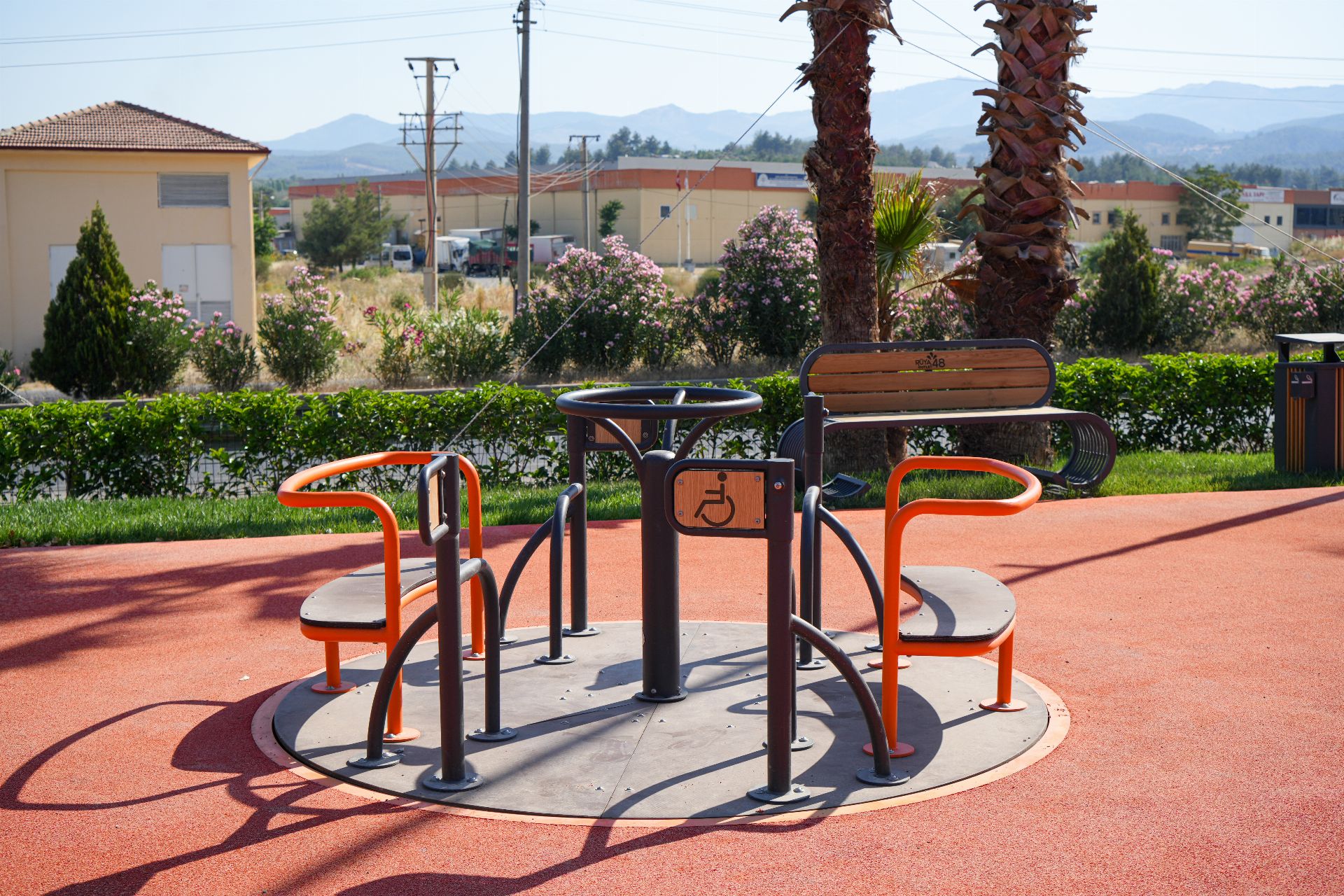
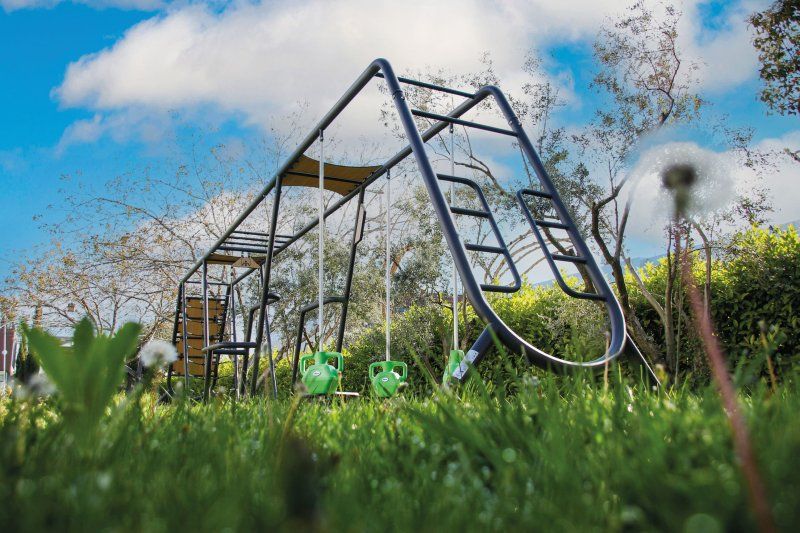
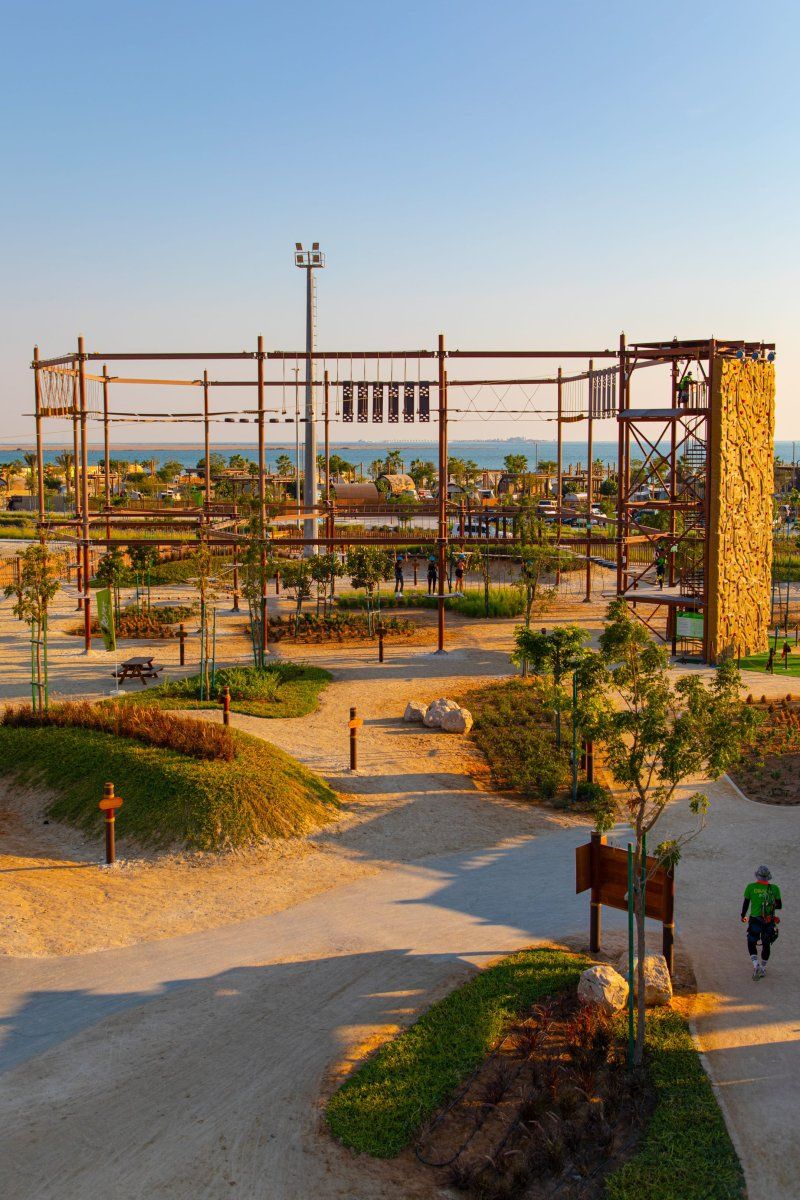
Children are full of energy. They want to run, climb, and jump — so the spaces designed for them must be engaging and dynamic. Colorful play structures, movement-oriented sports equipment, and age-appropriate activities attract children to the area. But fun alone is not enough; safety must be at the heart of every design.
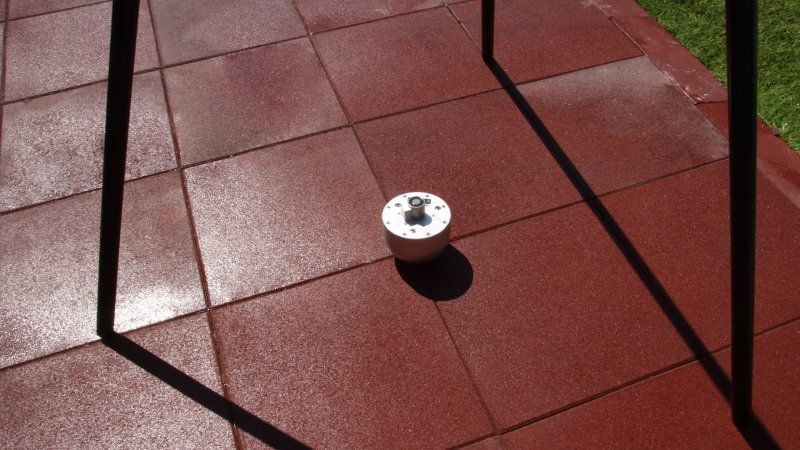
Non-slip floors, durable materials, soft fall zones, and carefully planned equipment placement help minimize the risk of accidents. Yet safety isn’t only about physical protection — it’s also about creating an environment where children feel emotionally secure while socializing and where parents can relax. Open visibility and clear sightlines are essential so parents can easily watch their kids, and children can explore freely within safe boundaries.
A Shared Responsibility: Municipalities and Safe Urban Design
Here, municipalities and local governments play a vital role. A well-designed sports park is not just a recreational facility — it’s an investment in public health, child development, and community well-being.
That’s why Cemer stands out with its child-friendly park and sports area solutions. With durable, aesthetic, and internationally certified equipment, Cemer brings together safety, functionality, and playfulness in every project.
In the end, play and sports are a child’s most natural learning tools. Designing safe, fun, and healthy sports areas means creating the foundations for happier and healthier future generations.