Our story started with a dream. As Cemer Playground Equipment, with the awareness of being one of the pioneers in the industry, we have been managing the whole process from idea to production based on safety for 30 years. We provide you confidence.
ASTM • ADAOur Cemer USA products meet ASTM and ADA standards;they provide safe and inclusive playgrounds.
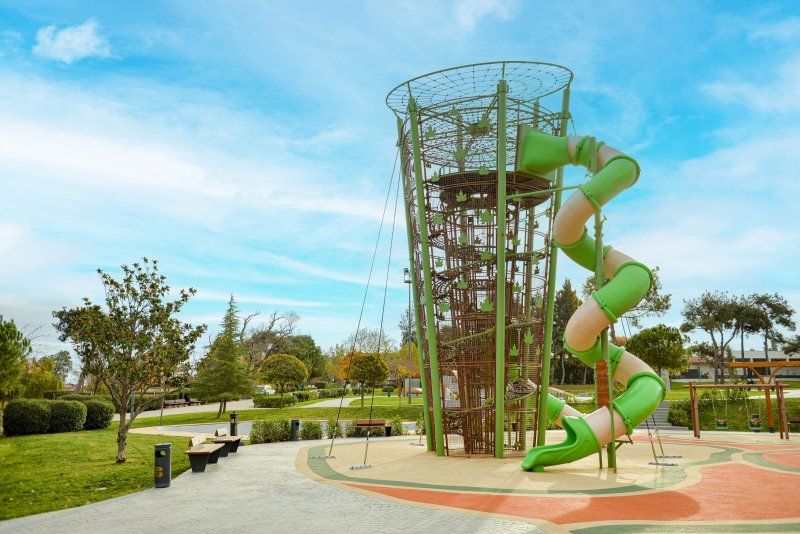
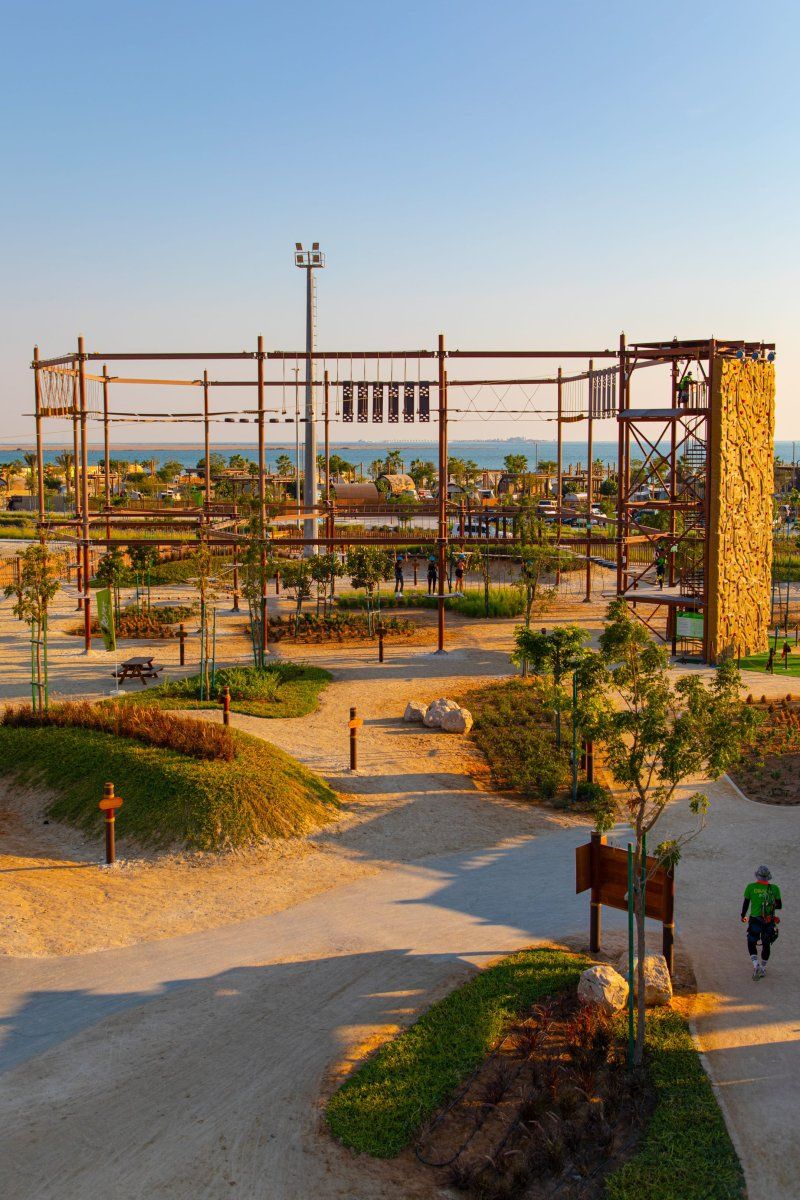
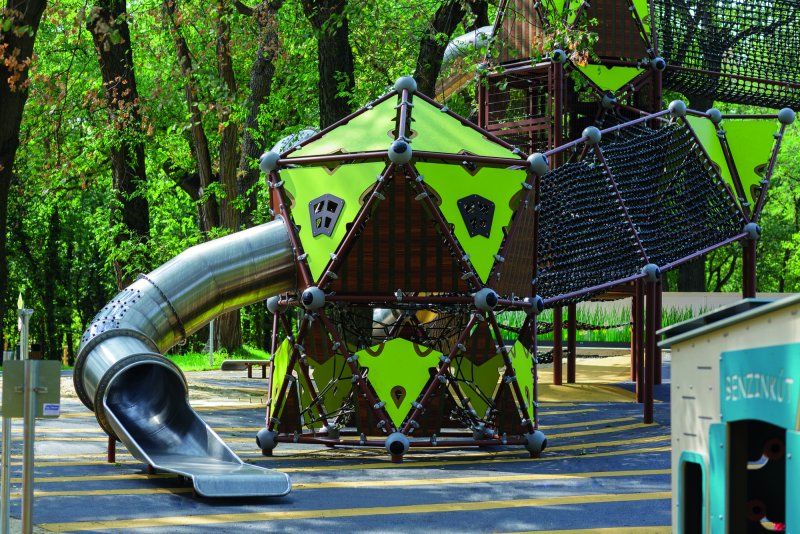
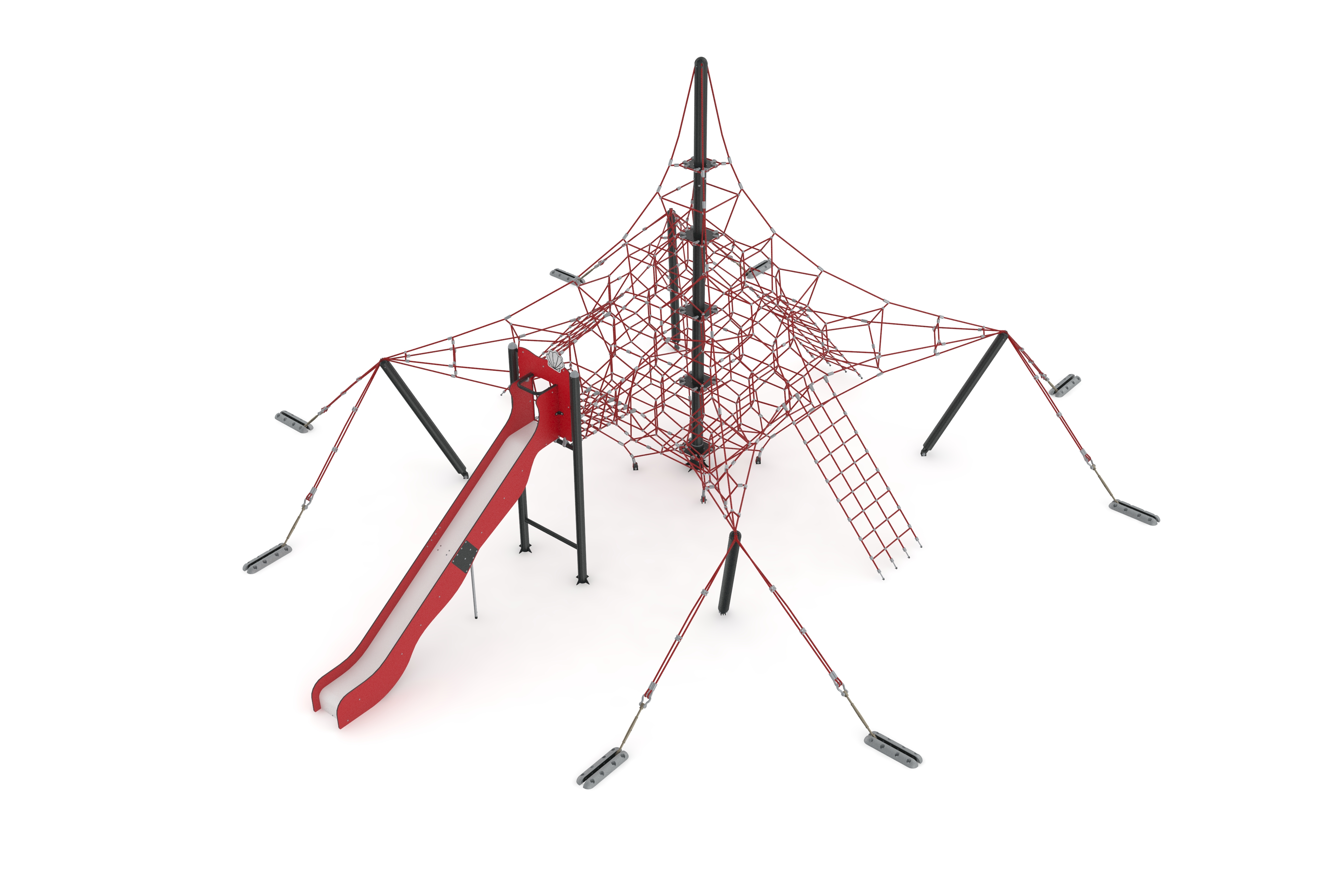
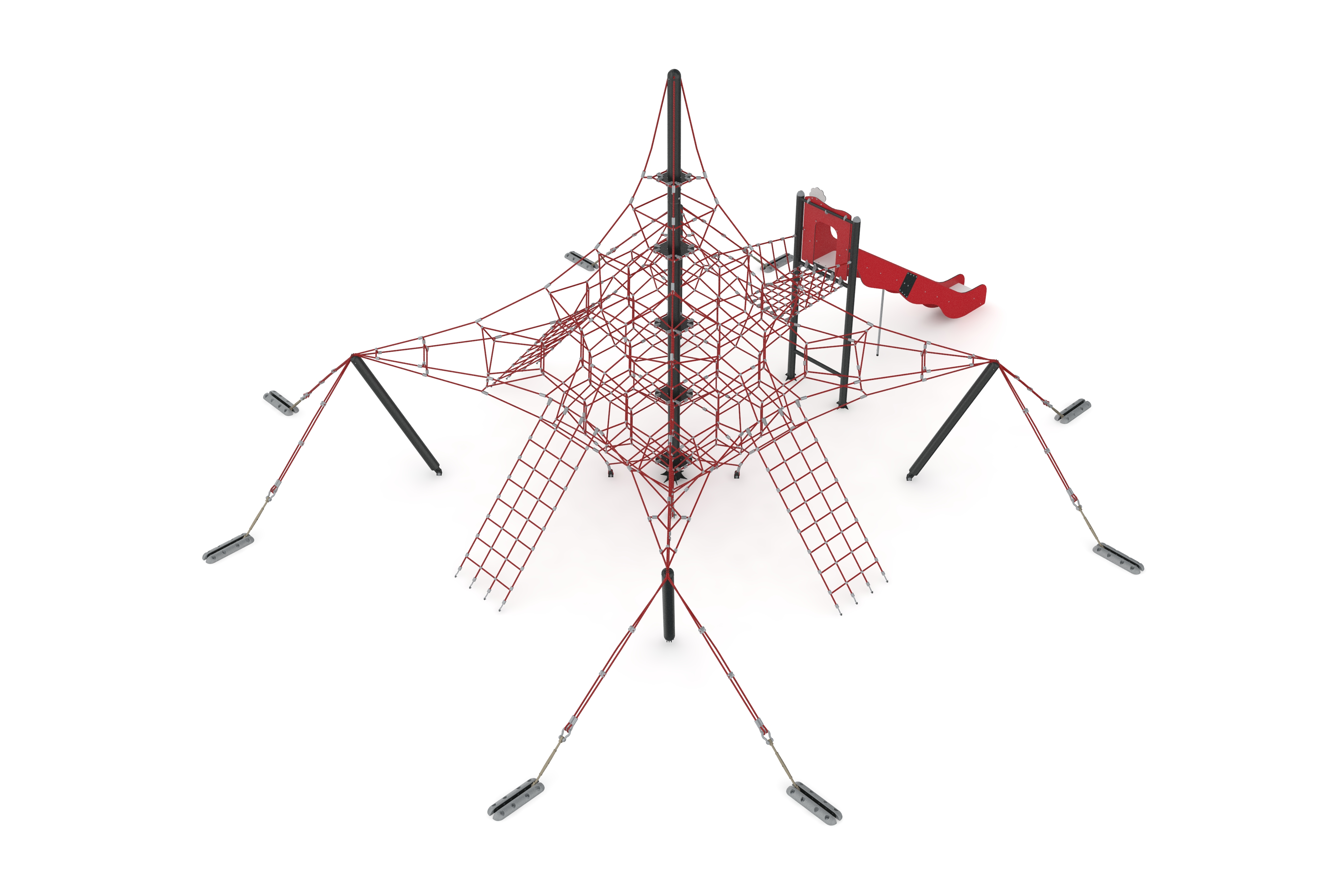
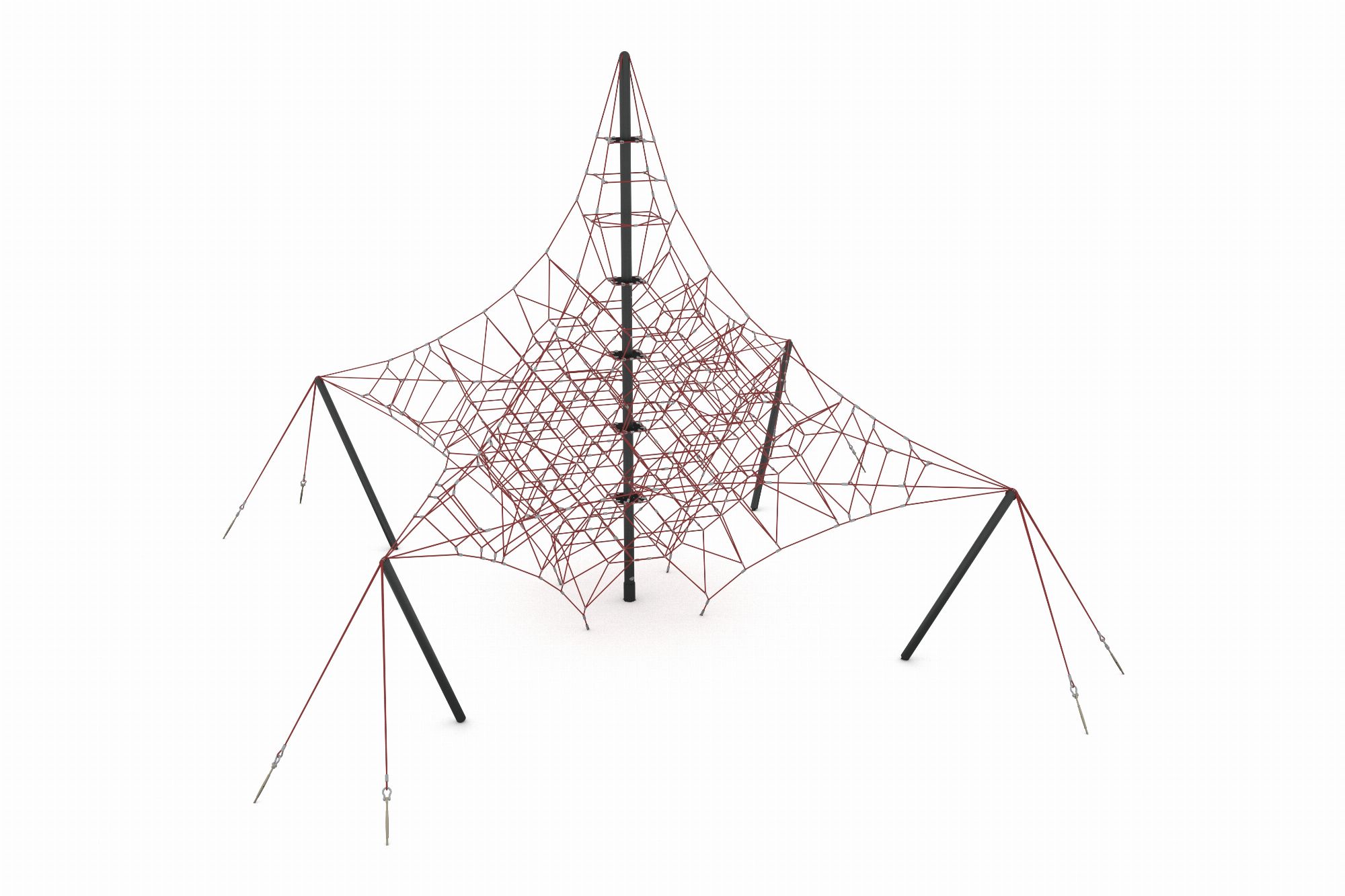
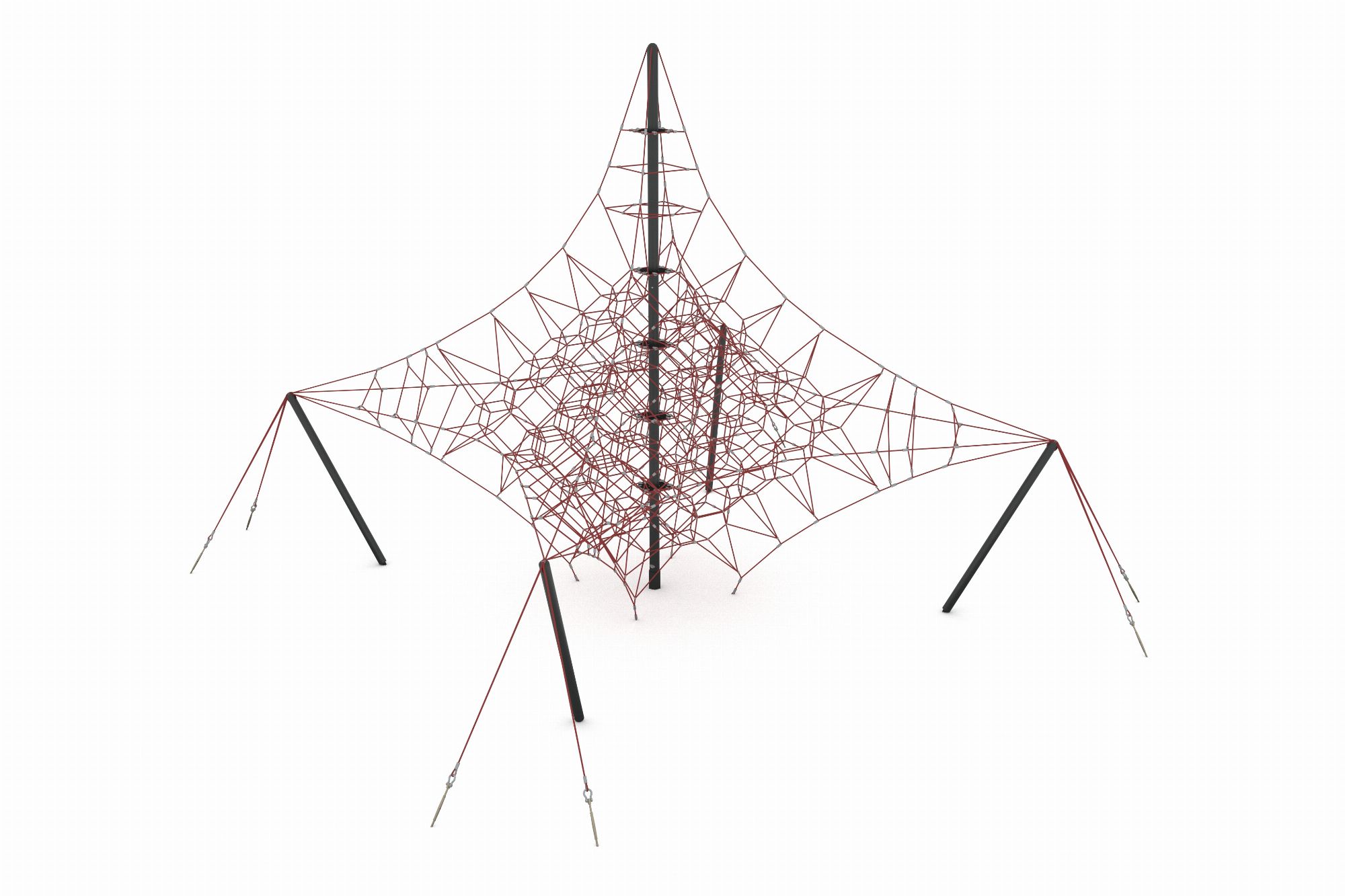
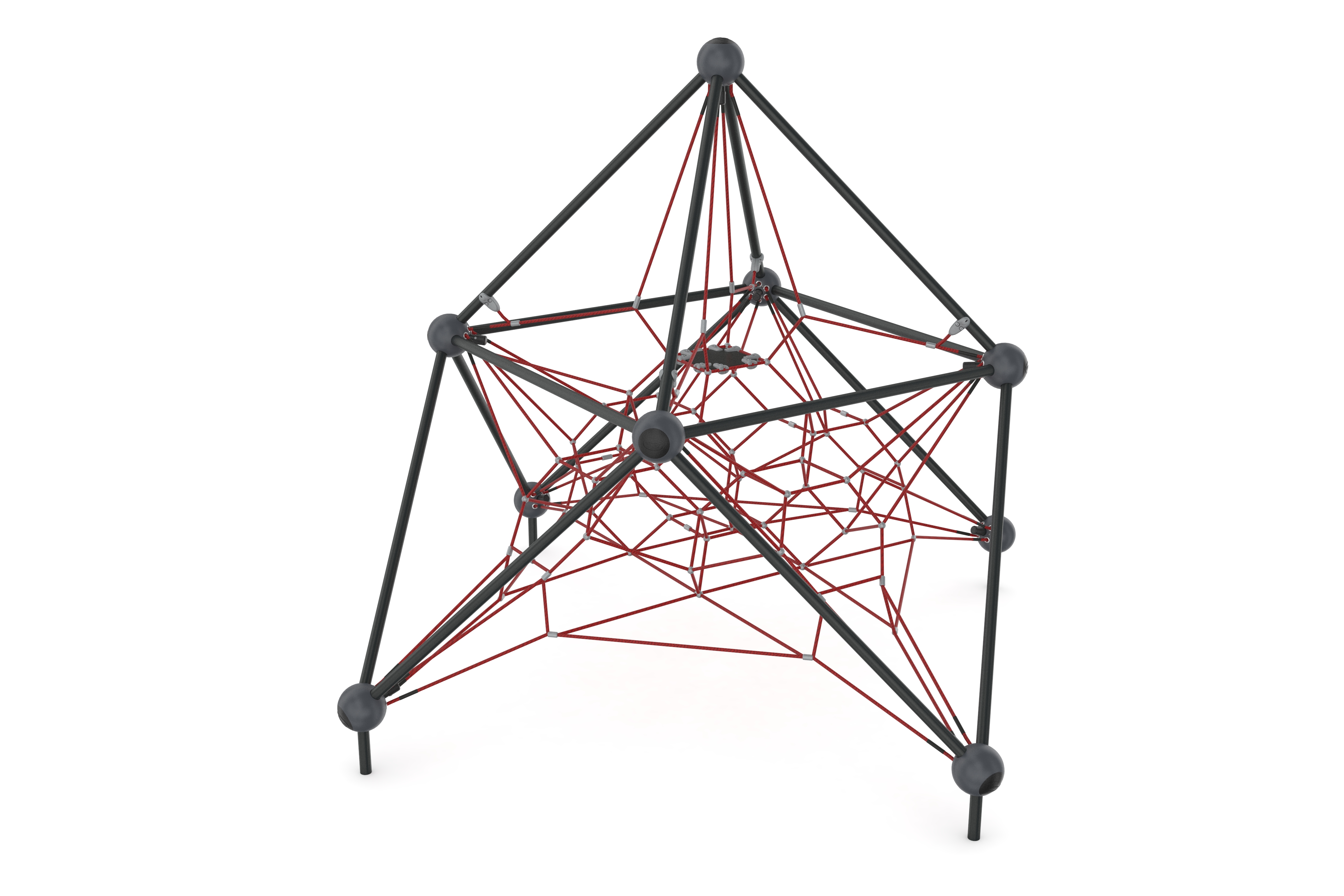
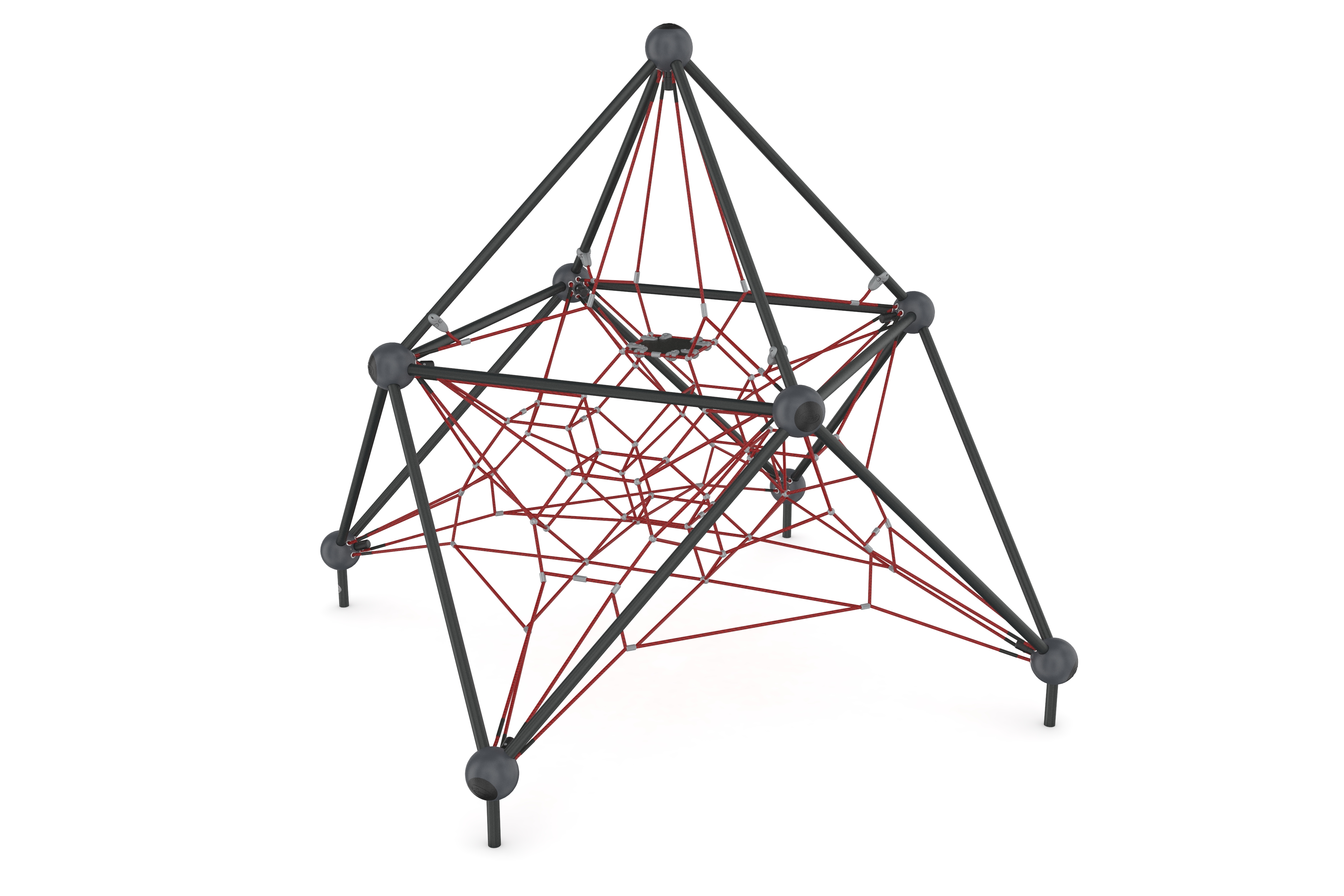
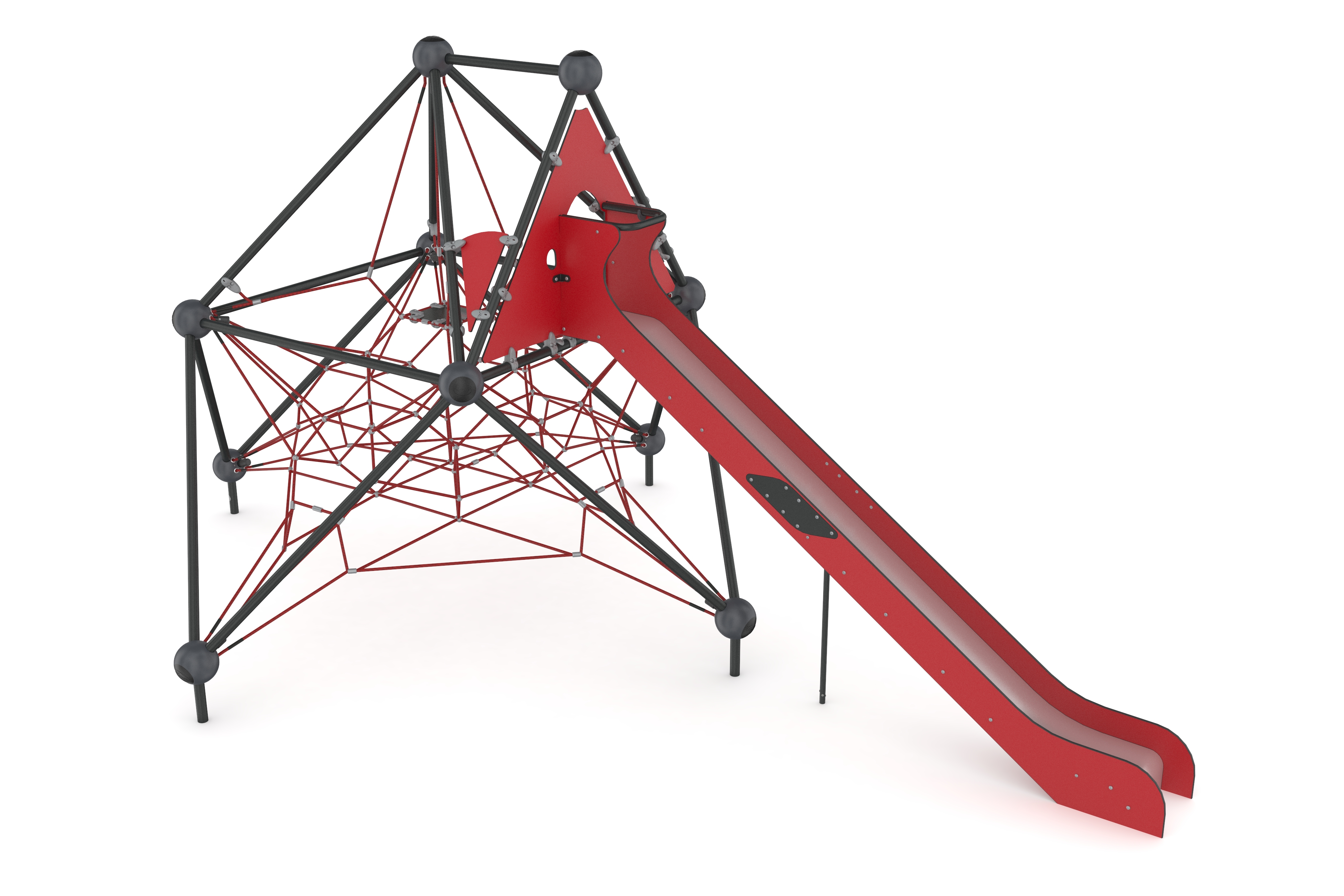
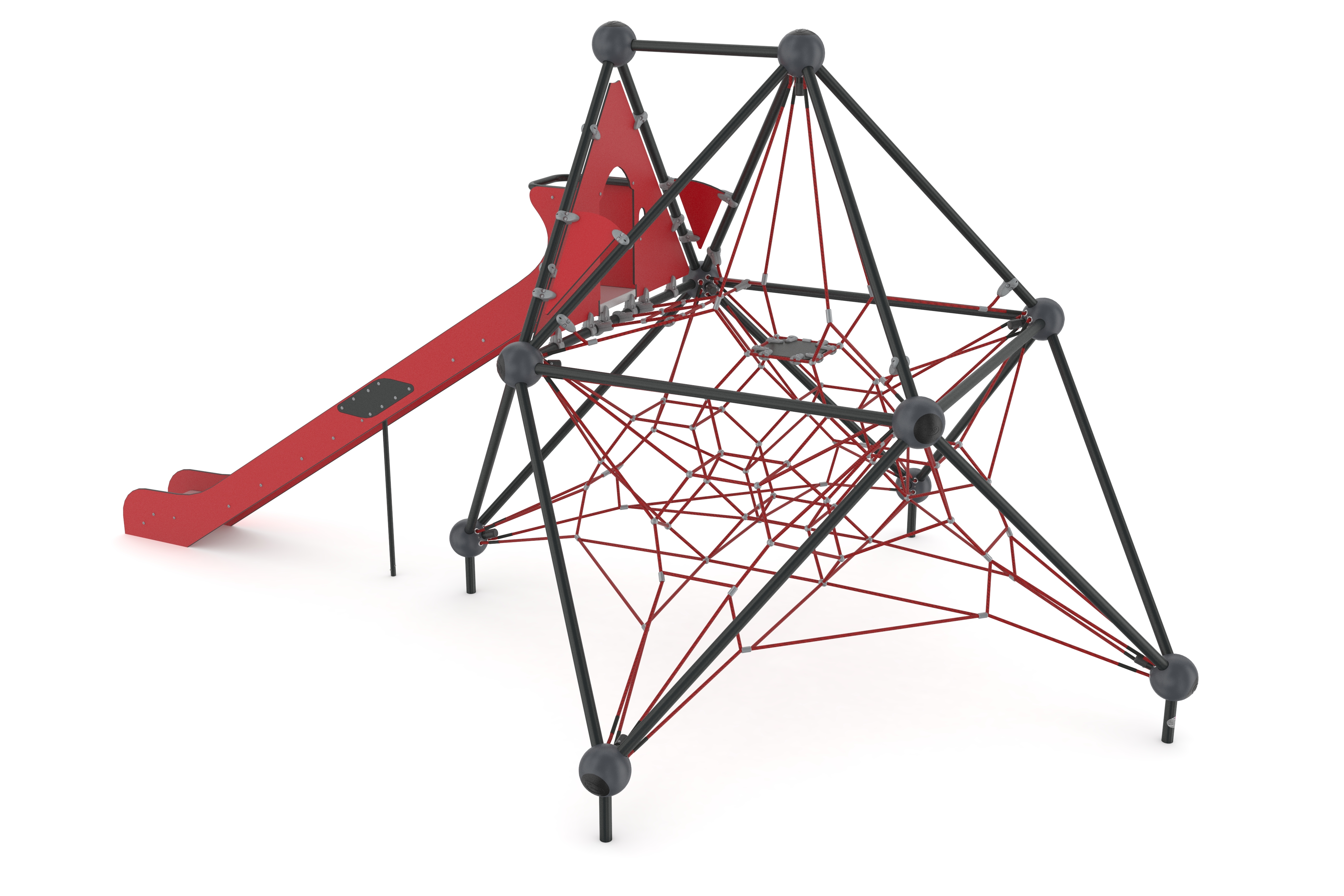
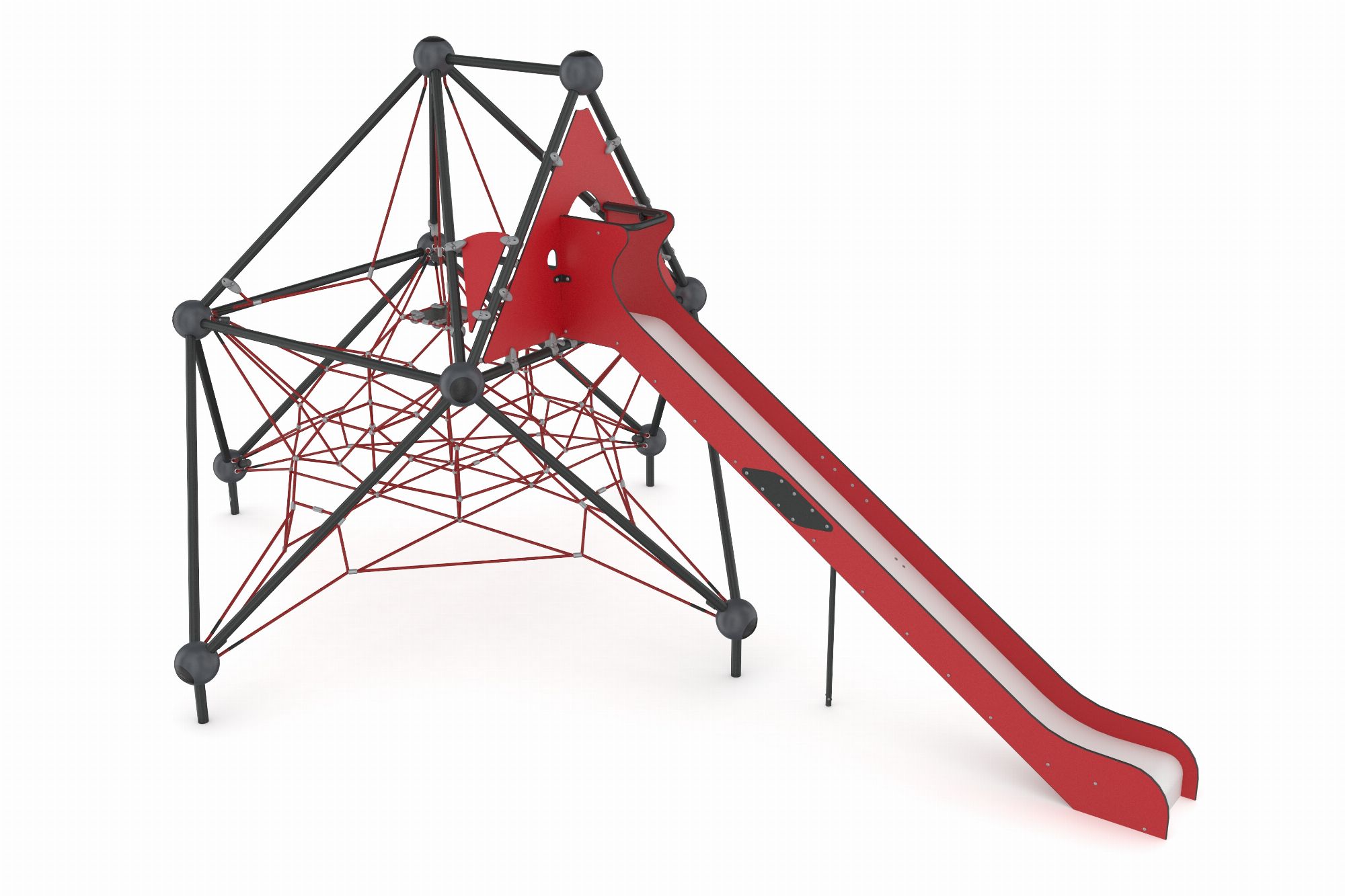
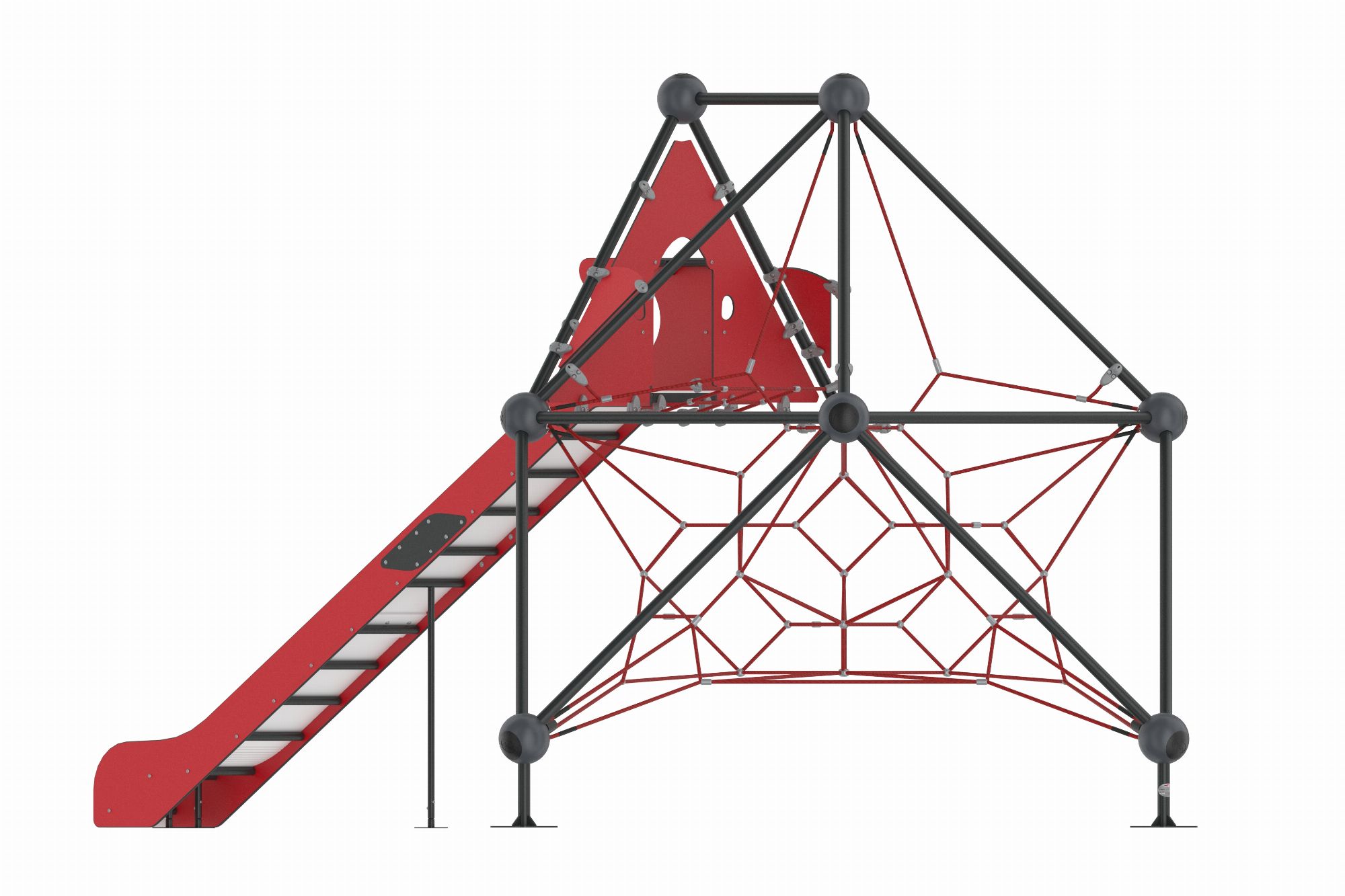
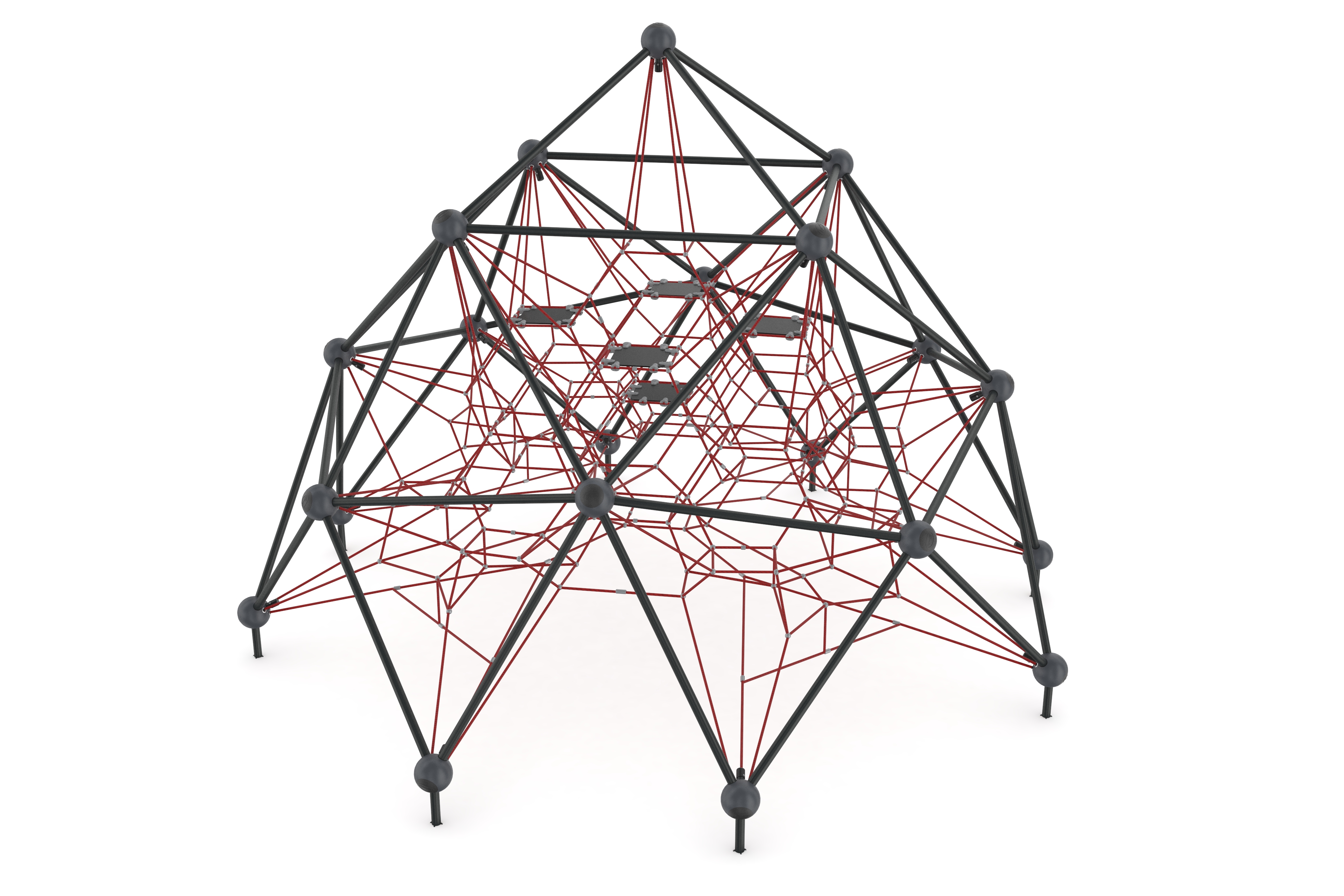
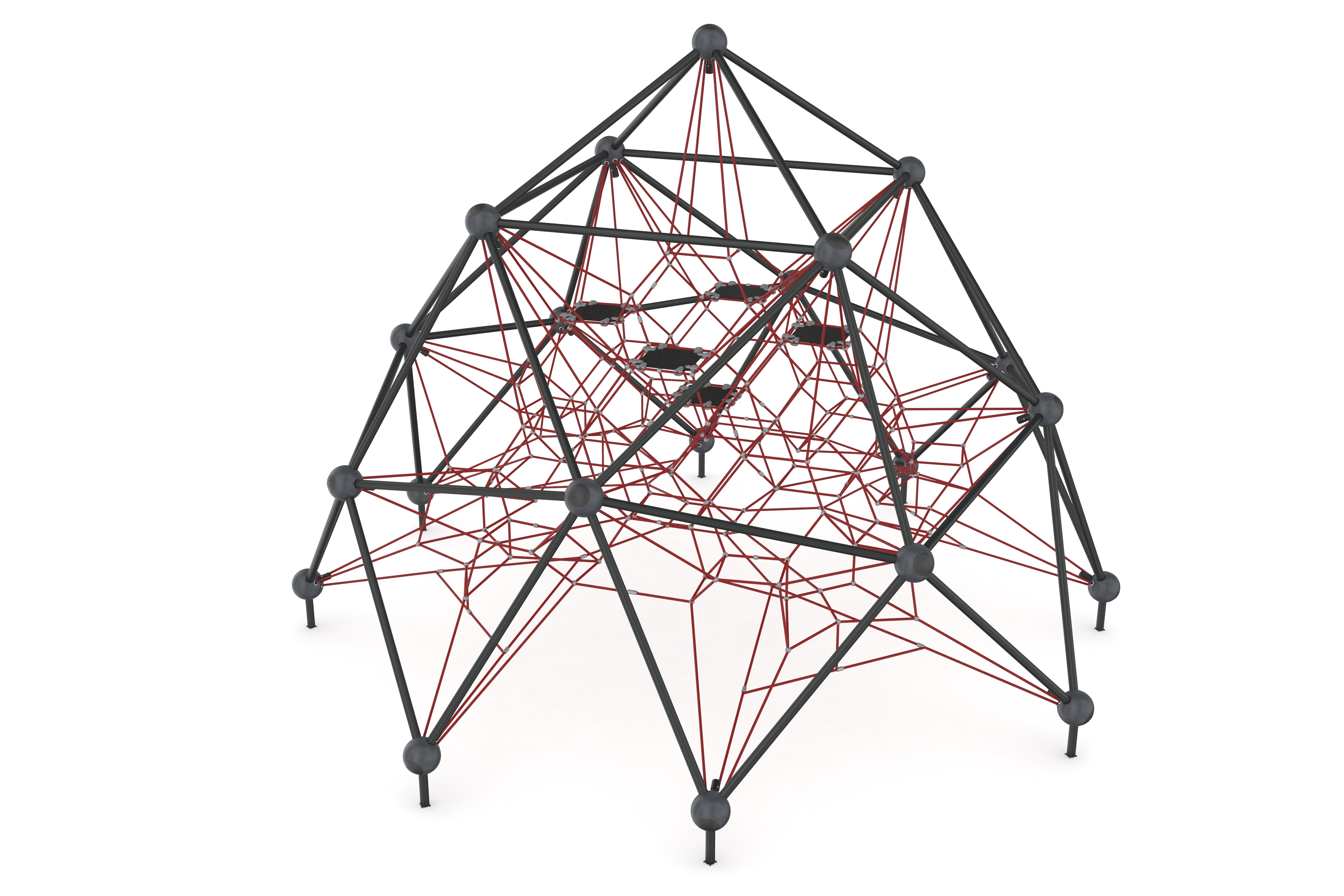
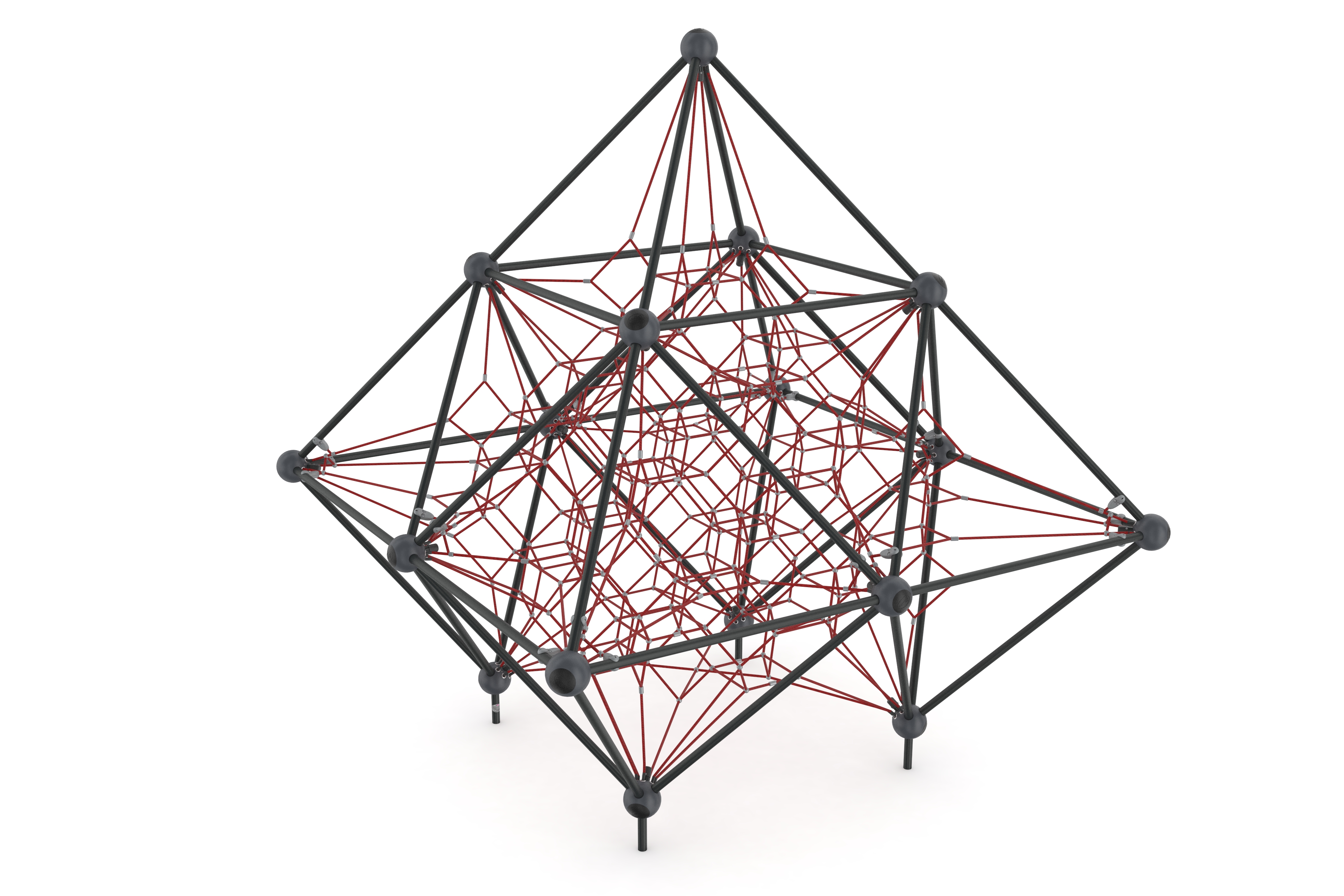
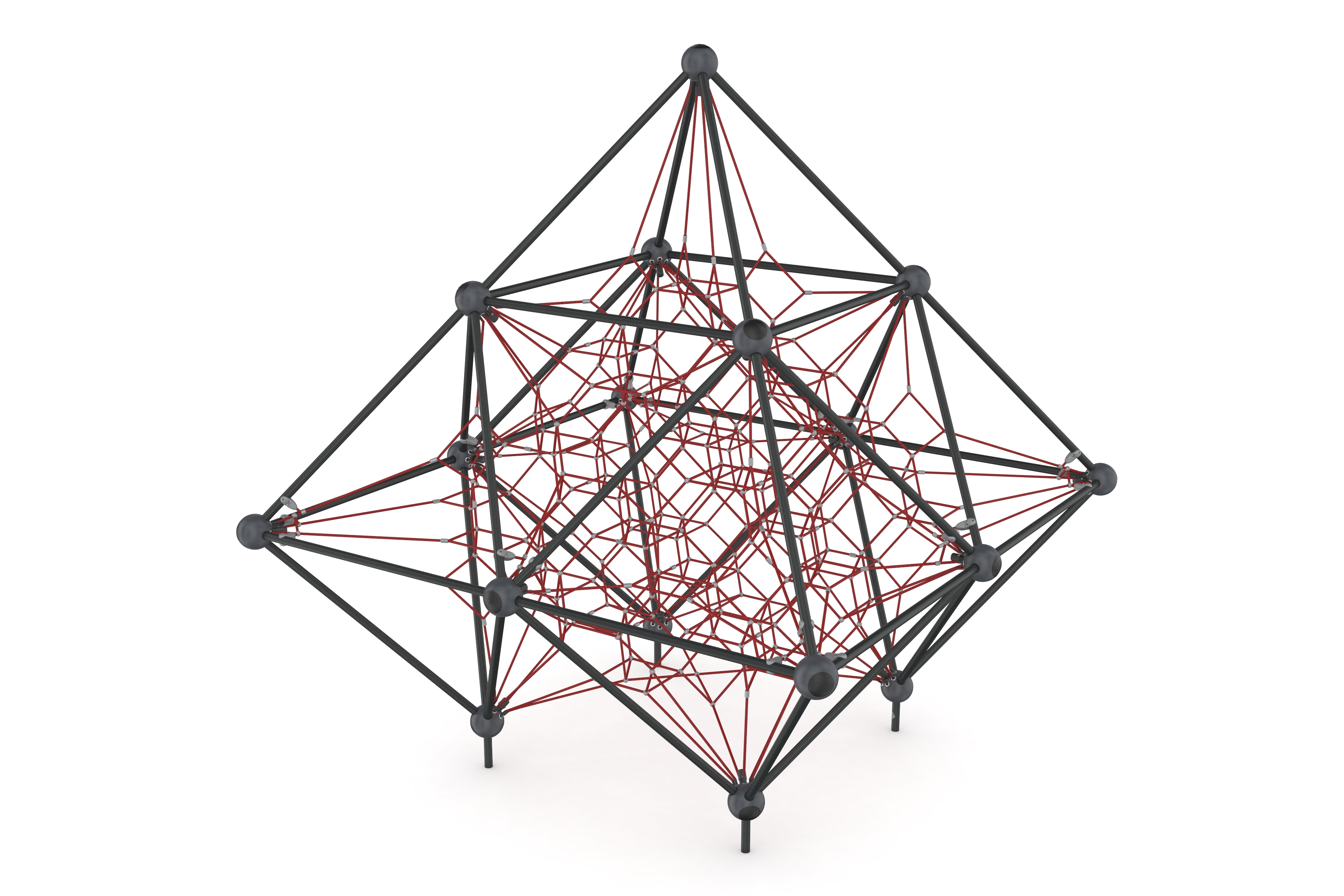
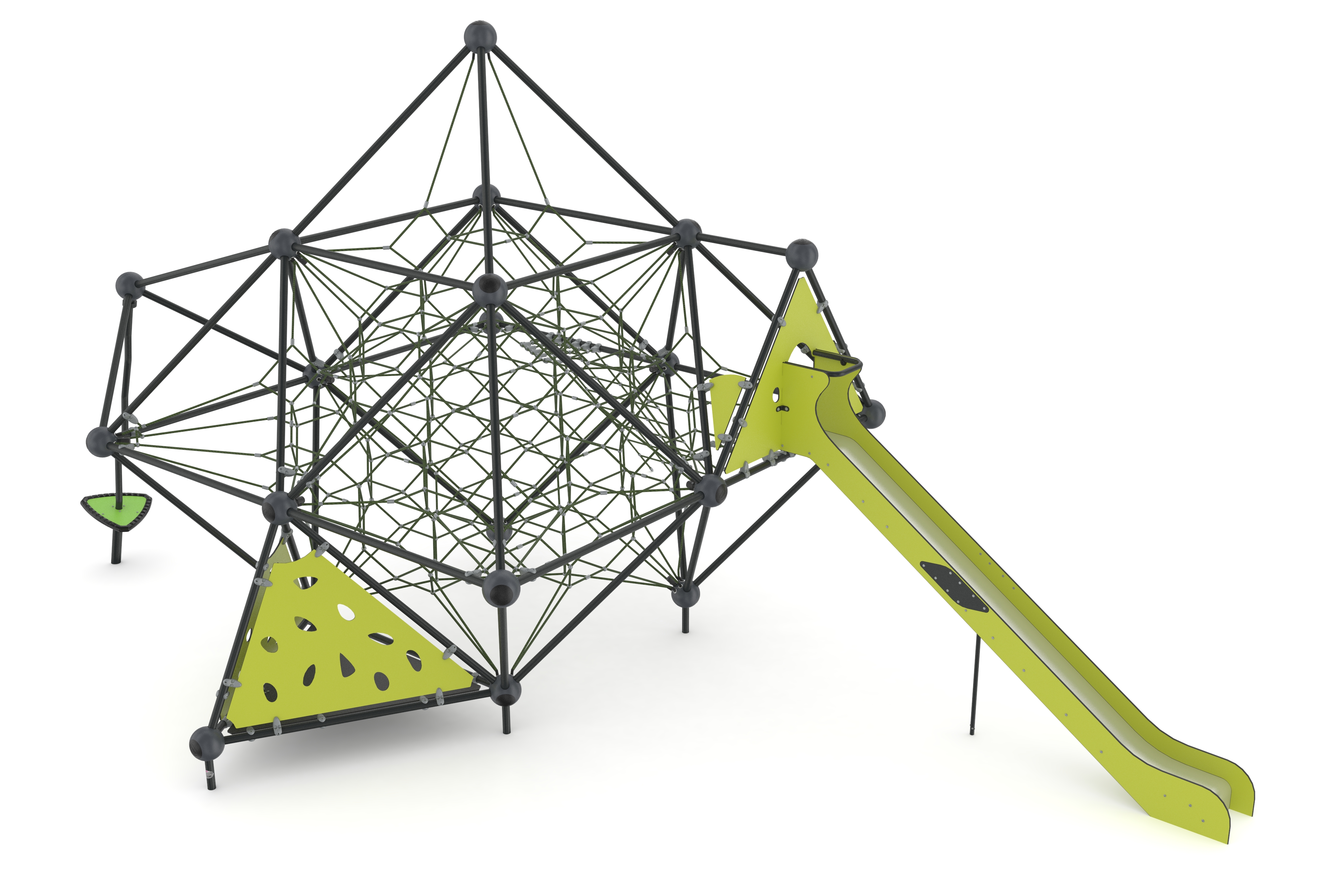
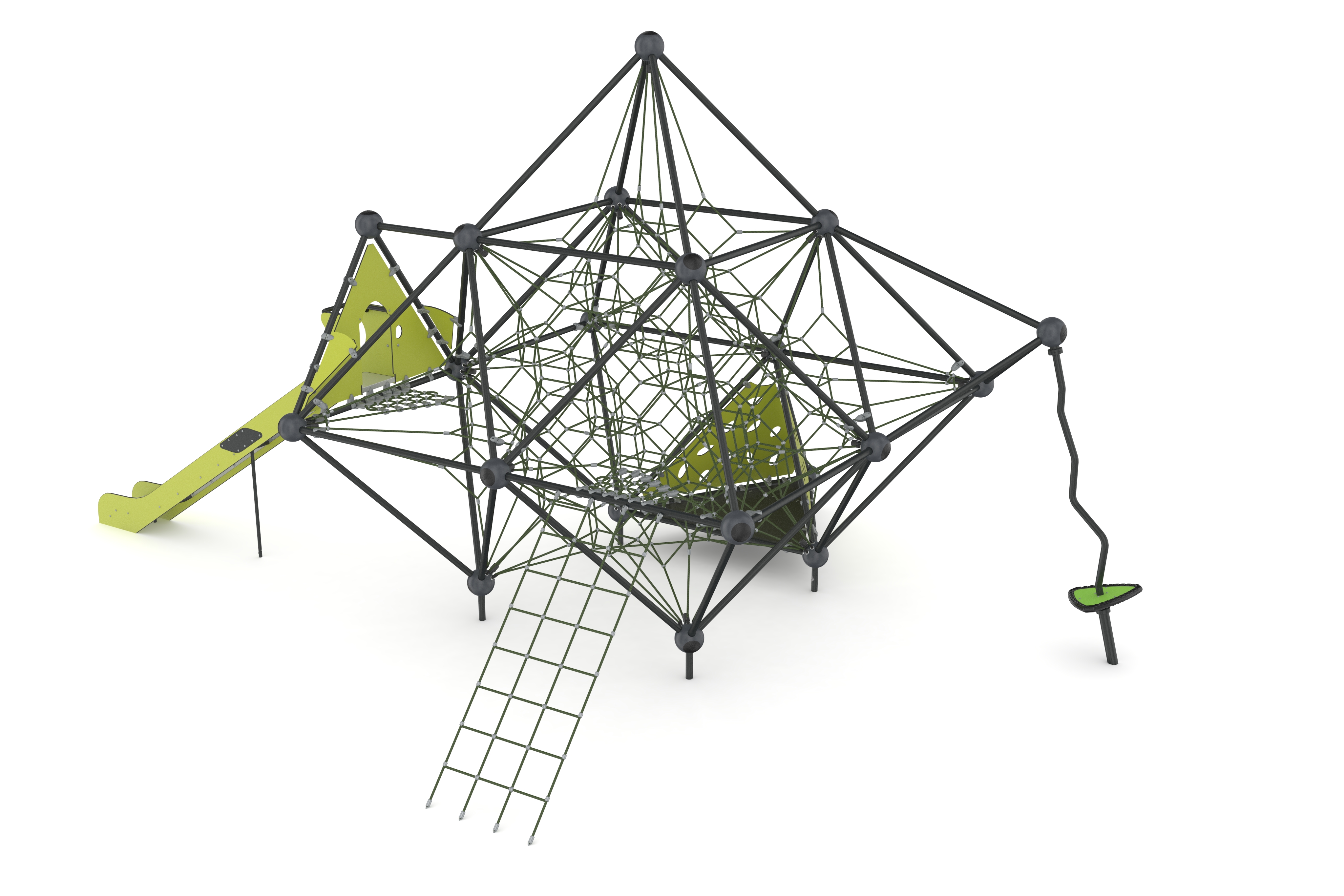
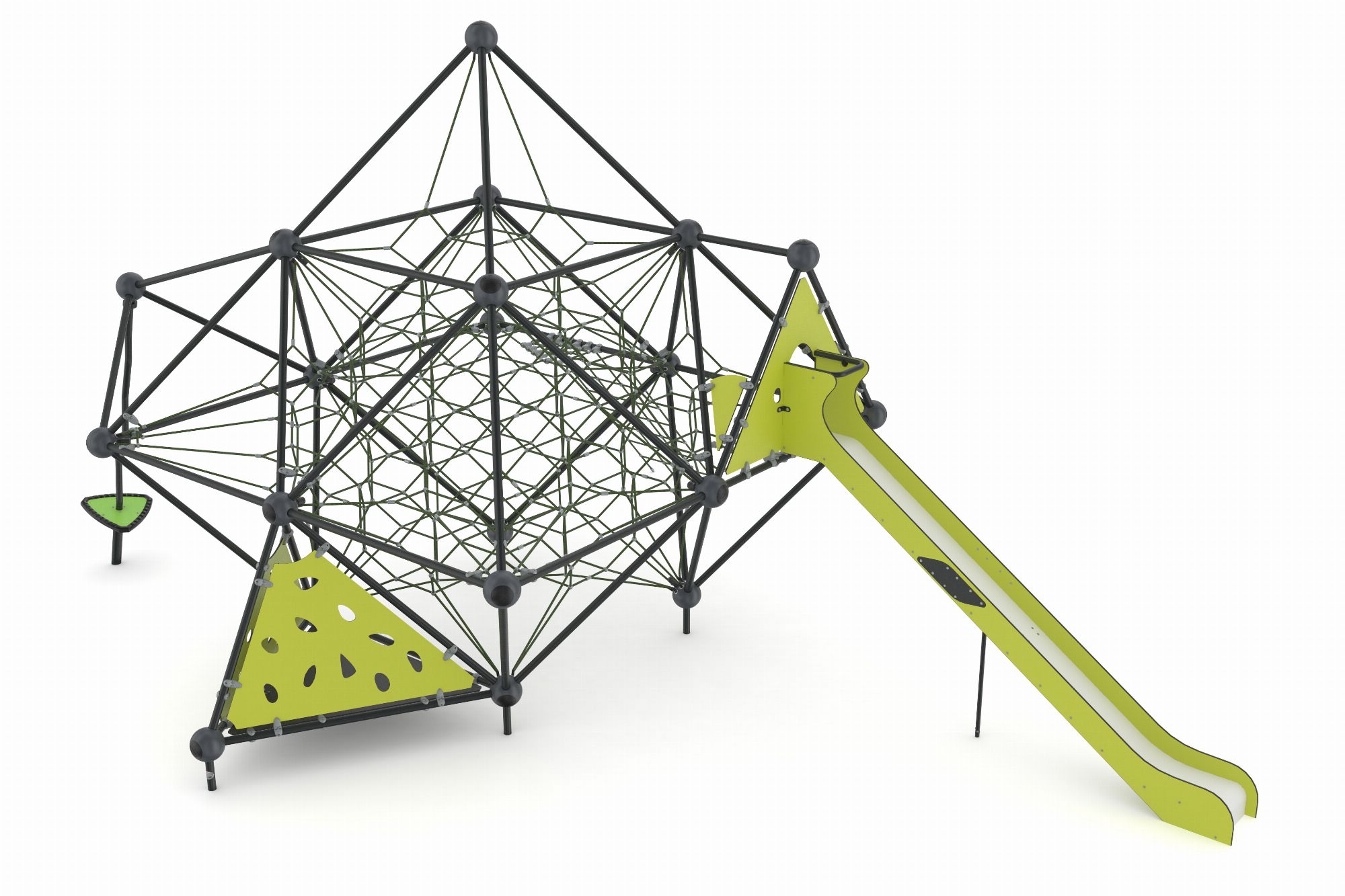
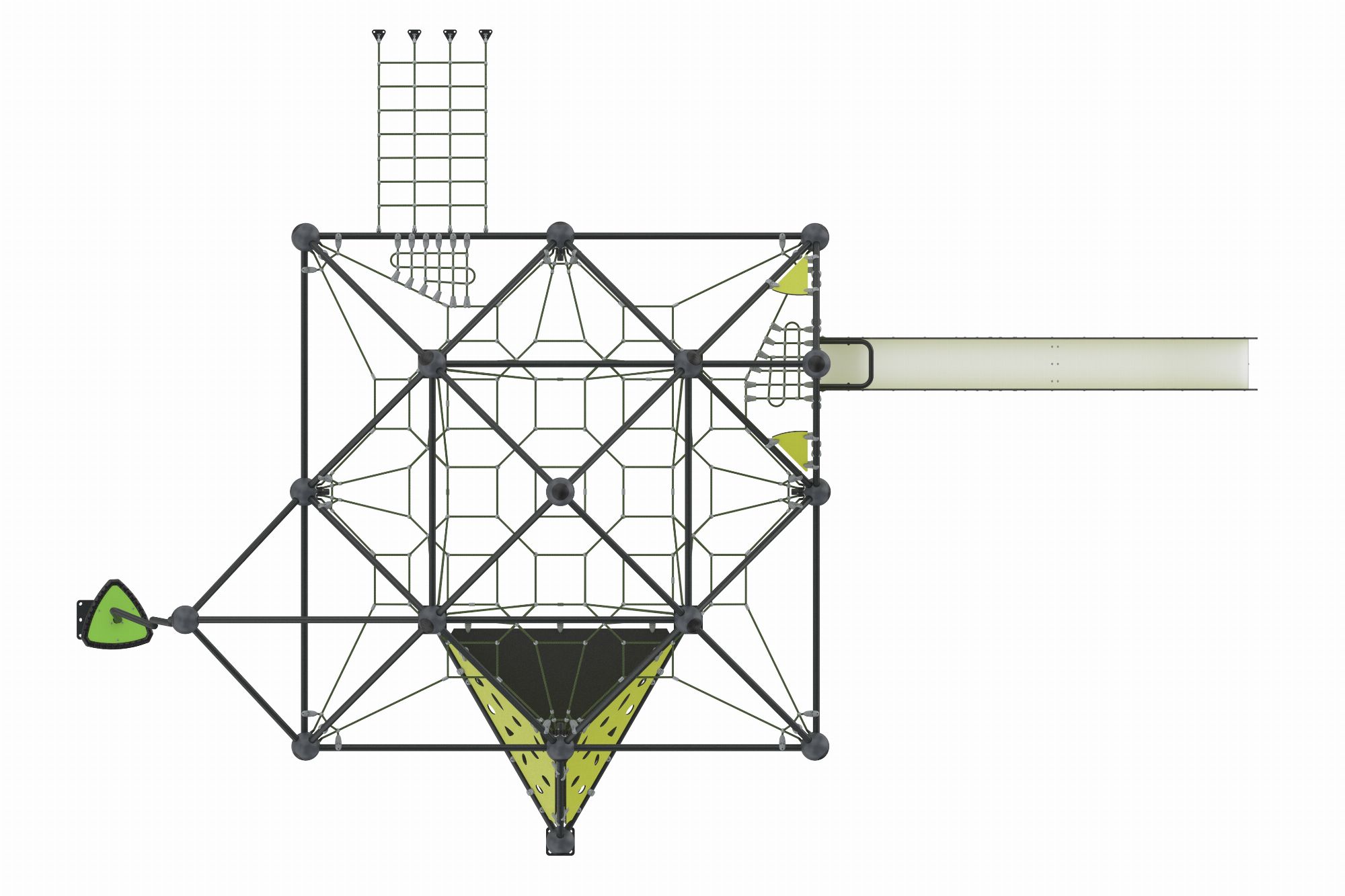
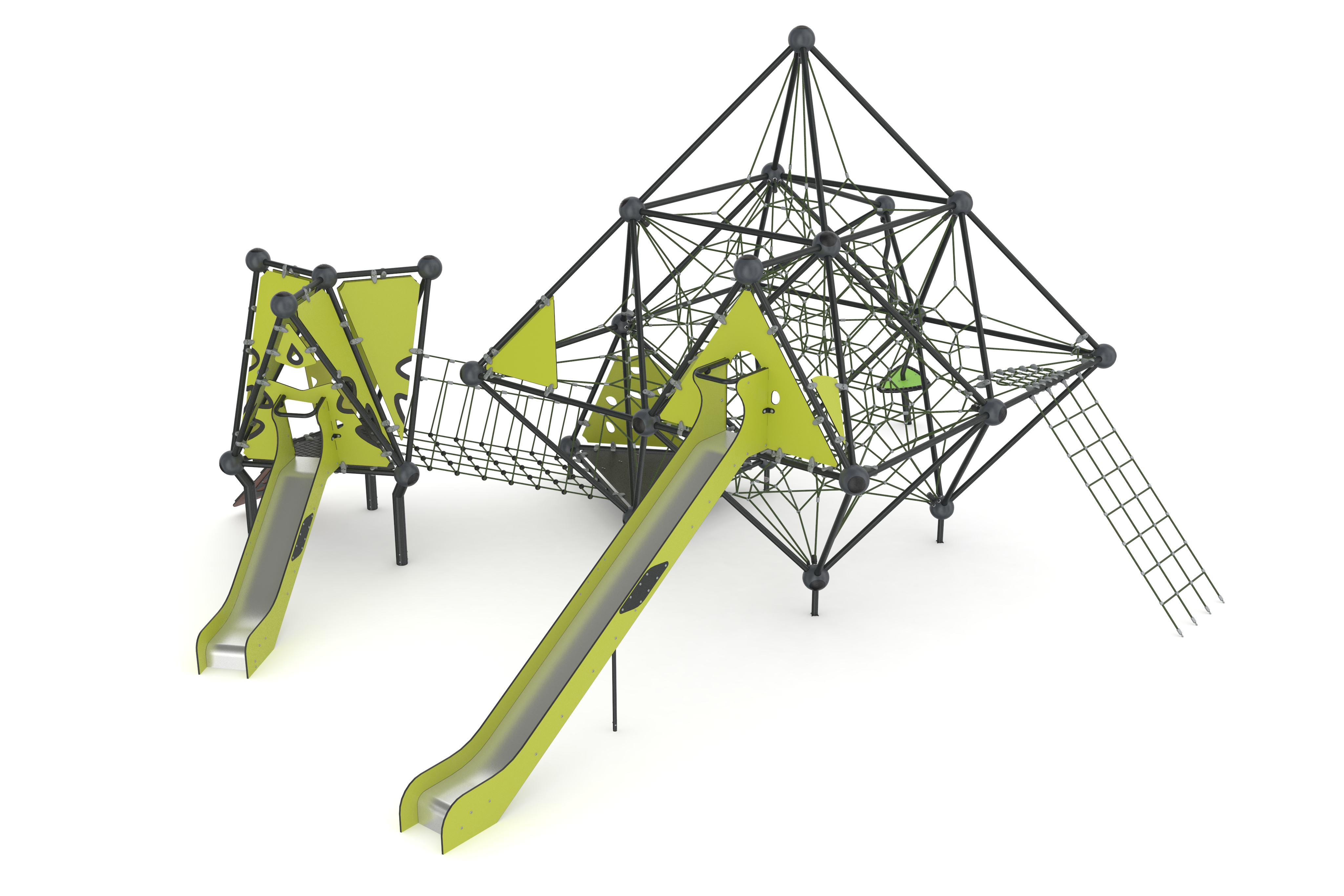
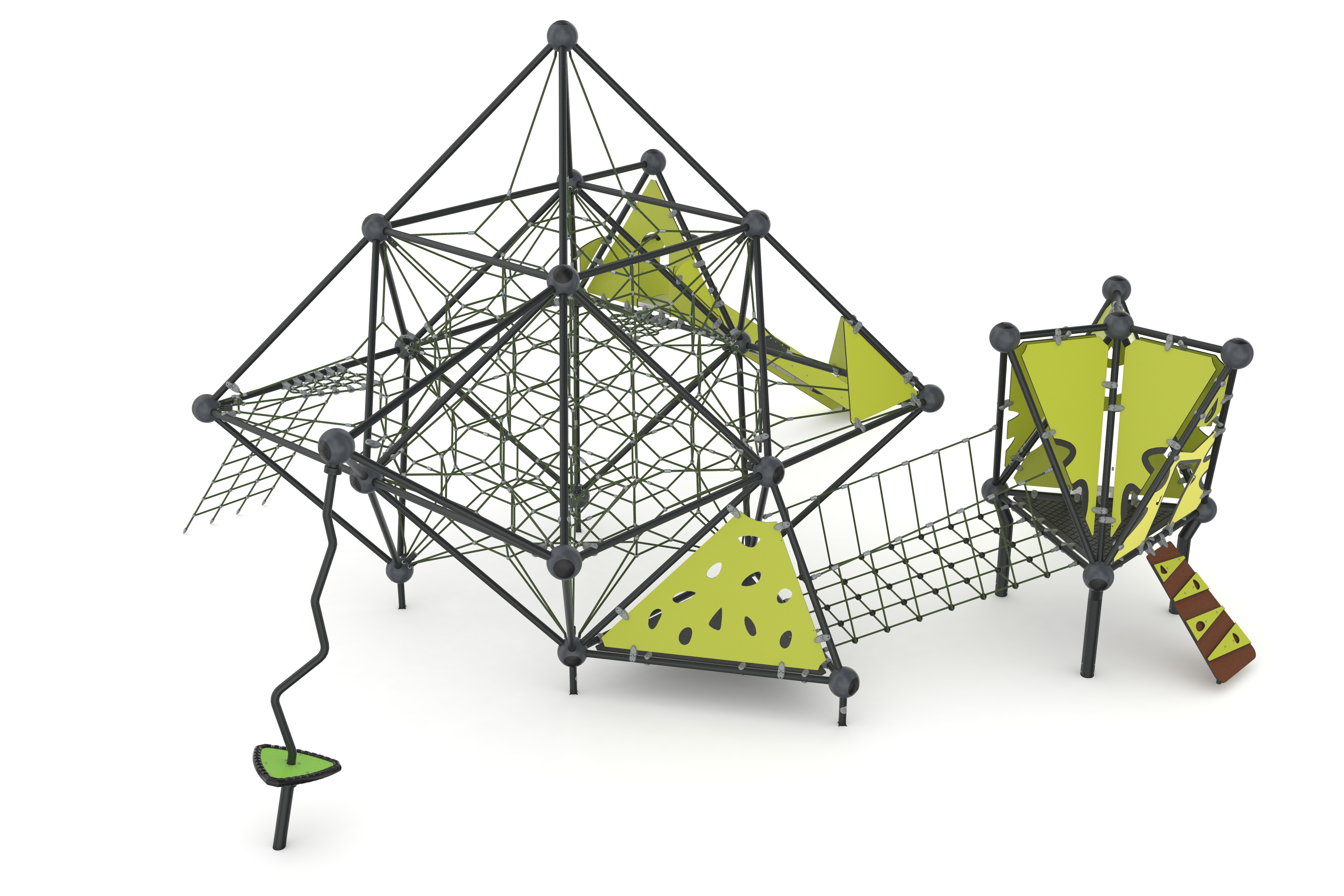
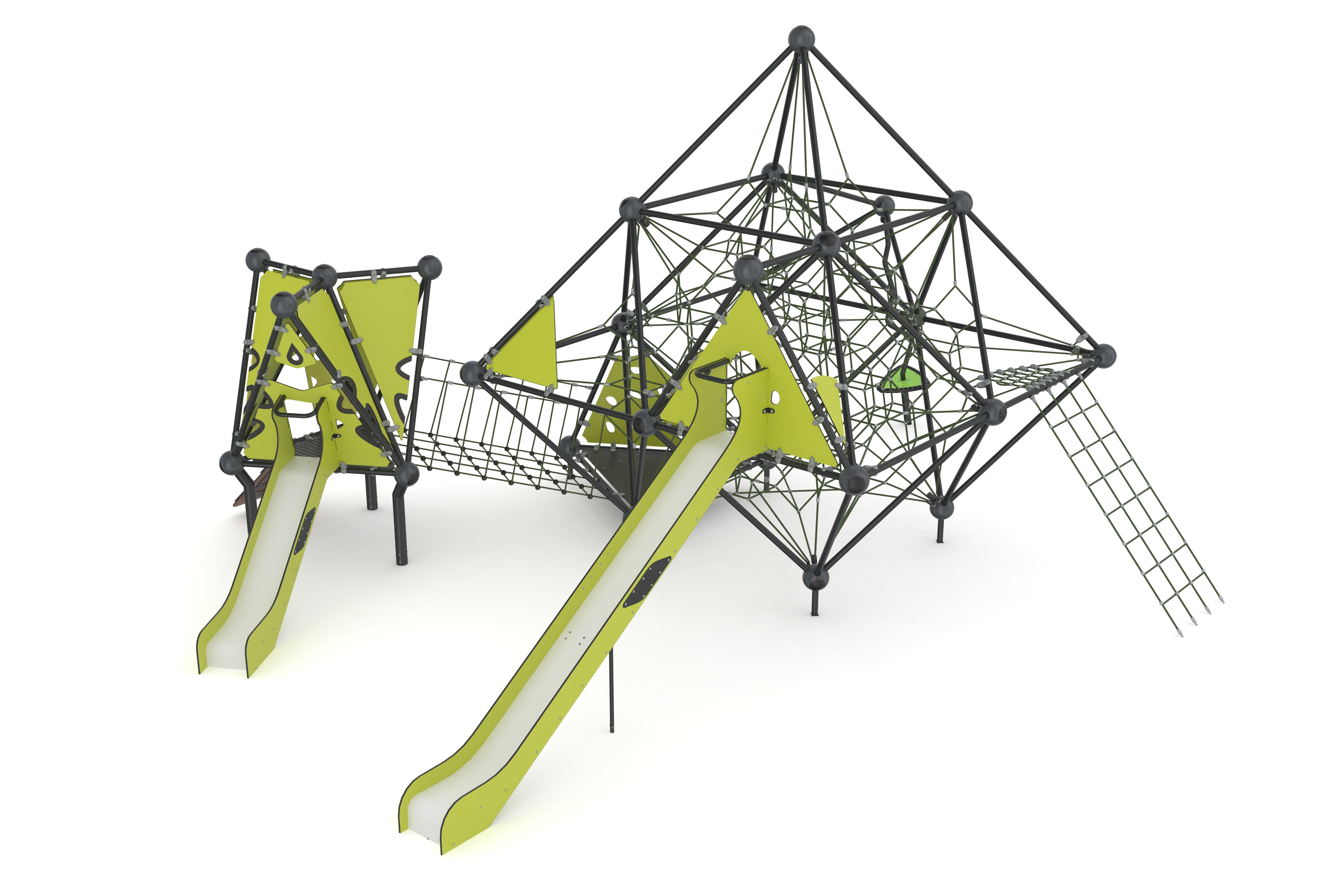
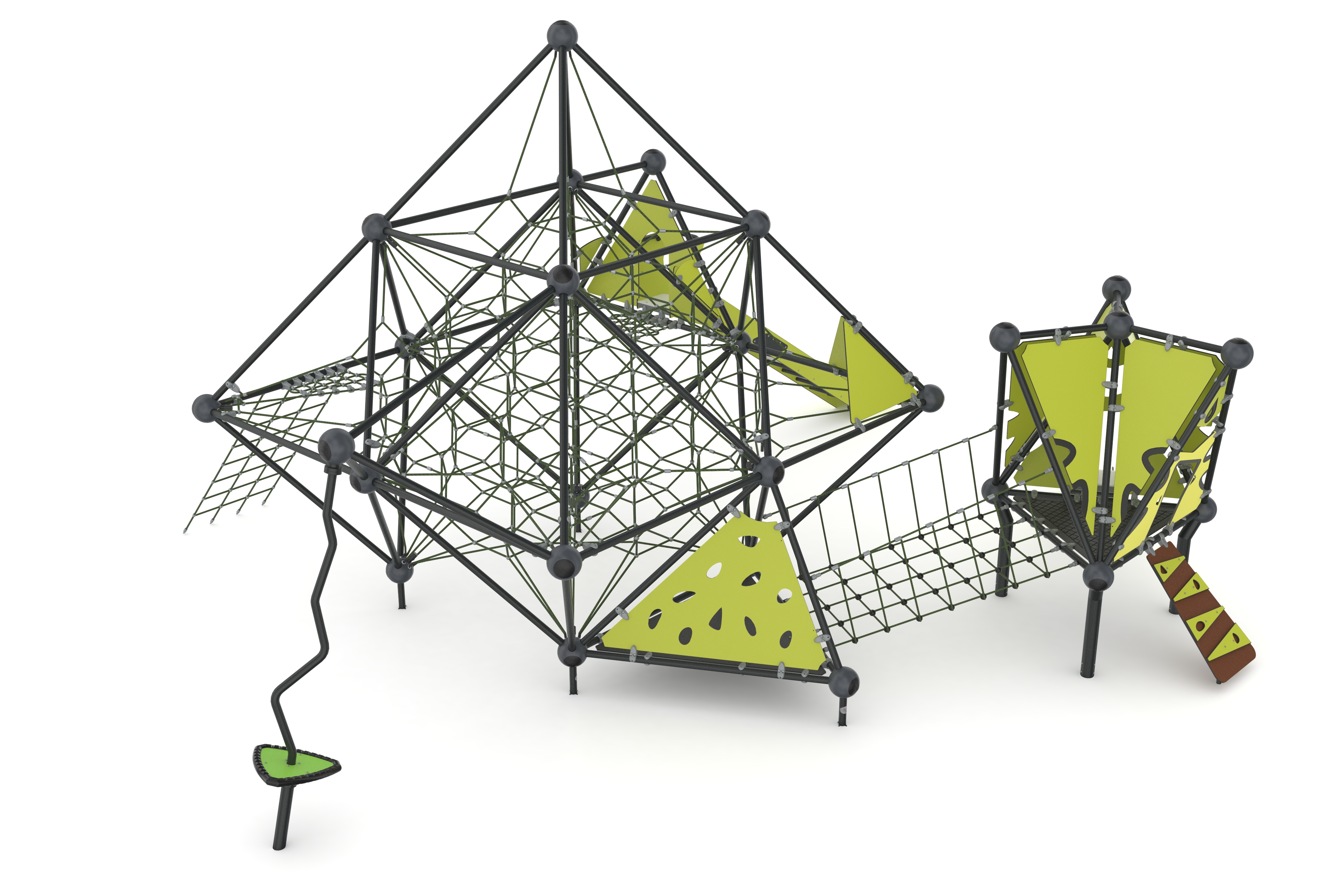
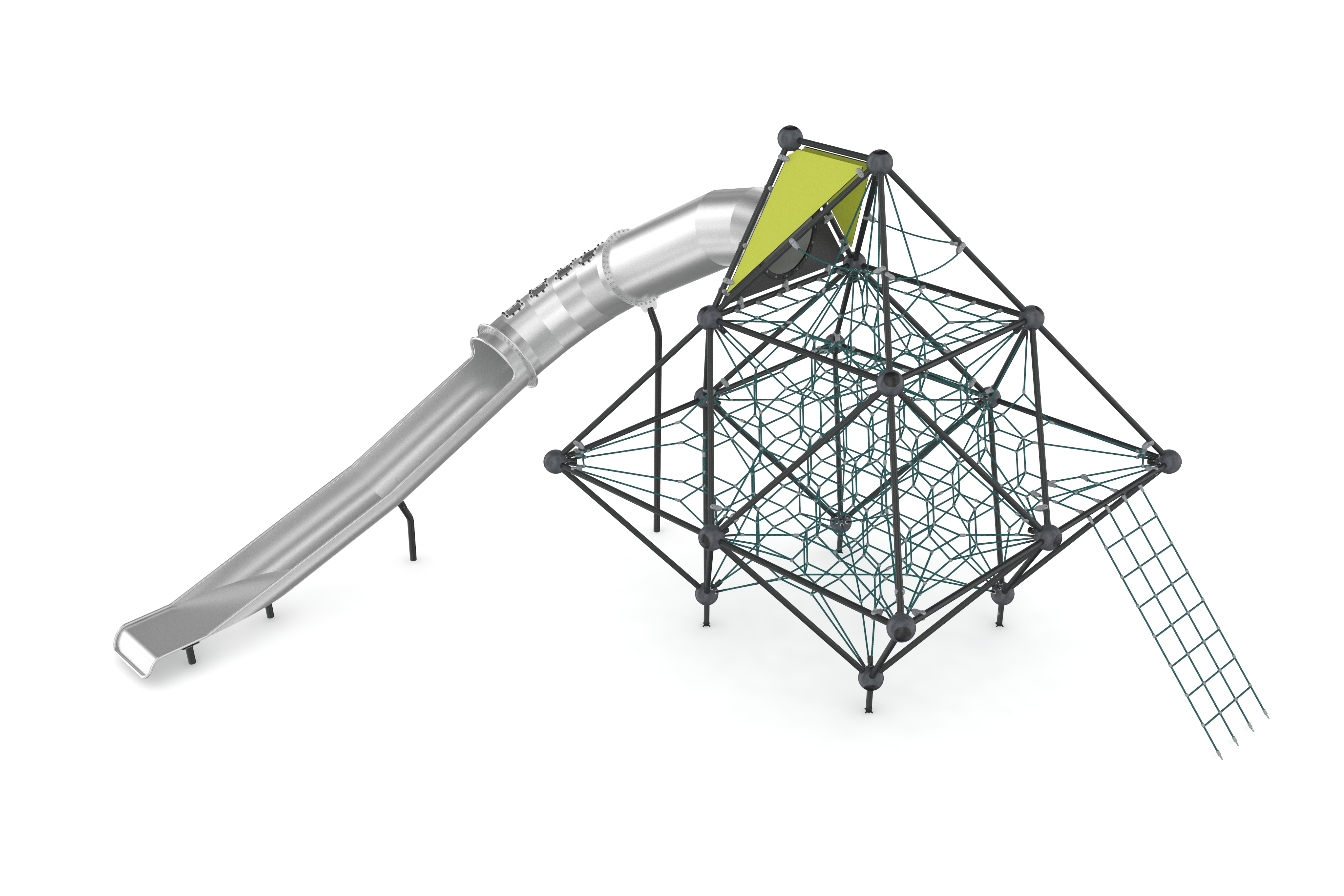
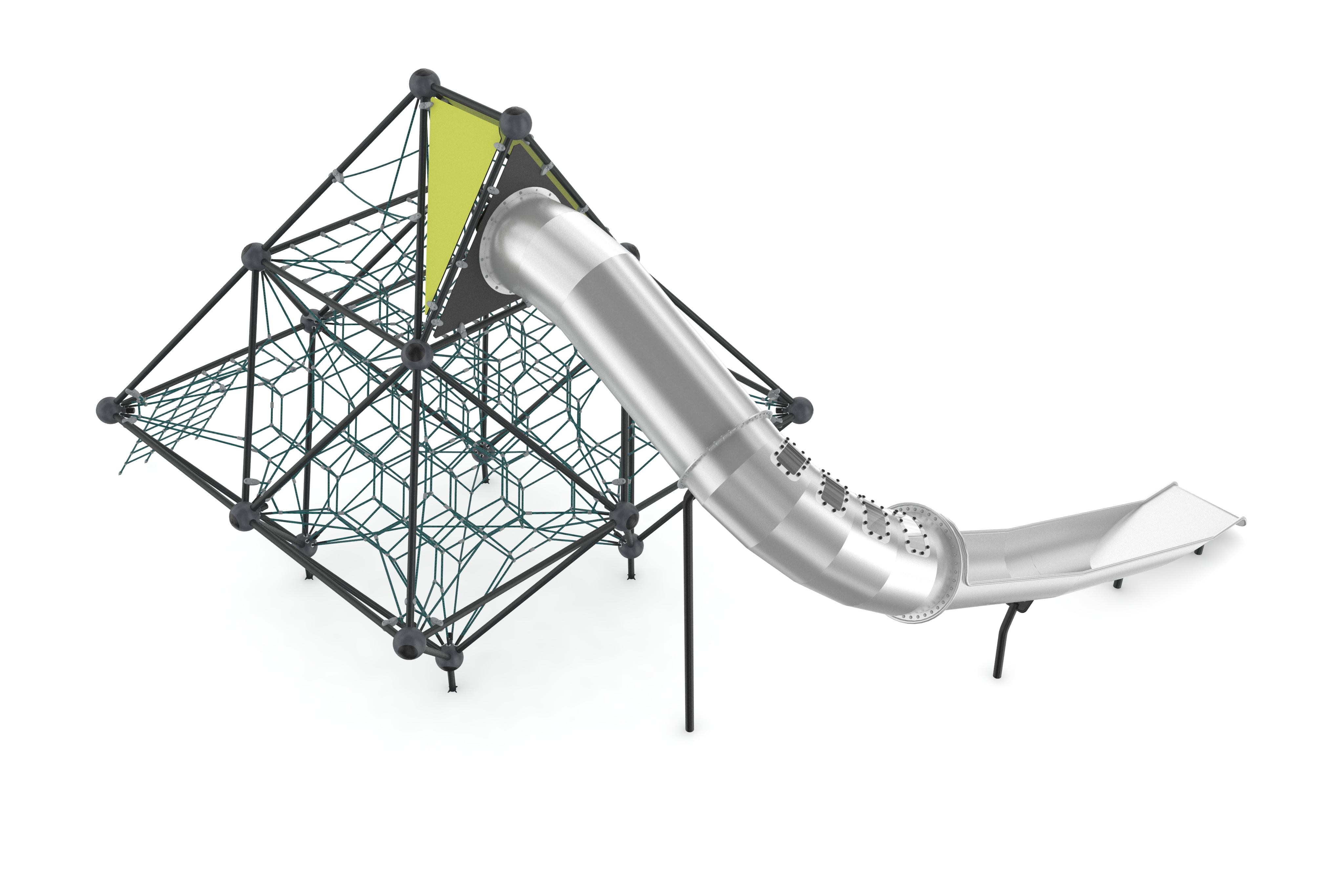
Frame Net Climbing represents an innovative series of rope playground climbing equipment that merges creative design concepts with advanced 3D rope climbing structures. This comprehensive collection showcases the perfect integration of imaginative play elements with professional-grade rope climbing units, creating dynamic playground experiences for children of all ages.
The Frame Net Climbing series offers multifunctional rope playground climbing activities including rope climbing, sliding, balancing, and resting areas that promote active physical development through engaging play. These rope climbing nets feature vibrant colors and dynamic architectural forms designed to stimulate children's imagination while providing safe, challenging climbing experiences.
How Do Climbing Activities Influence Children’s Cognitive Development?
Climbing activities develop children’s problem-solving and strategic thinking skills. Each climbing route presents a unique challenge, encouraging mental flexibility. As children decide which path to take, they strengthen their decision-making abilities. The process also improves focus and concentration, while successful climbing experiences boost self-confidence and prepare children to handle future challenges.
How Are Climbing Difficulty Levels Determined for Different Age Groups?
Climbing difficulty levels are designed according to the motor skill development stages of different age groups:
Ages 3–5: low heights with wide grip points for safety and accessibility.
Ages 6–8: medium-level challenges that encourage skill progression.
Ages 9–12: complex routes with narrower grip points to increase challenge.
Each stage is carefully designed to push children’s abilities while maintaining safe boundaries.
How Do Climbing Courses Support Social Development?
Climbing courses foster cooperation and empathy by encouraging children to support and motivate each other. Group climbing activities strengthen teamwork, patience, and sharing skills. Waiting turns and observing peers naturally enhance social learning and empathy. Children learn from each other’s climbing techniques, making it a shared social experience.
What Are the Advantages of Modular Climbing Systems?
Modular climbing systems provide flexibility, as they can be expanded or reconfigured based on needs. Different climbing elements can be combined to create diverse routes. This adaptability allows customization according to user capacity and available space. Modular structures also simplify maintenance and repair, as damaged parts can be easily replaced.
What Benefits Do Rope and Balance Element Combinations Provide?
The combination of rope climbing and balance elements supports children’s comprehensive skill development. Rope climbing builds upper body strength and grip power, while balance units enhance lower body control. Together, they improve full-body coordination and activate multiple muscle groups simultaneously. These varied movement patterns expand children’s motor skill repertoire, promoting agility and movement diversity.
By clicking the button below, you can easily explore all the latest brand and other catalogs, such as CMRPLAY, CMRACTIVE, and Cemer Portfolio, and quickly save the files you need to your computer.
You can easily access the catalogs prepared by Cemer by providing your full address. After receiving your information, our team will contact you as soon as possible to complete your process.