Cemer — Preschool Projects • v4 + TEAM Slider integrated

CEMER

Play and outdoor space design for preschools

For ages 3–6, play is at the heart of cognitive, motor, and socio-emotional development. In a schoolyard, good planning delivers safety, accessibility, hygiene, and play variety at the same time.

Preschool playgrounds: safe and development-focused

Wide sightlines, age-based zoning, and pedagogical play themes support safe exploration while making supervision easier.

  • Zoning by age & energy: sensory/quiet, balance–motor, and active play corners with clear boundaries at transitions.
  • Sightlines & supervision: open view axes so teachers can scan the whole area at a glance.
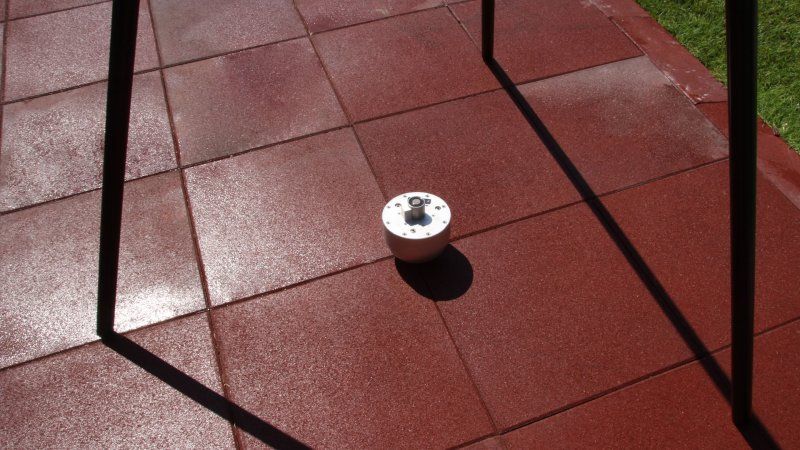
  • Surfacing: impact-attenuating surfaces matched to fall heights (EN 1176/1177 principles).
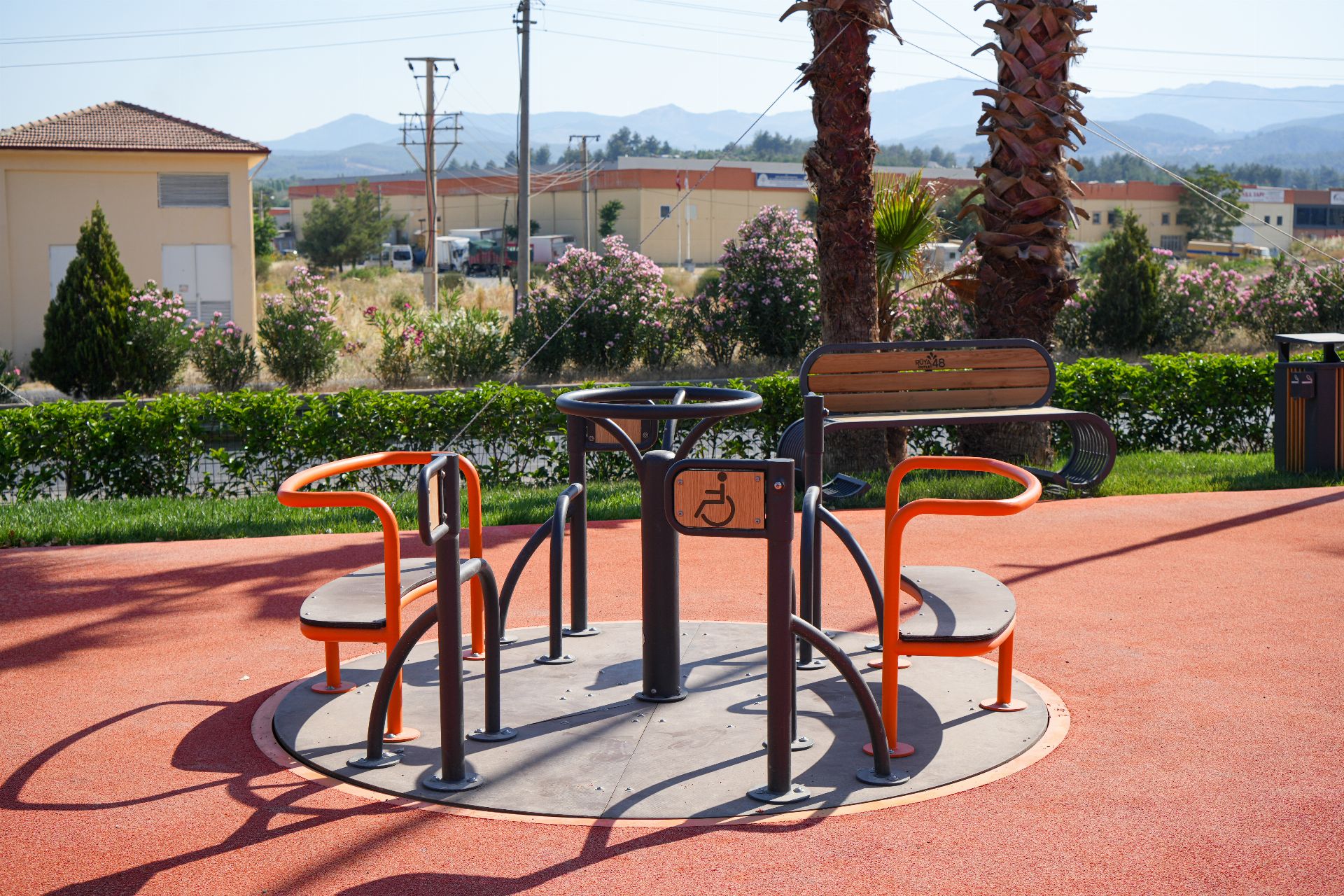
  • Inclusion: ramps, low-height panels, and modules addressing different senses.
  • Climate comfort: shade, wind-break planting, and hand-wash points near water play.
  • Play variety: role-play, water/sand/sensory stations, rhythm/panel play, balance & coordination.
  • Operational practicality: safe route from classroom to yard; service access around equipment.
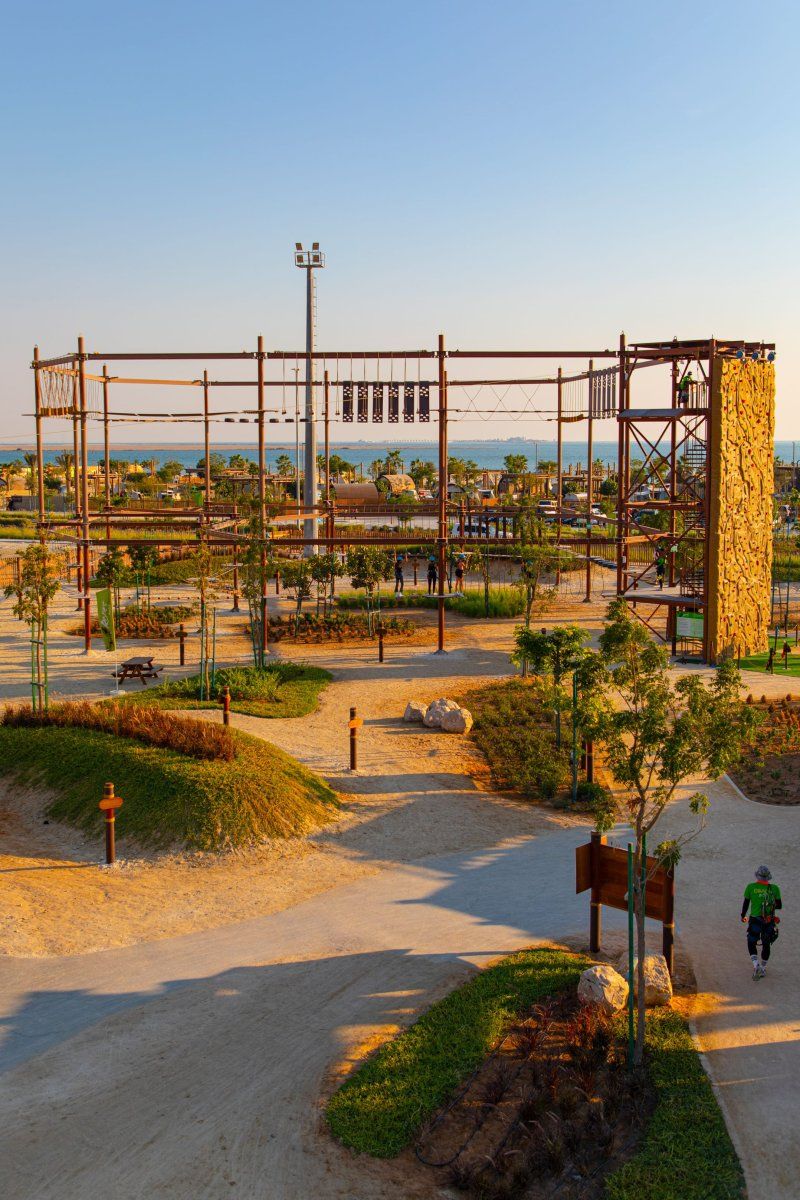
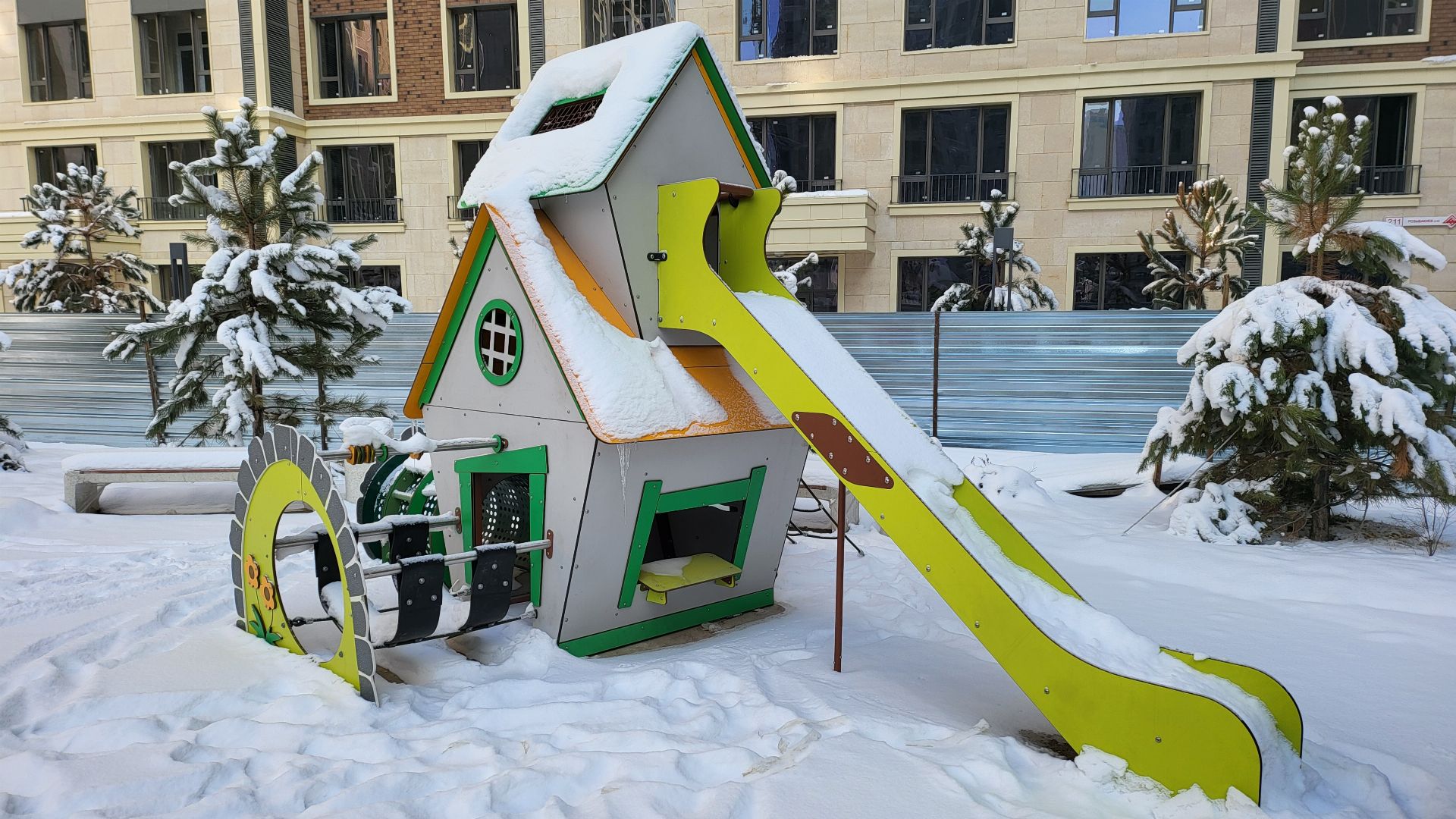
Play Preschool playground image
Materials Schoolyard material details

Long-lasting materials with low maintenance cost

HPL panels, reinforced rope, composite cladding, and cast-aluminum connectors deliver high performance under heavy school use, climate, and vandalism risk.

  • UV resistance and splinter-free surfaces—safe for small hands, long-lasting.
  • Hygiene-minded design: non-water-retentive, easy-wipe surfaces.
  • Modular structure: faster part replacement and service; lower total cost of ownership.

Durability

Materials built for daily heavy use, wet–dry cycles, and UV exposure.

Modular design that shortens service and spare-part timelines.

Pedagogical Alignment

Color/texture contrasts and role-play stations that turn learning into play.

Layouts and wayfinding that keep supervision unobstructed.

Safety

Standard-compliant heights, pinch-free details, and adequate clearances in fall zones.

Gates and routes that enable safe transitions.

Explore Project Examples!

Value-adding approaches in preschools

Planning, material selection, and user experience form the foundation of a safe, inclusive, and joyful schoolyard.

Variety of Play Areas

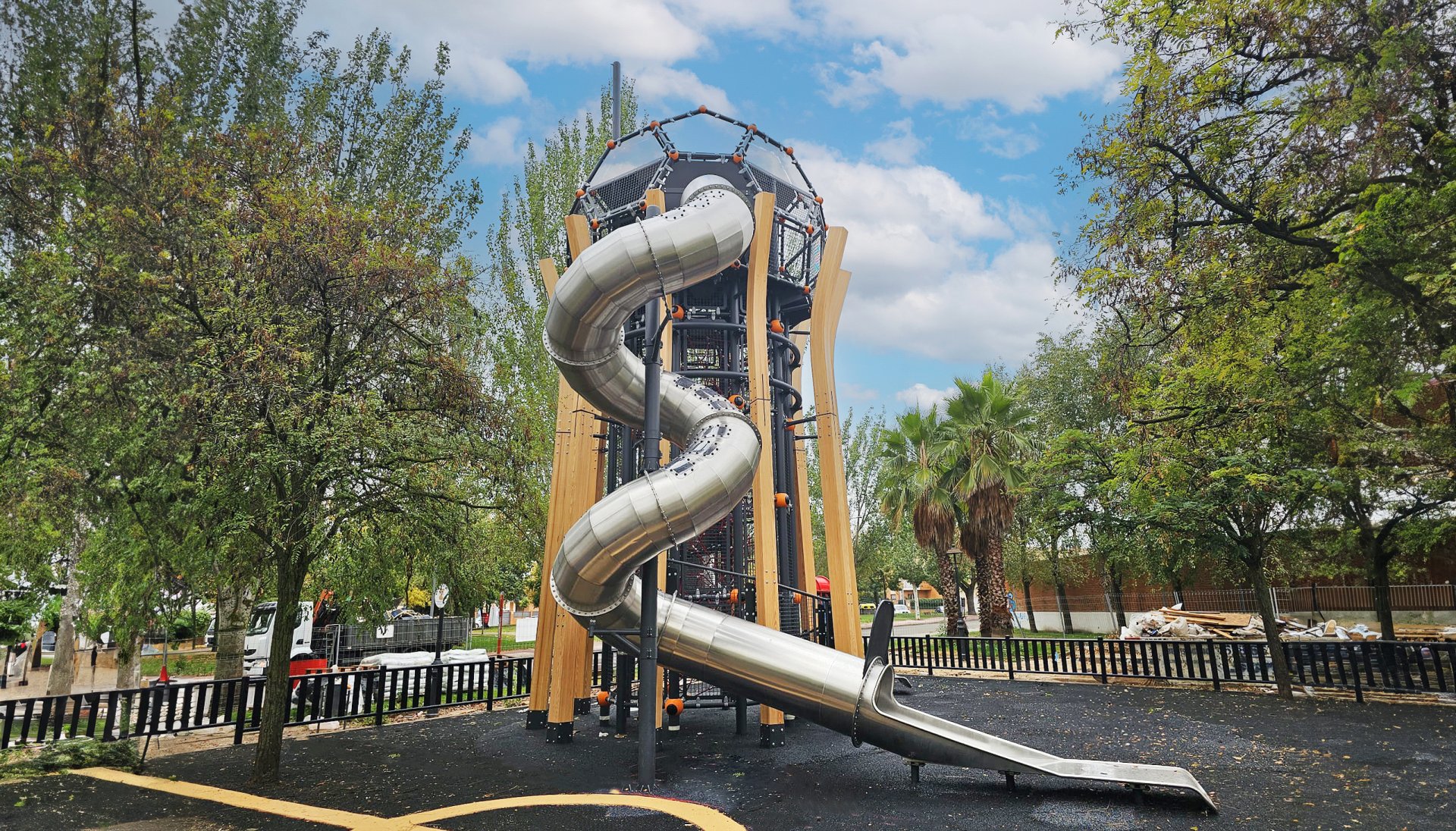
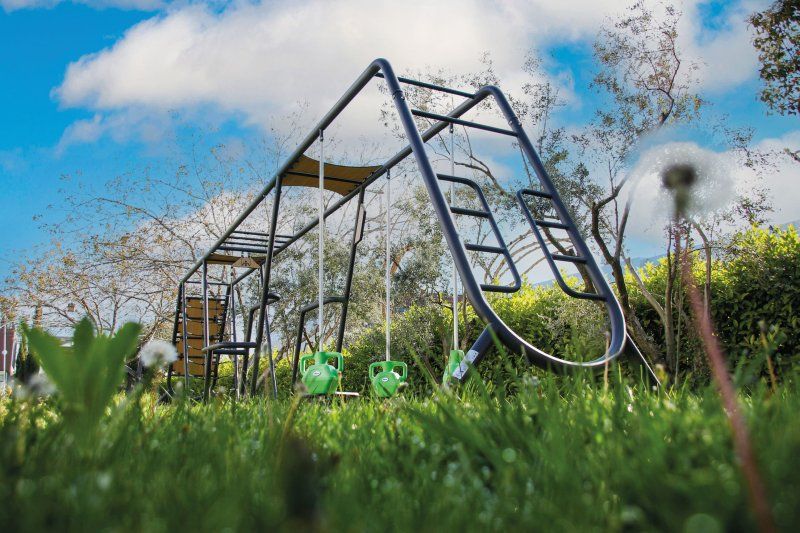
In preschool yards, a broad range of equipment matters. Climbing units, swings, slides, and balance bridges offer different experiences, letting children expend energy while building motor skills.

Themed modules—fairy-tale houses, trains, animal figures—spark imagination. Play supports not only physical activity but also role-playing and storytelling.

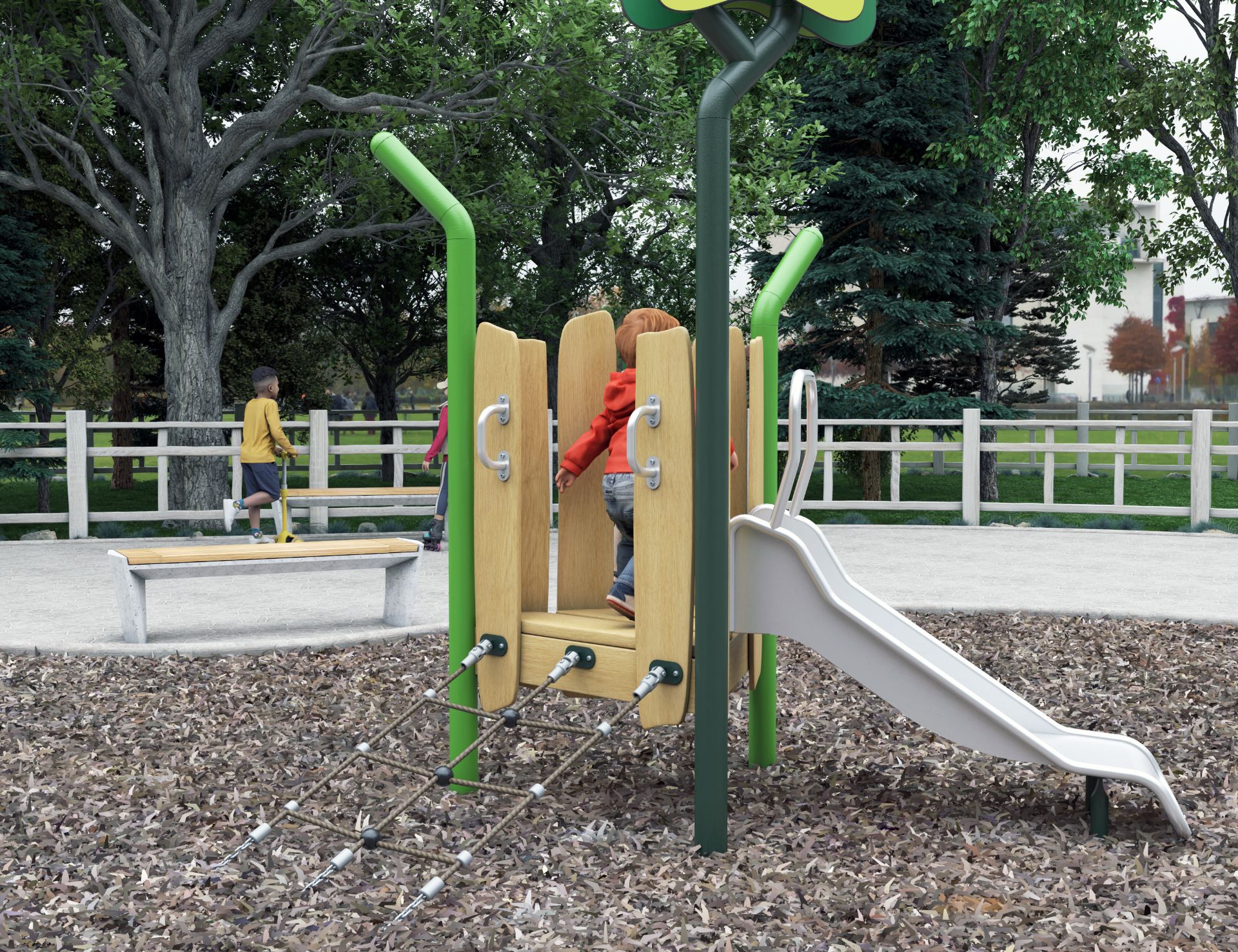
Equipment heights are lower in preschool parks. Small slides, mini climbing sets, and interactive panels let children experiment comfortably and build confidence.

5 Essentials in a Preschool Playground

Themed & role-play corners—fairy-tale house, mini market/workshop, train or forest—come alive with accessories like phones, steering wheels, and counters, prompting sharing and dialogue.

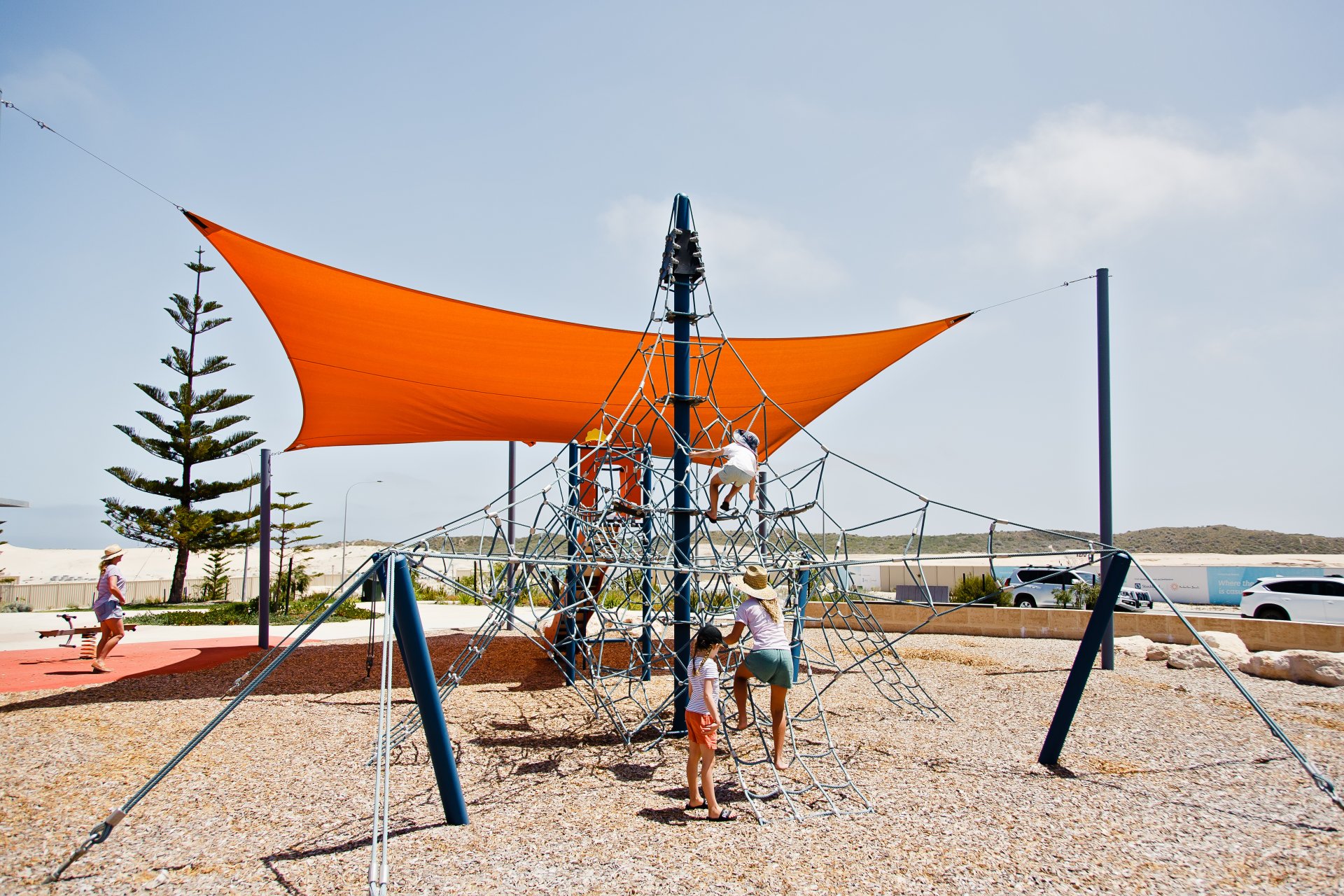
Climbing & balance—rope nets, rope bridges, log steps, balance lines—reinforce the “I did it” feeling through graded challenge.

Ground games & mini ride route—hopscotch, color rings, trail arrows, number-shape paths—turn empty surfaces into play; scooter/bike line, mini tunnel, and cones create a lively circuit.

Discovery path & tunnels—mini bridges, tunnels, lookout windows, and turrets—form small adventure loops that keep curiosity high.

Modular theme details—swap-in panels, thematic flags, and changeable decor—make the park feel “new” every week and keep play fresh.
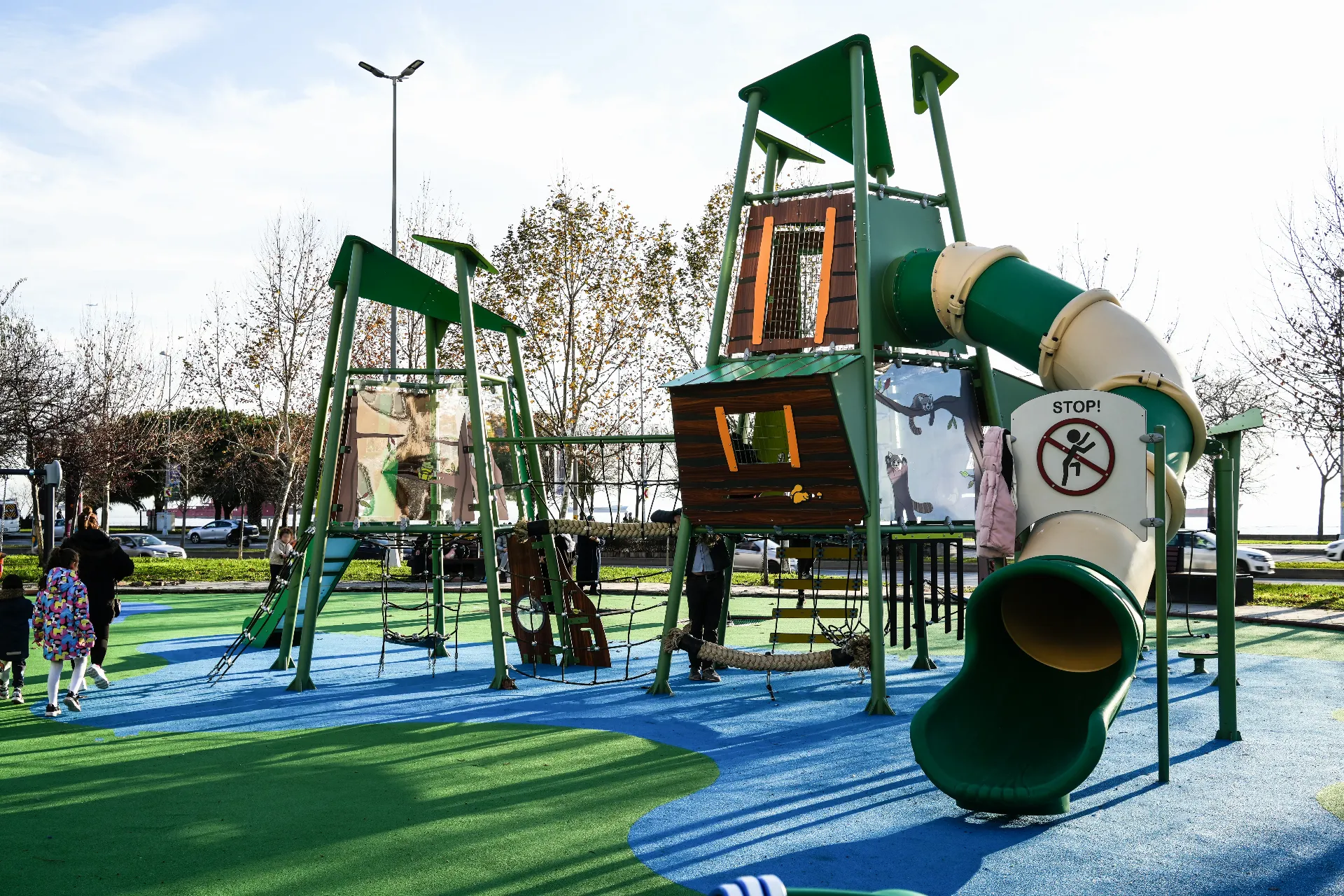
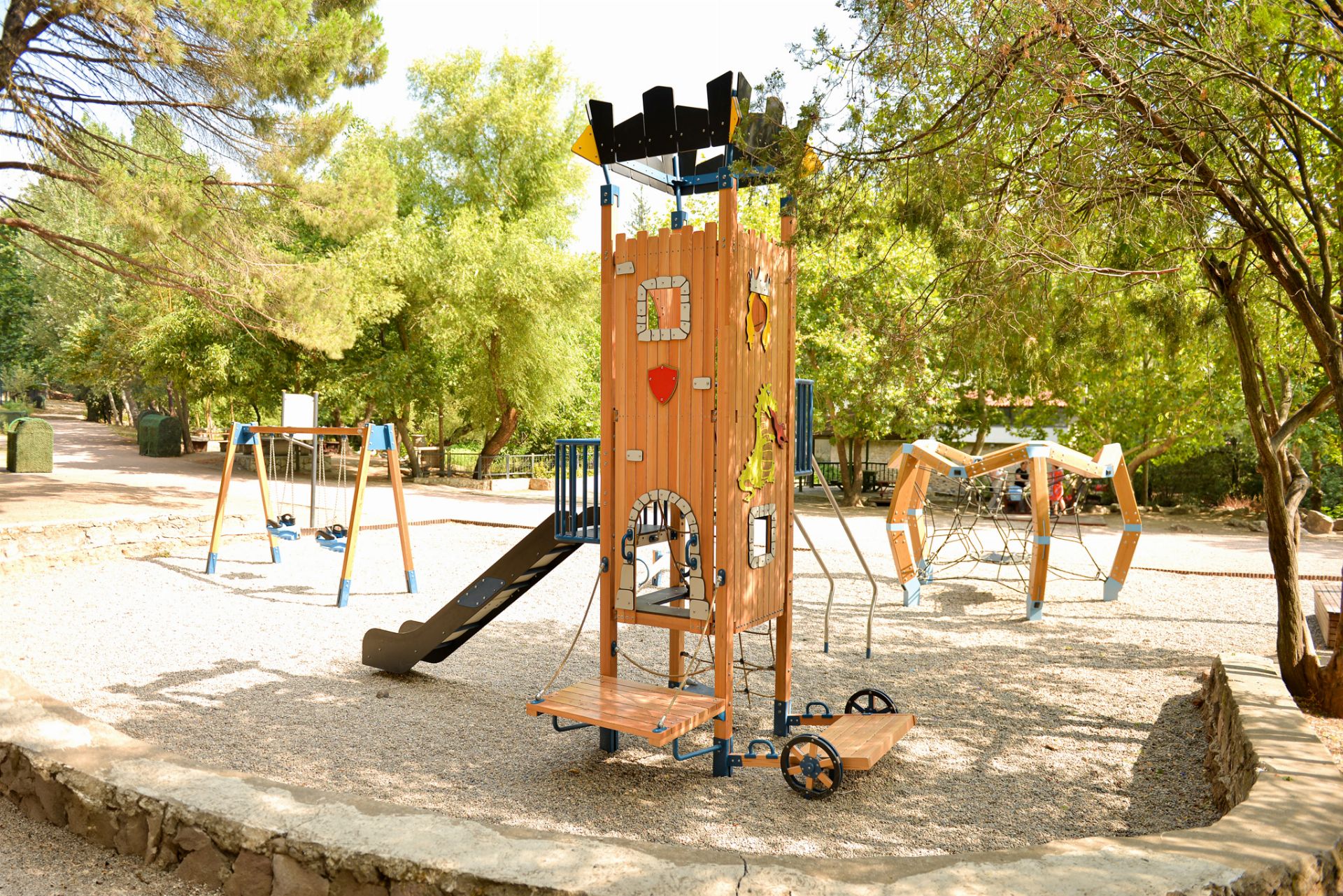
Rope climbs, rope bridges, log steps, and balance lines deliver big wins in small steps; graded heights and difficulty give every child an “I did it” moment. Hopscotch, color hop rings, trail arrows, and number-shape paths turn empty surfaces into play—lines and pictograms spark spontaneous ideas instantly.