







The Importance of Play in Child Development: Benefits & Types
The Importance of Play in Child Development: A Complete Guide
Playing is one of the most fundamental activities contributing to the healthy development of children. Both entertaining and educational, play provides immense support to a child's physical, cognitive, social, and emotional growth.
What Is Play and Why Is It Important?
Play is an active process that allows children to learn by interacting with their environment while unlocking their innate creativity. While playing, children have fun and simultaneously acquire essential developmental milestones. It helps them make sense of the world around them, build vital social skills, and sharpen their problem-solving abilities.
The Physical Benefits of Play
Physical growth is one of the most visible impacts of play on children. Active recreation refines motor skills and enhances overall body health.
- Gross Motor Skills: Physical games—such as playing ball, running, and jumping—require the use of large muscle groups. These activities significantly boost muscular strength, endurance, and spatial balance.
- Fine Motor Skills: Mind games, puzzles, or manipulating smaller toys contribute to fine motor development. These tasks engage the small muscles in the fingers and hands, directly improving hand-eye coordination.
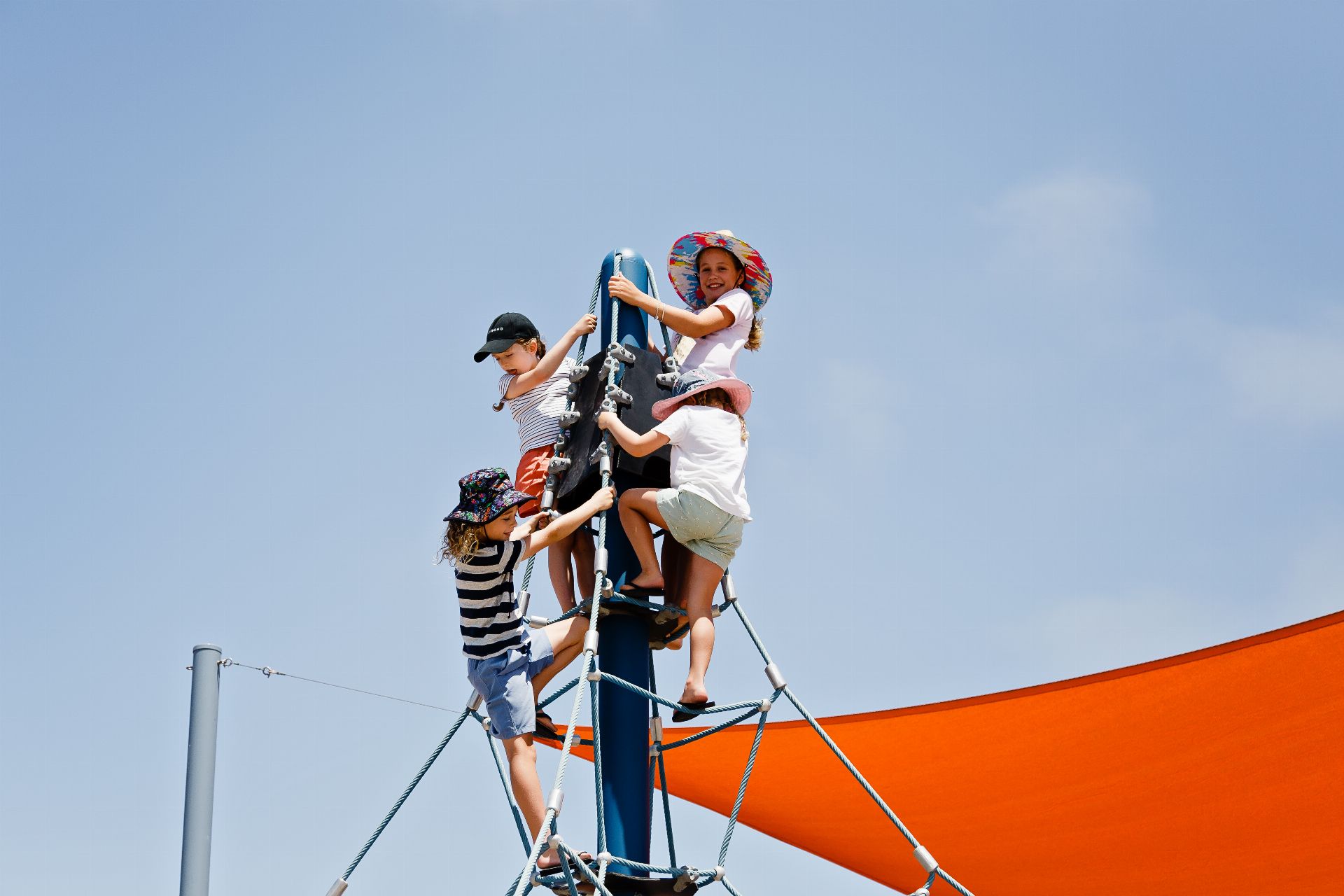
- Cardiovascular Health: Outdoor play allows children to burn energy efficiently and enhances their physical well-being. Regular outdoor physical activity improves cardiovascular health and drastically reduces the risk of childhood obesity.
The Cognitive Benefits of Play
Play serves as a powerful catalyst for intellectual development. Through various activities, children expand their cognitive capacity, absorb new information, and foster flexible thinking patterns.
- Analytical Thinking: Games that require strategy, such as board games, puzzles, and brain teasers, develop analytical thinking. They encourage children to think logically and formulate strategic plans.
- Creativity and Imagination: Free play, in particular, unleashes a child's inner creativity. By using their imagination, children invent new worlds, craft unique characters, and produce complex scenarios, which enhances mental flexibility.
- Language and Communication: Play is an excellent tool for language acquisition. Children talk to peers during play, expanding their vocabulary and learning subtle social rules. Role-playing and group activities strengthen overall communication skills.
- Memory and Focus: Memory cards and attention-based puzzles help children extend their attention spans and boost both short-term and long-term memory retention.
The Social and Emotional Benefits of Play
To Oyun oynamak (play games) is incredibly beneficial for expanding a child's social network and nurturing emotional intelligence.
- Cooperation and Empathy: Participating in Grup oyunları (group games) teaches children to cooperate, take turns, and share. Through these group dynamics, they discover social boundaries, fostering a deep sense of empathy and community.
- Self-Confidence and Autonomy: As children master new skills during a Oyun (game), they experience a profound sense of achievement, which builds self-esteem. Free play also encourages independence, allowing them to make choices autonomously.
- Emotional Regulation: Playgrounds and playrooms provide a safe space for emotional expression. Children experience a wide spectrum of emotions—such as joy, frustration, and anger—and learn healthy coping mechanisms to manage them.
- Stress Relief: Play is a natural stress reliever. Engaging in joyful, self-directed activities significantly lowers anxiety levels. Outdoor environments, in particular, elevate mood and promote general happiness.
Types of Play and Their Impact on Development
Different types of play target distinct skill sets, ensuring a well-rounded developmental path for the child:
| Type of Play | Core Benefits & Targeted Skills |
|---|---|
| Physical & Active Play | Engages large muscle groups, builds stamina, and refines balance through running or climbing. |
| Cognitive & Strategy Play | Enhances problem-solving, logic, and long-term memory through puzzles and board games. |
| Creative & Pretend Play | Fosters imagination, narrative skills, and emotional expression via drawing or role-playing. |
| Educational Play | Supports academic success by reinforcing early mathematics, science, and literacy skills. |
Conclusion: Play Is the Foundation of Childhood
Play is not just a pastime; it is a critical pillar of healthy child development. By supporting physical, cognitive, social, and emotional growth, it leaves a lasting positive impact on a child's future. Children learn, grow, and explore their boundaries through the medium of play. To support this journey optimally, parents and educators should provide ample opportunities for diverse, active, and unstructured play experiences.