


BMX biking is a high-adrenaline and dynamic extreme sports discipline that has rapidly gained immense popularity, especially among the younger generation in recent years. With types catering to different riding styles, it offers users a riding experience that is both highly entertaining and boundary-pushing. Beyond being just an intense physical activity, BMX has transformed into a global street culture, lifestyle, and passion that creates its own style, music, and community.
Contents
- What is a BMX Bike?
- Types of BMX Bikes
- Technical Features of BMX Bikes
- Health Benefits of BMX Sports
- How to Choose the Right BMX Bike?
- BMX Riding Tips for Beginners
- The Global Popularity of BMX Biking
What is a BMX Bike?
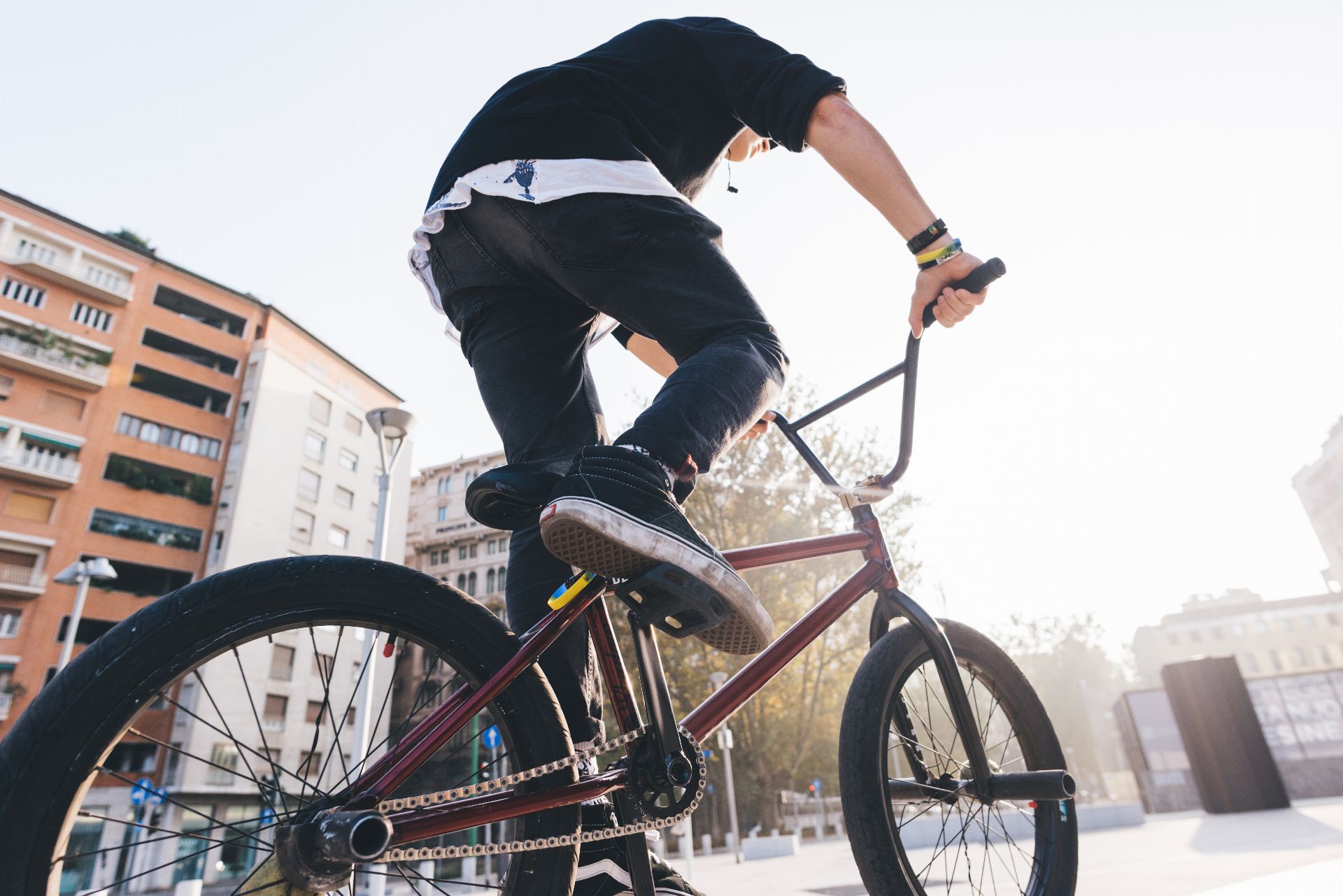
BMX is the abbreviation for "Bicycle Motocross", where engineering meets sports. This thrilling sport emerged in the 1970s in California, when children modified their bicycles to imitate motocross motorcycle races. Today, BMX bikes are used in speed-based races on specially constructed short tracks, sharp turns, and urban obstacles. At the same time, it offers a perfect frame architecture for boundary-defying freestyle acrobatics and stunts on urban architecture, ramps, and challenging surfaces.
Generally known for their small wheel sizes, compact frame geometry, and ultra-reinforced durable structures, these bikes deliver a fluid riding experience in cities, specialized tracks, and open areas. To ensure athletes can meet their freedom of movement and adrenaline needs safely, modern urban spaces are designed with modular surfaces and tracks dedicated to wheeled sports.
Modular Sports Tracks for Future Energetic Cities
We manufacture world-class professional tracks where youth and athletes can safely gain speed and develop their acrobatic skills in wheeled sports disciplines such as BMX, skateboarding, and skating.
Explore Our Pumptrack & Bicycle Tracks →Types of BMX Bikes
The subcategories of BMX bikes are specially optimized according to the riding surface and the specific nature of the activity to be performed:
Race BMX Bike: These models feature a frame architecture focused entirely on lightweight design, rapid acceleration, and high speed. They are engineered for speeding on dirt or hardened motocross tracks and securing leadership over short distances.
Freestyle BMX Bike: Re-imagined from the ground up for tricks, special maneuvers, and street acrobatics. They are manufactured from steel alloys incredibly resistant to heavy drops, high jumps, and harsh impacts, providing maximum body control in the air.
Park and Dirt BMX Bike: The most ideal tool for riding on circular ramps (half-pipes) in skate parks or consecutive dirt ramps. They offer both high climbing stability and sharp maneuverability for sudden direction changes.
Technical Features of BMX Bikes
BMX bikes differ radically from traditional city or mountain bikes due to distinct technical variations. To prevent energy loss and maintain frame rigidity, these bikes do not feature a suspension (shock absorber) system. The non-suspended structure keeps the bike lightweight while helping the rider feel the track energy directly and maintain full control over the bicycle. Generally, the thick and treaded 20-inch diameter wheels make sudden accelerations and sharp technical turns effortless. Chromoly (Cr-Mo) or high-strength steel frames, robust wheel spokes, and reliable brake mechanisms guarantee long-lasting durability even in the most demanding riding scenarios.
Physical and Mental Benefits of BMX Sports
Although BMX requires immense focus, practicing it regularly offers magnificent contributions to overall health:
- It intensively works lower extremity muscle groups (legs and hips), increasing muscle mass and explosive power endurance.
- It provides continuous cardiovascular training, supporting heart health and lung capacity.
- Thanks to sudden reflex management in the air, it takes body coordination, the balance center, and body awareness to the highest level.
- It strengthens mental focus and concentration skills through rapid decision-making, track analysis, and strategic maneuver development.
How to Choose the Right BMX Bike?
The primary criteria for choosing a BMX bike are the rider's age, height, and the specific discipline they will practice. While micro-frames and lightweight structures that facilitate control are preferred for children, large frames with high torque resistance stand out for adult riders. The riding environment also directly determines the choice; the frame weight and rim structure chosen by a speed rider on racing tracks are completely different from an acrobatics rider attempting tricks in modular skate park environments.
Safe Riding Tips for Beginners
In BMX riding, technical skill, speed, and control must be managed simultaneously. Comprehending correct techniques enhances performance while keeping you safe. In the initial phase, practicing pumping techniques at a slow pace on flat grounds and professionally designed rolling modular tracks forms an excellent foundation. Since BMX is an exciting extreme sport discipline, standard-compliant helmets, functional knee pads, elbow pads, and non-slip gloves must never be neglected to minimize injury risks.
The Global Popularity of BMX Biking
Today, BMX commands a massive fan base worldwide and holds a professional status on the level of the Olympic Games. Blending youth energy with urban living, this sport increases its prestige day by day thanks to major championships and global extreme sports organizations.
Making a proper start in the world of BMX, which offers physical strength, mental resilience, and creative freedom, is one of the most exciting ways to develop your skills. As Cemer, we reinforce the presence of wheeled sports disciplines in urban spaces, building next-generation tracks with our safe and innovative engineering infrastructure. Explore our professional bicycle tracks, modular ramps, and internationally certified extreme sports equipment solutions to add premium value to your cities and recreation areas today.