




How Do Playgrounds Cultivate Children's Creativity?
Beyond physical exercise: Exploring the cognitive, sensory, and social foundations of creative thinking in outdoor play.
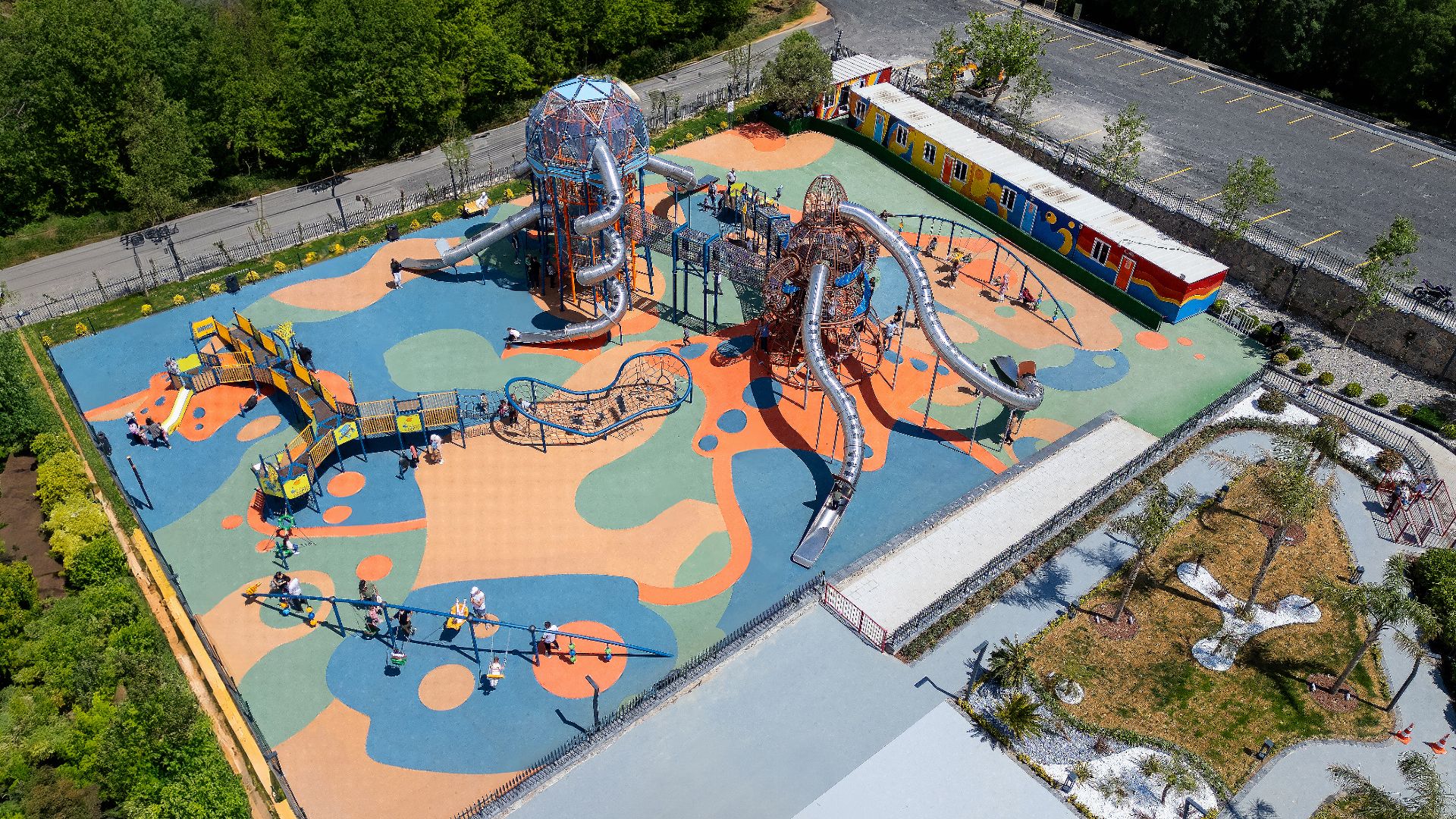
Playgrounds are essential environments where children release accumulated energy while simultaneously accelerating their developmental journeys through structured and unstructured fun. Through dynamic playground toys, young generations create entirely new worlds, broaden their imaginations, and systematically build foundational problem-solving skills. By satisfying an innate desire to explore, children establish the building blocks for healthier, more adaptive lifelong growth.
The Structural and Behavioral Catalyst of Creative Play
Freedom to Explore and Discover Boundaries
Playgrounds help children acquire vital emotional and skill-based competencies connected to both the natural world and human interaction. Beyond necessary physical health and safety measures, these architectural spaces offer rare environments where children remain entirely free to explore, experiment, and discover personal boundaries without rigid constraints. This absence of strict rules is exactly what unlocks authentic creative thinking.
Tactile and Sensory Stimulation
Interacting directly with rich tactile materials—such as raw sand, running water, and organic wood—provides crucial sensory experiences that standard indoor or digital settings cannot replicate. These physical interactions expand a child's cognitive processing limits, urging them to think abstractly and approach everyday scenarios with artistic curiosity.
Navigating Physical Challenges
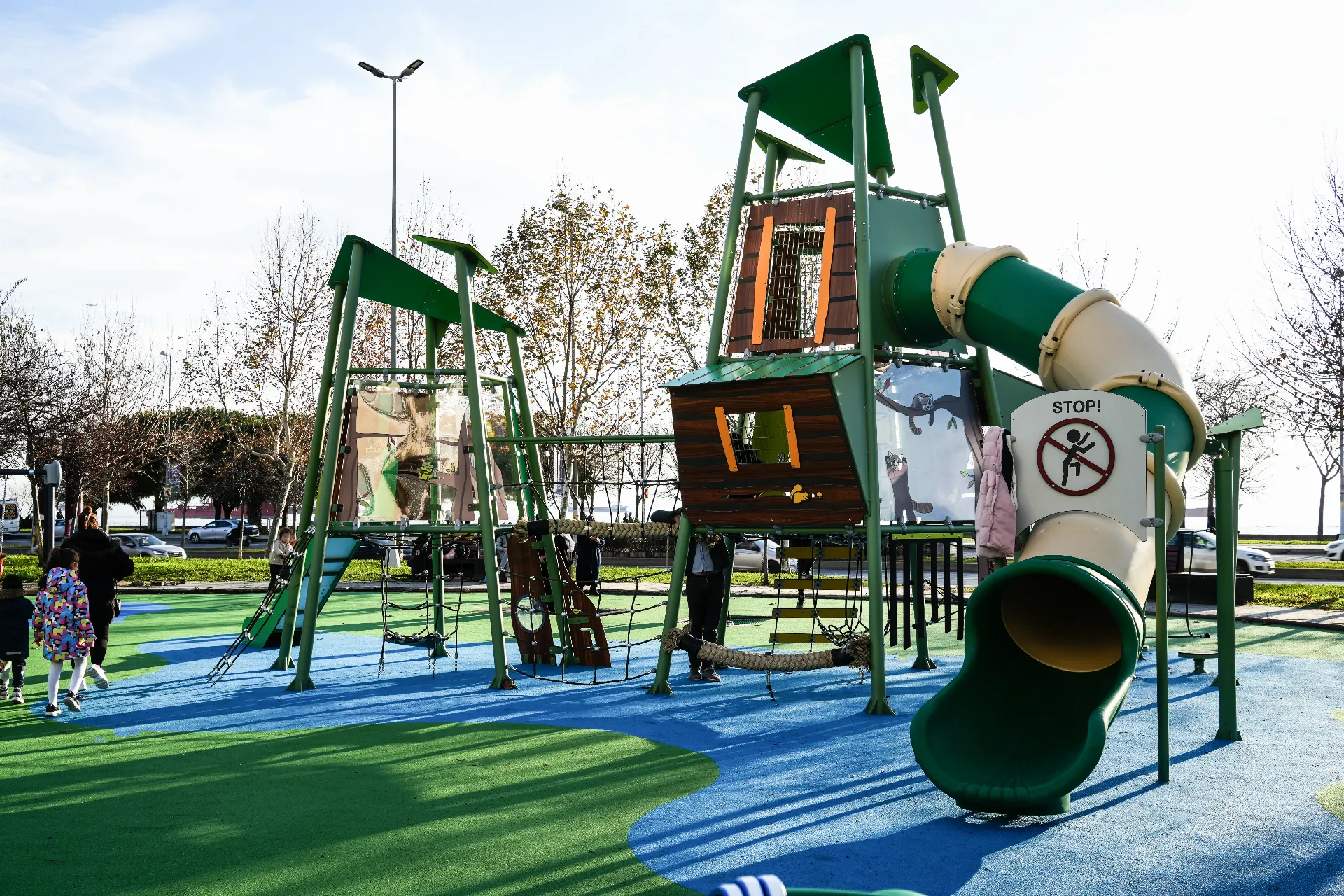
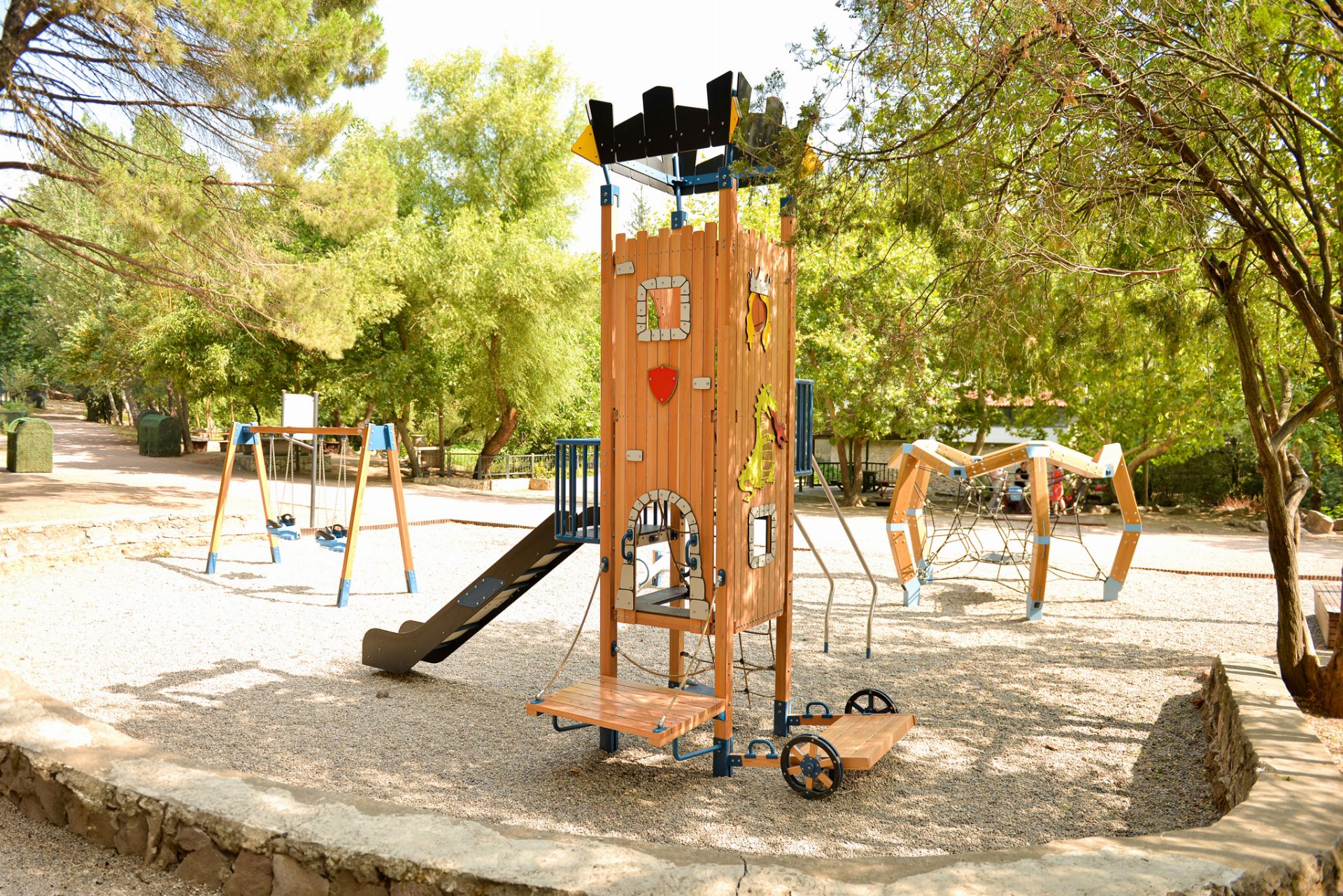
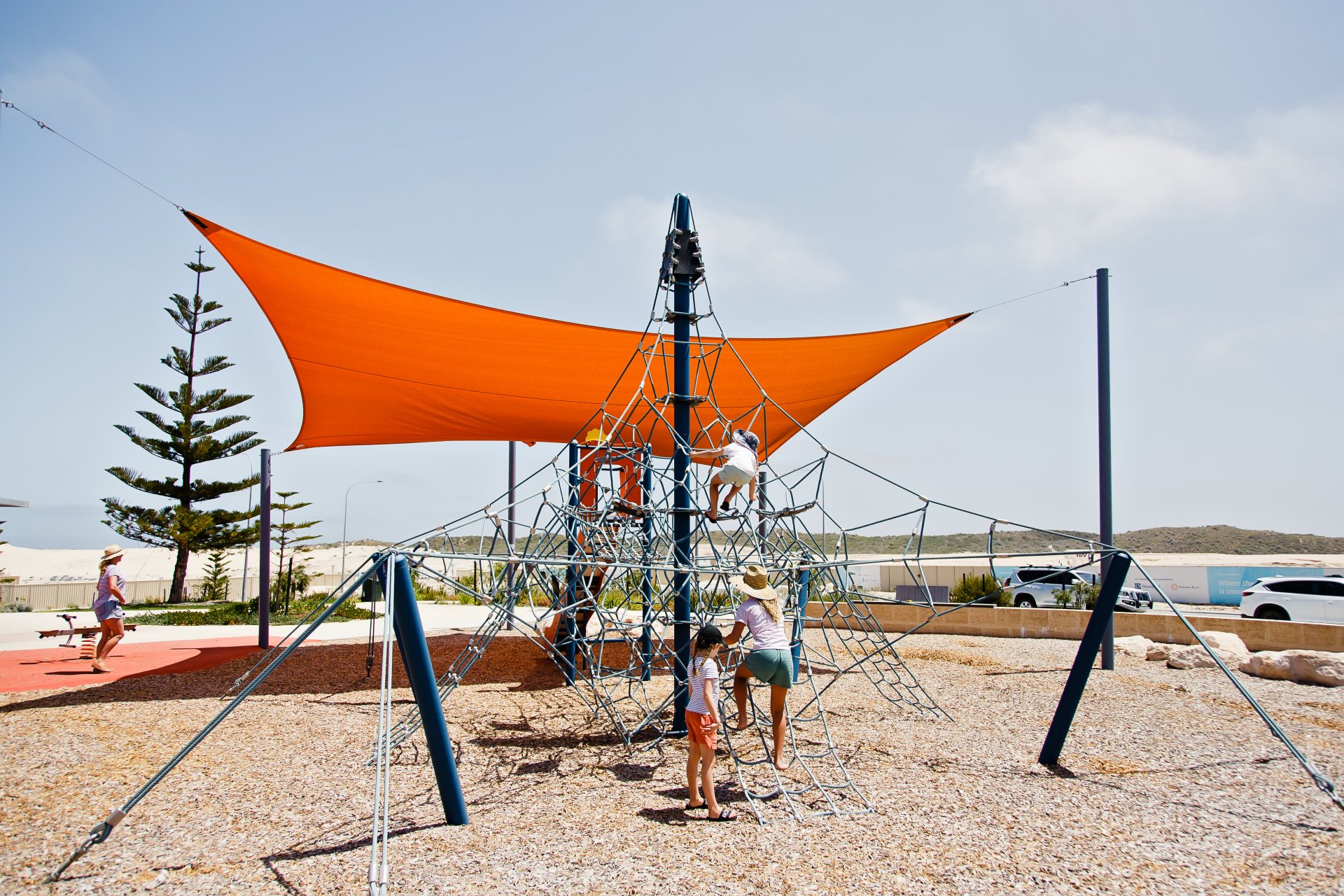
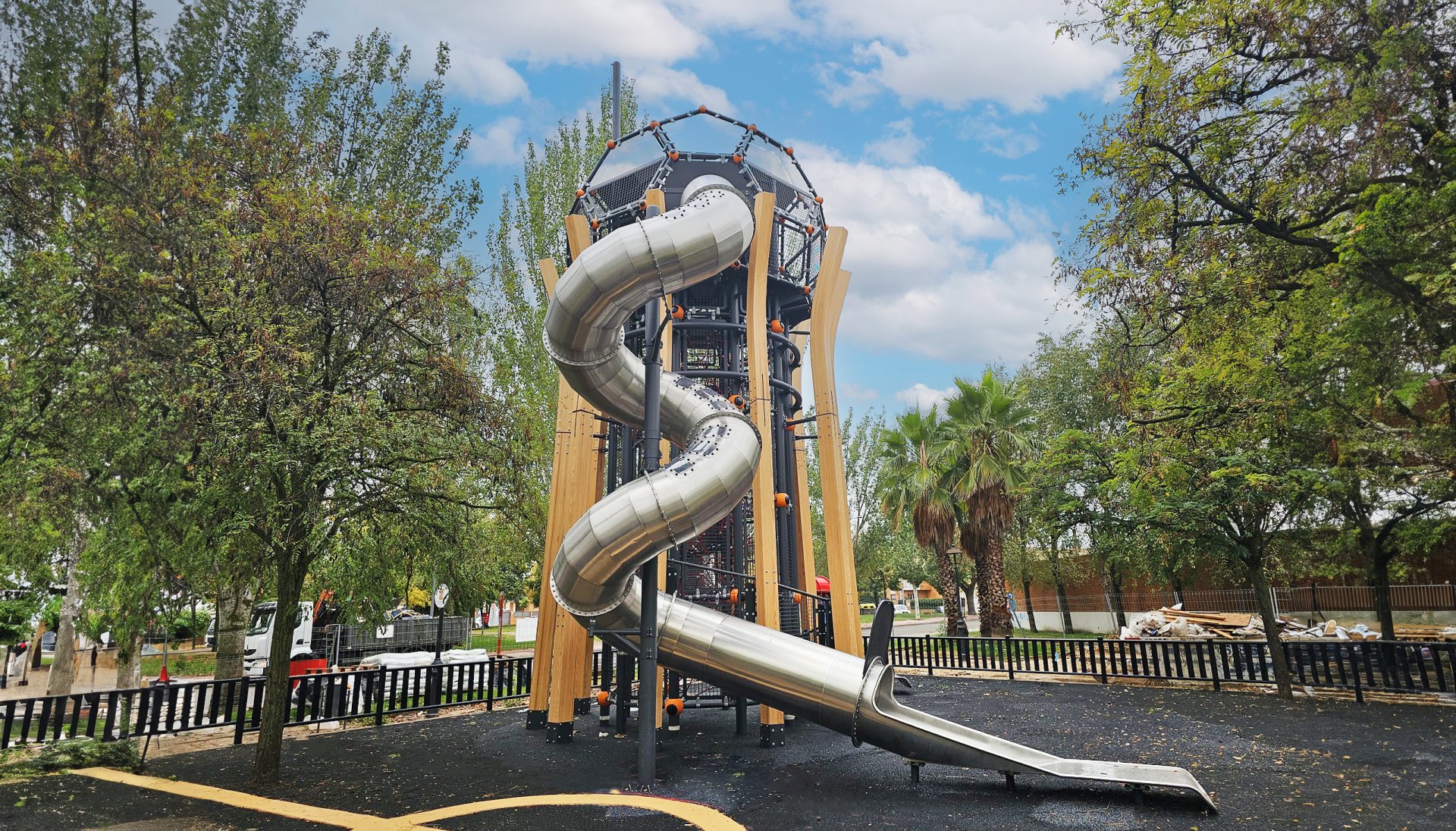
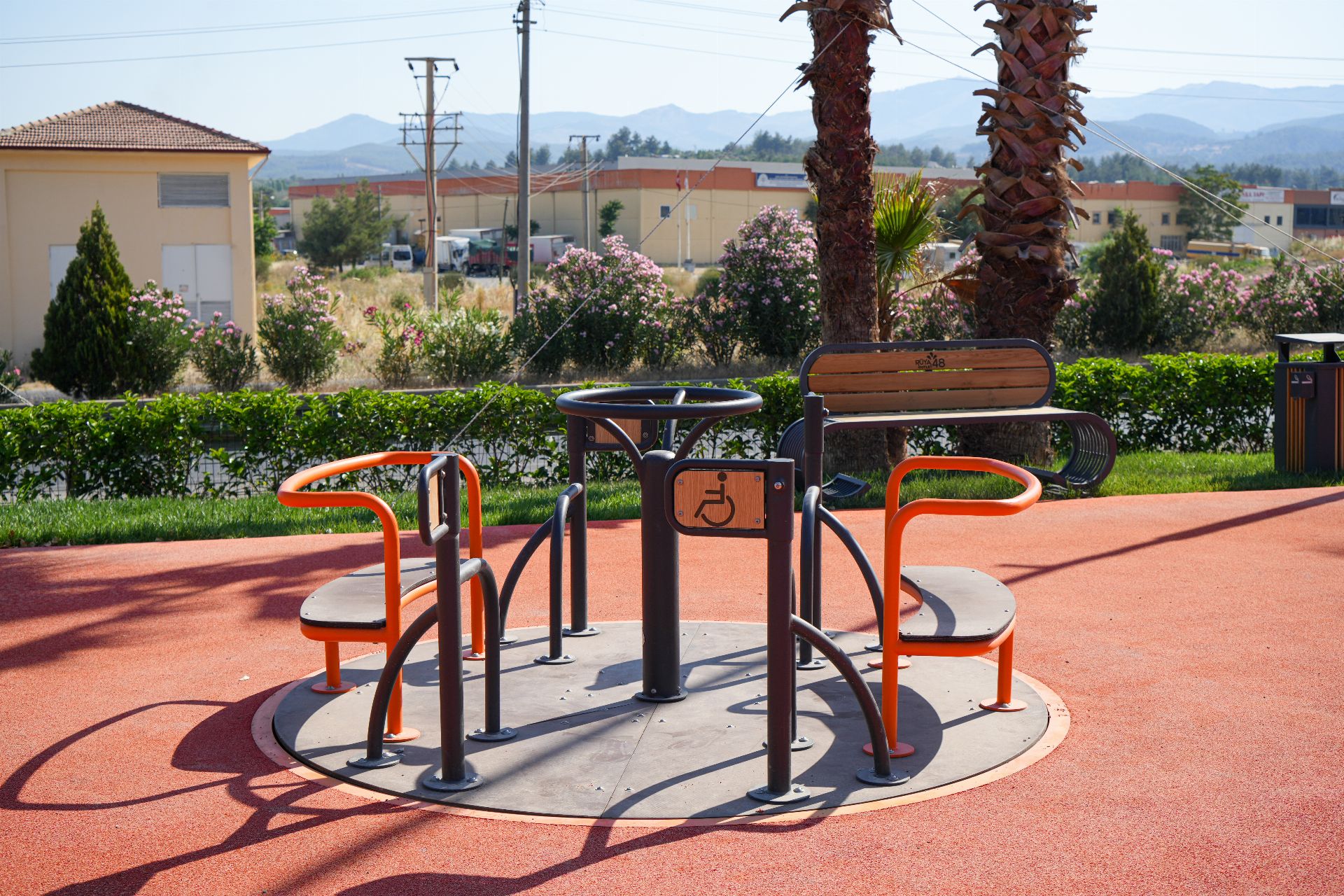
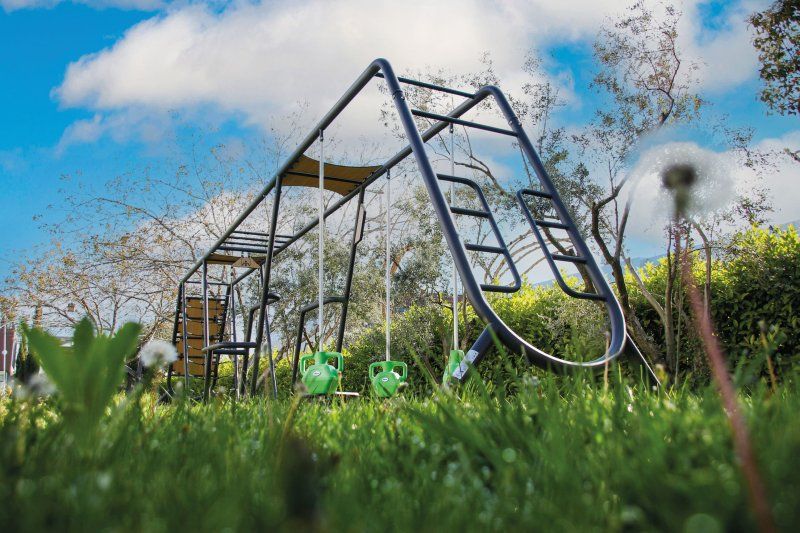
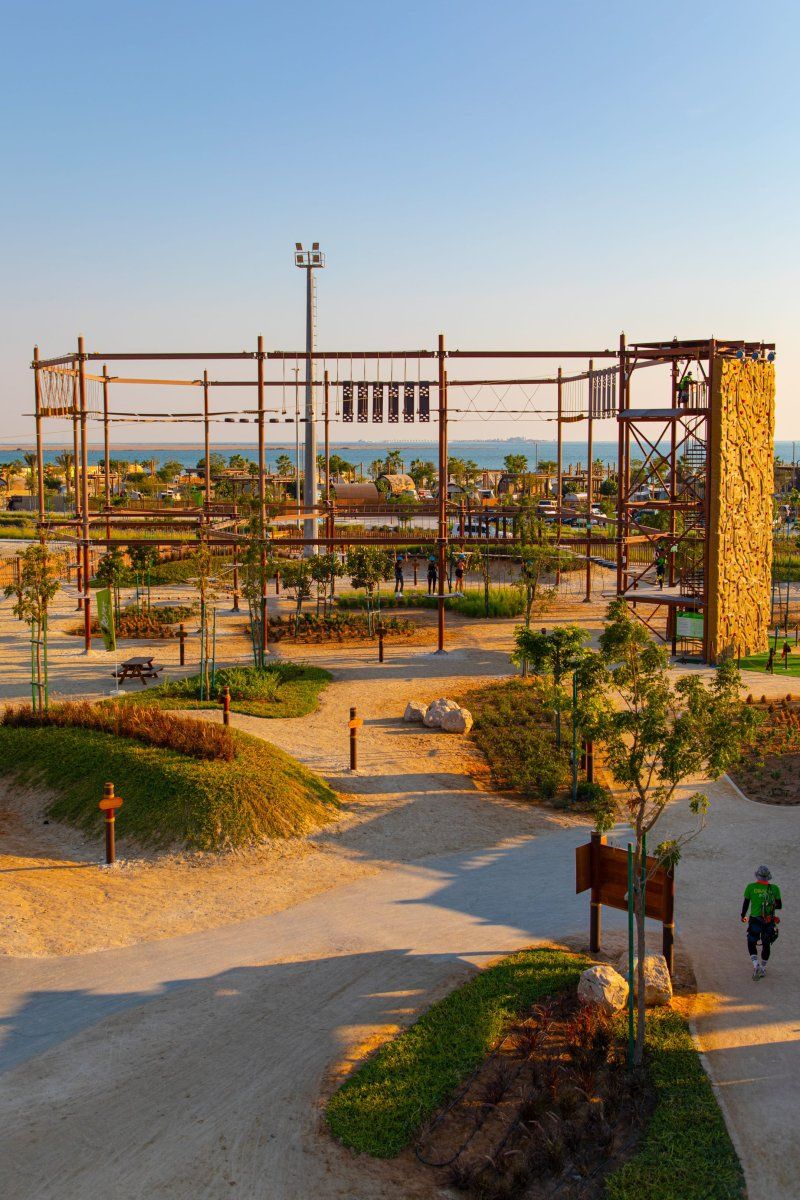
Advanced play equipment like climbing walls, outdoor musical instruments, rope bridges, skill training modules, and swings improve fine and gross motor skills while testing spatial logic. When facing these physical challenges, children naturally learn to engineer creative physical solutions, boosting their self-confidence in an organic environment.
Balancing Digital Overload with Active Play
Today, many children are constantly surrounded by passive digital technology, which frequently detaches them from real-world play zones. Parents must consciously guide their children back to the playground, understanding that it remains an irreplaceable vehicle for developmental growth. Here, away from digital screens, children invent unique characters, form narrative stories, and train their creative faculties.
Collaborative Creativity and Communication
Outdoor play areas inherently function as active social hubs. Engaging with peers introduces children to the values of cooperation, compromise, and collaborative teamwork. This shared play ecosystem opens up organic opportunities to enrich cross-functional communication and co-create collaborative imaginative universes.
Guiding Natural and Healthy Evolution
In conclusion, parents and urban designers should carefully select specialized play areas that maximize the expression of raw imagination while safeguarding healthy physiological advancement. Giving children the physical canvas to develop through their own self-directed methods is the single most effective way to cultivate robust, resilient, and highly creative minds for the future.