
Material Selection in Commercial Slides: Prioritizing Safety and Durability
An engineering perspective on the structural advantages of HDPE, HPL, and corrosion-resistant chrome in modern playground manufacturing.
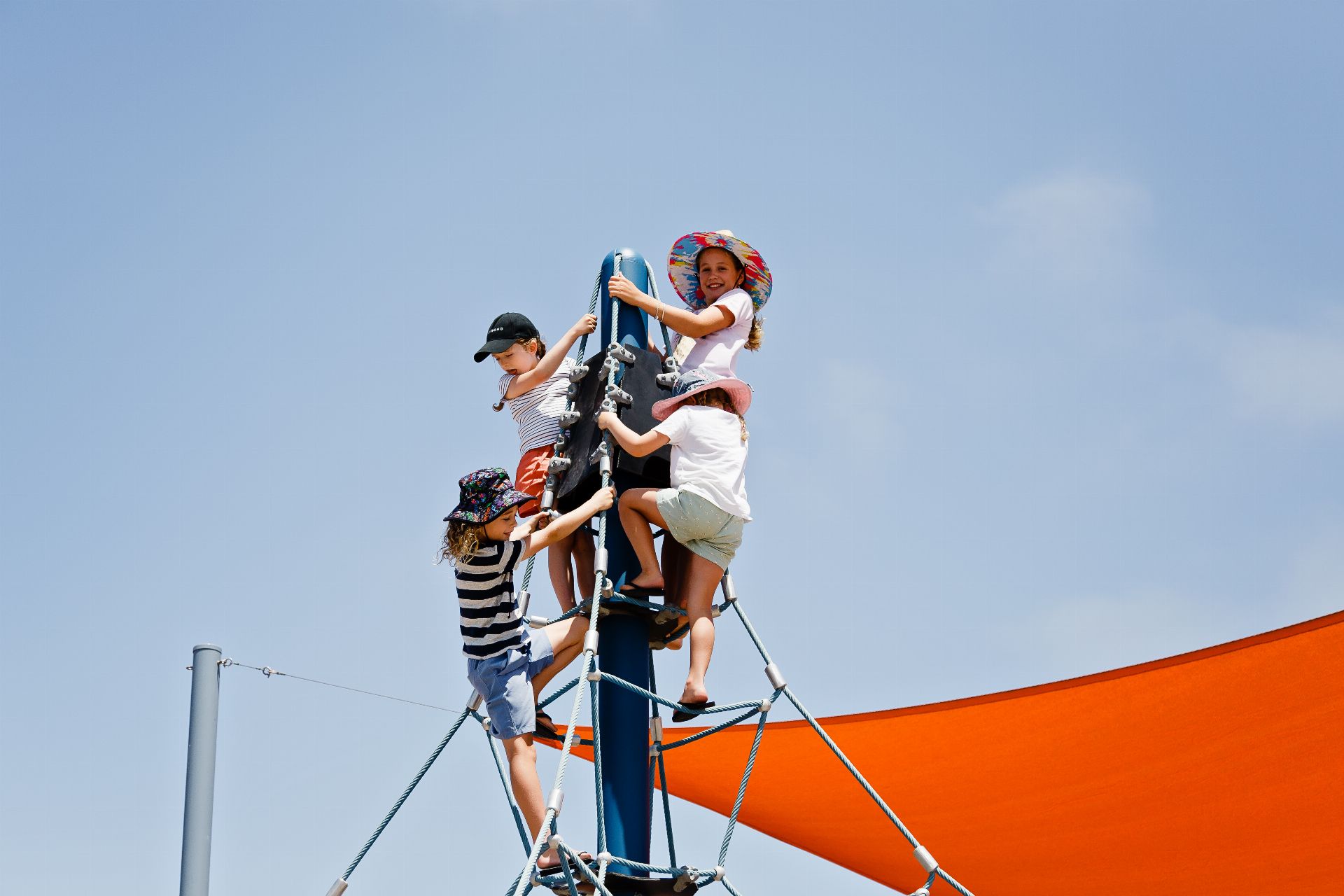
Playgrounds serve as essential public environments where children systematically develop fine motor control, physical coordination, and critical social skills. However, to sustain these benefits over decades of heavy public use, structural safety and raw material durability must always remain the primary benchmarks of production.
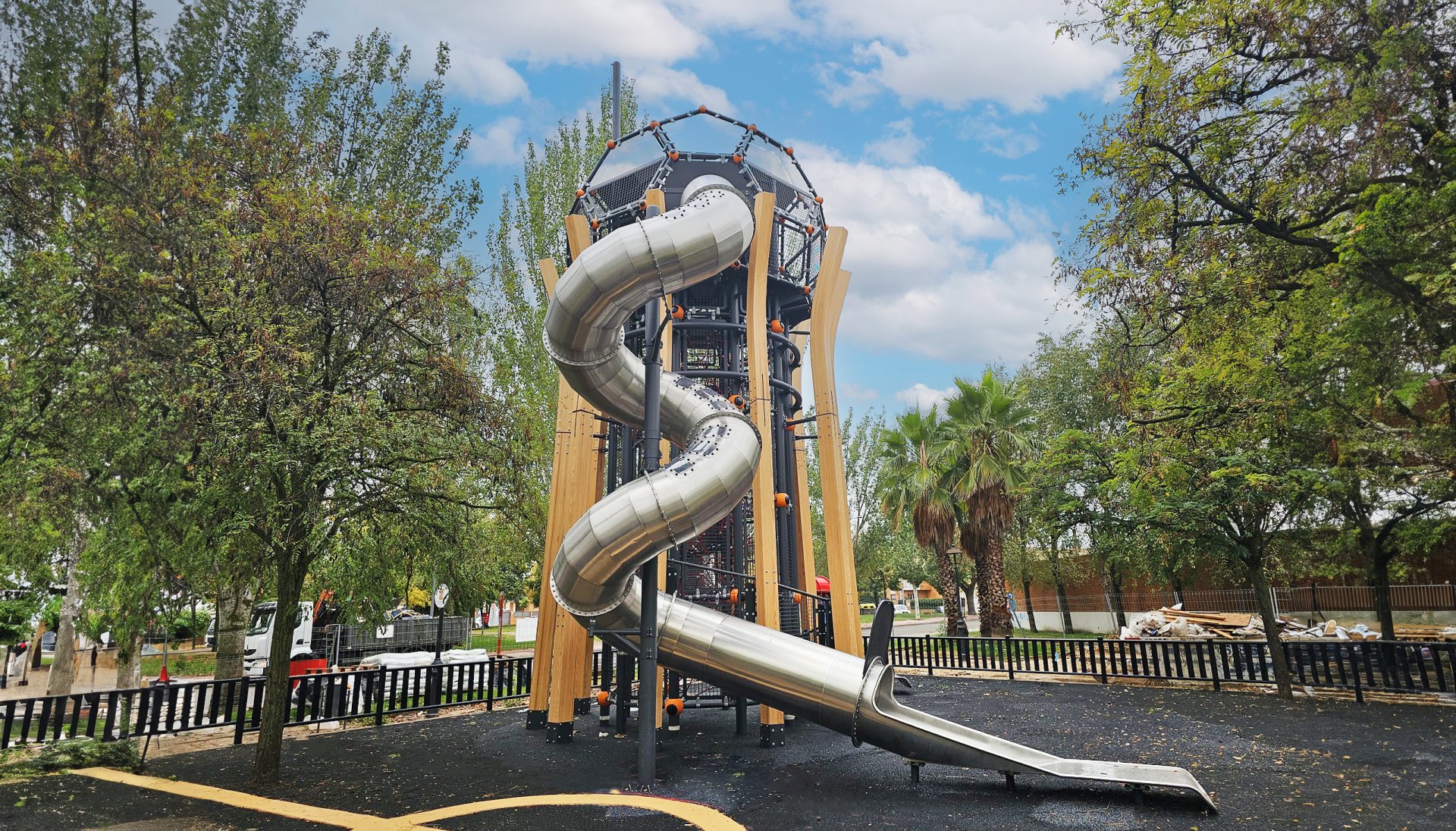
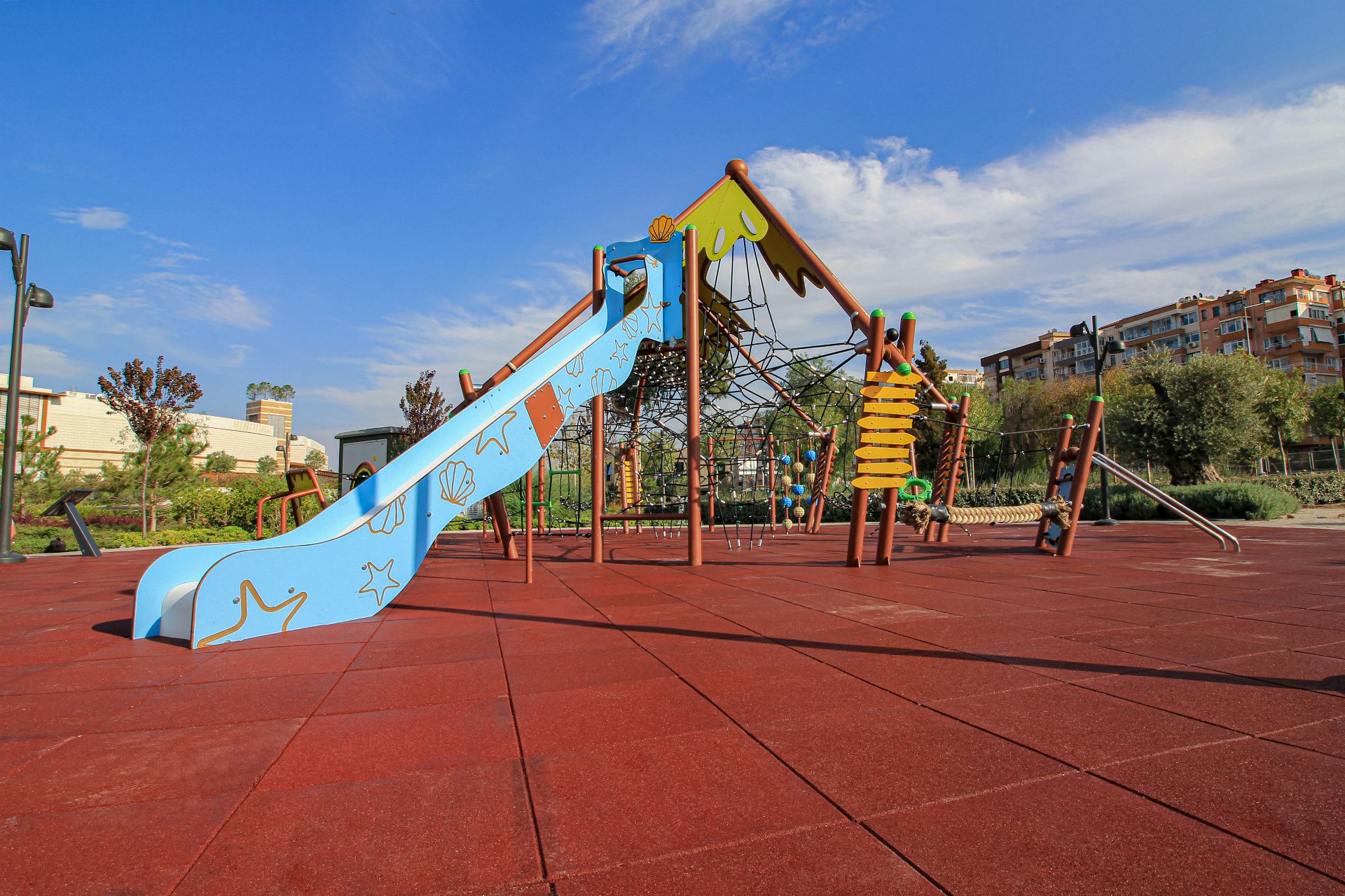
Among all open-air assets, slides stand out as one of the most high-traffic and popular pieces of commercial playground equipment. The specific raw materials chosen for their production dictate not only the immediate physical protection of children but also the total operational lifespan of the equipment under varying climate extremes.
Advanced Industrial Materials Shaping Modern Slide Systems
HDPE Material: The Ideal Choice for Safety and Durability
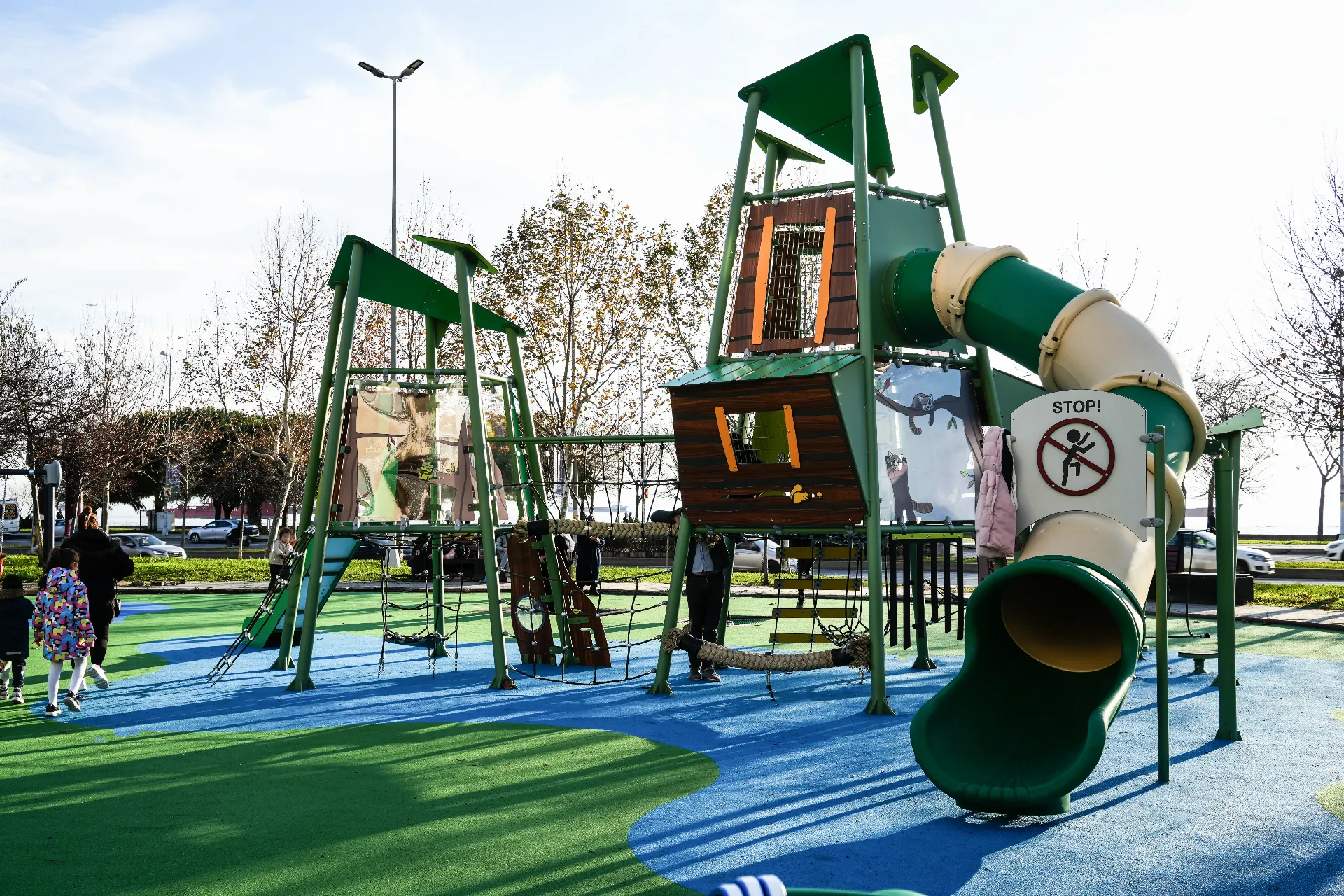
High-Density Polyethylene (HDPE) represents the premium industry standard for manufacturing high-performance sliding surfaces due to its remarkable molecular resilience.
- Advanced UV Resistance: HDPE contains specialized compound stabilizers that block intense ultraviolet radiation, preventing structural embrittlement and color fading in outdoor parks.
- Ergonomic Sliding Comfort: The low-friction coefficient provides an exceptionally smooth, uniform, and safe sliding speed for children of all ages.
- Heavy-Impact Lifespan: It resists deep scratches, fractures, and localized wear, guaranteeing years of maintenance-free service.
HPL and Reinforced HDPE Side Enclosures
The structural sidewalls and safety barriers of commercial slides are reinforced using High-Pressure Laminate (HPL) or dense HDPE sheets to ensure comprehensive edge protection.
- Maximum Impact Resistance: These dense panels absorb blunt force and prevent structural deformation when children interact heavily with the entry and exit points.
- Architectural Style Integration: HPL offers vast design versatility, allowing developers to introduce vibrant, color-fast patterns that enrich the park's visual identity.
Chrome Alloys and Heavy-Duty Structural Polymers
While sliding surfaces handle user interaction, the underlying anchoring frames and support steps bear the primary weight distribution.
- Industrial Chrome Materials: Utilizing premium chrome-plated alloys or stainless steel components delivers total defense against oxidation, rust, and chemical cleaning agents, ensuring absolute foundation stability.
- Engineered Plastic Components: Specialized structural plastics provide lightweight, highly flexible joints and safety caps that secure exposed hardware from causing accidental cuts.
Proactive Inspection and Structural Upkeep
To guarantee a secure, code-compliant, and prolonged playground experience, implementing a routine engineering audit is non-negotiable. Maintenance teams should regularly audit sliding bedways, inspect joint welds, and monitor critical weight-bearing fastening points for stress fractures. Consistently sanitizing the structural polymers using child-safe, eco-friendly agents preserves material composition and maximizes public hygiene standards.
Securing Playgrounds for Future Generations
Ultimately, selecting the right industrial material for slides serves as the ultimate cornerstone of playground safety management and municipal asset durability.
At Cemer, our product line integrates certified HDPE, premium HPL, heavy-duty chrome alloys, and non-toxic polymers to satisfy strict international safety criteria. Investing in masterfully engineered slide systems allows public spaces to transform into safe, uplifting, and lively havens where generations of children can play with confidence.