
Skateboarding is a dynamic sport that is both highly entertaining and exceptionally beneficial for developing physical balance, focus, and coordination. Learning how to ride at a skate park might seem complex for beginners at first glance. However, by selecting the right equipment and mastering fundamental techniques, you can quickly learn this powerful street sport and enjoy the rush of adrenaline safely.
1. Choosing the Right Skateboard for Your Riding Style
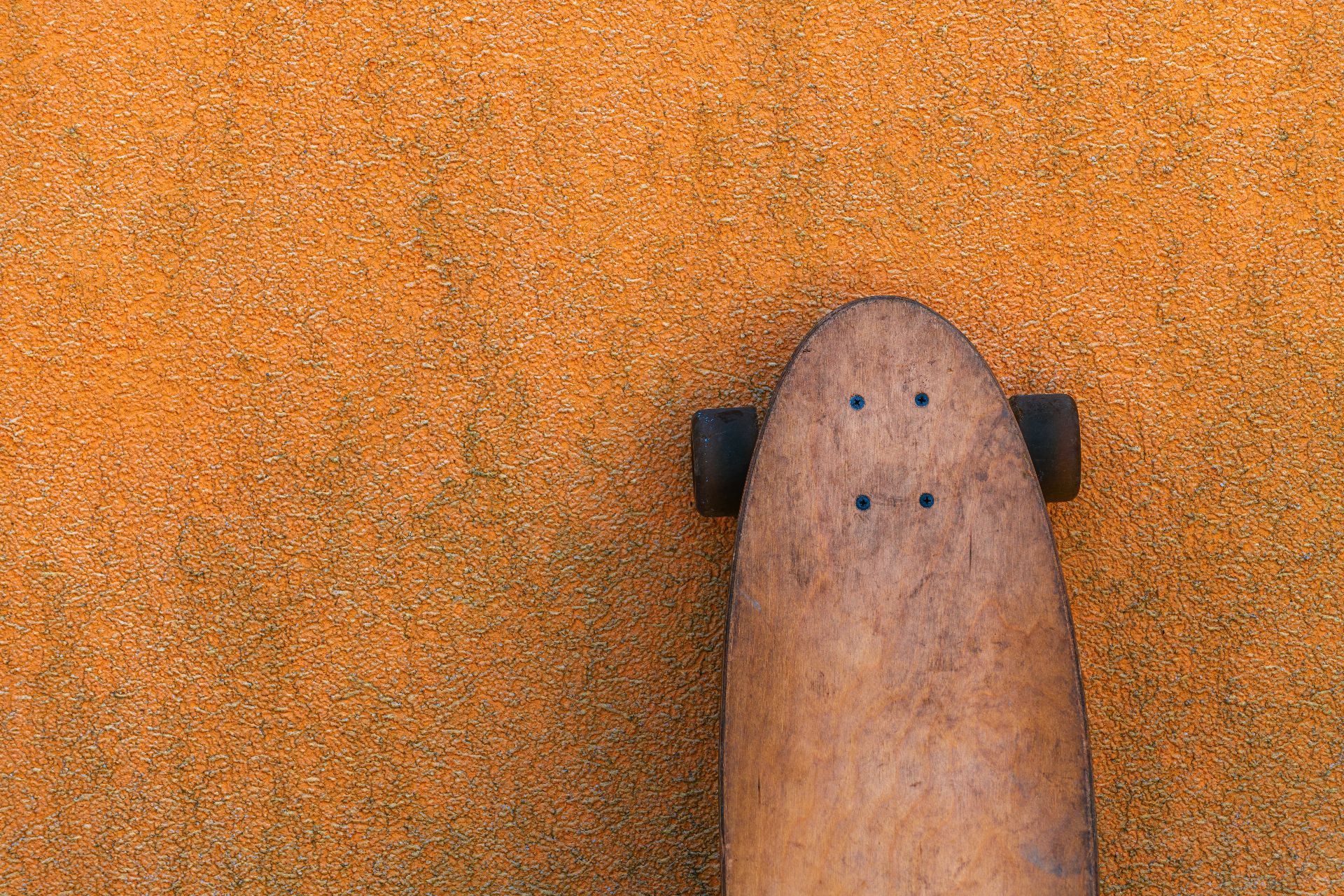
Choosing the right skateboard depends entirely on your riding environment and personal goals. Standard skateboards (Shortboards) are ideal for street riding and learning ramp techniques, typically ranging between 7.5 and 8.5 inches in width. Cruiser skateboards are engineered for urban commuting and smooth cruising; their larger, softer wheels minimize vibrations on rough surfaces. Longboards, on the other hand, offer excellent stability for long-distance riding and speed enthusiasts, making it much easier for beginners to get used to balancing on the board.
Design High-Energy Skateparks and Street Sports Areas
We design modular skateparks, pumptrack lines, and extreme sports environments where youth can socialize safely and push their structural limits. Discover our world-class engineering solutions.
Explore Skatepark Solutions →2. Safety Measures and Protective Gear Integration
Completing your protective gear before stepping onto a skateboard is an absolute requirement for a safe developmental process. A helmet directly protects your head from potential hard impacts. Anatomically designed knee and elbow pads absorb shock during falls, preventing serious injuries. Wrist guards prevent sprains when instinctively putting your hands down during a fall. In addition, choosing a skateboard shoe with a flat, durable rubber sole maximizes your grip and control over the griptape.
3. Fundamental Skateboarding Techniques and Balance Management
To start with proper posture on the skateboard, place your feet shoulder-width apart. If your left foot is forward, you have a "Regular" riding style; if your right foot is forward, you ride "Goofy". Lower your body's center of gravity slightly and bend your knees to stabilize your balance. Lift your back foot off the board, push off the ground to gain forward momentum, and bring your back foot back onto the tail of the board to begin your flow. To steer, lean your body weight toward your heels or toes to apply pressure. When you want to stop, gently drag your back foot on the ground to reduce your speed controllably.
4. Training Recommendations on Proper Surfaces for Beginners
For novice skaters to properly develop balance reflexes, it is crucial to practice on flat, smooth, and professionally engineered surfaces. At this point, professionally designed skate park surfaces and modular ramp systems provide the safest riding comfort by minimizing fall risks. Checking your safety gear before every session and practicing regularly will rapidly advance your skills on the board.
Combining the right equipment with correct techniques when stepping into the world of skateboarding increases riding pleasure while eliminating risks. With patience and regular practice on proper infrastructure, you can transform this exciting journey into an excellent experience. As Cemer, we bring the dynamism of wheeled sports and street culture into modern urban recreation zones. To bring safe, aesthetic, and certified spaces into your projects, check out our premium pumptrack tracks, modular rampa designs, and next-generation extreme sports equipment options today.