AGFS 408-P
Logo

Play Towers / Play Towers

AGFS 408-P

Play Towers

Product Information

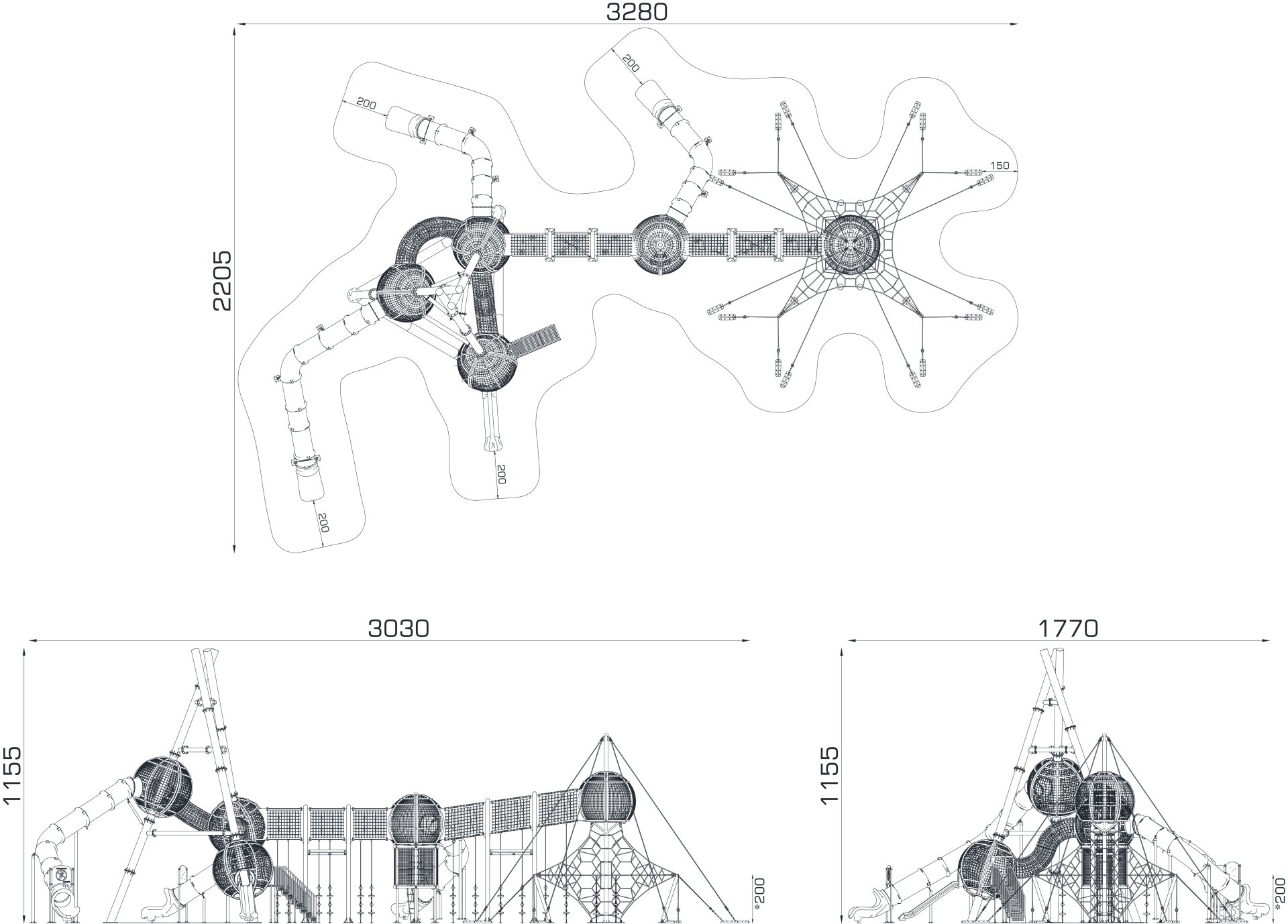
Dimensions (W x L x H):17.70 x 30.30 x 11.55m
Age Group:5-12 years
Capacity:198
Fall Height:2.00 m
Safety Area:363.20 m²

Activities

Hanging
Balance
Crawling
Equality
Slide
Running
Sitting
Socialize
Climbing

Skill Experiences

Physically
Cognitive
Social
Sensory
Product

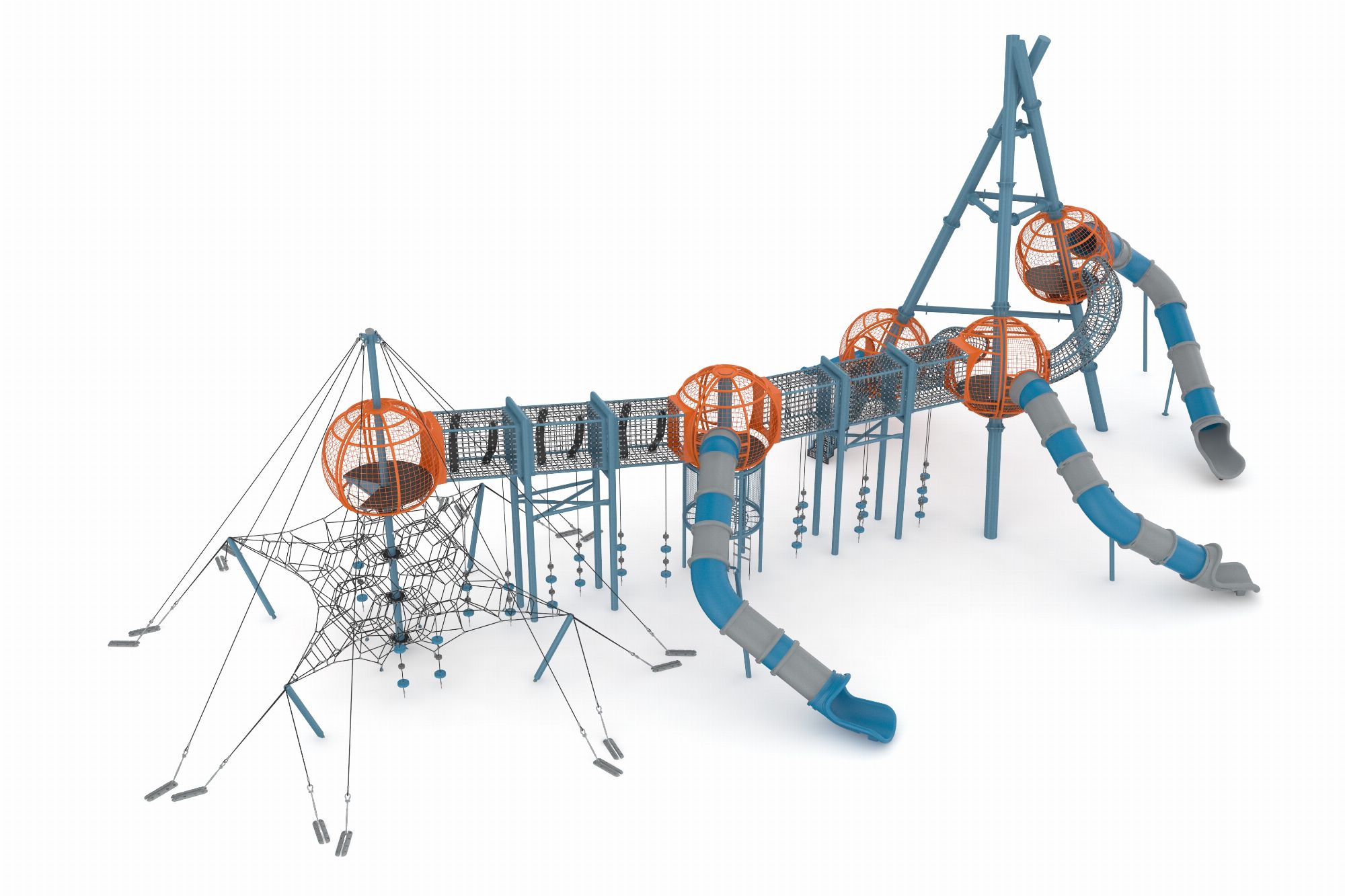
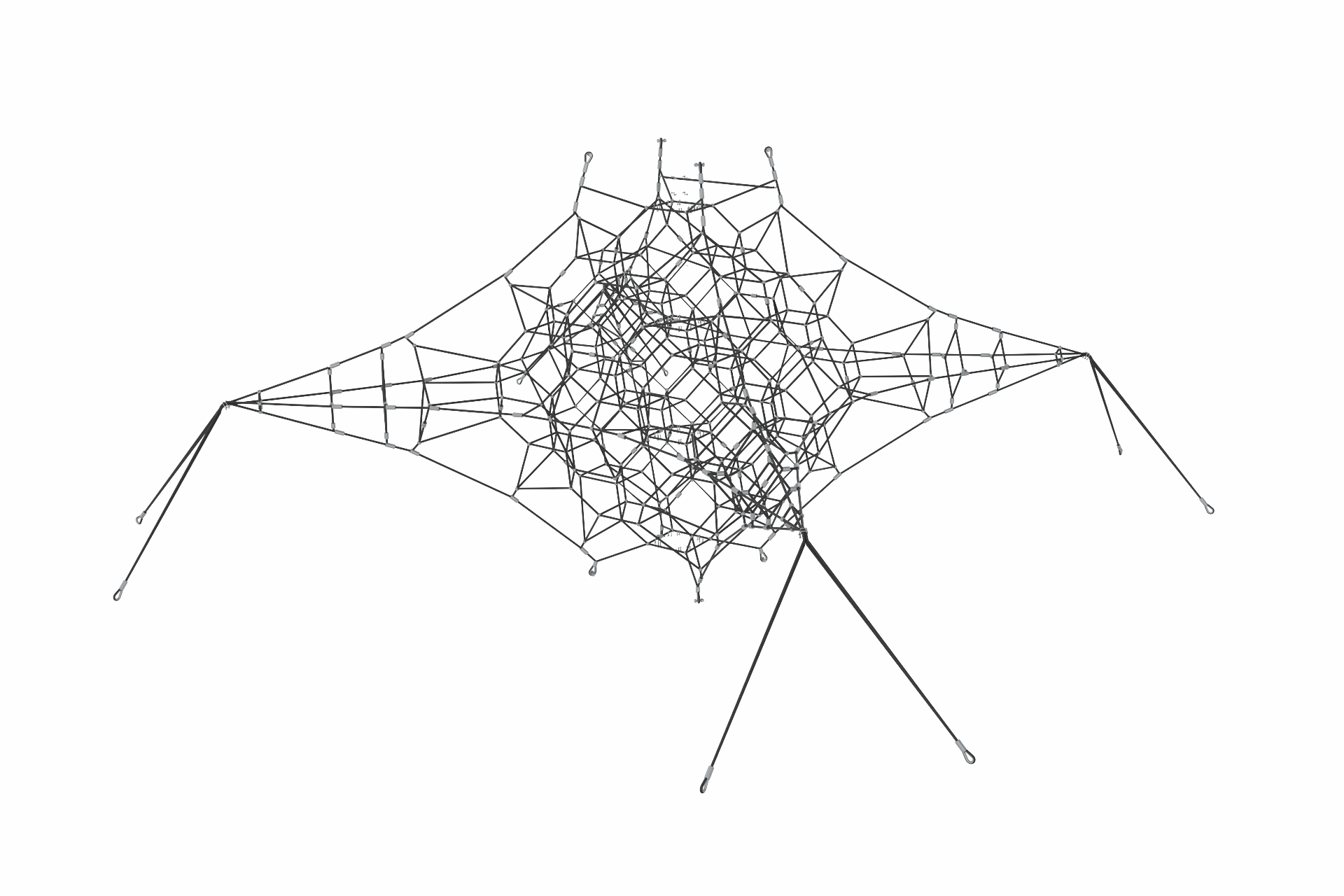
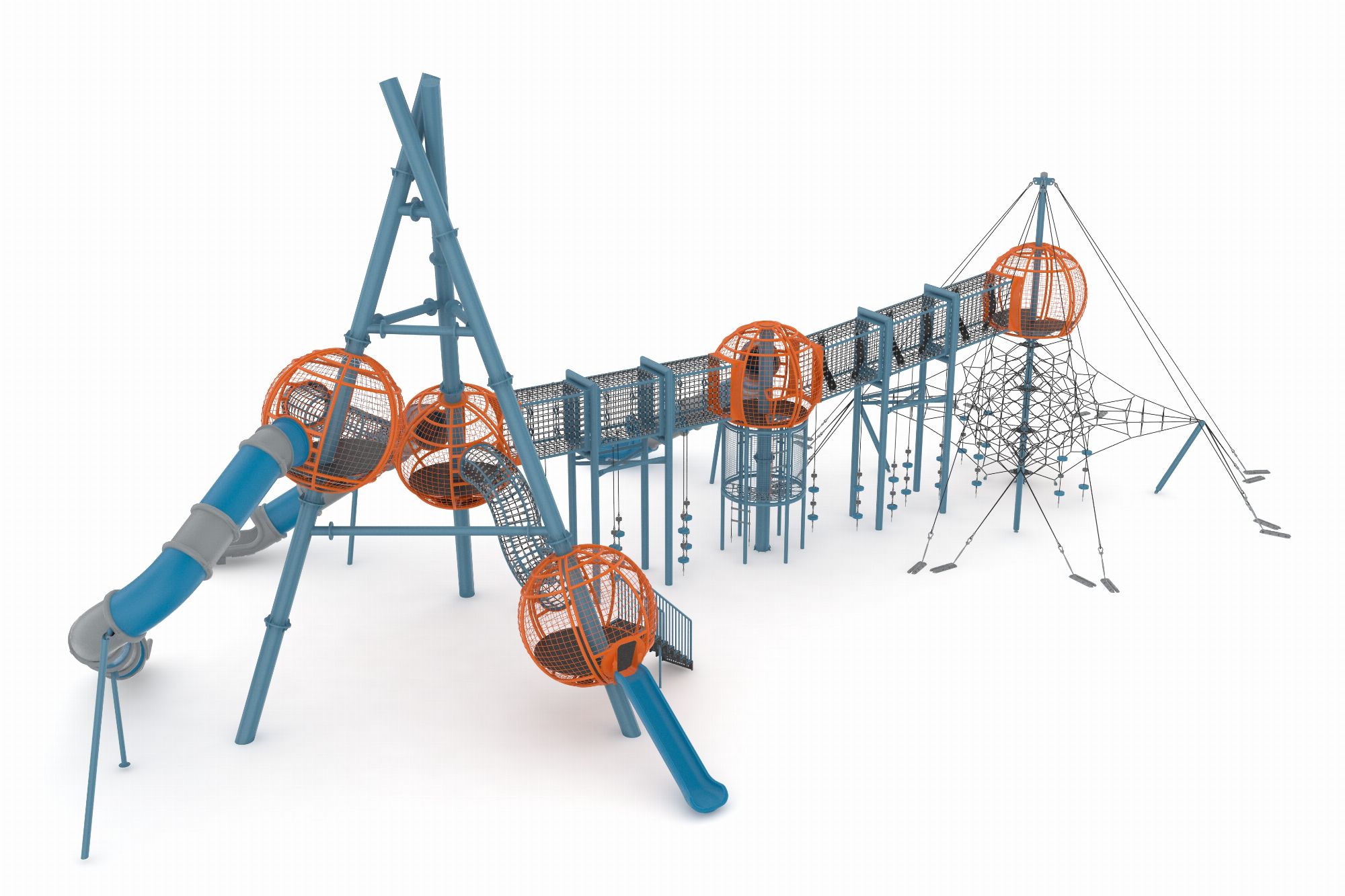
FANTASTIC SERIES - AGFS 408-P BALL STRUCTURE 2

Ball structure consists of spheres that are made of wire mesh system. With spheres that differ in height and angle, the possibility for kids to create fun play scenarios using the tunnel slides that are placed in different levels is unlocked. Climbing components placed between the spheres do not only create a passage between stations but also play a significant role in the improvement in kids’ motor skills. The product is demonstrated interest by kids with bright colours and it improves kids’ wariness of heights in a safe way without creating closed spaces.
agfs-408-p-render-agfs-408-p-pers-2.jpg

Play Towers / Play Towers

AGFS 408-P

Play Towers
ST 37 Metal

ST 37 Metal

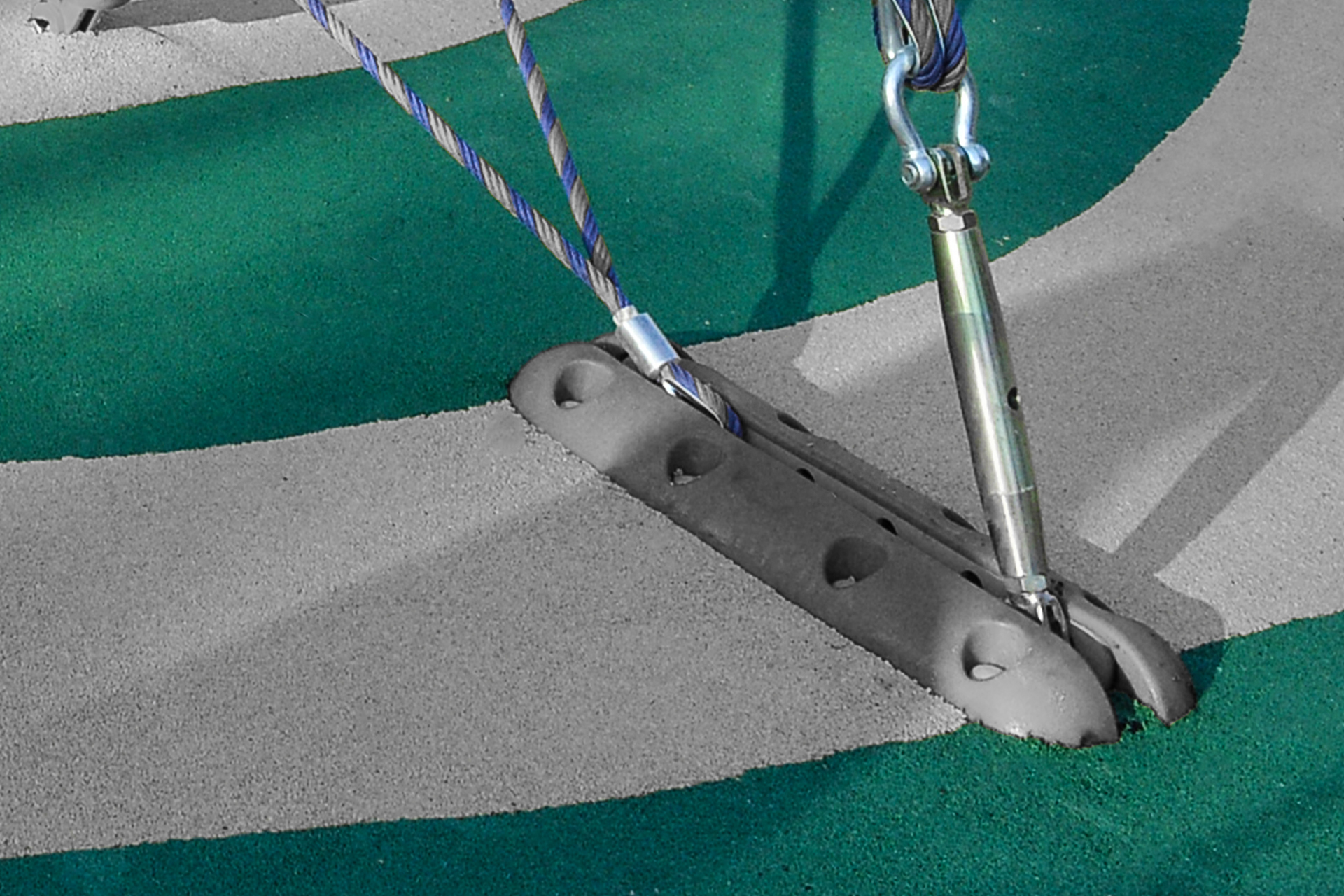
The metal parts are made of ST 37 steel with a 3-stage coating process (including sandblasting and primer). The sandblasting, solvent-free zinc primer coating, and electrostatic powder coating provide corrosion resistance under extreme weather conditions and UV exposure.

Anchor

Anchor

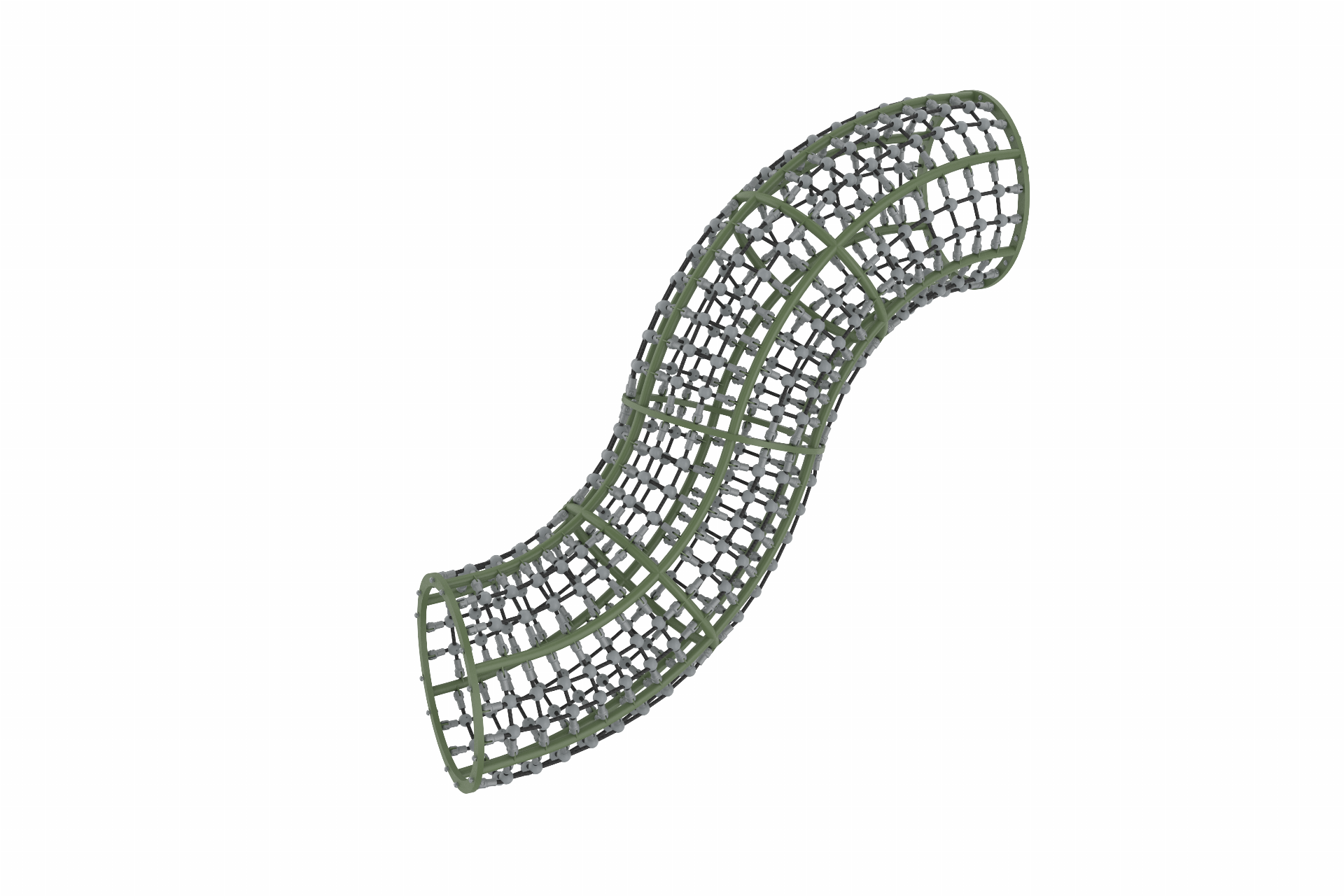
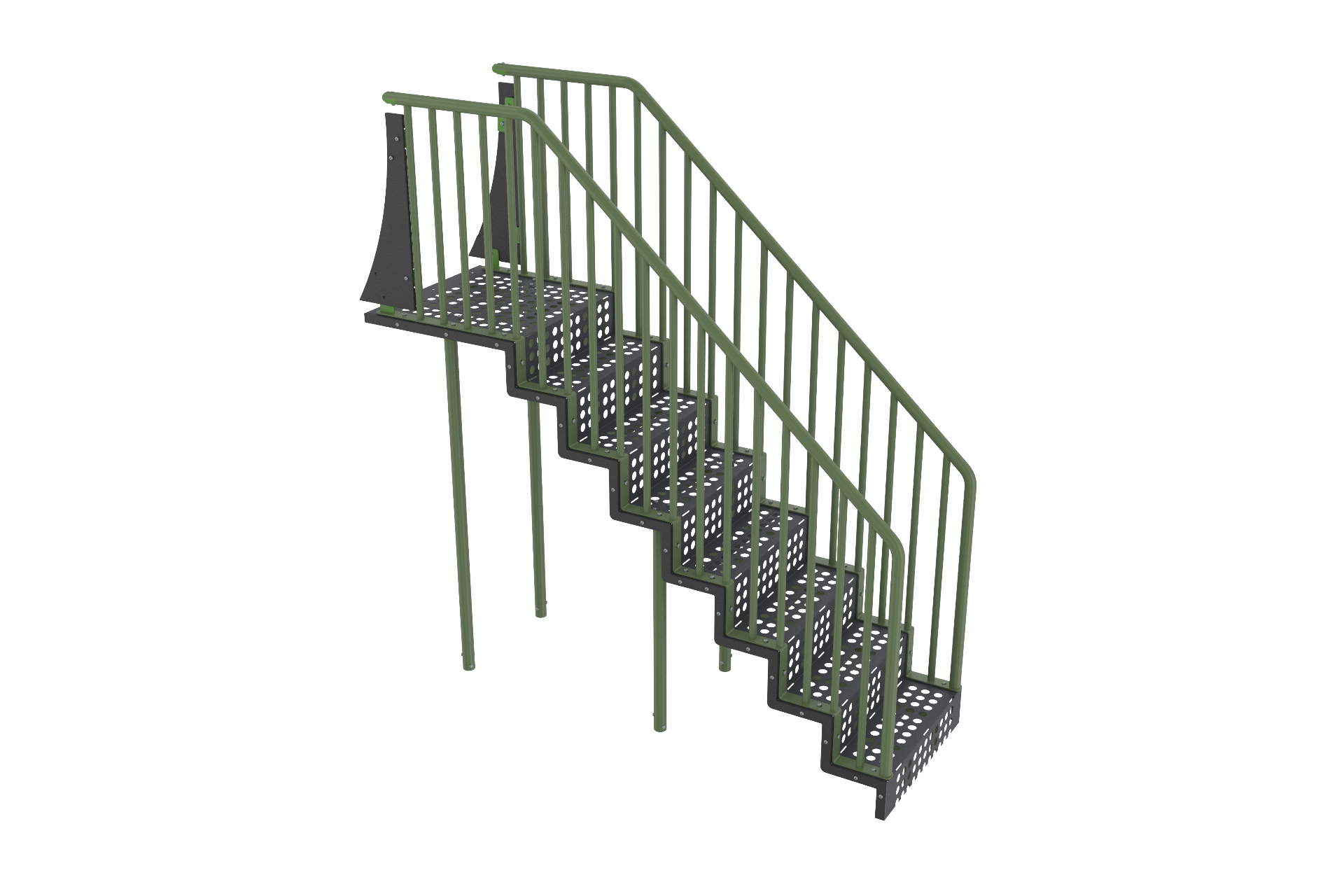
The tunnel climbing elements that connect the spheres form the transition between the stations and play an important role in the development of children's motor skills. Thanks to these climbing elements, which provide a comfortable way to get from the lowest sphere to the highest, children can reach the platforms and enjoy sliding down the slides.

CMRRope

CMRRope

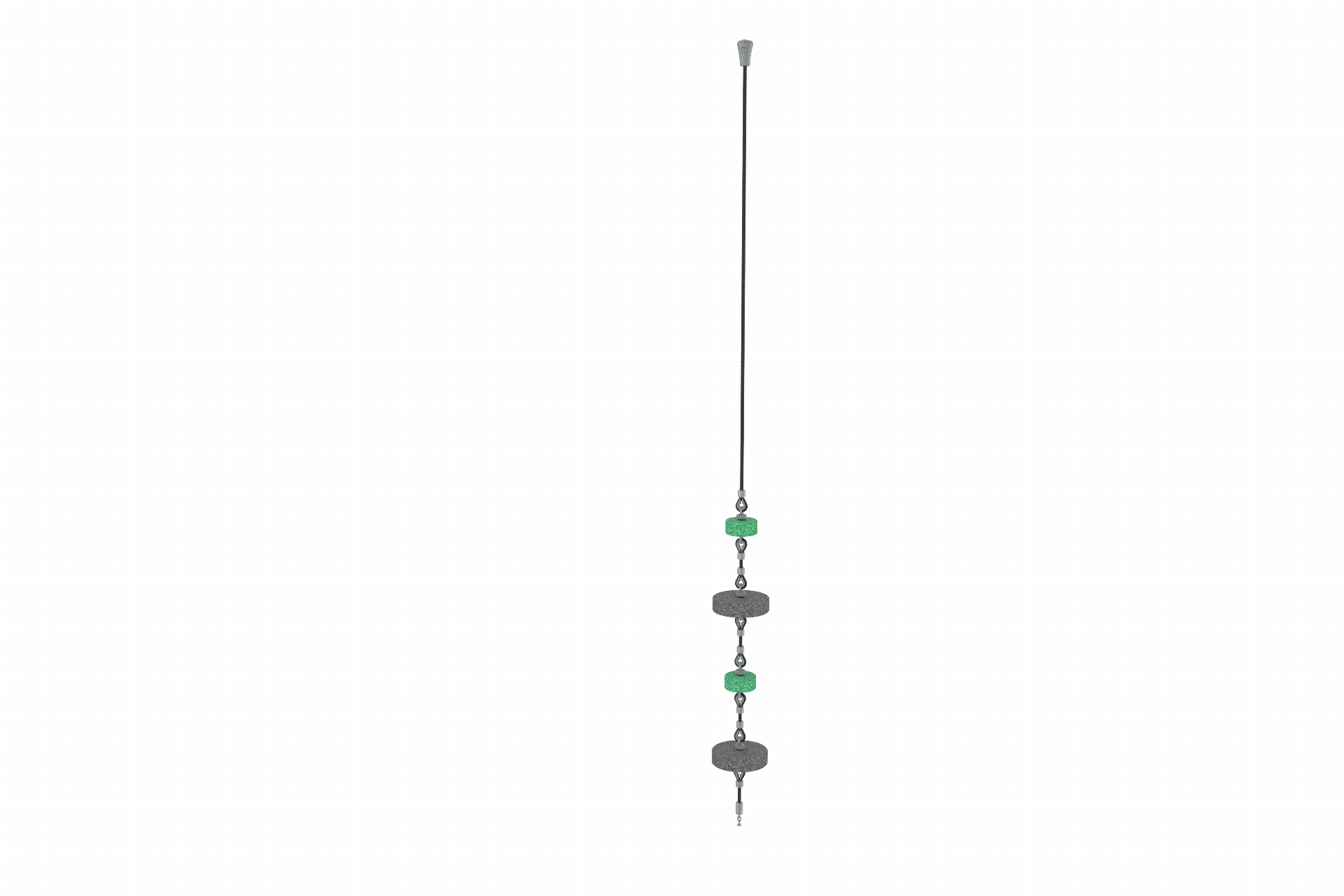
CmrRope ™ is formed by 6 strands of galvanized wires and a core either steel or fiber. Each strand is tightly braided with Polyester which is adhered to galvanized wires with a patented method to create a solid surface where polyester meets with wires. So extra protection is achieved against friction and vandalism. Surface is extremely abrasion and UV resistant also fire retardant.

Plastic Slide

Plastic Slide

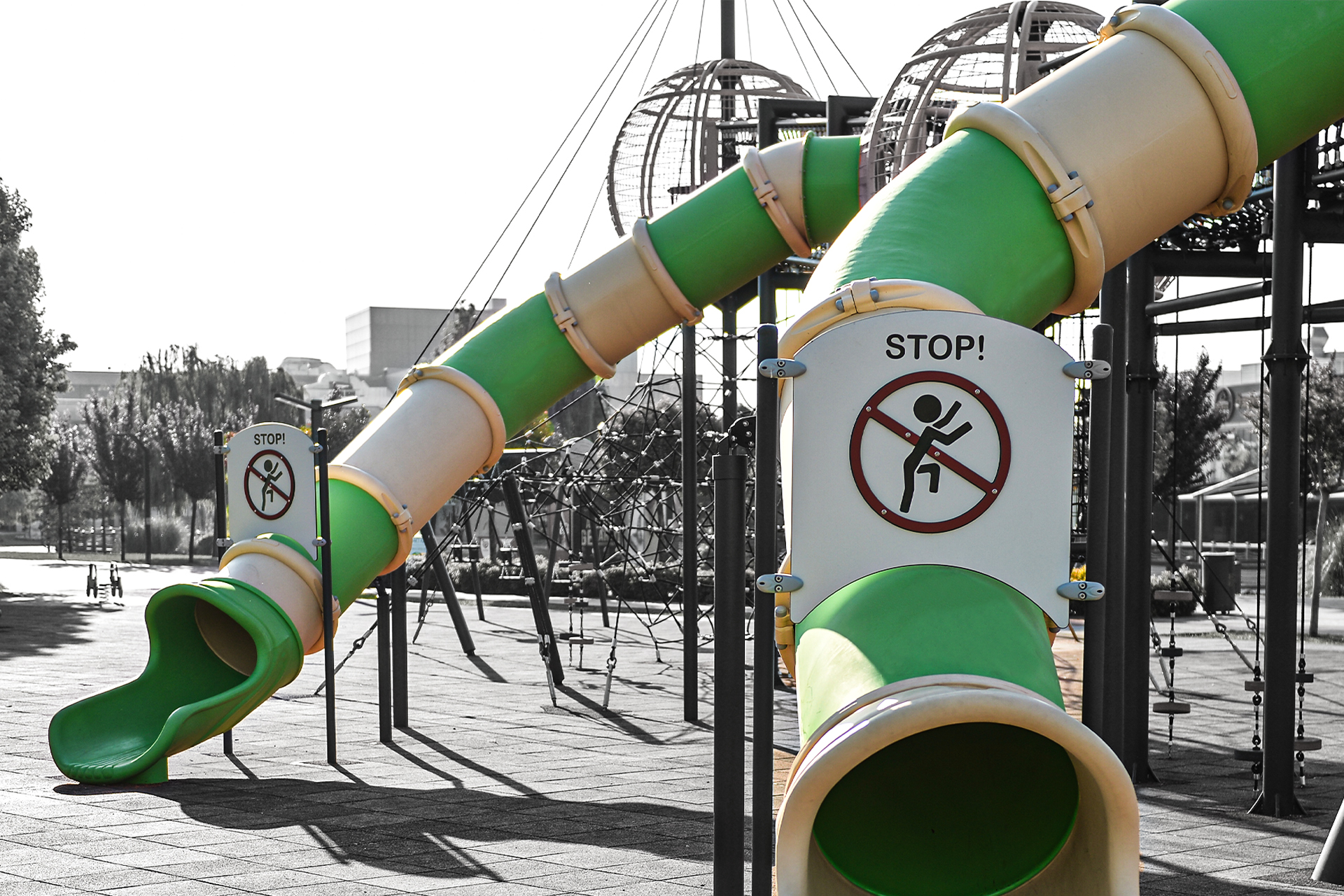
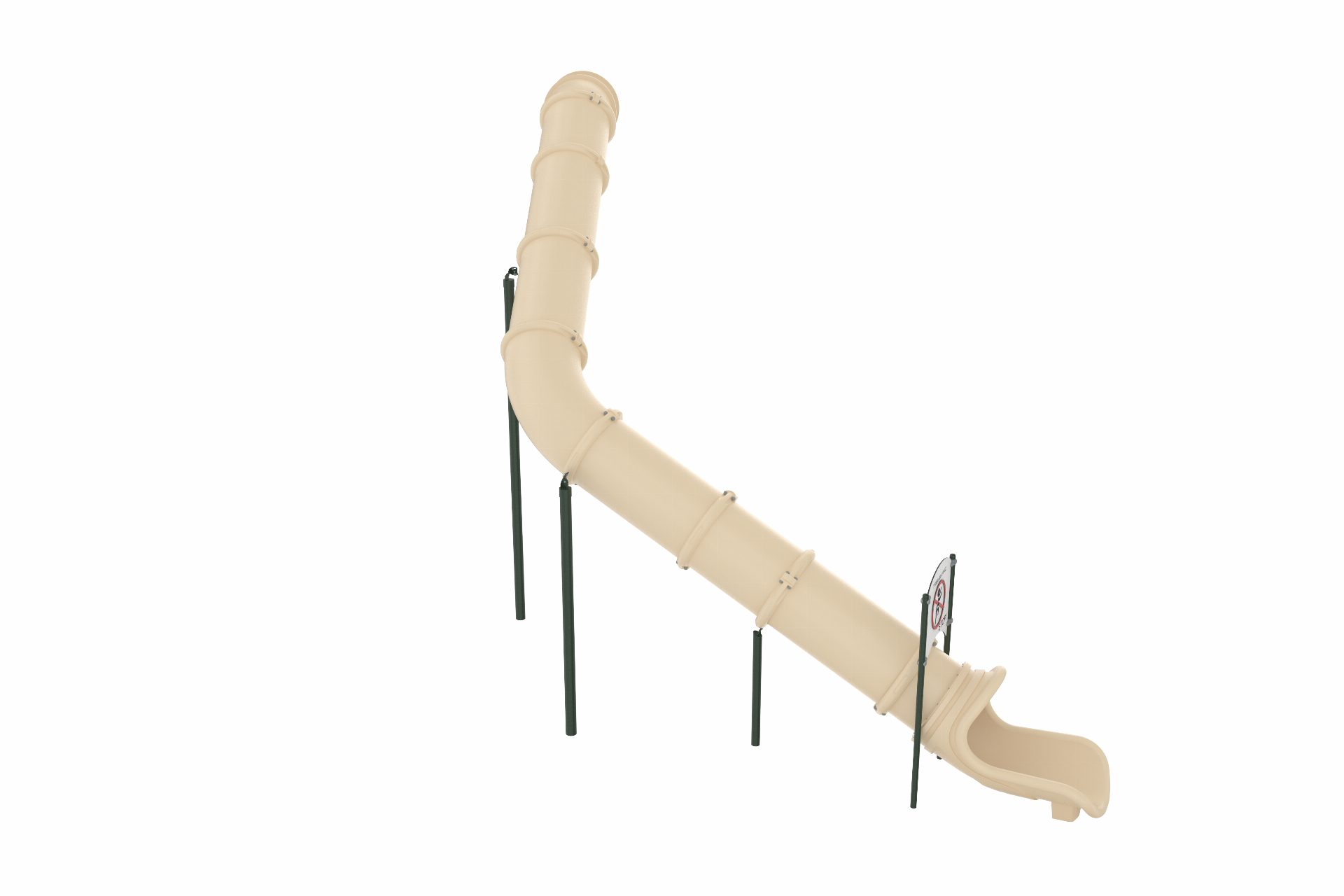
The spectacular and engaging giant tunnel slides offer a fun way for children who have experienced tunnel climbing to return the playground floor again.

Rubber

Rubber

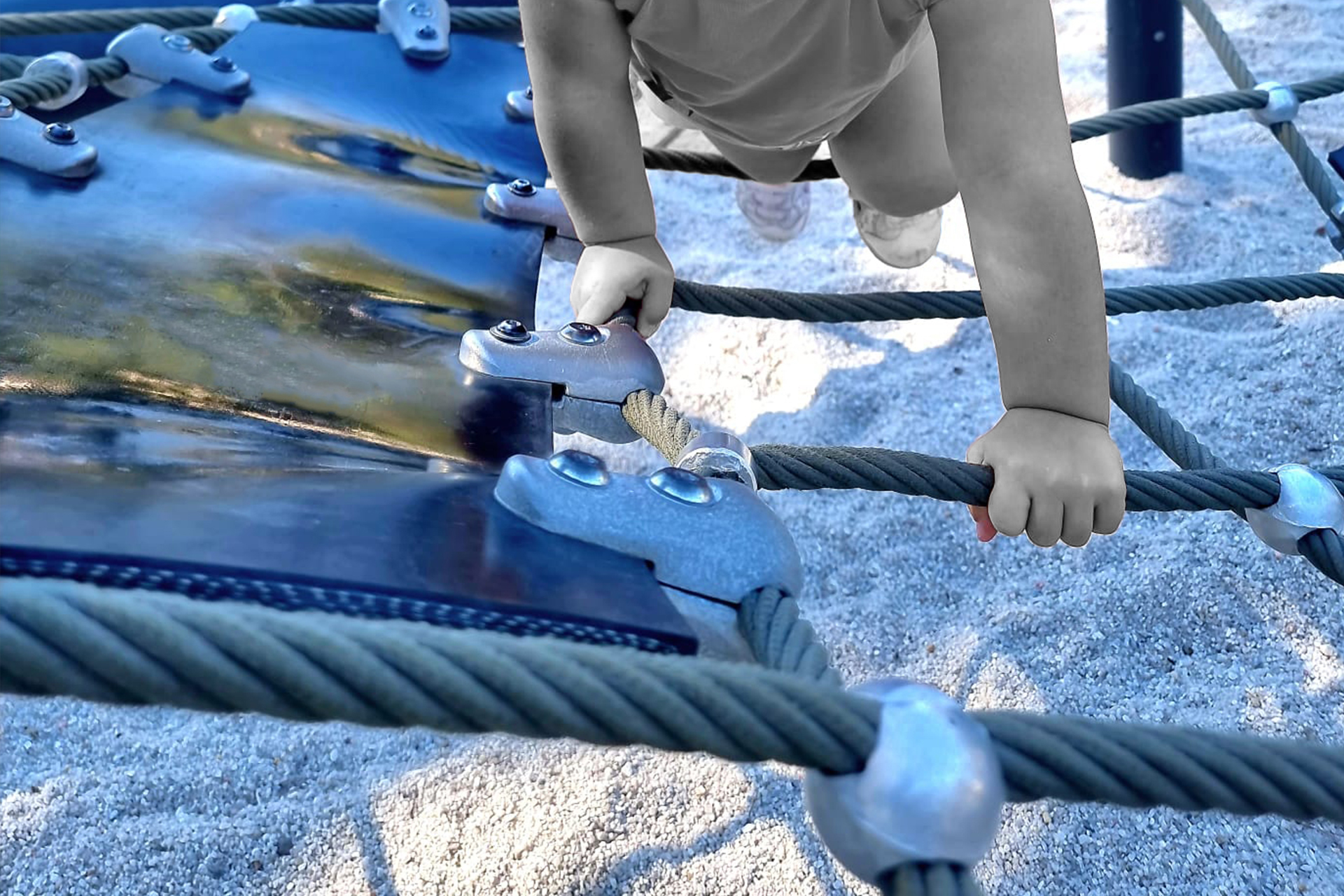
Mats shall be 3-layer textile-reinforced flexible rubber and they are fixed to armed ropes with aluminum connectors either to close entrapments or to create seats and trampolines.

Aluminum Cast Connectors

Aluminum Cast Connectors

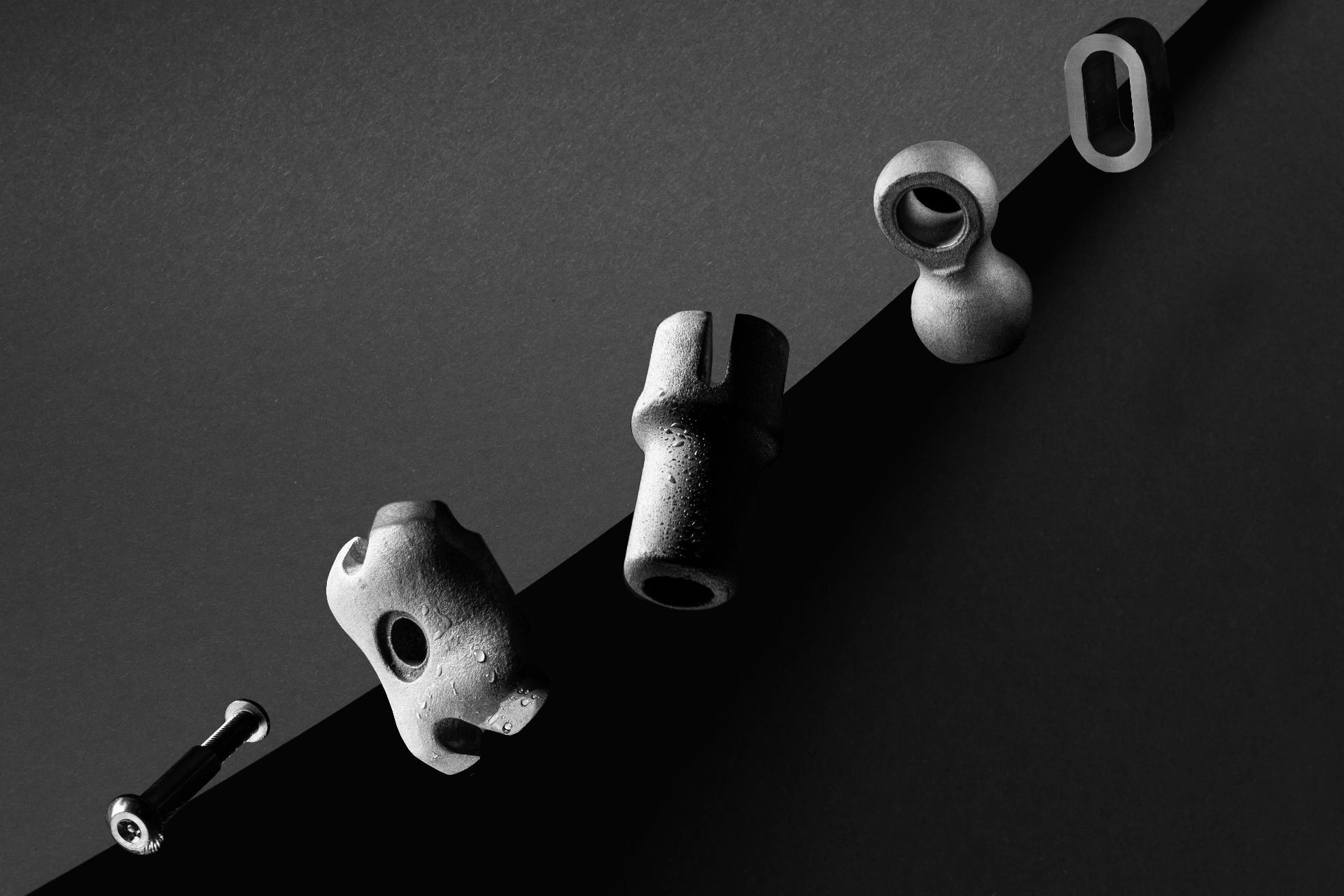
Single-casing aluminum cast connectors are compressed with 300 tons to avoid moving and premature wear. “E (end stop) connector’’ is shapely and pleasant to grip with no sharp angles or edges. These connectors are fastened to main frame either to welded flanges on main frame or with “C” aluminum clamps to main frame.

Cemer

Play Towers / Play Towers

AGFS 408-P

Play Towers
AGFS 408-P_GUVENLIK.jpg
Front View
Side View

*Maximum Fall Height       Measurements shown are in centimeters.

Cemer

Play Towers / Play Towers

AGFS 408-P

Play Towers

FEATURED PLAY VALUES

Play Value - 1

Climbing

It increases physical endurance while improving motor skills and aiding hand-eye coordination. By providing children with a safe height experience in parks, it offers opportunities for exploration, creativity, and socialization.

Play Value - 2

Tunnel Climbing

Twisted tubes help develop balance and coordination skills while offering opportunities to navigate from different angles. This supports strategic thinking and strengthens social interaction, reinforcing friendship dynamics.

Play Value - 3

Bridge

It develops children's balance, coordination, and motor skills. It promotes socialization and enhances empathy. The bridge boosts courage and self-confidence, encourages a sense of exploration, supports sensory development, and strengthens collaboration.

Play Value - 4

3D Rope

Climbing enhances children's strength, endurance, muscle development, balance, and coordination. It helps them manage heights, build self-confidence, and overcome challenges. Playgrounds support social interaction and teamwork.

Play Value - 5

Ladder

It is a key playground element that develops climbing, balance, and coordination skills, enhancing height perception, self-confidence, and motor skills. Its accessible design allows young children and individuals with disabilities to play easily.

Play Value - 6

Slide

It supports balance and muscle development, encourages children to engage in physical activity, and fosters empathy. The slide offers a safe sliding experience, boosts courage, and enhances speed perception and coordination.

Cemer

Play Towers / Play Towers

AGFS 408-P

Play Towers
Logo

Hanging

Gross motor skills involve large muscle movements like walking, jumping, and climbing. These skills are essential for balance and overall coordination.

Logo

Pull

Fine motor skills include precise movements using the hands and fingers, such as writing, cutting, or buttoning. They help children grasp and manipulate objects.

Logo

Rotate

Perception and awareness involve interpreting sensory information from the environment. They are foundational for attention, focus, and learning.

Logo

Balance

Perception and awareness involve interpreting sensory information from the environment. They are foundational for attention, focus, and learning.

Logo

Spin

Vestibular and proprioceptive input activate sensory systems responsible for balance, movement, and body awareness. They help children control body posture and motion.

Logo

Crawling

Fine motor skills include precise movements using the hands and fingers, such as writing, cutting, or buttoning. They help children grasp and manipulate objects.

Logo

Accessible

Empathy and emotional awareness involve recognizing one’s own emotions and understanding others’. These skills foster healthy social interactions.

Logo

Equality

Empathy and emotional awareness involve recognizing one’s own emotions and understanding others’. These skills foster healthy social interactions.

Logo

Interaction

Perception and awareness involve interpreting sensory information from the environment. They are foundational for attention, focus, and learning.

Logo

Push

Fine motor skills include precise movements using the hands and fingers, such as writing, cutting, or buttoning. They help children grasp and manipulate objects.

Logo

Slide

Perception and awareness involve interpreting sensory information from the environment. They are foundational for attention, focus, and learning.

Logo

Running

Gross motor skills involve large muscle movements like walking, jumping, and climbing. These skills are essential for balance and overall coordination.

Logo

Music

Perception and awareness involve interpreting sensory information from the environment. They are foundational for attention, focus, and learning.

Logo

Sitting

Cooperation is the ability to work harmoniously with others towards a shared goal. It encourages teamwork and effective communication.

Logo

Role Play

Symbolic/dramatic play involves using imagination to imitate or act out scenarios. It supports emotional and social development through role-playing.

Logo

Rock

Gross motor skills involve large muscle movements like walking, jumping, and climbing. These skills are essential for balance and overall coordination.

Logo

Swing

Vestibular and proprioceptive input activate sensory systems responsible for balance, movement, and body awareness. They help children control body posture and motion.

Logo

Socialize

Cooperation is the ability to work harmoniously with others towards a shared goal. It encourages teamwork and effective communication.

Logo

Glide

Vestibular and proprioceptive input activate sensory systems responsible for balance, movement, and body awareness. They help children control body posture and motion.

Logo

Climbing

Gross motor skills involve large muscle movements like walking, jumping, and climbing. These skills are essential for balance and overall coordination.

Logo

Bouncing

Vestibular and proprioceptive input activate sensory systems responsible for balance, movement, and body awareness. They help children control body posture and motion.

Logo

Logical Reasoning

Problem solving is a cognitive skill where the child thinks, experiments, and finds solutions to challenges.