MGMS 201-R
Logo

Multiplay Playgrounds / Multifunctional Playgrounds

MGMS 201-R

Multifunctional Playgrounds

Product Information

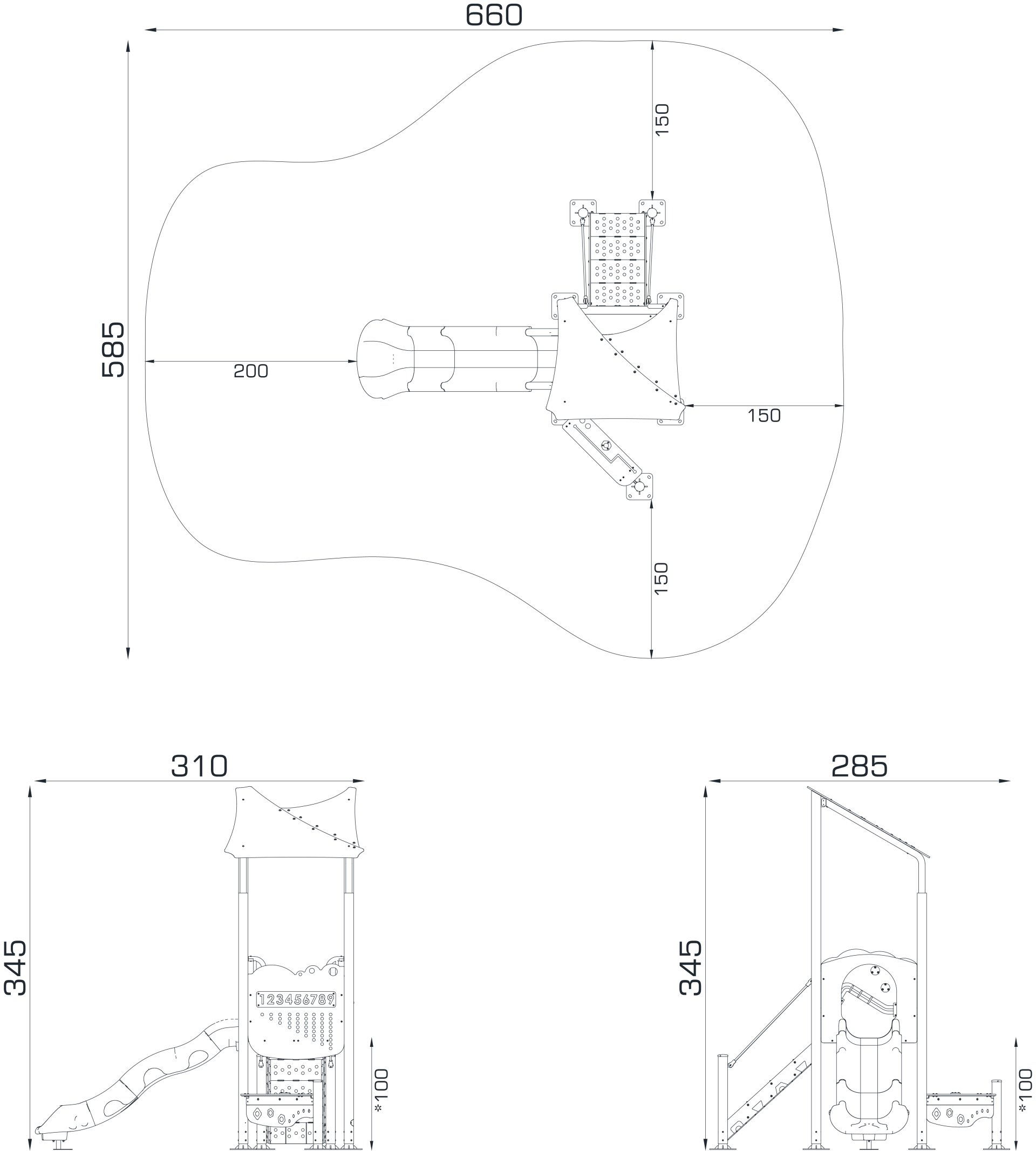
Dimensions (W x L x H):2.85 x 3.10 x 3.45m
Age Group:1-5 years
Capacity:8
Fall Height:1.00 m
Safety Area:29.50 m²

Activities

Crawling
Accessible
Equality
Interaction
Slide
Running
Sitting
Socialize

Skill Experiences

Physically
Cognitive
Social
Sensory
Product

MULTIPLAY GROUP - MGMS 201-R

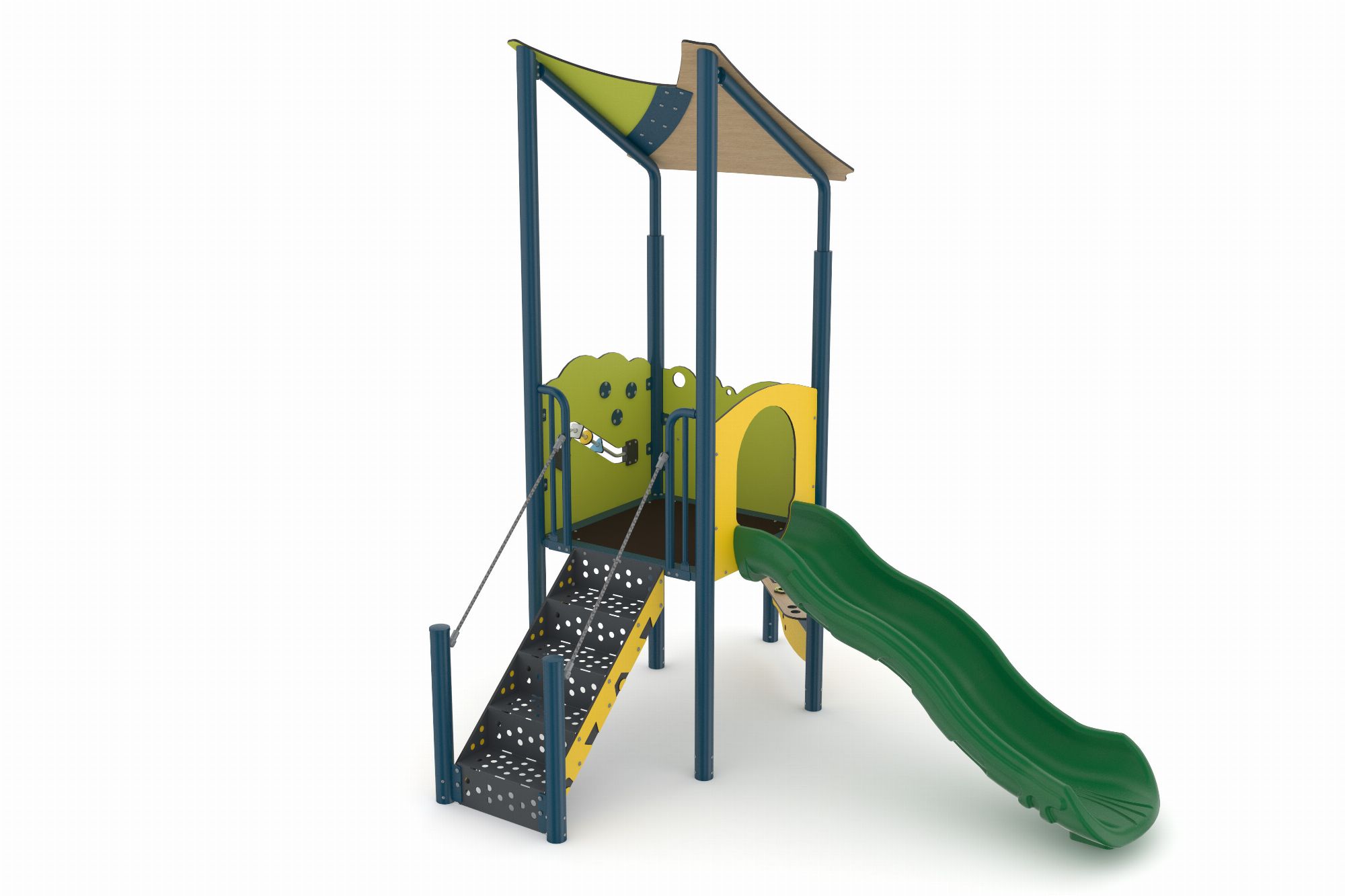
Motion is a modular play group series consisting of abstract themed posts and platforms with modular multiple play stations that can be bigger or smaller according to demand and space. The play stations placed in the series are designed in a fictional way as they have a continuity that follows each other. Climbing walls, rope and climbing systems placed for active play are designed to strengthen children's muscles and improve their coordination. Sliding stations on high platforms develop the concepts of posture and balance, as well as improving dimensional and spatial awareness.
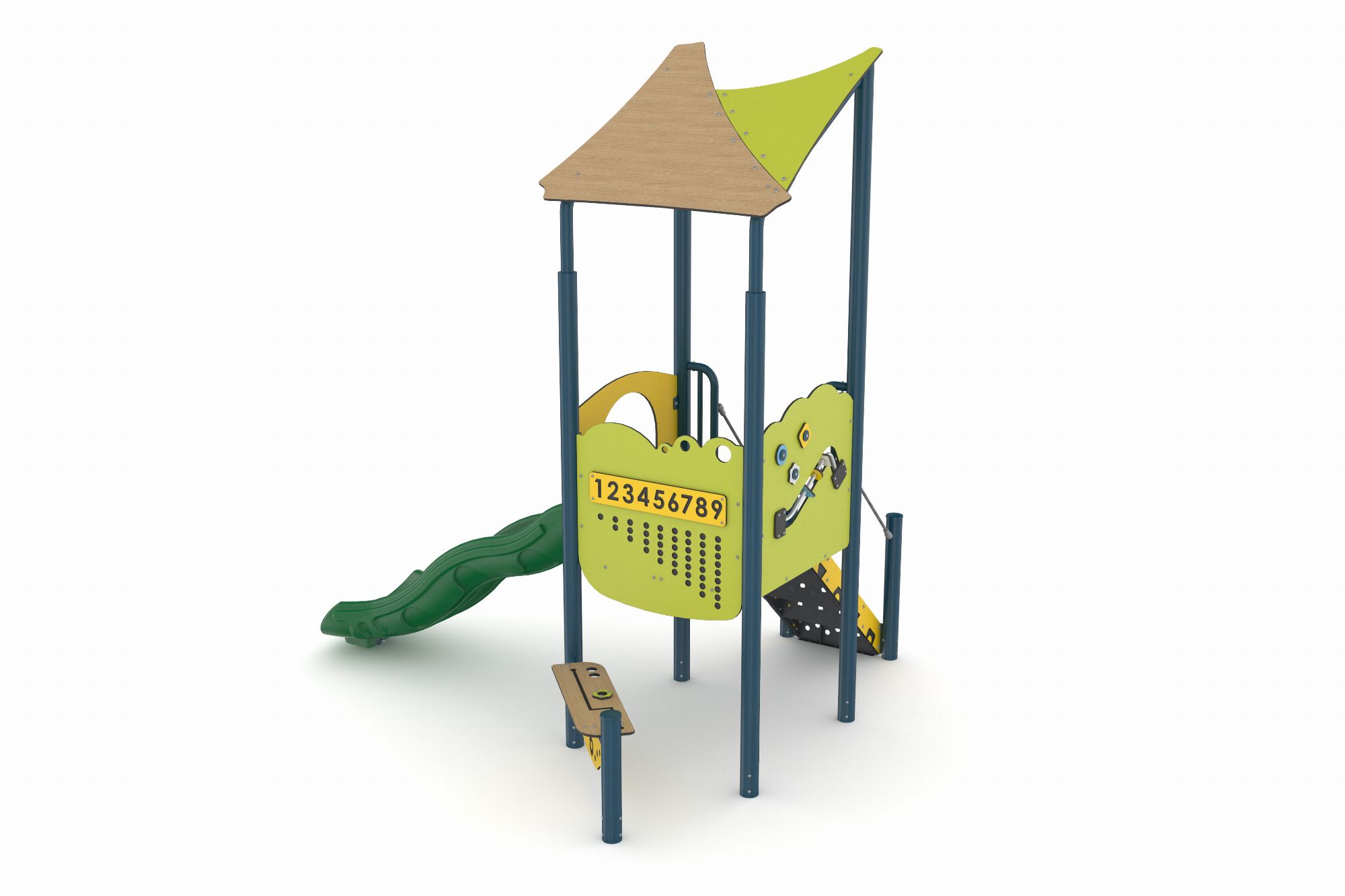
mgms-201-r-render-mgms-201-r-pers-2.jpg

Multiplay Playgrounds / Multifunctional Playgrounds

MGMS 201-R

Multifunctional Playgrounds
HPL Material

HPL Material

HPL (High Pressure Laminate) panels are commonly used in playgrounds due to their durability and resistance to outdoor conditions. Manufactured under high pressure and heat, these panels are resistant to scratches, impact, moisture, and UV rays, making them ideal for heavily used outdoor areas like children's parks. With colorful and patterned surface options, they offer both aesthetic appeal and long-lasting performance.

ST 37 Metal

ST 37 Metal

The metal parts are made of ST 37 steel with a 3-stage coating process (including sandblasting and primer). The sandblasting, solvent-free zinc primer coating, and electrostatic powder coating provide corrosion resistance under extreme weather conditions and UV exposure.

Plastic-Coated Sheet Metal

Plastic-Coated Sheet Metal

The platforms are manufactured from plastic-coated metal sheets and feature integrated drainage holes. The plastic coating provides additional protection against falls and harsh weather conditions.

Plastic Slide

Plastic Slide

Polyethylene components produced with rotationally molded (rotomolding) technology, featuring UV resistance and high lightfastness, are used in the plastic slides. All parts are manufactured using a double-wall technique with a thickness ranging from 4 to 6 mm.

Cemer

Multiplay Playgrounds / Multifunctional Playgrounds

MGMS 201-R

Multifunctional Playgrounds
MGMS 201-R_GUVENLIK.jpg
Front View
Side View

*Maximum Fall Height       Measurements shown are in centimeters.

Cemer

Multiplay Playgrounds / Multifunctional Playgrounds

MGMS 201-R

Multifunctional Playgrounds

FEATURED PLAY VALUES

Play Value - 1

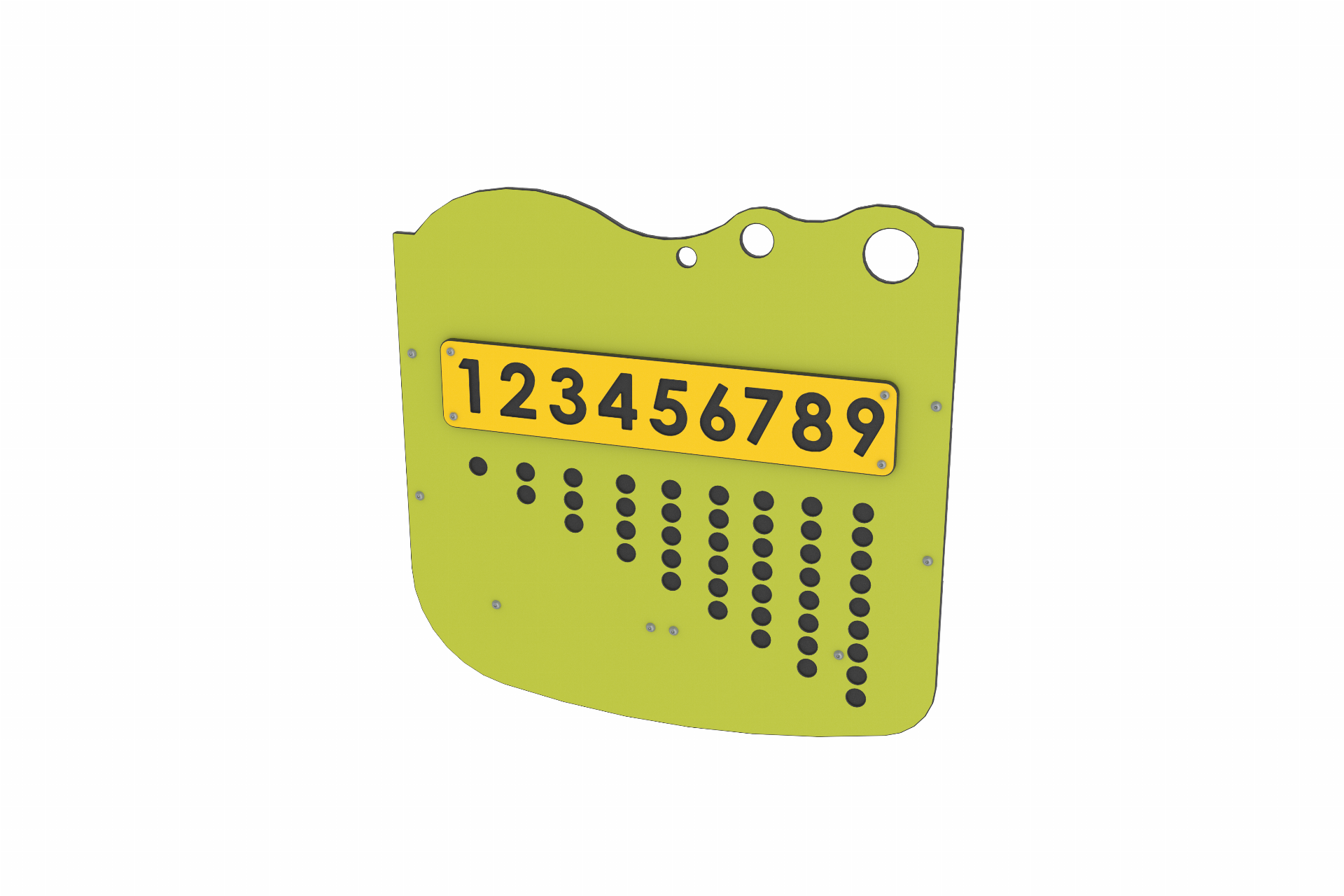
Panel Games

Children develop memory, problem-solving, and social skills through interaction in playgrounds. Movement encourages creativity. Panel games strengthen motor skills, improve hand-eye coordination, and enhance attention through matching and sequencing.

Play Value - 2

Ladder

It is a key playground element that develops climbing, balance, and coordination skills, enhancing height perception, self-confidence, and motor skills. Its accessible design allows young children and individuals with disabilities to play easily.

Play Value - 3

Panel Games

Children develop memory, problem-solving, and social skills through interaction in playgrounds. Movement encourages creativity. Panel games strengthen motor skills, improve hand-eye coordination, and enhance attention through matching and sequencing.

Play Value - 4

Panel Games

Children develop memory, problem-solving, and social skills through interaction in playgrounds. Movement encourages creativity. Panel games strengthen motor skills, improve hand-eye coordination, and enhance attention through matching and sequencing.

Cemer

Multiplay Playgrounds / Multifunctional Playgrounds

MGMS 201-R

Multifunctional Playgrounds
Logo

Hanging

Gross motor skills involve large muscle movements like walking, jumping, and climbing. These skills are essential for balance and overall coordination.

Logo

Pull

Fine motor skills include precise movements using the hands and fingers, such as writing, cutting, or buttoning. They help children grasp and manipulate objects.

Logo

Rotate

Perception and awareness involve interpreting sensory information from the environment. They are foundational for attention, focus, and learning.

Logo

Balance

Perception and awareness involve interpreting sensory information from the environment. They are foundational for attention, focus, and learning.

Logo

Spin

Vestibular and proprioceptive input activate sensory systems responsible for balance, movement, and body awareness. They help children control body posture and motion.

Logo

Crawling

Fine motor skills include precise movements using the hands and fingers, such as writing, cutting, or buttoning. They help children grasp and manipulate objects.

Logo

Accessible

Empathy and emotional awareness involve recognizing one’s own emotions and understanding others’. These skills foster healthy social interactions.

Logo

Equality

Empathy and emotional awareness involve recognizing one’s own emotions and understanding others’. These skills foster healthy social interactions.

Logo

Interaction

Perception and awareness involve interpreting sensory information from the environment. They are foundational for attention, focus, and learning.

Logo

Push

Fine motor skills include precise movements using the hands and fingers, such as writing, cutting, or buttoning. They help children grasp and manipulate objects.

Logo

Slide

Perception and awareness involve interpreting sensory information from the environment. They are foundational for attention, focus, and learning.

Logo

Running

Gross motor skills involve large muscle movements like walking, jumping, and climbing. These skills are essential for balance and overall coordination.

Logo

Music

Perception and awareness involve interpreting sensory information from the environment. They are foundational for attention, focus, and learning.

Logo

Sitting

Cooperation is the ability to work harmoniously with others towards a shared goal. It encourages teamwork and effective communication.

Logo

Role Play

Symbolic/dramatic play involves using imagination to imitate or act out scenarios. It supports emotional and social development through role-playing.

Logo

Rock

Gross motor skills involve large muscle movements like walking, jumping, and climbing. These skills are essential for balance and overall coordination.

Logo

Swing

Vestibular and proprioceptive input activate sensory systems responsible for balance, movement, and body awareness. They help children control body posture and motion.

Logo

Socialize

Cooperation is the ability to work harmoniously with others towards a shared goal. It encourages teamwork and effective communication.

Logo

Glide

Vestibular and proprioceptive input activate sensory systems responsible for balance, movement, and body awareness. They help children control body posture and motion.

Logo

Climbing

Gross motor skills involve large muscle movements like walking, jumping, and climbing. These skills are essential for balance and overall coordination.

Logo

Bouncing

Vestibular and proprioceptive input activate sensory systems responsible for balance, movement, and body awareness. They help children control body posture and motion.

Logo

Logical Reasoning

Problem solving is a cognitive skill where the child thinks, experiments, and finds solutions to challenges.