MGCS 201
Logo

CMR BEAVER | Wooden & Sustainable Playgrounds / Wooden Playgrounds For Toddlers

MGCS 201
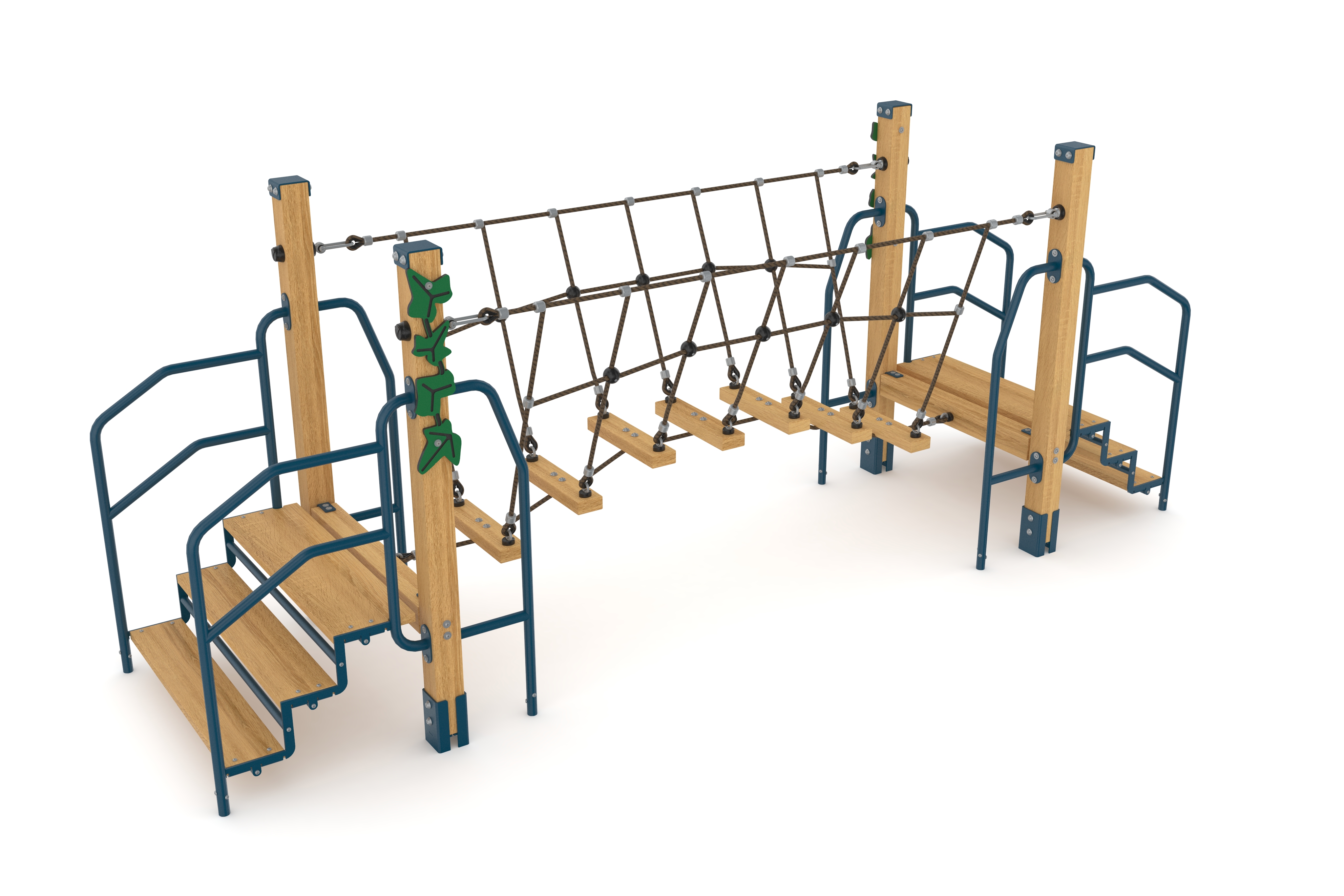
Wooden Playgrounds For Toddlers

Product Information

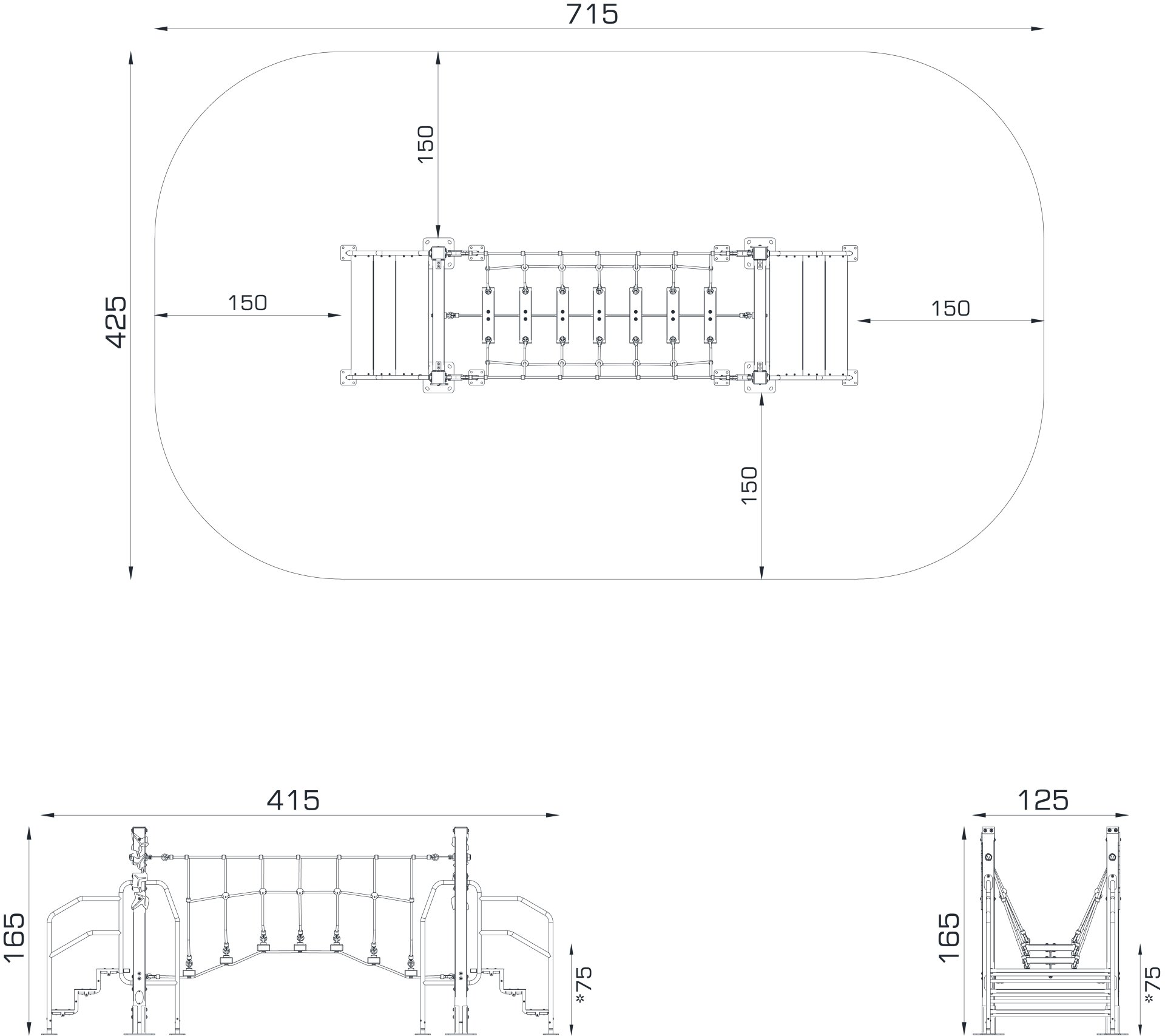
Dimensions (W x L x H):1.25 x 4.15 x 1.65m
Age Group:3-12 years
Capacity:3
Fall Height:0.75 m
Safety Area:28.50 m²

Activities

Balance
Crawling
Cooperation
Running

Skill Experiences

Physically
Cognitive
Social
Sensory
Product

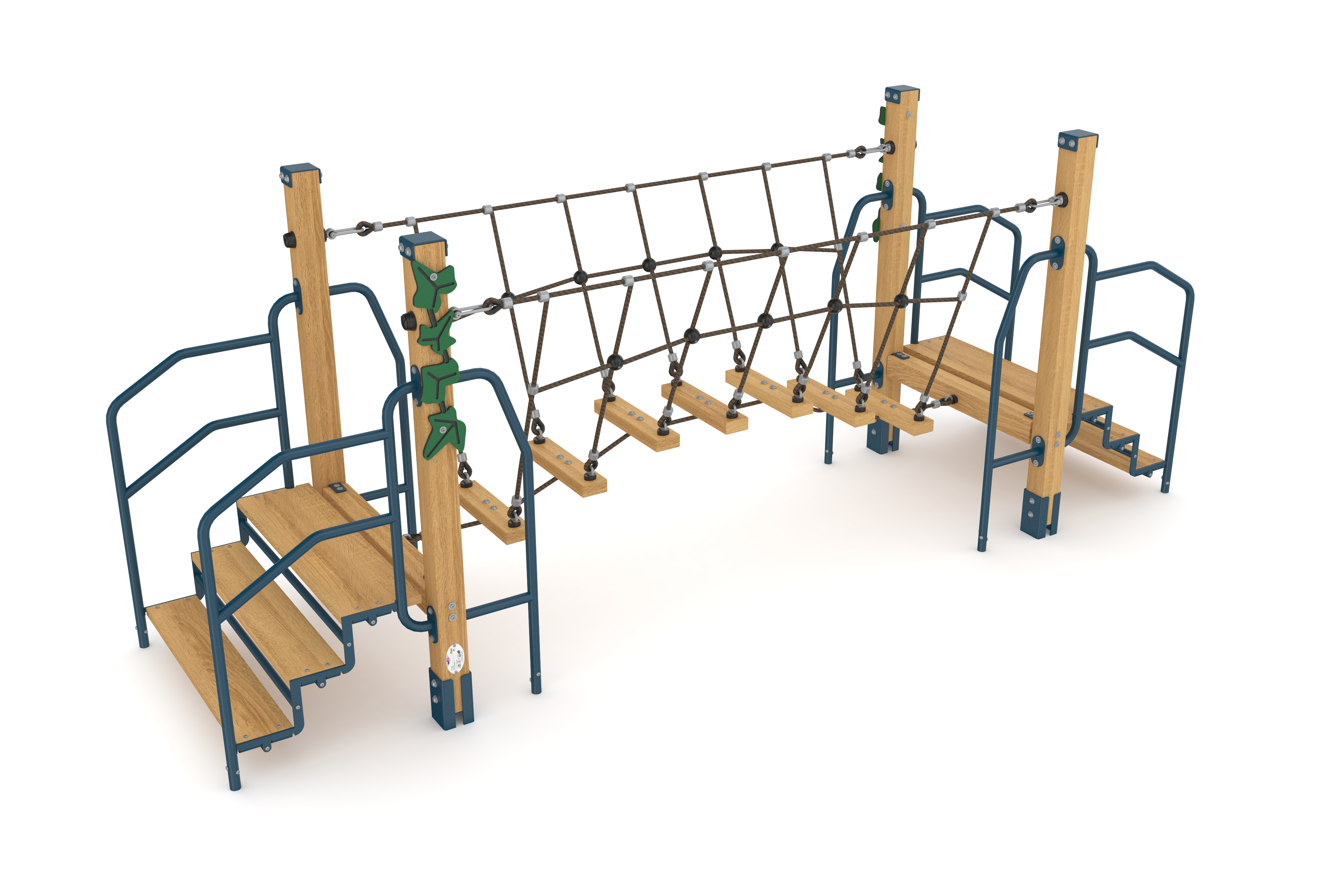
CASTLEWOOD SERIES- MGCS 201

Castlewood is a modular wooden playgroup series that consists of multiple castle and medieval themed play stations. Some elements such as slides, slide poles and ghost slides are designed as target stations and located on semicircle metal balconies. Children are expected to go through rope climbing stations that challenge their physical skills to reach the target play elements. Thanks to the role-playing areas created under the platforms in accordance with the theme, it is aimed to contribute to the social development of children and to provide a fairy-tale castle theme experience.

mgcs-201-render-mgcs-201-pers-2.jpg

CMR BEAVER | Wooden & Sustainable Playgrounds / Wooden Playgrounds For Toddlers

MGCS 201

Wooden Playgrounds For Toddlers
3 Stages Coating

3 Stages Coating

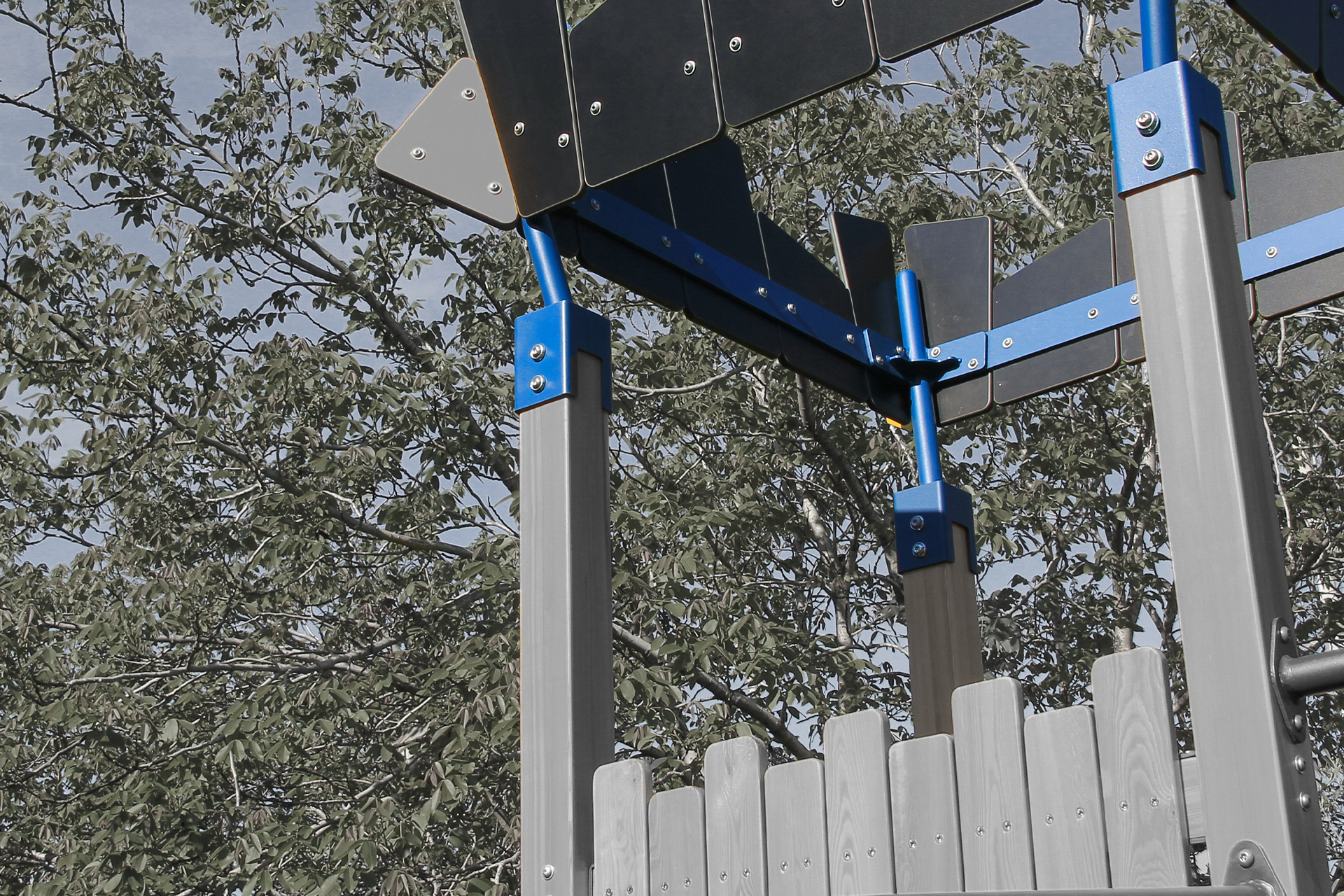
Metal parts are comprised of ST 37 Steel with a 3-step metal finish. Sandblasting and solvent-free zinc primer coating and electrostatic powder paint application is inherently corrosion resistant under extreme weather conditions and UV.

Metal ST 37

Metal ST 37

ST 37 is a versatile material known as structural steel, which can be easily shaped thanks to its low carbon content and offers excellent weldability. Frequently preferred in applications such as playground equipment where safety and durability are prioritized, this metal stands out with its balanced mechanical performance and high load-bearing capacity. Since its surface is highly suitable for chrome plating, galvanization, or painting processes, it provides high resistance to outdoor conditions and offers effective protection against corrosion.

CMRRope

CMRRope

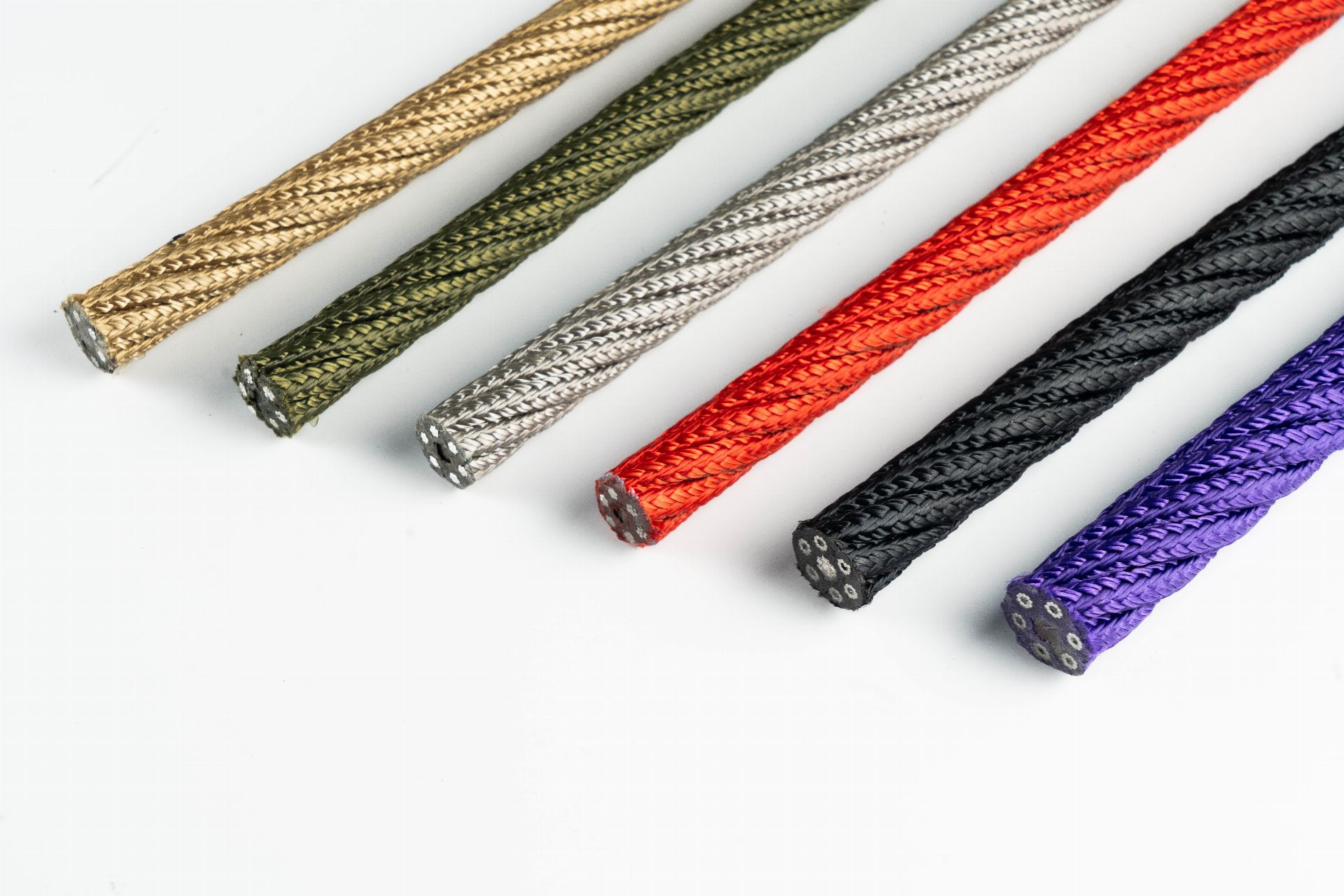
CmrRope ™ is formed by 6 strands of galvanized wires and a core either steel or fiber. Each strand is tightly braided with Polyester which is adhered to galvanized wires with a patented method to create a solid surface where polyester meets with wires. So extra protection is achieved against friction and vandalism. Surface is extremely abrasion and UV resistant also fire

Wood

Wood

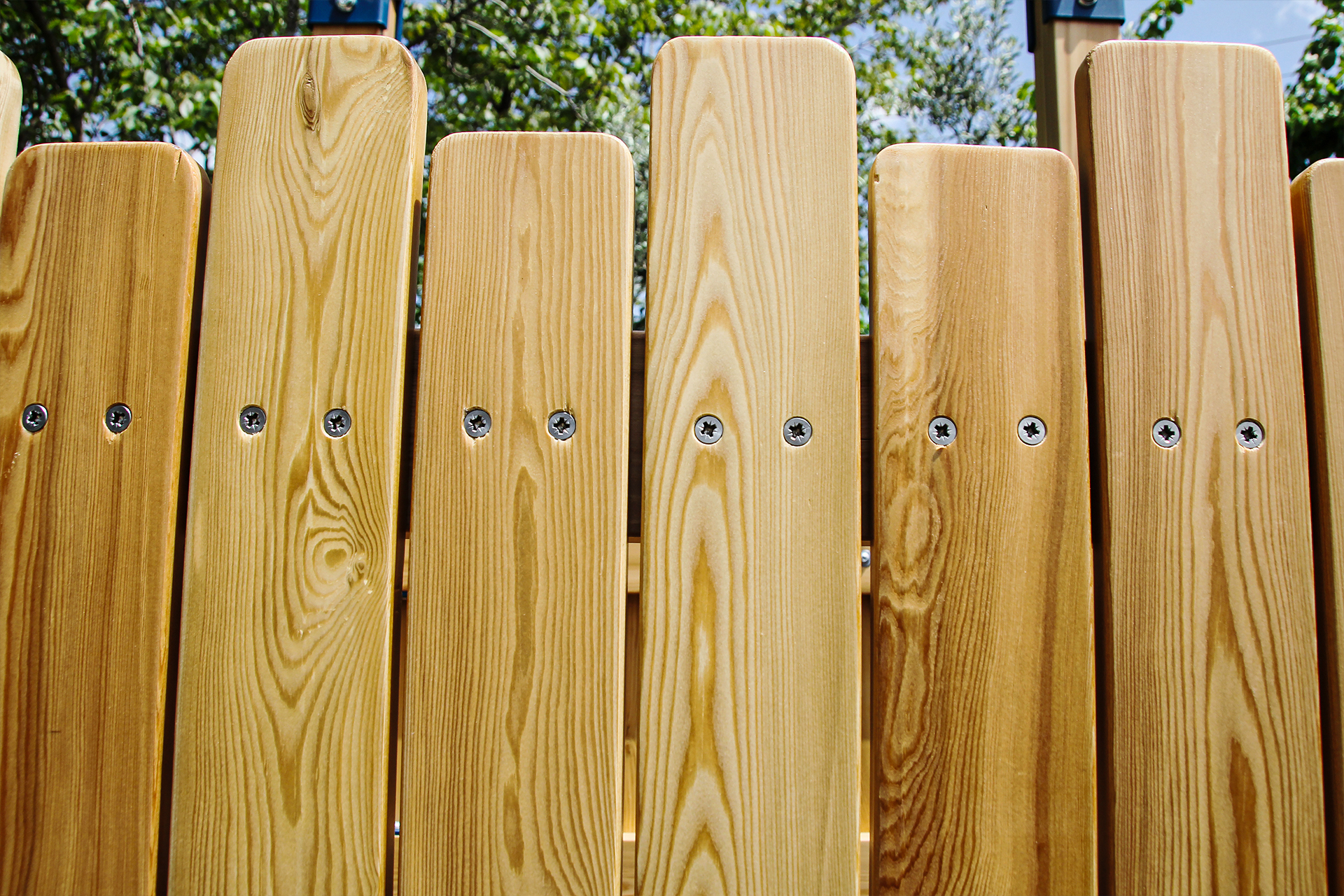
In our designs, premium wood species such as Iroko, Sapelli, and Larch (Larex) are used, combining aesthetics with durability. Iroko, known as African Teak, provides natural resistance against decay and external factors thanks to its high oil content, ensuring long-lasting use in playground equipment. Sapelli, recognized as African Mahogany, maintains its form for years with its dense fiber structure and high mechanical resistance, while Larch (Larex) offers superior resistance to water and moisture due to its resinous structure. The natural strength of these timbers adds both timeless elegance and structural integrity to our products against the demanding conditions of outdoor environments.

HPL Panels

HPL Panels

High quality panels made of HPL panels are milled to provide a smooth, gently rounded edge. The thickness of the panels varies according to its purpose for floors, roofs, and walls. These panels are connected to steel pipes or profiles with cast aluminum panel clamps or flanges.

Cemer

CMR BEAVER | Wooden & Sustainable Playgrounds / Wooden Playgrounds For Toddlers

MGCS 201

Wooden Playgrounds For Toddlers
MGCS 201_GUVENLIK.jpg
Front View
Side View

*Maximum Fall Height       Measurements shown are in centimeters.

Cemer

CMR BEAVER | Wooden & Sustainable Playgrounds / Wooden Playgrounds For Toddlers

MGCS 201

Wooden Playgrounds For Toddlers
Logo

Hanging

Gross motor skills involve large muscle movements like walking, jumping, and climbing. These skills are essential for balance and overall coordination.

Logo

Pull

Fine motor skills include precise movements using the hands and fingers, such as writing, cutting, or buttoning. They help children grasp and manipulate objects.

Logo

Rotate

Perception and awareness involve interpreting sensory information from the environment. They are foundational for attention, focus, and learning.

Logo

Balance

Perception and awareness involve interpreting sensory information from the environment. They are foundational for attention, focus, and learning.

Logo

Spin

Vestibular and proprioceptive input activate sensory systems responsible for balance, movement, and body awareness. They help children control body posture and motion.

Logo

Crawling

Fine motor skills include precise movements using the hands and fingers, such as writing, cutting, or buttoning. They help children grasp and manipulate objects.

Logo

Accessible

Empathy and emotional awareness involve recognizing one’s own emotions and understanding others’. These skills foster healthy social interactions.

Logo

Cooperation

Empathy and emotional awareness involve recognizing one’s own emotions and understanding others’. These skills foster healthy social interactions.

Logo

Interaction

Perception and awareness involve interpreting sensory information from the environment. They are foundational for attention, focus, and learning.

Logo

Push

Fine motor skills include precise movements using the hands and fingers, such as writing, cutting, or buttoning. They help children grasp and manipulate objects.

Logo

Slide

Perception and awareness involve interpreting sensory information from the environment. They are foundational for attention, focus, and learning.

Logo

Running

Gross motor skills involve large muscle movements like walking, jumping, and climbing. These skills are essential for balance and overall coordination.

Logo

Sound-Rhythm

Perception and awareness involve interpreting sensory information from the environment. They are foundational for attention, focus, and learning.

Logo

Sitting

Cooperation is the ability to work harmoniously with others towards a shared goal. It encourages teamwork and effective communication.

Logo

Role Play

Symbolic/dramatic play involves using imagination to imitate or act out scenarios. It supports emotional and social development through role-playing.

Logo

Rock

Gross motor skills involve large muscle movements like walking, jumping, and climbing. These skills are essential for balance and overall coordination.

Logo

Swing

Vestibular and proprioceptive input activate sensory systems responsible for balance, movement, and body awareness. They help children control body posture and motion.

Logo

Socialize

Cooperation is the ability to work harmoniously with others towards a shared goal. It encourages teamwork and effective communication.

Logo

Glide

Vestibular and proprioceptive input activate sensory systems responsible for balance, movement, and body awareness. They help children control body posture and motion.

Logo

Climbing

Gross motor skills involve large muscle movements like walking, jumping, and climbing. These skills are essential for balance and overall coordination.

Logo

Bouncing

Vestibular and proprioceptive input activate sensory systems responsible for balance, movement, and body awareness. They help children control body posture and motion.

Logo

Logical Reasoning

Problem solving is a cognitive skill where the child thinks, experiments, and finds solutions to challenges.