CDP 110-P
Logo

Play Towers / Play Towers

CDP 110-P

Play Towers

Product Information

Dimensions (W x L x H):3.65 x 3.60 x 9.85m
Age Group:+7
Capacity:42
Fall Height:2.00 m
Safety Area:46.12 m²

Activities

Hanging
Balance
Slide
Sitting
Role Play
Socialize
Climbing
Climbing
Cooperation

Skill Experiences

Physically
Cognitive
Social
Sensory
Product

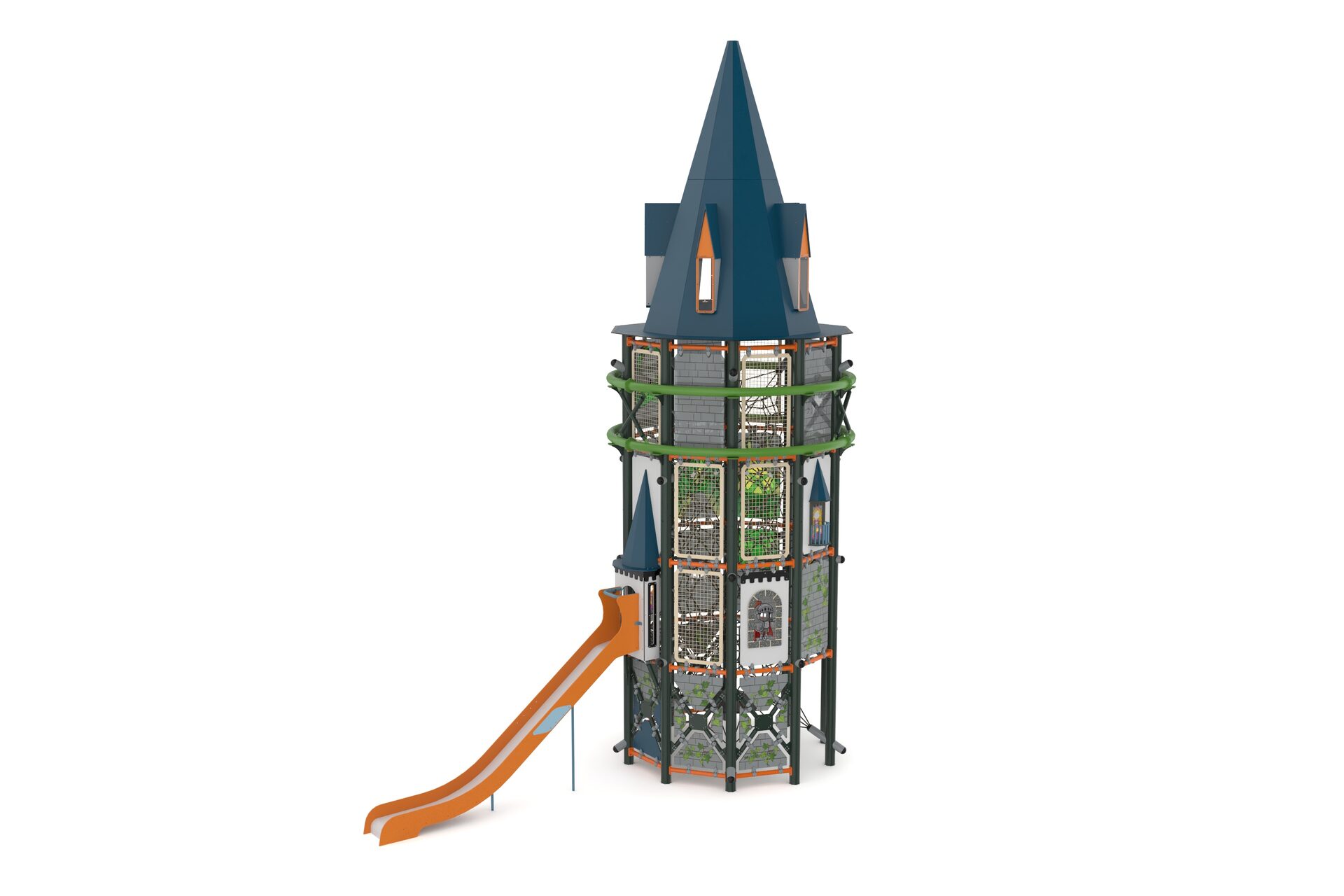
DRAGON TOWER - CDP 110-P

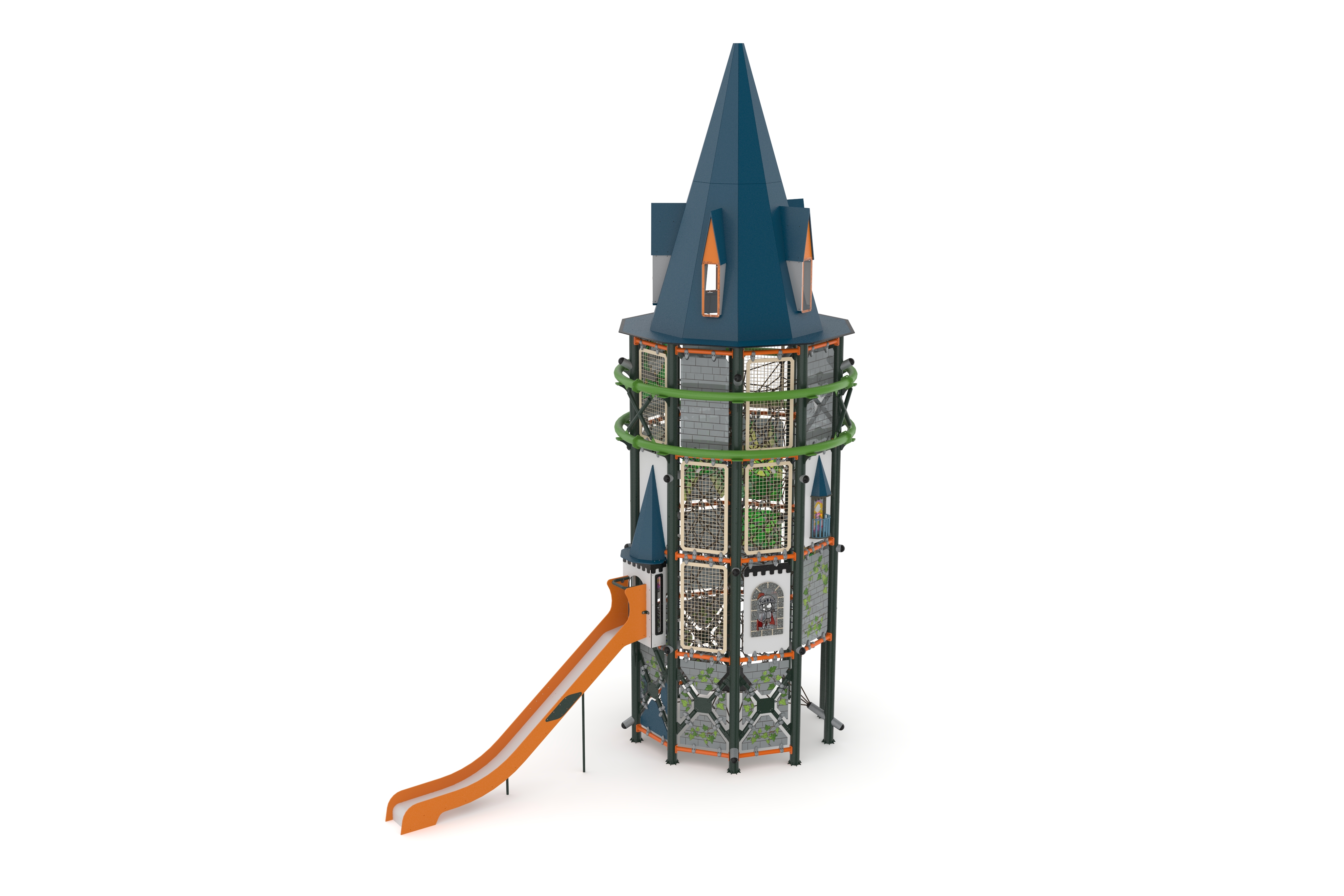
Inspired by medieval architecture, the Shato Tower brings a unique identity to the playground with its tower form and thematic details. The structure is built with a steel carrier system, supported by polycarbonate-printed transparent surfaces and wire mesh elements, creating an aesthetic yet secure environment. The role-playing areas within the tower offer children an interactive experience that fosters imagination. Multi-level climbing passages and observation points encourage physical activity while strengthening the sense of discovery. With its thematic setup and technical details, Shato Tower provides a functional, durable, and aesthetic play solution.
cdp-110-p-render-cdp-110-p-pers.jpg

Play Towers / Play Towers

CDP 110-P

Play Towers
3 - Layer Coating

3 - Layer Coating

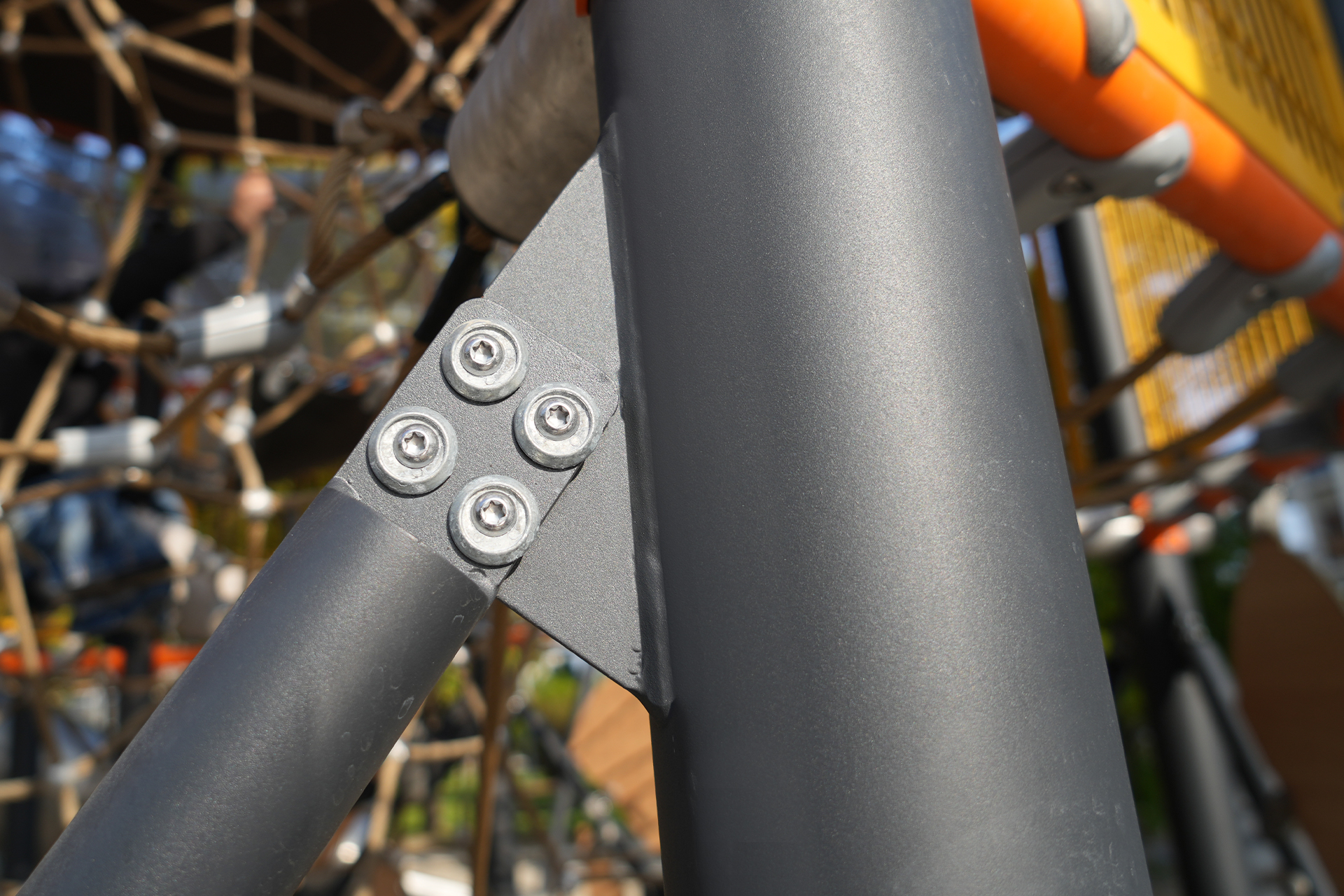
Metal parts are comprised of ST 37 Steel with a 3-step metal finish. Sandblasting and solvent-free zinc primer coating and electrostatic powder paint application is inherently corrosion resistant under extreme weather conditions and UV.

HPL Material

HPL Material

HPL (High Pressure Laminate) panels are commonly used in playgrounds due to their durability and resistance to outdoor conditions. Manufactured under high pressure and heat, these panels are resistant to scratches, impact, moisture, and UV rays, making them ideal for heavily used outdoor areas like children's parks. With colorful and patterned surface options, they offer both aesthetic appeal and long-lasting performance.

ST 37 Metal

ST 37 Metal

ST 37 is a versatile material known as structural steel; thanks to its low carbon content, it can be easily shaped and offers excellent weldability. Frequently preferred for applications such as park equipment where safety and durability are prioritized, this metal stands out with its balanced mechanical performance and high load-bearing capacity. Since its surface is highly suitable for chrome plating, galvanization, or painting processes, it provides high resistance against outdoor conditions and offers effective protection against corrosion.

Polycarbonate Materials

Polycarbonate Materials

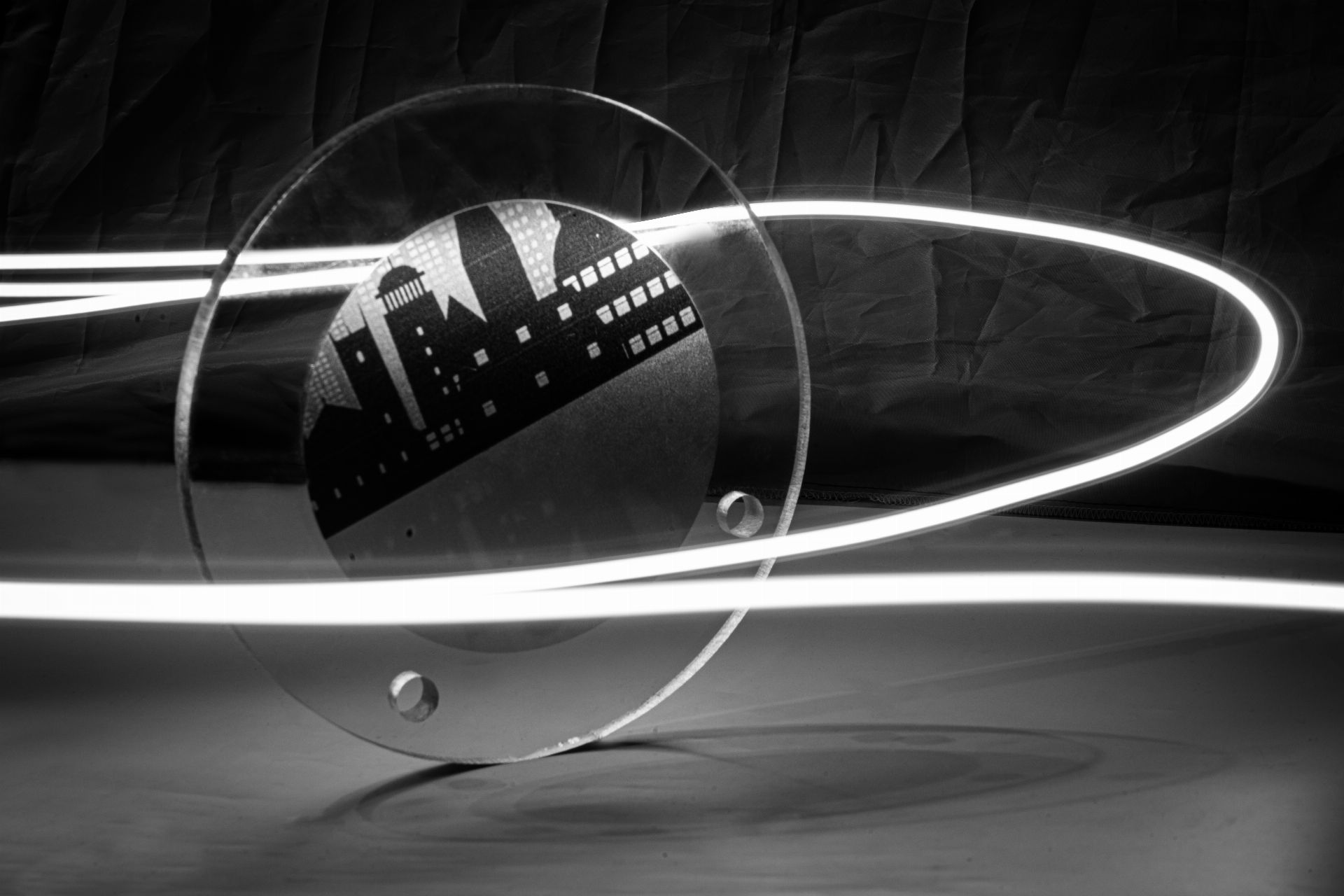
Digitally printed polycarbonate materials are transparent plastics with light transmission close to that of glass. They are highly resistant to heat, chemicals, scratching, and impact. The usable temperature range is from -100°C to +135°C, and they offer up to 90% light transmission and water-repellent surfaces, helping to provide users with sustainable products.

Tube Tension

Tube Tension

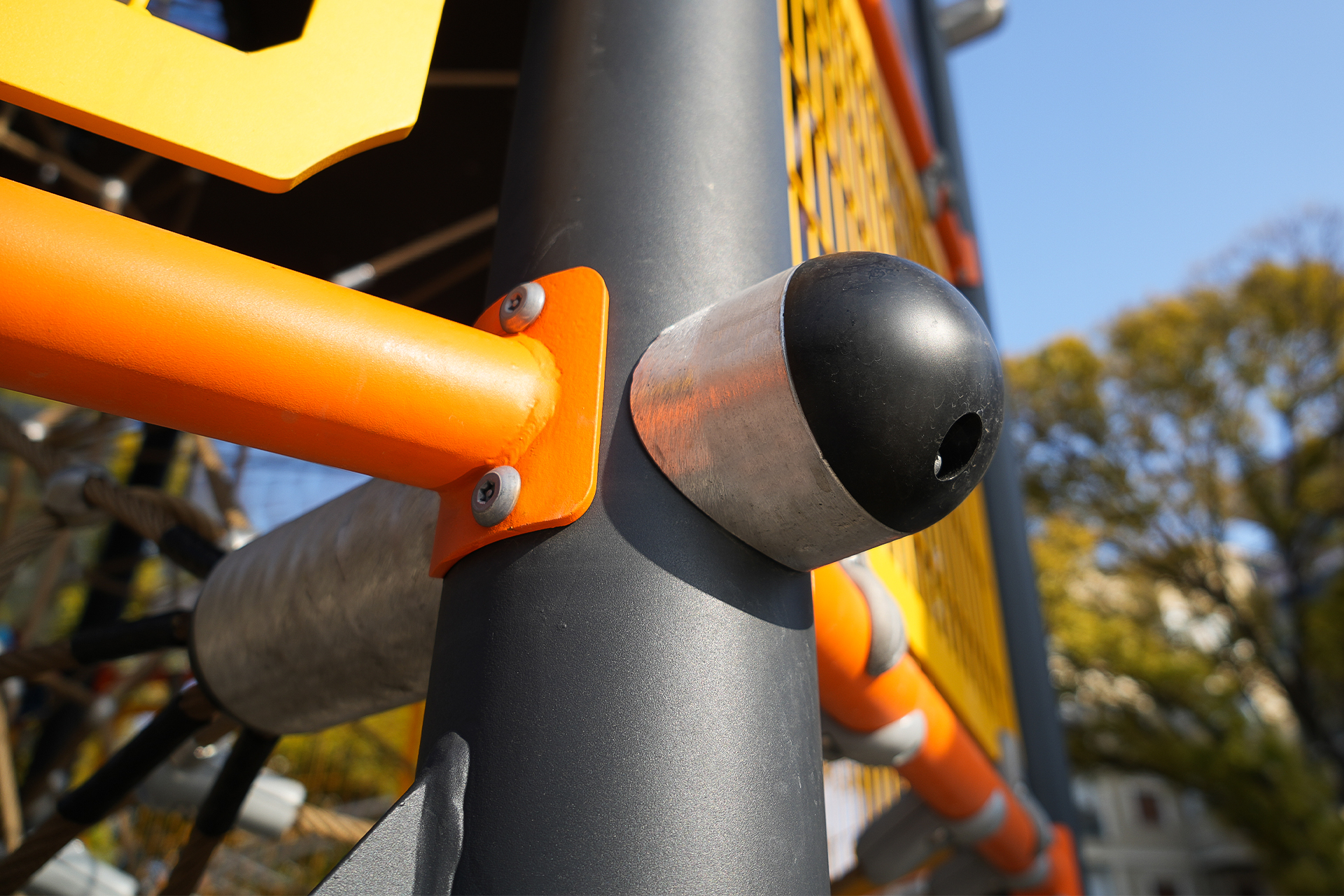
The connection of the rope station to the carrier element is made with adapters produced using investment casting techniques. The tensioning process takes place within the mechanism inside these adapters, ensuring all details remain enclosed. To stiffen the rope station, the rope ends are tensioned from three or more peripheral points as well as the apex. In this system, the use of bearings can help reduce tensile resistance.

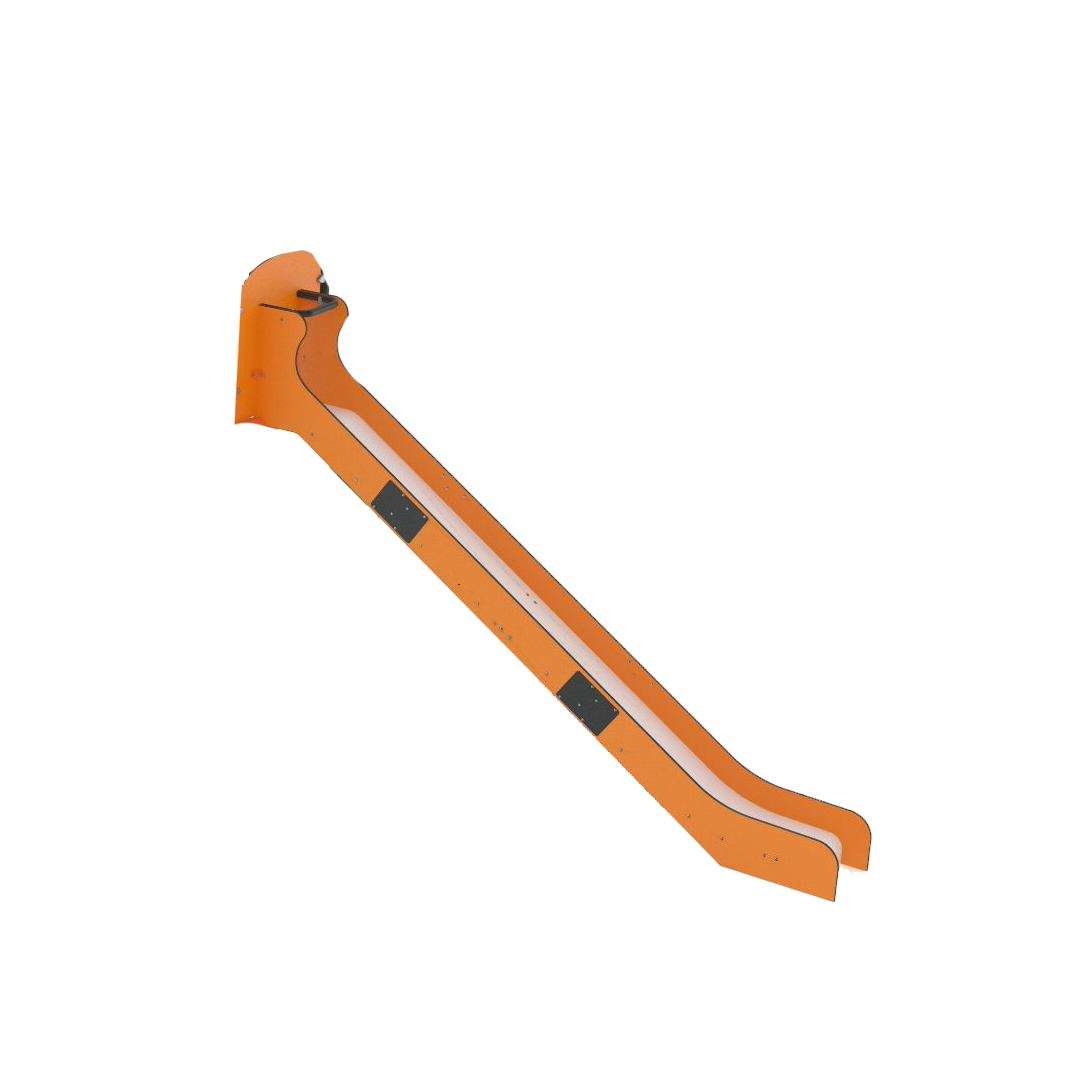
HDPE/HPL Slide

HDPE/HPL Slide

The sliding surface of the equipment is made of high UV-resistant HDPE material, which serves as an alternative to stainless steel slides in sunny environments. The sides of the slide are manufactured from HPL and HDPE materials.

Cemer

Play Towers / Play Towers

CDP 110-P

Play Towers
CMRRope

CMRRope

CmrRope ™ is formed by 6 strands of galvanized wires and a core either steel or fiber. Each strand is tightly braided with Polyester which is adhered to galvanized wires with a patented method to create a solid surface where polyester meets with wires. So extra protection is achieved against friction and vandalism. Surface is extremely abrasion and UV resistant also fire retardant.

Cemer

Play Towers / Play Towers

CDP 110-P

Play Towers

FEATURED PLAY VALUES

Play Value - 1

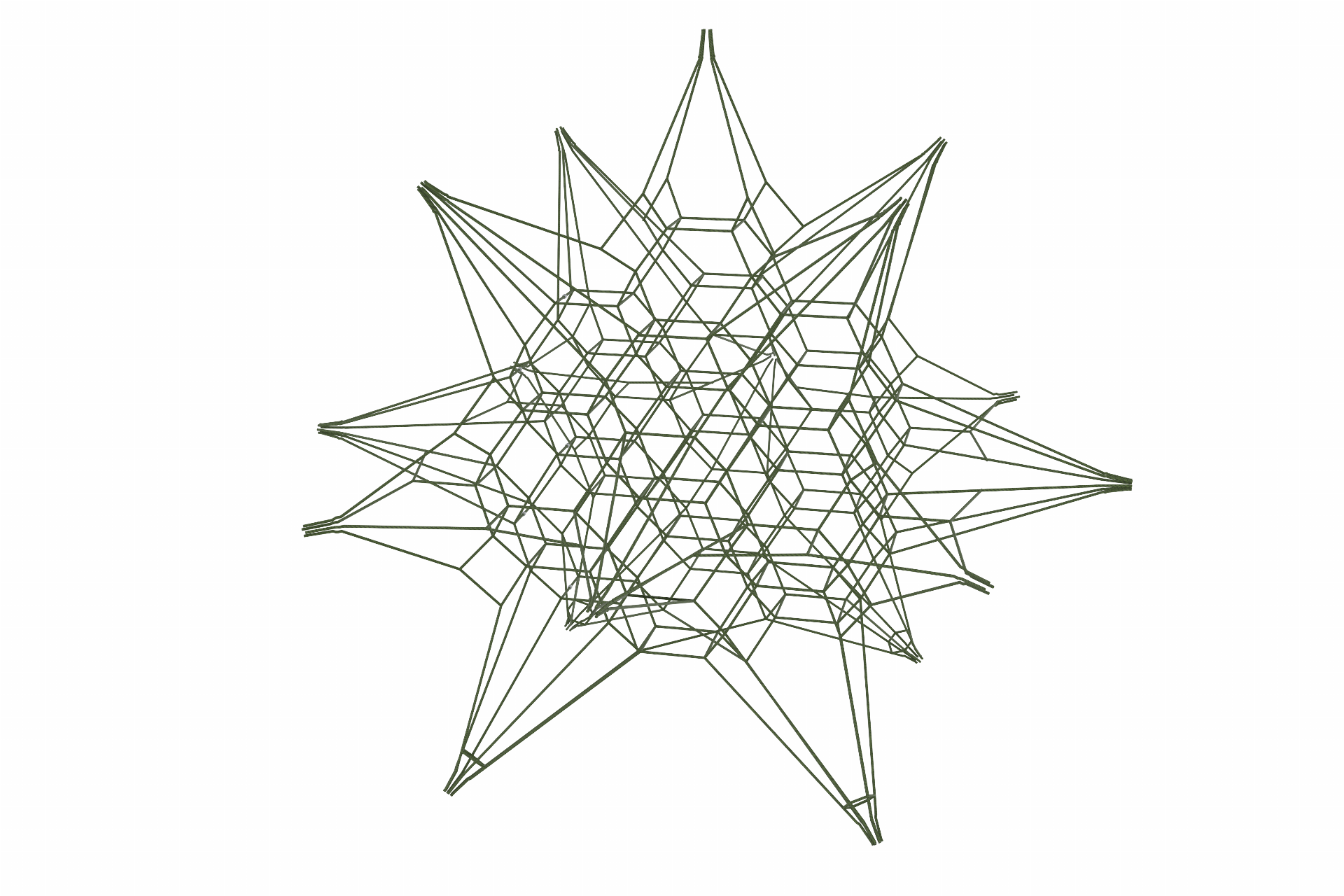
3D Rope

Climbing enhances children's strength, endurance, muscle development, balance, and coordination. It helps them manage heights, build self-confidence, and overcome challenges. Playgrounds support social interaction and teamwork.

Play Value - 2

Slide

It supports balance and muscle development, encourages children to engage in physical activity, and fosters empathy. The slide offers a safe sliding experience, boosts courage, and enhances speed perception and coordination.

Play Value - 3

Role Play

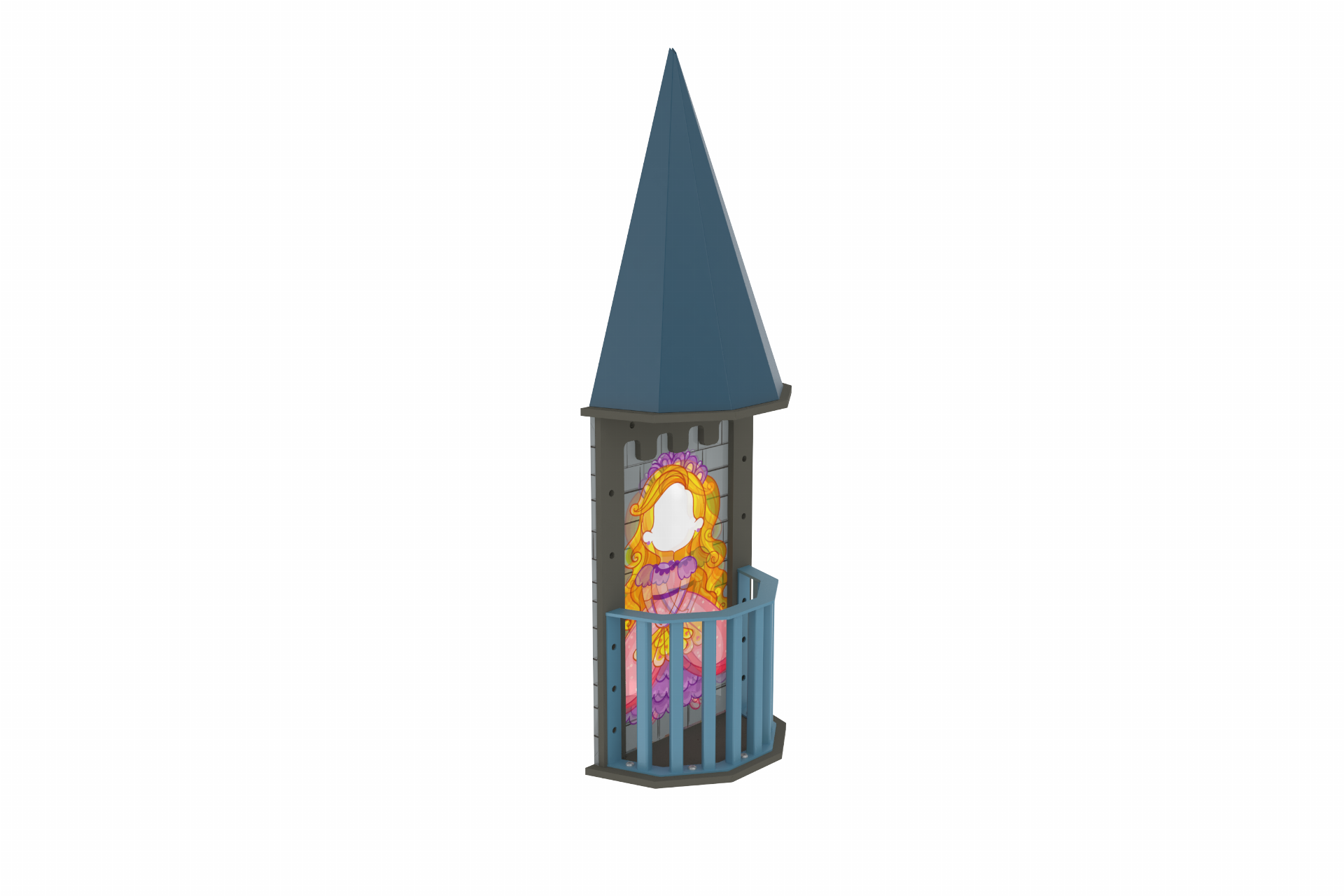
The module, designed according to the theme, enhances imagination and creativity through role-playing games. It encourages socialization and teaches turn-taking.

Play Value - 4

Roof

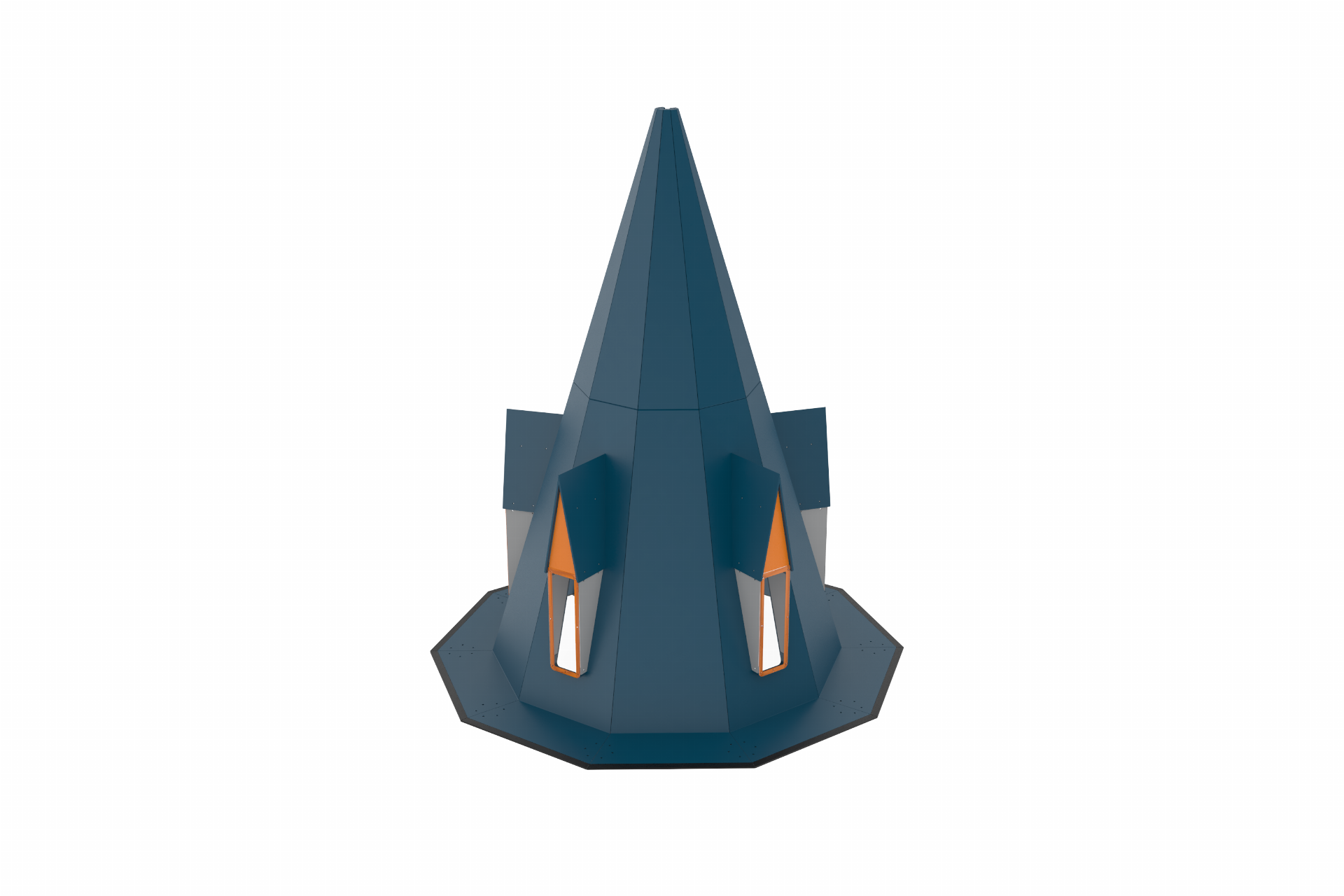
These structures offer children the opportunity to role-play and create scenarios with different themes. This process enhances social interaction, develops communication and collaboration skills, and supports imagination.

Cemer

Play Towers / Play Towers

CDP 110-P

Play Towers
Logo

Hanging

Gross motor skills involve large muscle movements like walking, jumping, and climbing. These skills are essential for balance and overall coordination.

Logo

Pull

Fine motor skills include precise movements using the hands and fingers, such as writing, cutting, or buttoning. They help children grasp and manipulate objects.

Logo

Rotate

Perception and awareness involve interpreting sensory information from the environment. They are foundational for attention, focus, and learning.

Logo

Balance

Perception and awareness involve interpreting sensory information from the environment. They are foundational for attention, focus, and learning.

Logo

Spin

Vestibular and proprioceptive input activate sensory systems responsible for balance, movement, and body awareness. They help children control body posture and motion.

Logo

Crawling

Fine motor skills include precise movements using the hands and fingers, such as writing, cutting, or buttoning. They help children grasp and manipulate objects.

Logo

Accessible

Empathy and emotional awareness involve recognizing one’s own emotions and understanding others’. These skills foster healthy social interactions.

Logo

Cooperation

Empathy and emotional awareness involve recognizing one’s own emotions and understanding others’. These skills foster healthy social interactions.

Logo

Interaction

Perception and awareness involve interpreting sensory information from the environment. They are foundational for attention, focus, and learning.

Logo

Push

Fine motor skills include precise movements using the hands and fingers, such as writing, cutting, or buttoning. They help children grasp and manipulate objects.

Logo

Slide

Perception and awareness involve interpreting sensory information from the environment. They are foundational for attention, focus, and learning.

Logo

Running

Gross motor skills involve large muscle movements like walking, jumping, and climbing. These skills are essential for balance and overall coordination.

Logo

Sound-Rhythm

Perception and awareness involve interpreting sensory information from the environment. They are foundational for attention, focus, and learning.

Logo

Sitting

Cooperation is the ability to work harmoniously with others towards a shared goal. It encourages teamwork and effective communication.

Logo

Role Play

Symbolic/dramatic play involves using imagination to imitate or act out scenarios. It supports emotional and social development through role-playing.

Logo

Rock

Gross motor skills involve large muscle movements like walking, jumping, and climbing. These skills are essential for balance and overall coordination.

Logo

Swing

Vestibular and proprioceptive input activate sensory systems responsible for balance, movement, and body awareness. They help children control body posture and motion.

Logo

Socialize

Cooperation is the ability to work harmoniously with others towards a shared goal. It encourages teamwork and effective communication.

Logo

Glide

Vestibular and proprioceptive input activate sensory systems responsible for balance, movement, and body awareness. They help children control body posture and motion.

Logo

Climbing

Gross motor skills involve large muscle movements like walking, jumping, and climbing. These skills are essential for balance and overall coordination.

Logo

Bouncing

Vestibular and proprioceptive input activate sensory systems responsible for balance, movement, and body awareness. They help children control body posture and motion.

Logo

Logical Reasoning

Problem solving is a cognitive skill where the child thinks, experiments, and finds solutions to challenges.