CA 819
Logo

Freestanding Playground Equipments / Modular Climbing Playgrounds

CA 819

Modular Climbing Playgrounds

Product Information

Dimensions (W x L x H):2.25 x 12.95 x 2.40m
Age Group:3+
Capacity:12
Fall Height:2.40 m
Safety Area:75.60 m²

Activities

Balance
Crawling
Cooperation
Running
Sitting
Climbing

Skill Experiences

Physically
Cognitive
Social
Sensory
Product

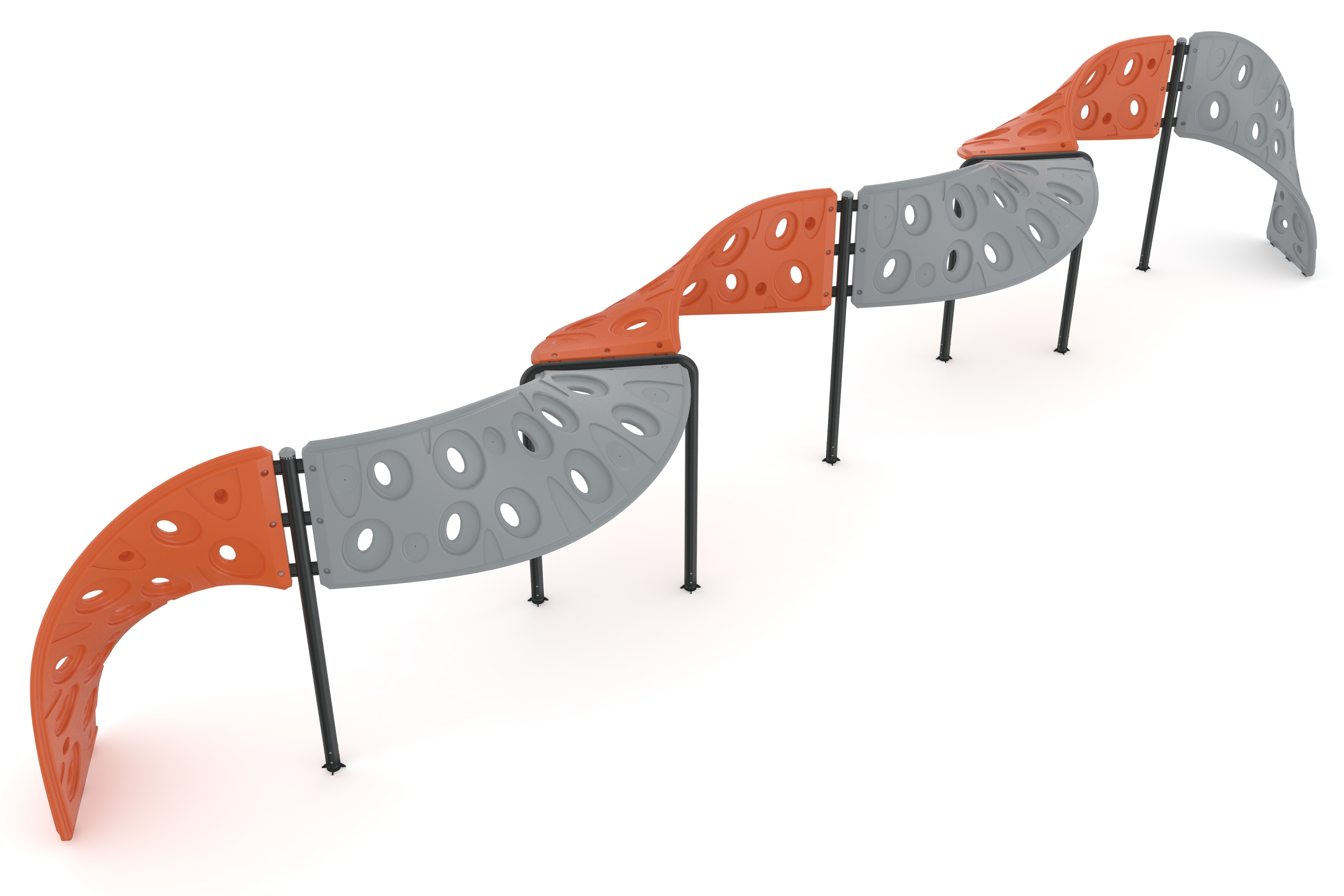
GIMBET CLIMBING - CA 819

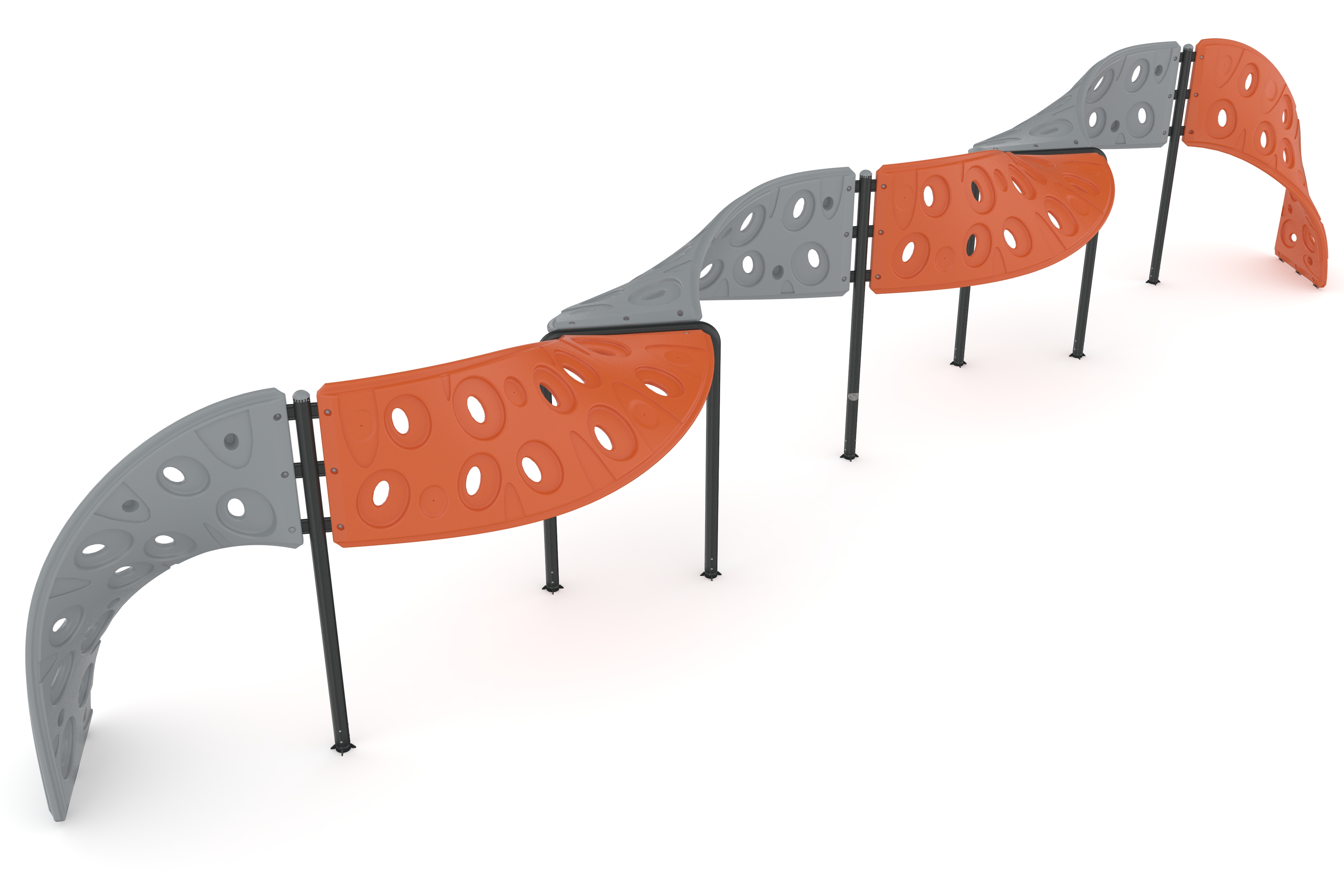
Gimlet climbing is a modular product series designed to improve the climbing skills of children with two forms, wavy and straight. Numerous combinations can be created by combining the elements vertically and horizontally. Thanks to its challenging form, it improves the balance and coordination of children as well as their spatial awareness.
ca-819-render-ca-819-pers-2.jpg

Freestanding Playground Equipments / Modular Climbing Playgrounds

CA 819

Modular Climbing Playgrounds
Polyethylene Parts

Polyethylene Parts

UV resistant with high value of light fastness rotomolded polyethylene parts are used to form the structure. All parts are manufactured with double wall technique with the thickness between 4-6 mm.

3 Layer Coating

3 Layer Coating

Metal pipes and other metal parts are comprised of ST 37 Steel with Metal finish; Sandblasting and treated with solvent-free zinc primer coating which is inherently corrosion resisted under extreme weather conditions and UV.

ST 37 Metal

ST 37 Metal

Single-casing aluminum cast connectors are compressed with 300 tons to avoid moving and premature wear. “E (end stop) connector’’ is shapely and pleasant to grip with no sharp angles or edges. These connectors are fastened to main frame either to welded flanges on main frame or with “C” aluminum clamps to main frame.

Cemer

Freestanding Playground Equipments / Modular Climbing Playgrounds

CA 819

Modular Climbing Playgrounds
Logo

Hanging

Gross motor skills involve large muscle movements like walking, jumping, and climbing. These skills are essential for balance and overall coordination.

Logo

Pull

Fine motor skills include precise movements using the hands and fingers, such as writing, cutting, or buttoning. They help children grasp and manipulate objects.

Logo

Rotate

Perception and awareness involve interpreting sensory information from the environment. They are foundational for attention, focus, and learning.

Logo

Balance

Perception and awareness involve interpreting sensory information from the environment. They are foundational for attention, focus, and learning.

Logo

Spin

Vestibular and proprioceptive input activate sensory systems responsible for balance, movement, and body awareness. They help children control body posture and motion.

Logo

Crawling

Fine motor skills include precise movements using the hands and fingers, such as writing, cutting, or buttoning. They help children grasp and manipulate objects.

Logo

Accessible

Empathy and emotional awareness involve recognizing one’s own emotions and understanding others’. These skills foster healthy social interactions.

Logo

Cooperation

Empathy and emotional awareness involve recognizing one’s own emotions and understanding others’. These skills foster healthy social interactions.

Logo

Interaction

Perception and awareness involve interpreting sensory information from the environment. They are foundational for attention, focus, and learning.

Logo

Push

Fine motor skills include precise movements using the hands and fingers, such as writing, cutting, or buttoning. They help children grasp and manipulate objects.

Logo

Slide

Perception and awareness involve interpreting sensory information from the environment. They are foundational for attention, focus, and learning.

Logo

Running

Gross motor skills involve large muscle movements like walking, jumping, and climbing. These skills are essential for balance and overall coordination.

Logo

Sound-Rhythm

Perception and awareness involve interpreting sensory information from the environment. They are foundational for attention, focus, and learning.

Logo

Sitting

Cooperation is the ability to work harmoniously with others towards a shared goal. It encourages teamwork and effective communication.

Logo

Role Play

Symbolic/dramatic play involves using imagination to imitate or act out scenarios. It supports emotional and social development through role-playing.

Logo

Rock

Gross motor skills involve large muscle movements like walking, jumping, and climbing. These skills are essential for balance and overall coordination.

Logo

Swing

Vestibular and proprioceptive input activate sensory systems responsible for balance, movement, and body awareness. They help children control body posture and motion.

Logo

Socialize

Cooperation is the ability to work harmoniously with others towards a shared goal. It encourages teamwork and effective communication.

Logo

Glide

Vestibular and proprioceptive input activate sensory systems responsible for balance, movement, and body awareness. They help children control body posture and motion.

Logo

Climbing

Gross motor skills involve large muscle movements like walking, jumping, and climbing. These skills are essential for balance and overall coordination.

Logo

Bouncing

Vestibular and proprioceptive input activate sensory systems responsible for balance, movement, and body awareness. They help children control body posture and motion.

Logo

Logical Reasoning

Problem solving is a cognitive skill where the child thinks, experiments, and finds solutions to challenges.