CA 1408
Logo

Freestanding Playground Equipments / Playground Trampolines

CA 1408

Playground Trampolines

Product Information

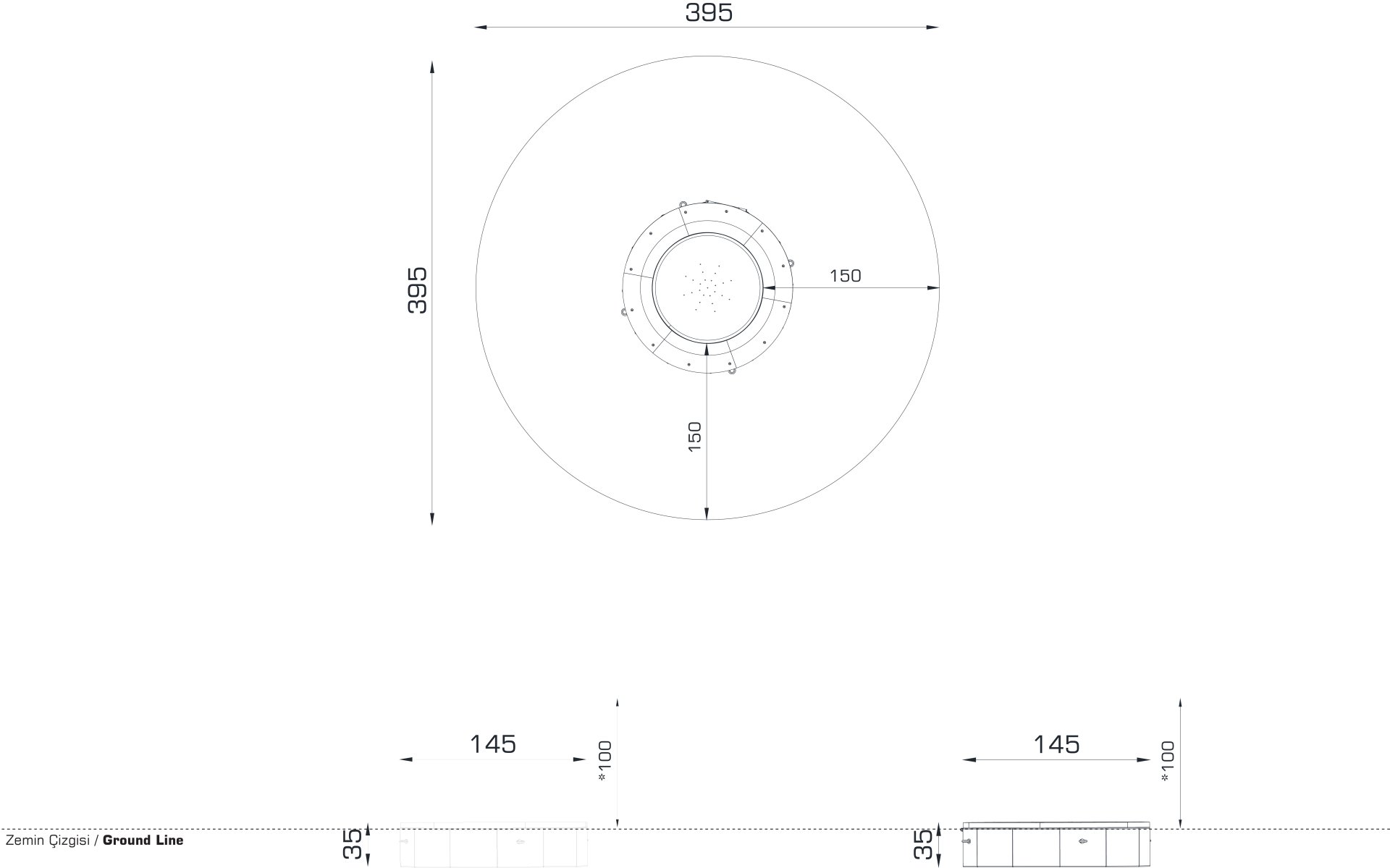
Dimensions (W x L x H):1.45 x 1.45 x 0.40m
Age Group:2-12 years
Capacity:1
Fall Height:1.00 m
Safety Area:12.20 m²

Activities

Equality
Bouncing

Skill Experiences

Physically
Cognitive
Social
Sensory
Product

TRAMPOLINES - CA 1408

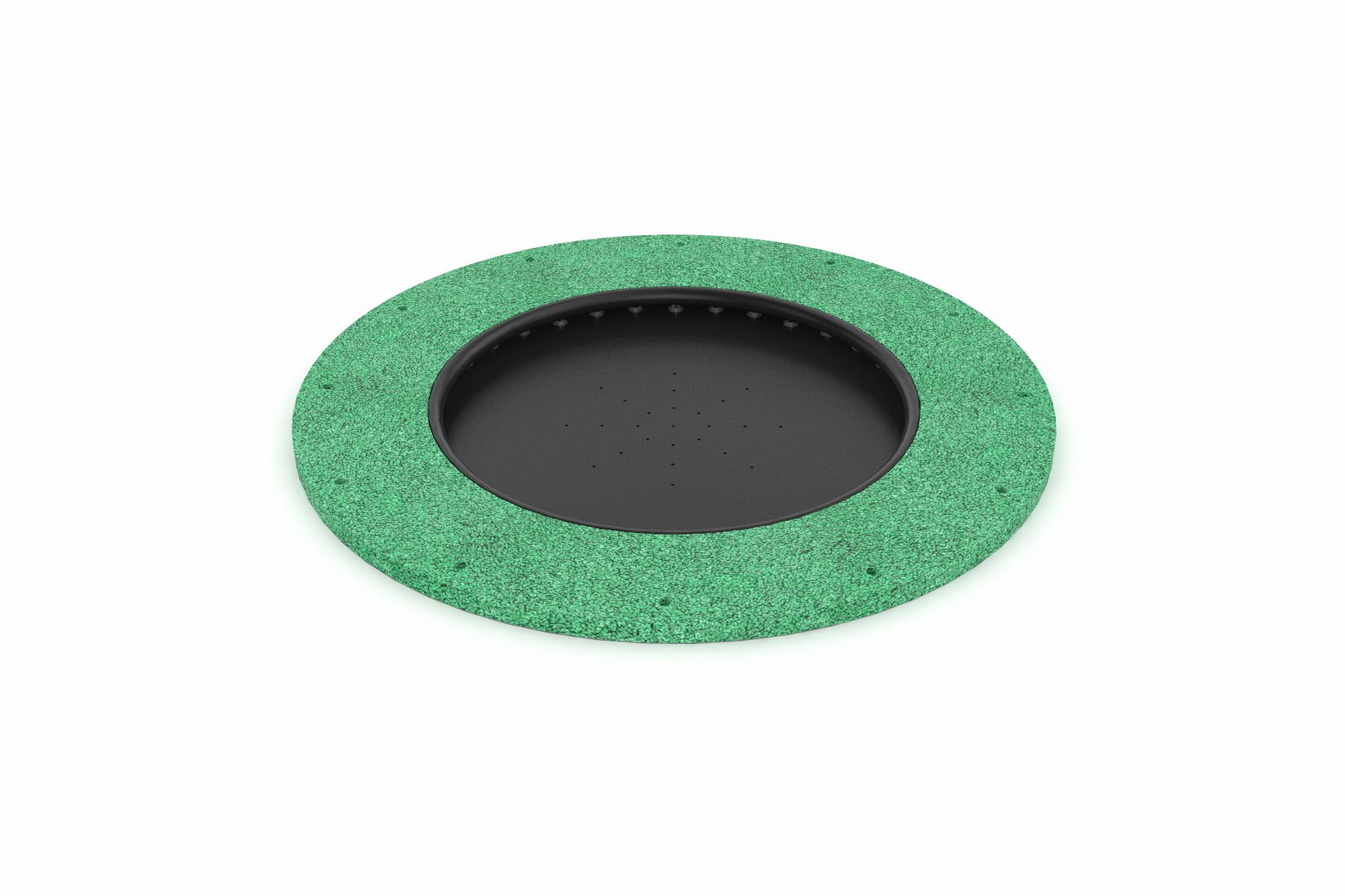
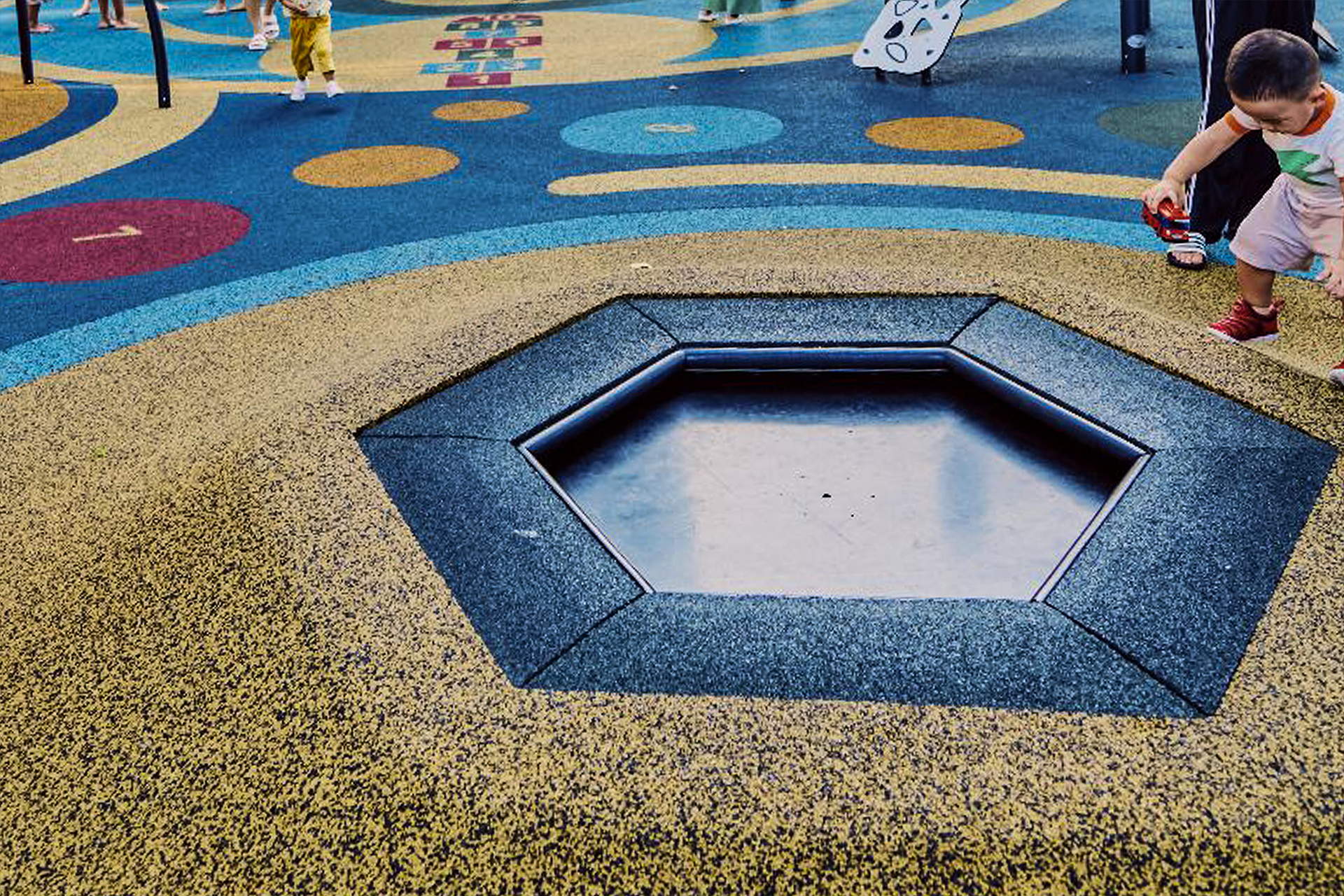
Trampolines are playground accessories that all children aged 3 and above can enjoy. The product allows individual or group play and contributes to physical development of the children by exercising leg muscles and encouraging remaining physically active.
ca-1408-render-ca-1408-pers-2.jpg

Freestanding Playground Equipments / Playground Trampolines

CA 1408

Playground Trampolines
Flexible Rubber Material

Flexible Rubber Material

3-layer textile-reinforced flexible rubber is used as the bouncing surface. The rubber is fastened to trampoline’s frame with springs.

Rubber

Rubber

18 mm rubber coating is applied on the steel frame to increasing impact absorption qualities and prevent injuries during use. The rubber is free of toxic and hazardous materials.

Spring

Spring

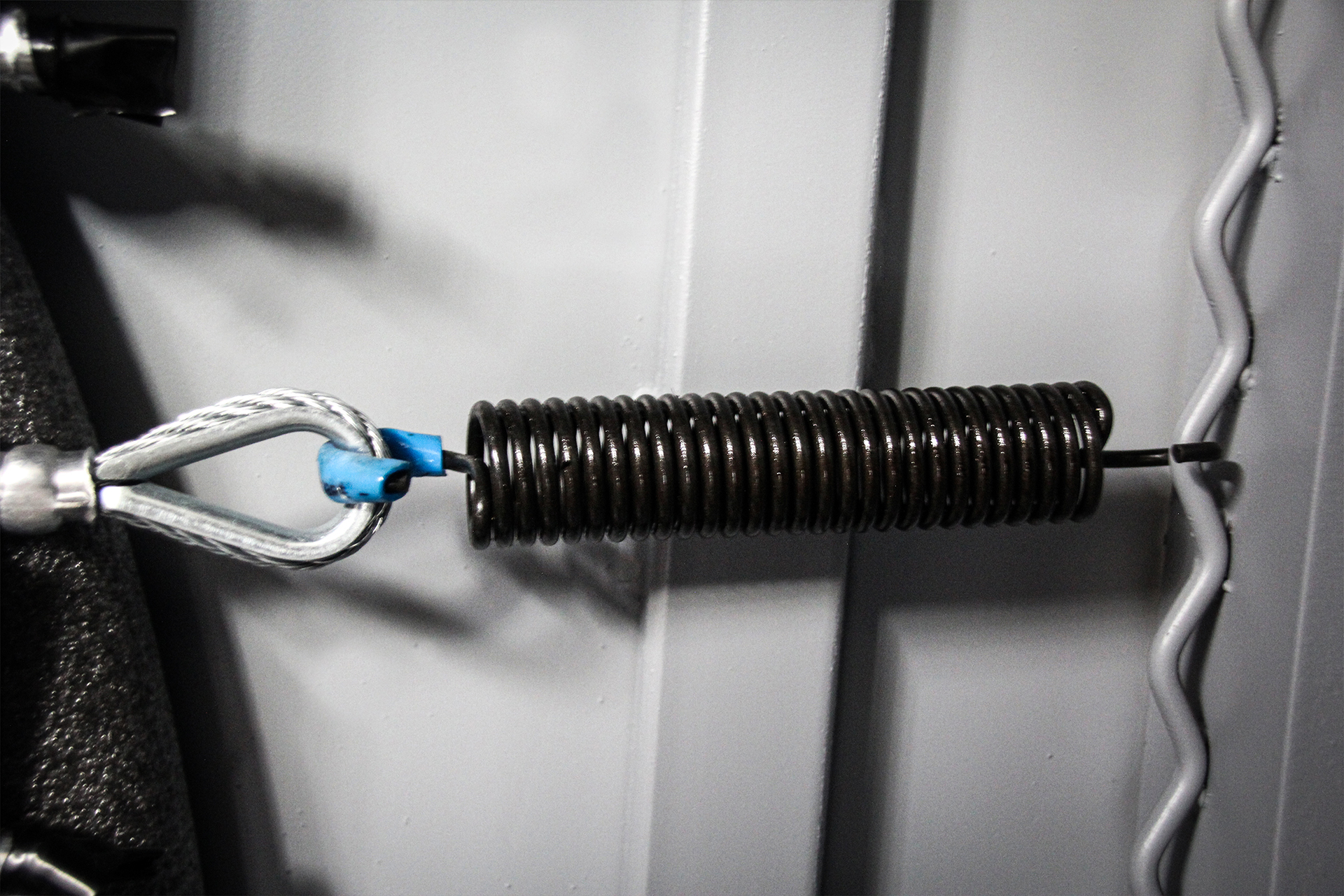
5-7.5mm Steel cables going through plastic components constitute the main carrying elements. Bouncing force is provided by return springs with 5mm section thickness. Springs shall be fixed to the frame and the spring system between the jumping area and frame shall be isolated.

ST 37 Metal

ST 37 Metal

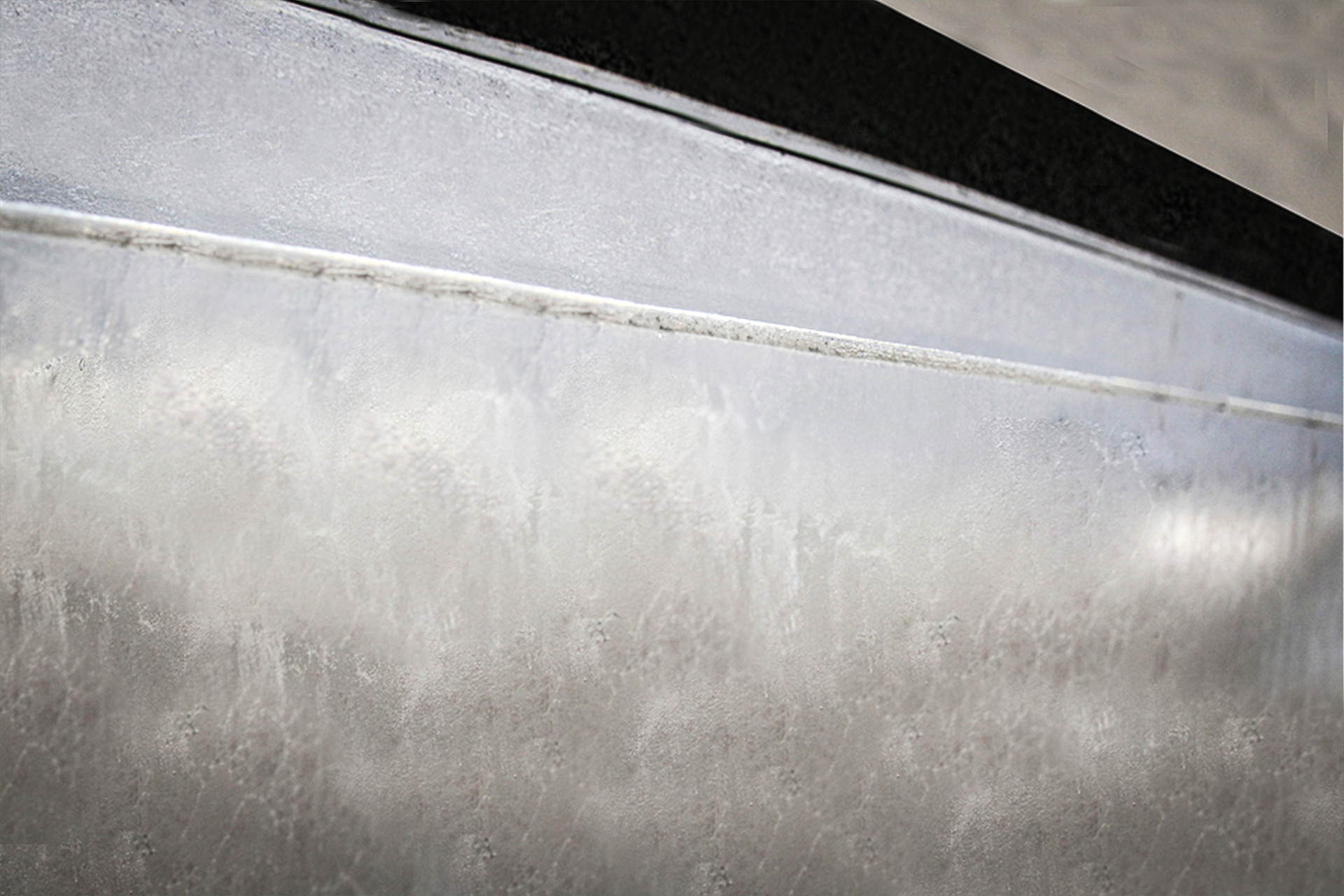
The metal parts used in the construction of the product consist of ST 37 steel. It is coated with hot dip galvanizing method to prevent corrosion. Thanks to the galvanized coating, the service life and strength of the parts are greatly increased and there is no need for maintenance.

Cemer

Freestanding Playground Equipments / Playground Trampolines

CA 1408

Playground Trampolines
CA 1408_GUVENLIK.jpg
Front View
Side View

*Maximum Fall Height       Measurements shown are in centimeters.

Cemer

Freestanding Playground Equipments / Playground Trampolines

CA 1408

Playground Trampolines
Logo

Hanging

Gross motor skills involve large muscle movements like walking, jumping, and climbing. These skills are essential for balance and overall coordination.

Logo

Pull

Fine motor skills include precise movements using the hands and fingers, such as writing, cutting, or buttoning. They help children grasp and manipulate objects.

Logo

Rotate

Perception and awareness involve interpreting sensory information from the environment. They are foundational for attention, focus, and learning.

Logo

Balance

Perception and awareness involve interpreting sensory information from the environment. They are foundational for attention, focus, and learning.

Logo

Spin

Vestibular and proprioceptive input activate sensory systems responsible for balance, movement, and body awareness. They help children control body posture and motion.

Logo

Crawling

Fine motor skills include precise movements using the hands and fingers, such as writing, cutting, or buttoning. They help children grasp and manipulate objects.

Logo

Accessible

Empathy and emotional awareness involve recognizing one’s own emotions and understanding others’. These skills foster healthy social interactions.

Logo

Equality

Empathy and emotional awareness involve recognizing one’s own emotions and understanding others’. These skills foster healthy social interactions.

Logo

Interaction

Perception and awareness involve interpreting sensory information from the environment. They are foundational for attention, focus, and learning.

Logo

Push

Fine motor skills include precise movements using the hands and fingers, such as writing, cutting, or buttoning. They help children grasp and manipulate objects.

Logo

Slide

Perception and awareness involve interpreting sensory information from the environment. They are foundational for attention, focus, and learning.

Logo

Running

Gross motor skills involve large muscle movements like walking, jumping, and climbing. These skills are essential for balance and overall coordination.

Logo

Music

Perception and awareness involve interpreting sensory information from the environment. They are foundational for attention, focus, and learning.

Logo

Sitting

Cooperation is the ability to work harmoniously with others towards a shared goal. It encourages teamwork and effective communication.

Logo

Role Play

Symbolic/dramatic play involves using imagination to imitate or act out scenarios. It supports emotional and social development through role-playing.

Logo

Rock

Gross motor skills involve large muscle movements like walking, jumping, and climbing. These skills are essential for balance and overall coordination.

Logo

Swing

Vestibular and proprioceptive input activate sensory systems responsible for balance, movement, and body awareness. They help children control body posture and motion.

Logo

Socialize

Cooperation is the ability to work harmoniously with others towards a shared goal. It encourages teamwork and effective communication.

Logo

Glide

Vestibular and proprioceptive input activate sensory systems responsible for balance, movement, and body awareness. They help children control body posture and motion.

Logo

Climbing

Gross motor skills involve large muscle movements like walking, jumping, and climbing. These skills are essential for balance and overall coordination.

Logo

Bouncing

Vestibular and proprioceptive input activate sensory systems responsible for balance, movement, and body awareness. They help children control body posture and motion.

Logo

Logical Reasoning

Problem solving is a cognitive skill where the child thinks, experiments, and finds solutions to challenges.